
Reviewed · KOBE & HIMEJI DAY TRIPS
Kyoto: Miyama Village, Amanohashidate & Ine Bay Day Trip
Three scenic worlds in one long day. I love the Ine Bay funaya boat houses, where fishing life and tidal water sit side by side. I also love the Amanohashidate views, especially the ropeway viewpoint and the pine-lined sandbar. The one drawback to plan for is the packed pace, because you’ll have free time, but it still feels like a “see it, then move on” day.
This trip makes a big difference if you’re starting in Osaka. You meet near Nipponbashi Station, then ride in a comfortable, air-conditioned coach with a multi-language guide who keeps the day moving and explains what you’re looking at. And because it’s a shared group format, you get structure without the stress of transfers and train lines.
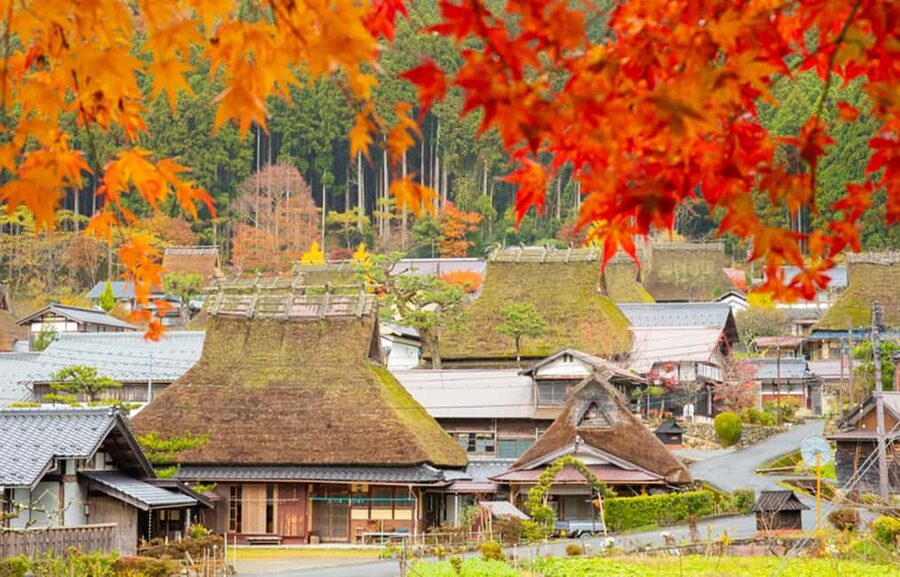
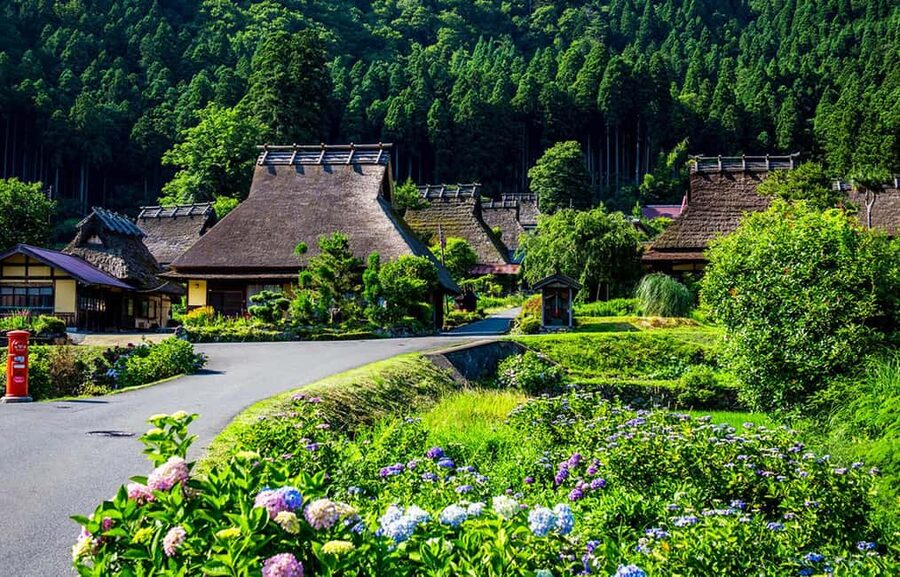
Your final stop is the quiet contrast: Miyama Kayabuki no Sato, a storybook thatched village in Kyoto’s northern mountains. You’ll get a guided look at the architecture details (like the chigi beams and yukiwari snow-cutting rods) plus time for a local café stop and wandering at your own speed.
Key things that make this day trip work
- Ine Bay funaya on the water, with boat houses that still function as homes
- Amanohashidate’s pine-lined sandbar, plus temple stops and shrine-and-spring rituals
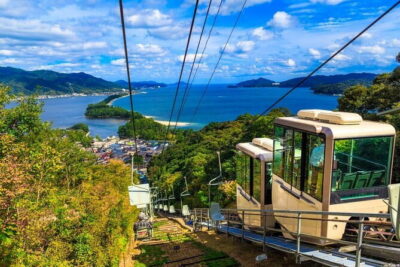
- Cable car viewpoint access (self-paid) to get the famous higher perspective
- Miyama Kayabuki no Sato’s preserved thatched homes, with architectural details explained
- Guides like Liu San or Cave reported to run smoothly in multiple languages and keep everyone on track
Price and value: $63 buys a lot of structure
At about $63 per person, this is one of those “value through organization” tours. You’re paying for round-trip transport from central Osaka, a driver, and a guide who can interpret each stop in English, Japanese, and Traditional Chinese. You’re also getting parking handled, which matters on bus trips in Japan.
What’s not included is just as important: lunch and personal expenses are on you, and the Amanohashidate ropeway/cable car is self-paid. Some people also budget for an additional boat cruise experience in Ine Bay. So the real cost is the base price plus whatever you choose to add and whatever you eat.
For my money, the best value here is time. Three major destinations in one day is hard to stitch together well with public transit, especially if you want time to actually look around.
You can also read our reviews of more tours and experiences in Miyazu.
Nipponbashi meet-up: the early start that keeps the day from falling apart
You meet at Nipponbashi Station Exit 2 in the Namba Shinsaibashi area. The timing is tight by design: aim to arrive 15 minutes early. You meet at 7:05 AM and the bus leaves at 7:20 AM.
Why it matters: you’re crossing regions and moving between stops that each take walking time plus photo and guided segments. If you show up late, the bus won’t wait, and there’s no built-in “catch-up” buffer.
Good habit to copy: once you’re on board, use the first ride to get your bearings. The guide shares what’s coming next, and in past days the guide has used clear pacing signals to help people plan their free time.
Ine Bay funaya: waterline houses, fishing life, and the quiet lanes
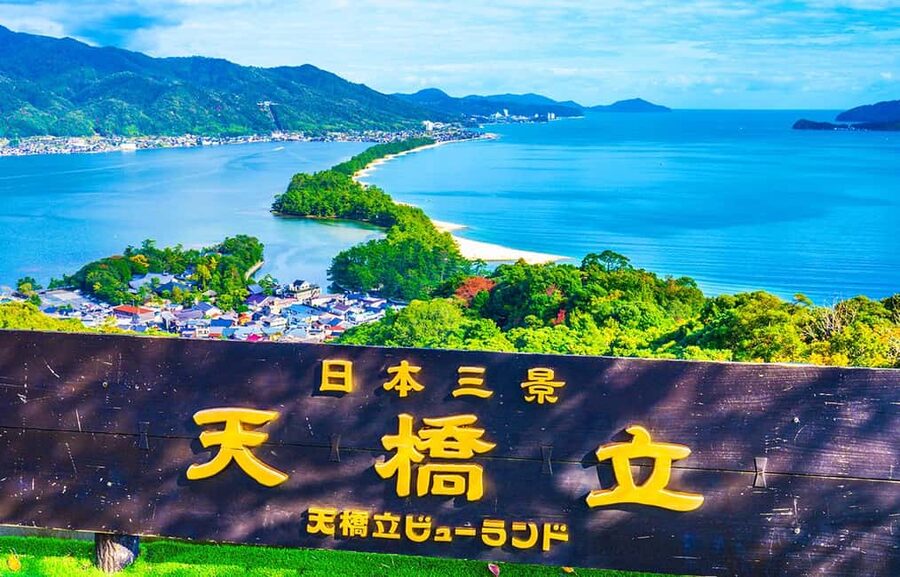
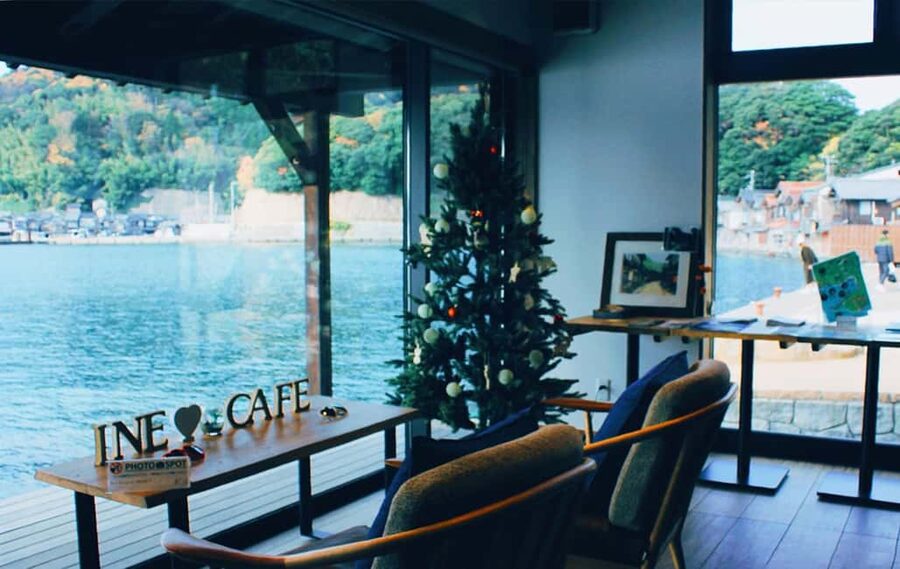
Ine Bay is the opening act that changes the mood fast. This coastal village is known for around 230 traditional funaya, the boat houses that sit right above the water. The idea is simple and unforgettable: people live where the sea is part of daily life.
Here’s what I love about this stop from a traveler perspective. You’re not just looking at scenery. You’re seeing how built form works with tides. The funaya are two-story: one level is for fishing boats, and the other is home. That practical layout makes the whole place feel alive, not staged.
You’ll typically get:
- A photo stop and a guided sightseeing segment
- Time to wander the quiet lanes
- A chance to grab a drink at a seaside café with panoramic bay views
If you want the full Ine Bay experience
Some tours build in an Ine Bay boat cruise, and I’d plan a little extra money in case that’s offered or charged separately that day. One more local note: the trip information advises being cautious of eagles in the area, so keep your attention up while you’re outdoors.
Comfort tip: wear shoes you can walk in for uneven ground near the waterfront. This isn’t a “sit down and coast” stop.
Amanohashidate: the pine dragon, temple prayers, and that ropeway viewpoint
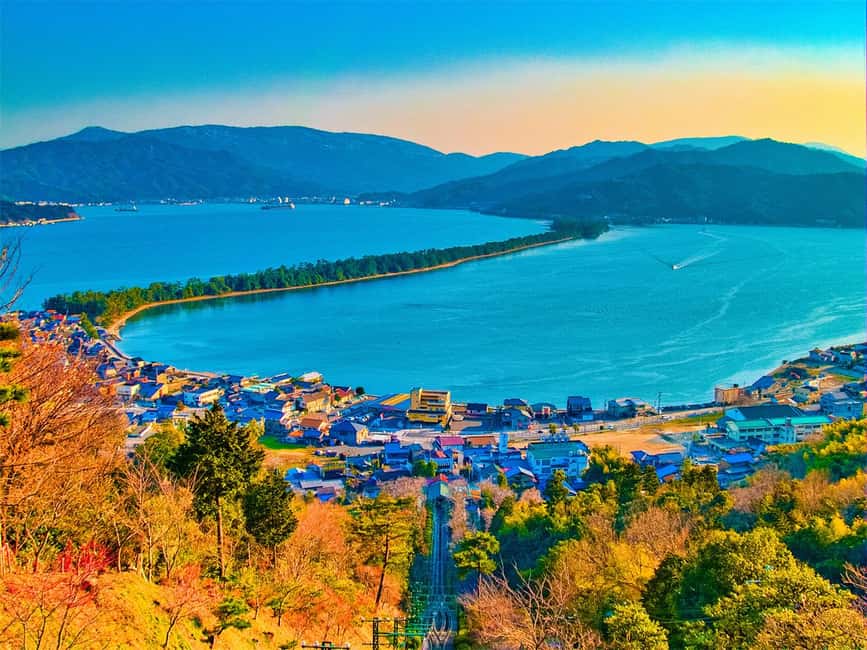
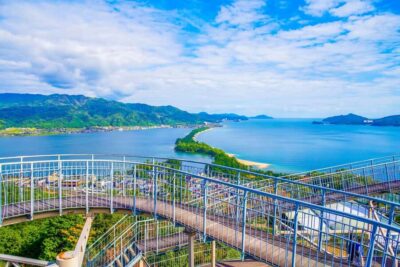
Then you’re off to Amanohashidate, one of Japan’s famous scenic icons. The sandbar stretches 3.6 kilometers, and it’s lined with over 8,000 pine trees. From certain angles, it really does look like a green dragon crossing the bay.
The ropeway to View Land (and why it’s worth it)
For the best panorama, you can take the cable car to the View Land area. This viewpoint is often called the Flying Dragon View. Since it’s self-paid, you decide based on weather and your energy level, but it’s the easiest way to get height and clean sightlines without doing a long climb.
The fun and the sacred: temples and rituals
This stop isn’t only about the view. You also visit sacred places:
- Chion-ji Temple
- Monju-do Hall, where the focus is on prayers, including academic success
- Amanohashidate Shrine
- Isoshimizu Spring, listed among Japan’s top 100 natural waters
At the spring, you’re expected to cleanse your hands before making a wish. It’s a small ritual, but it gives you a real sense of how locals experience the site, not just photograph it.
There’s also a playful cultural moment. You may be encouraged to try a traditional good-luck custom that involves viewing something upside down between your legs. Even if you’re not a ritual person, it’s a memorable way to participate without needing any special equipment.
Rotating bridge watch
One of the more entertaining sights here is a rotating bridge that turns to let ships pass. Watching it in action can be a highlight because it’s unusual and it breaks up the day with something unexpected.
Free time on the beach
After the guided viewing, you get a photo stop and free time near the beach area. This is your chance to breathe, take calmer photos away from the crowd flow, and decide whether you want to linger at sea level or chase viewpoints you might have missed earlier.
Reality check: Amanohashidate can be busy, and weather changes how much you’ll enjoy the open views. If it’s foggy or rainy, the ropeway can be less dramatic, but you still get the spiritual stops and the chance to see how the site works in different conditions.
Miyama Kayabuki-no-Sato: thatched roofs, chigi beams, and rural calm
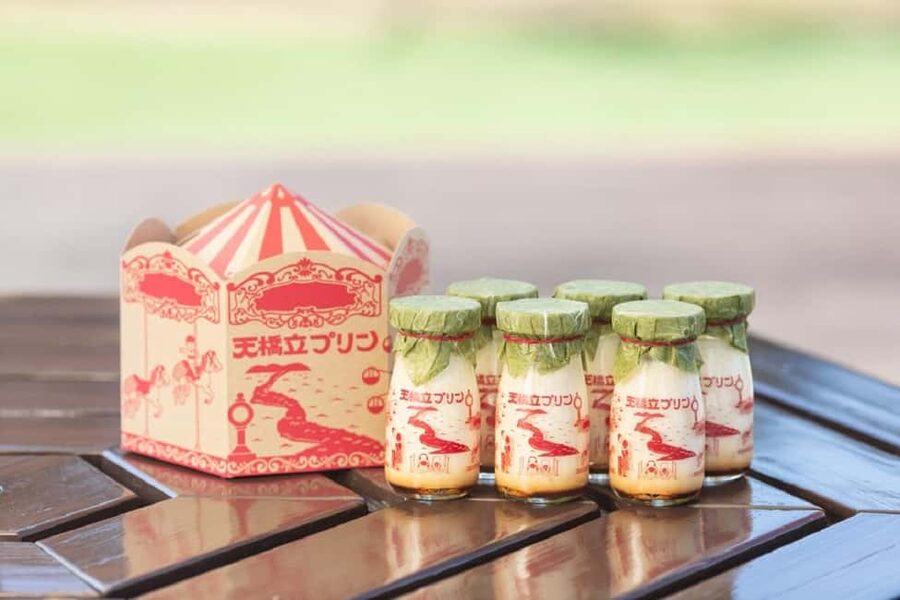
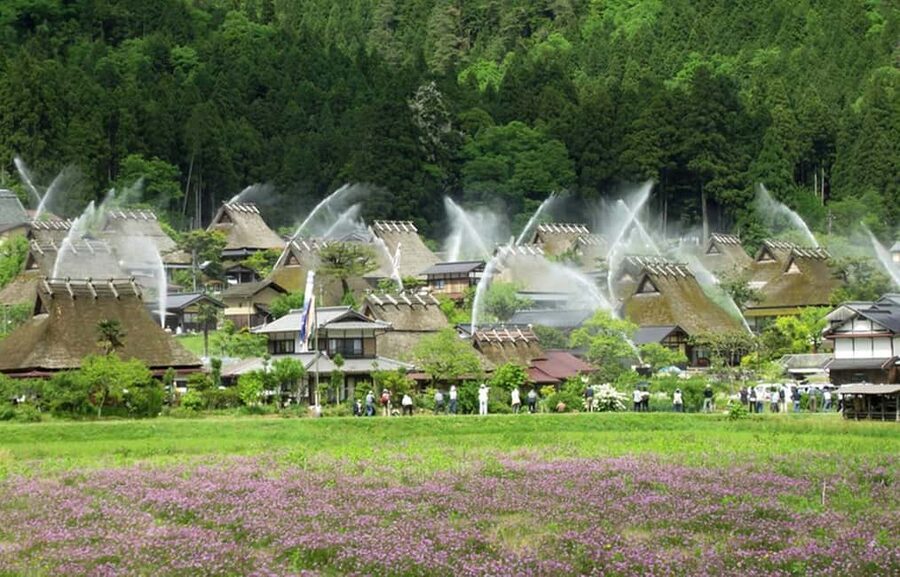
By the time you reach Miyama Kayabuki no Sato, the day shifts from sea views to mountain village quiet. This is one of Japan’s remaining thatched-roof villages, with over 40 Edo-period style houses.
What I like about Miyama is that it feels different from the big-name tourist circuits because the focus is on how the village was built and how it’s been preserved. You’ll get guided explanations of:
- Chigi beams, the crisscross roof support details
- Yukiwari snow-cutting rods, designed around winter realities
Those architectural details are the kind of thing you’d miss if you just walked in on your own. Having someone point them out makes the village feel more like a living lesson rather than a pretty photo set.
A quick café break and an easy wander
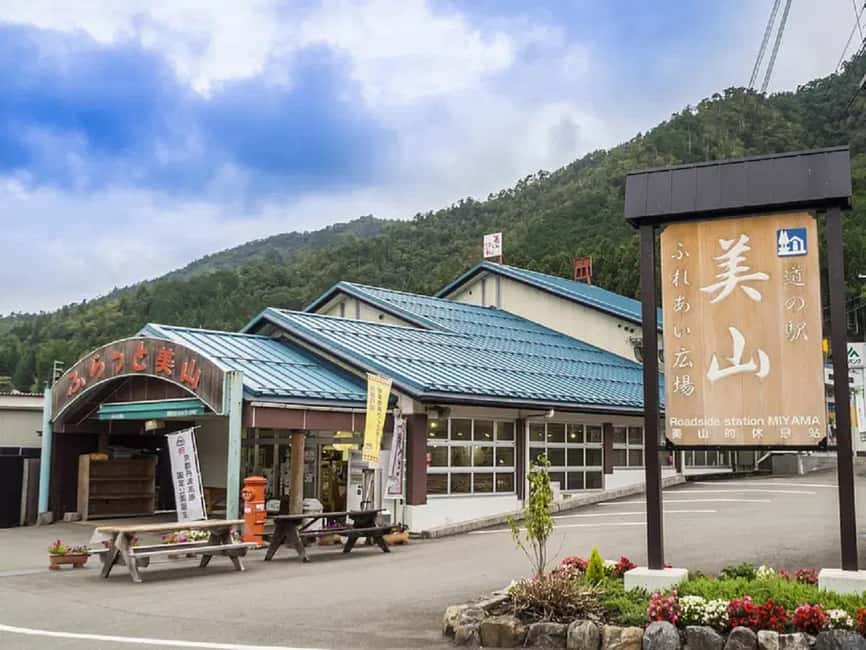
There’s also time for a relaxed stop at Café Gallery Saika, where you can enjoy local ice cream while you look out over the village scenery. After that, you can explore areas with preserved artifacts of rural life and peek into interiors of a preserved thatched house.
Important expectation setting: your time here is shorter than the headliners at sea level. You should plan to focus on the best paths for photos and architecture details, then use free time for lingering only if weather and crowd flow allow.
How the guide keeps everything running on a long day
The real secret sauce in this kind of day trip is the human factor, not the bus. The guides are reported to be strong at keeping timing and explaining what you’re seeing, and you can see it in the way they handle multiple languages.
From past experiences, guides like Liu San and Cave have been praised for switching smoothly between languages and staying organized during the flow between stops. One practical detail I’d copy: during free time, the guide typically helps you stay on track by clarifying departure expectations so the group doesn’t drift too far.
Also, because it’s a shared group with guests from various countries, the guide’s explanations can feel like a mini lesson plan, not just “look here, take a photo, move on.”
Extras and what to budget: lunch, cable car, and possible boat costs
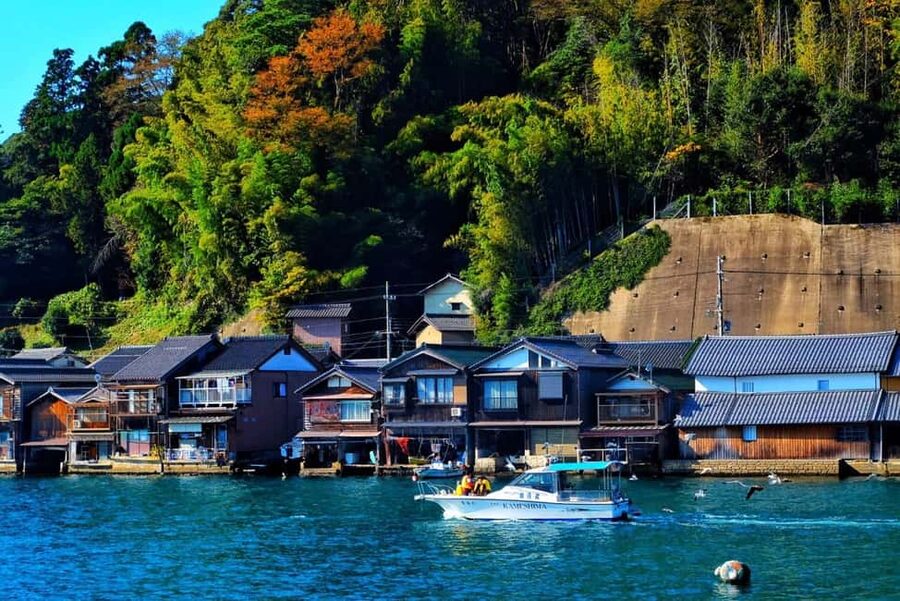
Here’s how I’d budget realistically:
- Base tour price: includes round-trip transport, parking, and a multi-language guide
- Lunch: not included
- Cable car/ropeway to View Land: self-paid
- Possible extra boat cruise fees in Ine Bay (some days include an Ine Bay cruise experience with additional cost)
Since some scenic spots and restaurants can require cash, bring some cash. The trip also lists what to bring: comfortable shoes, sunglasses, camera, and weather-appropriate clothing.
If you want a smooth day, plan your food around the tour gaps rather than expecting a long lunch sit-down. And because this is a long day, bring a small snack if you’re the type who gets hungry between stops. The tour info doesn’t mention snacks, so don’t assume lunch will arrive exactly when you want it.
Walking, crowds, and who should skip this tour
This is a good fit if you:
- Want a structured day trip from Osaka without solving transport
- Like nature + culture mixed together (bay scenery, pine sandbar, temples, thatched village)
- Enjoy photography and short guided context at each stop
This is not a great fit if you have mobility limitations. The trip data says it’s not suitable for people with mobility impairments, and that makes sense for a route that includes walking, uneven areas, and multiple stop-and-go segments.
Also, it’s smart to know you might face delays due to bad weather, traffic, or holiday crowds. The itinerary may shorten or reschedule some parts if conditions are rough, so keep your evening plans flexible.
Should you book this Kyoto day trip from Osaka?
I’d book it if you want a fast, well-run sampler of Kyoto’s variety without spending your whole day navigating trains. The best reasons to choose it are the Ine Bay funaya atmosphere, the iconic Amanohashidate scenery with temple context, and the chance to see Miyama Kayabuki no Sato with real architectural explanations.
Don’t book it if you’re hoping for a slow, unhurried experience. This is a long day with time limits at each place, and the value comes from organization more than from lingering.
If you decide to go, plan for comfortable shoes, pack weather gear, bring cash, and treat the cable car as your main “upgrade” decision at Amanohashidate. Do that, and you’ll likely feel like you got a lot of Japan for one day without losing your mind in transit.
FAQ
Is lunch included on this day trip?
No. Lunch is not included, so you’ll want to plan for food on your own during the free time.
How long is the Kyoto: Miyama Village, Amanohashidate and Ine Bay Day Trip?
The total duration is about 10 hours.
What languages are used during the tour?
The tour uses an English-Japanese-Traditional Chinese guide format (English, Japanese, and Traditional Chinese).
Where do I meet in Osaka?
Meet at Nipponbashi Station Exit 2 in the Namba Shinsaibashi area. You meet at 7:05 AM and depart at 7:20 AM.
Is the cable car included at Amanohashidate?
No. The cable car ride is self-paid.
Is the tour suitable for people with mobility impairments?
No. This tour is listed as not suitable for people with mobility impairments.
More Tour Reviews in Miyazu
Not for you? Here's more nearby things to do in Miyazu we have reviewed
Kobe & Himeji Day Trips, compared.
 ★ 4.6Osaka/Kyoto: Amanohashidate & Miyama Tour with Boat & LunchFrom $71207 reviews
 ★ 5.0Nara Park, Osaka & Kobe from Kyoto Full Day tourFrom $90207 reviews
 ★ 4.6From Kyoto: Nara, Osaka & Kobe Day Trip – 3 Cities in 1 DayFrom $129160 reviews
 ★ 4.8Volleyball in Osaka, Kobe & Kyoto with locals!From $6131 reviews
 ★ 5.0Discover Himeji, Kobe and Nara from OsakaFrom $91101 reviews
 ★ 4.5Kyoto Amanohashidate,Ine Bay Trip with Optional boat/RopewayFrom $6387 reviews
 ★ 4.7Pickleball in Osaka, Kobe & Kyoto with Locals!From $680 reviews
 ★ 4.5Amanohashidate & Ine Funaya Sightseeing Full Day Trip from KyotoFrom $6462 reviews
Browse the lists this tour appears in