Reviewed · KYOTO
Badminton in Osaka & Kyoto with Locals!
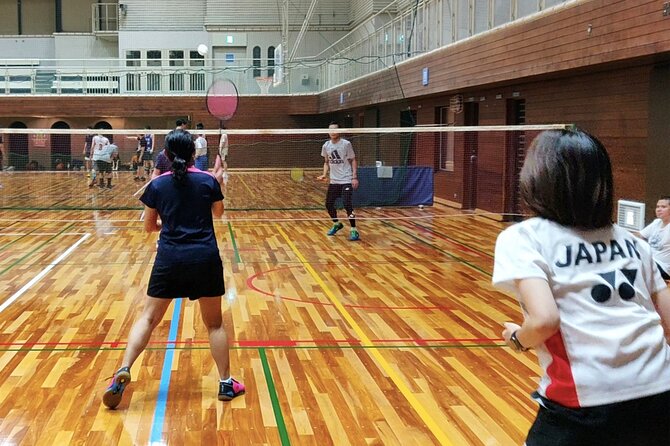
Badminton in Osaka with locals is a fun reset. You spend 3 hours playing doubles in friendly gyms around Osaka and Kyoto, with English and Japanese support and a small group limited to 5. I like the local-player vibe because you get moving fast and talking naturally.
Two things really win here. First, you can meet new friends across skill levels, including international players who also just want to keep playing. Second, it is practical value, rackets and plastic Yonex shuttles included, plus locker rooms and shower access after the game.
The one thing to plan for is logistics. Venues vary across Osaka (and the experience may include Kyoto options), and there is no shoe rental, so you must bring indoor court shoes that have not been worn outdoors.
Key points you should know before you go
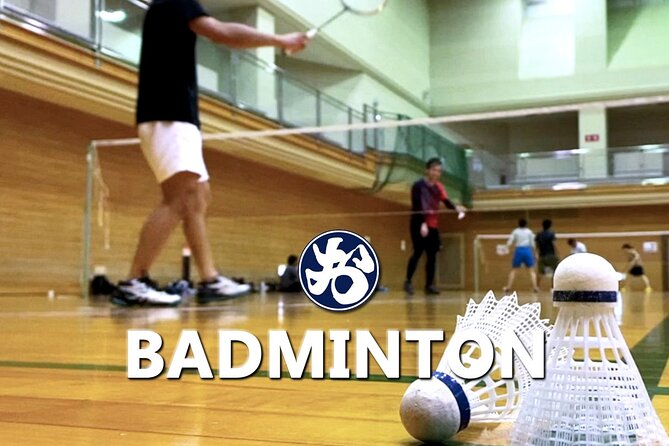
- Small group of up to 5 means you get more court time and less standing around.
- Rackets, plastic Yonex shuttles, lockers, and showers are included, so you show up and play.
- Mixed-skill doubles is the point, you get tips and practice without feeling out of place.
- Various gyms around Osaka and Kyoto keep things interesting, and you may play in venues like Sumiyoshi Sports Center.
- Court etiquette matters, you may queue by piling a racket near the net.
- English and Japanese support helps when you want coaching or simple game advice.
Why this Osaka and Kyoto badminton outing feels more real than sightseeing
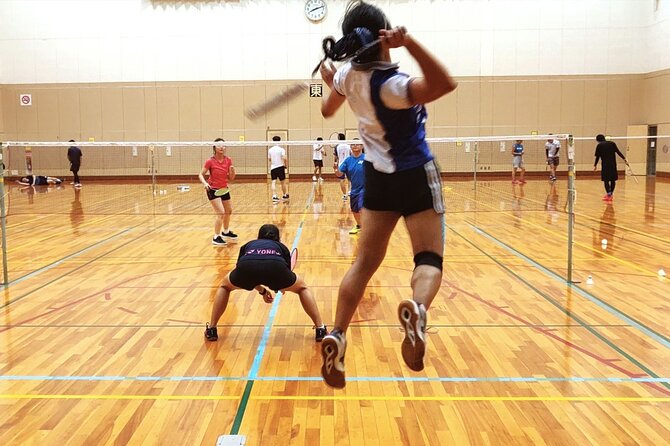
Osaka and Kyoto can be a lot of looking and walking. This gives you a different kind of travel memory: movement, noise, friendly competition, and quick conversations that start because you are sharing the court.
What I like is that this is not a performance or a tour of tennis courts for tourists. It is a straightforward badminton session with locals and other international players, built around doubles matches at multiple levels. You get the social part of travel without forcing small talk to happen out of thin air. Sports does it for you.
And the format is flexible for real life. Even if you are rusty, you are not starting from zero in a lecture. You are stepping into a rhythm where people rotate, play, and offer tips as needed. That is what makes it work for different skill levels.
One more detail that matters: the instructor support is English and Japanese. That means you can ask for simple help, like how to position yourself in doubles, how to approach a certain shot, or how to adjust your timing. If you just want to play and keep it light, that is also fine.
You can also read our reviews of more tours and experiences in Osaka.

The value question: $6 for rackets, shuttles, and showers
At about $6 per person for a 3-hour activity, the pricing is the kind that makes you do a double take. Not because it is a bargain trick, but because the basics that usually cost extra are already handled.
You get:
- Badminton rackets
- Plastic Yonex shuttles
- Locker room access
- Shower access
That combination changes the whole cost-to-comfort equation. Court time is one thing. Freshening up afterward is another, and it is often overlooked in low-cost activities. Here, showers are included, which is a big deal if you are still going to explore afterward in Osaka or Kyoto.
It also lowers the barrier if you packed light. You do not need to hunt down rackets or find a place to buy shuttles. You still need shoes, but everything else is set up for the session.
So yes, it is cheap. But it is not cheap in the sense of being under-supported. The experience provider, omoroi life, is organizing the setup so you can focus on the game instead of logistics.
Where you play: rotating gyms across Osaka and Kyoto
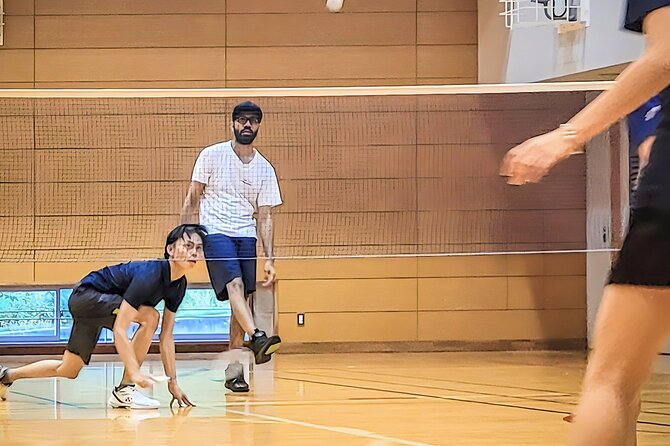
Badminton sessions take place at various gyms. The exact location depends on the option you book, and on the day you attend you will be directed to the gym venue. The meeting point can vary too.
One venue name you might run into is Sumiyoshi Sports Center. In at least one past session, it was described as having good court conditions, which matters for enjoyment. Badminton is picky about floors and net setups. If the court feels right, you can actually practice what you want instead of wrestling the environment.
Here is the practical meaning of the rotating-gyms setup:
- You are getting more variety than one cookie-cutter sports hall.
- You are not trapped in the same routine for all 3 hours.
- You should plan to be a bit flexible with where you go and how you get there.
What can be a drawback is travel friction. Osaka is easy to move around, but adding a specific gym location changes your timing. Build in a little buffer. If you are rushing to dinner or a night train, this is not the kind of activity where you can ignore timing.
How the doubles format works for mixed skill levels
This is not a private lesson where you pay for one-on-one coaching. It is more like a social sports system that takes skill differences in stride.
You can expect:
- Friendly doubles matches at all levels
- Tips from organizers and other players during play
- Rotations that let you practice different partners
- A team leader style of guidance, with English and Japanese support available
From a player’s point of view, the best part of doubles is that you get constant feedback without even asking for it. You try a shot, you see what your partner can handle, and the next rally teaches you something new.
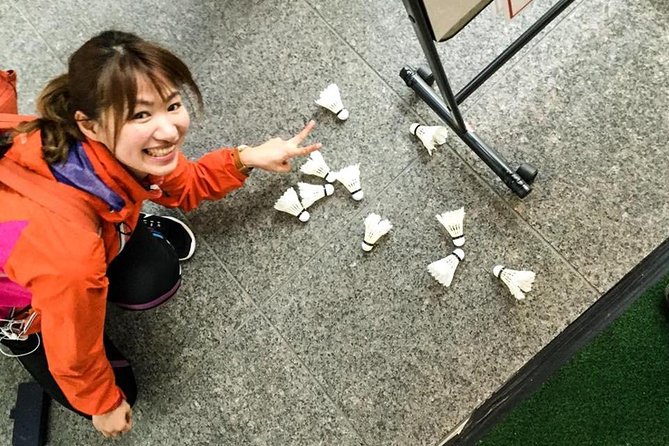
There is also a real-world detail about court use. One helpful tip is that you might queue for the next court by piling a racket near the net. That sounds tiny, but it saves you from awkward confusion. When you arrive, watch what others do, and follow the local cue. You will blend in faster than you expect.
If you are new, focus on basic positioning and simple shot control. If you play already, use the session to sharpen consistency and doubles decision-making, like when to push forward, when to cover the rear, and how to react to quick exchanges at net level.
Your 3-hour rhythm: what the session typically feels like
You are looking at a 3-hour block. In that time, the goal is not to keep you “busy” with drills for the whole period. It is to give you enough court time to feel active, sweaty, and socially connected.
A realistic way to think about your time:
- You arrive at the gym and get oriented to the session flow.
- You use included equipment, with rackets and plastic Yonex shuttles ready.
- You rotate through doubles play with locals and other international players.
- You take advantage of the locker room and showers when you are done.
One nice thing in the experience design is that showers exist inside the same gym process. That makes it easy to recover and keep enjoying your day in Osaka or Kyoto. You do not have to go hunting for a place to rinse off before you eat or head out again.
Also, the small group size matters. Limited to 5 participants, it tends to create a steadier connection between players. You are more likely to feel like you are part of the same group instead of just another person in a large tournament crowd.

What to bring (and the shoe rule people forget)
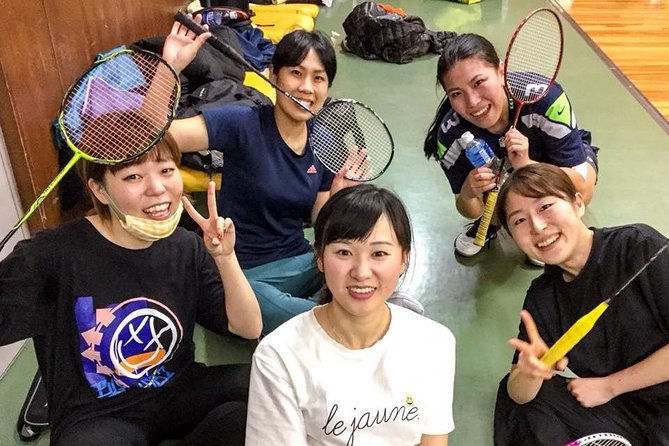
This experience is friendly, but it is also strict about sports basics. The most important item is indoor shoes.
Bring:
- Indoor sports shoes that have not been worn outdoors
- Your comfortable athletic wear for a gym setting
Do not expect:
- Shoe rentals, there are none
Also consider shuttles:
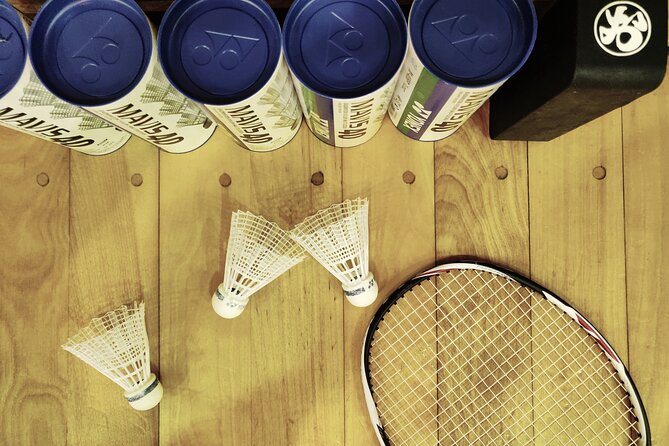
- Plastic Yonex shuttles are provided
- Feather shuttles are optional, if you want to use feathers for your own games, bring your own shuttles
That shoe rule is not picky for fun. Badminton shoes are designed for court traction and reduced wear on gym floors. Outdoors worn shoes can wreck the surface and usually feel worse. It is also a hygiene issue in many Japanese gyms.
If you forget, you might be stuck. So pack shoes like you would for a tennis or badminton meetup back home. It is the one “must-have” item that can make or break the day.
Meeting point and getting there without stress
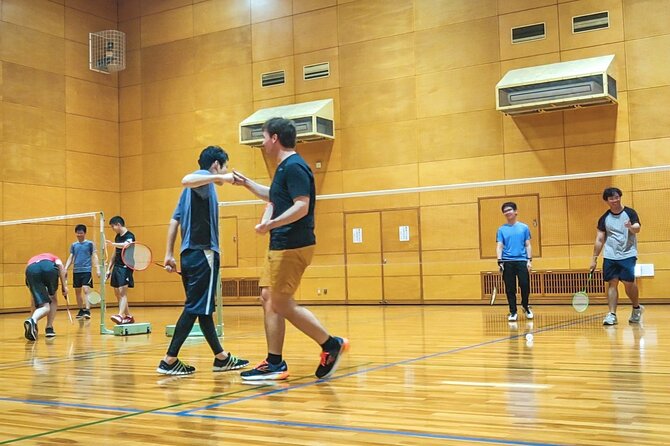
The meeting point may vary depending on the option booked. The coordinates provided are 34.6621223, 135.4455016.
Because venues shift and gyms differ, you should treat the meeting point as the start of your local handoff. In practice, that means:
- Arrive a little early so you can find the right group
- Confirm which gym you are heading to that day once you meet the organizer team
- Expect that getting to the court might take a bit of walking or transit, since the session happens in multiple gym locations around Osaka and possibly Kyoto
This is one of those experiences where being calm matters. If you run in late and flustered, you will lose the relaxed social vibe that makes the badminton part enjoyable.
Who this is for, and who should skip it
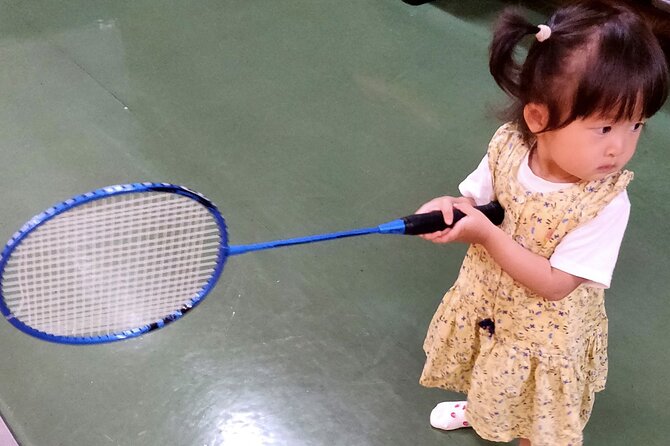
This is a good match if you want an active, social outing that still feels easy to join. You do not need to be a top player. The whole point is mixed-level doubles with friendly locals, plus tips from organizers and players.
It is especially appealing if:
- You want exercise but not a solo workout
- You like learning through play instead of lectures
- You want a quick community connection in Osaka and Kyoto
It is not suitable if you:
- Use a wheelchair
- Have back problems
- Have pre-existing medical conditions
That last category is important. Badminton can involve quick lunges, jumps, and sudden changes in direction. If your doctor advises against high-impact or twisting movements, this may not be the right choice.
The real reason I think you will like this: it creates friendships fast
A lot of city activities claim they are social. This one is social because the setting forces interaction. You cannot hide behind silent audio tours. You have to talk, nod, swap positions, and learn by doing.
And the people you meet tend to be welcoming. You get a friendly crowd, good court conditions when venues are well run, and organizers who help make the session flow. Past participants have also pointed out the team leader style of support, which matters when you are trying to understand court order or how to jump into matches quickly.
If you have ever joined a sport meetup and felt awkward, this is the opposite. The structure is built to keep play going and reduce awkward downtime. You queue, you get on court, you play, you reset, and you go again.
Plus, you finish with showers, so you can transition back to travel mode right away. That makes it one of those rare “I did something fun and practical” days.
Should you book Badminton in Osaka and Kyoto with Locals?
I think you should book it if you want a low-cost, high-energy way to experience Osaka and Kyoto beyond food lines and temples. It is a solid choice for all skill levels, especially if you enjoy doubles and want to practice without the pressure of a formal tournament.
Book it with confidence if:
- You have indoor court shoes you have not worn outside
- You like the idea of friendly doubles with locals
- You want included rackets, shuttles, lockers, and showers so you do not spend extra time planning
Skip it if:
- You need wheelchair accessibility
- You have back issues or other medical restrictions that make badminton risky
- You cannot be flexible about varying gym locations and meeting points
If you are the type who likes authentic everyday culture, this is culture you can sweat in. It is simple. It is active. And for the price, it is hard to beat.
FAQ
How much does it cost per person?
The price is $6 per person.
How long is the experience?
The duration is 3 hours.
Where do the badminton sessions take place?
The sessions take place at various gyms around Osaka, and the experience includes badminton sessions around Osaka and Kyoto.
Where is the meeting point?
The meeting point may vary depending on the option booked. Coordinates provided are 34.6621223, 135.4455016.
What is included with the activity?
You get badminton rackets, shuttles (plastic Yonex), locker room access, and shower access.
What should I bring?
Please bring indoor sports shoes that have not been worn outdoors. There are no shoe rentals. If you want to use feather shuttles for your own games, bring your own.
How big is the group, what languages are offered, and can I cancel?
The group is limited to 5 participants. The instructor supports English and Japanese. You can cancel up to 24 hours in advance for a full refund.