
Reviewed · FUSHIMI INARI SHRINE TOURS
From Osaka: Nara, Kiyomizu-dera & Fushimi Inari Trip
Three temples, one long day, great payoff. This Osaka day trip strings together Nara Park deer time and Kiyomizu-dera viewpoints with a bilingual (English/Spanish) guide who keeps things moving.
I also like that you get a full Kyoto feel with the old streets near Kiyomizu-dera, then end at Fushimi Inari Taisha for the red torii walk. The only real consideration is timing, the route order and stop lengths can shift if traffic or weather changes things.
Key Highlights at a Glance
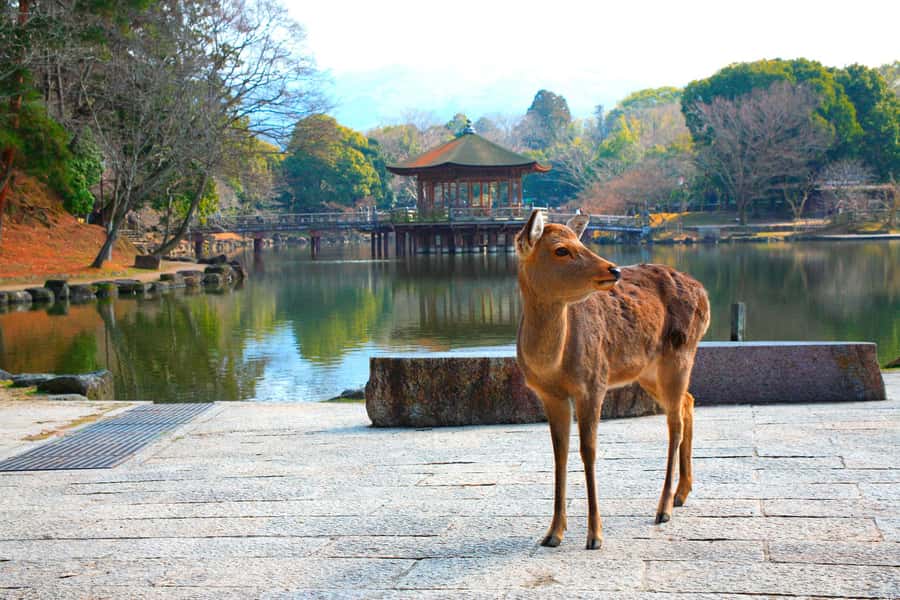
- Nara Park deer encounters with hundreds of free-roaming deer in the park
- Kiyomizu-dera UNESCO stop plus time at Otowa Waterfall
- Otowa Waterfall wish ritual tied to sacred waters
- Sannenzaka-style historic streets with traditional wooden buildings and tea house vibes
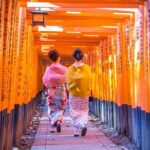
- Fushimi Inari red torii gates winding up Mount Inari, perfect for photos
- Bilingual guide support in English or Spanish, with explanations along the way
A One-Day Triangle: Nara Park, Kiyomizu-dera, and Fushimi Inari
This is the kind of day trip that works because each stop gives you a different Japan flavor. Nara is for open park space and deer encounters. Kyoto is for temple drama and hillside views. Fushimi Inari is for that iconic spiritual walk that feels almost like a tunnel of red.
The value here is not just that you visit three famous places. It is that you also get context, with a guide translating the big ideas behind what you are seeing. And you do it from Osaka without needing to solve transit chains on your own. For $49 per person, that blend of transportation, guide help, and included Kiyomizu-dera access is what makes this feel like a practical shortcut.
The caveat: it is a long day with bus time, and schedules can change. One person noted the time split felt uneven when the order was rearranged, giving them more time at Kiyomizu-dera than expected and less at Nara. So think of this as a guided day plan, not a rigid stopwatch.
You can also read our reviews of more tours and experiences in Osaka.


Meeting Up at Osaka Mode Gakuen, Then Letting the Bus Handle It
You start by meeting the guide at the corner of the building Osaka Mode Gakuen. Look for a sign for Amigo Tours. You will want to arrive at least 10 minutes early for check-in, because the group needs to roll on time.
From there, transportation is handled as part of the tour, but you should expect some serious sitting. The information notes the distances are long and you will spend time on the bus. That is not a dealbreaker, it is just part of the deal when you try to fit Nara and two Kyoto highlights into one day.
Also, there is no pickup or drop-off at your hotel. You will begin and end back at the meeting point, so plan your day around getting to Osaka Mode Gakuen.
Nara Park: Deer, Space, and a Low-Stress Start

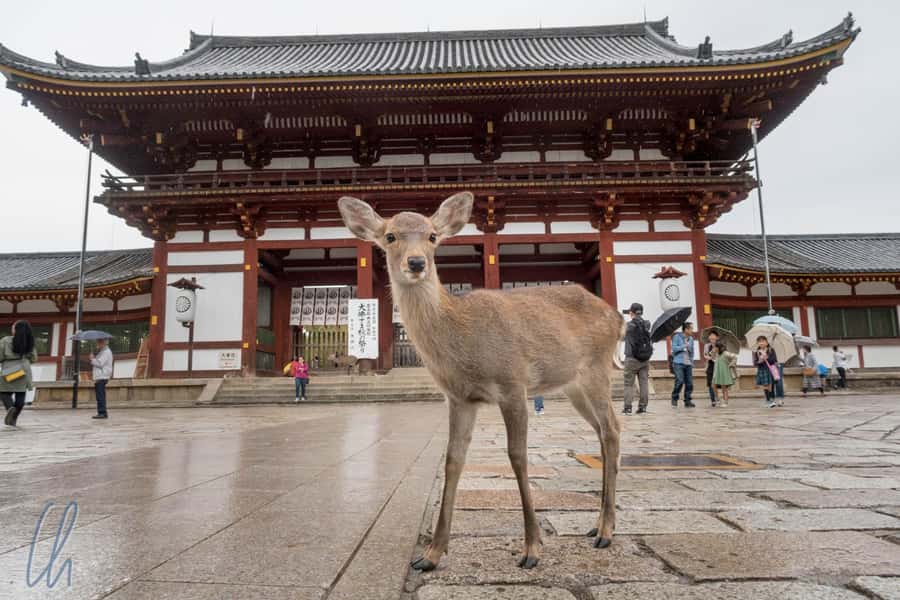
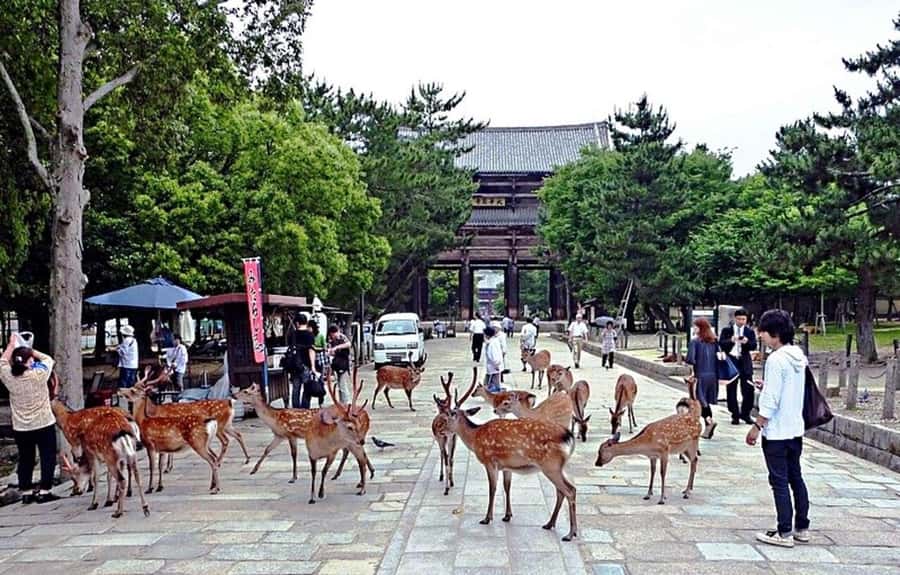
Nara Park is often the easiest way to start a big day, because it feels like an open-air scene rather than a packed city sprint. You get time to explore the park area where there are hundreds of free-roaming deer. The vibe is calm, and seeing deer just standing around makes the whole setting feel different from Japan’s train-station chaos.
One of the best parts of this stop is the chance to interact. The plan specifically mentions feeding and interacting with the deer. That matters because it turns Nara from sightseeing into a small, memorable moment you will actually talk about later.
Practical tip: wear comfortable shoes. Even though the park does not look like a “hike,” you are walking, stopping for photos, and repositioning around deer. It is also a place where you will likely want water ready, especially if you are doing this on a warmer day. Sunscreen helps too, because park shade depends on where the deer and people are clustered.
Kiyomizu-dera: UNESCO Views and the Otowa Waterfall Moment
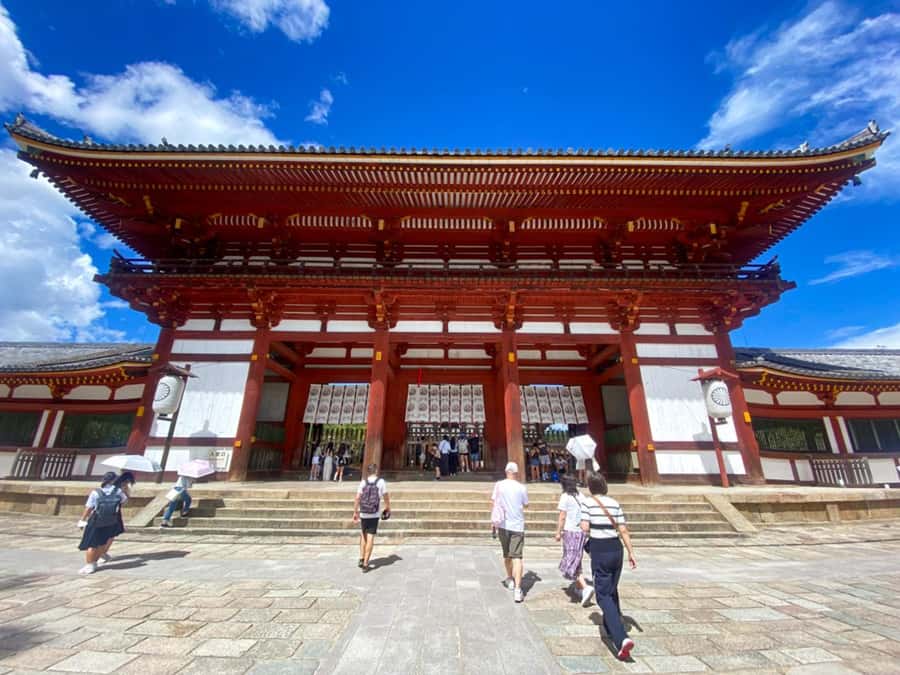
Kiyomizu-dera is the Kyoto stop that sells itself, and in this tour you do not just pass by. You get access to Kiyomizu-dera, and the highlight includes time at the wooden stage viewpoint area where you can take in sweeping views over Kyoto.
What makes Kiyomizu-dera worth your time is how it feels both dramatic and spiritual. The temple complex is built around that signature viewing platform, and once you are there, you get the sense that this site was designed for audiences, not just worshippers. If you like architecture, you will also appreciate the way the space frames the view.
Then there is Otowa Waterfall. The tour plan calls out Otowa Waterfall as famous for sacred waters believed to grant wishes. This is one of those moments where you will see people quietly doing the ritual, and it helps to let the guide explain what is going on. Even if you skip the superstition part, it is still a meaningful pause in a busy day.
Keep in mind: one guide-related time issue came up in feedback, where a person felt the morning at Kiyomizu-dera was longer than ideal. That does not mean it is always wrong, but it is a reminder to pace yourself. If you like to linger, great. If you prefer tighter pacing, you might want to plan your energy so you do not feel “done” before the day ends.
Sannenzaka Streets: Traditional Builds, Tea House Atmosphere, and Photo Stops
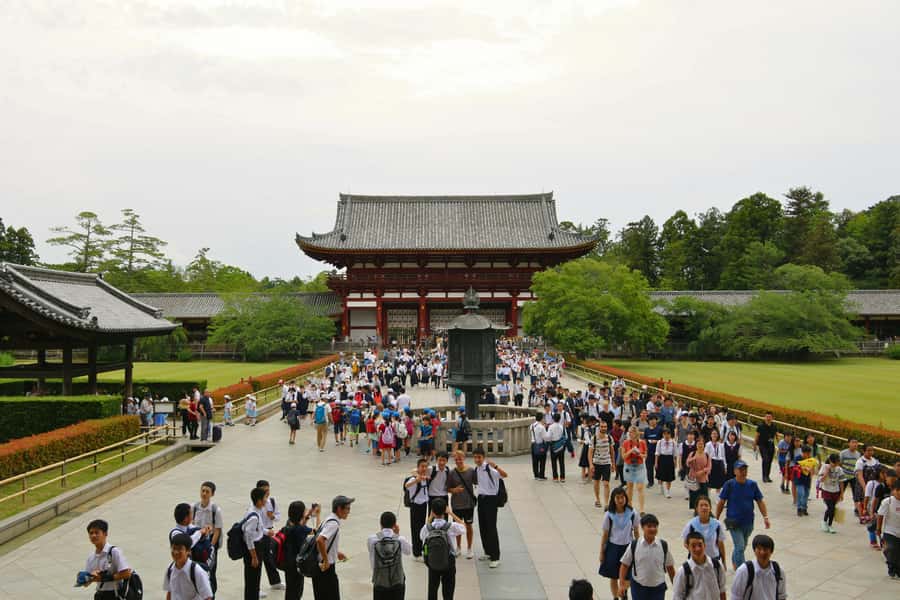
Between temple moments, the tour includes walking through Kyoto’s more historic streets near Kiyomizu-dera, specifically Sannenzaka. This area is known for narrow lanes, preserved traditional architecture, and streets lined with small shops and tea houses.
This stop is valuable because it gives your brain time to switch from “temple landmark” mode to “Kyoto everyday scene” mode. Standing on these cobbled, tightly packed streets, you start to understand how Kyoto’s charm is not only in the biggest attractions. It is in the way old buildings and street rhythms still shape the experience.
You will likely want a camera here, and you will probably want to move slowly. Shops can be tempting, but if you focus on your walk and photo timing, you will get the feel of the neighborhood without turning the day into an accidental shopping marathon.

Fushimi Inari Taisha: Walking the Torii Gates Like a Red Corridor
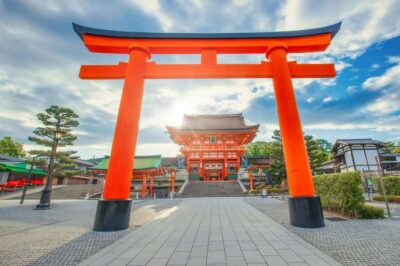
At the end of the day, you head to Fushimi Inari Taisha. This is the shrine most people picture immediately: endless pathways of vibrant red torii gates that wind up Mount Inari.
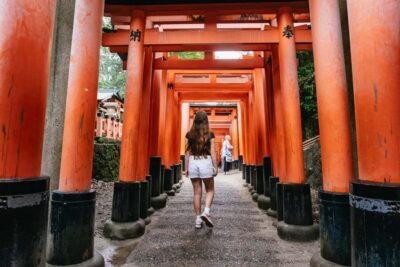
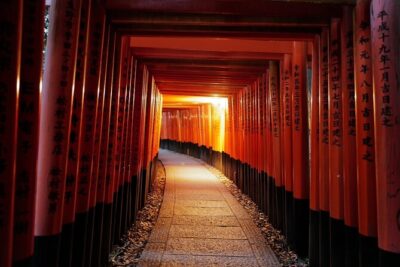
What makes this stop powerful is how the path changes your pace. Even if you do not walk all the way up, just being inside the torii corridor changes your sense of space. You start looking down at steps and up at the structure repeating again and again, and the crowds feel different than at many other Kyoto sites because the walkway is part of the design.
If you want the best experience, treat this as a walking stop, not a “quick photo and done” stop. The tour plan says to stroll through the pathways and absorb the spiritual energy of one of Japan’s famous shrines. In practice, that means slow down, pause for photos, and let yourself enjoy the gradual climb.
Also, think about timing. Because this is a day trip with a lot of travel, your energy level matters. If you are tired, do what you can. You do not need to conquer Mount Inari to enjoy Fushimi Inari. The torii atmosphere is the point, whether you go a little or a lot.
Price and Value: Why $49 Can Make Sense for This Big Day
At $49 per person, this tour is aiming at one core promise: make a multi-stop day trip doable. You are paying for a bilingual guide, group logistics, transportation from a fixed meeting point, and included access to Kiyomizu-dera.
What you are not paying for is food and drinks. The tour explicitly lists those as not included. So, if you want to get full value, budget for at least one meal or snacks. Bring water, and consider simple, easy-to-buy options so you do not lose time hunting for food in between major sights.
You are also not getting hotel pickup. That can actually be good value if you are staying near the meeting point or you already plan to travel by transit anyway. But if your hotel is far from Osaka Mode Gakuen, the cost equation might shift slightly once you factor in your own transport to meet the group.
Overall, the value makes sense if you want guided context and you do not want to spend your day coordinating trains and transfers. If you are the type who prefers independent planning and you already know how to get to Nara and Kyoto smoothly, you may find cheaper options. But if you want the stress taken out, this price looks fair.
What You’ll Carry, What You’ll Wear, and How to Avoid Day-Trip Pain
This is a walking and photo day, plus long bus time. The “bring” list is simple for a reason. You will want:
- Comfortable shoes for Nara Park paths, temple steps, and the long torii walkway
- A camera (or phone with enough storage), because each stop offers built-in photo moments
- Sunscreen and water, because outdoor time can add up fast
If you are sensitive to sun or you plan to linger at Fushimi Inari, sunscreen becomes more important than you think. If you skip water, you will feel it later, especially once the day shifts from temple sightseeing to hillside walking.
One more smart move: charge your devices the night before. Your phone battery will be working overtime with maps, photos, and translation support.
Who This Tour Fits Best (and Who Should Consider Another Option)
This tour fits best if you want a guided day trip that covers the headline attractions from Osaka. You will likely enjoy it if you:
- Like having a guide explain what you are seeing, in English or Spanish
- Want a structured route with transportation handled for you
- Prefer a one-day taste of Nara and Kyoto rather than multi-day planning
It may not be the best fit if you:
- Need wheelchair access, because the tour is listed as not suitable for wheelchair users
- Want a perfectly fixed timing plan, because the schedule order and stop lengths can change with traffic, weather, or local events
If you hate uncertainty at all, you might get frustrated. If you can roll with it and treat this as “guided sightseeing with some flexibility,” it works.
A Note on the Guide Experience: Why It Matters Here
This is one of those tours where the guide can make or break the day. And the feedback you have indicates that the guides tend to be strong on explanation and professionalism. One person specifically mentioned guides named Angeles and Alejandro, praising their fascinating explanations of religion, architectural style, and construction.
That is exactly the kind of help that turns seeing a temple from “it looks cool” into “I understand what I am looking at.” It also helps when your schedule shifts. Even if time allocation feels different than you expected, a good guide can guide your attention so you still come away feeling informed.
Should You Book This Osaka Day Trip?
I think you should book it if you want a simple, guided way to hit Nara Park, Kiyomizu-dera, and Fushimi Inari in one day without doing the logistics yourself. The $49 price is reasonable for what you get, especially with bilingual guidance and included Kiyomizu-dera access.
I would hesitate if you are very schedule-sensitive or if you can only manage short walking time, because this is a long day with bus travel and lots of steps. The only other thing to keep in mind is the order can change, so don’t go in treating every stop like it will get exactly the same time you planned in your head.
If your travel style is flexible and you want the highlights plus context, this is a solid pick for an Osaka-based day trip.
FAQ
Where is the meeting point for the tour?
Please meet the guide at the corner of the building Osaka Mode Gakuen. The guide will be waiting with a sign of Amigo Tours.
What time should I arrive before departure?
Please arrive at least 10 minutes before the departure time for check-in.
Is hotel pickup included?
No. Pickup and drop-off at your hotel are not included. The tour starts and ends back at the meeting point.
Is Kiyomizu-dera access included in the price?
Yes. Access to Kiyomizu-dera is included.
Are food and drinks included?
No. Food and drinks are not included.
What languages is the guide available in?
The guide is available in English and Spanish.
Is this tour wheelchair accessible?
No. It is not suitable for wheelchair users.
More Tour Reviews in Osaka
Not for you? Here's more nearby things to do in Osaka we have reviewed




Fushimi Inari Shrine Tours, compared.
 ★ 4.8Fushimi Inari, Kinkakuji, Bamboo Grove 1 Day Bus TourFrom $1224,316 reviews
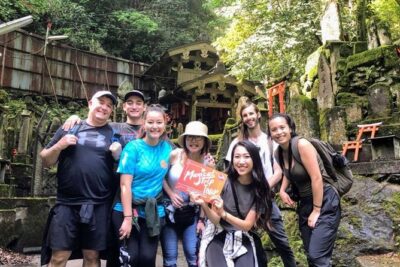 ★ 5.0Fushimi Inari Hidden Hiking Tour (Private Option Available)From $631,750 reviews
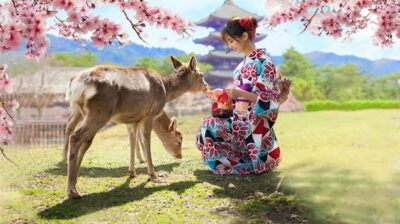 ★ 4.7Kyoto/Osaka: Nara, Fushimi Inari Taisha, Arashiyama Bus TourFrom $521,275 reviews
 ★ 4.4Osaka/Kyoto: Arashiyama, Nara & Fushimi Inari Shrine w/LunchFrom $61754 reviews
 ★ 4.7Nijo Castle, Kiyomizu & Fushimi Inari Guided TourFrom $54700 reviews
 ★ 5.0Nijo, Kinkaku-ji, Arashiyama, Kiyomizu & Fushimi InariFrom $51699 reviews
 ★ 5.0Kyoto Fushimi-Inari Night Walking TourFrom $43320 reviews
 ★ 4.93-Hour Fushimi Inari Shrine Hidden Hiking TourFrom $72270 reviews
Browse the lists this tour appears in