
Reviewed · FUSHIMI INARI SHRINE TOURS
Kyoto/Osaka: Nara, Fushimi Inari Taisha, Arashiyama Bus Tour
Torii gates, bamboo whispers, and deer snacks. This Kyoto and Nara day trip strings together the big icons, with an English speaking guide, an air conditioned bus, and timed stops that keep the day moving. You get to start with Nara Park deer fun, then shift into shrine tunnels and the hush of Arashiyama.
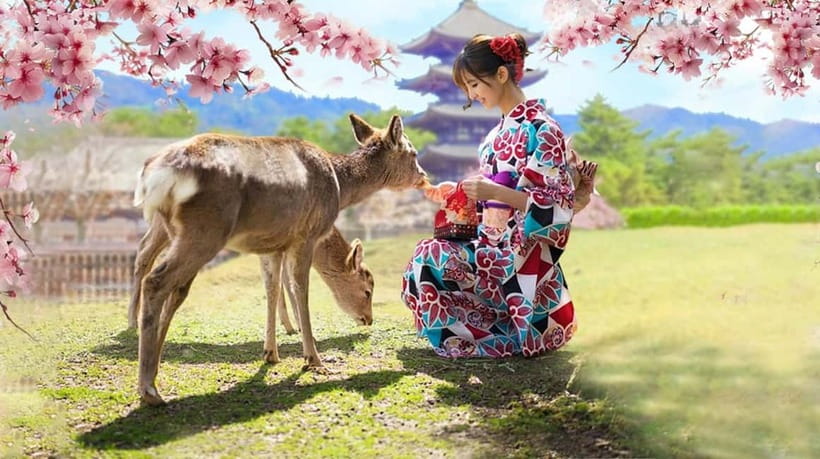
I love two parts the most. First, feeding, petting, and watching the deer at Nara Park is one of those Japan moments that feels oddly gentle, not touristy chaos, if you follow the guide rules. Second, I like how Fushimi Inari changes the mood, from bright city energy into a steady climb under thousands of vermillion torii gates.
One possible drawback is the pace. With a 9 to 10 hour day, each highlight gets a set time window, so if you want to wander slowly for hours inside one place, you may feel time pressure.
Key things I would plan around
- One day, three styles of Japan: deer park joy, prosperity shrine vibes, then the calm of Arashiyama.
- Photo first, then stories: each stop includes time to walk and shoot, plus a bit of context from the guide.
- Tenryu-ji can add cost: the UNESCO temple visit is an optional extra fee.
- Schedule can flex: weather and traffic can shift minutes, so keep your day elastic.
- The bus keeps you sane: multiple languages on the guide team and easy meeting points reduce planning stress.
Why this Osaka to Kyoto route makes sense for a first Japan trip
If you are doing Kyoto and Osaka for the first time, you often face the same problem. You want the classics, but you also do not want to burn half the day on trains, transfers, and figuring out which direction the crowds are going.
This day trip is built for efficiency. You leave Osaka in the morning, then you switch to Kyoto pickups as the bus heads out. You end the day with a drop off back in Kyoto or Osaka, so you do not lose valuable evenings.
What makes it work best is the mix of stops. Nara gives you an animal encounter tied to religion. Fushimi Inari gives you a signature walking experience and a clear theme. Arashiyama gives you greenery, temples, and scenic viewpoints, plus extra photo stops that feel modern without breaking the overall vibe.
I also like that the tour keeps you on rails without feeling like a factory line. You still get free time windows, and the guide manages the group so you are not stuck chasing people in a shrine queue.
You can also read our reviews of more tours and experiences in Kyoto.

Price and logistics: what you get for $52 and what to budget for
At about $52 per person for a 9 to 10 hour day, this is solid value if you price it against the cost of separate transport tickets plus the time you would spend coordinating trains.
Here is what you are paying for, in plain terms:
- An English speaking guide (also offered in Chinese on the day).
- An air conditioned vehicle that handles the longer hops between neighborhoods.
- Taxes and parking fees included, so you avoid surprise add ons for the transport itself.
What is not included:
- Food and drinks.
- Any optional extra fee, including Tenryu-ji.
So, the practical budget move is simple. Bring water and plan for at least one paid meal or snack stop. In winter, warm drinks can feel essential, and having your own budget keeps you from making rushed decisions.
One more logistics point that matters: the bus departs right on time. You are asked to arrive 10 to 15 minutes early at the meeting spot, so you are not standing outside while the group rolls out.
Nara Park deer time: the best kind of chaos, with rules
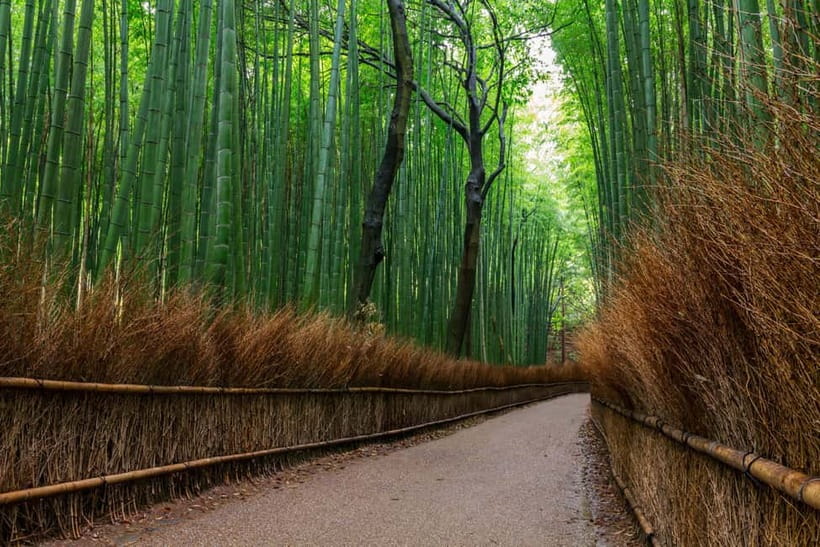
Nara Park is one of those places where the headline is adorable deer, but the real win is how the animals connect to the story of the site.
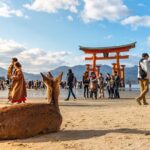
You will spend about an hour here, which is long enough to do the basics without dragging the day. The guide provides or helps coordinate the moment to feed the deer using shika senbei. Then you get time to watch them, take photos, and let the moment sink in.
Why this stop is worth it:
- The deer are everywhere, so you do not feel like you missed your shot.
- It is interactive in a way that feels authentic, not staged.
- The guide helps keep it friendly, so you are not dealing with chaotic crowd pushing.
A small consideration: deer parks attract strong personalities of all kinds, people included. If a deer approaches, stay calm and follow the guide instructions. Keep your hands steady, and do not start chasing for better photos. You will get better pictures by staying relaxed and letting the animals come to you.
Also, bring comfortable shoes. Nara Park is not hard terrain, but you will walk. A hat or umbrella can help too, since the weather can shift quickly.
Fushimi Inari Taisha: prosperity torii gates that feel like a tunnel
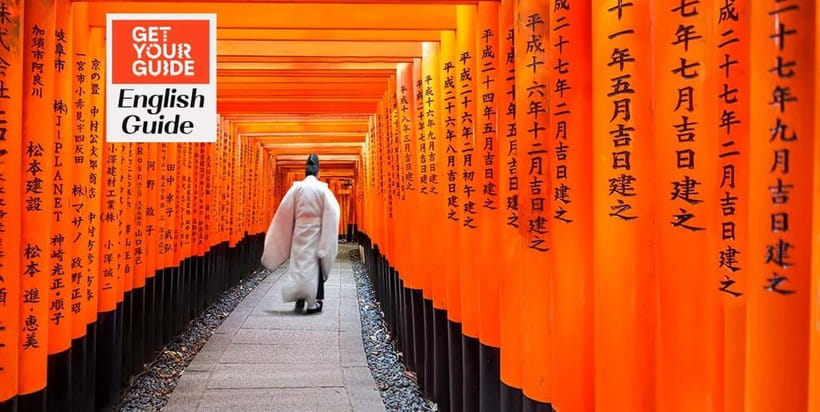
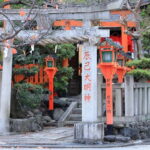
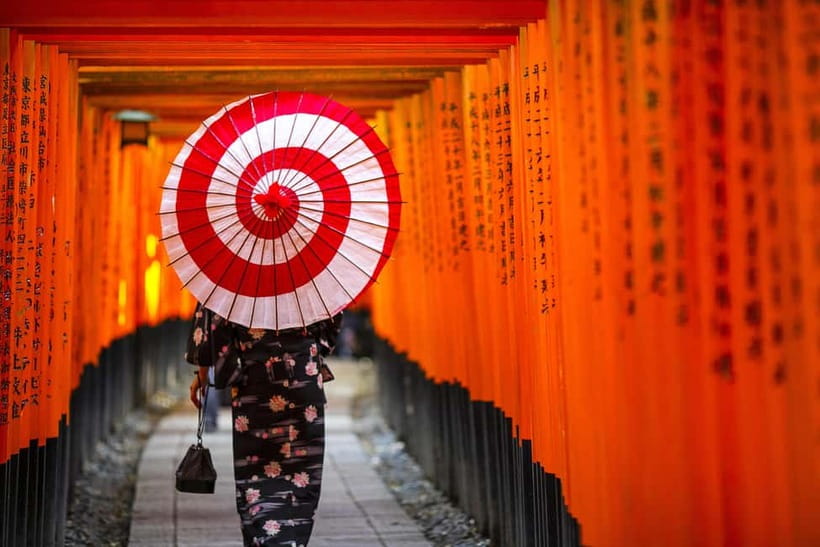
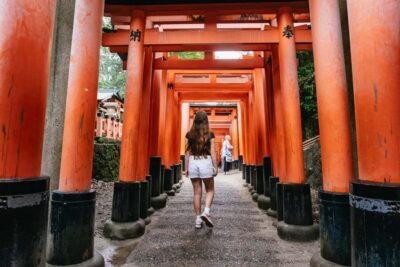
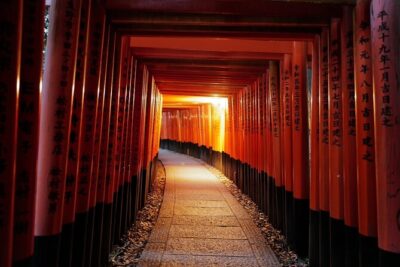
Fushimi Inari Taisha is famous for a reason. You step into thousands of vermillion torii gates, and the walkway becomes a kind of corridor, where the world outside shrinks down to your footfalls and the sound of other visitors passing.
This stop runs around 70 minutes, including time for the walk and photos. That is enough to get the core experience. You can decide how far up you want to go without turning it into an all day climb.
What you are really seeing is a symbol of prosperity tied to the shrine. The gates wind up the mountain, so even if you do not reach the very top, the visual pattern does the job. It feels otherworldly in a very practical way, because the path keeps leading you forward.
A few tips I would use:
- Start early in your walk window so you get better photo angles.
- Wear shoes with grip, because stone paths can be slick when wet.
- If you like quiet moments, step a little aside when a wave of people passes. You get a calmer feeling without losing your spot.
If you are someone who likes cultural context, this stop tends to click, because the theme is clear: success, prosperity, and a physical experience built around repetition and ascent.
Arashiyama: bamboo forest calm plus shrine and temple rhythm
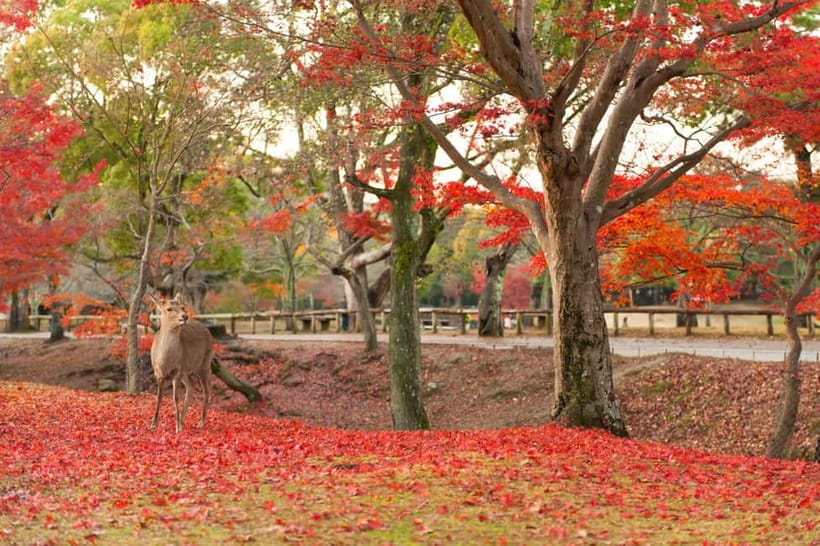
Arashiyama is where the day shifts gears. Instead of torii repetition, you get a greener, softer atmosphere that feels very different from Nara and Fushimi Inari.
The bus gives you about 2.5 hours for Arashiyama, and then you break out into focused mini stops. In the middle of that, you get the bamboo forest time, plus other sights that create a full Arashiyama snapshot.

Bamboo forest stop: quick, magical, and photo friendly
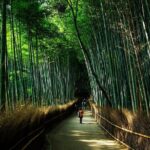
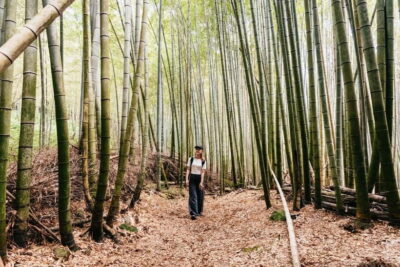
Your bamboo forest window is about 15 minutes for the classic stroll and photos. It is short, but it is timed well enough that you are not waiting around in the cold.
What I like about this format is that it prevents the classic mistake, the one where you spend an hour in the bamboo forest and then feel rushed at everything else. Here, you get enough time to feel it and capture it.
Nonomiya Shrine: love and academic blessings, with a darker gate detail
Next is Nonomiya Shrine, famed for blessings related to love and academic success. The site dates back to the Heian period, which is part of why it feels timeless compared to the nearby photo spots.
You also get a mention of the Kuroki Torii, an unpainted gate. That detail is useful because it gives you something specific to look for, not just another red gate in another crowd.
Even with a shorter time window, a focused stop like this helps you understand why Arashiyama is not only scenic, it is also spiritual and historical.
Tenryu-ji, Togetsukyo Bridge, and the world heritage views
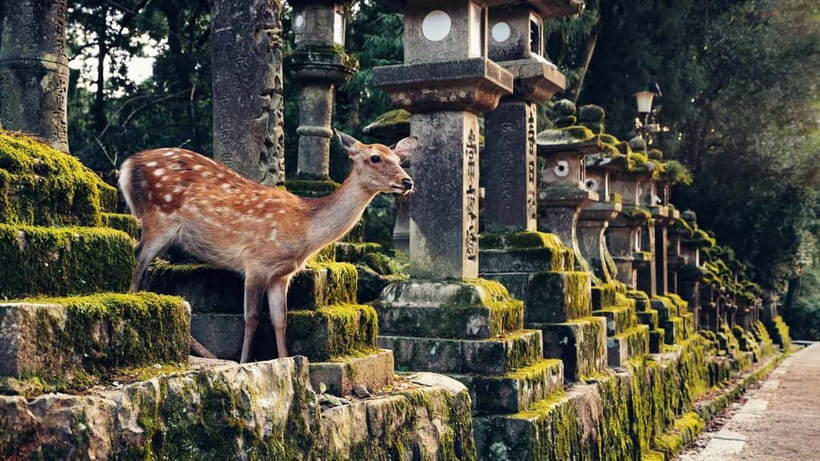
Tenryu-ji Temple is the UNESCO World Heritage highlight within the Arashiyama area. It has an extra fee, so decide based on your interests. If you like gardens and temple architecture, this is the one to consider.
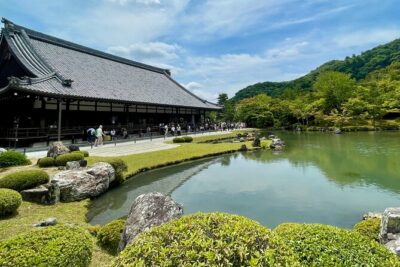
The key garden feature is Sogenchi, known for borrowed scenery and seasonal color, including autumn hues. Even outside peak fall, the garden design is the point. You get a sense of how Japanese garden planning frames nature rather than replacing it.
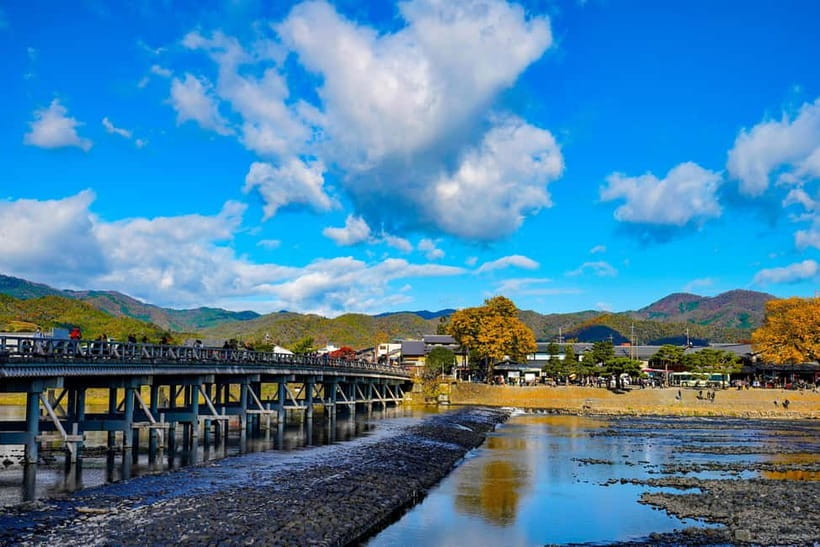
Right after, you get Togetsukyo Bridge for quick sightseeing and a short walk. From here, you can admire broad Arashiyama views. It is also a place where you might spot rickshaws, which adds a nostalgic layer to the scene.
The tradeoff is that your time windows here are short. You are not doing a full day of garden study. Instead, you get a curated taste that pairs well with the bamboo forest and the shrine stop.
If the garden portion matters a lot to you, plan on possibly coming back later in your trip. A guided day gives you direction, not endless time.
Kimono Forest and Arashiyama free time: photos, snacks, and a footbath reset
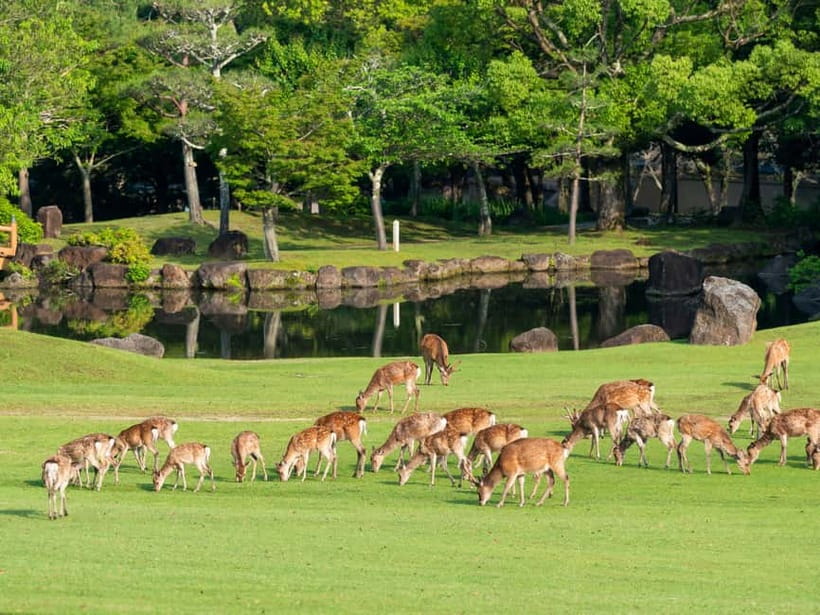
Arashiyama includes small, modern photo moments that work because they contrast with the older sites without derailing the day.
One example is the Kimono Forest installation, with 600 colorful pillars featuring Kyoto Kyo-Yuzen textile patterns. It is a quick stop, but it is genuinely fun for pictures. Think of it as a visual break after temple and shrine walks.
After that, you have free time built into the afternoon. This is where you can steer the day toward your taste. You might look for local street food, pop into a cafe, or take the chance to do small extras listed for the area.
Two options mentioned for this region are a Rilakkuma Tea House for character photos, and an Arashiyama station footbath to unwind. The footbath is especially handy if you are wearing shoes that are not designed for long walking days.
Practical advice for the free time block:
- Decide your must do first, then shop around. Otherwise you can spend the whole window browsing.
- Keep cash or card ready for snacks, since food and drinks are not included.
- If weather turns rainy, prioritize indoor stops and get your photo list done earlier.
What the schedule feels like in real life
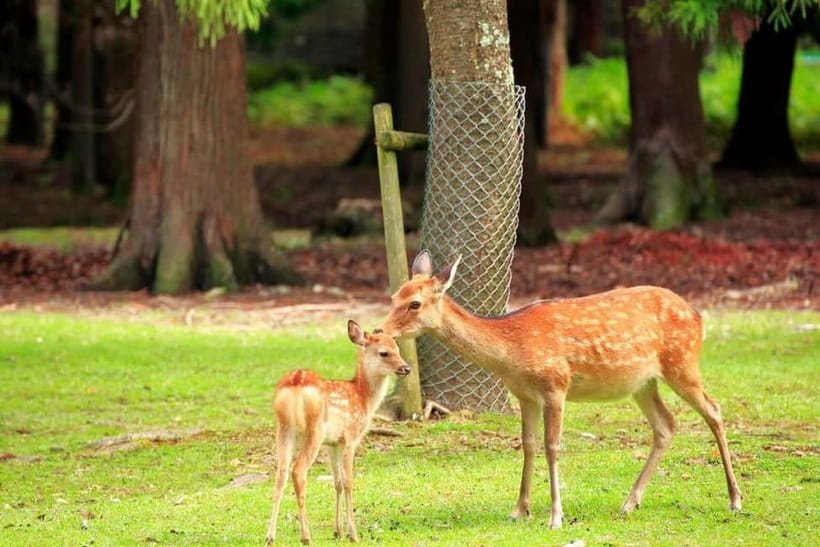
On paper, the day looks like a sequence of one to two hour stops. In practice, the day is a rhythm.
You start with Nara Park around mid morning, then you shift to Fushimi Inari, and then you finish in Arashiyama. Each area gets focused time, not unlimited wandering.
This is ideal if:
- You are short on days and you want the big hits.
- You prefer planning that already has structure.
- You like meeting a guide who connects the dots between sites.
This is not ideal if:
- You want to spend hours in one location.
- You hate moving when the group moves.
- You need a very flexible pace for walking breaks.
I also recommend treating the schedule as a template. Weather and traffic can change the order or timing by a little. The guide is there to manage it, but your best move is to keep your expectations flexible.
Guides on this tour: why the human factor matters
This kind of day trip rises or falls on the guide. The best ones do three things: they keep the group together, they explain in plain language, and they add humor so waiting time feels shorter.
On many departures, guides such as Willa, Christine, Fiona, Amy, Laura, John, and Frederick are mentioned as especially strong. Common themes include:
- Clear instructions at each stop so you know where to be and when.
- A lively, organized vibe that keeps the day from feeling chaotic.
- Funny, light storytelling that makes shrine and temple details easier to remember.
One tip that comes up in the real world: pay attention to any reminder message you receive before the day. Even a simple message about meeting points can save stress.
If you like tours that feel friendly instead of strict, this is the kind that often delivers.
What to bring, plus comfort tips that save your day
You will walk. You will also be outside for multiple stops. So pack like a sensible human.
Bring:
- Comfortable shoes with good grip.
- Umbrella if rain or wind is possible.
- Water so you do not feel stuck searching for refills.
- Comfortable clothes for changing temperatures.
A few comfort ideas:
- Keep a small bag that you can carry easily while following the group.
- If you tend to get cold quickly, add a layer. The day includes outdoor shrine and forest time.
- If you smoke, do not do it on the tour. Smoking is not allowed.
Also, note that the tour is not suitable for people with mobility impairments or wheelchair users. Walking is part of the experience, including paths between sights.
If you are pregnant or you are 70 or older, you may need to sign a travel waiver on arrival. That is a standard safety step you should plan for.
Should you book this Kyoto Nara and Arashiyama bus tour?
If your priority is to see Nara deer, Fushimi Inari torii gates, and Arashiyama bamboo in one day without wrestling public transit, I think this tour is a strong buy. The biggest value is not just the sights, it is the structure. You get a guided flow, enough time to enjoy each location, and a comfortable bus ride that protects your energy.
I would not book if you want deep time in one place. The windows are intentionally limited, so you might feel rushed if you love lingering. In that case, you are often better off mixing solo visits with a smaller guided segment.
My simple decision guide:
- Book it if you want the highlights with low planning stress.
- Skip it or complement it with independent time if you are the slow and steady type.
FAQ
How long is the Kyoto and Osaka day tour to Nara, Fushimi Inari, and Arashiyama?
The tour runs about 9 to 10 hours total.
What is included in the $52 per person price?
It includes an English speaking tour guide, an air conditioned vehicle, and all taxes, parking fees, gas fees, and handling charges.
Is food included on the tour?
No. Food and beverage are not included, so you will need to buy your own meals and snacks.
Is Tenryu-ji Temple included?
Tenryu-ji Temple is listed as an optional extra fee.
Where do I meet for this tour?
Meeting points can vary by option, including locations such as Harimaya Nippombashi 1-chome and Kyoto Station Hachijo Entrance Square Sunken Garden.
Can I choose where I am dropped off at the end?
Yes. You can choose drop off in Osaka or Kyoto, and if you do not specify, it defaults to the same location as your pick up.
What languages does the guide speak?
The guide is available in English and Chinese.
Is this tour suitable for wheelchair users or mobility impairments?
No. It is not suitable for people with mobility impairments or wheelchair users.
More Tours in Kyoto
More Tour Reviews in Kyoto
Not for you? Here's more nearby things to do in Kyoto we have reviewed




Fushimi Inari Shrine Tours, compared.
 ★ 4.8Fushimi Inari, Kinkakuji, Bamboo Grove 1 Day Bus TourFrom $1224,316 reviews
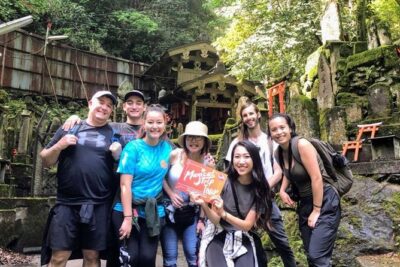 ★ 5.0Fushimi Inari Hidden Hiking Tour (Private Option Available)From $631,750 reviews
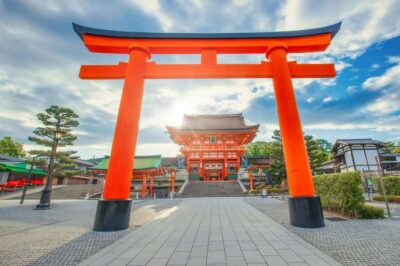 ★ 4.4Osaka/Kyoto: Arashiyama, Nara & Fushimi Inari Shrine w/LunchFrom $61754 reviews
 ★ 4.7Nijo Castle, Kiyomizu & Fushimi Inari Guided TourFrom $54700 reviews
 ★ 5.0Nijo, Kinkaku-ji, Arashiyama, Kiyomizu & Fushimi InariFrom $51699 reviews
 ★ 5.0Kyoto Fushimi-Inari Night Walking TourFrom $43320 reviews
 ★ 4.93-Hour Fushimi Inari Shrine Hidden Hiking TourFrom $72270 reviews
 ★ 5.0Kyoto Early Bird English Tour: Fushimi-Inari and ArashiyamaFrom $96198 reviews
Browse the lists this tour appears in