Private & Custom KYOTO Walking Tour – your Travel Companion

Reviewed · WALKING TOURS

Private & Custom KYOTO Walking Tour – your Travel Companion

4.0 · 23 reviews From $265 Operated by Japan Private Tours · Bookable on Viator
Book on Viator →

Kyoto is a lot to figure out on your own. This private, custom walking tour is built around one simple idea: you get an English-speaking guide to handle directions, timing, and the day’s flow, while you steer what you care about most. I especially liked the custom itinerary feel, and the way the guide helps with real-world stuff like ticket planning and even communicating with local vendors. The one drawback to consider is that entrance fees are not included, so your day can cost a bit more once you pick your exact temples and palaces.

Plan on an active, full day (about 8 hours) packed with major highlights, from Kinkaku-ji and Kiyomizudera to Fushimi Inari and Arashiyama. You’ll also have pickup offered and a mobile ticket, which helps, but there is no private transportation included, so the route relies on walking and whatever public options your guide directs. Quality can vary by guide, so if you have specific needs, communicate them clearly ahead of time.

Key Highlights I Think You’ll Care About

Private & Custom KYOTO Walking Tour - your Travel Companion - Key Highlights I Think You’ll Care About

  • Private guide, custom routing: You decide the balance of temples, shrines, neighborhoods, and photo stops.
  • Navigation without stress: You avoid the map-and-misread-the-street problem that slows Kyoto down fast.
  • Ticket and plan help: Your guide can assist with booking tickets and tightening the day’s schedule.
  • Golden Pavilion and Pure Water Temple: Two of Kyoto’s most recognizable sights are built into the route.
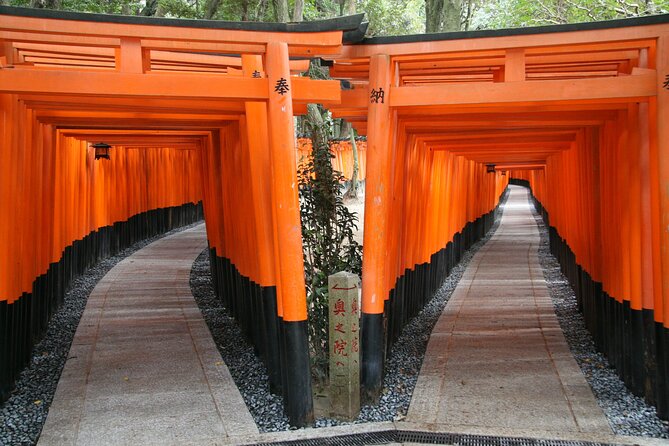
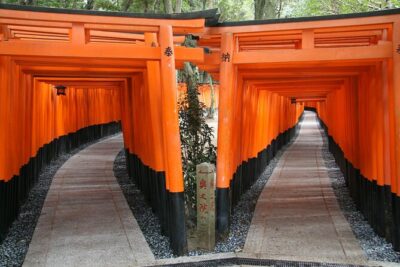
  • Torii gate and bamboo contrast: Fushimi Inari’s vermillion path and Arashiyama’s bamboo area keep the day from feeling repetitive.
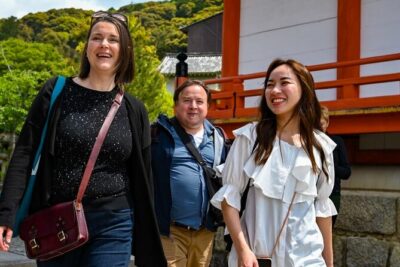
  • Real companion energy: In standout examples, guides like Jinshi, Rio, Femin, Dalivanh, and Karl were praised for friendliness, patience, and answering questions.

A Private Kyoto Day That Feels Built for You

Private & Custom KYOTO Walking Tour - your Travel Companion - A Private Kyoto Day That Feels Built for You
The biggest value here is not just seeing famous Kyoto. It’s how the tour reduces friction. Kyoto can be a choose-your-own-adventure city, but with a lot of signage, crowds, and route decisions that are hard to make quickly. With a private guide, you do not have to guess which turn saves time, where lines usually form, or how to sequence stops so you are not constantly crossing town.

I also like that the day is framed as flexible. This is not a rigid checklist where you spend all day reacting to someone else’s plan. You can personalize the itinerary toward what you want most, then let the guide handle the practical layer that usually eats vacation time.

The tour also explicitly covers the stuff that makes a guide worth the price in Kyoto: English help, photo assistance, and support with booking tickets or restaurants. When you are trying to manage a full day of major landmarks, that kind of help can save hours.

One note to keep your expectations realistic: most major sites here require advance or onsite entrance fees, and those are not included. That means the tour price covers the guide and custom experience, while your totals for admission may vary depending on which non-free stops you choose to prioritize.

You can also read our reviews of more walking tours in Kyoto

Price and Group Value: How $265.82 Makes Sense

At $265.82 per group (up to 5) for about 8 hours, the math gets interesting fast. If you travel as a group of 5, the cost is roughly $53 per person. Even at 2 people, you are still paying far less than many solo private experiences, while keeping the benefits of a private guide.

What you are really paying for is convenience plus decision-making support:

  • A guide who takes navigation off your plate
  • Help booking tickets and shaping the day
  • A route that blends top landmarks with neighborhood atmosphere

This is also the kind of tour where your cost can creep upward, mostly because entrance fees and meals are not included. If you plan to visit many paid sites like Kinkaku-ji, Kiyomizudera, Ginkakuji, Sanjusangendo, Nijo Castle, and Eikando, build in extra spending. On the other hand, the route includes some free stops like Fushimi Inari, Nishiki Market, Gion, and Kyoto Imperial Palace, which helps balance things out.

Pickup, Mobile Tickets, and the Walking Reality

Private & Custom KYOTO Walking Tour - your Travel Companion - Pickup, Mobile Tickets, and the Walking Reality
Pickup is offered, and the tour includes a mobile ticket. Those two details matter more than they sound. Pickup can reduce the chance you start late, and a mobile ticket often simplifies entry when you are bouncing between temples and historic districts.

But keep in mind how the day is likely to feel. This is a walking-focused experience, and the listing does not include private transportation. In practice, your guide will likely direct you using the most efficient approach available while still keeping the day flowing. The safe way to plan is to treat this as a long walking day with several distinct areas of Kyoto.

My practical advice: wear shoes you already trust. You will cover a lot of ground, and you do not want to spend your trip testing new footwear.

The 8-Hour Route, Stop by Stop, What It’s Like

Private & Custom KYOTO Walking Tour - your Travel Companion - The 8-Hour Route, Stop by Stop, What It’s Like
This tour packs a lot into one day, so it helps to know what each stop delivers, and where the time pressure can show up.

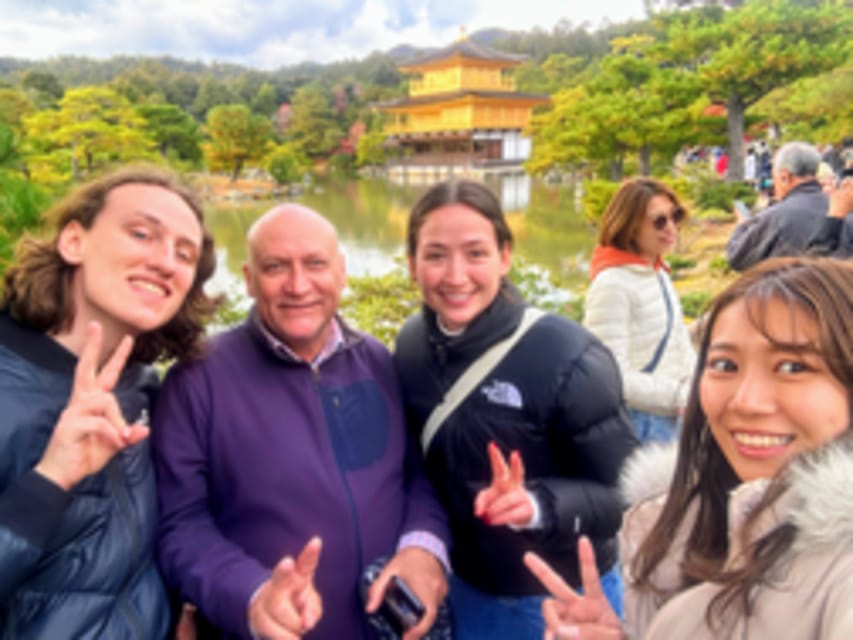
1) Kinkaku-ji, the Golden Pavilion (about 30 minutes)

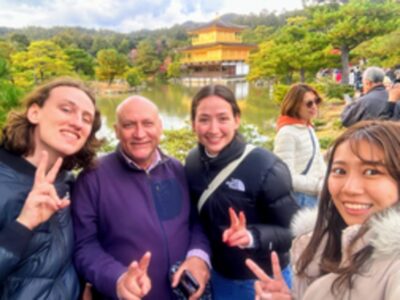
Kinkaku-ji is the Zen temple people picture when they hear Kyoto. This stop is especially meaningful because it was a retirement villa of Shogun Ashikaga Yoshimitsu. Expect an iconic scene, plus a very photo-friendly layout.

Time check: about 30 minutes can feel quick if you like to linger. If your priority is photos, tell your guide early so you can get the right rhythm without rushing the viewing areas.

Admission ticket is not included, so this is one of the paid stops to factor into your budget.

2) Kiyomizudera, Pure Water Temple (about 45 minutes)

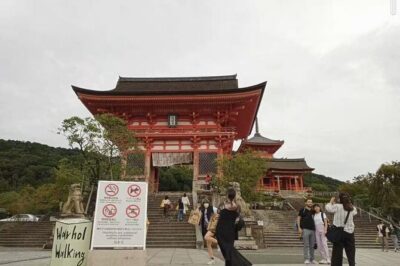
Kiyomizudera is famous for its wooden stage jutting out about 13 meters above the hillside below. The design detail here is part of the thrill, because it gives you a strong sense of scale and the temple’s setting.

Plan for the possibility of crowding. Even with a private guide, the day is built around popular landmarks, and Kiyomizudera is one of the biggest.

Admission ticket is not included here either, so keep an eye on timing if you want a smooth entry.

3) Sannenzaka and Ninenzaka preserved lanes (about 45 minutes)

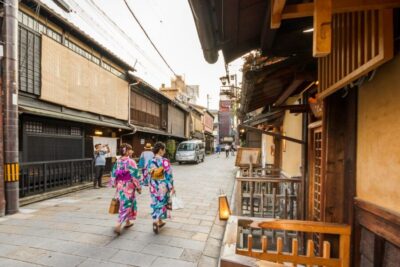
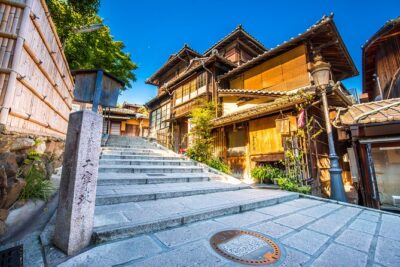
After the big temple stops, the saved-by-design charm of Sannenzaka and Ninenzaka takes over. These are preserved districts, which means you are not just sightseeing structures, you are moving through historic streets.

This is a great place to slow down a little, browse, and let the guide point out what matters so you do not end up spending time aimlessly. It is marked as admission free.

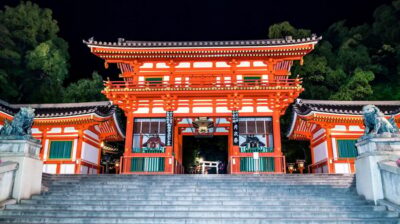
4) Yasaka Shrine, Gion area anchor (about 30 minutes)

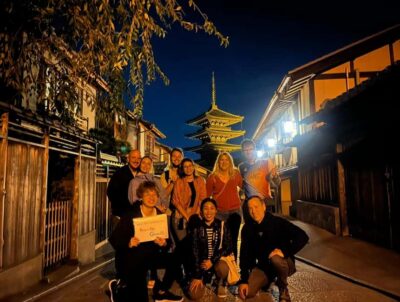
Yasaka Shrine is known for the Gion Matsuri, celebrated every July, and it’s described as the most famous festival in Japan. Even outside festival season, the shrine helps you understand why this part of Kyoto is so central to the city’s cultural calendar.

Time is shorter here, so I would use this as a reset stop: photos, a quick look at details, then move on.

Admission ticket is listed as not included, so confirm what you will need before you arrive if you are trying to control costs.

5) Fushimi Inari-taisha, the Ultimate Torii Gate Experience (about 15 minutes)

Then comes the signature Kyoto scene: Fushimi Inari-taisha. You get the highlight version fast, the thousand vermillion torii gates that straddle trails behind the main building.

This is a free stop and only about 15 minutes is allocated. That means you will not do a long hike through every section, but you will absolutely get the sense of what makes this shrine so famous.

If you are the type who wants to walk deeper into the torii tunnel, tell your guide and consider swapping time from another stop.

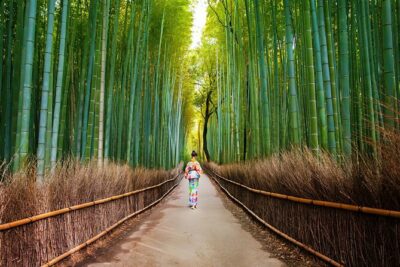
6) Arashiyama, bamboo and Tenryuji (about 1 hour total, including bamboo forest and Tenryuji)

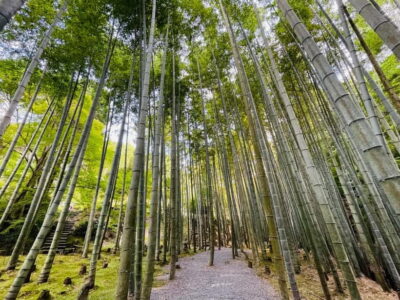
Arashiyama is described as the second most sightseeing district since the Heian Period, with temples, shrines, and bamboo scenery. This stop is built around two layers:

1) Bamboo Forest

2) Tenryuji Temple

Tenryuji is one of Kyoto’s five Zen Temples and is founded in 1339. That specific founding detail is a good reminder that Arashiyama is not just scenic, it’s also a serious cultural stop.

Admission ticket is not included. Also, with only about an hour, you will feel the time pressure most here. If your heart is set on bamboo photos, prioritize them first, then use what time remains for Tenryuji.

7) Nishiki Market shopping district (about 40 minutes)

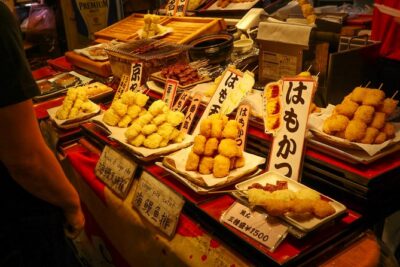
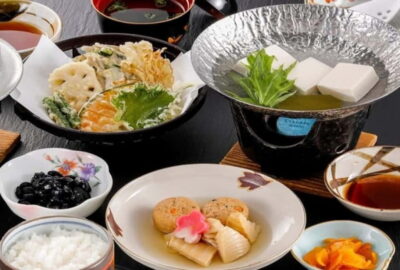
Nishiki Market is presented as Kyoto’s kitchen, a narrow street with more than 100 shops and restaurants, described as about five blocks long. This is one of the best stops for snack breaks and people-watching because it is a street market vibe rather than a single landmark.

It is marked as admission free, and it’s an ideal place to let your guide suggest what fits your tastes. Your companion can also help with communicating with local vendors, which is valuable if you have dietary limits or you want to try something specific.

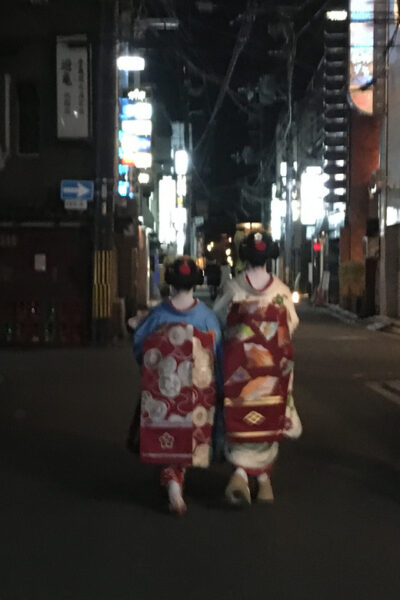
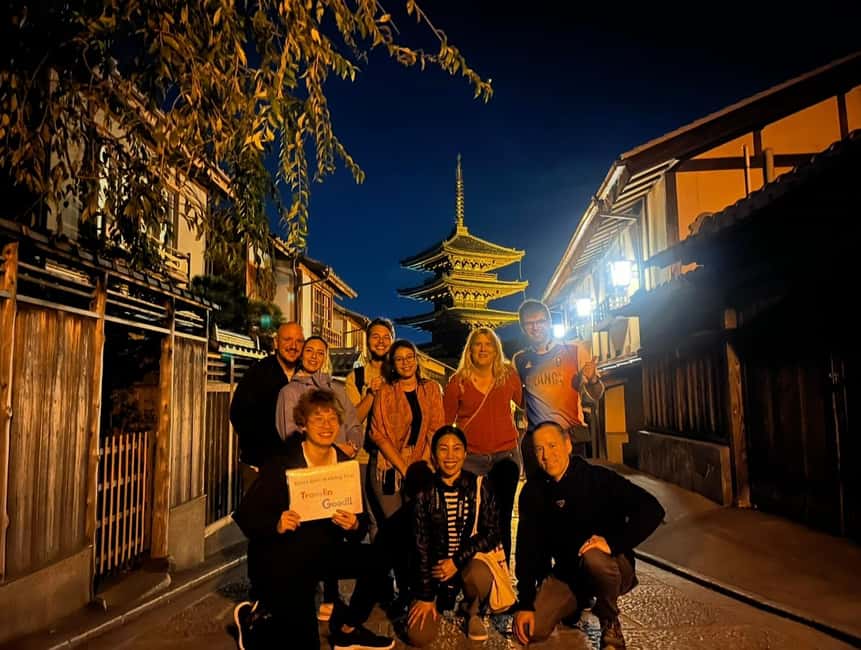
8) Gion, geisha district atmosphere (about 30 minutes)

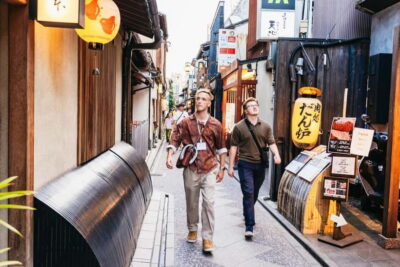
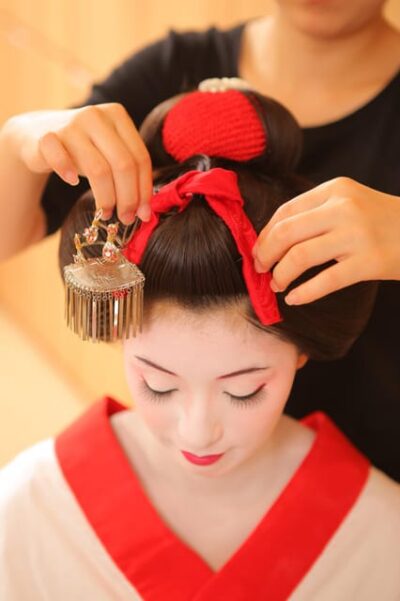
Gion is Kyoto’s famous geisha district. In the context of a full day, this is not about a deep dive. It’s about getting the feel of the area and capturing the mood while you still have energy.

It’s admission free, and the time is short, so use your guide’s knowledge to focus on the streets and viewpoints that match what you want to experience.

9) Ginkakuji, the Silver Pavilion (about 30 minutes)

Ginkakuji is often paired in your mind with Kinkaku-ji, but it has its own identity. It was built by Ashikaga Yoshima, the grandson of Yoshimitsu, on the other side of the city.

Admission ticket is not included. With only about 30 minutes, you will want to decide whether you’re in a look-and-photo mood or a slower, detail-focused mood.

10) Sanjusangendo, 1001 Kannon statues (about 30 minutes)

Sanjusangendo is famous for its 1001 statues of Kannon, the goddess of mercy. If you like spiritual art in big quantities, this stop can be powerful because the scale is part of the point.

Admission ticket is not included, and 30 minutes is probably enough for the main highlights if your guide keeps you moving efficiently.

11) Kyoto Imperial Palace, Kyoto Gosho (about 30 minutes, free)

Kyoto Imperial Palace is described as the former residence of Japan’s Imperial Family until 1868, when the emperor and capital moved from Kyoto to Tokyo. This adds a historical anchor to your day.

This stop is marked as admission free, which is nice after several paid temples. About 30 minutes also means you likely get a solid orientation without feeling stuck.

12) Nijo Castle (about 45 minutes)

Nijo Castle is tied directly to the Edo Period. It was built in 1603 as the Kyoto residence of Tokugawa Ieyasu, and his grandson Iemitsu completed the palace buildings 23 years later.

Admission ticket is not included. This is one of the better stops for people who like palace architecture and political storytelling, because the key dates and family lineage are clear.

13) Eikando Zenrinji Temple (about 45 minutes)

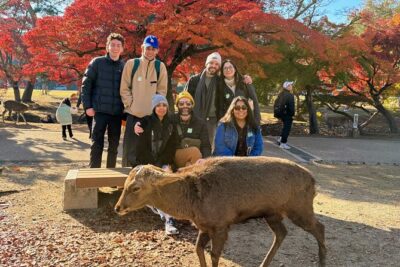
Eikando, formally known as Zenrinji Temple, belongs to the Jodo sect of Japanese Buddhism. It is located just north of the large temple complex of Nanzenji, and it’s very famous in autumn, as described in the tour info.

Admission ticket is not included. Because your time is still substantial at about 45 minutes, this can be a calmer finish if you pace your day earlier. If you reach the end feeling rushed, ask your guide to shorten the less critical stops so Eikando stays meaningful.

What Makes This Tour Work: The Companion Factor

Private & Custom KYOTO Walking Tour - your Travel Companion - What Makes This Tour Work: The Companion Factor
A “private guide” can mean anything in practice, but the stronger experiences shared specific strengths.

I saw praise for guides who:

  • Answered questions clearly, including for family members
  • Stayed patient with seniors
  • Stayed upbeat and genuinely engaged
  • Helped with navigation plus daily tasks like getting to the right transport
  • Offered flexibility when a list of interests shifted during the day

Names that stood out in the positive examples include Jinshi, Rio, Femin, Dalivanh, Karl, and Jinshi again in another positive note. That repetition matters because it suggests certain companions consistently deliver the kind of day people want: friendly, proactive, and focused on your pace.

Now for balance. There are also negative accounts where guide knowledge or navigation felt off, leading people to feel like the money was wasted. That does not mean the tour is bad, but it is a real reminder: in a custom day, you want a guide who can actually handle Kyoto confidently.

If you have very specific priorities, consider sending them ahead of time. For example, if Kinkaku-ji, Kiyomizudera, and Fushimi Inari must happen, say so. If Arashiyama bamboo photos matter more than an extra palace moment, say that too.

Who This Walking Tour Fits Best

Private & Custom KYOTO Walking Tour - your Travel Companion - Who This Walking Tour Fits Best
This is a strong match if you:

  • Want a no-getting-lost Kyoto day without map stress
  • Prefer a guide who can handle ticket and itinerary planning help
  • Travel in a small group, up to 5 people
  • Care about seeing both the big icons and the neighborhoods like Sannenzaka, Nishiki Market, and Gion

It can also work well for visitors who might not want to manage Kyoto navigation themselves. The tour info says most travelers can participate, and the route includes time buffers that feel designed for a real human pace, not a rushed sprint.

If you are the type who already loves planning and doesn’t need ticket help, this may feel pricier than DIY. But if you know your vacation time is limited and you want the day to run smoothly, the private companion approach is the point.

Should You Book This Custom Kyoto Walking Tour?

Private & Custom KYOTO Walking Tour - your Travel Companion - Should You Book This Custom Kyoto Walking Tour?
I would book it if you want a guided Kyoto day that is flexible, efficient, and built around what you personally want to see. The biggest reason is that the tour is not just about walking past famous places. It’s about having someone handle navigation and the small communication tasks that can otherwise chew up your day.

I would hesitate if:

  • You are sensitive to added spending for entrance fees, since many key stops are not included
  • You need a very strict schedule with no flexibility, because a custom itinerary depends on the guide’s rhythm
  • You expect a purely walking-only experience with no reliance on public options, since private transportation is not included

If you do book, go in with a short list of priorities, bring comfortable shoes, and give your guide your must-do stops. You’ll get more out of the day, and you’ll avoid the most common frustration point in a packed Kyoto itinerary: arriving at a highlight feeling too rushed to enjoy it.

FAQ

Private & Custom KYOTO Walking Tour - your Travel Companion - FAQ

How long is the Private & Custom Kyoto Walking Tour?

It lasts about 8 hours.

What is the group size for this private tour?

It is private, and your group is limited to up to 5 people.

Is pickup included?

Pickup is offered.

What’s included in the tour price?

The tour includes a travel companion, a personalized itinerary, and assistant help throughout your trip. You also get a mobile ticket.

Are entrance fees included for temples and shrines?

No. Entrance fees are not included.

Does the tour include private transportation?

No. Private transportation is not included.

What help does the guide provide besides walking directions?

You can get assistance with booking tickets and itinerary planning, plus help with taking photos and communicating with local vendors. The guide can also help with booking restaurants.

What are the tour operating hours?

The opening hours listed are 6:00 AM to 10:00 PM, Monday through Sunday.

Where does the tour start and end?

The tour ends back at the meeting point.

Is this tour refundable?

No. It is non-refundable and cannot be changed for any reason.