
Reviewed · KYOTO TEA CEREMONIES
Kyoto: 45-Minute Tea Ceremony Lesson Experience
Tea ceremony calm, in under an hour. This Kyoto lesson gets you hands-on with matcha and teaches the etiquette that makes the ritual feel so quiet and precise. You’ll sit on tatami, watch a licensed tea master from Urasenke, then make tea yourself while you learn what each step is supposed to mean.
What I like most is that you are not just watching. You actually do the work, starting with how matcha is prepared and then following the ceremony rules yourself. I also like the value angle here: for $22, you get two flavors of Japanese green tea (matcha) plus traditional sweets, guided in English or Japanese.
One thing to consider is pacing. A few people felt the overall experience can feel a bit rushed going in and out, and it’s a short 45-minute block. Also, you’ll usually sit on the floor, so if tatami feels hard for your body, tell the provider and you can request chairs.
Key Highlights You Should Know Before You Go
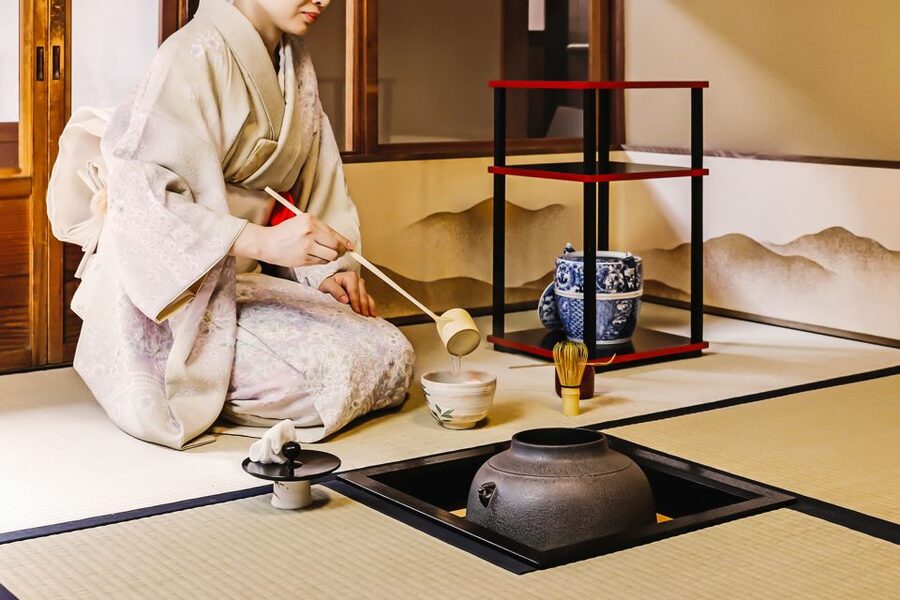
- Urasenke-trained tea master runs the lesson, bringing real classroom rules rather than a casual demo
- You whisk and make matcha yourself, not just watch the host perform
- Two matcha flavors plus traditional sweets help you notice how technique changes taste
- After the ceremony, you can take photos and see examples of Nishijin kimonos and woven textiles
- Candlelight and kimono options let you match the experience to your mood and time of day
45 Minutes of Kyoto Tea: What This Lesson Really Trains You To Do
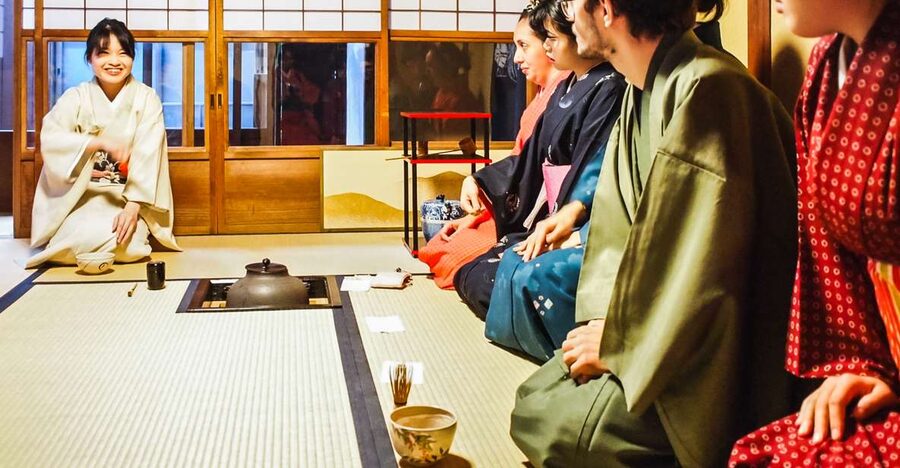
This is not a performance you politely clap at. The point is training. In just 45 minutes, you learn how tea is prepared in the way Japanese beginners are taught, with clear rules for what you do, when you do it, and why. The method matters because matcha is unforgiving. Small changes in technique, serving flow, and even your movements can shift the flavor and texture you experience.
For $22, you are paying for two things: a real teacher and a real practice session. Many short experiences in Kyoto are mostly “see and smile.” Here, the time is spent on doing the actions correctly, then sampling tea so you can connect technique to taste. You’ll also hear the ceremony’s spirit role and how it fits into Japanese culture, not just a list of steps.
This also makes the experience a good use of limited time in Kyoto. If you are doing the big sights, add this on as a calmer, more human contrast. It is the kind of activity that makes the rest of your day feel louder and more crowded in comparison, which is exactly why it works.
More Kyoto temple visits, food tours, tea experiences, and day trips to compare

Finding Your Tea House Near Kinkakuji Without Stress
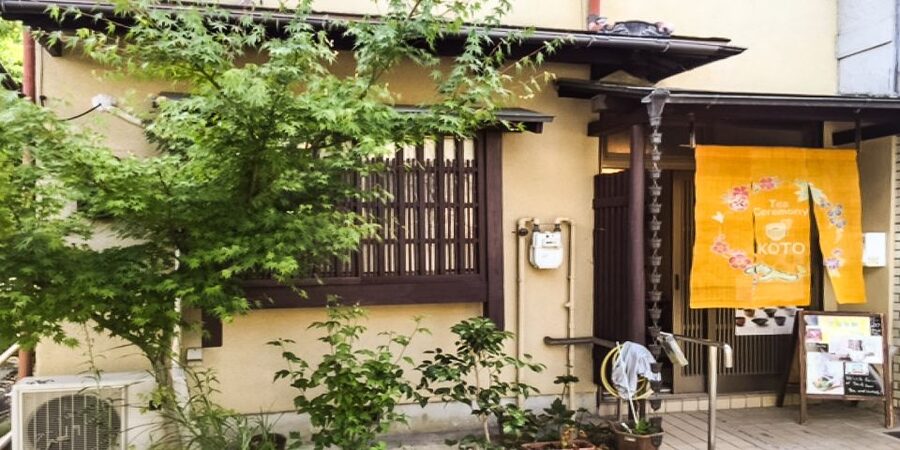
The meeting point is close to one of Kyoto’s most famous landmarks, so you will have an easy visual anchor. You enter from the sliding door with the orange curtain on the building. The directions are simple: it’s about a 1-minute walk from the Kinkakuji-Michi city bus stop, and roughly 10 to 15 minutes by city bus 204 or 205 from Kitaoji subway or JR Enmachi.
If you are already in the Kinkakuji area, this is a straightforward walk. If you’re coming by bike, look near the bicycle area by Kinkakuji’s parking zone, since the location is near the gate area.
A practical note: video recording isn’t allowed. Expect a “phones away” vibe. Photos are allowed, but do not count on filming. If you are the type who needs to capture everything on video, you might find this rule a bit restrictive.
Also, there is no hotel pickup. So plan to arrive on your own, not by asking someone to fetch you from your hotel.
Tatami Seating, Real Etiquette, and Why Your Body Matters Here
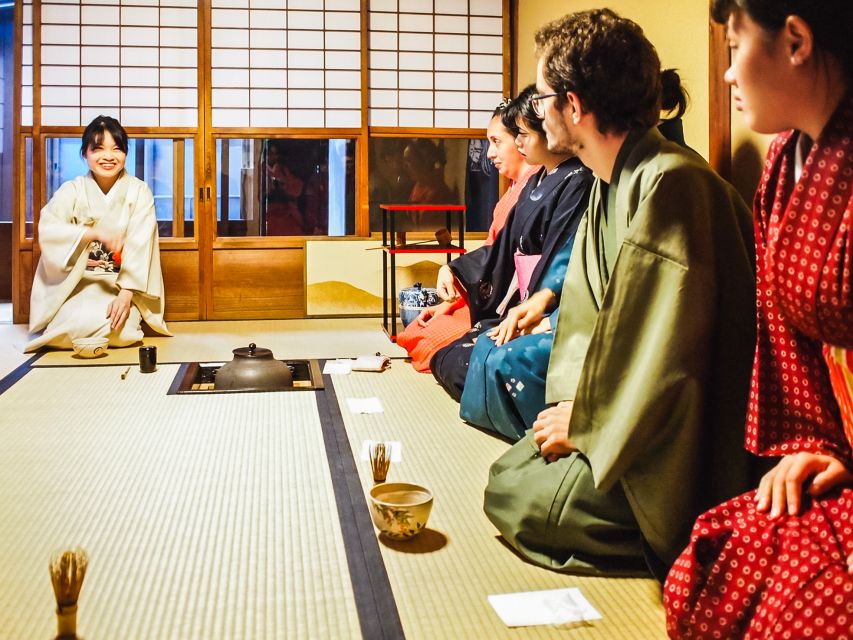
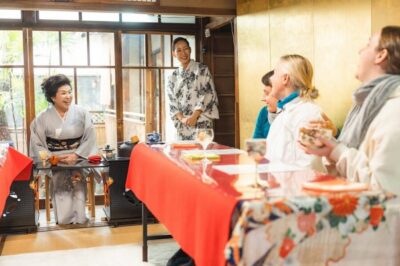
You start by taking your place on tatami, the traditional woven floor mat. Your host meets you there and explains what you are about to do. The ceremony is formal in a practical way, meaning you will follow movements and manners carefully, not just casually copy the steps.
If you might have trouble sitting on the floor, tell the provider ahead of time. Chairs can be provided. This matters more than people think. When your legs and hips are uncomfortable, you stop paying attention to the ritual. You also end up rushing your movements, which undermines the whole “learn the rules” goal.
You’ll also get basic do and don’t guidance through the provided Do’s and Dont’s material, including short videos you’re encouraged to watch before your visit. The reason is simple: tea ceremony etiquette has social signals built into it, so knowing the key rules beforehand prevents awkward misunderstandings.
One more comfort factor: while the structure is fixed, there are examples of the host working with late arrivals by a few minutes. If you’re stuck in Kyoto traffic or timing goes sideways, don’t assume you’re totally out. But still, aim to be on time, especially if you add kimono.
Matcha Prep and the Urasenke Lesson: What You Watch, Then What You Do
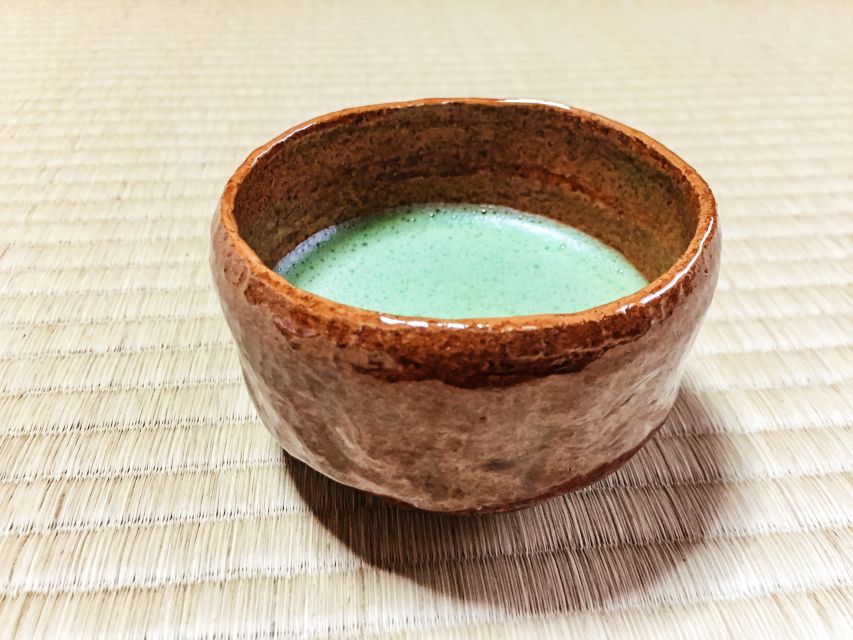
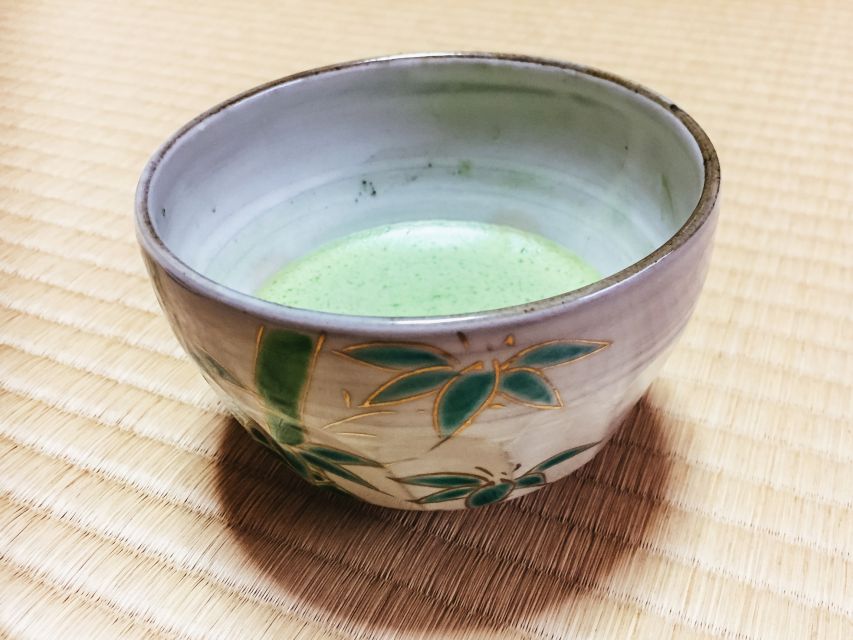
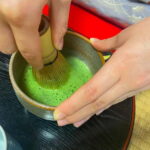
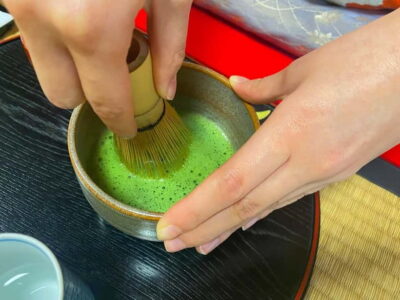
The ceremony starts with the host carrying out the ceremonial preparation of matcha, powdered green tea. You’ll see how the host whisk-mixes it properly, how the session is paced, and how the host handles serving and attention. This is where the Urasenke training shows. Urasenke is the biggest school of tea in Japan, and you feel that in the clarity of the steps.
Then it’s your turn. You learn how to make tea yourself according to ceremony rules. That includes understanding the sequence of actions and the way your movements connect to the tea you end up tasting. A useful part of the lesson is that you hear about the history and the spirit role of the ceremony while you practice. You are not stuck learning just technique in silence.
The flavor lesson is hands-on. You’ll taste two flavors of Japanese green tea. In practical terms, that means you can compare sweetness, bitterness balance, and texture side by side. One of the strongest impacts of matcha is how preparation and serving affect what you perceive. You’ll be given a framework for noticing that, not just a vague “it’s good.”
If you generally dislike matcha bitterness, you might still be pleasantly surprised. Several people specifically noted that they found the matcha enjoyable in this setting, describing it as good quality and even sweet.
Sweets and the Tone of the Ceremony: More Than a Snack Break
After the tea is prepared and served, you’ll enjoy traditional Japanese sweets. This isn’t random candy added to fill time. In a tea setting, sweets help balance flavor and shift your palate so the matcha doesn’t dominate your whole experience.
The sweets also reinforce the etiquette side. You slow down. You watch your own pace. You follow the order of what comes next. It’s a small thing, but it changes the feel of the lesson. Instead of “activity, finish, leave,” it becomes “sit, focus, taste, reflect.”
A few people also emphasized the respectful, quiet tone of the ceremony. That comes through in how the host teaches and corrects. You’ll notice details like how the cup and utensils are handled, and how each action is part of the overall harmony.
Options That Change the Mood: Public, Private, and Candlelight
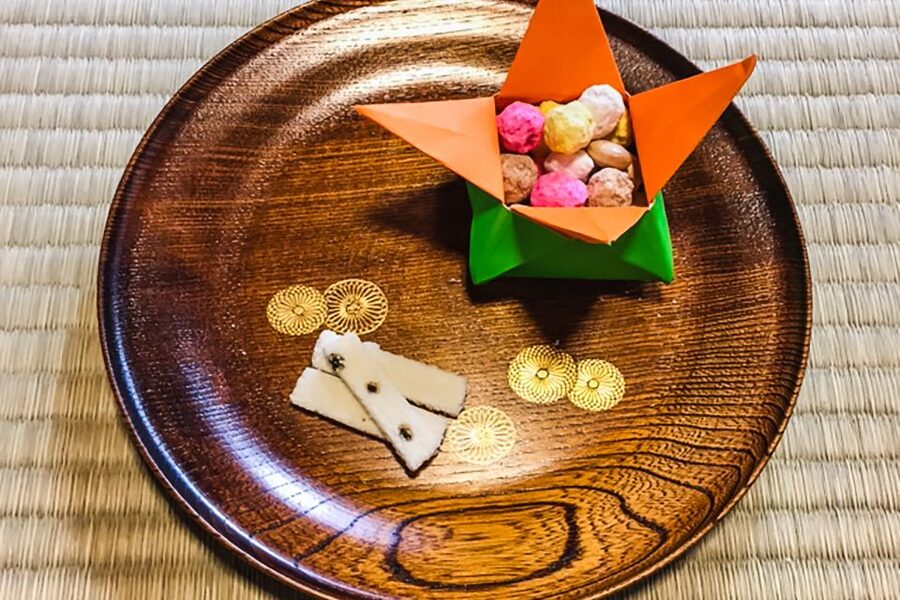
This experience gives you three main formats, and each one affects the vibe.
Public ceremony is the small-group option. You learn together, like Japanese beginners do. If you enjoy cultural experiences with company but still want the ritual to feel serious, this is a solid pick.
Private ceremony is for your group only. That often means more individual attention from your tea master and more room to ask questions. It’s a great choice if you’re traveling with family, going as a couple, or you want a quieter environment where you can fully concentrate.
Candlelight ceremony is the “after sunset” mood option. It recreates a peaceful, old-Kyoto ambiance. Several people loved this for family settings and for making the evening feel special, not just like another sightseeing stop.
If you care about photos, know that after the ceremony you have time for pictures and you can see kimono and Nishijin woven-textile examples. With the candlelight format, that atmosphere can make the photographs feel more cinematic without needing a filter.
Kimono Add-On and Photos: Worth It If You Like Visual Memories
If you want the full Kyoto postcard effect, you can add kimono. It’s an optional add-on you choose during booking. If you reserve it, you need to arrive 20 minutes early. That early arrival is not a suggestion. It’s how they handle changing time smoothly and avoid scrambling at the last minute.
In practice, this add-on tends to be a big boost to enjoyment. People report that dressing in kimono felt quick, and that the host helped them wear it correctly. You’ll also get more photo time and context around the textiles.
Should you do it? If you love dressing up, taking pictures, and want the visual tie-in to Kyoto’s craft culture, it’s a worthwhile splurge. If you hate outfit hassle, don’t want any extra time pressure, or prefer to keep things simple, you can skip it and still have a full tea-learning experience.
Also, there is no dress code required for the tea ceremony itself, so comfortable clothing makes your life easier.
Timing and Pace: How to Make the 45 Minutes Feel Like Enough
The lesson runs about 45 minutes, so the structure is tight by design. That’s a benefit if your schedule is packed. It’s a downside if you want a long sit-down with lots of free conversation.
A couple reviews mention that the experience can feel slightly rushed, particularly in the transitions. You should treat this like a focused workshop, not a slow museum-style tea moment. Your best strategy is mental: show up ready to listen and learn quickly, then enjoy the tasting when it happens.
Arriving early matters for two reasons. One, you settle in before the formal flow begins. Two, if you added kimono, you must arrive early for changing.
If you are the type who needs time to think through questions, the private option can help. In public groups, you get less space for lingering.
Value Math: Why $22 Works Here (and When It Might Not)
Let’s talk value. For $22, you get:
- Two matcha green tea flavors
- Traditional Japanese sweets
- A licensed tea master teaching the rules and spirit behind the ceremony
- Your own participation in making tea
That’s actually a lot for a short lesson. You’re paying for instruction and for the ingredients and tools involved in the ceremony. The fact that it’s led by a tea master affiliated with Urasenke also supports the quality of the teaching focus.
Where value gets better is if you like “learn and do,” not “look and leave.” If you want to come away with real etiquette, real steps, and a taste-based understanding of how matcha changes with technique, you’ll feel like you got your money’s worth quickly.
Where value might feel weaker is if you mainly want a photo-friendly event and you do not care about rules or etiquette. If that is your priority, you might decide differently about the kimono add-on. But even without kimono, you still get the core teaching and tasting.
Who Should Book This Kyoto Tea Ceremony Lesson?
This one fits best if you:
- Want a real Japanese tea ceremony lesson rather than a watered-down demo
- Like quiet, respectful cultural activities
- Want hands-on matcha whisking and tasting
- Are okay with a structured 45-minute format
- Appreciate learning the etiquette side of Japanese culture
If you’re traveling with kids, candlelight can be a memorable option, and private can help keep attention on the ritual. If you have mobility concerns about sitting on tatami, request chairs and you’ll reduce the chance that your body interrupts your learning.
If you are very sensitive to rules and correction, know that the ceremony is meant to teach you manners. That can feel strict, but it’s part of the respect built into the experience.
Should You Book Kyoto Tea Ceremony Koto?
I’d book it if you want the short, high-impact version of Kyoto tea culture: learn the rules, whisk and make matcha, taste two flavors, and leave with a calmer perspective than you started with. The Urasenke connection and the hands-on participation are the core reasons. For $22, it’s a smart add-on that doesn’t eat your whole day.
I would think twice if you strongly dislike sitting on the floor and you don’t want to deal with chairs. I’d also plan your expectations around the format: it is 45 minutes, so it’s focused and structured, with limited time for long personal conversation.
If you like learning by doing and you want a respectful cultural moment in Kyoto, this is exactly the kind of lesson that can become a real highlight.
FAQ
How long is the Kyoto tea ceremony lesson?
It lasts about 45 minutes.
What is included in the price?
You get two flavors of Japanese green tea (matcha) and traditional Japanese sweets.
Can I choose a private or public experience?
Yes. There’s a private option (just you and your group) and a public option (small group).
Is there a candlelight session?
Yes, there’s a candlelight ceremony option for an evening session after sunset.
Are photos allowed?
Yes, you’ll have time after the ceremony for photos.
Is video recording allowed?
No, video recording is not allowed.
Do I need to wear a kimono?
There is no dress code. A kimono can be added as an option during booking, but it is not included by default.
If I add a kimono, when should I arrive?
If you reserve the kimono add-on, you need to arrive 20 minutes early.
What if I cannot sit on the floor?
If you tell the supplier in advance, they can provide chairs.
More Workshops & Classes in Kyoto

More Tour Reviews in Kyoto

Not for you? Here's more nearby things to do in Kyoto we have reviewed



Kyoto Tea Ceremonies, compared.
 ★ 4.9Tea Ceremony in a Traditional Tea House in KiyomizuFrom $493,519 reviews
 ★ 4.9Tea Ceremony Ju-An at Jotokuji TempleFrom $293,207 reviews
 ★ 5.0World Heritage Kyoto & Nara Uji Authentic Matcha ExperienceFrom $1291,573 reviews
 ★ 4.9Table-Style Tea Ceremony at a Kyo-MachiyaFrom $451,211 reviews
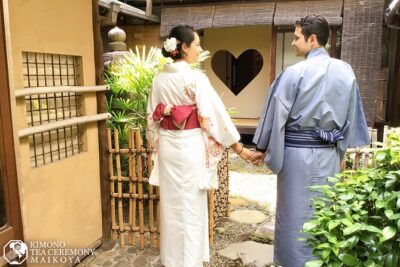 ★ 5.0Kimono Tea Ceremony at Kyoto Maikoya, NISHIKIFrom $65911 reviews
 ★ 5.0Arashiyama Bamboo Forest, Monkeys, Matcha & Temple TourFrom $53759 reviews
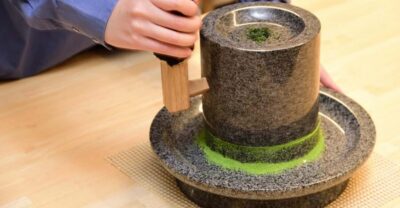 ★ 4.9Tea Museum Tickets and Matcha Grinding ExperienceFrom $23739 reviews
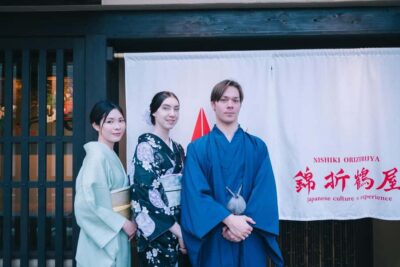 ★ 4.9Kimono Tea Ceremony at Orizuruya GionFrom $49618 reviews
Browse the lists this tour appears in