Reviewed · KYOTO PRIVATE GUIDED TOURS
Kyoto 8hr Private Tour with Government-Licensed Guide
Kyoto feels doable with the right guide. This private 8-hour route is built for real sightseeing, not vague wandering, with a licensed English-speaking guide who helps you plan as you go. You pick the stops, you walk between them, and the day still feels focused.
I really like the custom itinerary and the fact that you get a government-licensed local guide who can steer you through Kyoto’s most confusing areas fast. I also like that the tour works like a menu, so you can mix iconic temples with neighborhood time.
The main drawback is simple: this is a walking tour, and not everything has free entry. Also, transportation costs and many temple admission fees are not included.
Key points you’ll feel right away

- Government-licensed English guide who tailors your route and keeps the day flowing
- Private pacing with 8 hours to cover multiple districts without losing time to wrong turns
- A choice-based plan where you select about 3 to 4 spots, and the tour is offered as a customizable 4 to 6 sites
- Good value mix of free-entry areas like Fushimi Inari and Nishiki Market plus ticketed temples
- Walking on foot pickup and drop-off, so you will plan for comfortable shoes and weather
A government-licensed guide turns Kyoto into a walk you can handle

Kyoto can be a lot on your own. You show up, you hit the first crowd bottleneck, and suddenly your day is a series of detours. This tour fixes that with a government-licensed local English guide, and that matters more than it sounds.
For one thing, a real guide helps you connect the dots. Kyoto’s sights are close, but the city is also full of small lanes, steps, and neighborhood changes. A licensed guide can keep you from bouncing between far-apart areas and wasting your best hours.
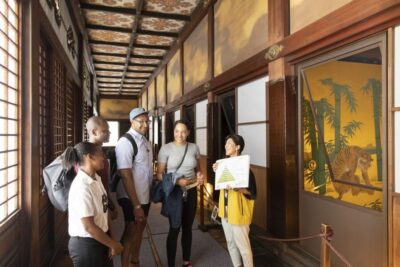
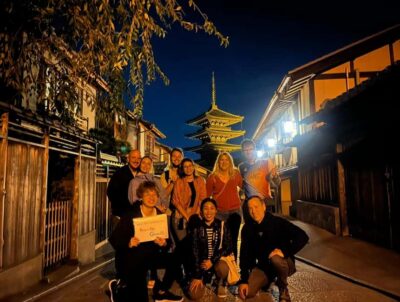
The other thing I like is that it stays human-sized. It is a private tour for only your group, so you can ask practical questions and move at a pace that fits your energy level. In a couple of the reviews I read, guides like Karkoo Tanigawa, Ichiro, and Shu were praised for being professional and helpful with groups of adults. That lines up with what you want in Kyoto, clear explanations, and smooth logistics without stress.
One more bonus: the meeting point is on foot within a designated Kyoto area. So you get moving quickly instead of spending your day hunting a van, then climbing out when everyone is already tired.
You can also read our reviews of more guided tours in Kyoto
Custom itinerary: how you choose from Fushimi to Arashiyama

The tour is designed as a choose-your-own route. After you book, your guide contacts you to plan a personalized itinerary based on what you care about. If you do not know what to pick, you can ask for the guide’s recommendations.
Here’s how to think about selecting your stops:
- If you love big landmark temples, pick one or two major ticket sights and pair them with nearby photo-friendly neighborhoods.
- If you love quieter atmosphere, pick Zen temples in the hills and add one market or street for contrast.
- If you want classic Kyoto streets, include Gion, Higashiyama, or Pontocho even if you are not obsessed with temples.
The itinerary list you can choose from is wide, covering eastern classics, central palace and dinner alleys, northern Zen, and western Arashiyama plus surrounding hillside temples. In an 8-hour day, you will not fit everything, so selection is the whole game.
A helpful way to plan is to choose one “anchor area” plus one or two side stops. For example:
- Eastern anchor: Fushimi Inari plus Kiyomizu-dera and a Gion or Higashiyama stroll
- Northern anchor: Ginkakuji or Nanzenji plus Kinkakuji and one more Zen site
- Western anchor: Arashiyama plus one or two gardens/temples nearby
This is why private works so well here. You are not stuck with a rigid checklist.
East Kyoto highlights: Fushimi Inari, Kiyomizu-dera, Gion and Nishiki

Most first-time Kyoto days have two things in common: Fushimi Inari and the Higashiyama side of the city. This tour gives you an efficient way to do both without losing time to wrong turns.
Stop: Fushimi Inari-taisha Shrine
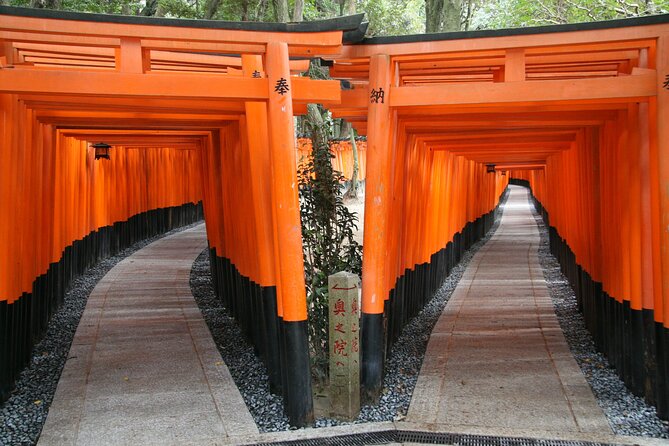
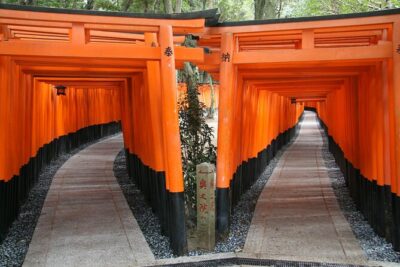
Fushimi Inari is the big red gate experience, but it is also an easy place for first-time confusion. What you get on this tour is a short, focused visit. Admission is listed as free for this stop, which makes it a smart use of time early in the day.
Tip: if you choose to continue up the trail beyond the initial gates, do it slowly. The steps and stairs add up, and you still want energy left for Kiyomizu and Gion.
Stop: Kiyomizu-dera Temple
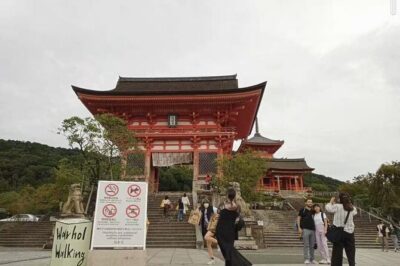
Kiyomizu-dera is one of Kyoto’s most famous temples, and this tour includes a comprehensive guided visit. Admission is not included here, so you should expect to pay at the site. The payoff is that a guide can explain what you are looking at and where to stand for the best views and the most meaningful parts of the grounds.
Practical note: crowds can change block by block. Your guide’s value is often in the order you see things, not just the facts.
You can also read our reviews of more private tours in Kyoto
Stop: Gion
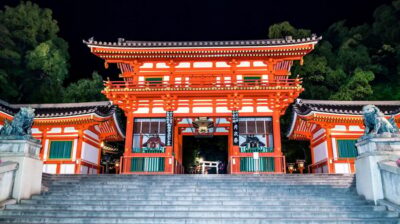
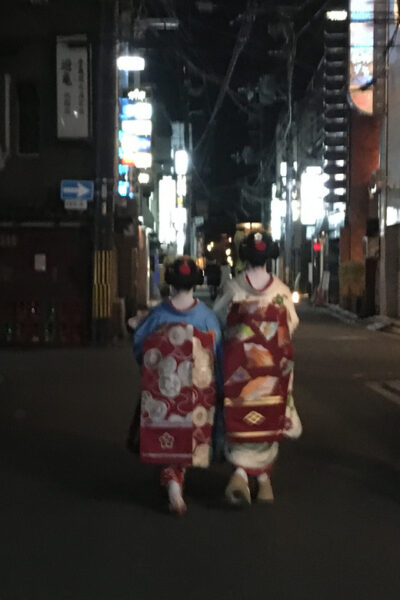
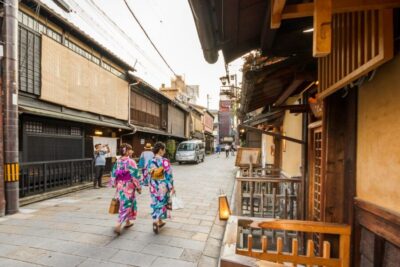
Gion is beautiful, but it can be daunting if you are trying to navigate alone. The tour takes the stress out of it by guiding you through the geisha district lanes. Admission is listed as free, so you can spend more time absorbing streetscapes and less time thinking about logistics.
Good target moments in Gion are early afternoon and right after the big temple crowd waves. A guide can help you time your stroll.
Stop: Nishiki Market Shopping District
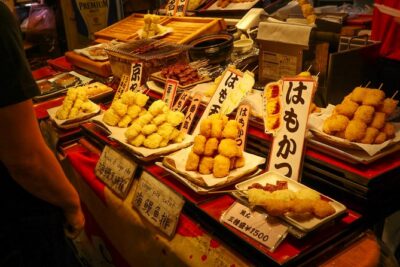
Nishiki Market is known as Kyoto’s kitchen, and this stop is a fun, quick hit. Admission is free, and you can use it to shop or snack. The guide’s job here is less about deep history and more about helping you find what fits your tastes, and keeping you from falling into the tourist trap version of a market.
If you like street food, plan to treat it like a tasting, not a full meal. Otherwise, you will end up too full for later temple walking.
Stop: Higashiyama Ward (old Kyoto streets)
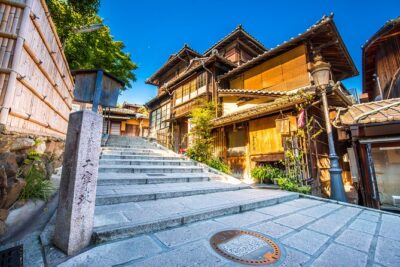
If your goal is classic Kyoto atmosphere, Higashiyama makes sense. Admission is free in the tour info, so you can enjoy the district for views, viewpoints, and the walk itself. This is also a good “reset” zone between ticketed temples.
Center-city calm: Kyoto Imperial Palace and Pontocho

Once you have your temple anchors, you want breaks that feel like Kyoto, not just more lines at more sites. Two stops do that well: Kyoto Imperial Palace and Pontocho.
Stop: Kyoto Imperial Palace
The Kyoto Imperial Palace is a great choice when you want a different kind of architecture and a sense of how power and daily life were organized. Admission is not included, so you will pay if you select it. In an 8-hour day, it works well as a mid-journey stop because the pace often feels calmer than temple-to-temple hopping.
Stop: Pontocho
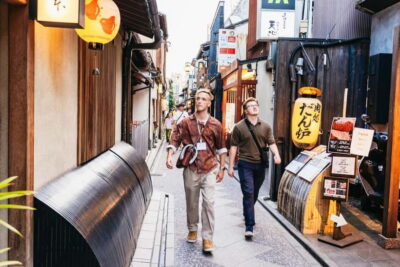
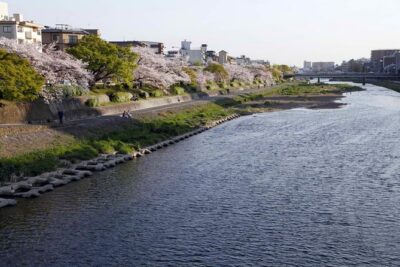
Pontocho is one of Kyoto’s most atmospheric dining areas, a narrow alley running from Shijo-dori to Sanjo-dori near the Kamogawa River. Admission is free for this stop, and it is a strong option if you want a dinner-feeling experience even during the day.
Where a guide really helps: choosing where you can actually sit or stand, and timing it so you are not walking through the messiest part of the evening crowd.
Northern Zen temple circuits: Ginkakuji, Nanzenji, Kinkakuji and more

If you want the Kyoto that feels slower, pick a northern Zen circuit. This tour includes a long list of top-tier options, and the guide helps you choose what fits your time.
Stop: Ginkakuji
Ginkakuji, the Silver Pavilion, is a Zen temple on the eastern mountains side. Admission is not included. Even if you only have a short visit, the guide can point out what to notice so you do not just take pictures and move on.
Stop: Nanzenji Suirokaku
Nanzenji’s grounds are known for their spacious feel, and the Suirokaku area gives you a distinctive structure to focus on. Admission is not included, so plan for ticket time. This stop pairs well with Ginkakuji because it keeps you in the same general mood, serene and contemplative.
Stop: Tofuku-ji, Toji, and other Zen add-ons
Tofuku-ji is mentioned as famous for autumn colors, and Tofuku-ji can feel different depending on season. Toji is another strong option, and it is free on the tour info, which makes it an easy add if you want more temple time without adding admission costs.
You also have other choices like Kinkakuji (Golden Pavilion). It is not free on the tour info, so if this is a top priority, treat it like a main event.
Stop: Kinkakuji
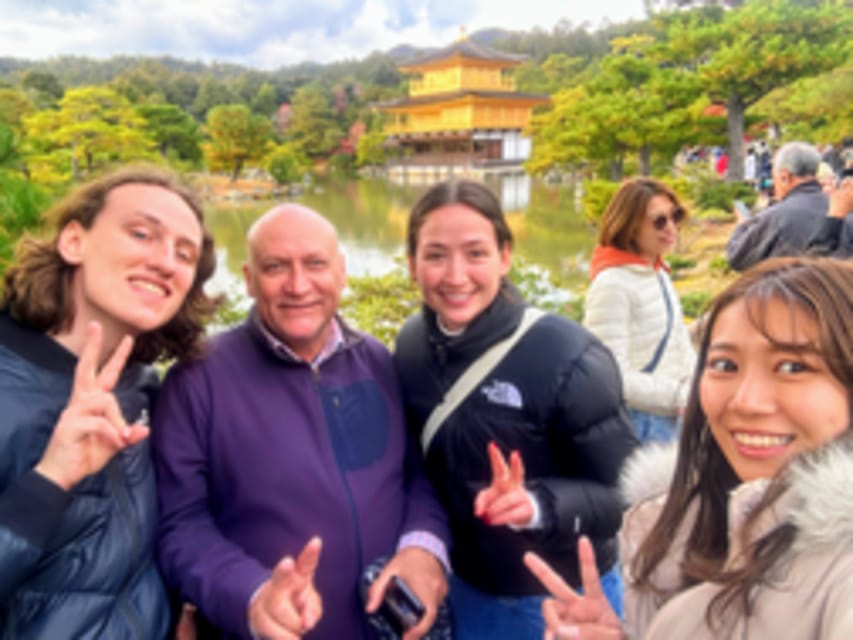
Kinkakuji is the gold-leaf temple most people dream about, and it is listed as a ticketed stop. In a guided visit, you tend to appreciate the design more because someone explains what you are seeing and why the view placement matters.
Stop: Ninna-ji, Shugakuin Imperial Villa, and seasonal-feeling options
Ninna-ji is a World Heritage Site in the tour description, ticketed. Shugakuin Imperial Villa is also ticketed and can feel more spacious and garden-like than many city temples.
If you like architecture and garden layout, these are worth considering over an extra stop that is mostly a photo moment.
Stop: Eikando Zenrinji and Sanjusangendo
Eikando Zenrinji is listed as famous for autumn colors and evening illumination, ticketed. Sanjusangendo is known for 1001 Kannon statues, ticketed, and the extra time this stop needs is part of the magic.
Pick these if you enjoy religious art and details. Skip them if you prefer street life and neighborhoods.
Stop: Kennin-ji
Kennin-ji sits close to Hanamikoji and Shijo, which makes it useful as a bridge between busy streets and calmer temple space. It is listed as a very short stop, so if you want it, keep your expectations realistic, quick impressions and key viewpoints.
Arashiyama day: Togetsukyo Bridge and bamboo paths without the chaos

Arashiyama is where Kyoto often feels like everyone shows up at once. This is exactly where a guided plan pays off, because your guide can help you move in a way that avoids the worst dead ends and keeps the day from turning into crowd management.
Stop: Togetsukyo Bridge
The Moon Crossing Bridge is Arashiyama’s iconic landmark. It is listed as a stop without admission mention in the tour info, and it is a great anchor because you can start with the view and orientation, then move into the gardens and temples.
Bamboo groves walking paths
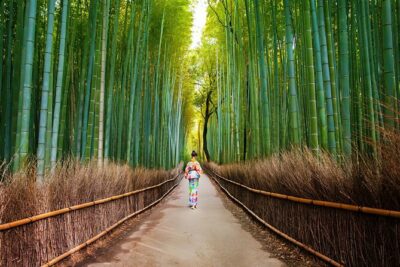
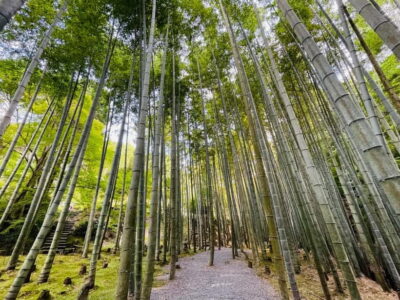
The bamboo groves are included as a walk. Admission is not noted, so you can treat this as a scenic segment where the goal is the atmosphere. Even a short stroll here can change the mood of your entire day because it feels so different from the city core.
Stop: Tenryu-ji
Tenryu-ji is listed as the most important temple in Arashiyama. It is ticketed. This is one of those stops where being there with a guide can help you see beyond the obvious, because big Zen temple spaces can feel confusing if you are just guessing where to look.
Stop: Okochi Sanso Garden
Okochi Sanso Garden is an extra dose of gardens and buildings. It is in the back of Arashiyama bamboo groves, ticketed. If you like walking gardens, this can be a high satisfaction stop because it feels designed for visitors, not just religious worship.
Optional hillside temples around Arashiyama
The tour also lists several smaller hillside or garden-focused temples around the area, including:
- Jojakkoji, Nisonin, and Gio-ji for quiet moss and tree-lined paths
- Yoshimine-dera and other western mountain temple options
- Otagi Nenbutsu-ji and Adashino Nenbutsu-ji for the statue-filled experience of rakan followers
- Daitoku-ji and Myoshinji if you want larger Zen complexes with multiple subtemples
In an 8-hour day, you probably cannot take all of these. But you can pick one or two to get that quieter Kyoto feeling without burning your whole day in transit between far corners.
Temple side trips in northern and rural valleys: Kibune, Kurama, and Ryoan-ji

Two additional choices can make your Kyoto day feel less standard: a rural valley stop and the famous rock garden.
Kibune River and Kurama
Kibune is a small town in a forested valley around Kifune Shrine, and Kurama is a rural town in the northern mountains. Admission is listed as free for Kibune and ticketed for Kurama options. These can add a calm, nature-heavy break from the busiest districts.
If you choose these, be honest with yourself about walking energy and time. They can be worth it, but you are trading city sights for mountain mood.
Ryoan-ji
Ryoanji is famous for its rock garden, ticketed. This is one of those places where the guide’s job is to make the visit readable. Otherwise, it can be easy to think, I saw rocks, what am I missing. With context, it becomes a more meaningful experience.
Price and logistics: what you pay for, what you plan for

The price is $201.46 per person for an 8-hour private tour with a government-licensed English guide. On paper, it is not a budget option, but for Kyoto, it can be good value because:
- A licensed guide is expensive to replace with a self-guided plan that actually makes sense.
- You get a private route and can choose stops based on your interests.
- Many key areas you might pay for separately, like temple-guided time and navigation through complex districts, are handled in one plan.
What you still need to budget for:
- Transportation fees are not included, and there is no private vehicle. This is a walking tour.
- Entrance fees are not included for many of the ticketed temples and palaces.
- Lunch and personal expenses are not included.
The big practical consideration is that this tour is built around walking. Pick shoes you could walk in for an entire day. Kyoto sidewalks can include stairs and uneven surfaces, and temple grounds can involve slopes and steps.
Also, keep your expectations aligned with the time blocks. Many stops are listed as short, so you will not get a full day at every site. The goal is smart coverage and quick insight, not slow wandering at everything.
Who this tour fits best
This is a good fit if you:
- Want a Kyoto day where someone handles the order, the explanations, and the navigation
- Prefer private pacing over group schedules
- Like mixing top icons with neighborhood time, especially Gion, Higashiyama, Nishiki, and Pontocho
- Value English guidance so you can understand what you are seeing while you walk
It might be less ideal if you:
- Want to spend hours at one single temple with zero pressure
- Are hoping the guide will provide transport by car, because this one is on foot
- Have a very tight budget once admissions and lunch are added
Should you book this private guide tour?
Yes, if you want a Kyoto day that feels organized without feeling robotic. This tour’s best advantage is the guide, the licensed English explanations, and the ability to tailor your stops so you do not waste time chasing the wrong priorities.
Book it if your biggest fear is getting lost, showing up at the wrong time, or running out of energy before you reach the sights you care about. And pick your anchor areas early, east Kyoto for classic highlights or Arashiyama for the bamboo and temples, then let your guide fill in the right supporting stops.
If you want a calm, confident day in Kyoto, this is the kind of private walking tour that makes the city feel less chaotic.
FAQ
How long is the Kyoto private tour?
The tour is listed as 8 hours (approx.).
Is this tour private or shared with other people?
It is a private tour. Only your group participates.
What is included in the price?
Included items are a licensed local English speaking guide, a customizable tour of your choice of 4 to 6 sites from the available options, and meeting the guide on foot within a designated area in Kyoto. A mobile ticket is also listed as a feature.
Are temple and palace entrance fees included?
No. Entrance fees are listed as not included. Some stops have free admission based on the tour details, but many do not.
Is transportation included?
Transportation fees are not included, and the tour is described as a walking tour with pickup and drop-off on foot. There is no private vehicle.
Can I choose which sights we visit?
Yes. You choose your spots with your guide. The materials mention selecting 3 to 4 spots, and also describe the tour as customizable for 4 to 6 sites.
How far in advance should I book?
The guidance says to reserve at least 2 weeks in advance.
What about cancellations?
Free cancellation is offered. You can cancel up to 24 hours in advance for a full refund.
Do you provide tickets or is there a check-in process?
A mobile ticket is listed as a feature, and confirmation is received at the time of booking.
Is the tour suitable for everyone?
Most travelers can participate, and service animals are allowed. The tour is a walking tour, so comfortable walking shoes help.
More Guided Tours in Kyoto
More Tours in Kyoto
More Tour Reviews in Kyoto
Not for you? Here's more nearby things to do in Kyoto we have reviewed
Kyoto Private Guided Tours, compared.
★ 5.0Private Kyoto Tour with a Local, Highlights & Hidden Gems, PersonalisedFrom $1021,543 reviews
★ 5.0Kyoto 6hr Private Tour with Government-Licensed GuideFrom $1551,369 reviews
★ 5.010 Must-see Spots in Kyoto One Day Private Tour (up to 7 people)From $1791,108 reviews
★ 5.0Kyoto 4hr Private Tour with Government-Licensed GuideFrom $109629 reviews
★ 4.8Private Tour with Local Licensed GuideFrom $106463 reviews
★ 5.0Private Kyoto Tour with Licensed Guide & Vehicle (Max 15 persons)From $634417 reviews
★ 5.0Kyoto Customized Private Tour: See Top Attractions in 1 DayFrom $132342 reviews
★ 4.6Kyoto/Osaka: Kyoto and Nara Customized Private Guided TourFrom $477258 reviews
Browse the lists this tour appears in