Kyoto 4hr Private Tour with Government-Licensed Guide

Reviewed · KYOTO PRIVATE GUIDED TOURS

Kyoto 4hr Private Tour with Government-Licensed Guide

5.0 · 629 reviews From $109 Operated by Japan Guide Agency · Bookable on Viator
Book on Viator →

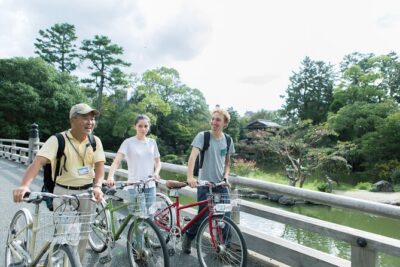
Kyoto clicks into place with one pro guide. In four hours you pick 2-3 must-sees, with front-door pickup on foot and a nationally licensed English speaking guide.

I love that the route is genuinely customizable, so you can steer toward shrines, a castle, Zen temples, or old Kyoto street life. I also like the practical help that turns big sights into moments you can actually use, like getting you to the right photo viewpoints and guiding you through the transit maze.

One consideration is walking. This is a half-day walking tour, and you should expect hills, stairs, and crowd pressure in the most famous areas.

Key things you will like about this Kyoto private tour

Kyoto 4hr Private Tour with Government-Licensed Guide - Key things you will like about this Kyoto private tour

  • Choose your own 2-3 stops from a wide menu, instead of getting dragged on someone else’s plan
  • Nationally licensed English speaking guide who explains what you are seeing and how it connects
  • On-foot hotel meetup within a designated area, which keeps logistics simple once you are located
  • Public transport and taxi options during the route, plus an upgrade to add a private car if you want
  • Temples plus Kyoto neighborhoods, so you get scenery and context, not just checkmarks

How a 4-hour private plan actually saves time in Kyoto

Kyoto 4hr Private Tour with Government-Licensed Guide - How a 4-hour private plan actually saves time in Kyoto
Kyoto is packed with World Heritage sights, but the city is also a maze of neighborhoods, stairs, and lines of people. A private guide with a tight 4-hour window is about focus. You will spend less time figuring out where to go next, and more time understanding why these places matter.

This tour works best when you arrive with a clear vibe. Do you want classic postcard Kyoto, or are you after calmer temple grounds and quieter streets? You can build your half-day around that, and then let the guide handle the pacing.

The other big win is that your meetup is on foot. You do not need to hunt for a van, a bus, or a random street corner. If you want the tour to be low-stress, this kind of pickup design matters more than it sounds.

You can also read our reviews of more guided tours in Kyoto

Price and value: where $109.43 per person makes sense

Kyoto 4hr Private Tour with Government-Licensed Guide - Price and value: where $109.43 per person makes sense
At $109.43 per person, you are paying for a private guide and your time back. That is not a budget mass tour price, so you should be asking yourself one thing: will you use the guide’s time effectively?

If your itinerary includes major stops that you would struggle to connect together, the guide pays off fast. For example, mixing Fushimi Inari with Nijo Castle and then finishing in Gion or Higashiyama is a lot more manageable with guidance, especially when crowds spike.

Also, entrance fees and transportation are not included, so you should think in terms of a guide-led plan plus your own local spending. The guide helps you get there and understand what to look for, but you still cover your tickets, lunch, and any rides you choose.

The 2-3 stop strategy: how to pick a route without regret

You only have room for 2-3 sites in four hours. That forces smarter choices. In Kyoto, the wrong choice is usually not a bad attraction, it is an inefficient pairing.

Here is a helpful way to choose:

  • Pick one “big icon” (like Fushimi Inari, Kiyomizu-dera, or Kinkakuji) and accept that crowds come with it.
  • Pick one “support stop” closer in theme or geography (like Gion, Pontocho, or a nearby Zen temple).
  • If you want an out-of-the-way experience, keep the rest simple. Trying to do too much out of the center can eat the clock.

One more thing: Byodoin Temple is in Uji city, so it can add travel time. If your goal is a relaxed, on-foot Kyoto walk, you might save that for a different day or a longer tour.

Fushimi Inari-taisha Shrine: the tunnel, plus the stories behind it

Kyoto 4hr Private Tour with Government-Licensed Guide - Fushimi Inari-taisha Shrine: the tunnel, plus the stories behind it
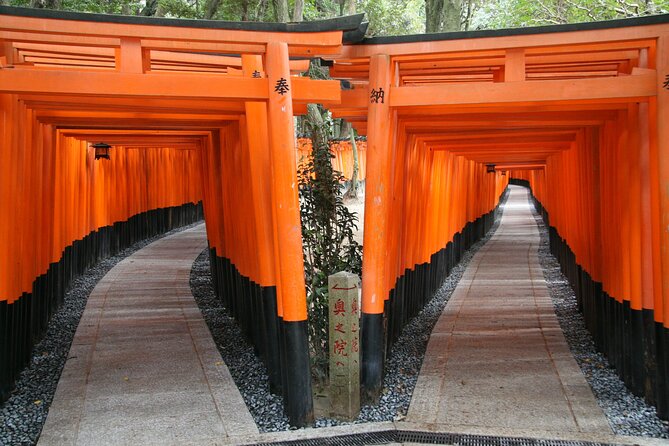
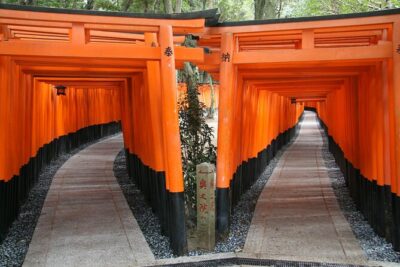
Fushimi Inari is famous for the red torii gates, and yes, the tunnels are part of the magic. What makes it worth a guided slot is learning how the place works beyond the postcard view.

Expect an early move in many itineraries. Starting earlier helps, because the crowds can swell later in the day. If your route includes Fushimi Inari, plan for walking and changing levels under the torii paths.

A drawback to consider is that this stop can fill your energy quickly. It is beautiful, but if you try to add two other large icons afterward, you may feel rushed.

Nijo Castle: Edo-era power, not just pretty rooms

Kyoto 4hr Private Tour with Government-Licensed Guide - Nijo Castle: Edo-era power, not just pretty rooms
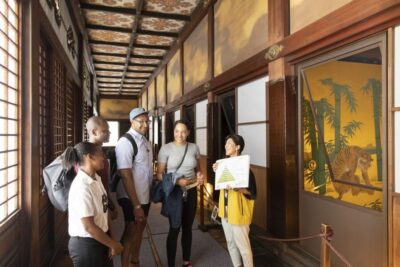
Nijo Castle gives you a different Kyoto angle: the shogun’s residence and the machinery of rule. It is tied to Tokugawa Ieyasu and the Edo period, so the guide’s historical context is a major part of the value.

This is a good pairing with Fushimi Inari if you like Japan’s political story as much as its religious sites. The walk between distant areas can add up, though, so keep the rest of your day tight.

Also note: entrance is not included for this stop. Your cost planning should include at least one paid ticket if you choose it.

Gion: old streets, guided navigation, and the culture layer

Kyoto 4hr Private Tour with Government-Licensed Guide - Gion: old streets, guided navigation, and the culture layer
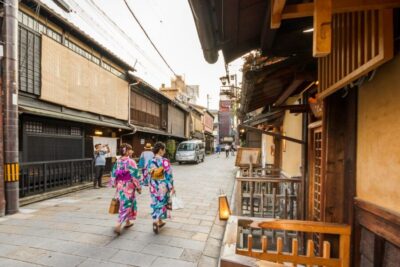
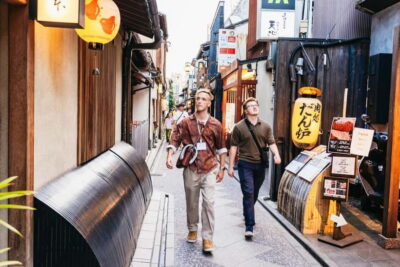
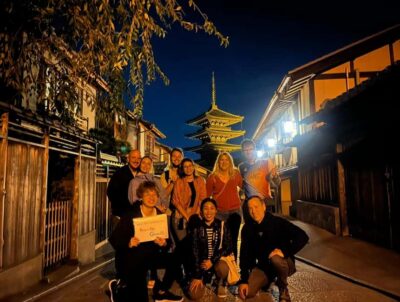
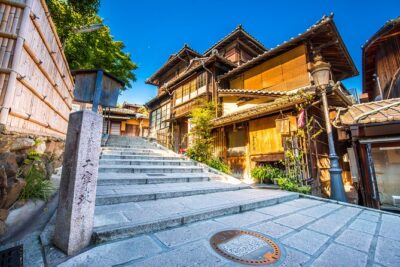
Gion can be daunting if you are arriving cold. The lanes are narrow, the streets intersect oddly, and it is easy to wander in circles while trying to spot the right photo moment.

With a guide, you get two things fast: orientation and context. You learn what you are seeing, and you also get help finding the spots where the atmosphere actually feels right.

One practical consideration is timing. Late afternoon can bring more foot traffic, so your guide’s pacing choices matter. If you want quieter streets, tell your guide up front.

Nishiki Market: Kyoto Kitchen shopping plus snack reality

Kyoto 4hr Private Tour with Government-Licensed Guide - Nishiki Market: Kyoto Kitchen shopping plus snack reality
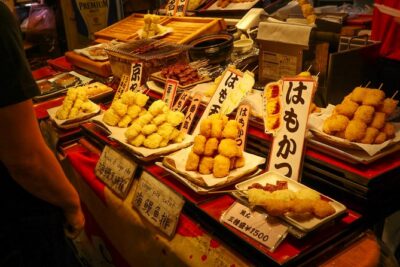
Nishiki Market is a narrow shopping street known for food, and it is perfect as a “reset stop” between big attractions. Even if you do not plan to buy much, it helps to stretch your legs and get a feel for everyday Kyoto flavors.

This stop is typically easy to include because it is central and not usually as physically demanding as temple stairs. The tradeoff is that you need cash for small purchases sometimes, and you may want to control your snack spending so lunch does not vanish.

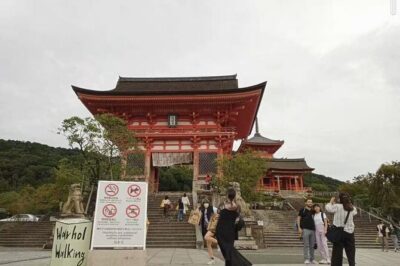
Kiyomizu-dera and the Higashiyama hill experience

Kyoto 4hr Private Tour with Government-Licensed Guide - Kiyomizu-dera and the Higashiyama hill experience
Kiyomizu-dera is one of Kyoto’s headline temples. Guided time here helps you understand the structures and traditions, instead of just looking up at a grand viewpoint and moving on.

If your route also touches Higashiyama Ward, you get the classic old Kyoto streetscape between temple moments. Expect slopes. Expect steps. If your legs are not in top shape, this is the part to handle early before the day gets heavy.

Entrance is not included for Kiyomizu-dera in this tour setup, so budgeting for at least one ticket is realistic.

Kyoto Imperial Palace: what changed after 1868

The Kyoto Imperial Palace is another strong “context” choice. It helps explain the city’s political role shifting after 1868, when the emperor and capital moved to Tokyo.

If you like seeing how power changes over time, this is a good stop. If you only want scenic photos and quick motion, it may feel slower than temple districts. A guide can fix that by focusing your attention on the areas you should care about most.

Pontocho: dinner street energy when you want a nighttime mood

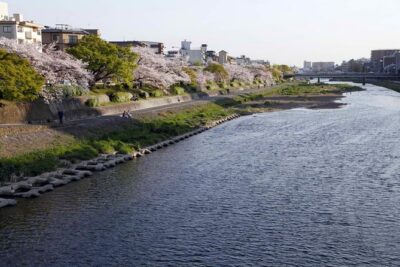
Pontocho is a narrow dining alley area along the river. It is ideal when your tour day stretches toward evening, because the atmosphere turns into something you can feel.

This stop is typically easier physically than temple grounds. The drawback is that restaurants can make it noisy and crowded. If you want calm, ask for timing advice and take a short walk for the vibe rather than trying to linger in the busiest section.

Ginkakuji (Silver Pavilion): Zen atmosphere and intentional pacing

Ginkakuji is a Zen temple choice that fits well if you want a change from the busiest icons. It is still famous, but it feels more “thinky” than “go go go.”

The guide’s job is to slow you down in the right way. You do not need to sprint between highlights. Your best moments come when you stop and look at what the space is doing.

Entrance is not included for Ginkakuji here, so add that cost if it is your chosen stop.

Nanzenji Suirokaku: Zen grounds with a sense of space

Nanzenji is a major Zen temple with spacious grounds. The Suirokaku (aqueduct style structure) gives you a different kind of photo and a sense of scale.

This is a good place to escape some of the crush you get at the most famous shrines. If you want a breather, this pairing is smart.

Entrance is not included, so again, your ticket planning matters.

Tofukuji: a temple stop that can shine in certain seasons

Tofukuji is often known for spectacular autumn colors, but even outside peak season it can be a solid Zen stop. The advantage is you can get a temple experience that feels less like a theme park.

Entrance is not included for this stop. If you pick it, coordinate with your route so it does not become the only major paid ticket you regret missing.

Toji: a strong temple choice with simpler logistics

Toji is a temple in the east of Kyoto and a useful stop when you want a temple experience without the most intense crowd scenes. In many routes it works as a transition stop, especially if your other picks are in different parts of the city.

Toji is listed with free admission for this experience setup, which helps keep your cost under control.

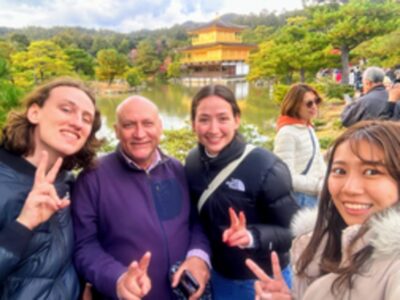
Kinkakuji (Golden Pavilion): the classic icon, plus what to look for

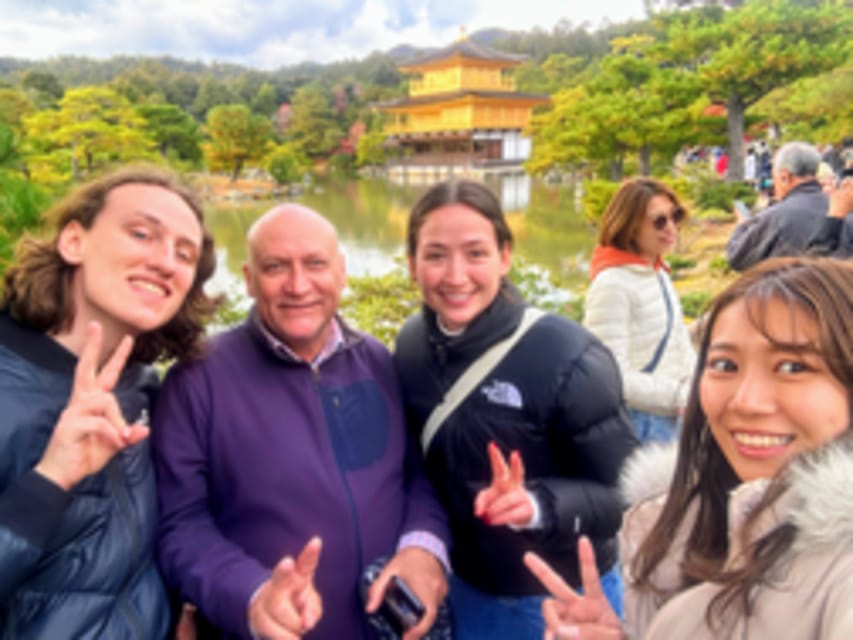
Kinkakuji is the Golden Pavilion, and it is famous for a reason. The value of a guided visit is knowing what to focus on so you feel like you experienced more than a single viewpoint.

Be prepared for lines and crowd energy. A guide can still help by managing timing and moving you to angles that feel worth the effort.

Entrance is not included for Kinkakuji here, so include that in your budget.

Ninna-ji: a World Heritage temple with a quieter feel

Ninna-ji is another World Heritage listed stop. It fits well if you want a temple day but with fewer of the same crowd patterns as the biggest “top three” icons.

Entrance is not included, so treat it as your budget choice temple if you want more calm than spectacle.

Shugakuin Imperial Villa: imperial garden time, if your schedule allows

Shugakuin Imperial Villa is an imperial villa garden setting. If you like gardens and architecture, this can be a satisfying change of pace from shrine and castle days.

The catch is timing. Villa gardens can need a bit more wandering time than you expect, and your 4 hours go fast when you want to see it all.

Entrance is not included for this stop.

North Kyoto options: Kibune River and Kurama-dera for a forest mood

Kibune River and Kurama-dera are north Kyoto choices that can shift the whole tone of your half-day. Instead of focusing on city monuments, you get a more forest valley feel.

Entrance fees are listed as not included for both. Also, these areas can feel “farther” in practice, so only add them if you are comfortable trading a bit of central convenience for atmosphere.

Ryoan-ji: the rock garden stop, and the need to go slow

Ryoan-ji is the home of Japan’s famous rock garden. This is a stop where guides often matter because the experience is not only about looking. It is about how you view the space and how it is designed for stillness.

Entrance is not included. If you want more motion, this may feel slower than a street and shrine pairing. If you want quiet, it is perfect.

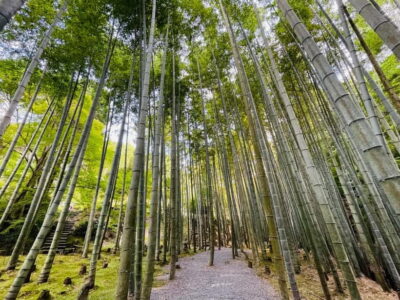
Arashiyama: bamboo paths, bridges, and the “slow down” part

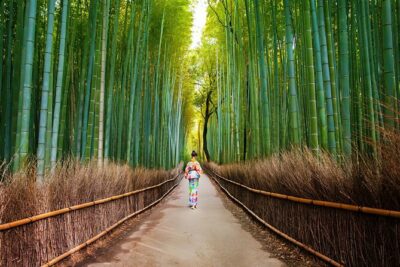
Arashiyama is one of the most recognizable western Kyoto districts. It has a famous bridge, bamboo paths, and temple gardens that make you want to walk instead of rush.

If your route includes Arashiyama, plan for the “walk and look” rhythm. Even if you are not buying tickets for every spot, the district itself takes time.

Key photo and landmark moments can include:

  • Togetsukyo Bridge for the iconic view
  • bamboo grove walking paths where a light wind makes the stalks sway
  • Temple and garden stops that reward slower pacing

Entrance is not included for most of the temple or garden choices in this area, so decide which paid spots are worth it for you.

Tenryu-ji and Daikaku-ji: big Arashiyama temple names

Tenryu-ji is listed as one of Kyoto’s five great Zen temples and is a strong match if you want the most classic Zen experience in Arashiyama. Daikaku-ji offers another side of temple culture in the area, with a calmer, palace-like background story.

Entrance is not included for both in this experience setup. If you want to keep costs lower, you might choose one temple and pair it with a free district walk.

Katsura Imperial Villa and the garden design lovers

Katsura Imperial Villa is all about Japanese architecture and garden design. It can be an excellent stop if your ideal Kyoto day includes planned garden sightlines.

Entrance is not included, and the villa feel can take more time than a standard temple photo stop. It works best if you treat it as your main paid event for the afternoon.

Jojakkoji, Nisonin, and Gioji: hillside temples for a quieter mood

These three hillside temples are smaller, forest-adjacent experiences where moss, maples, and tucked-away garden paths do the talking. They are a good counterbalance to the most crowded icons.

Entrance is not included for these. Also, uphill walking is part of the deal, so if you are already tired from earlier hills, pick just one.

Adashino Nenbutsu-ji and Otagi Nenbutsu-ji: the statue paths

Adashino Nenbutsu-ji and Otagi Nenbutsu-ji are known for statue scenes. Otagi Nenbutsu-ji is especially noted for many stone statues of rakan, each with a different form.

Entrance is not included. These can be memorable because the visual focus is clear, but your 4 hours mean you should not add too many “mini temples” unless you are committed to them.

Kennin-ji and Byodoin: two different pacing styles

Kennin-ji is close to central Kyoto streets and can be a good choice if you want a temple stop without traveling far. Byodoin Temple in Uji is different, because it is outside Kyoto city core and adds travel time.

Entrance is not included for both. If you want a smooth 4-hour day with minimal transit, Kennin-ji is the safer bet. If you want the Phoenix Hall experience at Byodoin, accept that you are spending more time moving.

Practical tips that make the day easier, especially for transit

Your guide can handle city transit, but you still want to plan like an adult with legs and time. Here are the habits that usually help:

  • Wear comfy shoes. Hills and stairs stack up fast in Kyoto.
  • Carry some yen in cash for small purchases and temple-related costs.
  • If you plan to use transit, consider getting a transit card ahead of time. It makes train and station flow faster.

Also, tell your guide what pace you want. If you prefer longer stops with fewer hops, say so early. A good guide can then keep your day from turning into a sprint.

Who this private tour is best for

This experience fits best if you want:

  • a private Kyoto plan with no group pressure
  • a flexible route built around your interests
  • a guide who can explain what you are seeing and keep you moving efficiently

It also makes sense for families or couples who need a bit of flexibility. The tour format is designed for your group only, with your guide planning around your chosen stops.

If you are the type who loves to wander freely and discover on your own, you might skip this. But if you want the city to feel organized in just a few hours, you will likely feel grateful for the structure.

Should you book this Kyoto private tour?

If you are visiting Kyoto for a short window, I think booking is smart. The combination of nationally licensed guidance, a customizable 2-3 stop plan, and on-foot hotel pickup helps you avoid the two biggest problems in Kyoto: wasted time and misunderstanding what you are looking at.

I would skip it if your goal is mostly free wandering with zero tickets and zero structure. Also, if walking is a hard no for you, this tour’s walking style can feel like a bad match, since the route is designed as a walking experience with pickup on foot.

If you choose it, pick your stops thoughtfully. One big icon, one supporting neighborhood, and one optional calm temple is usually the sweet spot for a satisfying half-day.

FAQ

How many places can I visit during the 4-hour tour?

The tour is built around a customizable plan where you choose 2-3 sites from the available options. That is the idea for fitting everything into the half-day timeframe.

Is hotel pickup included?

Yes. Pickup is offered on foot, and you meet the guide within a designated area of Kyoto. The experience also mentions front-door pickup at your hotel.

Are entrance fees included?

No. Entrance fees are not included, and the tour also notes that guide entry fees are covered only for sights listed in the expected selection.

Do I have to walk the whole time?

This is a walking tour. Most travelers can participate, but you should be ready for walking, plus some hills depending on the stops you choose.

Will the tour be just my group?

Yes. This is a private tour/activity, so only your group participates.

Can I get a private vehicle instead of public transport?

Public transportation or taxis are part of the standard approach, and you can upgrade to include a private vehicle at an additional cost.