Private Kyoto Tour with Licensed Guide & Vehicle (Max 15 persons)

Reviewed · KYOTO PRIVATE GUIDED TOURS

Private Kyoto Tour with Licensed Guide & Vehicle (Max 15 persons)

5.0 · 417 reviews From $634 Operated by Japan Guide Agency · Bookable on Viator
Book on Viator →

Kyoto can be a maze without a plan. This private car and licensed guide puts the highlights within easy reach. You get door-to-door pickup and a day built around your preferred stops, from Fushimi Inari to the Golden Pavilion.

I love the clear value of doing several Kyoto icons in one half-day, without wasting time on trains and confusing transfers. I also like how the experience stays flexible, with guides tailoring the route and pace, and even helping with food decisions. One potential drawback: the entrance fees and lunch are not included, so you’ll want to budget extra cash for tickets.

Key Takeaways Before You Go

Private Kyoto Tour with Licensed Guide & Vehicle (Max 15 persons) - Key Takeaways Before You Go

  • Private vehicle saves you from Kyoto transit stress
  • Licensed English guide handles history and practical routing
  • You choose 3 to 4 walking sites from a long Kyoto list
  • Day-to-day flexibility, guides can adjust pace for families
  • Classic coverage, from torii gates and Zen gardens to markets
  • Entrance fees and lunch are extra, bring some cash

Why This Private Kyoto Plan Feels Easier Than the Usual Mess

Kyoto’s public transit is workable, but it can also feel like homework. Stops are spread out, signage can be confusing, and schedules rarely bend for your day. With a private vehicle, you spend more time looking at temples and less time studying routes.

The heart of this tour is straightforward: you get a licensed local English-speaking guide plus a car, and you visit a short list of Kyoto standouts. That matters because Kyoto is at its best when you slow down slightly, not when you sprint from one bus to the next.

I also appreciate that the itinerary is built around choice. Some tours force a fixed script, but here you pick from the options and your guide can help you shape a sensible route.

You can also read our reviews of more guided tours in Kyoto

Price and What You Really Get in 6 Hours

Private Kyoto Tour with Licensed Guide & Vehicle (Max 15 persons) - Price and What You Really Get in 6 Hours
The price shown is $634.72 per group (up to 2) for about 6 hours. That sounds steep until you compare it to the cost of getting a car plus a guide, and to how much time you lose if you try to do multiple top sights on your own.

For two people, the math often works because you’re not paying per person for the car. For small families, it can also feel fair, since guides can adjust for kids and for slower walkers.

One thing to keep your expectations grounded: you are not going to do every temple on the list in one day. The experience is designed around 3 to 4 walking sites plus driving time and short scenic breaks. If you try to cram in the whole city, even a great driver and guide will run out of daylight.

The Big Difference: Door-to-Door Pickup and Real Routing

Private Kyoto Tour with Licensed Guide & Vehicle (Max 15 persons) - The Big Difference: Door-to-Door Pickup and Real Routing
Kyoto’s stations and neighborhoods don’t line up neatly. That’s why hotel pickup is a big deal here, not a perk. Instead of meeting at a busy station and then playing catch-up, you start where you’re staying and you end where you need to be.

The vehicle also gives your guide leverage. When you can reposition quickly, you can choose smarter stop order and avoid dead time between sights. In practical terms, you end up walking through more Kyoto per hour, not just riding around.

The guide entry fees are covered only for sights listed under what to expect. Translation: you should assume that some places require you to pay your own admission fee.

How to Pick Your 3 to 4 Sites Like a Pro

Private Kyoto Tour with Licensed Guide & Vehicle (Max 15 persons) - How to Pick Your 3 to 4 Sites Like a Pro
Your guide offers a walking tour option of 3 to 4 sites from the list, and that’s where you get control. I recommend building your day around a simple pattern, one “signature temple,” one “old streets or market,” and one “Zen garden or views.”

Here’s a practical way to decide:

  • If it’s your first Kyoto visit, lean toward Fushimi Inari, Gion, and one major temple like Kiyomizu-dera or Kinkaku-ji.
  • If you love quieter temple energy, swap one busy classic for places like Nanzenji, Toji, or Ninna-ji.
  • If you want scenery and atmosphere, add Pontocho and the Higashiyama area, or go west to Arashiyama and Sagano temples.

Also, think about walking and stairs. Some guides are very good at reading the group’s comfort level and adjusting the plan. If you tell them you want fewer steps, or you need a route that works for mobility limits, it can change the whole experience.

Fushimi Inari-taisha: Torii Gates Without the Full-Day Grind

Private Kyoto Tour with Licensed Guide & Vehicle (Max 15 persons) - Fushimi Inari-taisha: Torii Gates Without the Full-Day Grind
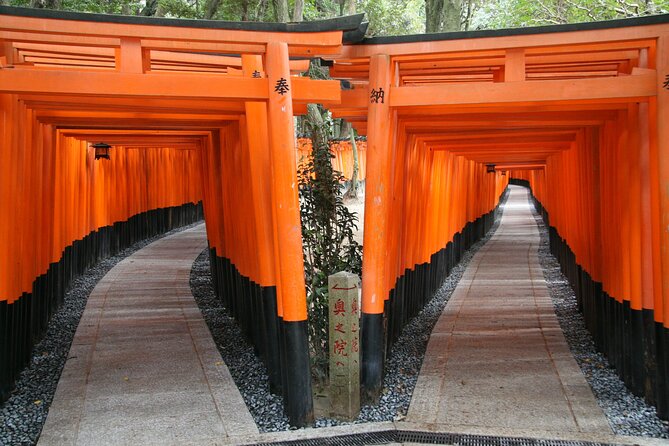
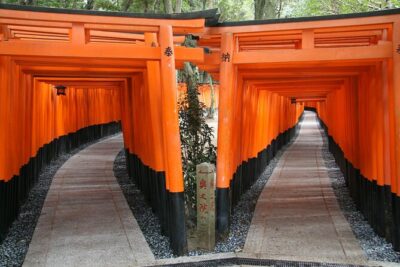
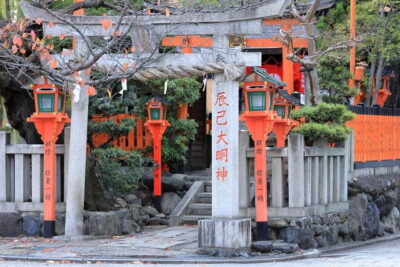
Fushimi Inari-taisha is the famous torii-gate complex, and it’s an easy win for a first visit. Even a short stop can feel like a Kyoto highlight because the route is instantly recognizable.

In this style of tour, you typically get a focused visit with time-saving guidance. If you want the feeling of Fushimi without turning your whole day into a long hike, this is a smart pick.

Admission is free for this stop on the itinerary, so it’s also a low-cost way to start strong. You’ll still want comfy shoes, since even short walks around temple grounds add up.

Nijo Castle: A UNESCO Stop That Adds Edo-Era Context

Private Kyoto Tour with Licensed Guide & Vehicle (Max 15 persons) - Nijo Castle: A UNESCO Stop That Adds Edo-Era Context
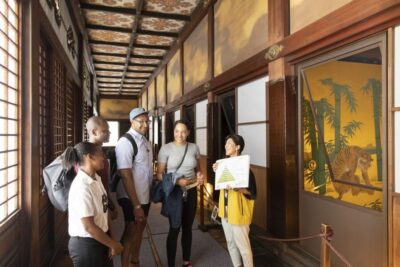
Nijo Castle is not just pretty. It’s tied to the Tokugawa shogunate, built in 1603 as the Kyoto residence of Tokugawa Ieyasu. That historical framing helps the sites feel less like random photo backdrops and more like a coherent story.

On this tour, the stop is short, so treat it like a highlight sweep. The admission ticket is not included, so plan for that extra cost.

I like this stop because it balances Kyoto’s spiritual themes with political history. If you’re choosing only one “castle” type stop, Nijo is a strong option.

Gion, Pontocho, and Higashiyama: Old Kyoto With Street-Level Flavor

Private Kyoto Tour with Licensed Guide & Vehicle (Max 15 persons) - Gion, Pontocho, and Higashiyama: Old Kyoto With Street-Level Flavor
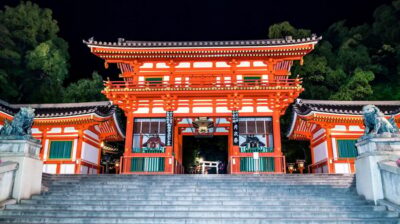
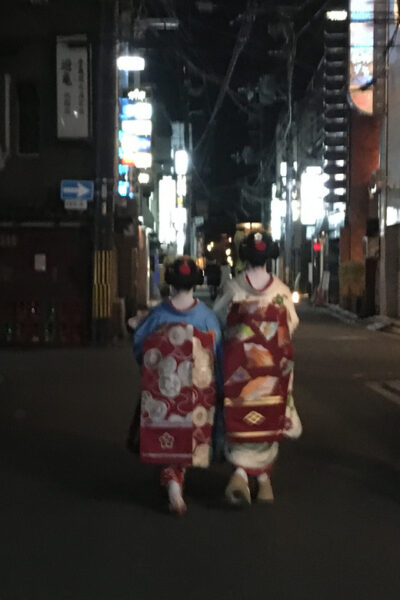
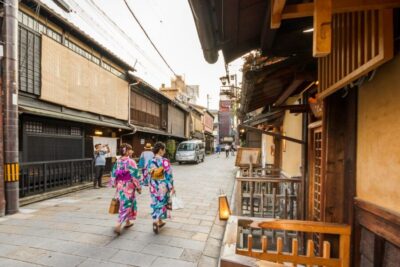
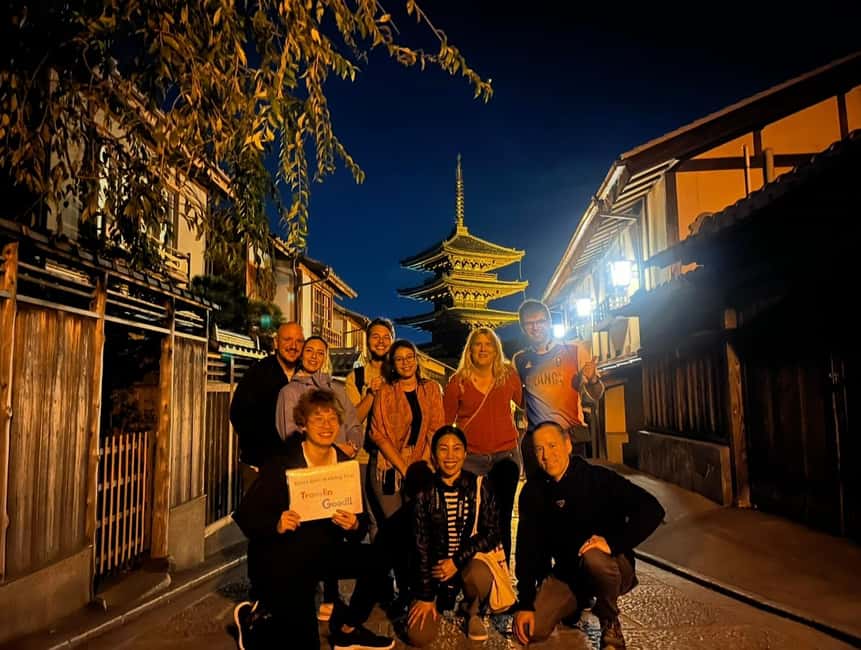
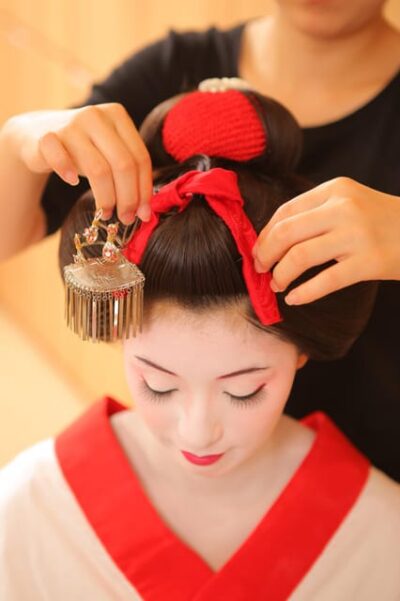
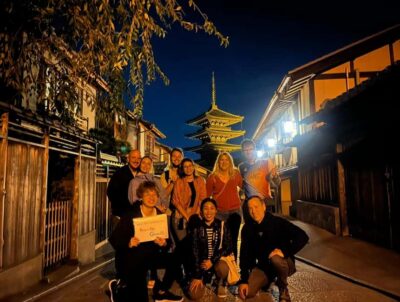
Gion is the geisha district, and the narrow alleys can feel overwhelming the first time. With a guide, you get a calmer walk through the neighborhood instead of wandering and doubling back.

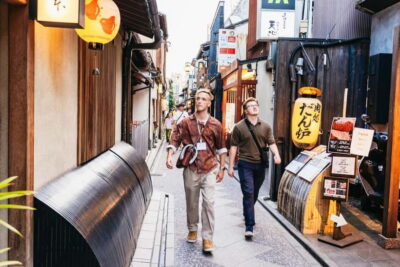
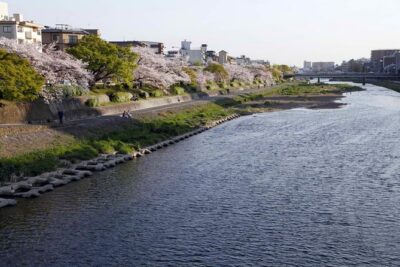
Then there’s Pontocho, the dining lane by the Kamogawa River. It’s a short area, but it’s atmospheric in a way that photos never fully capture. You’re in the right place for evening Kyoto vibes, even if you visit earlier in the day.

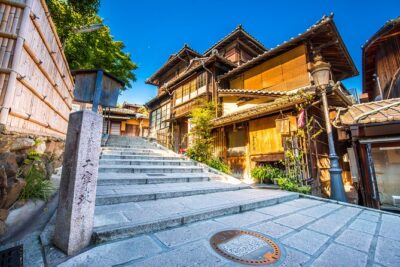
Higashiyama is the historic district along the eastern mountain slopes. If you want old-street Kyoto that feels more preserved than the city center, this is a good anchor stop.

A practical note: these street areas can get busy. That’s exactly why a guide matters, because they can point you toward the most comfortable walking paths and help you time things.

Nishiki Market: Kyoto’s Kitchen in One Compact Walk

Private Kyoto Tour with Licensed Guide & Vehicle (Max 15 persons) - Nishiki Market: Kyoto’s Kitchen in One Compact Walk
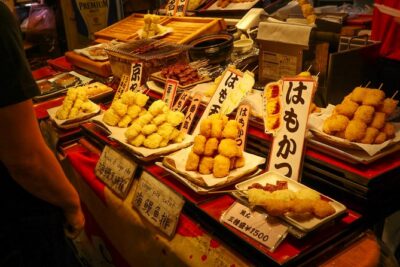
Nishiki Market is a narrow shopping street, about five blocks long, known as Kyoto’s Kitchen. It has more than one hundred shops and restaurants, so it’s ideal for tasting without committing to a sit-down meal too early.

This is often a good second stop after a temple, because it switches your brain from history to food and sensory fun. The itinerary lists it as free to visit, so you’re paying mostly for what you choose to eat or buy.

If you have dietary needs, this is where your guide can be especially useful. One highlight from the experience is how some guides help adjust food plans and even recommend where to try certain types of dishes. It’s not the sort of thing you want to improvise at peak hours.

Kiyomizu-dera: The Big Temple Stop (Plan for Tickets)

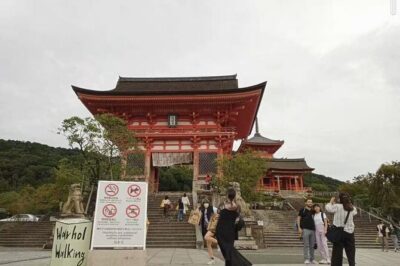
Kiyomizu-dera is one of Kyoto’s most popular temples, and this stop is designed for a guided visit. The itinerary notes a 1-hour guided tour, which is great because it gives you time to understand what you’re looking at.

Admission is not included, so expect a ticket cost at least here. This is also the kind of stop where crowds can build quickly, especially in busy seasons.

I like Kiyomizu-dera as part of a “first highlights” day. It delivers the iconic temple look plus enough context to make the architecture and layout feel meaningful.

Kyoto Imperial Palace: When You Want Calm, Not Rush

The Kyoto Imperial Palace was the residence of the imperial family until 1868. It’s a different side of Kyoto, less about torii gates and more about the formal power structure of the court.

This stop is short on the itinerary, and admission is not included. Still, it’s a useful choice if you want a break from temples and street crowds while staying in the historic core.

If you’re the type who likes to understand how eras shifted, this is a strong add-on to your day.

Zen Temple Picks: Ginkakuji, Nanzenji, Tofukuji, Toji

Kyoto’s Zen temples each have a distinct flavor, and the itinerary gives you a lot of options.

  • Ginkakuji (Silver Pavilion): a Zen temple built around a retirement villa concept, tied to shogun Ashikaga Yoshimasa. This can be a nice counterpoint to Kinkaku-ji, because the feel is quieter and more reflective.
  • Nanzenji with Suirokaku: Nanzenji is described as one of Japan’s important Zen temples, with spacious grounds at the base of the Higashiyama mountains. The Suirokaku feature adds a distinctive viewpoint element.
  • Tofuku-ji: known especially for autumn colors, founded in 1236. If you’re visiting in fall, this stop tends to feel extra relevant.
  • Toji: a major temple tied to the Heian period, founded around the time the capital moved to Kyoto in the late 700s.

On this tour, many of these are not included in admission and are set up for shorter guided visits. That’s fine, as long as you choose based on what you want most. If you love gardens, prioritize Ginkakuji or Nanzenji. If you want big temple scale, Toji can be a strong pick.

Kinkakuji, Ninna-ji, and Shugakuin: When Kyoto Goes Extra

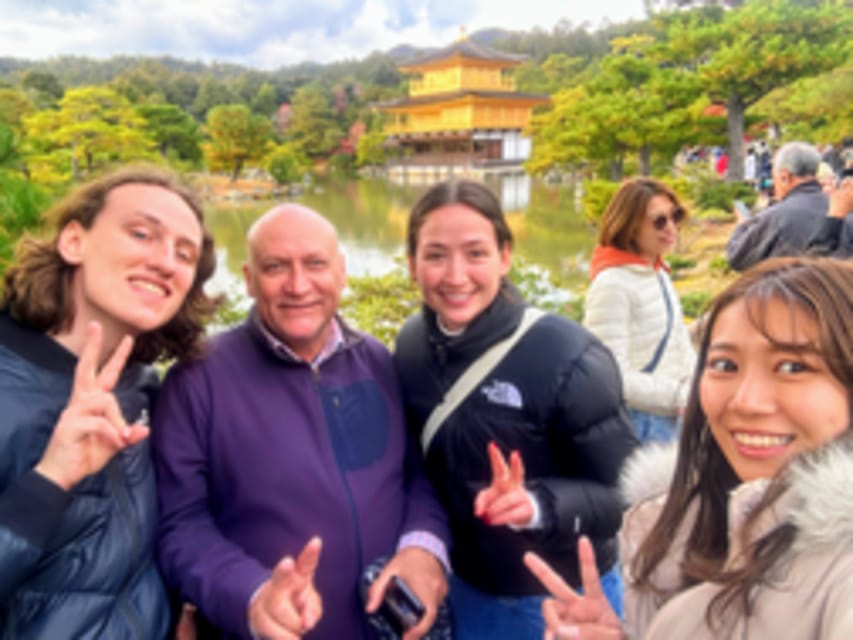
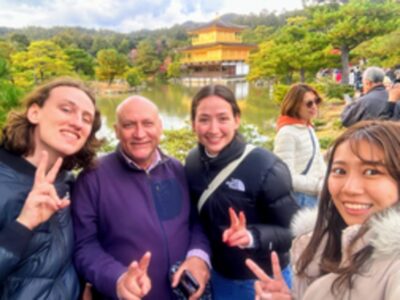
If you want the most famous visual cue in Kyoto, Kinkakuji (Golden Pavilion) is the one. Two top floors are covered in gold leaf, and it’s linked to Ashikaga Yoshimasa’s retirement villa.

This stop often draws big crowds. One of the experiences highlights that it can be packed with school-organized tours, so go in expecting energy and plan to move with your guide.

If you want a more court-and-culture feeling, Ninna-ji is listed as a World Heritage site and head temple of the Omuro School of the Shingon sect. Shugakuin Imperial Villa is described as a 17th-century imperial villa managed by the Imperial Household Agency, with Upper, Middle, and Lower Villa areas. These are good choices if your day can handle a ticket cost and you want calmer, more spacious settings.

Far North and North-Eastern Stops: Kibune and Kurama

Kibune is a small town in a forested valley in Kyoto’s northern mountains. It developed around Kifune Shrine, and the legend here involves a goddess traveling by boat from Osaka.

Kurama is another northern mountain area, best known for Kurama-dera and a hot spring. These stops are ideal if you want something other than central Kyoto crowds.

The caution is simple: far-flung areas mean more driving time. The tour is built for a short selection of walking sites, so you’ll want to trade off. If your priority is these mountain atmospheres, pick one central classic and let the rest of your day align to the north.

Ryoan-ji and Arashiyama: Gardens Plus Scenery

Ryoan-ji is famous for the rock garden that attracts hundreds daily. It’s also tied to a story that started as an aristocrat’s villa in the Heian period, later transformed into what you see today. Even a short guided visit can help you see why the garden is so endlessly discussed.

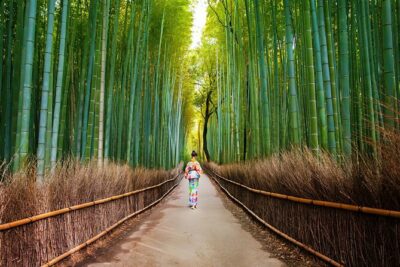
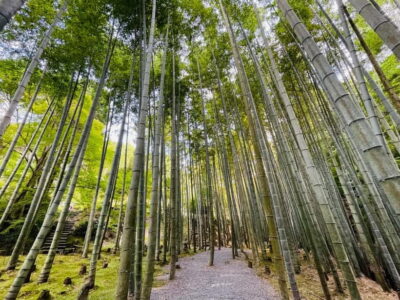
Then head west to Arashiyama, a district popular since the Heian period when nobles enjoyed nature settings. The area is touristy, but the scenery and sense of seasonal change are a big reason people come.

If you want the Arashiyama temples, the list includes:

  • Tenryu-ji, described as the most important temple in Arashiyama and ranked first among Kyoto’s five great Zen temples, and also a World Heritage site.
  • Daikaku-ji, a large temple originally built as Emperor Saga’s detached palace in the early 800s.
  • Yoshimine-dera in the western mountains, noted as similar to Kiyomizudera on the opposite side of town in how it’s built along the terrain.

These are great choices if your “must-sees” include both garden thinking and classic Kyoto landscapes. Just remember that not all of this list fits into one day unless you are selective.

Katsura Imperial Villa and Sagano Style: Architecture Lovers’ Choice

Katsura Imperial Villa is listed as one of the finest examples of Japanese architecture and garden design, with completion in 1645. Daikaku-ji and Tenryu-ji sit in the same broad Sagano area story, which can make your day feel connected.

This is a great zone for travelers who like design details, not just the biggest headline sights. Admission is not included for these options, so again, budget for tickets.

Small Temple Stops Near Main Streets: Kennin-ji and Yoshimine-dera

Not every highlight has to be the loudest one.

Kennin-ji is close to Hanamikoji and Shijo streets, with expansive grounds and dry landscape gardens. It’s also a good option if you want something temple-based but not too far from central areas.

Yoshimine-dera is a Tendai-sect temple in Kyoto’s western mountains, noted for being built along the slopes, similar in spirit to Kiyomizudera across town. If you like mountain temple settings, it can add a different texture to your day.

These stops are short on the itinerary, so choose them when you want variety rather than when you want a full temple experience.

Food, Timing, and Guide Moves That Make the Day Work

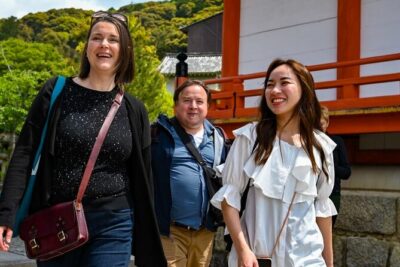
One of the most praised parts of this tour is how guides tailor the plan. Names that come up include Michi, Noriko, Yuka, Olive (Miwako), Tomy, Ken, Chiyuki, Haru, and Hiroko, and the pattern is consistent: they adjust to the group and keep the day moving.

I like that many guides also help with practical needs, like finding good lunch spots. In multiple examples, guides helped with selecting a food style, including Okonomiyaku, and even stayed longer than the planned end time to make sure the meal plan landed well.

Timing is the other secret sauce. Even when you pick the same top sights, the best tours are about when you go and how your guide routes you. Some guides are also careful about where you walk inside the larger temple grounds, so you don’t waste your time in the thickest crowd pockets.

What to Watch For, Tickets and Preference Matching

Here’s the blunt truth: if you don’t tell your guide what matters most, you can end up with a day that feels generic. Some feedback mentions guides did not seem interested in preferences and that the itinerary felt thrown together. That doesn’t mean the model is flawed, it means you should do your part.

Before you go, send your top list and the reasons in plain language. For example:

  • I want one photo-heavy classic, one quieter Zen stop, and one food-focused area.
  • We prefer fewer stairs and want more time inside temples rather than outside viewing platforms.

Also, plan for admission fees. Most of the major temples on the list are marked as not included. One practical note from the experience is to bring a small amount of cash for entry fees.

Finally, remember the driving reality. Kyoto sites are spread out, and even with a car, you can’t do every far stop plus every central classic in one 6-hour block. Choose what you’d actually regret missing.

Should You Book This Private Kyoto Tour?

Book it if you want maximum Kyoto highlights with minimum friction. It’s a strong fit for first-time visitors, for families with kids, for anyone who dislikes navigating Kyoto transit, and for people who want their day shaped by a licensed local guide.

Skip it if you love building your own route and you don’t mind figuring out trains, buses, and walking connections. Also reconsider if your idea is to see everything on the long list, because the experience is built around picking a smaller set of walking sites and using the rest of the time for driving and short visits.

If you do book, your best move is simple: pick 3 to 4 priorities that actually match your travel style, then tell your guide how you want the day to feel. With the right plan, this turns Kyoto from stressful logistics into a smooth, memorable sampler.

FAQ

How long is the private Kyoto tour?

It runs for approximately 6 hours.

What is included in the tour price?

You get a licensed local English speaking guide, a private vehicle, and a customizable walking tour where you choose 3 to 4 sites from the available list.

Is hotel pickup included?

Yes. Pickup is offered, and door-to-door hotel transfers are included.

Are entrance fees and lunch included?

No. Entrance fees, lunch, and other personal expenses are not included.

Is this tour private for our group only?

Yes. It is a private tour/activity and only your group participates.

Are car seats or booster seats available?

There are only a limited number of car seats and booster seats. Rear-facing car seats are not available, so you must contact the provider directly if you need them.

Is free cancellation available?

Yes. You can cancel up to 24 hours in advance for a full refund.

Are service animals allowed?

Yes. Service animals are allowed.