Reviewed · NARA DAY TRIPS FROM KYOTO
3 Days Private Osaka Kyoto and Nara Tour With English Driver
Osaka to Kyoto to Nara in three days is a lot, but this private setup makes it feel manageable. I like the English-speaking driver and the fact you get pickup and drop-off, so you are not wasting time figuring out trains. One thing to plan for: most major sights have separate entrance fees, and they add up fast if you pay for everything listed.
The schedule is built around short, focused visits, so you can hit major highlights without turning your trip into a 12-hour temple marathon. You get enough time in each city to enjoy the atmosphere and choose what you slow down for. Still, because it is private, the cost per group only feels best when you fill your spots.
Key Highlights You Will Actually Feel During This Tour

- Private transport across 3 cities means less commuting stress and more time on-site
- English-speaking driver for clear logistics and smoother decision-making day to day
- Osaka mix of big landmarks, shopping streets, and a hands-on Cup Noodles Museum stop
- Nara full classic trio, deer park plus Todai-ji and Kofuku-ji, plus museum and gardens
- Kyoto highlights spread out across west and east Kyoto, ending with shopping at Nishiki Market
- A real value lever: fully customizable itinerary so you can swap priorities without losing the whole plan
Price and Value, Entrance Fees, and What Your Group Cost Covers

The price is $1,646.41 per group (up to 5) for about 3 days. That sounds steep until you think about what you are buying: private transportation plus pickup and drop-off, and an English-speaking driver handling the moving parts between Osaka, Nara, and Kyoto.
If your group fills all five spots, the base cost works out to about $329 per person for the private ride and driver service across three cities. Entrance tickets and meals are not included, so the true all-in cost depends on how many paid stops you choose to cover.
Here is the important part for budgeting: the tour lists many sites with specific entrance prices. If you plan to pay for every listed paid stop in the itinerary, you should budget around 14,754 yen per person in admissions (based on the yen amounts shown). In other words, the tour price is for transportation and time, not for covering every ticket.
You can also read our reviews of more private tours in Osaka Prefecture
How Private Pickup and an English Driver Changes Your Osaka Kyoto Nara Plan

This is a private tour/activity, so only your group participates. That matters because Osaka, Nara, and Kyoto each have different transit rhythms and crowd levels, and you do not want to fight that while also trying to stick to your schedule.
You also get pickup and drop-off, which is huge in Japan when the distance between hotel and first stop can be the difference between a calm start and a rushed one. The included English-speaking driver helps with the day’s flow, especially when you are hopping between districts.
Just note one detail that affects expectations: a guide is not included. So you are getting driving help and logistics, but if you are the type who likes deep narration at every temple, you may want to supplement with your own reading or audio guides.
Day 1 in Osaka: From Osaka Castle to Cup Noodles Museum and Bay Tower Onsen
Osaka Castle is a strong start because it is one of those landmarks that gives you instant context for the city. You get around 40 minutes there, and the admission is listed separately. If you want photos, arrive with a plan for where you want to stand, since you will not have hours to wander at a slow pace.
Next comes Shinsekai Inari Shrine, with about 45 minutes. This is not a giant mega-temple stop, and that is part of the appeal. The shrine is dedicated to Inari, the Shinto deity linked with rice and prosperity, and the itinerary treats it like a local-feeling pause.
After that, you head to Sumiyoshi Shrine for around 40 minutes. The tour description emphasizes its age, dating over 1,800 years, which gives the day a nice balance: big-canvas Osaka Castle, then older roots at a long-standing shrine.
Then you get a change of pace at the Sakai City Hall Observatory on the 21st floor, about 50 minutes. This kind of stop is underrated. Instead of walking more, you get orientation. You can look at the layout and mentally map where you will go later.
The Cup Noodles Museum stop is listed for about 40 minutes, and admissions are free. This is your hands-on breather. You get the story of instant ramen and even have the chance to create your own cup noodle. If you are traveling with kids or anyone who likes food culture, this is often the most fun stop because it is interactive, not just scenic.
Day 1 Osaka Shopping Streets and Temples: Shinsaibashi, Shitennoji, and Time to Breathe

After the museum, the schedule includes Solaniwa Onsen Osaka Bay Tower for about 45 minutes. This is one of the best “reset buttons” in the whole plan. It is a hot spring facility in the Osaka Bay Tower, and admission is listed separately. Even if you do not stay long in the baths, the idea is to cool down and recharge before another evening of walking.
You then go to Shinsaibashi-suji Shopping Street for about 1 hour. The listing notes it stretches over 600 meters, with a mix of shops along an arcade-style street. This is your practical chance to pick up snacks, small gifts, and everyday items without turning shopping into a separate day.
Finally, Shitennoji is included for about 50 minutes, with admission not included. It is described as dating back to the 6th century and being one of Japan’s oldest Buddhist temples, which adds depth to the day without requiring an all-day commitment.
The overall Osaka day is also built around energy. The tour summary specifically calls out street food time in Dotonbori and Osaka nightlife. Since nightlife plans can shift with your group, treat that as flexible time you can use however you want, based on your energy level.
Day 2 in Nara: Deer Park, Todai-ji, and the Beautiful Rhythm of Slower Time

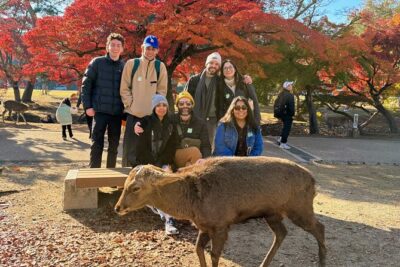
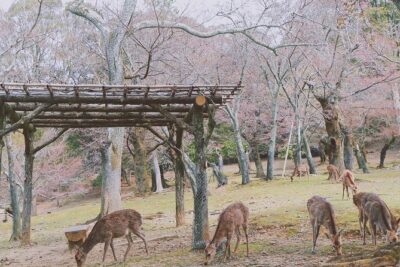
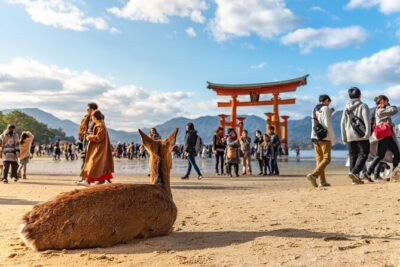
Nara is where this tour starts to feel calmer. You begin at Nara Park for about 1 hour 30 minutes, with admission listed as separate. The tour notes the park’s size at over 500 hectares, and of course, the presence of deer is the main scene. If you do not want deer photo chaos, aim to move steadily and keep your bag zipped, since deer are part of the park’s everyday routine.
Todai-ji Temple follows, for about 50 minutes, and it is one of the big-ticket names on the itinerary. The listing says it is a UNESCO World Heritage Site, founded in the 8th century, and it houses the Great Buddha Hall (Daibutsuden). Even with a time limit, this is the sort of stop that anchors your day because it gives you a clear sense of why Nara mattered historically.
Then you visit Kasuga Taisha Museum for about 50 minutes. It is described as being on the grounds of Kasuga Taisha Shrine and focused on the history and traditions around that revered shrine. This is a good move for a practical reason: museums let you get context without standing in the open the entire time.
After that, you walk through Naramachi, a historic district with narrow lanes and traditional machiya townhouse character. The listing gives it about 40 minutes and keeps it simple and human-sized, which helps if you find temple crowds tiring.
Nara Temples and Gardens: Kofuku-ji, Nara National Museum, and Isuien

Kofuku-ji Temple is next for about 40 minutes, also described as a UNESCO World Heritage Site and one of the oldest Buddhist temples in Japan, founded in the 7th century. This stop complements Todai-ji because it deepens the Buddhist architecture story across different sites instead of repeating the same theme.
The itinerary then includes Nara National Museum for about 50 minutes. It is described as established in 1889 and dedicated to preserving and showcasing Japan’s artistic heritage. For many people, a museum is what makes a temple-heavy day feel complete, because it shifts you from seeing buildings to understanding meaning.
The Nara Palace Site Historical Park gets about 40 minutes. This is a different type of “wow” stop, because it is about the remnants of Heijo Palace, the imperial residence during the Nara period (710 to 794 AD). Even if you are not a history superfan, palace sites are great for imagining where power was centered.
Isuien Garden rounds out the afternoon, about 40 minutes. The listing calls it an Edo-period garden and says it has two sections. Gardens are also nice in summer because you can slow down and move at a calmer pace.
The final garden stop on Day 2 is listed with an admission price and described through Yoshikien Garden. The description highlights three garden styles: a pond garden, a moss garden, and a tea ceremony garden. If you want one day to feel peaceful rather than packed, this is the ending move that helps.
Day 3 in Kyoto: Arashiyama, Kinkaku-ji, Fushimi Inari, and Gion

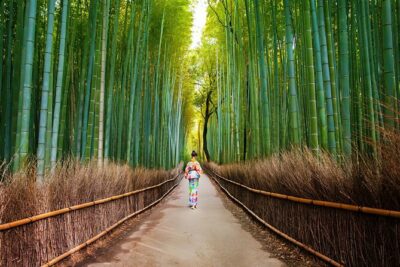
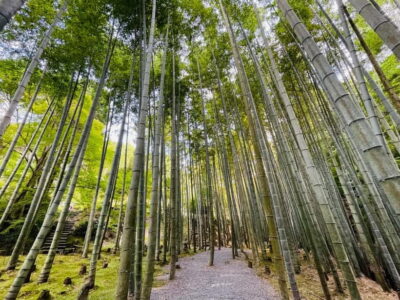
Kyoto Day 3 is a highlight reel, but it is spread across different neighborhoods, which is what makes it workable in three days. You start with Arashiyama for about 1 hour, described as a district known for natural beauty and traditional charm, plus historic landmarks.
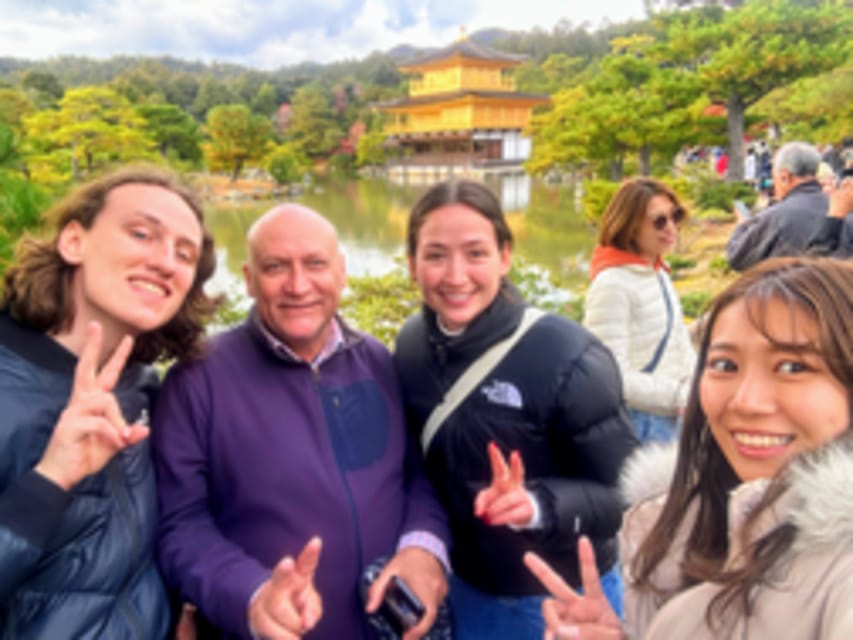
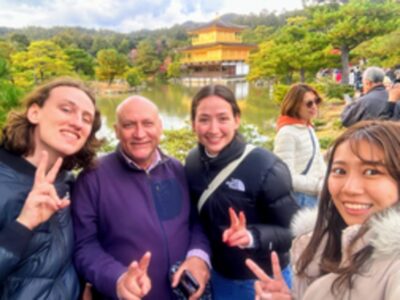
Then comes Kinkaku-ji Temple, also known as the Golden Pavilion, for about 40 minutes. The listing emphasizes the gold leaf exterior and the reflections in tranquil waters. Short visit or not, it is the kind of place where timing matters, so keep an eye on when you arrive and where you want your photo angle.
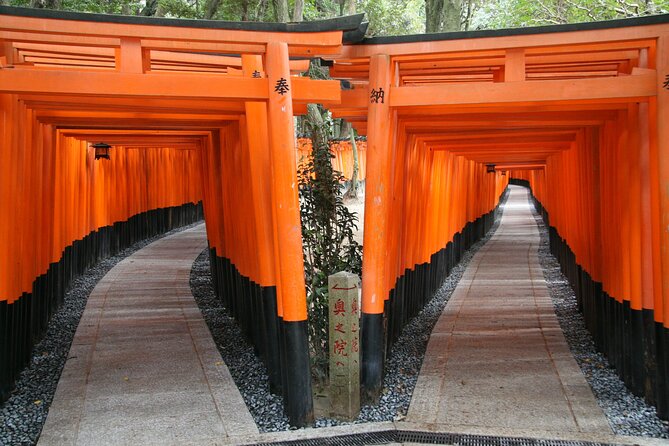
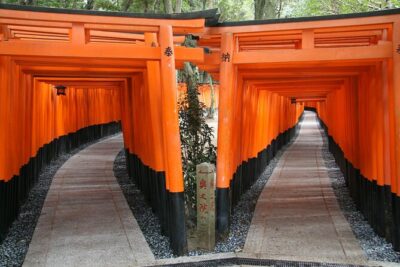
Fushimi Inari-taisha Shrine follows for about 40 minutes and is described as an iconic Shinto shrine with thousands of vermilion torii gates lined along hiking trails. Even though the stop is timed, the torii gates create a built-in “path experience,” so wear shoes you feel good walking in.
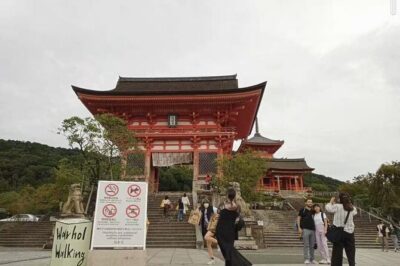
Next is Kiyomizu-dera Temple, UNESCO World Heritage Site, about 40 minutes. The listing describes it as perched on the eastern hills and a symbol of the city’s cultural heritage. Kiyomizu-dera is one of those stops where the surrounding area often feels as important as the main hall, but with a set time, you will want to prioritize what you want to see most.
Kyoto Streets and Temples: Gion, Sanjusangendo, Ginkaku-ji, Nishiki Market

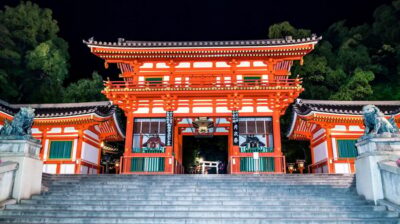
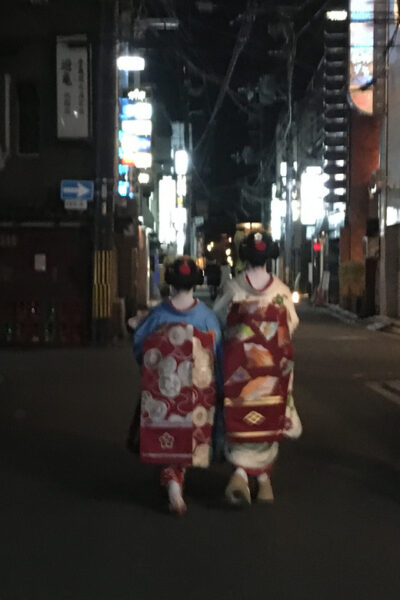
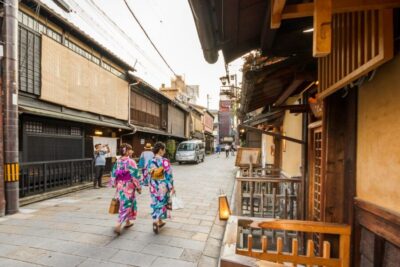
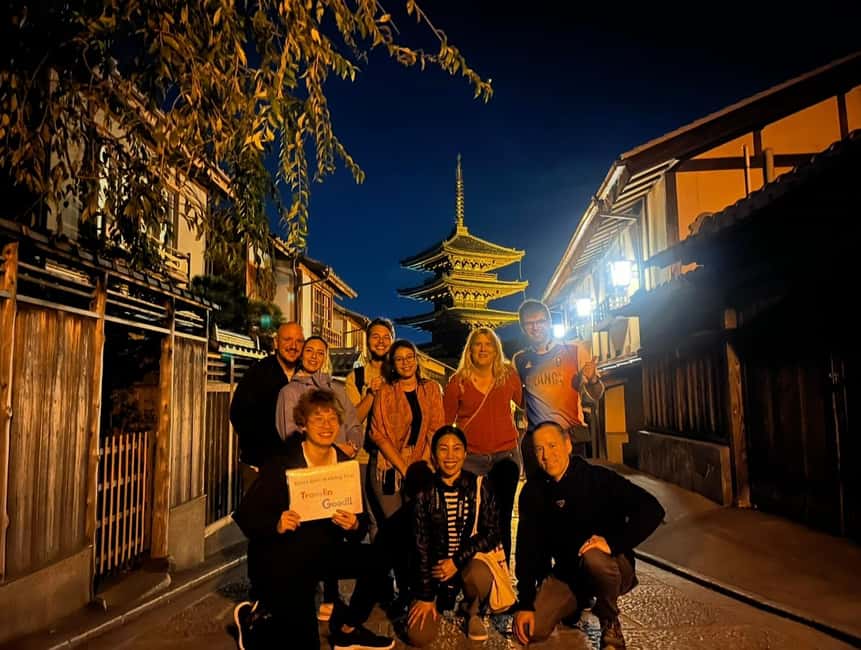
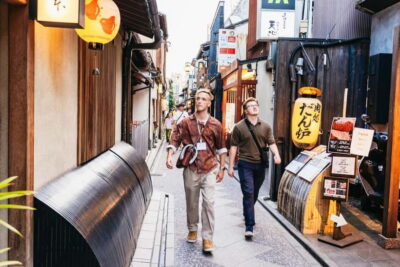
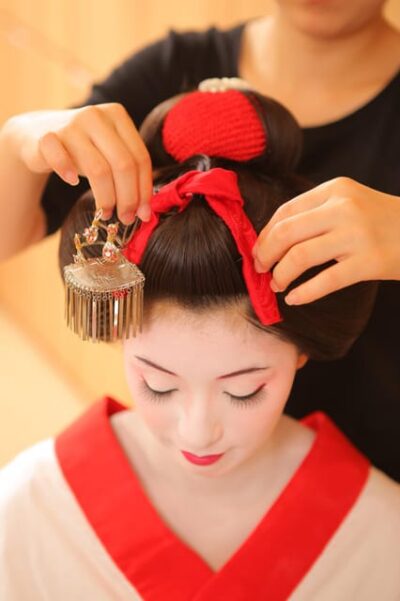
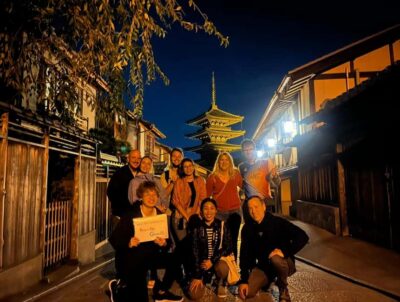
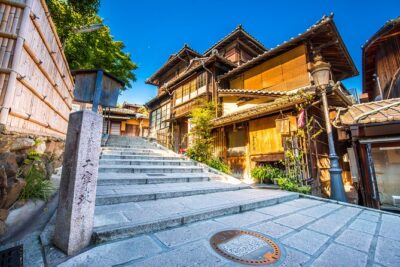
Gion is scheduled for about 1 hour. The listing calls it a historic district known for traditional architecture and geisha culture. It is not just about performances. Even if you never see anything scheduled, the street setting and architecture create the mood.
Sanjusangendo Temple is listed for about 40 minutes and described as famous for one thousand life-sized statues of Kannon, the goddess of mercy. This is a stop that can feel almost overwhelming in size, so a timed visit actually helps you process it instead of rushing.
Then you go to Ginkaku-ji, the Temple of the Silver Pavilion, for about 40 minutes. The listing notes it is not actually adorned in silver like its counterpart. That little detail matters because it keeps expectations grounded.
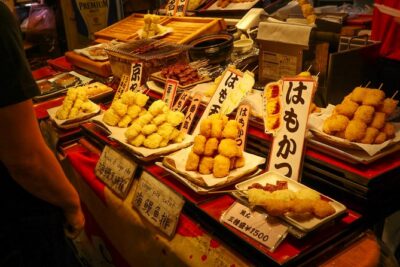
Nishiki Market Shopping District is included for about 1 hour 30 minutes. The description says it is known for culinary delights and traditional goods. If you like food sampling, this is often the most enjoyable “last-day” shopping stop because it combines snacks with souvenirs.
The last scheduled stop is Kyoto Imperial Palace for about 40 minutes, described as the residence of the imperial family until the capital moved to Tokyo in the late 19th century. It closes your trip on an institutional note, which balances all the street-level shrine energy you saw earlier.
Practical Tips to Make Short Temple Blocks Feel Worth It
This itinerary is timed in smaller segments, many around 40 to 50 minutes. That is not a bad thing, but it changes how you should travel.
I suggest you plan around three priorities:
- Choose one “must-feel” moment per stop, then move on.
- Wear shoes that handle uneven temple grounds and steps.
- Keep water handy, because long outdoor stretches happen even with private transport.
It also helps to know what is free versus paid. Some stops are free, like parts of the shopping and certain parks, but the biggest ticket admissions are listed separately for the paid sites. If you want to avoid last-minute stress, budget entrance fees in yen in advance.
One more useful human detail from the tour experience: the English driver support can genuinely improve the trip rhythm. In one account, the driver named Vicky was patient and even helped with summer heat by bringing beverages. That is the kind of small kindness that makes a timed itinerary feel kinder, not rushed.
What Makes This Tour a Good Fit, and Where It Might Not Hit
This tour fits best if you want a first-timer friendly sweep of three core regions without the logistics headache. Private transport across Osaka, Nara, and Kyoto is a big deal if you would rather spend your energy on sights and food than on train transfers.
It also works well for groups who like structure but want flexibility. The itinerary is described as fully customizable, so you can likely adjust what you treat as top priority. If your group has different interests, the mix of castles, shrines, museums, gardens, onsen time, and Kyoto shopping helps keep everyone engaged.
Where it might not be perfect: if you want deep guide-style storytelling at every major temple, the tour only includes an English-speaking driver and does not list a guide. You may still get explanations, but you should expect more “transport plus time” than “lectures at every stop.”
Should You Book This Osaka Kyoto Nara Private Tour?
Book it if you want private transport, English support, and a smart three-day plan that touches the biggest names in Osaka, Nara, and Kyoto without dragging your feet on transit. It also looks like a good value if you can fill the group size, because the base price spreads out nicely.
Do not book it if your group hates paying separate entrance fees or if you want slow, unhurried wandering with no time limits. This schedule is designed for momentum, not for staying until the crowds fully thin out everywhere.
If you want the best outcome, treat entrance fees as part of your trip budget, and pick a few “anchor moments” you care about most on each day. You will feel like you got your money’s worth because the plan is built to deliver multiple cities with real variety, not just one city repeated in different outfits.
FAQ
What is the price for the Osaka Kyoto and Nara private tour?
The price is $1,646.41 per group, up to 5 people, for approximately 3 days.
How many people can join the private tour?
It is for your group only, with a maximum group size of up to 5.
What is included in the tour price?
Included features are private transportation, an English-speaking driver, and pickup and drop-off, plus a mobile ticket.
Are hotel accommodation and meals included?
No. Accommodation and meals are not included.
Are entrance fees included?
No. Entrance fees are not included, and the tour lists specific admission prices for many stops.
What cities does the tour cover?
It covers Osaka, Nara, and Kyoto over three days.
How long is each day’s sightseeing?
The day-by-day plan uses timed stops, many around 40 to 60 minutes, with a total duration of approximately 3 days.
Is there an English-speaking driver?
Yes, an English-speaking driver is included.
Is pickup available?
Yes. Pickup is offered, and pickup and drop-off are listed as included.
Is free cancellation available?
Yes. You can cancel up to 24 hours in advance for a full refund. Confirmation is received at the time of booking.
More Private Tours in Osaka Prefecture
More Tours in Osaka Prefecture
More Tour Reviews in Osaka Prefecture
Not for you? Here's more nearby things to do in Osaka Prefecture we have reviewed
Nara Day Trips from Kyoto, compared.
★ 5.0World Heritage Kyoto & Nara Uji Authentic Matcha ExperienceFrom $1291,573 reviews
★ 4.7Kyoto/Osaka: Nara, Fushimi Inari Taisha, Arashiyama Bus TourFrom $521,275 reviews
★ 5.0Nara Half Day Trip Walking Tour (Private Option Available)From $105937 reviews
★ 4.4Osaka/Kyoto: Arashiyama, Nara & Fushimi Inari Shrine w/LunchFrom $61754 reviews
★ 5.0Nara Early Morning Tour (Kyoto or Osaka Departure Available)From $61676 reviews
★ 4.5Kyoto and Nara Day Trip from KyotoFrom $194445 reviews
★ 5.0Full Day Guided Tour to Kyoto and Nara from Osaka by VanFrom $106420 reviews
★ 4.5Nara Afternoon Tour from Kyoto or OsakaFrom $102390 reviews
Browse the lists this tour appears in