
Reviewed · KYOTO SAKE TASTING TOURS
Experience of pairing sake tasting with snacks in Kyoto
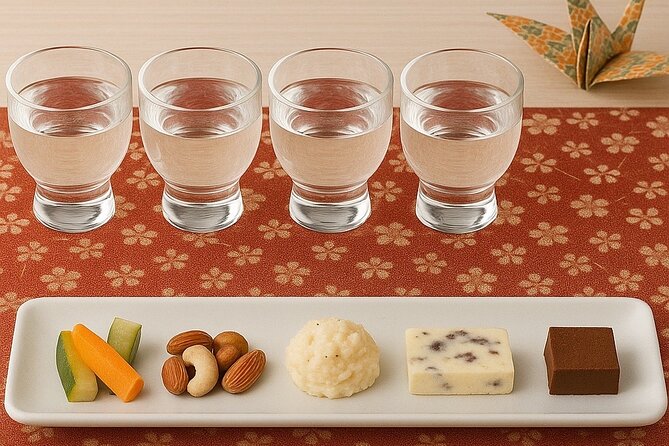
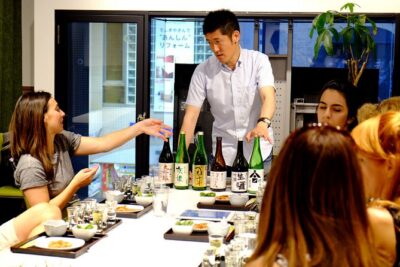
Sake tasting in Kyoto is already fun, then add snacks. This 60-minute workshop at BAR OAGE in Kawaramachi turns a simple pour into a guided tasting, with explanations of production and rice polishing. You get to focus on the differences between five sakes, then try them with pairing appetizers designed to show how flavor changes in your mouth.
I especially love that it is not just sip-and-go. You get a tasting sheet, so you can track aromas and taste while the host walks you through each style, including recognizable types like ginjoshu and nigorishu. One consideration: the whole experience is only about 1 hour, so it is a concentrated tasting, not a long meal.
If you want a smooth intro to sake that still feels personal, this is a great match for your Kyoto time.
Key takeaways from the BAR OAGE tasting
- Five sakes, five pairings: you taste the sake first, then repeat the experience with snacks matched to each style
- Rice polishing ratio focus: you visually learn how rice is prepared and how polishing affects the final character
- Small group feel: maximum of 20 people, which makes conversation easier during the workshop
- Tasting sheet support: helps you remember what you liked, even if you try multiple styles in one sitting
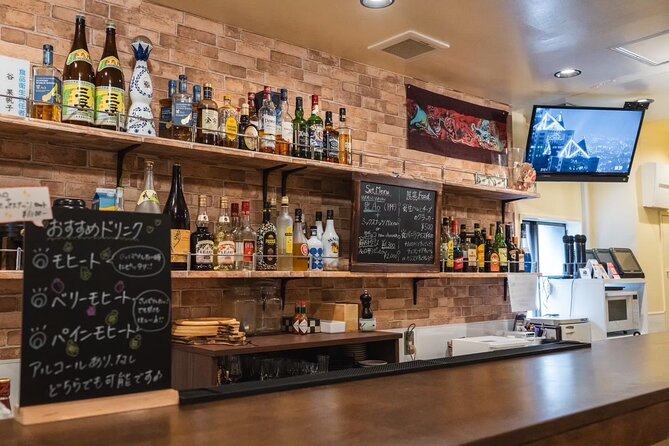
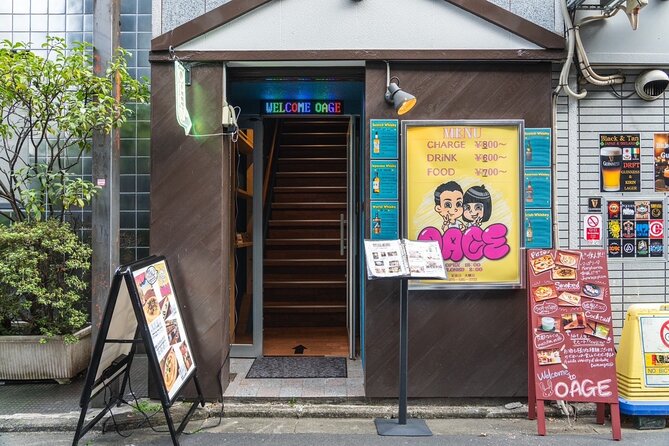
- Kawaramachi location, alleyway bar vibe: you start in a lively area, then step into a quieter, bar-style tasting room
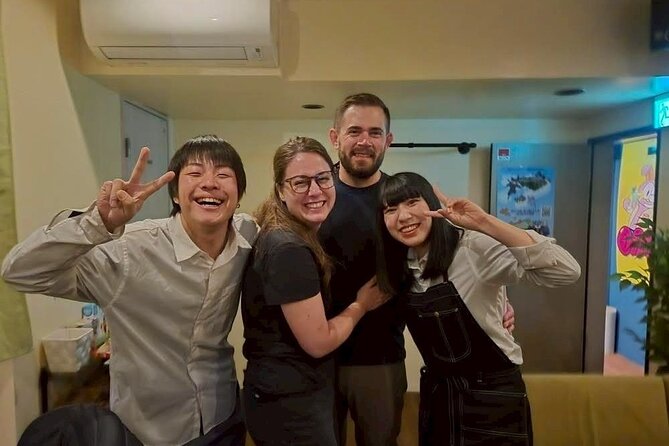
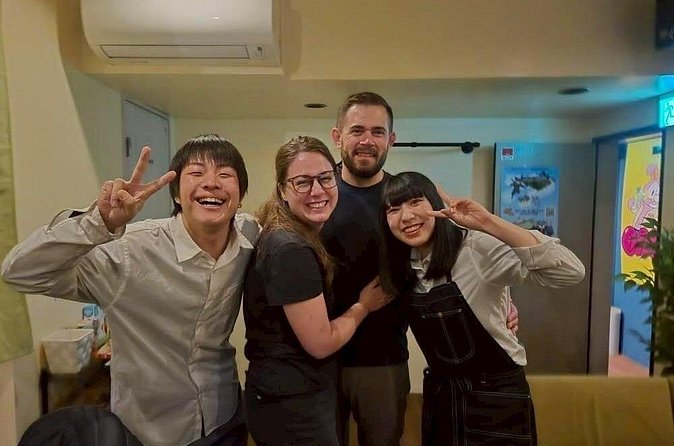
- Group photo at the end: a small, fun wrap-up that makes the experience feel shared
Where BAR OAGE fits into Kyoto (and why this setting matters)
Kawaramachi is one of those Kyoto neighborhoods where you can feel the city moving. Streets are active, you can hop on public transit easily, and you are never far from food and shopping options. Then you head to BAR OAGE, described as a hidden bar in an alleyway. That contrast is part of the charm: you start in Kyoto pace, then slow down for careful tasting.
What you get from a setting like this is attention. A bar environment means people are primed to talk about flavors, not just watch a demonstration. It is also intimate enough that you can ask simple questions when something smells sweet, tastes sharp, or surprises you with a creamy texture.
For me, that matters because sake tasting can feel abstract if nobody helps you translate what you are noticing. Here, the host brings you along step by step, so you are not just drinking, you are learning to taste.
You can also read our reviews of more food & drink experiences in Kyoto


60 minutes on the clock: what the workshop timeline feels like
This workshop runs about 1 hour from start to finish. Reception happens at specific hours during the day: 10:00, 12:00, 14:00, and 16:00. That schedule structure is helpful if you like planning your day in chunks. It also means you can pair the workshop with a morning or afternoon Kyoto walk without committing to a half-day.
You should expect an orderly flow:
- A short welcome and introductions
- An explanation of how sake is made, including rice polishing
- Tasting five sakes one by one
- Snack pairings served alongside the different sakes
- A wrap-up and a group photo
Because it is timed, pacing is brisk in a good way. You will not be stuck listening to a long lecture, and you will not run out of chance to taste. Still, if you tend to take your time with every sip, this might feel faster than you expect. Think of it like a tasting sprint with strong structure.
Finding the meeting point in Kyoto: Shine, Kamiyachō, Kawaramachi area
You meet at Shine, 371 Kamiyachō, Nakagyo Ward, Kyoto, 604-8024, Japan. That is a practical detail worth treating seriously, because the venue is an alleyway bar. If you show up late, you may spend time searching instead of enjoying the start.
I recommend arriving a few minutes early and taking a calm look around. Kyoto signage is not always obvious, and the right alley can look like the wrong alley until you are in the right spot. With a hidden-bar concept, early arrival is your best friend.
Once you are in, the rest of the experience is straightforward. You will use a mobile ticket, and confirmation comes at booking time.
The heart of the class: learning sake from rice polishing to aromas
One of the biggest wins here is that the tasting is grounded in process. Before you get into the five sakes, you get about 15 minutes focused on what makes sake what it is, including how rice is polished. You also get a visual explanation of production techniques, which helps you connect your senses to the story behind the drink.
Why this matters: rice polishing is one of the key factors that can influence aroma and flavor style. You do not need to become a brewing expert to benefit. The point is simpler. When you understand that different sakes are built from different inputs and methods, tasting becomes clearer. You stop asking, Why does this one taste different? and start thinking, Oh, that makes sense based on how it is made.
After the intro, the workshop moves into today’s lineup of five types. The exact list changes day to day, but you can count on a mix of styles and you will hear about what makes each one different. You learn about flavors and aromas using style labels like ginjoshu and nigorishu, so you get vocabulary you can carry outside the class.
This is also where a good host helps. In the reviews, I saw real energy tied to the guide. One name that came up clearly is Kahoko, described as friendly and passionate, the kind of person who quickly makes your group feel like sake tasting is doable and fun.
Tasting your five sakes in a clear, step-by-step way
The workshop is structured so you taste the sake on its own before pairing. That design is smart. It helps you separate what you like about the sake itself from what you like about the pairing.
You will start with a tasting sheet. That is not just paperwork. It is a tool that keeps you present, because you can jot quick notes on aroma, taste impressions, and your overall reaction. When you are tasting five drinks in one hour, memory gets messy fast, and the sheet prevents that.
As you go through each of the five sakes, you are guided to notice:
- Aroma differences between styles
- Flavor impressions that shift as the drink changes
- How your preference might not match what you expected earlier
There is also a special note that part of the lineup includes a selection from local Kyoto. Even if you do not know Kyoto’s sake identity yet, tasting a locally chosen set gives you a sense of place. You are not only learning categories, you are drinking something tied to your current location.
You can also read our reviews of more drinking tours in Kyoto




Snack pairings: how the appetizers teach you flavor matching
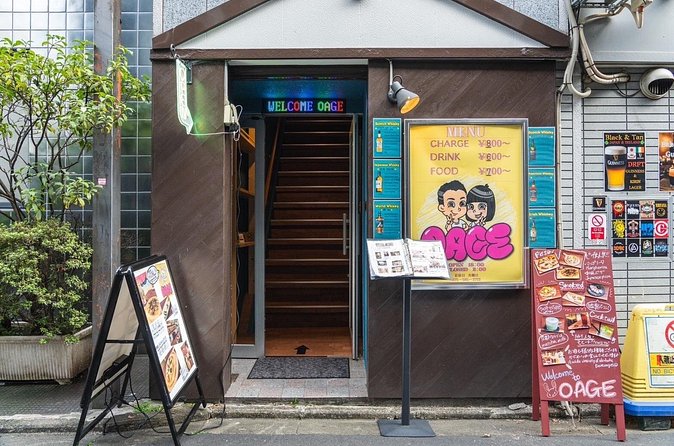
After the solo tasting, the workshop serves five appetizers, paired with the five sakes. This is the part people often enjoy most, because it turns theory into an instant experiment.
Here is what you should pay attention to during pairings:
- Does the snack soften sweetness or sharpen acidity?
- Does the sake make the food taste more savory or more subtle?
- Do textures change how the drink feels in your mouth?
Pairing is not magic. It is chemistry and timing. A bite can change how your palate experiences aroma compounds in a sip. A sake’s acidity can make a snack feel lighter. A richer sake can make simple snacks feel more satisfying.
In practice, this is also why the workshop works for beginners. If you are new to sake, you may not know what you like yet. But you can learn in real time by comparing your reaction to the same snack with a different style, or comparing the same sake with and without the pairing.
I also like that the class encourages you to converse and connect. When people talk about what they notice, you learn faster because you hear different observations and see patterns. It becomes less about being correct and more about being curious.
The tasting sheet and group photo: how you keep the experience with you
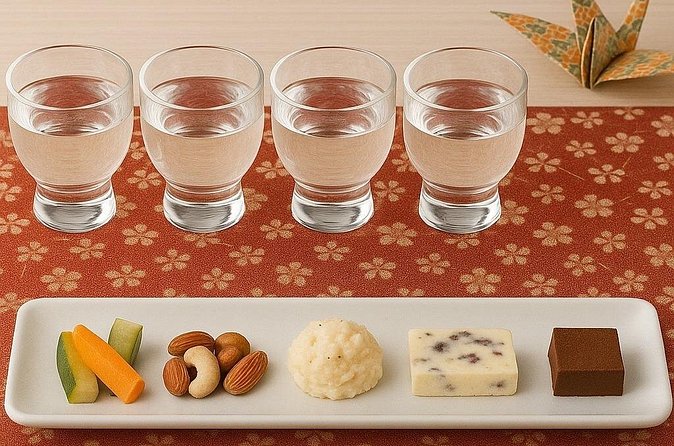
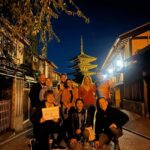
At the end, you get a group photo. It is a small touch, but it changes how the experience feels. Instead of being a quick drink session that disappears after you leave the bar, you get a shared memory you can look back on later.
The tasting sheet supports that same idea. You can use it to remember which style fit your taste. Then, after the class, you can make smarter choices when you see sake on menus. You will have a sense of whether you like lighter styles, creamier textures, or something more aromatic, rather than guessing.
If you are the type who likes to bring home a skill instead of just a souvenir, this matters. You leave with tasting habits, not just a full stomach.
Price and value: ¥7,500 for five sakes plus five appetizers
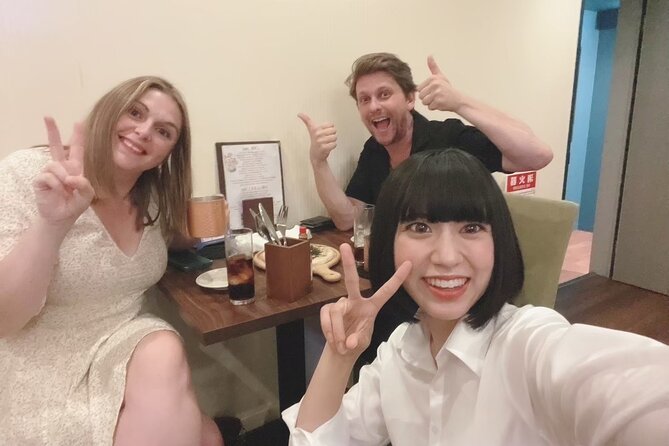
The price is listed as ¥7,500 per person (tax included), which lines up with the $45.53 figure. For a one-hour experience, that is not a budget activity, but it also is not overpriced given what is included.
Here is the value breakdown you can actually use for decision-making:
- Five kinds of sake are included, so you are not paying by the glass
- Five appetizers are included, and you get pairing guidance tied to each tasting
- You get instruction about production and rice polishing ratio, not just tasting samples
- The group size is capped at 20, which often improves the quality of interaction
If you tried to recreate this on your own, you would likely spend similar money buying multiple sakes plus small plates. The difference is that you would be guessing which snack matches which style. In this workshop, the pairing is the lesson.
So if your goal is to understand sake in a practical way, the price feels fair. If your goal is only to drink casually, you might compare it to the cost of a bar crawl and decide based on your personality.
Who should book this Kyoto sake pairing workshop (and who might skip it)
This works best if you:
- Are curious about sake but do not want to research everything first
- Like structured tastings where someone teaches you what to notice
- Enjoy food-and-drink pairings and want your palate to learn fast
- Prefer a smaller group experience instead of a huge crowd
You might think twice if you:
- Want a long, slow evening meal with lots of choices
- Prefer to explore Kyoto on your own without scheduled activities
- Are extremely sensitive to pacing, since it is a tight 60-minute session
Still, even if you are new, the class is described as ideal for both novices and sake lovers. That is the sweet spot. You are guided enough to feel comfortable, but the information on rice polishing and different sake styles gives enthusiasts something to think about too.
Practical tips before you go (so you enjoy the full hour)
A few small things can make a noticeable difference in how you experience this:
- Pace your expectations. Five tastings and five pairings in 60 minutes means you will be drinking steadily. If you usually take tiny sips, adjust your rhythm.
- Come ready to talk. The workshop encourages conversation and shared experience, and that can be a big part of why it feels memorable.
- Bring your tasting curiosity. Ask simple questions when the host explains a style. You do not need technical language to get value from the class.
- Plan around Kawaramachi. Because the bar is in that central area, you can easily continue your day nearby after the workshop ends back at the meeting point.
Should you book BAR OAGE for sake and snacks?
I think you should book this workshop if you want a focused sake education that includes food pairings, in a small Kyoto setting. The biggest strengths are the structure, the rice polishing explanation you can connect to what you taste, and the hands-on snack pairing that shows how flavors interact.
If you are the type who enjoys learning by doing, this is a very efficient way to spend an hour in Kyoto. And if you are lucky enough to be guided by Kahoko, you may walk away feeling like the class not only taught you something, it actually made your group feel like part of the experience.
If you want to tell me your travel dates and whether you’re a total sake beginner or already order sake at restaurants, I can help you decide if one of the reception times fits your day.
FAQ
What is the duration of the sake tasting and pairing workshop?
The experience lasts about 60 minutes.
What is included in the workshop?
You get 5 kinds of sake and 5 appetizers, along with a tasting sheet during the class.
Where does the workshop take place?
It takes place at Bar OAGE in the Kawaramachi area of Kyoto. The meeting point is Shine, 371 Kamiyachō, Nakagyo Ward, Kyoto, 604-8024, Japan.
What time options are available?
There are four reception hours per day: 10:00, 12:00, 14:00, and 16:00.
How much does it cost?
The price is ¥7,500 per person (tax included), listed as $45.53 per person.
Is a mobile ticket used?
Yes, the experience uses a mobile ticket.
How many people are in the group?
The maximum group size is 20 travelers.
Is the venue reachable by public transportation?
Yes, it is near public transportation, and service animals are allowed.
More Drinking Tours in Kyoto
More Food & Drink Experiences in Kyoto

More Tour Reviews in Kyoto

Not for you? Here's more nearby things to do in Kyoto we have reviewed


Kyoto Sake Tasting Tours, compared.
 ★ 5.0Kyoto Night Foodie Tour in Gion (9+ dishes + 6 Sake tastings)From $1631,762 reviews
 ★ 5.03-Hour Kyoto Insider Sake Brewery Tour with Tastings & PairingsFrom $84917 reviews
 ★ 4.8Arashiyama Bamboo, Temple, Monkeys, or Secret Sake BreweryFrom $87886 reviews
 ★ 5.0Insider Sake Brewery Tour with Sake and Food PairingFrom $87704 reviews
 ★ 5.0Kyoto Sake Brewery & Tasting Walking TourFrom $98623 reviews
 ★ 5.01.5-Hour Kyoto Insider Sake Experience with 7 Tastings & PairingsFrom $68297 reviews
 ★ 5.0Insider Sake Experience with 7 Tastings and SnacksFrom $66266 reviews
 ★ 5.0Private Tea Ceremony and Sake Tasting in Kyoto Samurai HouseFrom $99163 reviews
Browse the lists this tour appears in