
Reviewed · NISHIKI MARKET FOOD TOURS
Kyoto Nishiki Market Food and Culture Walking Tour
Kyoto’s kitchen is right there, if you know where to look. This walking tour strings together Nishiki Market food culture with quick stops at nearby religious and shopping spots, so you get more than just bites.
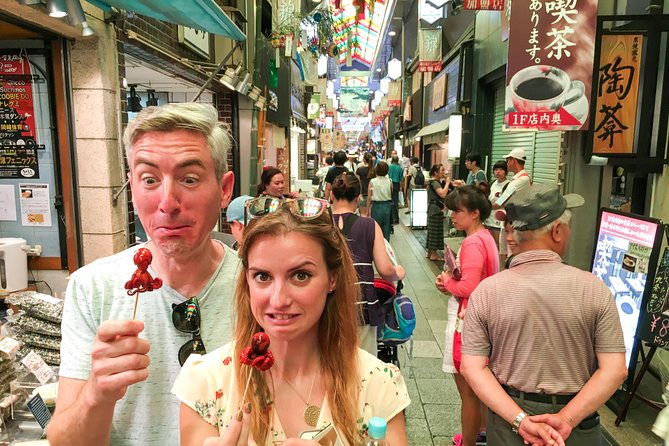
I especially like that the food is meant to be substantial, enough to fill you up like a meal, and the group stays small enough to ask questions without shouting over the crowd.
One drawback to plan for up front: the tour does not accommodate dietary restrictions (including vegetarian, halal, kosher, gluten-free, or allergies), so it’s best if you can eat a wide range of Japanese foods.
Key things I’d spotlight before you book
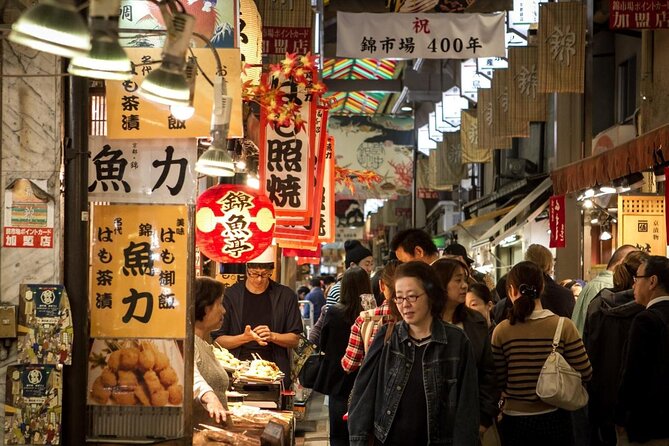
- Nishiki Market in context: 400-year-old market culture with guidance on what you’re looking at
- Small group size: maximum of 6 travelers, so you get attention from your guide
- Food-first pacing: tastings are designed to replace a meal, not just “try one bite”
- Cultural stops included: a Shinto shrine, plus a small Buddhist temple visit
- Rain or shine: the tour runs even in bad weather
- Food limits are strict: dietary restrictions are unfortunately not accommodated
Kyoto Nishiki Market, the easy way to eat your bearings fast
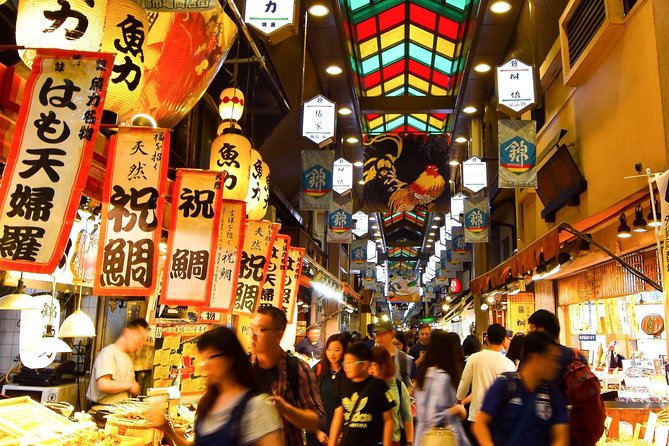
If you’ve ever stood in Nishiki Market thinking, How do I choose without wasting money, this is the tour style that helps. You’re guided through a place that’s famous for a reason, but also famous for being intense: narrow lanes, lots of vendors, and plenty of tempting packaging.
This is also a practical way to handle Kyoto’s food scene. Instead of hunting for places and hoping you can get into them, you follow a route built around what’s worth trying in this area, with your guide keeping you moving and explaining what you’re seeing.
The other reason I like this approach is simple: you’re not stuck in one food zone the whole time. You get Nishiki Market first, then a few nearby stops that help you understand how everyday Kyoto blends food, religion, and neighborhood shopping.
You can also read our reviews of more walking tours in Kyoto
Enter Nishiki Market: Kyoto’s Kitchen in 1 hour 40 minutes
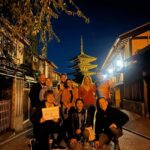
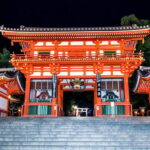
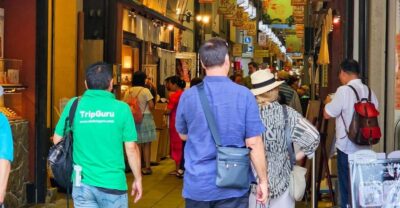
The tour’s main event is the Nishiki Market Shopping District, a 400-year-old market with about 130 shops along a narrow, five-block street. You get around 1 hour 40 minutes here, which matters because Nishiki is not the kind of place where you can truly “skim” it and still feel like you did it right.
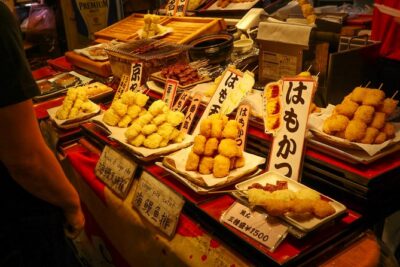
Expect a sensory overload in the best way. You’ll see stalls and shops selling regional favorites, from seafood and preserved foods to sweets and ingredients you can bring home. And because you’re walking with a guide, you can focus on what you want to try rather than losing time figuring out what’s a good sign versus what’s mainly for show.
Also, you’re not just walking past counters. The tour is built around samples you can eat as you go, which is a big help when you don’t want to plan a sit-down meal later. One strong theme from the tour experience is that people left feeling full, not snacky.
Crowd reality check: Nishiki can get packed. If you’re coming with a stroller, the operator asks you to tell them in advance, and you should assume some squeezes and slower movement through tighter aisles.
Food samples that act like a meal, not a buffet of tiny bites
The tour promises food enough to fill you up in place of a meal, and that matches the way many guides run it: bite-size tastings with enough variety to satisfy hunger. In practical terms, this is the kind of tour where you can usually plan to eat less later, because you’ll have already gotten a meaningful sampling.
That said, here’s the fair expectation-setting. Some people have felt the tasting count did not match the price, especially if they were comparing it to self-guided wandering where you can choose more frequent buys. If you’re the type who wants maximum number of stops and maximum number of bites per dollar, you’ll need to be comfortable with a curated route.
My advice: come hungry, but also come ready to be selective. A good guide helps you try the standout items you might skip on your own, instead of spending your time chasing everything that looks good at first glance.
Nishiki Tenmangu shrine: how a quick Shinto stop adds meaning
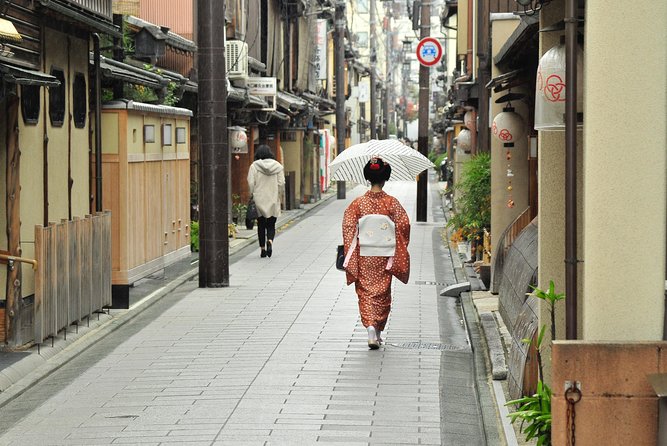
After the market, the tour shifts to Nishiki Tenmangu, a local Shinto shrine. The stop is brief, about 15 minutes, but it’s designed to give you a baseline for how shrine visits work in Japan.
You’ll learn what you often notice at a shrine and how people pray there, plus the basics of worship practices among Japanese locals. This isn’t a long temple lecture. It’s more like orientation, so when you see shrine rituals later in Kyoto, you’ll recognize what’s happening instead of just watching silently.
Why include this at all? Because Kyoto food culture isn’t separate from daily life. Many neighborhoods are built around local shrines and temples, and understanding that makes the city feel less like a theme park and more like a place where real people live.
Small Buddhist temple stop: Takoyakushido Eifukuji Temple
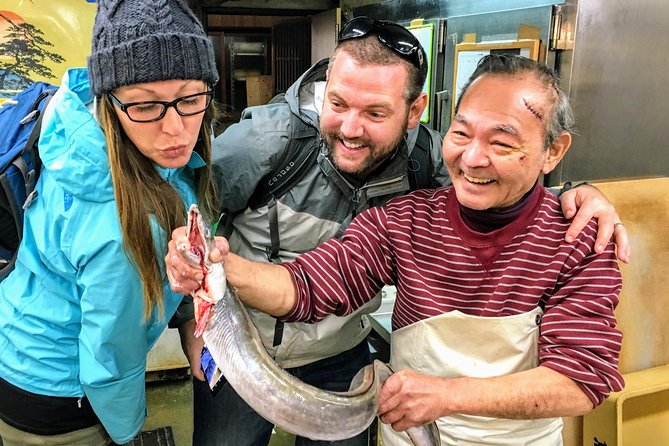
Next comes Takoyakushido Eifukuji Temple, a small Buddhist temple tucked near the shopping street area. It’s only about 10 minutes, but it adds another layer: you experience the everyday closeness of temples in Kyoto.
Kyoto has temples everywhere, so it’s easy to feel like they blur together. A stop like this helps you notice what’s similar across sites, and it gives you a breather from food lines and street noise without turning the tour into a sightseeing day.
You can also read our reviews of more food & drink experiences in Kyoto


Shinkyogoku arcade and Teramachi-dori: neighborhood shopping energy
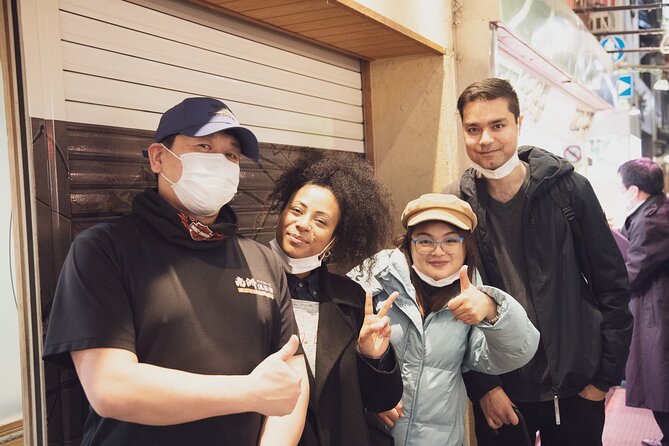
The tour continues with shopping streets around the market, including the pedestrian-only Shinkyogoku Shopping District for about 20 minutes. This is a great segment for seeing how the area feels when you’re moving through it like a local, not just browsing shop windows like a tourist.
Then you finish with Teramachi-dori Street for about 15 minutes. This street connects you to the everyday rhythm of Kyoto shopping: a mix of long-established stores and newer shops, all lining the route.
This section is less about one big attraction and more about giving you momentum. You’ll understand the geography better, and you’ll leave knowing how to return to the market area on your own later, or how to keep exploring nearby streets without feeling lost.
Pace and comfort: a 3-hour route that keeps moving, with time to breathe
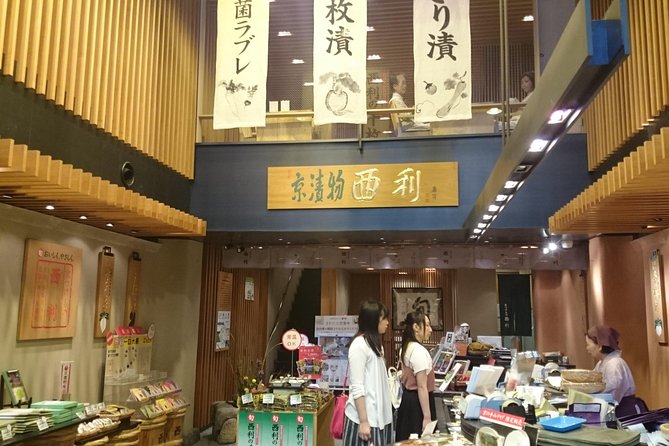
Overall duration is about 3 hours, including the market time and four additional neighborhood stops. The pacing matters because Nishiki and the surrounding streets can be tiring. A small-group format, paired with a route that rotates between eating, walking, and short cultural visits, helps prevent that marathon feeling.
One practical comfort note from the experience details: people have reported that the mix of walking and sitting worked well even with back problems. I can’t promise it will be perfect for every mobility situation, but it’s a good sign that the plan isn’t only long standing in crowds.
Your best move for comfort: wear supportive shoes, and keep water handy outside the tastings. Nishiki’s aisles can be hot and crowded depending on season.
Price and value at about $80.92: what you’re really paying for
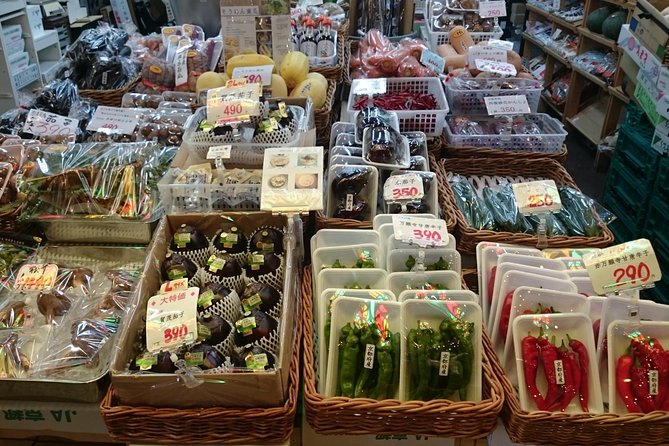
The price is $80.92 per person for a tour that lasts about 3 hours and includes food samples plus multiple guided stops. Whether that feels like a deal comes down to your travel style.
You’re paying for three things:
- Convenience: you don’t need to make restaurant decisions or build an itinerary block by block
- Guidance: you get help navigating a famous market where choice overload is real
- Context: shrine and temple basics are folded into the experience instead of being left for separate days
If you love markets and you already know what to buy, you might feel you could spend less going on your own. But if you want a guided route that helps you choose well and avoids decision fatigue, the price can make sense fast.
Also, there’s a maximum of 6 travelers, and several guides have been singled out for strong English and engaging explanations. That small-group attention is part of the value equation, not just a nice bonus.
What to do if you have dietary needs, strollers, or allergies
This one is crucial. The tour states it is unfortunately unable to accommodate dietary restrictions, including vegetarian, halal, kosher, gluten-free, or allergy-related requests. If you have strict dietary requirements, this tour is likely not the right fit.
On the other hand, if you can eat a normal range of Japanese foods, the tasting plan is designed to be satisfying. The main thing you should do is tell the operator about any needs as early as possible, especially if you’re traveling with a stroller. Nishiki Market can be extremely crowded sometimes.
Guide styles: the difference between a walk and a real experience
A lot of what makes this tour work comes down to your guide. Names that have shown up in the experience feedback include Keiko, Takuma, Miku, Toshi, Naoko, Annie, Eric, Yasuko, Yoko, Chizuko, Atsu, Nagi, and Taisei.
Across these different guides, a consistent pattern comes through: they don’t just point at food. They connect items to Kyoto culture, explain what you’re tasting, and keep the pace comfortable so you’re not rushed through the best stalls.
It also helps that the group is capped at 6. That keeps it from turning into a herding exercise, and it gives you time to ask questions, especially in the market where you’ll see more options than you can possibly process alone.
Practical tips before you go
A few no-drama tips will make this smoother:
- Bring cashless payment support, but also be ready to shop on the street once you spot seasonings or drink concentrates you want to take home
- Double-check your meeting location instructions, since start-point details can be confusing when map pins look similar
- Dress for weather, and remember it runs rain or shine
- Expect crowds in and around Nishiki, especially at peak hours
Should you book the Kyoto Nishiki Market Food and Culture Walking Tour?
Book it if you want a focused, food-forward Kyoto experience that gets you through the Nishiki Market area with less stress and more context. This is especially good for first-time Kyoto visitors, solo travelers who want direction, and anyone who hates making restaurant decisions while hungry.
Skip it if your diet is restrictive or you need the tour to accommodate allergies, gluten-free needs, or a vegetarian, halal, or kosher plan. Also consider skipping if you’re chasing a very high number of tastings and you’d rather buy and sample more repeatedly at your own pace.
If you fit the middle, you’ll likely love what this tour does best: it helps you eat like you know the city, while still giving you quick cultural stops that make the day feel like more than just shopping and snacks.
More Walking Tours in Kyoto
More Tours in Kyoto
More Tour Reviews in Kyoto
Not for you? Here's more nearby things to do in Kyoto we have reviewed
Nishiki Market Food Tours, compared.
 ★ 5.0Nishiki Market Brunch Walking Tour (7 Tastings + Brunch)From $681,355 reviews
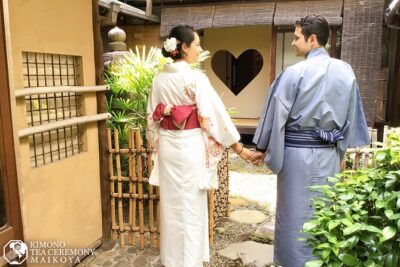 ★ 5.0Kimono Tea Ceremony at Kyoto Maikoya, NISHIKIFrom $65911 reviews
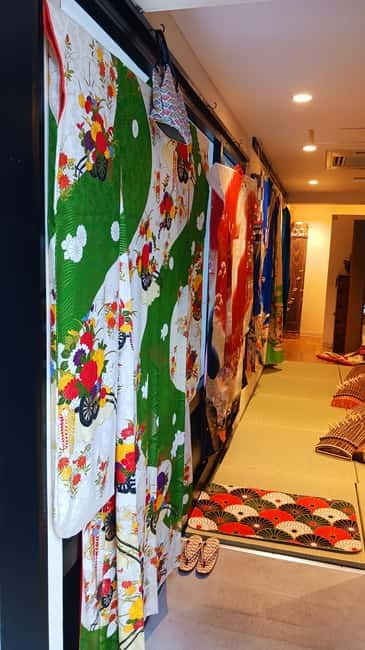 ★ 4.8Nishiki Market Tea Ceremony with Koto PerformanceFrom $56294 reviews
 ★ 4.8Nishiki Market Brunch Walking Tour-7 Tastings+BrunchFrom $66197 reviews
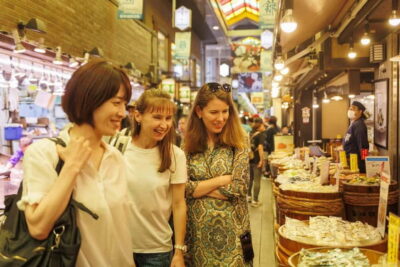 ★ 4.7Local Food Tasting Tour at the Nishiki MarketFrom $78135 reviews
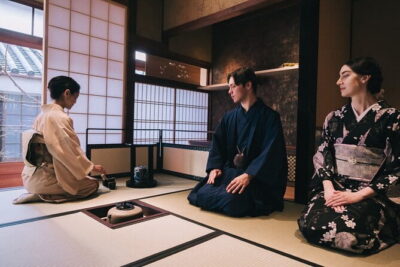 ★ 5.0Kimono Tea Ceremony Experience at Kyoto Oritzuruya, NishikiFrom $50116 reviews
 ★ 4.7Nishiki Market and Depachika Food Tour with a LocalFrom $4276 reviews
 ★ 4.5Nishiki Market Tour with a Local Foodie & TastingsFrom $6767 reviews
Browse the lists this tour appears in