
Reviewed · KYOTO TEA CEREMONIES
Traditional Tea Ceremony in Kyoto
Tea etiquette in Kyoto feels like theater. I love how this ryurei tea ceremony turns a centuries-old custom into a clear, step-by-step experience with a real tea master guiding you. Two things I particularly liked: you taste Kyoto-grown matcha and Kyoto-style sweets, and you also get hands-on with making your own bowl, not just watching.
The ceremony also gives you practical etiquette you can actually use in real life, like how hospitality works in a formal tea setting. One thing to consider up front: you do not sit on tatami mats or low tables, so the room setup is more modern and comfortable than the classic floor-level look.
Key highlights you will feel right away
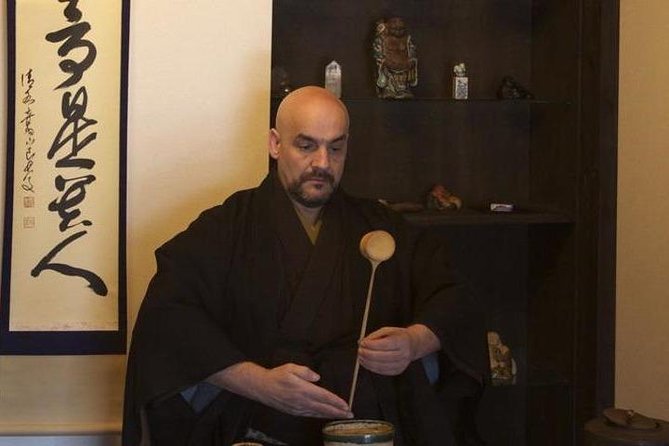
- Randy Channell Soei teaches ryurei, a formal style traced back to the 1870s
- Kyoto-grown matcha plus Kyoto sweets from famous makers
- Make your own bowl of matcha during the session
- Learn hospitality etiquette the formal way, including diplomat-style greetings
- Small group size with up to 25 people, plus a group photo
Step into ryurei, the formal Kyoto tea style
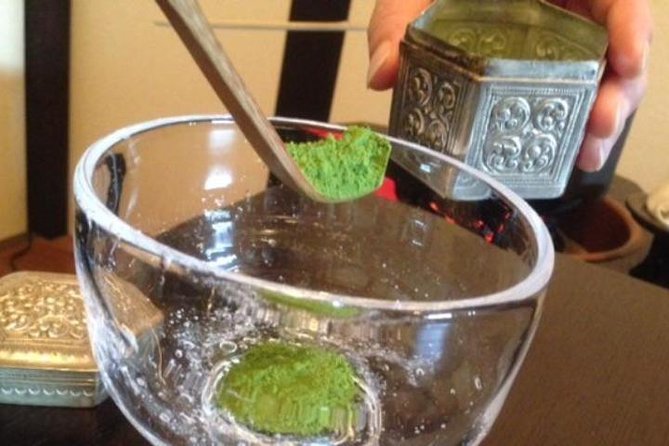
If you think a tea ceremony is mostly about pretty bowls, you are going to enjoy this for being more structured than that. Ryurei is a formal style of Japanese tea ceremony, and it is designed around hospitality, timing, and precise actions. Instead of turning into a casual tasting, it becomes a lesson in how respect is shown through ritual.
What makes this experience especially interesting is the angle. You are not just learning tea. You are learning what hospitality looked like for visiting foreigners in a more formal era, when tea ceremony practice was treated as an important gesture. That context helps the rules feel meaningful, not random.
You can also read our reviews of more tours and experiences in Kyoto.

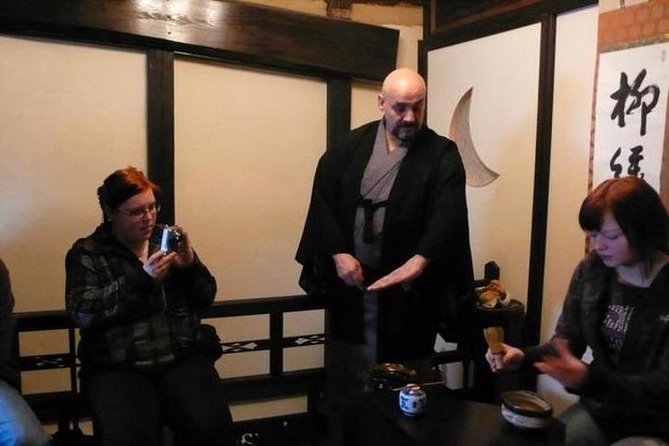
Meeting Randy Channell Soei at a Kyoto townhouse
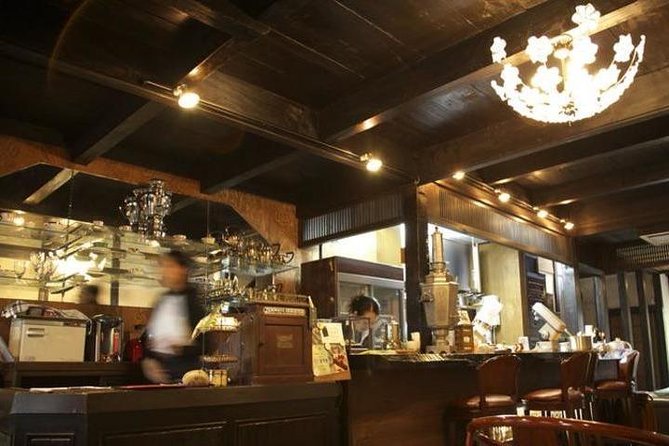
The experience starts in Kyoto at ran Hotei, 64 Kamikawarachō, Nakagyo Ward, and it ends back at the same place. From there, you spend the session in a setting tied closely to tea culture, in the home-style atmosphere of a townhouse experience.
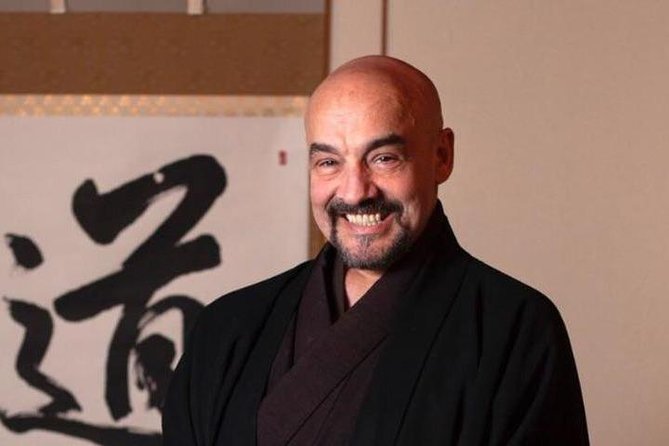
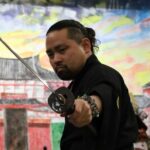
Your tea guide is Randy Channell Soei, described as the highest-ranked master of tea ceremony from outside Japan. That matters because you are not dealing with a script read from a pamphlet. You get the feeling of instruction coming from someone who has lived inside the practice for a long time and can explain it in a way that is still friendly and usable.
How the ceremony teaches etiquette through action
Tea ceremony etiquette can sound intimidating until someone makes it practical. In this session, you go through the formal details of a tea ceremony style called ryurei, and you see what each step is for. The goal is to understand what you are doing and why, so you can follow along with confidence.
One of the standout moments is the diplomat-style hospitality approach. The experience is framed like being greeted as an important visitor, and that changes how you pay attention. You start noticing posture, pacing, and how the exchange between host and guest is part of the performance.
Then you shift from watching to doing. You are guided through the ceremony so you can experience what the motions feel like, not just what they look like. If you have ever wondered what makes Japanese tea culture feel so calm, this is where you start to understand it: it is the slow coordination between people.
Kyoto matcha and sweets, the tasty lesson
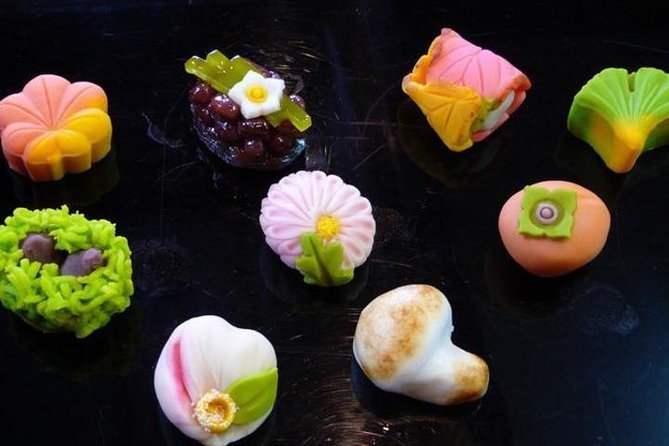
Tea ceremony learning gets a lot easier when it has a flavor anchor. You get Kyoto-grown matcha and you also try traditional sweets made by Kyoto sweet makers. This is a smart pairing, because the sweets set you up for matcha, both in taste and in timing.
In many tea settings, sweets are not an afterthought. They are part of the rhythm. You eat the sweets first, then you move into the matcha preparation and tasting. That structure keeps the experience from feeling like a food tour. Instead, it becomes one continuous flow of host to guest.
There is also an added benefit for practical home use. When you make matcha yourself later in the ceremony, you understand how the taste changes based on technique. Even if you never become a matcha expert at home, you will leave with better instincts about how to mix and serve it the way tea ceremony culture expects.
Making your own bowl of matcha
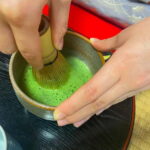
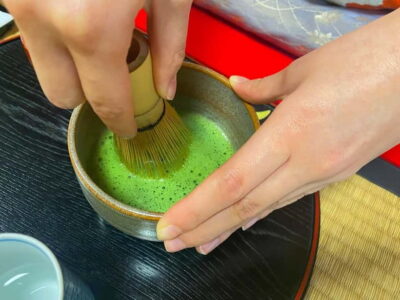
Hands-on time is where this ceremony becomes more than a show. You do not just get a sip and a photo. You make your own bowl of matcha with guidance from the tea master.
That part is valuable because it teaches you the difference between drinking matcha and preparing matcha. The ceremony style emphasizes correct procedure, but it also helps you appreciate the texture and consistency you are aiming for. When you stir and prepare, you can see why the host’s motions matter, and you start to understand the ceremony as skill, not just tradition.
After you make it, you also sample the result as part of the flow of the ceremony. That full circle is what makes the session feel complete, like you learned by doing, not just by listening.
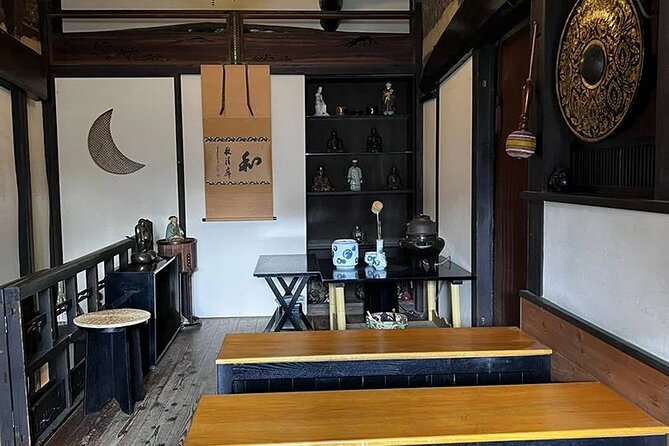
What the room setup means for your expectations
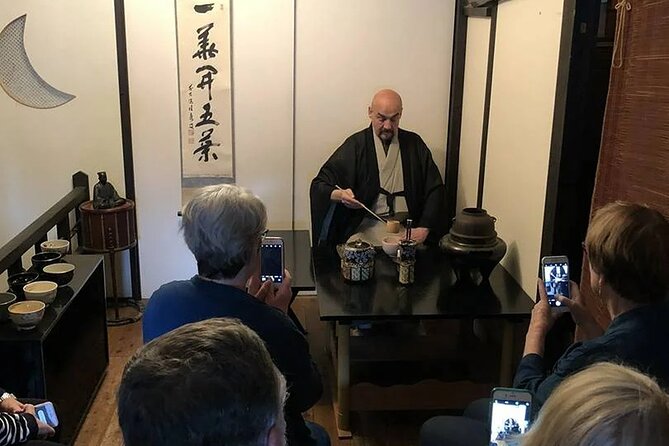
A classic tea room can look like a snapshot from a period film, with tatami mats and low table seating. This experience has a clear note that you are not seated on tatami mats or low tables. Instead, you should expect a setup that is easier for most people to sit comfortably.
In real terms, this is a comfort trade-off. You still get the etiquette, the pacing, and the formal hospitality elements, but you are not getting the full floor-level visual drama that some people expect. If you specifically want the tatami aesthetic, plan your mindset for a more practical version.
The upside is that you can focus on learning the ceremony steps without struggling to sit in a low position for long periods. That is a big deal for anyone who has tight knees, hips, or a lower tolerance for traditional seating.
Kimono and other things you might wonder about
You may see photos of people in kimono at tea ceremonies, and it is natural to wonder if that is included. Here, kimono is not included. That means you are coming as you are, and you should dress in whatever you can move comfortably in.
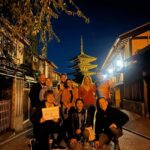
You will also get included extras like a group photo. It is a small thing, but it helps you remember the group experience and gives you something to share, especially since the ceremony is highly structured and not just a casual activity.
How long it takes, and how to fit it into your Kyoto day
Plan for about 1 hour 30 minutes. That length is ideal when you want something cultural without losing most of your day. Kyoto is big, and walking time adds up, so having a fixed, short ceremony is easier to schedule between other visits.
Because the activity starts and ends at the meeting point, you will not need to coordinate a different drop-off. Just make sure you arrive a little early so you can settle in before the ceremony begins.
Transportation is not included, but the experience is near public transportation. That matters because Kyoto can be traffic-heavy at certain times, and public transit is usually the smoother option for keeping your schedule on track.
Price and value: what your $56.34 really buys
At $56.34 per person, this is not a cheap impulse buy, but it also does not feel like inflated souvenir pricing. The value comes from the combination of three things you typically do not get together in one experience:
1) A real tea master teaching a specific formal style, ryurei
2) You taste Kyoto-grown matcha and Kyoto traditional sweets
3) You make your own bowl of matcha, guided start to finish
That hands-on piece is the difference maker. A lot of tea experiences are mostly observation. This one is structured so you participate, and participation is where the learning sticks.
It also helps that it is a small group experience with a maximum of 25 people. In a group setting, you want enough attention to actually do the motions correctly, not just wait your turn.
Who this Kyoto tea ceremony suits best
This works really well for you if you enjoy cultural experiences that teach etiquette with real-world clarity. It is also a strong fit if you like structured learning and want a guided experience rather than wandering into a tea shop and trying to figure out the flow yourself.
You will likely enjoy it even more if you care about matcha quality. The experience includes Kyoto-grown matcha and Kyoto sweets, so your tasting is not generic.
It is also a good choice if you want something doable for most people. The session is designed so most travelers can participate, and the seating note suggests they are thinking about comfort too.
Should you book this Traditional Tea Ceremony in Kyoto?
Yes, I think you should book this if you want a proper formal tea ceremony experience without turning it into a complicated day plan. The fact that you learn the details of ryurei, taste Kyoto-grown matcha and sweets, and make your own bowl makes it feel like good value for the time.
I would skip it or adjust expectations if you are chasing the most traditional visual setup, because you are not seated on tatami mats or low tables and kimono is not included. But if you want etiquette, structure, and hands-on matcha preparation in Kyoto, this is the kind of experience that leaves you with more than photos. You leave with knowledge you can use the next time you try matcha.
FAQ
What is included in the Traditional Tea Ceremony in Kyoto?
The experience includes a tea ceremony with a tea master, Randy Sensei’s original Kyoto-grown matcha, traditional Kyoto sweets, making your own bowl of matcha, and a group photo.
How long does the ceremony last?
It lasts about 1 hour 30 minutes.
Is transportation included?
No. Transportation is not included.
Is a kimono included?
No. Kimono is not included.
Where does the tour start and end?
It starts at ran Hotei, 64 Kamikawarachō, Nakagyo Ward, Kyoto, 604-8374, Japan and ends back at the meeting point.
Will I be seated on tatami mats or low tables?
No. You are not seated on tatami mats or low tables.
What group size can I expect?
The maximum group size is 25 travelers.
Do I need to be an expert to participate?
Most travelers can participate.
How does confirmation work after booking?
Confirmation is received within 48 hours of booking, subject to availability.
Is there free cancellation?
Free cancellation is available, and you can cancel up to 24 hours in advance for a full refund.
More Tour Reviews in Kyoto
Not for you? Here's more nearby things to do in Kyoto we have reviewed


Kyoto Tea Ceremonies, compared.
 ★ 4.9Tea Ceremony in a Traditional Tea House in KiyomizuFrom $493,519 reviews
 ★ 4.9Tea Ceremony Ju-An at Jotokuji TempleFrom $293,207 reviews
 ★ 4.345-Minute Tea Ceremony Lesson ExperienceFrom $222,378 reviews
 ★ 5.0World Heritage Kyoto & Nara Uji Authentic Matcha ExperienceFrom $1291,573 reviews
 ★ 4.9Table-Style Tea Ceremony at a Kyo-MachiyaFrom $451,211 reviews
 ★ 5.0Kimono Tea Ceremony at Kyoto Maikoya, NISHIKIFrom $65911 reviews
 ★ 5.0Arashiyama Bamboo Forest, Monkeys, Matcha & Temple TourFrom $53759 reviews
 ★ 4.9Tea Museum Tickets and Matcha Grinding ExperienceFrom $23739 reviews
Browse the lists this tour appears in