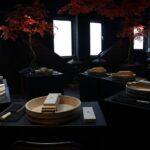
Matcha feels different when you slow down. In Kyoto at Hotel Rakurakuan, this tea ceremony experience teaches proper tea ceremony etiquette while you watch first, then take over the whisk. You do it in a quiet tatami room, with the wood-and-mat calm turned up to 11.
I like that you are not stuck observing. You get hands-on practice with the bamboo whisk, plus step-by-step guidance in English and Japanese. One possible drawback is the time limit, the session is about 1 hour, so it is more about learning the basics than becoming a tea master.
Key things you’ll notice right away
- A traditional Kyoto townhouse setting inside Hotel Rakurakuan, with the tatami-room mood doing half the work for you
- You learn by doing, not just watching, including making your own matcha
- Uji matcha focus, Kyoto’s specific matcha style, served with seasonal Japanese sweets
- Friendly, clear instruction in both English and Japanese, built for beginners and foreigners
- A private group format, so you can move at your pace in the quiet space
- A calm, ceremonial pace, good for couples and anyone who wants a slower Kyoto moment
Hotel Rakurakuan and the tatami-room atmosphere you came for
This is not a big showroom type of class. You meet at Hotel Rakurakuan, at the address in the city’s Shimogyo area (〒600-8456 京都府京都市下京区天使突抜三丁目452 ホテル楽々庵). The setting matters because a tea ceremony is supposed to make you feel smaller, quieter, and more present, in a good way.
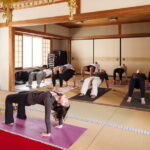
The experience takes place in a serene, traditional room with tatami. You can expect the sensation of wood warmth and the distinct tatami scent. In practical terms, that means you are not bouncing between rooms or walking all over Kyoto for this activity. You show up, settle in, and the ritual guides the pace.
Also, it is designed to be beginner-friendly. That is important, because tea ceremony etiquette can feel intimidating if you think you need prior knowledge. Here, the instruction is framed for foreigners and newcomers.
You can also read our reviews of more tours and experiences in Kyoto.

What happens first: watching the tea master for real etiquette basics
You start with a demonstration. This is where most of the learning happens, because you see the rhythm before you try to copy it. You will observe the key steps and the overall etiquette flow, then you get guidance on how to perform the actions yourself.
The tea ceremony is taught by an experienced instructor, with English and Japanese support. That bilingual element is more than convenience. It helps you avoid the common beginner problem of learning the mechanics but missing the meaning. Even without deep background knowledge, you pick up how the tea ceremony communicates respect, calm, and attention.
One subtle but valuable thing: the tone is quiet and serene. That keeps you from feeling rushed, and it helps you understand that the ceremony is not just a recipe. It is a sequence of gestures, pauses, and careful handling.
Your turn with the bamboo whisk: making matcha step-by-step
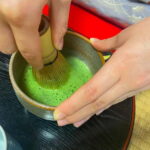
After watching, you prepare your own matcha using a bamboo whisk. This is the hands-on core of the experience. You learn the process and then do it yourself, which is exactly how you build confidence quickly.
You will likely focus on two practical goals:
- Getting the whisking technique right enough to produce the expected matcha texture and aroma.
- Following the ceremony flow so you feel comfortable moving from step to step.
The class format is designed for you to go beyond passive learning. One of the nicest signs of quality is how clearly the steps are explained and then practiced. People come away saying they understood the tradition’s steps and performed them themselves, not just mimed along.
Do not expect perfection. Expect progress. Matcha is forgiving as a beginner lesson, as long as you pay attention and follow the instructor’s guidance.
The tasting payoff: Kyoto Uji matcha plus seasonal Japanese sweets
Then comes the part you actually remember: drinking the tea you made. This experience includes matcha tea and seasonal Japanese sweets, and the matcha is Kyoto’s Uji matcha.
Why Uji matters? Uji matcha is a well-known matcha style from Kyoto, and that specific mention tells you the class is aiming for a meaningful flavor, not a generic powdered tea. In practice, it means your tasting experience is more likely to feel grounded in what Kyoto is proud of.
The sweets are seasonal, which adds a nice cultural layer. You are not eating the same thing every time like a theme-park snack. Seasonal sweets connect to the tea ceremony’s tempo, because the flavors and textures are part of how you experience the moment.
If you are the type who likes to bring food experiences home, this might tempt you. One guest described buying the matcha they served, because it was genuinely good. If you love what you taste, you may want to ask whether the matcha can be taken along or purchased, since the experience is built around what you drink.
Duration and flow: why 1 hour works, and when it might not
The total duration is 1 hour. Within that, the tea ceremony portion is about 40 minutes, which leaves time for explanation and tasting.
For most people, that is a sweet spot. You get enough structure to learn the sequence, make your own matcha, and sit with your tea and sweets. You also keep the rest of your Kyoto day flexible. This is handy if you are planning temples, a food stop, or a night stroll after.
Possible drawback: if you want deep, repeat practice, 1 hour can feel short. You will learn the basics and handle the steps, but you will not leave thinking you are ready to host a ceremony at home. The goal is understanding and doing the fundamentals, not mastery.
Private group benefits: calmer learning, more personal pacing
This is a private group experience, not a crowded class. That matters in a tea ceremony context because quiet focus is part of the package. A smaller group can also mean more instructor attention and easier correction when you are whisking or handling items.
The instructor provides guidance in both English and Japanese. That reduces the awkwardness that sometimes happens when you are trying to learn etiquette with limited language support. It is also well-suited to beginners and foreigners, which is exactly your sweet spot if you want a cultural activity without needing prior training.
If you are going as a couple or small group, the private setup can make the ceremony feel more like a shared ritual than a classroom drill.
Price and value: what $49 includes, and what that implies
The price is $49 per person for a 1-hour session. On paper, it is not a budget snack. In value terms, though, you are paying for several concrete items:
- An organized tea ceremony experience in a traditional setting
- An experienced instructor
- Your own matcha preparation
- Matcha tea and seasonal Japanese sweets
- English and Japanese guidance
You are also paying for time in a quiet, traditional townhouse environment. That kind of venue and instruction costs money, even when it is only an hour long. So the question is not just whether it is cheap. It is whether the included learning and tasting feel worth it to you.
If you want a hands-on Kyoto activity where you actually do something cultural and then eat and drink the result, this price can feel fair.
If you mainly want a photo stop, you might be disappointed. This is a sit, learn, whisk, sip experience.
Who this Kyoto tea lesson suits best
This tour fits well if you:
- Want a cultural activity that is calm, not exhausting
- Prefer learning by doing
- Are a beginner with no tea ceremony background
- Want English support alongside Japanese
- Like Kyoto food experiences where the tastings are part of the lesson
It is also a good option when you want a break from walking. Kyoto can wear you out. This is the opposite. You slow down, sit down, and your brain gets a rest.
Practical tips so you get the most from the ceremony
You will have a better time if you treat the session like a quiet performance that you are allowed to participate in.
A few practical ideas:
- Go in with a relaxed mindset. Your job is to follow the flow, not to impress anyone.
- Pay attention during the demonstration, because that sequence becomes your script when you start whisking.
- Take a slow sip and let the sweetness of the moment land. The sweets are part of how the ceremony is experienced, not an afterthought.
If you are the kind of traveler who likes souvenirs, remember that people sometimes want to bring the served matcha home. If you loved the flavor, ask about matcha you can purchase, since the matcha quality can be a selling point in this experience.
Should you book this Kyoto matcha and tea ceremony experience?
Book it if you want an authentic-feeling Kyoto moment with real hands-on instruction. The combination of a traditional townhouse setting, making your own matcha, and tasting Uji matcha with seasonal sweets hits the right balance of culture and payoff. The private-group format and English and Japanese guidance make it friendly for beginners and foreigners.
Skip it if you want a long, in-depth tea workshop or lots of sightseeing. This is one hour, focused and quiet, not a full-day training program. Think of it as a gentle start to Kyoto’s tea world, not the final exam.
If that sounds like your style, this is an easy yes for your Kyoto plans.
FAQ
Where do I meet for the Kyoto tea ceremony experience?
You meet at Hotel Rakurakuan. The address provided is 〒600-8456 京都府京都市下京区天使突抜三丁目452 ホテル楽々庵.
How long does the tea ceremony experience take?
The total duration is 1 hour. The tea ceremony itself is 40 minutes.
What is included in the experience?
It includes the tea ceremony experience with an experienced instructor, matcha tea, seasonal Japanese sweets, and English and Japanese guidance.
Is this experience suitable for beginners or foreigners?
Yes. The experience is suitable for beginners and foreigners, and the instruction is provided in English and Japanese.
What languages are available during the lesson?
The instructor provides guidance in English and Japanese.
Is this activity wheelchair accessible, and is it a private group?
Yes. It is wheelchair accessible and it is offered as a private group experience.
What is the cancellation policy?
You can cancel up to 24 hours in advance for a full refund.