
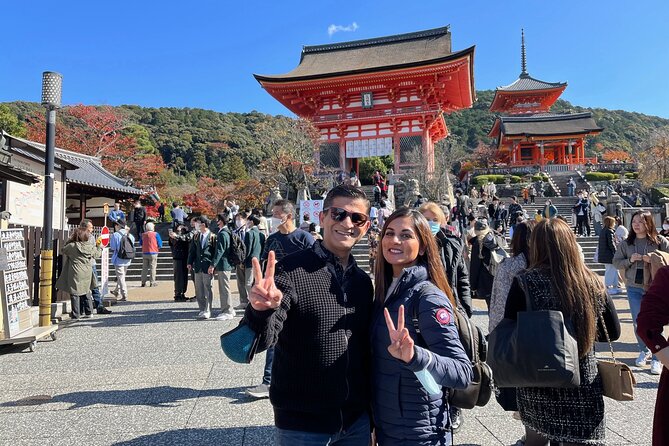
Reviewed · KYOTO PRIVATE GUIDED TOURS
Kyoto Full Day Tour from Kobe with Licensed Guide and Vehicle
Kyoto can feel like a time machine. This day trip from Kobe pairs a licensed English guide with a private vehicle, so you can hit major sights without wasting hours figuring things out.
What I like most is the way the day is built around your choices, not a rigid bus route. And you still get the big visual wins, like torii gates at Fushimi Inari and the classic Zen sights around Higashiyama and Arashiyama.
The one thing to keep in mind: entrance fees and lunch are not included, so your final total will depend on which temples and gardens you choose.
Key highlights to know before you go
- Private car from Kobe for a calmer pace over a full 9 hours, instead of squeezing into transfers.
- Government-licensed, local English-speaking guide who helps you navigate shrine and temple etiquette.
- Pick 3-4 sites from a long menu, then get a day plan that matches your interests and timing.
- Fushimi Inari options include access to extra areas that most casual visits miss.
- Arashiyama focus can include the bamboo walk, the Togetsukyo Bridge area, and garden stops.
- Major “Kyoto icon” coverage across Zen temples, palaces, Gion/Higashiyama streets, and market time.
Private Kyoto by car from Kobe, not a cram-and-run day
This is the kind of Kyoto day trip I’d want if you only have one shot at the city. You start from Kobe and spend the day in a private vehicle, which matters in Kyoto because walking times can snowball once you hit busy areas, tour clusters, and narrow streets.
The tour runs about 9 hours and is designed for a small group size, up to 2 people per booking. That small size keeps the day flexible: you can slow down for photos, pause for a quick snack, or change the order when crowds and timing get weird.
You also get a licensed local English-speaking guide. That is not just a nice-to-have. It’s what turns Kyoto from a list of buildings into a story you can follow while you walk. One review highlighted how guide Kazuo Sumi taught the correct way to enter both a Shinto shrine and a Buddhist temple, which is exactly the kind of practical knowledge that makes the sights feel more meaningful.
You can also read our reviews of more guided tours in Kobe

Price and logistics, what you’re really paying for
The price is $1,165.63 per group (up to 2), which is not cheap on paper. But here’s the practical value: you’re paying for (1) a full-day private vehicle and (2) a licensed guide who can translate your interests into a timed route.
You are also not paying for everything bundled. Entrance fees, lunch, and personal expenses are not included. The good news is that many of Kyoto’s best “walking moments” are free or low cost, like market time or atmospheric street districts. The cost swing comes mainly from which temples and gardens you decide are worth admissions.
In one review, the guide even helped arrange time so the couple could return to their ship before sailing. That kind of timing help is hard to replace with self-guided travel, especially when you’re doing a lot of walking and transfers.
A final logistics note that matters for families: there are limited car seats/booster seats, rear-facing car seats are not available, and you need to contact the provider directly if that’s required. Service animals are allowed.
How your guide builds a Kyoto plan from the 3-4 site menu
After you book, the guide reaches out to plan your personalized itinerary. The key detail is that you choose 3-4 sites from the “What to expect” list, instead of being forced through every highlight on Earth.
That’s a smart structure for Kyoto. If you try to do 10 temples in a day, you’ll see a lot but remember less. With only 3-4 major stops, you can actually pay attention: architecture, gardens, rituals, and the reasons these places matter.
When you message your must-sees, I’d suggest you also tell your guide how you want the day to feel:
- fast, photo-focused
- balanced, with short explanations
- slower, with more time in one district
This is where the praised reviews really line up. Multiple guides were described as planning around requests, designing the route to fit what people wanted to see, and using smart driving routes to save time.
Fushimi Inari-taisha and the torii climb you’ll remember
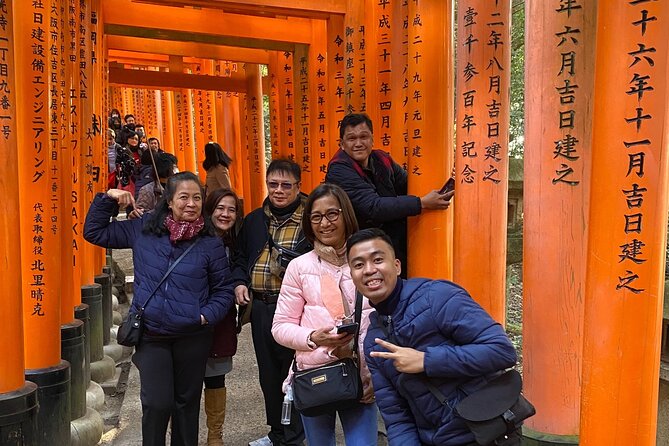
Fushimi Inari-taisha is the easiest “Kyoto must” to justify. You’re looking at the iconic torii tunnel effect, and it’s one of the most visually distinctive shrine complexes in Japan.
In this tour, Fushimi Inari is offered with free admission and a short stop (about 15 minutes in the schedule). The interesting detail is that the tour description mentions seeing areas that are off-limits to ordinary tourists after the main portion. Practically, that means you’re not just doing a quick photo stop. You have a chance to see more of what makes Fushimi so special.
My advice: treat this stop like a climbing mission you manage with your guide. Wear shoes you can handle for steps, and decide early whether you want the “classic” viewpoint route or to go a bit further. If you’re choosing only one huge shrine in your day, Fushimi is the one.
Kiyomizu-dera, Higashiyama streets, and the view-factor that sells the city
If you want Kyoto to feel like Kyoto, Kiyomizu-dera is part of that package. It’s one of the city’s most popular temples, and this tour includes a guided 1-hour experience there. Admission is not included, so again, your final cost depends on your temple picks.
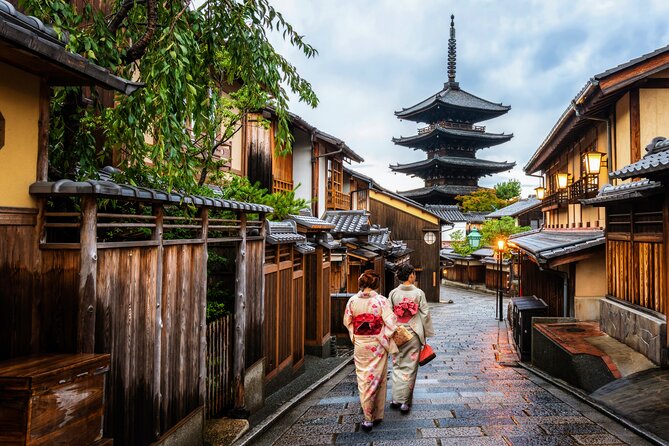
This stop works well paired with the nearby historic mood of Higashiyama. The tour includes Higashiyama Ward as a free district stop, and that’s where Kyoto’s preserved streets start to feel real rather than postcard-like.
What I like about pairing these: you get both (1) the big temple sight and (2) the “walk around Kyoto” atmosphere in the same overall block of time. And because the day is private, you can ask your guide where to pause for the best perspective without fighting crowds in a random order.
More Kyoto temple visits, food tours, tea experiences, and day trips to compare

Golden Pavilion, rock garden Zen, and how to avoid temple overload
Kyoto has a lot of Zen temples, and the “menu” here reflects it. That can be thrilling, but you need a plan to avoid seeing 4 temples that all blur together.
A few menu items that stand out in the provided descriptions:
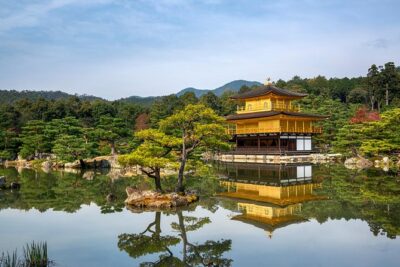
- Kinkakuji (Golden Pavilion): top floors covered in gold leaf. Admission is not included.
- Ginkakuji (Silver Pavilion): built around Ashikaga Yoshimasa’s retirement villa model, with a Zen-leaning aesthetic. Admission is not included.
- Nanzenji Suirokaku: important Zen temple, with spacious grounds at the base of Higashiyama. Admission is not included.
- Ryoanji Temple: home of Japan’s most famous rock garden. Admission is not included.
- Tofuku-ji: known for spectacular autumn colors (seasonal payoff). Admission is not included.
- Tenryu-ji: a major Arashiyama Zen temple, registered as a world heritage site. Admission is not included.
Here’s how I’d choose: pick one “icon temple” and treat the others as your “supporting cast.” For instance, Golden Pavilion or Ryoanji gives you a centerpiece. Then you can choose a second temple that fits your mood, like Nanzenji if you want bigger grounds.
One practical note from the tour data: guide entry fees are only covered for sights listed under What to expect. So if you’re thinking of adding extra unplanned admissions, double-check that choice with your guide.
Gion, Nishiki Market, and Pontocho for that food-and-stroll balance
Kyoto isn’t just temples. The street-level experience is a big part of the magic, and this tour includes two strong options.
Nishiki Market Shopping District is described as Kyoto’s Kitchen, a narrow shopping street with more than 100 shops and restaurants. It’s free and short (about 15 minutes). This is the ideal place to nibble, snack, and reset your energy without committing to a full meal.
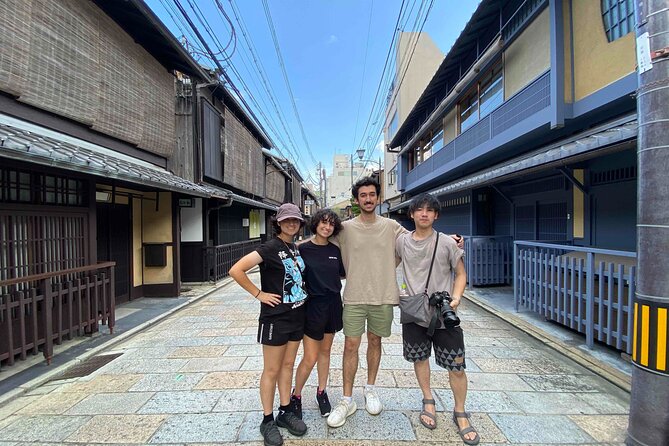
The tour also includes the atmospheric Gion district stop, which can be daunting for first-time visitors because the alleyways are confusing. A guide helps you get oriented fast and can steer you toward the quieter corners instead of just following the densest crowd lines.
And then there’s Pontocho, another dining alley vibe that runs near the river. The point here is mood. Even if you do not sit down for dinner, it’s a great place to understand what Kyoto evenings look like.
In one review, the guide brought people to a great tempura restaurant during the day, which is exactly the kind of local “we know where to go” value that makes market and district stops feel less random.
Arashiyama, bamboo forest time, and the river-bridge photo moment
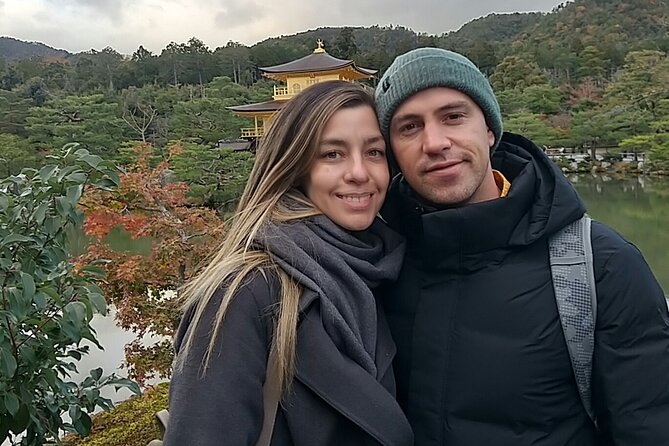
If you want Kyoto’s nature side without losing time to a complicated independent route, this is where Arashiyama fits.
The tour includes Arashiyama along with key markers:
- Togetsukyo Bridge: the iconic spot, described as the most recognizable landmark in Arashiyama, originally built in the Heian Period and reconstructed in the 1930s.
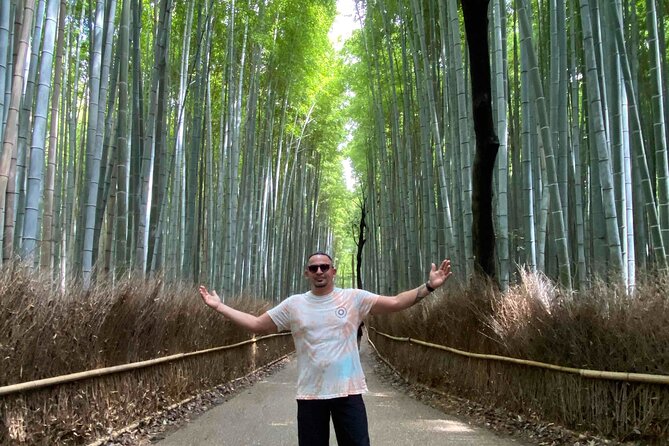
- Bamboo Forest Street: a walk through bamboo groves, free, with paths that make it easy to enjoy the sway and light if conditions are right.
- Okochi Sanso Garden: a former villa with multiple gardens and buildings, admission not included.
- Tenryu-ji: one of Arashiyama’s most important Zen temples, admission not included.
In reviews, the bamboo forest show up as a standout moment. People specifically liked getting to the bamboo area as part of a planned route, with a guide helping with timing and navigation.
How I’d plan this stop: if Arashiyama is one of your 3-4 sites, go in expecting it to be popular. Your private guide won’t erase crowds, but they can help you move through the area at the moments when you’ll enjoy it most, rather than standing around.
Palaces and castles: Edo to Meiji perspective without the lecture
Not every Kyoto highlight is a temple. The tour menu includes a couple of major “power center” stops that add contrast.
- Nijo Castle: a UNESCO World Heritage site built in 1603, connected to Tokugawa Ieyasu and the Edo Period. Admission is not included.
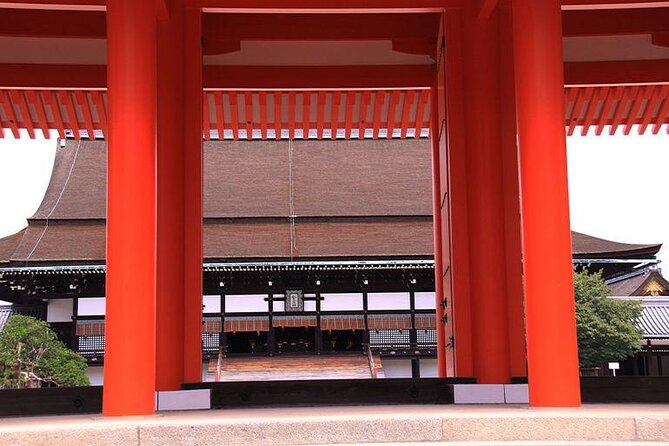
- Kyoto Imperial Palace: used to be the residence of the Imperial Family until 1868, when the emperor and capital moved to Tokyo. Admission is not included.
These stops work best if you like understanding why Kyoto looks the way it does. Temples show religious art and ceremony. Palaces and castles show governance and the way Japan’s power shifted through time.
They also give you a break from continuous walking in temple gardens. A castle or palace stop is often more about sweeping views, walls, courtyards, and layout. For a day trip, that contrast helps.
The rest of the Kyoto menu: temples and gardens for different tastes
If you’re choosing other stops besides Fushimi and Higashiyama, the list has a wide range. Here are a few you can consider, and what each one tends to deliver based on the tour descriptions:
- Nanzenji Suirokaku: Zen significance plus spacious grounds.
- Tofuku-ji: especially rewarding in autumn for color.
- Ninna-ji: a world heritage listed temple, head temple of the Omuro School of Shingon Buddhism, founded in 888.
- Shugakuin Imperial Villa: an Imperial Household Agency-managed villa complex with Upper, Middle, and Lower Villa areas.
- Katsura Imperial Villa: one of the finest examples of Japanese architecture and garden design, with the present form completed in 1645.
- Daikaku-ji: originally built in the early 800s as Emperor Saga’s detached palace, in the calm Sagano area.
- Yoshimine-dera: a Tendai sect temple in the western mountains, known for its structure along mountain terrain.
- Jojakkoji, Nisonin, Gio-ji: smaller hillside temples that are quiet and scenic, with notes like moss and thatched roofs for Gio-ji.
- Adashino Nenbutsu-ji and Otagi Nenbutsu-ji: famed for stone statues, with Otagi Nenbutsu-ji described as having 1200 stone statues of rakan.
- Kennin-ji: close to the Hanamikoji and Shijo street area, offering expansive grounds that feel calmer than the surrounding streets.
My suggestion: don’t try to select too many “temple forest” style stops. If you pick one mossy hillside temple, pair it with a more open, iconic location. That keeps the day varied.
What the guides do well, based on real experiences
The best part of this tour is the human factor. The reviews repeatedly praise how guides handle customization and explain what you’re looking at.
A few named examples from the feedback provided:
- Kazuo Sumi: taught the correct way to enter a Shinto shrine and a Buddhist temple, and helped a couple extend their tour time to finish more destinations.
- Hiro: designed the day around requests and explained Japanese culture and history across multiple stops.
- Yuka: planned around a tight schedule and was praised for friendly communication and helping create a special port-excursion day.
- Kiriko: created an itinerary that covered a lot with a fast pace but still matched hopes, and handled logistics well for cruise timing.
- Andy Murao: answered questions, explained everything being visited, and helped the day end with a Kobe beef lunch.
There’s also one clear caution from the lower rating: one experience described an English communication problem and difficulty supporting kids. That doesn’t mean the tour is always like that, but it is a reminder to be proactive if you need kid-friendly pacing or if language support is critical for your group. Ask your guide directly what your priorities are, and confirm what you need for smooth communication.
Should you book this Kyoto full day from Kobe?
I think you should book if you want a high-efficiency, private Kyoto day and you plan to choose 3-4 stops that truly match your interests. It’s especially good for couples and first-timers who don’t want to spend Kyoto days navigating trains, buses, and crowded checkpoints.
You might skip it if you want a super-flexible schedule with lots of added extra stops on your own, because this experience is clearly built around its guided, selected site plan. You also should go in with budget awareness: entrance fees and lunch are extra, so the final cost depends on your temple and garden choices.
If you do book, send your guide a short note with:
- the 3-4 sites you want most
- whether you prefer streets, temples, castles, or gardens
- your must-have timing needs (like cruise or early return)
That’s how you get the kind of day people describe as well-paced, informative, and genuinely fun.
FAQ
How long is the Kyoto full day tour from Kobe?
It’s listed as about 9 hours.
What’s included in the price?
The tour includes a licensed local English-speaking guide, a private vehicle, and a customizable plan for 3-4 sites from the provided selection list. Mobile ticket is also offered.
Are entrance fees included?
No. The tour states entrance fees are not included, and most temple and garden admissions are marked as not included.
Is lunch included?
No. Lunch is not included.
Can I customize which stops I visit?
Yes. After booking, you’ll be asked to select your must-see spots from the provided list to create your customized itinerary, with 3-4 sites as the plan.
Is cancellation free?
Yes, it lists free cancellation if you cancel up to 24 hours in advance for a full refund.
More Guided Tours in Kobe
More Tours in Kobe

More Tour Reviews in Kobe
Not for you? Here's more nearby things to do in Kobe we have reviewed
Kyoto Private Guided Tours, compared.
 ★ 5.0Private Kyoto Tour with a Local, Highlights & Hidden Gems, PersonalisedFrom $1021,543 reviews
 ★ 5.0Kyoto 6hr Private Tour with Government-Licensed GuideFrom $1551,369 reviews
 ★ 5.010 Must-see Spots in Kyoto One Day Private Tour (up to 7 people)From $1791,108 reviews
 ★ 5.0Kyoto 4hr Private Tour with Government-Licensed GuideFrom $109629 reviews
 ★ 4.8Private Tour with Local Licensed GuideFrom $106463 reviews
 ★ 5.0Private Kyoto Tour with Licensed Guide & Vehicle (Max 15 persons)From $634417 reviews
 ★ 5.0Kyoto Customized Private Tour: See Top Attractions in 1 DayFrom $132342 reviews
 ★ 4.6Kyoto/Osaka: Kyoto and Nara Customized Private Guided TourFrom $477258 reviews
Browse the lists this tour appears in