
Reviewed · KYOTO PRIVATE GUIDED TOURS
Kyoto: Private Tour with Local Licensed Guide
Kyoto clicks fast when you have the right guide. This private walking day pairs a Nationally-licensed Tour Guide-Interpreter with Kyoto’s top sights, plus side streets you might miss, all paced to your time. You can build your route yourself or let your guide connect the dots.
I really like two things about this tour: the chance to see major landmarks like Fushimi Inari-taisha and Kinkaku-ji without getting lost, and the human touch of a guide who can steer you around crowds and explain what you are actually looking at. Guides such as Kazuo and Michi have been praised for planning efficient routes and making time feel fun, not rushed.
The main drawback is simple: it is a walking tour, with no private vehicle included. Expect extra costs for entrance fees and local transit, so have some yen ready and wear shoes that can handle Kyoto foot traffic.
Quick hits you should care about
- Licensed guide, not a random meetup: Nationally-licensed Tour Guide-Interpreter certification is part of the package.
- Pick 4, 6, or 8 hours: You get fewer stops on shorter days and more temples or neighborhoods on longer ones.
- Fushimi Inari in a storytelling way: Torii corridors, plus the Memoirs of a Geisha filming spot atmosphere.
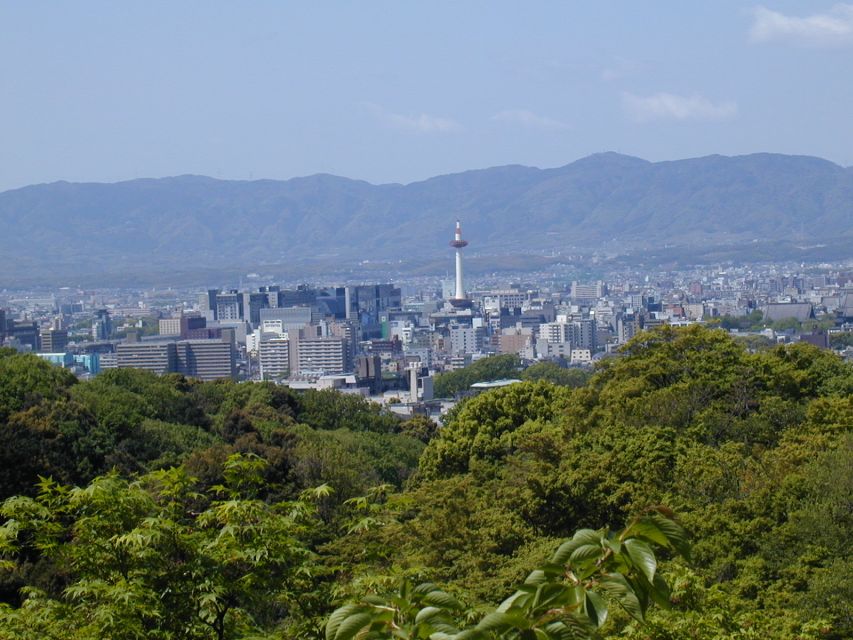
- Golden Pavilion and Kiyomizu-dera views: You see why these places are famous, and where the scenery lines up.
- Gion time for shopping and dining: Your guide can steer you toward practical meal options.
Kyoto’s Highlights, With a Licensed Guide Who Keeps You Moving
Kyoto can feel like a puzzle. Temples, shrines, shopping lanes, and neighborhoods all pull you in different directions, and the distances are real. What makes this tour work is that your guide is licensed, so you get explanations rooted in Japanese culture and history, not just signboard facts.
I also like that the experience is truly private. That matters because you can ask questions as you walk, pause for photos without the whole group waiting, or slow down if your legs are having opinions. Guides like Haru and Akira have been singled out for staying engaging all day, with clear pacing between stops.
Another bonus is the planning mindset. In a city where transit and walking routes can be confusing, a guide who knows how to connect sites quickly saves you mental energy. People have also mentioned that some guides bring extra materials, like a small handmade reference book with notes in Japanese, which helps you remember what you saw later.
You can also read our reviews of more guided tours in Kyoto


Route Planning for 4, 6, or 8 Hours (How Many Sites Fits)
This tour is built around time. You choose the length, then you choose how many places you can realistically enjoy without sprinting. The typical expectations are straightforward: a 4-hour tour often fits 2 to 3 places, 6 hours fits about 3 to 4 places, and 8 hours fits around 4 to 6 places.
So the smart move is to think like a strategist. Pick a theme. Are you temple-focused, shrine-focused, or neighborhood-focused? If you want the big three hits, you can structure a shorter day around Fushimi Inari, Kinkaku-ji, and a Gion connection, then keep the rest for a longer trip.
I’d also plan for the “between places” time. This is a walking day, and you may use public transit or taxis to transfer between sites, with the cost discussed after your reservation is finalized. That means you do not just budget for temple time, you budget for getting there.
Finally, customize in a way that matches your energy. If you are traveling with kids or have mobility limits, choose fewer stops and prioritize comfort. Some guides have been praised for being sensitive to families and seniors, including adjusting the pace and transport choices.
Fushimi Inari’s Torii Corridor and the Memoirs of a Geisha Setting
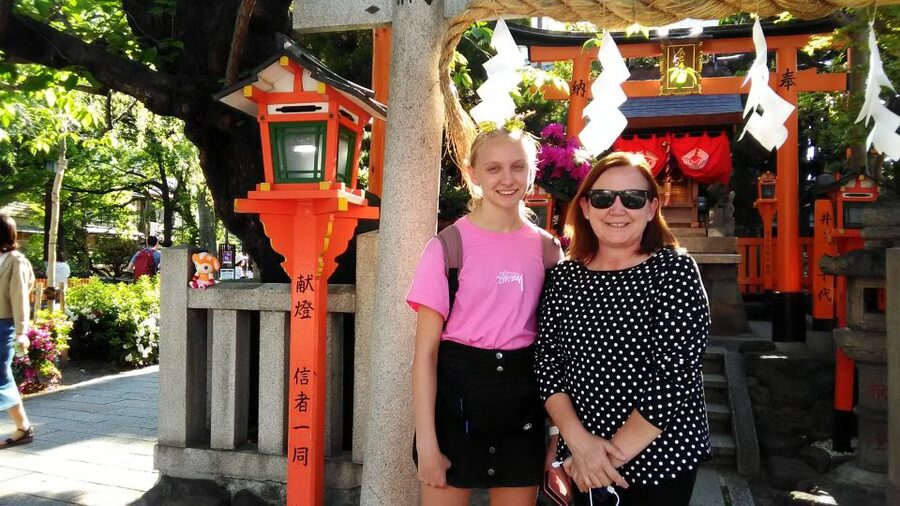
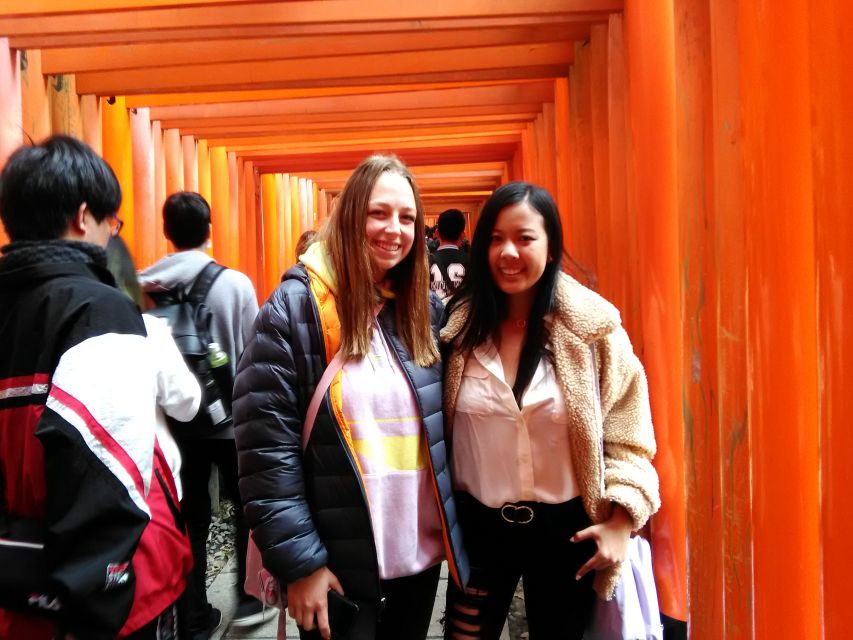
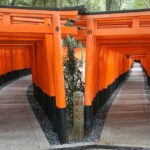
Fushimi Inari-taisha is the stop that makes Kyoto feel instantly cinematic. You enter the shrine corridors lined with torii gates that form a long corridor effect, and the atmosphere is part of the draw. This tour leans into that mood, including a filming location linked to Memoirs of a Geisha, with a colorful crimson scenery that feels mysterious and dramatic.
What I think is especially valuable here is the meaning your guide brings to the walking. The tour describes the shrine corridors as symbolic continuation, bridging the current world with the world of the dead inhabited by the gods. That shifts you from just photographing gates to understanding why the place is built this way, and why people behave with reverence as they move through it.
Timing can change your experience a lot. If you can, start earlier to get some breathing room before the busiest waves. Some guides have been praised for picking routes and transfer choices that reduce wasted time, so you spend less effort fighting crowds and more time actually enjoying the corridor feeling.
Practical tip: wear shoes you can trust. You will do plenty of steps, and the torii corridor is not a quick stop. Bring water, and consider a light snack if you expect to keep walking before dinner.
Kinkaku-ji and Kiyomizu-dera Viewpoints, Plus the Walk Into Gion
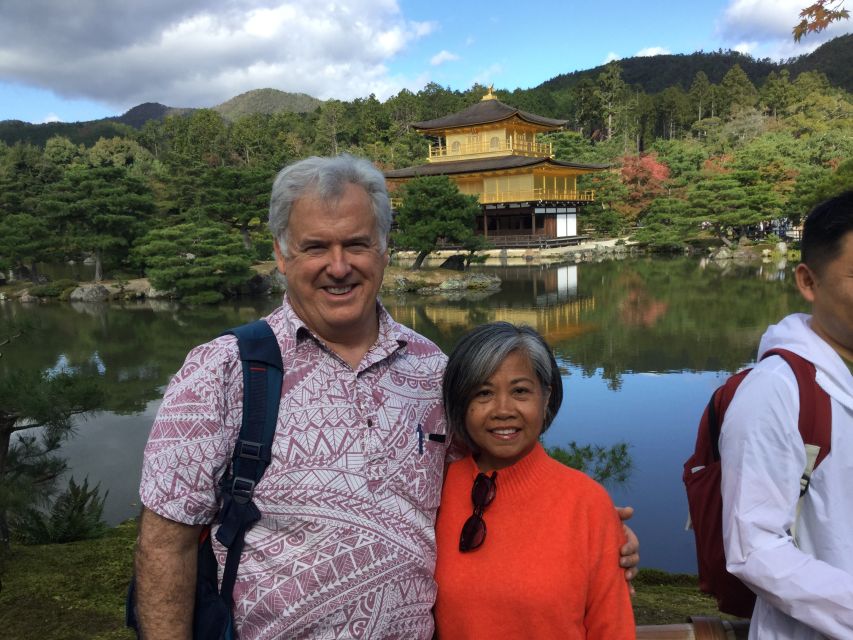
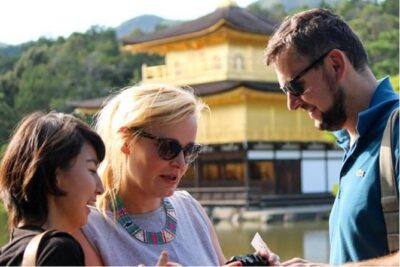
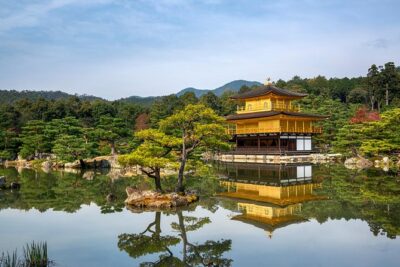
If Fushimi Inari is the dramatic entrance, Kinkaku-ji and Kiyomizu-dera are the postcard payoff. At Kinkaku-ji, you see the Temple of the Golden Pavilion, named for the golden color of its reliquary hall. Your guide also points out how the structure feels bold yet simple, and how it frames the mountain views behind it.
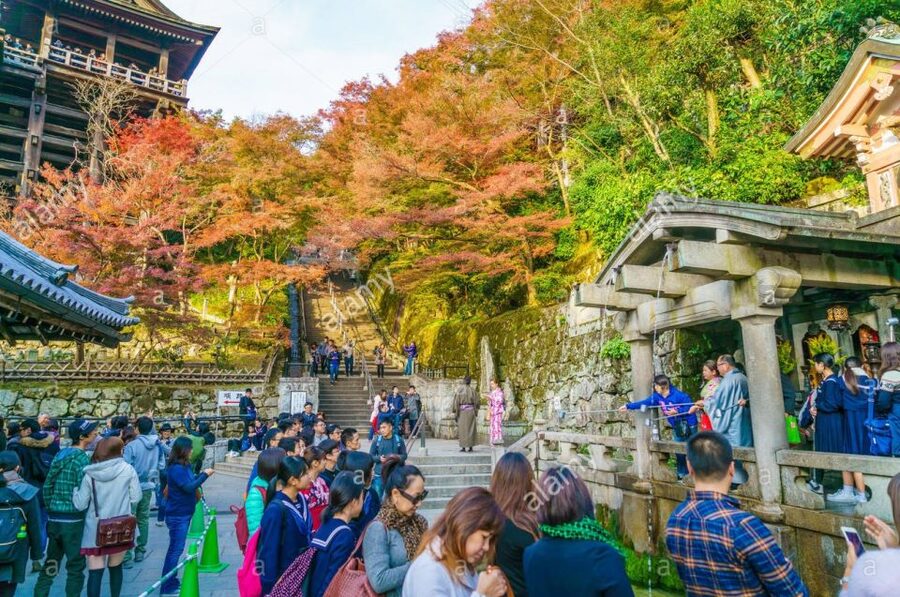
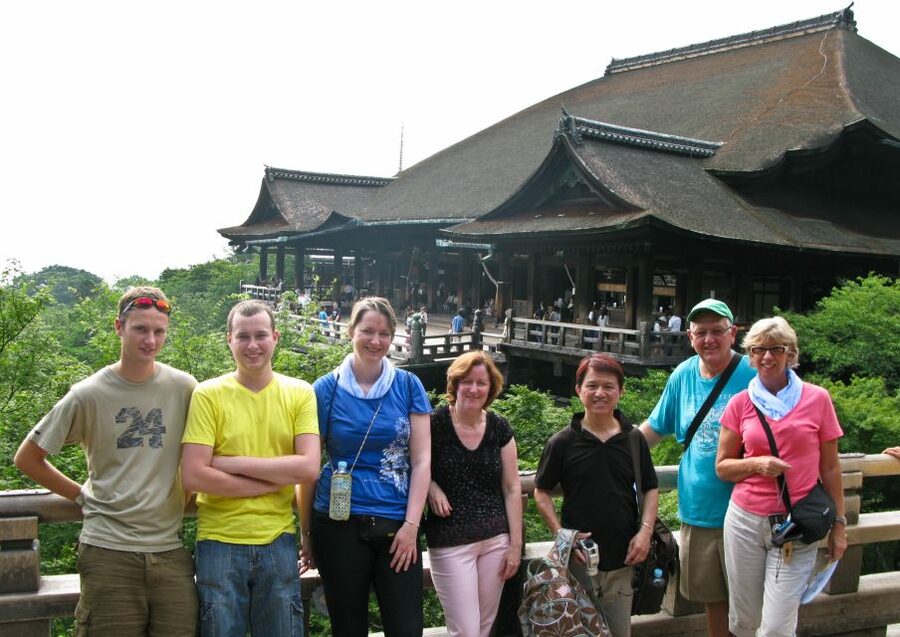
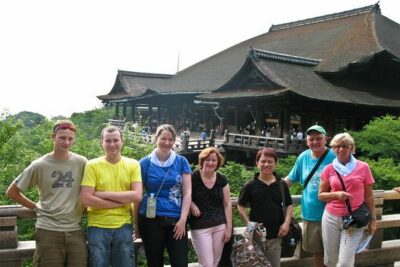
Then the tour moves toward Kiyomizu-dera, described here as entering an ancient temple where you can get panoramic city views from its large veranda. That veranda viewpoint is the moment that makes it worth leaving your hotel early, because the perspective is the whole point.
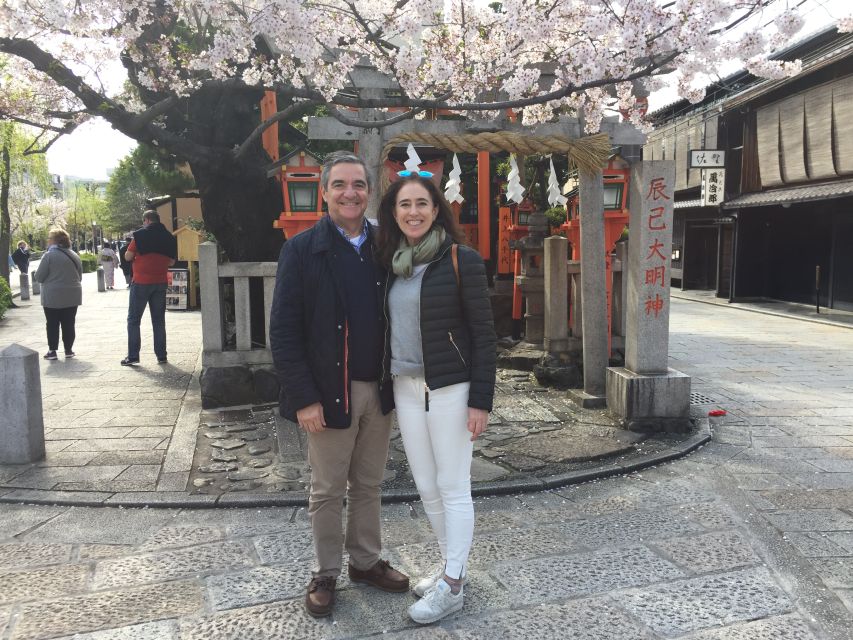
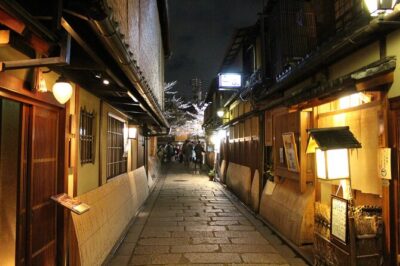
The fun part is what happens after the temple visit: the route connects toward Gion along Kyoto-style streets. On the way, you pass shrine pathways and you reach the shopping lanes where you will find Kyoto-esque shops and souvenir options. This is not random shopping. It is the kind that feels like part of the walk, not a detour.
And once you land in Gion, your guide can help with dinner. Several guides have been praised for giving restaurant recommendations that fit your tastes and for making it easy to end the day with a meal that feels local. Some even nudged people to places that hit the comfort zone, like a memorable ramen stop.
Gion Evening Fuel, Nishiki Market Stops, and Shopping That Makes Sense
Kyoto has food everywhere, but it is not always easy to choose well when you are on a schedule. This is where having a guide helps beyond history lessons. If you include Gion in your plan, you can treat dinner like a guided decision instead of a stressful search.
Nishiki Market Shopping District is another common add-on option, especially if you want a food-and-snack oriented segment. Even if you do not plan a full meal there, it is a good place to pick up small bites or souvenirs as you watch the neighborhood rhythm.
What I like about the way this tour handles shopping is that it stays tied to the walking route. You are not pulled into a mall loop. You are walking through areas that feel connected to what you just learned, which makes the choices easier and more meaningful.
If you want to end on a high note, tell your guide your style. Do you want casual or nicer? Are you picky about certain foods? People have praised guides for answering questions and adjusting on the fly, including the simple request for a coffee break when that made sense.
You can also read our reviews of more private tours in Kyoto

Nijo Castle, Kyoto Imperial Palace, and the Calm Side of History
Not every Kyoto day needs only temples on mountaintops. If you want a different flavor, options like Nijo Castle and Kyoto Imperial Palace add a layer of political and cultural history. With a private guide, you can also choose how much time you want for slower exploration versus quick highlights.
This tour’s value here is interpretation. The places are famous, but the stories make them click. A guide can connect the site to broader Japanese culture and explain what you might see and why it matters in everyday context. Some guides, like Naoki and Noriko, have been recognized for turning site visits into a deeper understanding rather than a checklist.
If you are planning a shorter day, you might use one of these historic sites as your anchor. For example, combine a shrine or temple with a palace or castle so you get both spiritual Kyoto and more formal, historic Kyoto.
Drawback to watch for: these sites can involve slower pacing and time inside buildings or grounds. If you have limited stamina, choose fewer stops. In a private format, you can do exactly that, and you should.
Arashiyama Options: Bamboo, Bridges, and Garden Time for Longer Days
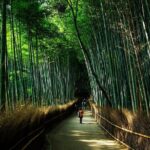
Arashiyama is where Kyoto feels greener and more laid-back, and it often works better on the longer schedules. If you pick the 6 or 8-hour option, you have room to add places like Tenryu-ji, Togetsukyo Bridge, Bamboo Forest Street, Okochi Sanso Garden, or other Arashiyama-area options.
The best part of including Arashiyama is variety. You go from shrine and temple intensity into scenic walking. Bamboo Forest Street and the bridge area are the kind of places where your guide can help you find a route that fits your time, and in some cases help you take better photos by choosing good spots for stops.
I would treat Arashiyama as a slow segment. Plan for the fact that walking through areas like bamboo and gardens takes more time than you expect, especially if you want photos and a calm pace.
For shorter days, it can still be possible to include one Arashiyama stop, but you will likely have less flexibility. If you want the day to feel satisfying rather than frantic, choose Arashiyama on an 8-hour plan.
Price and Value: What $106 Buys in a Private Kyoto Day
At $106 per person, you are paying for a lot more than directions. You are paying for a private, licensed guide who can structure your day around your interests, explain what you are seeing, and help you avoid wasting time. That matters in Kyoto, where time loss can mean missing the best light or arriving at crowded spots at peak overflow.
Yes, entrance fees and food are not included. And you might pay for public transit or taxis between locations. Those costs can add up, so you should budget for them and plan to carry Japanese yen. But the trade-off is that you spend your main energy where you want it, at the sights, not on planning confusion.
Another way to think about the value: a guided day compresses decision-making. If you have limited time in Kyoto, the alternative is self-planning with guidebooks and maps. Even if you do that well, you still lose the benefit of an interpreter who can answer your questions in context as you go.
Also, the private format scales well for small groups. The maximum number of passengers is 7. If you are traveling with friends or family who share interests, this price structure often feels fairer than doing separate bookings for each person.
Walking Comfort, Transit Reality, and Rain-Day Tactics
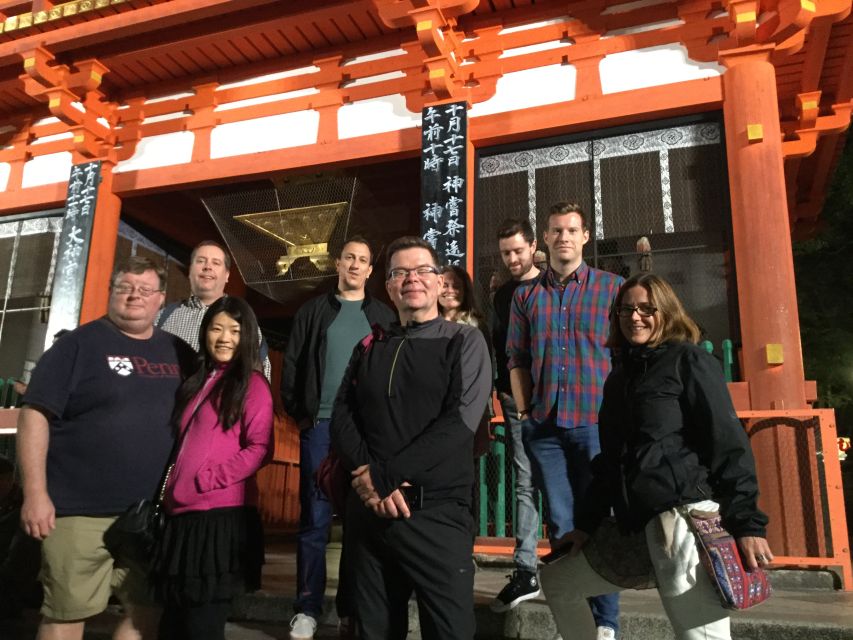
This tour is designed as a walking day. That sounds obvious, but it changes how you should pack. Wear comfortable shoes with grip. Bring water. Keep your day flexible, because you might switch between walking routes and public transit, depending on the sites you choose.
Pickup is included, and your guide will meet you in the hotel lobby or at the train station you request, about 10 minutes before the scheduled pickup time. Some tours also include pickup on foot if you are within reasonable walking distance.
Rain or shine. That is not a “maybe.” Your guide still takes you out, and Kyoto does not stop being Kyoto because the sky changes its mind. Bring a light rain layer. If you get wet, the views and sites still work. You just need to stay comfortable enough to keep walking.
One last practical tip: tell your guide what matters most before the day starts. Some guides have been praised for contacting you with meeting details and for adjusting plans when you request different priorities, including picking less crowded routes. The clearer your must-sees are, the smoother your day feels.
Should You Book This Private Kyoto Walking Tour?
I’d book this tour if you want a Kyoto day that feels focused, not scattered. The combination of a private licensed guide, customizable route options, and major highlights like Fushimi Inari, Kinkaku-ji, and Kiyomizu-dera is a strong match for anyone with limited time and a desire for context.
Choose the length based on your style. If you want the biggest hits with breathing space, go 6 hours or 8 hours. If your schedule is tight, a 4-hour plan works best when you pick 2 or 3 priority sites and let your guide connect the rest.
Book it especially if you appreciate good explanations and practical guidance between stops. You will still pay some extra costs for entrance fees and local transit, but the day is designed to reduce confusion and make your walking time count.
If you need flexibility, this experience offers free cancellation up to 24 hours in advance for a full refund, and you can reserve now and pay later. For a first-time Kyoto visit, it is a smart way to get oriented fast.
FAQ
How long is the Kyoto private walking tour?
You can choose a 4-hour, 6-hour, or 8-hour tour. Duration is listed as 4 to 8 hours, so starting times depend on availability.
Roughly how many places can I see?
The guidance is: 4-hour tours usually cover 2 to 3 places, 6-hour tours cover 3 to 4 places, and 8-hour tours cover 4 to 6 places.
What languages will the guide speak?
The tour is offered with English and Japanese speaking guides.
What is included in the tour price?
Included features are a private and personalized walking tour, a licensed local guide, and pickup from your accommodation on foot if it is within a reasonable distance.
What costs extra during the tour?
Food and drinks are not included. Entrance fees are not included. Public or private transportation fees during the tour are also not included, and you may need Japanese yen for transit costs.
How does pickup work?
Your guide will wait in your hotel lobby or the train station you request. You should be ready about 10 minutes before the scheduled pickup time.
Can I customize which sites we visit?
Yes. After booking, you can inform your guide of the sites you would like to see from the provided list, or you can let the guide handle itinerary planning.
Does the tour run in bad weather?
Yes, the tour takes place rain or shine.
Is the tour wheelchair accessible and is there a limit on group size?
It is wheelchair accessible. It is a private group, and the maximum number of passengers is 7.
Can I arrange a private vehicle for between-sight travel?
Private vehicles are not included in the walking tour. If you want to add one, you need to contact the provider, and private vehicles must be booked 5 days in advance.
More Guided Tours in Kyoto

More Tours in Kyoto
More Tour Reviews in Kyoto
Not for you? Here's more nearby things to do in Kyoto we have reviewed


Kyoto Private Guided Tours, compared.
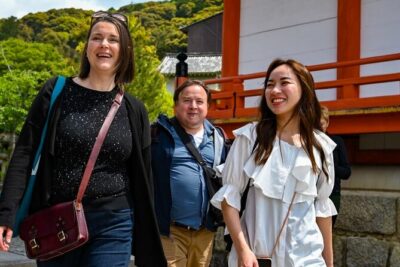 ★ 5.0Private Kyoto Tour with a Local, Highlights & Hidden Gems, PersonalisedFrom $1021,543 reviews
 ★ 5.0Kyoto 6hr Private Tour with Government-Licensed GuideFrom $1551,369 reviews
 ★ 5.010 Must-see Spots in Kyoto One Day Private Tour (up to 7 people)From $1791,108 reviews
 ★ 5.0Kyoto 4hr Private Tour with Government-Licensed GuideFrom $109629 reviews
 ★ 5.0Private Kyoto Tour with Licensed Guide & Vehicle (Max 15 persons)From $634417 reviews
 ★ 5.0Kyoto Customized Private Tour: See Top Attractions in 1 DayFrom $132342 reviews
 ★ 4.6Kyoto/Osaka: Kyoto and Nara Customized Private Guided TourFrom $477258 reviews
 ★ 5.0Nara 6hr Private Tour with Government-Licensed GuideFrom $155219 reviews
Browse the lists this tour appears in