
Reviewed · KYOTO TEMPLE & SHRINE TOURS
Kyoto: Zen Experience in a Hidden Temple
Two hours, silence, and matcha. This Kyoto Zen experience takes you into Jusho-in, a sub-temple of Myoshin-ji, for coached zazen, a sermon from the chief priest, and a calm tea moment in a garden that has hardly changed in centuries. It is structured, gentle, and still feels like you are stepping into something real.
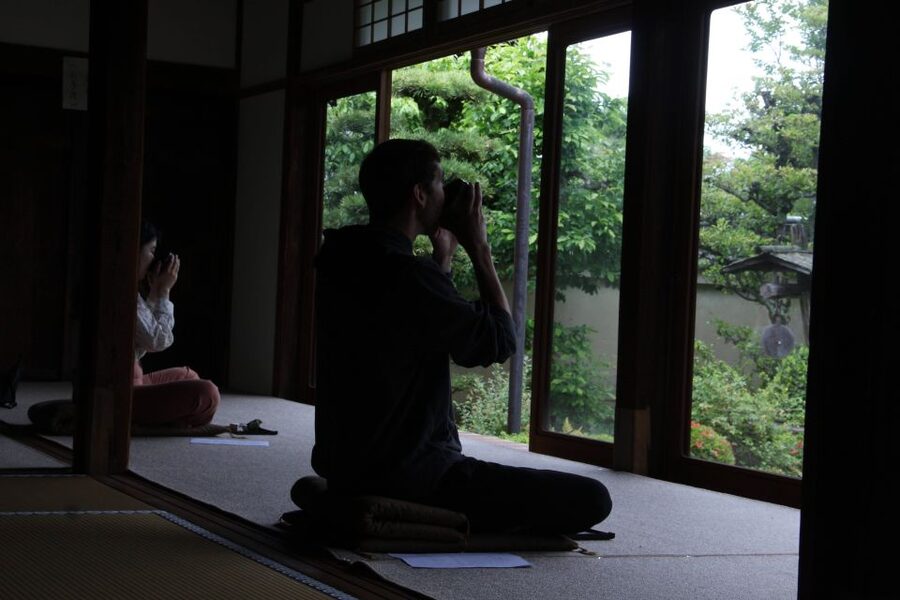
What I like most is the way they teach zazen without making it mystical or vague. You get two separate rounds of sitting, and the guidance helps you translate what Zen means into something you can actually do with your legs and your mind. I also love the pairing with matcha and seasonal sweets, served while you take in the garden’s seasonal beauty.
One thing to consider: this is a sitting-focused practice, not a sightseeing sprint. You will be asked to sit upright and still, and a rented kimono can make that uncomfortable, so plan simple clothing. If you are sensitive to accents or fast English explanations, know that the chief priest’s English can be harder to catch, but there is support on hand.
Key Things to Know Before You Go
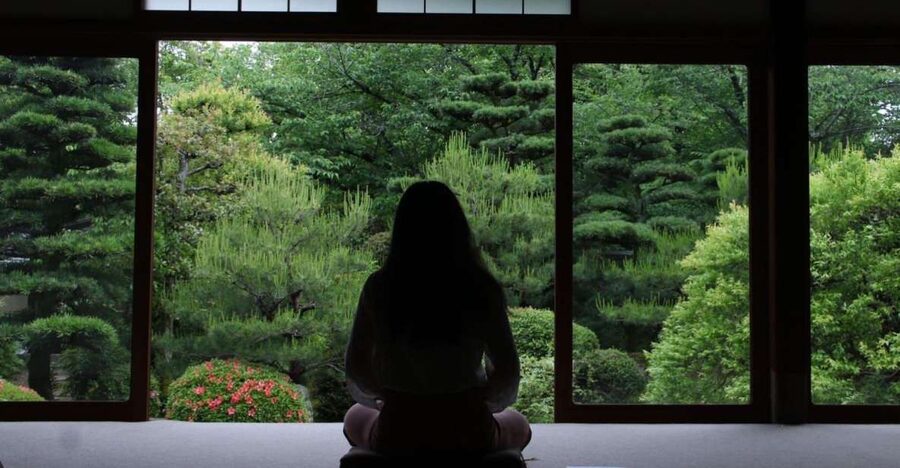
- Zazen first, tea second: two sitting sessions set the tone before the matcha and sweets.
- Chief priest guidance: Eitetsu Nishida leads the experience and shares Zen in an accessible way.
- A garden that stays itself: the garden is attributed to Eitoku Kano and kept much as it was.
- Small group feel: it avoids the loud tourist crush that Kyoto can become.
- Photo keepsake included: you get photos taken during the experience a few days later.
- Comfort options exist: chairs are available for those who need help during meditation.
Zazen at Jusho-in, Not a Performance
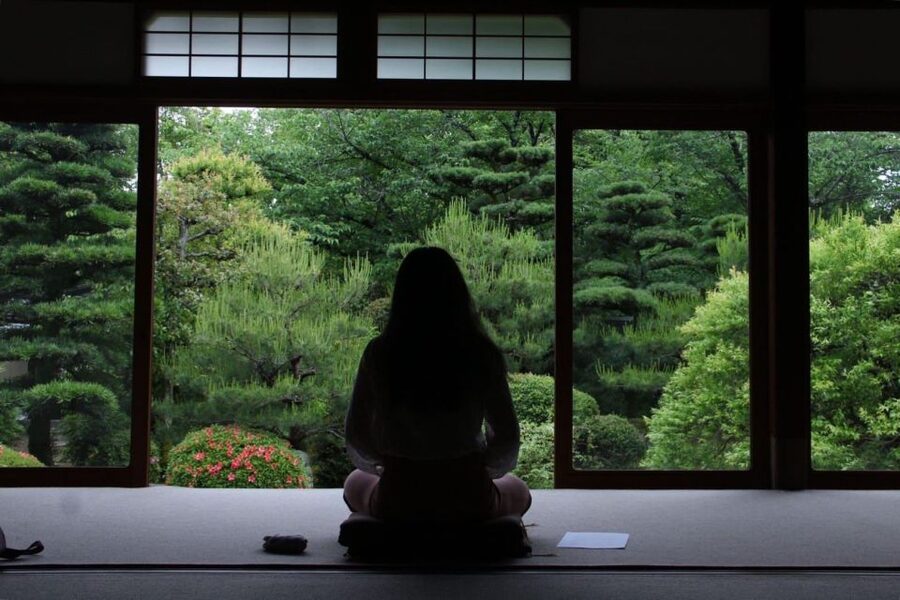
Kyoto has a lot of Zen on postcards. This experience is different because it is Zen as practice, not Zen as decoration. You start in a temple setting that is meant for focus, quiet, and controlled attention, then you learn how to sit with less pushing and more awareness.
The biggest value is that you do not just hear about zazen. You are guided through it with the chief priest of Jusho-in, Eitetsu Nishida, a 16th-generation abbot. He comes to the role after a long life path, including work as a national public servant before ordaining as a monk, plus rigorous training. In plain terms, he teaches with both discipline and warmth, and you feel that in the atmosphere the staff creates.
And yes, the matcha matters. This is not a random tea tasting after a meditation demo. It is taught as something that connects to attention, pacing, and the way Zen sees everyday rituals. That link is the thread that ties the whole 2-hour flow together.
You can also read our reviews of more tours and experiences in Kyoto.

Walking Into Myoshin-ji’s Quiet Side
Your morning begins at the north gate of Myoshin-ji Temple, then you walk with a guide to Jusho-in. There are two starting options depending on what you booked, including 18 Taniguchisonomachi. The key point is that you are not dropped into the middle of a crowded lane. You are brought in slowly, with time to shift from street mode to temple mode.
Myoshin-ji is the kind of place that can swallow your attention in the best way, because it is huge and full of smaller temple spaces. By arriving for this particular session, you get a more manageable slice. You feel like you are stepping into one small chapter inside a larger Zen world.
One practical tip: keep an eye on your footwear. There are walkways and temple paths, and you will want to stay comfortable because meditation is next. If your travel day is already tight, this tour is still a good fit because you are only out for about 2 hours total.
The Two Rounds of Zazen, and Why They Work
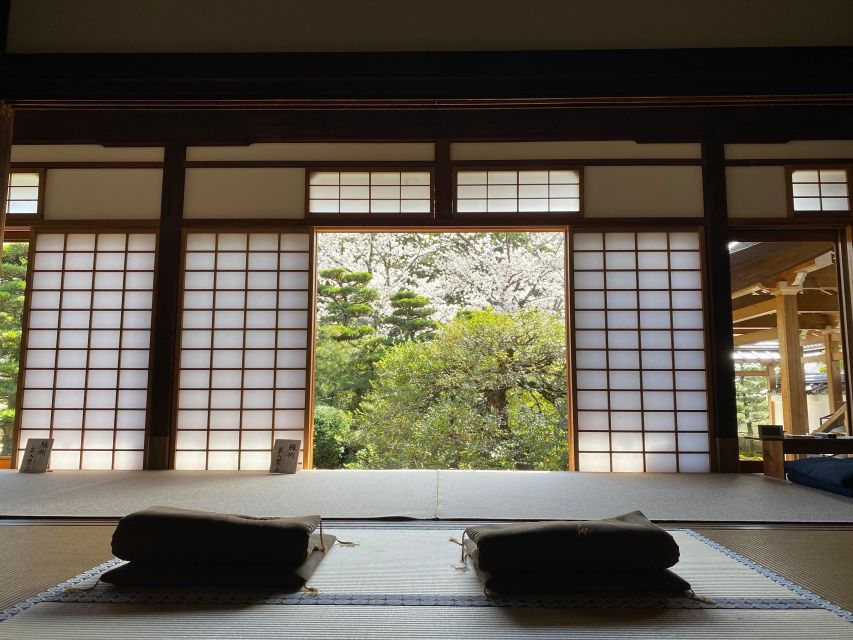
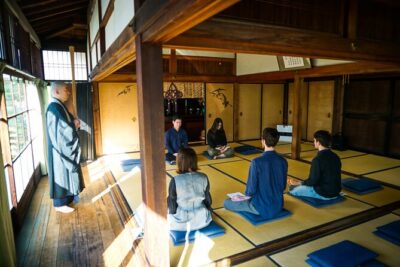
The heart of the experience is two zazen sessions, each about 20 minutes, with instruction and structure. The timing is short enough to be realistic for beginners, but it is long enough to feel the effort. That is the useful part. You learn what it actually means to try to sit with a steady posture while your mind keeps generating thoughts.
In the sessions, you are coached on how to sit and how to approach the practice. You are not expected to become “empty headed” on day one. You are expected to practice returning, again and again, to the posture and the moment. That is why even people who meditate outside the temple setting often find it challenging in a good way.
What helps most is that the experience is organized, not improvised. There is time to ask questions in between, and the staff keeps the pace calm. Many people come in worried that 20 minutes will be too long, then notice how quickly they settle once they understand what the session is asking.
Sitting Comfort Matters More Than You Think
Zen instruction is physical. If you are planning a kimono rental, reconsider. The tour notes that rented kimonos can make sitting comfortably difficult. If you want to wear one anyway, give yourself enough flexibility, and be ready for the possibility that you will spend more time adjusting than meditating.
The good news is that there are comfort supports. Chairs are available for people who need them during zazen. In colder weather, you might even be offered blankets, which can make a big difference if you are sitting near open garden views. Bathrooms are also available, which helps you stay present and not distracted.
Eitetsu Nishida’s Zen Talk: Philosophy With Teeth
After the walking and the setup, you hear a sermon and receive explanation from the chief priest. Eitetsu Nishida does more than give background. He connects Zen and Rinzai Buddhism to the practice you are doing right then. Rinzai Zen is known for emphasizing intense training and sudden insight, often described as satori. The lesson here is not about chasing an event in your mind. It is about understanding how direct experience matters more than just reading about it.
What I appreciate in this kind of teaching is that it is not trying to sound like a lecture. In real settings, people ask practical questions: how should the posture feel, what do you do when thoughts keep coming, and what does “nothing” even mean? The experience format gives you room for Q and A, so you can get answers that fit your situation rather than generic theory.
Also, you are with monks and temple staff. That matters because you are learning etiquette as part of the practice. You are not just copying movements. You are learning how to participate with respect, which changes the mood of the whole room.
Language is a consideration. The tour is in English, but there can be moments where the chief priest uses Japanese and an interpreter supports. One person noted the chief priest’s English accent can be tough to follow at times. If you need clarity, lean on the interpreter or ask for a repeat of key points. The staff seems genuinely used to helping people keep up.
Matcha, Wagashi, and the Zen Rhythm You Can Taste
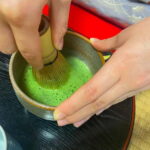
After zazen, you move into matcha. This is a structured tea experience guided by Eitetsu Nishida and supported by the tea team. They explain matcha and its history, and then you taste it with traditional seasonal sweets, or wagashi.
The point is not just flavor, although the matcha is described as excellent. The point is attention. Matcha is whisked and served with intention, and the sweets are chosen to match the season and the tea. That turns eating into a mini lesson in mindfulness: you notice aroma, texture, sweetness, and pacing.
If you have ever had matcha that tasted flat or bitter, this kind of guided experience can reset your expectations. You learn how the tea is prepared and how it is meant to be taken in. It also helps that you are not rushed. You sit and look at the garden while you drink, so you are practicing awareness with all your senses, not only your breath.
The sweets are part of the ritual. People repeatedly praise the wagashi and the care put into selecting what is served. In practice, that is the same Zen principle you see in tea culture, the idea that a small item can hold a lot of thought.
The Garden at Jusho-in, and How It Changes the Mood
The garden is one of the biggest reasons this experience feels restorative. Jusho-in’s garden is attributed to the 16th-century painter Eitoku Kano, and it remains unchanged since its creation, which means the setting is not a modern stage set.
You are not promised one specific season look. The garden changes across the year, with cherry blossoms in spring, fresh greenery in summer, autumn leaves, and winter snow. Even on a rainy day, the atmosphere tends to stay quiet because the temple grounds are designed for stillness.
In some sessions, you may meditate with doors open toward the garden. People note that this can feel especially connected to nature, though it is not for everyone if you run cold. If that sounds uncomfortable, remember there are chairs and blankets as options, and the staff keeps you safe and settled.
After tea and sweets, you can spend a moment looking at the garden with less mental noise. That is not a random bonus. It is part of the reason this works, because the scenery reinforces the practice rather than fighting it.
Photo Keepsake, Without Breaking the Calm
A photographer captures moments during the experience with an SLR camera. You receive the photo data a few days later. This is a small detail, but it affects your attention in a good way. You do not have to keep pulling out your phone mid-meditation.
From what people report, the process is gentle and the team communicates clearly, so you do not feel like you are being herded into picture poses. It becomes a memory you can keep without turning the session into a photo shoot.
If you are worried about privacy or distraction, consider this: the photo is taken during the experience, and you are not required to constantly perform for the camera. That helps the whole thing stay calm.
Price and Value for a 2-Hour Zen Session
At $109 per person for a 2-hour experience, the cost is not “cheap,” but it also is not just paying for entry. You are paying for guided instruction from the chief priest, plus temple entry ticket support, plus matcha and sweets, plus the photo keepsake.
When I think about value here, I compare it to what it would cost to build your own version:
- A guided meditation session with a monk-level teacher,
- A tea experience with instruction,
- And a meaningful setting that is not just a café room.
This is also time-efficient. In Kyoto, time matters, because travel days and sightseeing days add up fast. Two hours in a structured, quiet setting can be a better trade than sitting in a bus line to another attraction.
If you want a more relaxed pace in Kyoto, this price starts to make sense. You are buying focus, not just access.
Who Should Book This, and Who Might Prefer Something Else
This is a strong fit if you:
- Want a calmer Kyoto experience away from the busiest streets,
- Are curious about Zen and want practical basics of zazen,
- Like tea culture and want to see the link between ritual and mindset,
- Prefer small group experiences over large, noisy tours.
It is also beginner-friendly. People specifically mention being nervous about sitting for 20 minutes, then realizing it is manageable once the guidance helps you settle.
You might want to consider another type of tour if you:
- Need a lot of walking and sightseeing stops,
- Cannot sit still for even short periods,
- Want wheelchair access, because the tour is not wheelchair accessible, though chairs are available for meditation comfort.
A Smart Pre-Temple Checklist
You do not need special gear, but a little readiness goes far:
- Wear clothing that lets you sit comfortably for zazen.
- Skip anything sharp or uncomfortable, since weapons and sharp objects are not allowed.
- Leave alcohol and drugs off your plan, since they are prohibited.
- If you are wearing a rented kimono, reconsider for comfort and meditation posture.
Also, go in expecting real effort. Sitting with a mind that wants to think is part of the lesson. That is not a flaw in the experience. That is the point.
Optional Add-On Afterward: Explore Myoshin-ji on Your Terms
If your schedule allows, you can keep the momentum going after your session. Myoshin-ji has many smaller temple spaces, and you can walk the complex further at your own pace.
One extra thing that can be worth a little homework: there is a dragon ceiling inside the main area where photos are not allowed, and there is also a Bell of Good Connections that people associate with relationships. There is often a small fee for certain interior access. If you are curious, plan a bit of time for walking and quiet looking after your Zen lesson.
Should You Book This Kyoto Zen Experience?
I think you should book it if you want something meaningful, calm, and hands-on. This is not just a cultural lecture. You learn zazen through actual practice, then you slow down further with matcha and seasonal sweets in a garden that stays itself.
I would hesitate only if you need a high-energy sightseeing day, or if sitting still for 20 minutes at a time is genuinely difficult for you, even with chair options. If you can meet the basic sitting demands, you are likely to leave feeling grounded, with a practice you can carry back into daily life.
In Kyoto, it is easy to stack temples back to back. This experience gives you contrast. One quiet morning inside Jusho-in can do more for your trip than another crowded checklist stop.
FAQ
How long is the Kyoto Zen Experience at Jusho-in?
The experience lasts about 2 hours, including explanations for zazen and the tea portion.
Where do I meet for the tour?
You meet at the north gate of Myoshin-ji Temple, or at 18 Taniguchisonomachi, depending on the starting option you select. The meeting point can vary by option.
Who leads the meditation and tea?
Eitetsu Nishida, the chief priest and 16th-generation abbot of Jusho-in, guides the zazen and also leads the matcha and tea experience. A guide is present in English, and there is also tea support.
Is the experience held in rain or shine?
Yes. The session runs rain or shine.
Can I get help sitting during meditation?
Chairs are available for those who need assistance during zazen. Seating is assigned in the order of reservations.
Is the tour wheelchair accessible?
No, the tour is not wheelchair accessible. If you need a seating option, chairs are available during zazen.
More Tour Reviews in Kyoto
Not for you? Here's more nearby things to do in Kyoto we have reviewed


Kyoto Temple & Shrine Tours, compared.
 ★ 4.9Tea Ceremony Ju-An at Jotokuji TempleFrom $293,207 reviews
 ★ 4.8Arashiyama Bamboo, Temple, Monkeys, or Secret Sake BreweryFrom $87886 reviews
 ★ 5.0Arashiyama Bamboo Forest, Monkeys, Matcha & Temple TourFrom $53759 reviews
 ★ 4.4Osaka/Kyoto: Arashiyama, Nara & Fushimi Inari Shrine w/LunchFrom $61754 reviews
 ★ 4.2Ninnaji Temple Entry TicketFrom $5650 reviews
 ★ 4.7Imperial Palace & Nijo Castle Guided Walking TourFrom $49453 reviews
 ★ 5.0Kyoto Zen Meditation & Garden Tour at a Zen Temple with LunchFrom $110441 reviews
 ★ 5.0KYOTO Tea Ceremony with kimono near by Imamiya Jinjya ShrineFrom $99343 reviews
Browse the lists this tour appears in