Reviewed · KYOTO
The right way to know Kyoto
Torii gates and bamboo shade come with a plan. This private Kyoto walking tour helps you get your bearings fast, with hotel pickup and an expert guide to keep you moving in the right direction. You start and finish near Kyoto Station, and the day is built around major highlights without the solo-stress of trying to figure everything out on your own.
I especially like two things. First, Fushimi Inari is more than a photo stop, because your guide can explain the Shinto setting and temple etiquette while you walk the torii paths. Second, personal pacing matters here, and you can see it in how guides like Paco and Tom adjust the route for what you care about.
One consideration: it is still a walking-focused day, and not everything is included. Entrance tickets are not included for Kinkaku-ji and Ginkaku-ji, so you’ll want to budget a bit extra, and if you’re hoping for a lot of extra stops, the schedule can feel tight.
Key points to know before you go
- Private group with expert guidance so you can ask questions and steer the day
- Fushimi Inari plus bamboo trail as free add-ons that set the tone for Kyoto
- Golden Pavilion and Silver Pavilion get real time, but admission is extra
- Hotel pickup and mobile ticket reduce friction on arrival day
- Most of your day is walking and public transport, so comfy shoes are non-negotiable
- Customization is real, with guides like Adrian, Jose David, and Laura tailoring the route
Kyoto Station to Temples, the Smart Way to See the Highlights
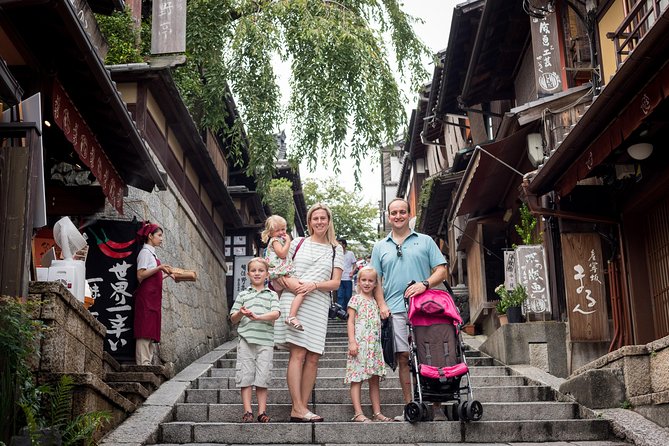
This tour is set up for people who want Kyoto to feel navigable, not chaotic. You begin at Kyoto Station (at Higashishiokoji Kamadonocho in Shimogyo Ward), and the tour ends back at the same meeting point. There is also hotel pickup offered, which is a big deal if you do not want to spend your morning figuring out trains just to start your sightseeing.
The format is private, meaning only your group is on the tour. That matters because you can control the pace and ask very specific questions, from shrine manners to what you are actually looking at in the temple gardens. In the real world, Kyoto is easy to love and also easy to misunderstand. A guide helps you avoid the common trap of seeing landmarks as just Instagram backdrops.
The tour runs about 6 hours, and the experience is scheduled during a daily window of 9:00 AM to 3:00 PM. That timing is usually great for covering the most famous sites without feeling like you are speed-running Kyoto.
You can also read our reviews of more tours and experiences in Kyoto.

Fushimi Inari-taisha: Torii Gates With Shinto Context
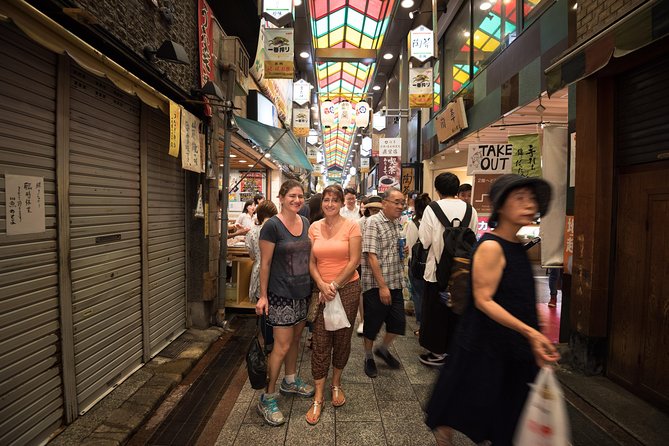
The day starts at Fushimi Inari-taisha Shrine, with about 1 hour on-site. You will walk the long corridor of bright orange torii gates, which is the main visual here. But the value of a guided visit is what happens while you walk, not just at the gates.
Your guide will help you understand the setting and the rules that go with it. One review example that stuck with me: Esteban explained details about the Shinto background and helped the group participate respectfully. In that case, he even offered his own coins to use for offerings, which turned what could have been a quick stop into something with meaning.
What you should do before you go: decide how you want to experience it. If you want the full hike feel, you can focus on the deeper sections of the torii path. If you want easier walking, you can stay closer to the main flow. Either way, your guide can manage expectations and help you avoid wasting time.
Also, do not assume Fushimi Inari is a simple “arrive and wander” place. This shrine gets busy, and there are etiquette points that make the difference between rushing through and actually connecting.
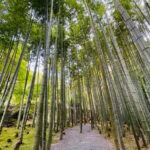
Bamboo Forest Trail: A Short Walk That Changes the Mood
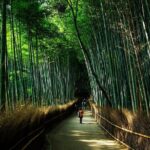
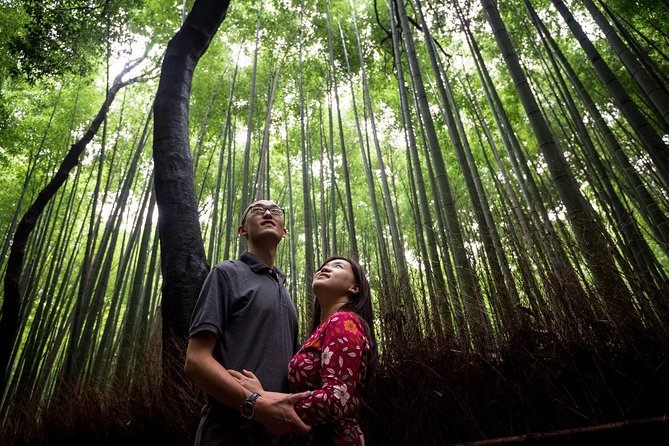
After the shrine, the tour moves to the Bamboo Forest Trail, with about 45 minutes allotted. This stop is free, which is nice because you get Kyoto’s most recognizable nature scene without extra ticket planning.
Here is the trick: treat it like a reset, not a checklist. Even if you have seen bamboo forests in photos, this one works best when you slow your pace and pay attention to what surrounds you. A guide can help you find calmer corners and better angles so you are not just standing in the densest photo crush.
In one review, Adrian adjusted the day and took the group to a bamboo forest they loved, which is a good clue that this stop can vary depending on what your guide recommends that day. If the weather is rainy or the crowds are heavy, you’ll likely appreciate that flexibility.
Practical advice: wear shoes with good traction. Paths can be uneven, and if it has rained, the ground can be slick.
Kinkaku-ji Golden Pavilion: Manage Crowds and Expectations
Next up is Kinkakuji Temple (the Golden Pavilion), with about 1 hour on-site. Admission is not included, so this is one of the two places where you should plan to pay separately.
Kinkaku-ji is famous for a reason, but popularity also creates pressure. Without a plan, it is easy to lose time stuck in crowds or to miss the small viewing details that make the pavilion feel special. A guide helps you spend your hour in a smarter way by choosing where to stand and what to look for first.
What I like about having a guide here: you get help translating what you see. Your guide can connect the architecture and the garden design to the broader Kyoto approach to sacred space. That makes the Golden Pavilion more than a shiny building.
One more thing: this stop is not “optional time.” It is a major anchor point of the tour, so you will want to arrive ready. If you are carrying lots of shopping bags or you decide you want a long snack break, that can quietly eat into your temple time.
Ginkaku-ji Silver Pavilion: Wabi-sabi Calm in a Fixed Time Window
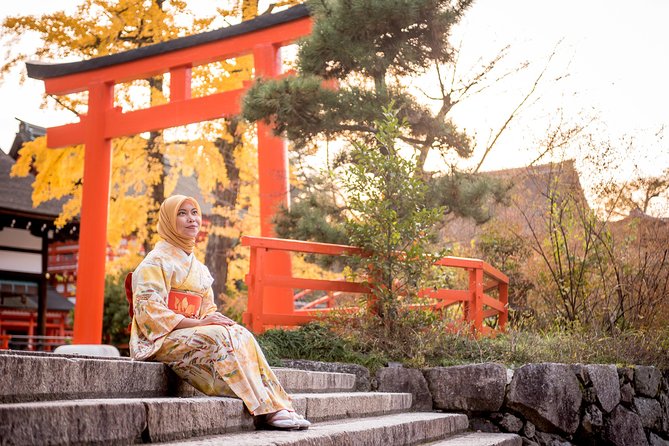
Then you move to Ginkakuji Temple (Ginkaku-ji, the Silver Pavilion). You get about 1 hour again, and admission is also not included.
If Kinkaku-ji can feel like brightness and spectacle, Ginkaku-ji is the quieter counterpoint. It is a Zen temple known for gardens and a sense of wabi-sabi beauty, meaning the charm of age, restraint, and imperfection. A guide can point out the features you might otherwise overlook, like how the space shapes movement and how the garden frames views.
This is also where personalization matters. In reviews, I saw a theme: guides like Jose David and Jose can keep you engaged by answering questions and adjusting pacing so you actually absorb what you see. If you are the type who likes asking why something looks the way it does, this hour can become the best part of your day.
What to consider: because the time window is fixed, if you are slow-walking and you want to linger in every corner, you might have to choose. It is not that the tour is inefficient, it is that Kyoto is the kind of place where a “1 hour” visit can feel like 40 minutes if you keep stopping to look closely.

How Private Customization Works (and When It Helps Most)
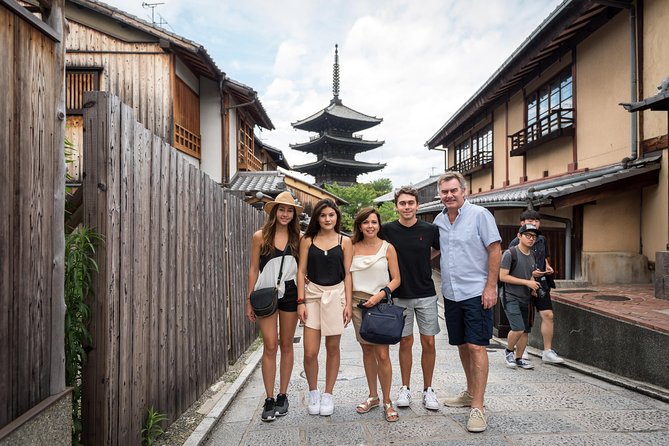
This is a private tour, so customization is not just marketing language. In practice, you can influence where you spend time, and guides can steer you toward calmer streets and less chaotic viewing points.
You see this clearly in the variety of guides and their styles. Paco is known for finding quieter areas and tailoring the route. Adrian helped a group move beyond the obvious center of town and added a bamboo forest diversion. Tom kept a family engaged and could customize the day based on what they wanted most, even adjusting the blend of walking versus local transport.
Guides also tend to help you with the “how do I do this” side of Kyoto. One group appreciated tips on using public transportation, and another group valued that the guide handled the movement from sight to sight using trains and buses. If you are new to Japan, that is a hidden benefit. It reduces stress and gives you a confidence boost you can carry into the rest of your trip.
That said, one limitation comes up with any short highlight itinerary: time is finite. One feedback note I took seriously is the idea that there is not enough time to cover everything you might expect. The good news is that the tour is built around a small set of strong anchors. The best move is to treat those anchors as the win, and then add only one or two priorities beyond them.
If you want the best customization results, decide your top two interests ahead of time:
- Japan history and how temples fit into it
- Shrine culture and etiquette
- Nature moments like bamboo
- Practical questions like how to move around the city
Then message your guide with clear preferences and be ready to adjust when the day’s conditions change.
Walking, Trains, and the Pace: What 6 Hours Feels Like
Even with hotel pickup, this is not a sit-in-a-van day. It is a walking-focused experience that often uses public transportation. One review mentioned walking close to 28k steps, which is a good reality check. Another review specifically called out trains and buses, and at least one group described a mix of walking with local taxis.
So, plan for your feet. Bring comfortable shoes you can walk in for hours. If you hate crowds, also remember that public transport during peak times can feel packed. If weather turns, you may spend more time waiting or adjusting route.
The upside is that walking plus a guide makes the city easier to understand. Kyoto is built on layers. Streets, temple approaches, and small neighborhood details matter. With a guide, you get more than landmark recognition. You learn why the place is arranged the way it is and what behavior is expected at shrines and temples.
If you are traveling with kids or older adults, tell the guide early. Reviews show that guides can set a pace that keeps everyone engaged, not just fit the itinerary into a stopwatch.
Price and Value: What You Really Get for $371.41 per Group
The price is $371.41 per group (up to 6). That is the big lever. If you travel as a couple, the cost per person can be higher than a group of six. If you are a small family or a few friends, this can become very reasonable for what you get: an expert guide for about 6 hours plus hotel pickup and a private route plan.
What is included:
- Expert guide
- Hotel pickup offered
- Mobile ticket
- Private tour format
What is not included:
- Entrance tickets (notably Kinkaku-ji and Ginkaku-ji)
- Transportation
- Meals
So the value equation depends on what you would do without the tour. If you would otherwise spend time figuring out transit, worry about etiquette, or miss the meaning behind what you see, the guide can pay for itself in reduced stress. Also, for first-timers, the “cost of confusion” can be real. A private route is a shortcut to understanding.
One more money note: the tour includes two free stops (Fushimi Inari and the bamboo trail), which is helpful if you are trying to control entrance ticket spending. Just remember you still need to budget for the two major paid temples.
Timing, Tickets, and Planning So Your Day Runs Smooth
The tour operates in a set window, 9:00 AM to 3:00 PM, and confirmation is received at booking. The tour has free cancellation up to 24 hours in advance, which is useful if your travel schedule is still moving around.
A practical tip: if you know you want specific temple experiences, you should plan your paid admissions and keep some cashless options ready. Since entrance tickets are not included, you will want to handle them in a way that does not slow the tour.
Another planning detail: the tour starts at Kyoto Station. If you are arriving on a Shinkansen or have a morning meeting, that location makes it easier to connect your day without extra backtracking.
Finally, factor in weather. Kyoto can be hot and humid in summer, and rain can change walking comfort. The guides tend to adjust, but you still benefit from bringing a compact umbrella, light layers, and a reusable water bottle.
Should You Book This Kyoto Walking Tour?
Book it if you:
- Want a private guide so you can ask questions and learn temple and shrine context
- Have limited time and want strong highlights covered in a single day
- Like walking and are okay using public transport
- Travel in a group where the per-person cost makes sense, up to 6
Skip or rethink it if you:
- Hate walking for hours or you need a very low-effort day
- Want zero planning around entrances and transit
- Expect a massive list of sites beyond the main anchors without time tradeoffs
FAQ
Is this a private tour?
Yes. It is a private tour/activity, so only your group participates.
Where does the tour start and end?
It starts at Kyoto Station (Higashishiokoji Kamadonocho, Shimogyo Ward, Kyoto, 600-8216) and ends back at the same meeting point.
How long is the Kyoto experience?
The duration is about 6 hours.
Are entrance tickets included?
No. Entrance tickets are not included, including for Kinkaku-ji and Ginkaku-ji. Admission is free for Fushimi Inari-taisha Shrine and the Bamboo Forest Trail.
Is hotel pickup included?
Pickup is offered, and hotel pickup is part of the experience.
Can I cancel for a refund?
Yes, you can cancel for free up to 24 hours in advance for a full refund.