
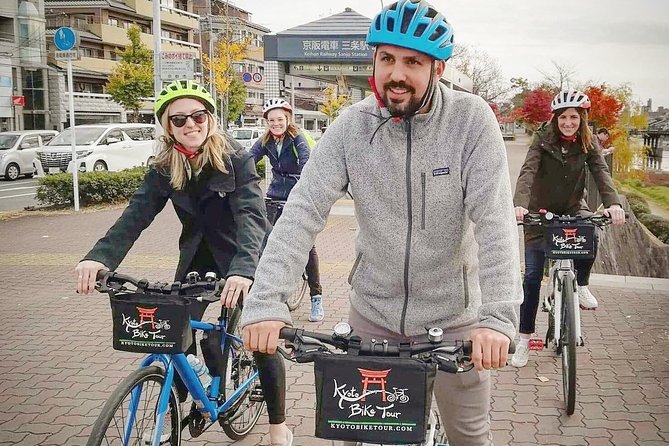
Reviewed · KYOTO BIKE & E-BIKE TOURS
5 Top Highlights of Kyoto Full Day Bike Tour (E-bike option)
Kyoto in one day feels like a magic trick, but it is really just smart routing. This full-day ride strings together five of Kyoto’s biggest sights with bicycle efficiency and a small-group pace, plus you can choose a traditional bike or an e-bike when the hills start to matter.
What I like most is that you get a tight hit list, yet the day still leaves room for real street-level Kyoto moments in between. I also like the safety and attention that guides bring on the road. The main consideration is simple: it is a long day, with moderate fitness needed and plenty of walking at temples and gates.
What you get most from this Kyoto biking day
You cover about 27 miles (44 km) total, with bike time between stops that would be slow or stressful by bus. The pacing is built around cutting down transfer time, so your energy goes toward the places you came for, not commuting around Kyoto.
The potential drawback: even with e-bikes available, you still do temple stairs, shrine paths, and transfers on foot. On a hot day, the day can feel like a workout plus sightseeing, not a leisurely cruise.
Key highlights worth your attention
- Choose bike or e-bike so you can match your energy level without ruining the route
- Max 8 people means you actually get personal attention, not a human conveyor belt
- Built-in breaks and fuel with bottled water, light lunch, and snacks
- Five standout districts and landmarks from Arashiyama to Gion in one continuous loop
- Admission fees are included for each major stop so you can focus on seeing, not budgeting
You can also read our reviews of more cycling tours in Kyoto

A full-day plan that beats Kyoto traffic and ticket lines
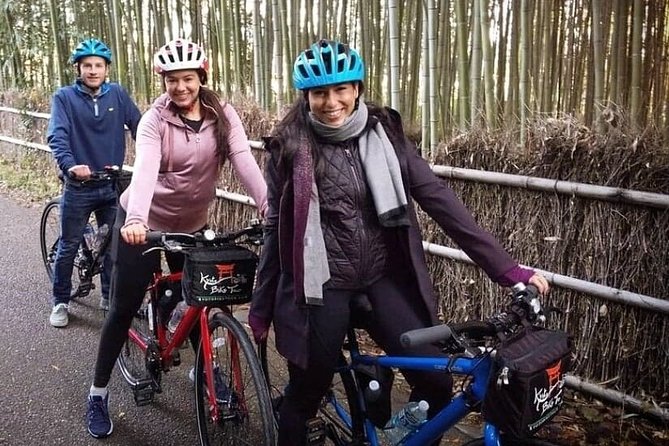
Kyoto’s top sights are spread out. That is the problem if you try to DIY it with transit. This tour solves that with a simple idea: move between highlights by bike, then park yourself at each place long enough to actually enjoy it.
At the start, you meet at Saga-Arashiyama Station at 8:30 am. The day ends back at the same meeting point, so you avoid the mental math of transfers when you are tired. Total time is listed as 7 to 8 hours, which is a very workable length for a full lineup.
The group size is capped at 8 travelers. That matters. In a city where crossings and crowd density can change block to block, fewer riders means the guide can keep everyone together and course-correct without chaos. Many guides on these tours are praised for doing exactly that, including clear safety habits and steady pacing.
And yes, the e-bike option gets mentioned a lot for a reason. One common theme across guides and riders is that Kyoto has inclines, and e-bikes make the day feel more like sightseeing. If you ride regularly and are comfortable with distance, you may not feel you need it. If you are not sure, I would treat the e-bike as the easier way to enjoy the full day.
How the day really flows, start to finish
The itinerary is five stops, in an order designed to keep you moving across Kyoto’s major zones without backtracking too hard. You also get a rhythm of short bike legs, then concentrated sightseeing blocks. That rhythm helps because you are not stuck in a long line for an entire morning or afternoon.
Here is the flow you should picture:
- First you ride from the Saga-Arashiyama area into the bamboo zone
- Then you head to the shrine world of Fushimi Inari
- Next comes Gion, where Kyoto’s heritage streets change the mood
- After that, you shift into the big view stop at Kiyomizu-dera
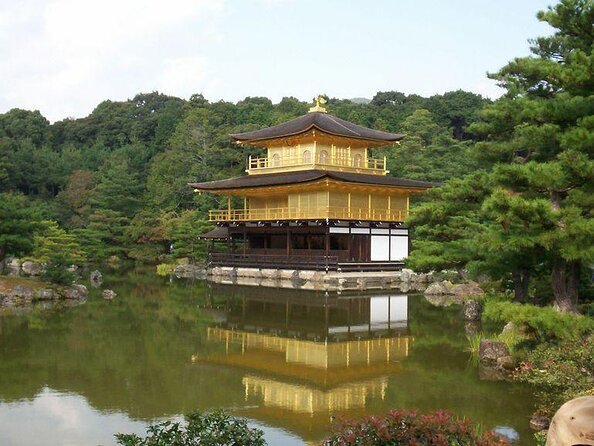
- The day finishes with Kinkakuji and the golden pavilion payoff
Between stops, you get bottled water, plus snacks and a light lunch. That part is practical. A full day with this many highlights can go sideways if you forget to eat until you are already cranky. This tour tries to keep your energy stable.
Stop 1, Bamboo Forest Street: the sound and the vibe
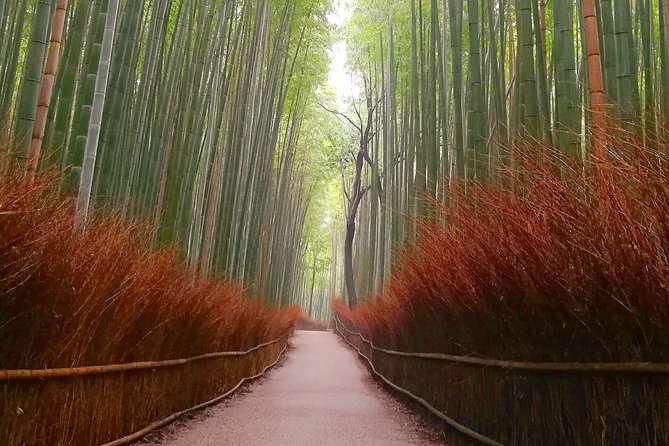
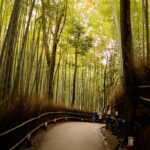
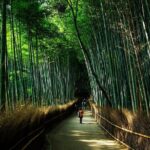
Your first stop is Bamboo Forest Street, with about 20 minutes on site and an admission ticket included.
What makes this stop worth it is not just the photos. Bamboo areas in Japan tend to create a specific soundscape, like a natural metronome. Even in short visits, the atmosphere can feel different from the surrounding streets. This is also a place where early timing helps, because crowds at Kyoto icons can build fast later in the day.
Time is short, so you should plan to move with purpose. If you take long pauses for every photo angle, 20 minutes evaporates. I suggest you do two things quickly: find your main photo spot first, then slow down for a second pass while you notice the details around the edges.
A consideration: bamboo areas are popular. If you dislike crowd flow, you may want to be comfortable waiting a minute or two for your turn to frame the classic shots.
Stop 2, Fushimi Inari-taisha red torii tunnel: where photos meet your legs
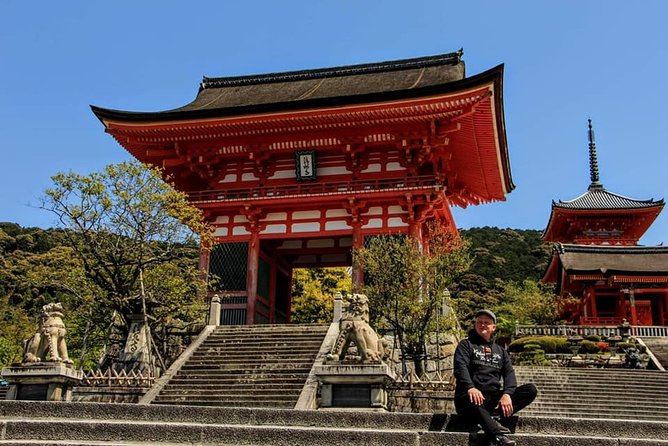
Next is Fushimi Inari-taisha Shrine, around 30 minutes with admission included.
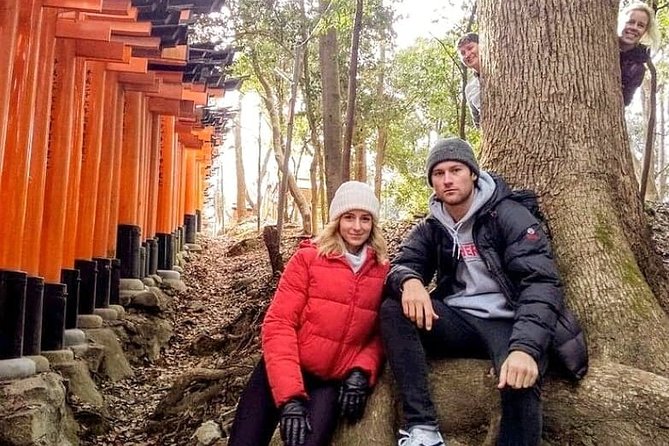
This is the iconic one. The red torii tunnel is instantly Kyoto, and you feel it as you walk in. The tour time here is enough to get the famous tunnel feeling, snap your key photos, and still experience the bustle without exhausting yourself on a full extended hike.
A practical tip: Fushimi Inari is easy to underestimate. You will be walking stairs and uneven paths. Even if your bike leg tires you out, you will need a second gear for the shrine walking.
If you choose the traditional bike, expect that your legs get used to switching from pedaling to climbing. If you choose the e-bike, the transition is smoother, and you can spend more attention on the shrine itself rather than conserving your energy for later.
One more thing: there are many sightlines and many photo moments. The guide can help you avoid dead-end crowd bottlenecks by choosing better angles and routes through the area. Guides mentioned across recent feedback are praised for doing exactly this, including being great at photo timing.
More Kyoto temple visits, food tours, tea experiences, and day trips to compare

Stop 3, Gion: the heritage district without the museum feel
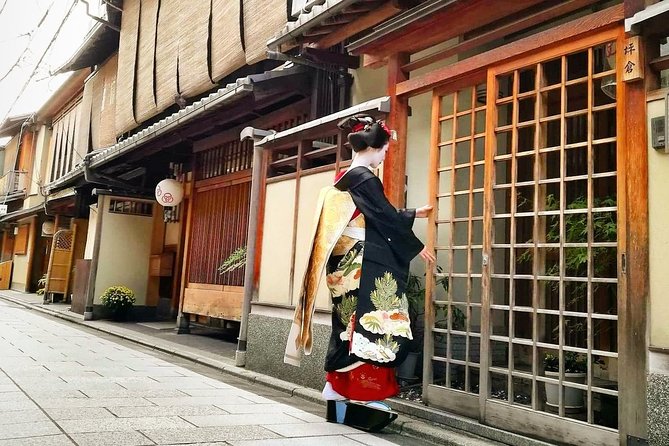
Then you head to Gion, about 20 minutes, with admission included.
This is a shorter stop, but it is designed to give you that Kyoto neighborhood feeling where streets, architecture, and small details change your perception. In a short window, the goal is to notice the layers: the old-world street scale, the mood, and the way Gion works even when you are not watching for specific performances.
The key benefit here is that you get a taste of Gion as a lived-in district, not just a postcard street. Bike tours help because you pass through areas that larger bus routes often skip.
The main drawback is crowd management. Gion can be busy. With only 20 minutes, you want to commit to a plan: pick a small walking loop so you do not wander and lose time. If you are the type who wants to stop constantly, you may feel rushed.
Stop 4, Kiyomizu-dera: the iconic city view and the stamina test
After Gion, you go to Kiyomizu-dera Temple, about 1 hour with admission included.
This is the longest stop in the day besides the shrine. It is also where you will likely feel the day physically, because temple areas typically mean stairs and more walking. The payoff is the classic views people come to Kyoto for, and the chance to slow down compared to the earlier shrine tunnel path.
What I like about this stop in a bike tour is that you get enough time to do the temple without turning it into a sprint. You can take breaks. You can watch how people flow. You can enjoy the temple setting rather than racing to make a transit connection.
A consideration: one hour can still feel tight if you stop frequently for photos and if you need breaks due to heat. Kyoto summers can be intense. Bring sun protection and stay ahead of dehydration. The tour includes water and snacks, but you still need to use them on purpose.
Stop 5, Kinkakuji: the golden pavilion payoff
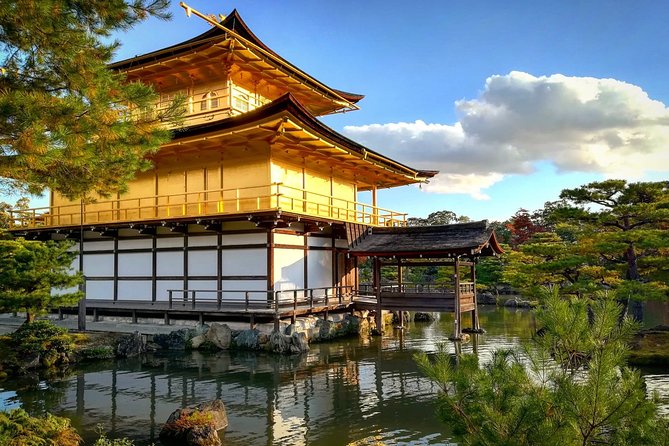
Finally, you end at Kinkakuji Temple, about 30 minutes with admission included.
This is your visual reward. The golden pavilion is the kind of sight that makes you understand why Kyoto has such a hold on people. Short stop time keeps the day moving, and it also helps avoid spending too long when you are tired. You get the key viewpoint, plus time to explore the surrounding area enough to feel the place.
Kinkakuji is often crowded, too. The benefit of a guided bike schedule is that your group is inserted into the day at a workable time, instead of showing up whenever your own schedule happens to land.
If you want a more thoughtful pace, 30 minutes might feel quick. If you want the essentials and clean photo angles, it is a smart length.
The guide factor, why the best days depend on the human
This tour is built around a native English speaking bilingual guide. That part matters more than it sounds, because Kyoto’s etiquette, street navigation, and cultural context can be confusing when you are moving fast.
From guide names that keep showing up in excellent feedback, guides such as Cass, Rob, Peter, Ray, and Kes are praised for making riders feel safe and informed. People talk about guides being careful on the road, knowing how to predict pedestrian and vehicle behavior, and keeping the group together.
There is also a recurring theme about photos. Some guides are described as actively helping with photo spots and even taking great pictures of riders. That is not a small thing on a day like this, because your hands and attention are often busy with bike tasks earlier in the morning.
Another practical point: guides are praised for adapting when conditions change. One feedback example includes a downpour, and the guide handled shelter and timing so the group could ride safely when conditions improved. That kind of calm flexibility is exactly what you want with a bike tour.
Bike quality and comfort, traditional bikes vs e-bikes
You can ride a traditional bike or an e-bike. The e-bike is described as additional fee and requires confirmation. The tour includes bikes, helmets, and bottled water.
In real terms, here is how I think about the choice:
- Traditional bike is best if you are comfortable with distance and you enjoy the physical effort.
- E-bike is best if you want to enjoy every stop without saving your legs for the next climb.
Several riders specifically call out that e-bikes help on inclines. Another group notes they did not choose e-bikes and still felt they did not need them, especially if their baseline fitness was solid. That tells me the decision is personal.
One more detail: equipment quality gets mentioned in feedback, including Specialized e-bikes described as a dream to ride. A good bike matters. Bad bikes make you tense on descents and waste energy on flats. Good bikes make the whole day feel smoother.
Distance, time, and the stamina reality check
The tour says you cover up to 27 miles (44 km). Duration is 7 to 8 hours. There is a moderate fitness level requirement and an age restriction of minimum 16 years.
You should treat this as a bike tour with sightseeing bonuses, not a light city stroll. Even when you ride smart, the day still includes walking time at each stop. Plus, you will likely stand in lines, pause for photos, and walk across crowds.
If you are a novice cyclist, it can still be fine, as long as you are comfortable controlling the bike at low speeds and you pay attention to the guide. People in the feedback pool mention novice-friendly safety and patience from guides, which suggests the tour is not a demolition derby.
If you hate long walks in heat, the day might be hard. You cannot skip the temple walking blocks, but you can manage comfort by choosing the e-bike if you are on the fence and by using the water and snack breaks.
Value for money, what you get beyond the big sights
The listed price is $172.44 per person. That number looks high until you count the moving pieces. Here is the real value logic I see:
- You get admission included for each of the five major stops
- You get a bilingual guide for the whole day
- You get bike and helmet included
- You get bottled water, snacks, and lunch
- You get small-group size, not a huge crowd mass
Buying all of that separately would add up fast, and DIY planning in Kyoto can turn into a day of friction. This tour reduces friction by planning the day as one connected experience.
Is it worth it? If you want to hit multiple Kyoto icons in a single day and you are the type who likes being active, yes. If you want slow and detailed museum-style pacing, you might feel the pressure of a schedule.
Who this Kyoto bike tour suits best
This tour fits best if you:
- Want to see five top Kyoto highlights efficiently in one day
- Like active travel and can handle a full day of riding plus walking
- Appreciate local context from a bilingual guide
- Prefer small-group guidance, with a safety-first approach
It might be less ideal if you:
- Do not enjoy stairs and temple walking
- Have mobility limits that make uneven paths hard
- Want a very leisurely pace with minimal walking
Should you book this Kyoto full-day bike tour?
Book it if you want a structured, efficient way to cover Kyoto’s biggest sites and still feel like you are moving through real neighborhoods. The small group size, included admissions, and the guide attention make it feel like a “get your bearings fast” day that you will remember.
Skip or reconsider if you are hoping for an easy stroll. The day requires moderate fitness and includes multiple walking-heavy stops, especially the temple areas. If you are unsure, choose the e-bike option and plan for sun protection, water breaks, and a little extra patience with crowds.
If you like bikes, this is one of the best ways to turn Kyoto into motion instead of waiting. And if you are coming with limited time, it is a smart shortcut to the highlights without turning your trip into a checklist disaster.
FAQ
How long is the Kyoto 5 Top Highlights bike tour?
It runs about 7 to 8 hours.
How far do we cycle during the tour?
You can cover up to 27 miles (44 kilometers).
Do we ride traditional bikes or can we use an e-bike?
You can choose a traditional bike or ride an e-bike option. The e-bike has an additional fee and confirmation is required.
Where does the tour start?
The tour starts at Saga-Arashiyama Station at 8:30 am.
What is included in the tour price?
Bikes and helmets, bottled water, admission fees, light lunch, and snacks are included, along with a native English speaking bilingual guide.
What should I expect at each stop?
You will spend time at Bamboo Forest Street, Fushimi Inari-taisha Shrine, Gion, Kiyomizu-dera Temple, and Kinkakuji Temple, with the temple stop at Kiyomizu-dera being the longest at about 1 hour.
What kind of fitness level do I need?
The tour requires a moderate physical fitness level, since it includes biking and walking throughout the day.
More Cycling Tours in Kyoto

More Tours in Kyoto
More Tour Reviews in Kyoto
Not for you? Here's more nearby things to do in Kyoto we have reviewed



Kyoto Bike & E-Bike Tours, compared.
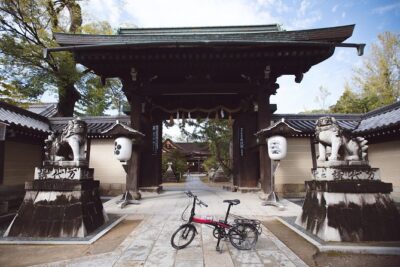 ★ 5.0Hidden Kyoto E-Biking tourFrom $1161,843 reviews
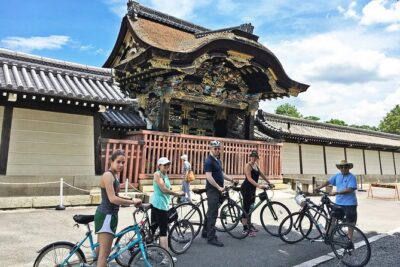 ★ 5.0Bike Tour Exploring North Kyoto plus LunchFrom $1061,087 reviews
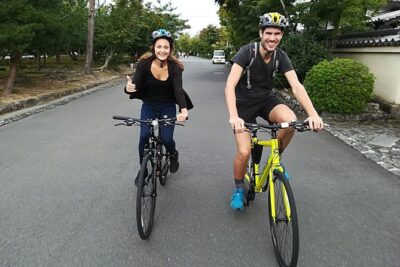 ★ 5.0Arashiyama Bamboo Forest & Hidden Gems Bike Tour (Early Bird)From $106613 reviews
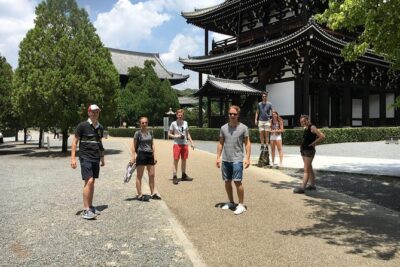 ★ 5.0Full Day Biking Tour Exploring the Best of KyotoFrom $119498 reviews
 ★ 5.0E-Bike Tours of the highlights of Kyoto!!!From $109291 reviews
 ★ 5.0Afternoon Kyoto Bike Tour: Bamboo Forest, Monkeys & Hidden SpotsFrom $106283 reviews
 ★ 5.0South Kyoto in a Nutshell: Gentle Backstreet Bike Tour!From $79225 reviews
 ★ 4.9City Secrets eBike TourFrom $127196 reviews
Browse the lists this tour appears in