
Reviewed · KYOTO BIKE & E-BIKE TOURS
Hidden Kyoto E-Biking tour
Kyoto looks different from a quiet bicycle lane. This half-day Hidden Kyoto e-biking tour threads together big-name sights like Kinkakuji and Kitano Tenmangu, then leaves the crowd noise behind on calmer backstreets and gardens. I like the mix of famous UNESCO temples plus the quieter side of Kyoto, and you get there with e-bike assistance that keeps the hills from turning your day into a leg workout.
One drawback to consider: some guides lean hard into storytelling, so if you prefer lots of time quietly looking on your own, you may feel like you are pausing to listen more than you walk.
NORU Kyoto Bike Tours, helmets on, then off to temple country
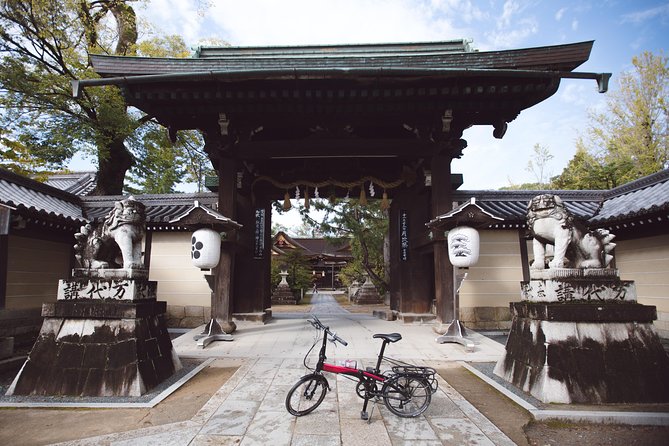
You meet at NORU Kyoto Bike Tours at 429-22 Takigahanachō in Kamigyo Ward. This matters, because you start riding right away instead of spending your morning crammed on a bus to a second meeting point. Your ride is capped at 8 travelers, so the pace stays manageable and the guide can actually help people feel confident.
Plan to arrive 15 minutes early. You will get fitted with a foldable rental bike and a helmet, plus water. From there, you get an easy start and some basic instruction before the route begins. I like this setup because it cuts down on stress. You are not trying to figure out Kyoto roads with a borrowed bike while holding a map in one hand and hope in the other.
In the ride reviews, guide names pop up again and again, especially Yuta, Michael, Sean, Henry, and Shizuka. The pattern is clear: an English-speaking coordinator is not just pointing, they are explaining how the sites connect to Shinto and Buddhism, plus practical temple manners so you do not feel awkward once you arrive.
How the 3 hours 45 minutes ride stays relaxed (even with Kyoto hills)
The tour runs about 3 hours 45 minutes. The cycling distance is about 8 kilometers (roughly 4.9 miles), and the route planning includes a laid-back main stretch around 7 kilometers. Translation: it is long enough to feel like a real Kyoto exploration, but short enough that most people over age 13 can handle it.
The biggest help is the bike itself. Past riders describe the ride as e-powered, and that is exactly what you want in Kyoto. Hills happen. Steps happen. Traditional temple grounds happen. With pedal assistance, you can keep moving without burning out on every incline.
This tour is also designed around a “flow,” not a “stop, sprint, repeat” day. You ride between sights, take time at each place, and then you are back at NORU by the end. Since it ends at the meeting point, you can plug the tour into your trip easily. Morning tours also give you the rest of the day for food, shopping, or another temple circuit.
Practical tip: wear shoes you can walk in comfortably. Even with an e-bike, you will stand and stroll during temple visits. If it is hot or humid, bring light layers. If it is rainy, pack for rain. Kyoto weather can change quickly.
You can also read our reviews of more cycling tours in Kyoto
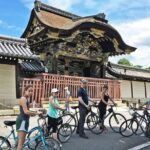

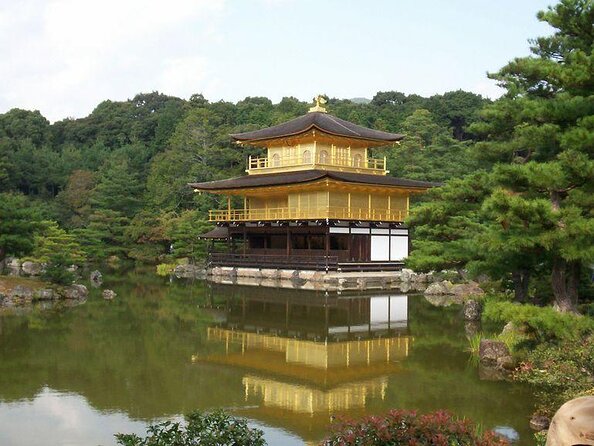
Kinkakuji Temple: UNESCO fame, handled the easy way
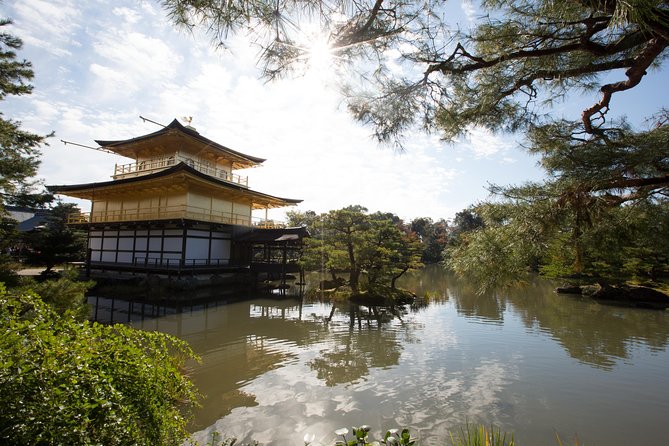
Kinkakuji is the kind of sight that makes you stop mid-sentence. The route starts by winding toward the famous temple complex, so you get the “wow” factor early and do not start your day hunting.
What I like about putting Kinkakuji on day one, or near the start of your stay, is orientation. Once you see the temple style and the lake-garden setting up close, the rest of Kyoto’s religious architecture makes more sense. Even if you have seen photos, nothing beats seeing the scale in person.
This tour also aims to reduce the tourist crush by pairing Kinkakuji with other stops that do not feel like the same crowded loop. You are still visiting a top attraction, but the overall rhythm is calmer than a full-day checklist tour.
At Kinkakuji and every shrine or temple stop, you will want to follow basic etiquette: keep your voice down, respect walkways, and treat the grounds like sacred space rather than a photo set. Guides often explain the do and don’t, and many of the stops connect to the Shinto-Buddhist mix you will see throughout Kyoto.
Daitoku-ji Temple Complex: Zen gardens and quieter worship spaces
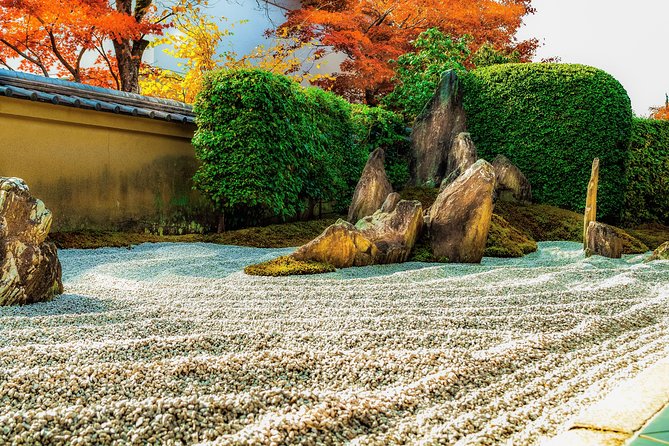
After Kinkakuji, you move to Daitoku-ji Temple Complex. This is one of those places where the name matters less than the atmosphere. The temple grounds connect you to Kyoto’s Zen side in a way that feels different from the postcard version.
Why this stop works on an e-bike tour: you arrive without the big-city walking slog. Then you can slow down once you are inside the compound. The goal is to experience intimate Zen gardens and religious spaces without feeling rushed between photo spots.
Daitoku-ji also pairs well with what your guide will likely talk about on the road. In the experiences shared, guides explain the background of Buddhism and Zen practices, plus how to read what you are seeing. Even if you do not memorize every detail, you tend to notice more. You start spotting design choices that explain function, not just beauty.
One note for expectations: you are not getting an all-day deep monastery curriculum here. The tour is half-day. You will get context and a guided route through key areas, then you move on.
Kitano Tenmangu Shrine, Koto-in and Zuihoin: Kyoto beyond the main street
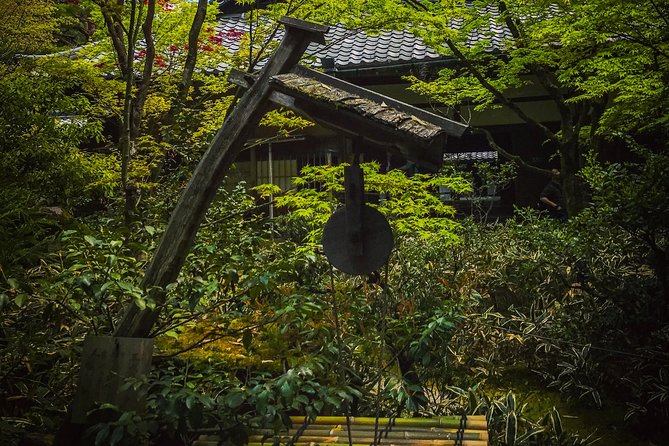
Next come Kitano Tenmangu Shrine, Koto-in, and Zuihoin. This is where the ride earns the “hidden” vibe. You are still seeing major cultural sites, but the route continues into sections of Kyoto that feel calmer and more lived-in.
Kitano Tenmangu is a shrine that helps you understand the Shinto side of Kyoto’s religious geography. It also sets up a nice contrast. You are not bouncing only between big famous temples. You are seeing different forms of worship and different spiritual styles, which is exactly what makes Kyoto feel layered.
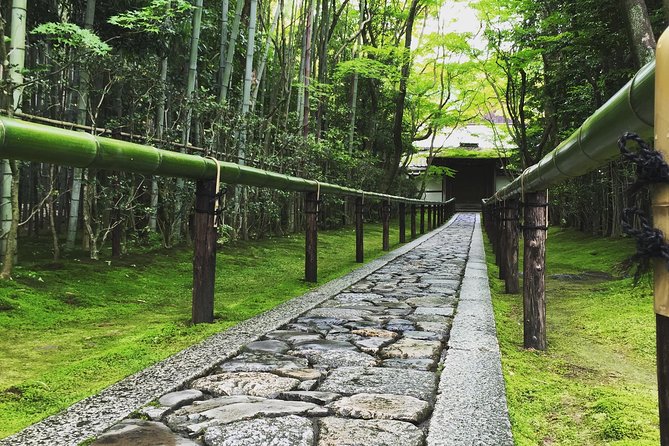
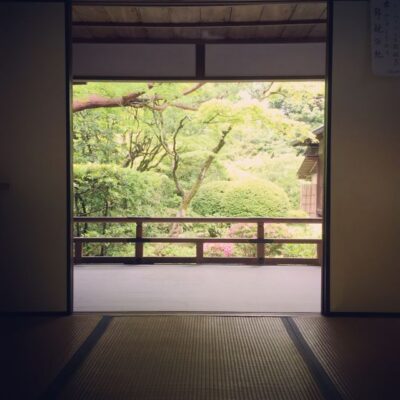
Then you get into Koto-in and Zuihoin. These stops tend to feel more intimate, the kind of places where you notice garden edges, quiet courtyards, and the way pathways guide your attention. Since the tour is designed to escape crowds, you usually spend more time experiencing the space rather than pushing through lines.
If you like backstreets and side lanes, pay attention during the ride segments between stops. The tour is meant to send you past quiet residential streets and charm-filled areas that most visitors do not find on their own.
Your guide on board: Shinto vs Buddhism, temple manners, and stories that make it click
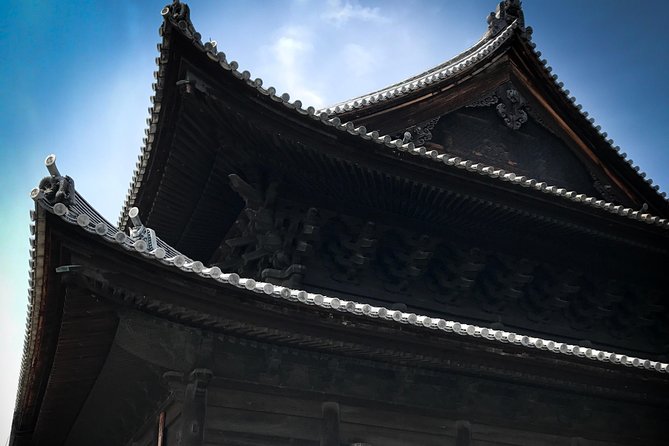
The single biggest reason this tour gets such strong feedback is the guide experience. Names like Yuta, Michael, Sean, Henry, and Shizuka show up again and again, and they share a common style: clear English plus stories that connect the sites to Kyoto’s bigger cultural picture.
You can expect the guide to explain how Shinto and Buddhism show up in everyday Kyoto life. Many guides also cover tradition around temples and shrines, including manners that keep your visit respectful. In the experiences shared, guides go beyond basics and tell stories tied to Kyoto’s arts and history, including talk around Maiko and Geisha, plus feudal Japan context.
There is also a very practical benefit. When your guide is telling you what you are looking at, you spend less time wondering what anything means. You walk away with real context, not just captions.
That said, remember the drawback I mentioned earlier. If your personal style is quiet self-guided wandering, you might want to manage your expectations about how much time you spend listening while stopped. The best way to handle this is simple: let the narration set the stage, then take a few minutes at each stop to enjoy the view without looking up at your guide.
More Kyoto temple visits, food tours, tea experiences, and day trips to compare

Folding bikes, small group size, and why 8 people feels just right
A maximum of 8 travelers changes the day. On a city bike tour, too-large groups mean slow riders, constant waiting, and a lot of stop-and-start. This one stays small enough that you keep moving at a human pace.
The bikes are foldable rental bikes, and that is a practical detail you will appreciate if you plan to store your luggage later or hop into the rest of Kyoto afterward. It is also part of why the tour feels easy to join even for people who do not bike often.
I also like that the tour is built for safety and ease. It is described as easy, safe, and fun with minimal effort for riders over 13. The route timing and guide support help new cyclists avoid the typical “I hope I do not fall” stress.
If you are traveling with family, this is a good option too. One of the recurring themes in the feedback is that the tour works well for a range of ages, including teenagers riding for the first time. Still, be honest with yourself. If cycling is not your thing at all, you may find it less enjoyable.
Price and value of this $116 e-bike tour versus walking
At $116 per person, you are paying for three things: guided access, bike support, and time efficiency. Walking Kyoto temples can be beautiful, but it is also tiring and slow, especially if you want to see multiple high-demand sites plus quieter compounds.
This tour saves energy through pedal assistance and saves time through a tight, well-organized route. You get a guide, bike, helmet, and water included. That inclusion is where the value sharpens. You are not piecing together rentals, a map, a guidebook lecture, and transport logistics all by yourself.
Is it worth it if you already plan to see only one or two temples? Probably not. The best value is when you want a full morning arc that connects famous sites to lesser-known areas. You are paying to stitch together Kyoto into one coherent experience.
Also, the small-group size improves your “cost per attention” ratio. You do not just buy a ride. You buy a guided way of seeing.
Timing, weather, and what to pack for a comfortable Kyoto morning
You have several departure times: 8:30, 9:00, 12:30, and 1:00. Starting earlier can mean cooler temperatures and calmer streets. If you can handle mornings, I recommend the early departure so you get that fresh Kyoto feel before crowds build.
The tour requires good weather, and if it cannot run due to poor weather, you will be offered an alternative date or a full refund. Rain in Kyoto can be light and annoying rather than dramatic, and guides often help people handle it better than you would expect, but you should still bring your own rain protection.
What to pack:
- A raincoat or poncho if the forecast looks shaky
- Comfortable closed-toe walking shoes
- Light gloves if it is chilly or rainy
- Sun protection in warm months
If you want to turn this into a perfect half-day, plan your next activity soon after. Ending back at NORU makes it simple to head for lunch or continue sightseeing.
Should you book Hidden Kyoto E-Biking tour?
Book it if you want Kyoto in one smooth chunk: UNESCO highlights, quieter temple compounds, and real city backstreets. I also think it is ideal for first-time visitors who feel overwhelmed by temple logistics and want a gentle way to get oriented quickly. With a small group, English route coordinator, helmets, and e-bike assistance, it is a low-stress path to a high-reward morning.
Skip it if you hate cycling, even with assistance, or if you want a fully self-directed day with lots of silent time. And if you dislike guided storytelling while you are stopped, pick a departure time when you are mentally ready to listen and then carve out quiet moments at each stop.
If you fit the sweet spot, this tour is one of the smartest ways to see Kyoto without turning your trip into a crowded temple relay. It gives you context, momentum, and that calmer Kyoto feeling you came for.
FAQ
Where does the Hidden Kyoto E-Biking tour start?
It starts at NORU Kyoto Bike Tours, 429-22 Takigahanachō, Kamigyo Ward, Kyoto 602-8336, Japan, and it ends back at the same meeting point.
How long is the tour, and about how far do you ride?
The tour is approximately 3 hours 45 minutes. The ride is described as about 4.9 miles (8 kilometers), with a main laid-back stretch around 4.3 miles (7 kilometers).
What’s included in the price?
English-speaking route coordinator, rental bike, rental helmet, and water are included.
Do I need to know how to bike?
The tour is described as easy, safe, and fun for anyone over age 13, and it includes training when you meet your guide. E-bike assistance is commonly part of the experience, which helps with Kyoto hills.
What are the main stops during the tour?
The tour includes stops at Kinkakuji Temple, Daitoku-ji Temple, Kitano Tenmangu Shrine, Koto-in, and Zuihoin.
What should I consider before booking if the weather is bad?
The experience requires good weather. If it is canceled due to poor weather, you will be offered a different date or a full refund.
More Cycling Tours in Kyoto

More Tours in Kyoto


More Tour Reviews in Kyoto
Not for you? Here's more nearby things to do in Kyoto we have reviewed



Kyoto Bike & E-Bike Tours, compared.
 ★ 5.0Bike Tour Exploring North Kyoto plus LunchFrom $1061,087 reviews
 ★ 5.0Arashiyama Bamboo Forest & Hidden Gems Bike Tour (Early Bird)From $106613 reviews
 ★ 5.05 Top Highlights of Kyoto Full Day Bike Tour (E-bike option)From $172511 reviews
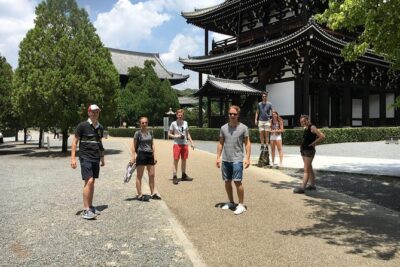 ★ 5.0Full Day Biking Tour Exploring the Best of KyotoFrom $119498 reviews
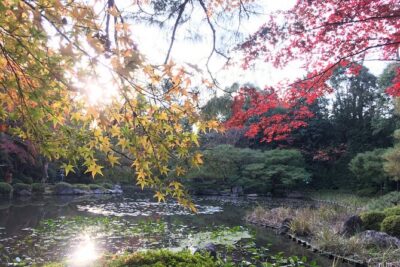 ★ 5.0E-Bike Tours of the highlights of Kyoto!!!From $109291 reviews
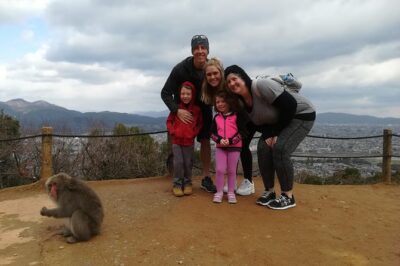 ★ 5.0Afternoon Kyoto Bike Tour: Bamboo Forest, Monkeys & Hidden SpotsFrom $106283 reviews
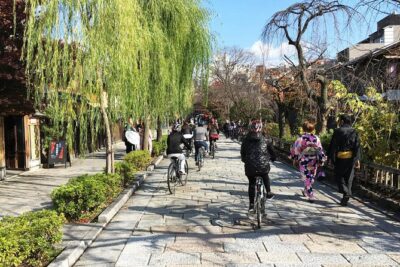 ★ 5.0South Kyoto in a Nutshell: Gentle Backstreet Bike Tour!From $79225 reviews
 ★ 4.9City Secrets eBike TourFrom $127196 reviews
Browse the lists this tour appears in