
Reviewed · KYOTO TEA CEREMONIES
A Unique Antique Kimono and Tea ceremony Experience in English
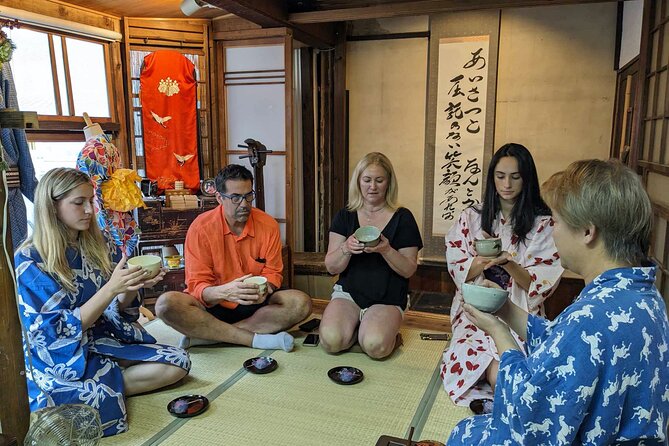
Matcha tastes better in antique kimono. This Kyoto tea ceremony takes place in an old private house near Katsura Imperial Villa, so the mood stays quiet and calm instead of feeling like you are racing through a tourist stop. I like how the setting does half the work for you, because you can hear your own steps and focus on the ritual.
Two things I really love are the antique kimono rental included in the price, and the way the host, Toku (Miyagawa), walks you through the ceremony with patience. You are in a small group, capped at six people, which makes it easier to ask questions and get individualized help with etiquette and timing.
One consideration before you go: the tea portion centers on the standard pairing of green tea and Japanese sweets, so if you are hoping for lots of different specialty teas or extra tasting time, you may feel the session is a bit shorter and more ceremonial than hands-on.
Key things to know before you book
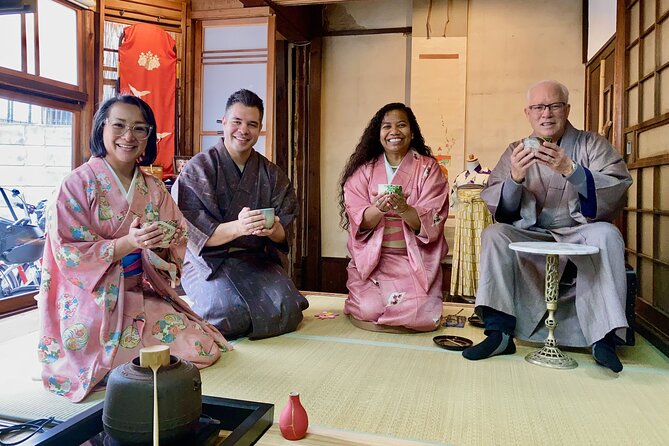
- Antique kimono included so you skip the hassle and get a rare look, with kimonos reported as over 80 years old
- Held near Katsura Imperial Villa in a 100-year-old private house, which keeps the atmosphere serene
- Small group, max 6 people, so you get more attention and fewer distractions
- Step-by-step etiquette in English led by Toku, with plenty of time to follow along
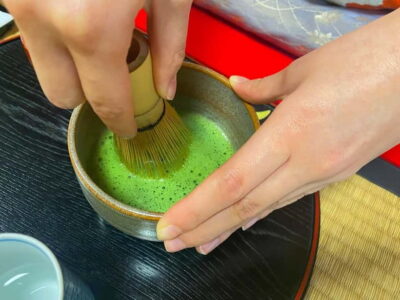
- Matcha making lesson focused on how to prepare properly, not just watch it happen
- Photo time with the family is part of the flow, while still keeping the ceremony respectful
Kyoto’s Katsura area is the secret ingredient
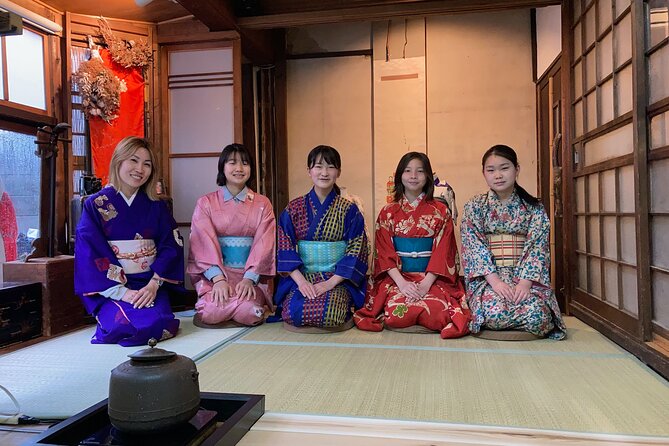
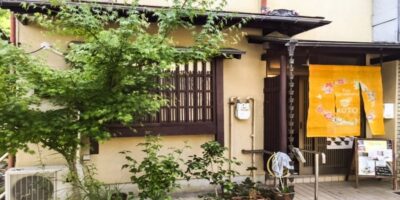
Most Kyoto tea ceremonies you see are packed into busy parts of town or designed like showrooms. Here, the meeting point is at Miyagawa Tokusaburo shoten (32-4 Katsuranozatochō, Nishikyo Ward), and the experience is set up in a home nearby. The big difference is the surrounding neighborhood, close to Katsura Imperial Villa, which helps the whole thing feel slower and quieter.
In plain terms, that quiet matters. Tea ceremony etiquette depends on attention: posture, timing, and how you move your hands. When the area is calm, you are less likely to feel rushed, and you can actually learn what each step is trying to communicate.
You can also read our reviews of more tours and experiences in Kyoto.

Antique kimono rental: what it adds (and what to expect)
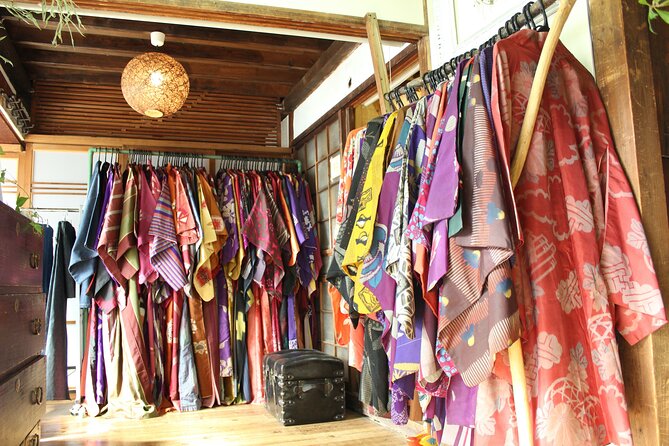
The value here is not just that you can wear a kimono. The rental is included, and you get help choosing and putting it on. Many participants note that Toku and his family take time to help you pick what you like, plus guidance on accessories and even hair styling.
This is also where the experience becomes memorable. Wearing an antique kimono changes how you experience the space, because the fit and the layers make you slow down naturally. And since these are described as rare antiques (over 80 years old in the experience notes), you are not just doing a costume.
One practical expectation check: this is still a working home setting, not a polished fashion studio. So if you are picturing dramatic kimono displays like you might see in big city shopping areas, plan for something more intimate and real-life. That realism is part of the charm, but it is worth knowing in advance.
Inside the 100-year-old private house: etiquette you can use
The tea ceremony happens in an old private house that is over 100 years old. You are not sitting in a crowd. The structure feels more like being invited into a family tradition, which makes the etiquette lessons land better.
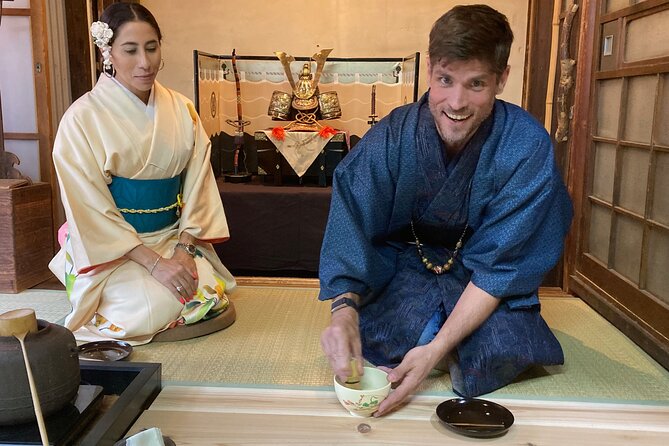
Toku’s role is central here. He shares the background of tea ceremony practice and teaches the etiquette and manners step by step. The experience notes also mention an interesting link between samurai and the tea ceremony, and in this kind of setting, those historical connections often make more sense than they do in a lecture hall.
What you should pay attention to during the ceremony is how every motion has a reason. For example, the order of movements, how you handle utensils, and the pace of serving all reinforce the theme of respect. When the host explains these details in English, you get the meaning behind the actions, not just the choreography.
And it is not one-size-fits-all. One review specifically mentioned that they adapted the ceremony for a participant who could not kneel. That is a good sign for you if you have mobility concerns, because it suggests the host focuses on making the tradition accessible while still keeping the ritual intact.
The matcha lesson: how the ceremony teaches attention
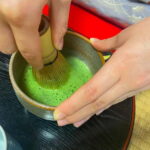
You get a special opportunity to learn how matcha tea is made. In a good tea ceremony, matcha is not just a drink, it is the practice of preparation. In this experience, you are guided through what to do and when, and you learn etiquette alongside the mechanics.
The pace is one of the biggest reasons people rate this highly. Many reviews describe the ceremony as slow, explained carefully, and not rushed. That matters because matcha preparation is sensitive to details, from how the tea is handled to how it is whisked and served.
Here is how you can get the most from the matcha portion:
- Watch the host’s hands before you copy them, then follow the pace they give you
- Ask questions during the pauses, not after the session moves on
- Focus on rhythm, not speed. If you try to hurry, you miss what the steps are teaching
Also, do not assume you will be tasting a wide range of teas. The included tasting is green tea along with Japanese sweets. If your goal is a deep tea tasting flight, you might want to pair this with another tea-focused stop later. If your goal is understanding matcha as a ritual, this format fits well.
What you drink and eat: green tea and Japanese sweets
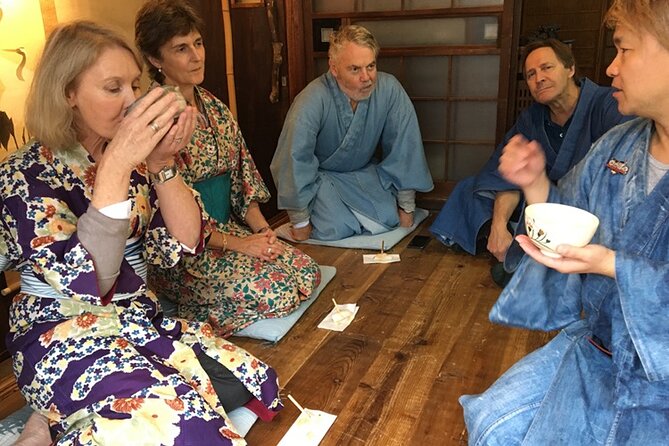
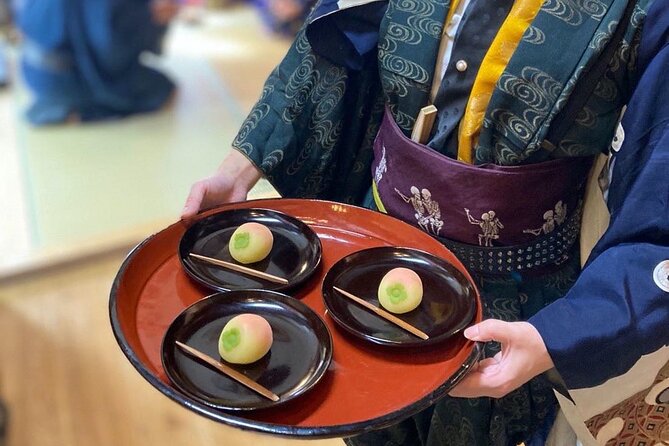
The included experience fee includes the tea ceremony itself, with green tea and Japanese sweets. That pairing is classic for tea time, and it helps you experience matcha in a complete context, not just a quick sip.
This is one reason the ceremony can feel powerful even if you are only drinking one type of tea. The sweets give you a contrast so the matcha flavor and texture feel clearer. And you get to experience how a traditional host manages the sequence of serving, which is part of the etiquette lesson too.
If you are a picky eater or have dietary restrictions, you should plan ahead. The information provided does not mention substitutions, so it is smart to check directly when you book, especially if you need allergy accommodations.
Group size and timing: why 90 minutes feels right here
The duration is about 1 hour 30 minutes, and the group size is capped at six people. That combination is a sweet spot for this kind of activity. Long enough to get dressed, learn the etiquette, and experience the ceremony calmly. Short enough that you are not stuck in a drawn-out performance.
The small group also helps with English instruction. When the host can see everyone, explanations land better. You are more likely to get a real answer instead of a general overview.
Timing detail to remember: you are doing kimono dressing and photos as part of the flow. Several reviews highlight that there is time for photographs, and the hosts are careful about making the experience both meaningful and well captured. If you hate photo time, it is still manageable, but plan on it being part of the rhythm.
Price and value: is $99.10 fair for Kyoto?
At $99.10 per person, this is not the cheapest tea ceremony option in Kyoto. But it can be good value because you are paying for three things at once: the antique kimono rental, the tea ceremony instruction, and the included tea and sweets.
Kimono rentals in Kyoto can cost a lot on their own, especially when the host is handling dressing help and styling. Here, you also get an expert guide with 20+ years of tea ceremony experience, and you are doing it in a calm, low-crowd environment near Katsura Imperial Villa.
So the value question depends on your expectations:
- If you want a calm, respectful tea ceremony with hands-on learning and kimono dressing included, the price starts to make sense
- If you are mainly hunting for lots of different tea tastes, or you want a more energetic, add-on-heavy workshop, you may feel it is pricey for what you get
That aligns with the one more critical review theme: if you expect a lot more tasting variety or more extensive matcha making time, you might be disappointed. If you expect a focused ritual with instruction, it is much easier to feel satisfied.
Who should book this Kyoto kimono and matcha experience
This fits best for you if:
- You want an English-friendly tea ceremony with real etiquette teaching
- You care about kimono styling and enjoy antique or traditional clothing
- You like small, family-run experiences more than bus-like group tours
- You want matcha as a ritual, not a rushed beverage stop
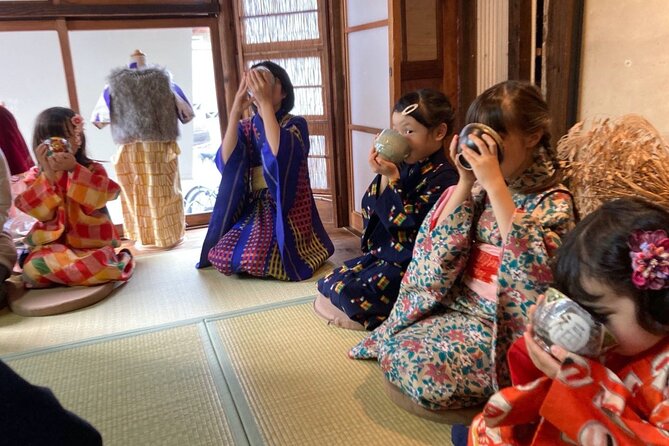
It also works for families in a practical way. One review mentioned that the hosts handled kids well, and another mentioned the ceremony being adapted for someone who could not kneel. If you are traveling with a child, this is the kind of setting where slow instruction can help everyone keep up.
If you are the type who needs constant action, this may not be your best match. The ceremony is solemn and paced on purpose. It is about attention and respect, not speed.
Should you book this antique kimono and matcha ceremony?
Yes, I think you should book it if your priority is a calm, authentic-feeling tea ceremony with antique kimono included and instruction from Toku and his family in English. The small group size, the quiet Katsura area setting, and the slow, step-by-step approach are exactly what make this kind of experience worth repeating in memory.
But book with the right expectations. You are getting green tea and Japanese sweets, not a multi-tea flight, and the focus is ritual etiquette rather than an extended tasting marathon. If that sounds like your idea of a great Kyoto morning or afternoon, you will probably love the experience. If you want maximum variety and maximum activity, you may want to look for a different tea format.
FAQ
How long is the antique kimono and tea ceremony experience?
It runs about 1 hour 30 minutes.
Is the experience offered in English?
Yes, the tea ceremony experience is available in English.
What is the group size?
The experience is capped at a maximum of 6 travelers.
What is included in the price?
The price includes the antique kimono rental fee and the tea ceremony experience fee, with green tea and Japanese sweets.
What is not included?
Lunch and dinner are not included.
Where do I meet for the tour?
You start at Miyagawa Tokusaburo shoten, 32-4 Katsuranozatochō, Nishikyo Ward, Kyoto, 615-8073, Japan. The activity ends back at the meeting point.
Can I cancel and get a full refund?
Yes, you can cancel for a full refund up to 24 hours before the experience starts. If you cancel less than 24 hours before, the amount paid is not refunded.
More Tour Reviews in Kyoto
Not for you? Here's more nearby things to do in Kyoto we have reviewed




Kyoto Tea Ceremonies, compared.
 ★ 4.9Tea Ceremony in a Traditional Tea House in KiyomizuFrom $493,519 reviews
 ★ 4.9Tea Ceremony Ju-An at Jotokuji TempleFrom $293,207 reviews
 ★ 4.345-Minute Tea Ceremony Lesson ExperienceFrom $222,378 reviews
 ★ 5.0World Heritage Kyoto & Nara Uji Authentic Matcha ExperienceFrom $1291,573 reviews
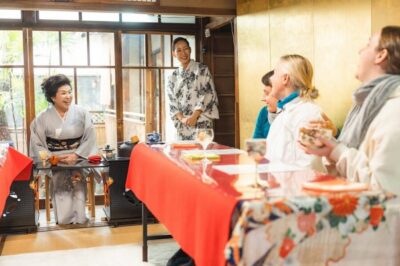 ★ 4.9Table-Style Tea Ceremony at a Kyo-MachiyaFrom $451,211 reviews
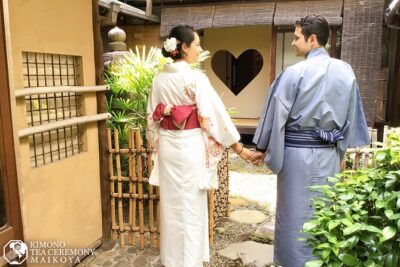 ★ 5.0Kimono Tea Ceremony at Kyoto Maikoya, NISHIKIFrom $65911 reviews
 ★ 5.0Arashiyama Bamboo Forest, Monkeys, Matcha & Temple TourFrom $53759 reviews
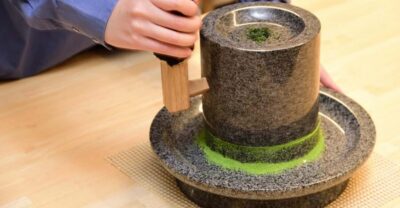 ★ 4.9Tea Museum Tickets and Matcha Grinding ExperienceFrom $23739 reviews
Browse the lists this tour appears in