
Reviewed · KYOTO TEA CEREMONIES
Kyoto: Tea Museum Tickets and Matcha Grinding Experience
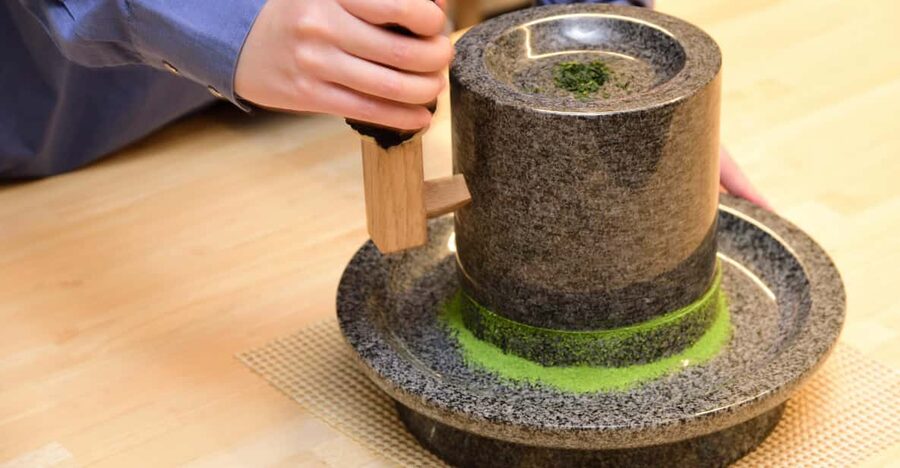
Matcha starts with your hands. In Uji at Chazuna, you grind tea leaves into powder, then learn how to whisk and brew matcha properly. I like that the workshop is hands-on, and I also like the interactive museum that turns tea history into something you can actually touch.
There is one timing catch to keep in mind. You need to arrive a bit early, because they will not let you join after the start time passes by about 30 minutes.
Key Highlights You Should Care About
- Tea grinding with an instructor-led tea mill step-by-step
- Museum entry included, with touchable displays and a 4K screen
- Uji tea basics explained in a way that feels quick and clear
- Your matcha to drink, made from scratch on the spot
- 2:45 p.m. summer ice cream ritual, when that option is running
Chazuna in Uji Tea Town: Why This Feels Like More Than a Tasting
Uji is the part of Kyoto you can slow down in. It has that tea-town rhythm, where you’re not just sampling matcha, you’re learning why Uji tea matters and how it gets from leaf to cup.
Chazuna is set up so the experience flows like a mini lesson. You start with the museum side, then you move right into the action at the tea mill. I like that the format respects your time, because you get real participation without dragging on for hours.
The best part is that this doesn’t feel like a souvenir factory. The workshop emphasizes technique and sensory cues, from the smell of freshly brewed matcha to how the powder behaves when you whisk it.
You can also read our reviews of more tours and experiences in Uji.
Getting There from Uji Station Without Stress
Plan for a short walk. From Uji Station on the Keihan Uji Line, it’s about a 4-minute walk to the Chazuna meeting point. If you’re coming from the JR Nara Line South Exit, expect about a 12-minute walk.
If you’re driving from Osaka, you’ll exit at Keiji Bypass Uji Nishi IC, then follow a side road toward Uji for about 10 minutes. From Tokyo or Nagoya, take Keiji Bypass Uji-higashi IC Exit, turn left at the traffic light, and drive about 3 minutes.
The practical takeaway: build in walking time. Uji stations are close, but it’s still easy to lose 10 minutes when you’re hunting for the right entrance to a specific park area.
Meeting Point: 1F Reception at Chazuna (Don’t Miss It)
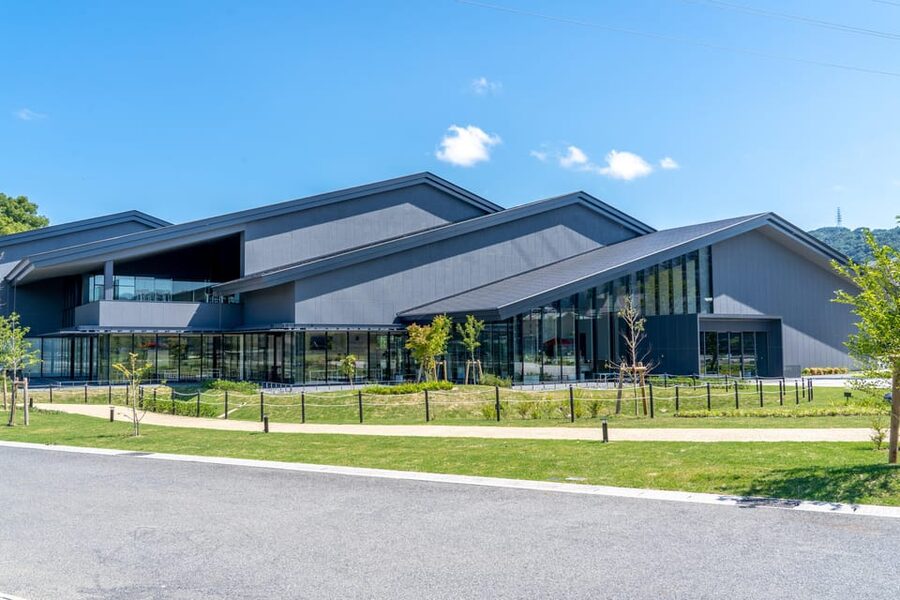
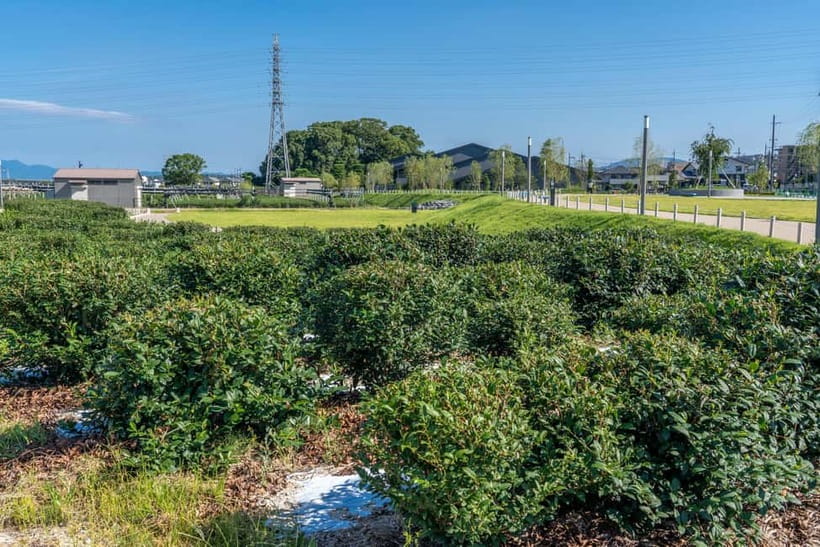
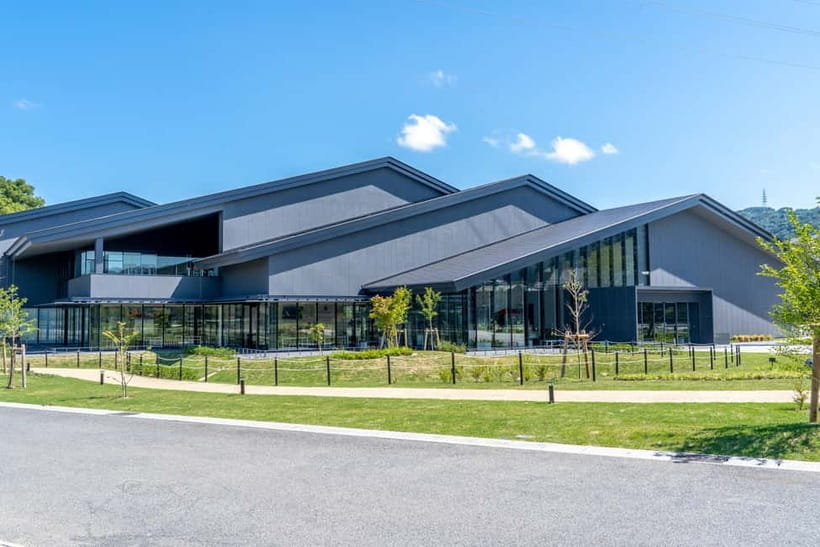
This is one of those experiences where location detail really matters. You meet at the 1F reception area at Chazuna, inside the Historical Park of Tea and Uji Town.
Aim to arrive early, because they ask you to be there 15 minutes before your reservation. They also set a hard cutoff, if you are late by about 30 minutes after the start, you won’t be allowed to join, since it disrupts the flow for other guests.
If you want this to feel calm instead of rushed, treat the arrival window like part of the experience, not as an admin task.
The Chazuna Museum: 10-Yen Coin Welcome and Touchable Tea Learning
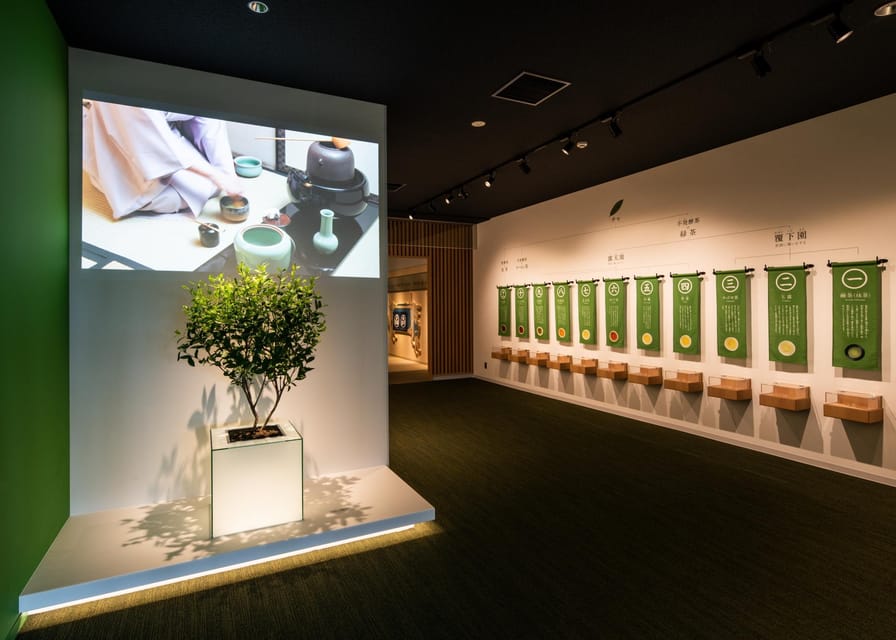
Before you grind anything, you’ll get oriented in the museum. The History Room starts with a dramatic welcome, a huge 10-yen coin featuring the Byodoin Phoenix Hall.
Then the museum shifts from “look and read” to “interact and understand.” You’ll see digital exhibitions with touchable elements, including a large 4K HDTV screen showing modernized townscape drawings, sometimes called Meisho-zue.
I like this approach because it gives you context fast. Instead of guessing why Uji tea has its own identity, you get an explanation you can hold in your head while you’re later smelling and whisking matcha.
The museum also helps you spot what you’re seeing. When you go from leaf to powder later, you’ll understand the production story and what makes Uji tea distinct.
Tea Mill Grinding: Your Hands, the Powder, and the Garden View
After the museum orientation, you move into the core workshop. This is the moment matcha fans tend to remember most because you do the work yourself.
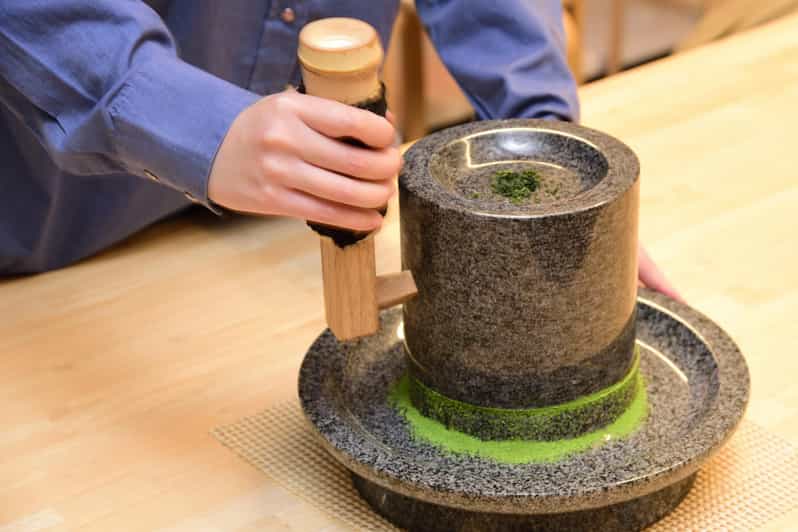
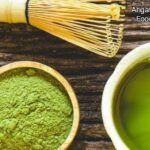
You grind tea leaves using a tea mill, turning them into matcha powder. The setup includes a view of tea fields and gardens, so the experience doesn’t feel like you’re trapped indoors. Even if you’re not a tea expert, you can tell this is made to slow you down and focus.
The instructor guides you through the steps, and they also explain the purpose behind what you’re doing. In the class, you’re not just stirring something random, you’re learning how the texture and smell should change as the leaves break down.
If you care about authenticity, pay attention to the way instructors explain technique and the small etiquette moments, including the idea of blessings that goes along with the ritual.

Brewing Matcha the Instructor Way (and Not Just Random Whisking)
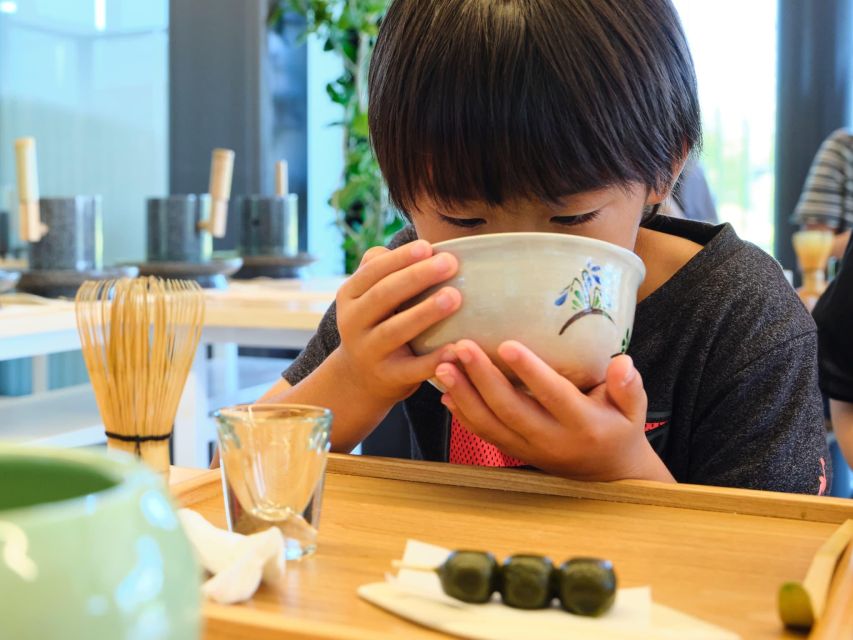
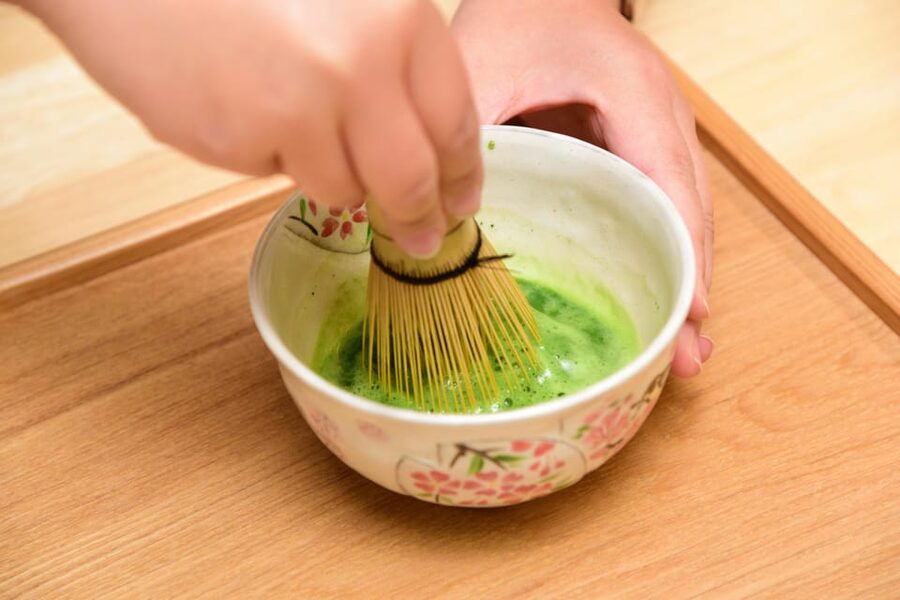
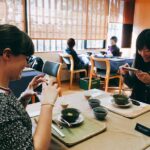
Once your powder is ready, you’ll learn how to brew matcha. A Japanese tea instructor leads you, with English support, and they walk you through what to do next so you get a drink that makes sense.
In practice, the class goes beyond pouring. You’ll follow instructions on how to prepare your cup, and you’ll learn what to expect when you whisk, including how the mixture changes as it comes together.
This part is where clear teaching really shows. Many sessions highlight instructors such as Hideko, Keiko, Yano-san, and Sukimoto for being friendly and for keeping the pace comfortable. You get the sense they are there to help you succeed, not just watch you try.
When you’re done, you taste what you made. That matters, because grinding your own matcha makes every sip more intentional.
What You’ll Taste: Fresh Matcha and the Classroom Pairings
Your matcha experience is built to hit the senses, not just the taste buds. You’ll smell the freshly prepared matcha, then you’ll drink what you produced.
Some people also mention sweet pairings alongside the matcha, and the workshop can feel like a small, guided tea break at the end. The key point is that your cup isn’t theoretical, it’s your result from the grinding step.
If matcha is your thing, this is a good use of a short trip window. A 1-hour format keeps it realistic even on busy sightseeing days.
The 2:45 p.m. Summer-Only Ice Cream Moment
There is a special seasonal option if you book the timing that runs in summer. At 2:45 p.m. only, the restaurant offers a cool treat where you pour your ground matcha over ice cream.
The experience includes both pouring and eating, and you’ll even drink it. If you’re in Uji during summer and you can align with that slot, it turns your matcha powder into something playful and memorable.
If you’re traveling in other seasons, don’t plan around the ice cream piece. Treat it as an extra perk that only appears in that summer time window.
Price and Value: Why $23 Works in Real Life
The price is $23 per person, and on paper it can look simple. But here’s why it feels fair: you’re paying for the workshop plus museum entry, and you’re getting live instructor help.
You’re not just tasting matcha from a counter. You grind the leaves yourself, then you learn the brewing technique, then you drink your own matcha. That’s a lot of “doing,” in only about an hour.
The museum ticket included is another value factor. The museum is short, but it provides the context that makes the workshop more meaningful. Without that, matcha grinding can feel like a fun activity without much payoff.
For solo travelers, couples, and small groups, it’s also easy to justify because the class format tends to feel personal. People frequently mention close attention and patient guidance during the steps.
Best Time to Fit It Into Your Uji Day
This works well as a first stop or a midday reset. The workshop ends quickly, so you can still use the rest of your time to explore around Uji.
Uji is also a great walkable town day, and this location sits inside the Historical Park of Tea and Uji Town area. After your matcha, you can pivot to nearby sights without feeling like your schedule got eaten.
If you’re coming from Kyoto for the day, try to book a slot that won’t cut too close to your return plans. The difference between arriving early and arriving late is the difference between a smooth start and a missed session.
Who This Workshop Suits (and Who Might Skip)
This is a strong pick if you want matcha the hands-on way. If you like tea culture, you’ll enjoy the way the museum supports the workshop, and the grinding step gives you a skill you can remember.
It also fits families and mixed-age groups. Many accounts describe it as fun, interactive, and guided with patience. The experience is listed as wheelchair accessible, which is a good signal for comfort and layout.
You might skip it if you only want a quick sip and don’t care about making. If you’re not interested in grinding, whisking, and learning basic preparation, you may prefer a simple cafe tasting where you can spend less time in one structured room.
Practical Tips That Make Your Session Smoother
First, show up early enough to settle in. Arriving 15 minutes ahead gives you breathing room, especially if you’re walking in from the station.
Second, pay attention to the instructor’s pacing. When instructors name steps clearly and correct technique, it helps your matcha come out right. In several sessions, instructors like Hideko, Keiko, Yano-san, and Sukimoto are praised for being friendly and funny, but the real value is how they guide the hands-on parts.
Third, plan a little curiosity. If you take a few minutes in the museum to understand the basic Uji tea story, your grinding step will feel less random and more connected.
Should You Book This Chazuna Matcha Grinding Experience?
Book it if you want hands-on matcha plus museum context in a tight 1-hour window. The value is strong for the price, because you get instructor help, grinding practice, and your own cup to drink, plus museum entry at the same site.
Skip it only if you’re mainly after a quick taste and you dislike structured activities. Otherwise, this is one of the more practical ways to turn Uji tea from an idea into a real sensory experience.
If you can align with the summer timing, the 2:45 p.m. ice cream option adds a fun extra moment. And even outside summer, the core workshop delivers what matcha fans usually want, your own powder, your own whisking, and a clear explanation of how Uji tea fits into the bigger picture.
FAQ
Where is the meeting point for the matcha grinding experience?
You meet at the 1F reception area at Chazuna, located in the Historical Park of Tea and Uji Town.
How long does the experience take?
The duration is 1 hour.
What’s included in the ticket price?
It includes a Chazuna Museum ticket, the matcha making experience, and an instructor.
Which languages are offered during the class?
The instructor provides Japanese and English.
What time do I need to arrive?
Please arrive 15 minutes before your reservation time and check in at the reception counter.
What happens if I’m late?
Under any circumstances, entry or participation is refused if you arrive after 30 minutes from the start time.
Where is Chazuna relative to Uji Station?
It is about a 4-minute walk from Uji Station on the Keihan Uji Line, or about a 12-minute walk from the South Exit of Uji Station on the JR Nara Line.
Is there a summer-only option during the experience?
Yes. At 2:45 p.m. only in summer, you can pour your ground matcha over ice cream and also drink it.
Can I cancel for a refund?
Yes. Free cancellation is available up to 24 hours in advance for a full refund.
Is this experience wheelchair accessible?
Yes, it is wheelchair accessible.
More Tour Reviews in Uji
Not for you? Here's more nearby things to do in Uji we have reviewed
Kyoto Tea Ceremonies, compared.
 ★ 4.9Tea Ceremony in a Traditional Tea House in KiyomizuFrom $493,519 reviews
 ★ 4.9Tea Ceremony Ju-An at Jotokuji TempleFrom $293,207 reviews
 ★ 4.345-Minute Tea Ceremony Lesson ExperienceFrom $222,378 reviews
 ★ 5.0World Heritage Kyoto & Nara Uji Authentic Matcha ExperienceFrom $1291,573 reviews
 ★ 4.9Table-Style Tea Ceremony at a Kyo-MachiyaFrom $451,211 reviews
 ★ 5.0Kimono Tea Ceremony at Kyoto Maikoya, NISHIKIFrom $65911 reviews
 ★ 5.0Arashiyama Bamboo Forest, Monkeys, Matcha & Temple TourFrom $53759 reviews
 ★ 4.9Kimono Tea Ceremony at Orizuruya GionFrom $49618 reviews
Browse the lists this tour appears in