
Reviewed · ARASHIYAMA & BAMBOO GROVE TOURS
Arashiyama Walking Tour with Optional Sagano Romantic Train Ride
Arashiyama has a way of feeling like Kyoto turned the volume down, then turned it back up with views. This 4-hour walking route is built around the area’s top icons, from the Arashiyama Bamboo Forest to UNESCO-listed Tenryu-ji, and it includes an English-speaking guide to help you move fast without missing the good stuff. If you’re visiting in fall, the optional Sagano Romantic Train is a nice add-on for maple-season scenery.
I really like two things about this tour. First, you get great structure for a half-day, with just enough time at each stop to enjoy it instead of rushing through. Second, Tenryu-ji admission is included, so you can spend your energy on temples and gardens, not ticket math.
One possible drawback: there’s no hotel pickup, and the tour also depends on weather. If you’re hoping to do this day with zero walking or you’re visiting on an iffy forecast, plan a little extra buffer.
Key highlights at a glance
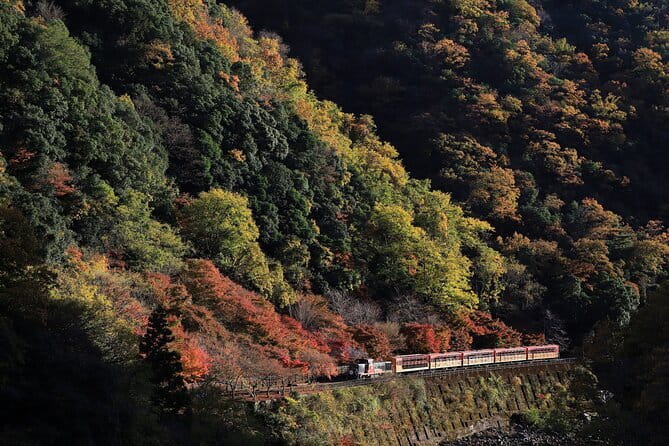
- Optional Sagano Romantic Train (about 25 minutes on the rails), a classic scenic add-on
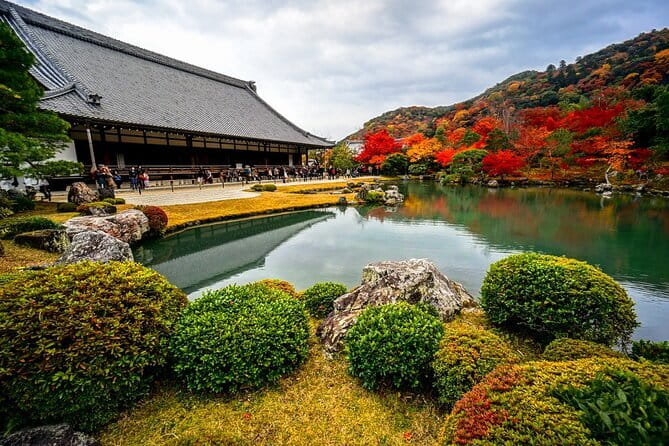
- Tenryu-ji Temple included (UNESCO World Heritage), with Zen gardens and historical sights
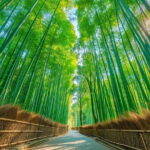
- Arashiyama Bamboo Forest time (about 45 minutes) to actually enjoy the grove
- Photo-friendly Togetsukyo Bridge break, timed for good viewing
- Local culture stop at Mikami Shrine, dedicated to the God of Hair
- Small-group feel with a private setup for your group
Arashiyama in 4 hours, without the headache
If you only have part of a day in Kyoto, Arashiyama is a smart target. This tour keeps you focused on the main sights that most people come for, but it does it with enough time at each place that the day doesn’t feel like a checklist. You start and end at Arashiyama Station, which is helpful because you can build the rest of your day around that easy access.
The pace is built for walking, not bouncing around by car. You’ll spend your energy where it matters most: the bamboo grove, the temple gardens, and the bridge viewpoints. I also like that the guide is English-speaking, since small context changes everything at temples and shrines, where labels alone don’t explain the vibe.
You’re also getting a private tour setup, meaning it’s only your group. That matters because you can ask questions without shouting over a big crowd, and the guide can adjust slightly to how your group is moving.
You can also read our reviews of more tours and experiences in Kyoto Prefecture.
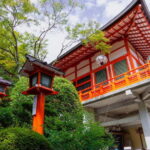

Should you add the Sagano Romantic Train?
The optional Sagano Romantic Train is the kind of Kyoto experience that feels made for photos, but it’s also about the ride itself. The train portion is listed as a 25-minute journey, with about 50 minutes allocated total at that stop. Since the train ticket is not included unless you pick the train option, you’ll want to confirm your exact add-on before you go.
Why it’s worth considering: during maple season, the route through the scenic area is especially good. Even if you’re not traveling for fall, it’s a fun, nostalgic break from walking. And because the tour already has a tight schedule, adding the train can feel like “best of both worlds,” scenery on rails plus the rest of Arashiyama on foot.
One practical note: because the train ticket isn’t included by default, this is one of those “value depends on your choice” moments. If you’re the type who likes one iconic transit experience, the add-on is usually a good use of money. If you’d rather spend that budget on snacks or extra time in the bamboo grove, skipping the train still keeps the day strong.
Mikami Shrine and the God of Hair stop
Not every Arashiyama plan includes a shrine that feels specific. Mikami Shrine does, and it’s dedicated to the God of Hair, which is a very Kyoto kind of detail. You’ll spend about 20 minutes here, and since admission is free, it’s low-cost, quick context.
This stop is also a nice way to break up the day. You go from the station area into a spiritual site where you can slow your head for a minute and watch how the place is used. Shrines in Japan often come with daily routines and quiet rituals, and even without deep background, you’ll get more from it when someone explains what to look for.
If you want a simple travel win, this is it. You’re not paying for an extra attraction. You’re getting a cultural anchor that makes the rest of the day feel more rooted in local life.
Walking the Arashiyama Bamboo Forest (45 minutes you can actually enjoy)
The Arashiyama Bamboo Forest is the main event for a reason. You’ll have about 45 minutes to walk through the grove, and that time matters. Too short and it becomes a photo sprint. Too long and you start to wonder what you’re doing there. This schedule hits the sweet spot, letting you enjoy the stillness and not just capture an image.
What makes this bamboo walk special is the contrast. Outside, Arashiyama can feel like a busy sightseeing zone, but inside the grove the sound level drops and the vertical rhythm takes over. It’s also one of those places where photos help, but walking slowly helps more.
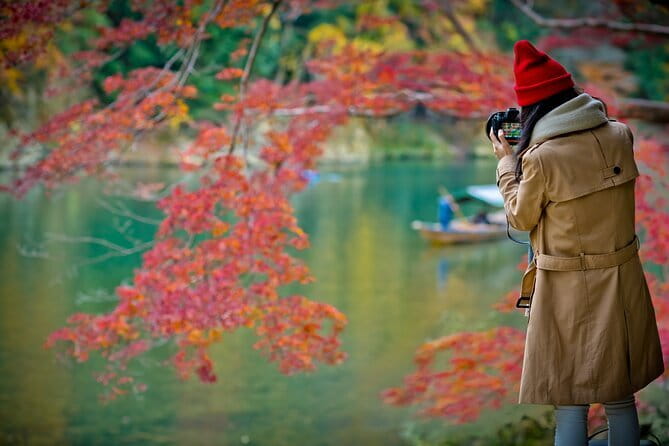
If you care about photos, here’s how I’d use your time: spend your first minutes getting your bearings, then go back through with a calmer pace for angles and composition. The tour guide can also help you avoid getting stuck at the busiest viewpoints for too long, so you keep the flow.
Tenryu-ji Temple, UNESCO gardens done right
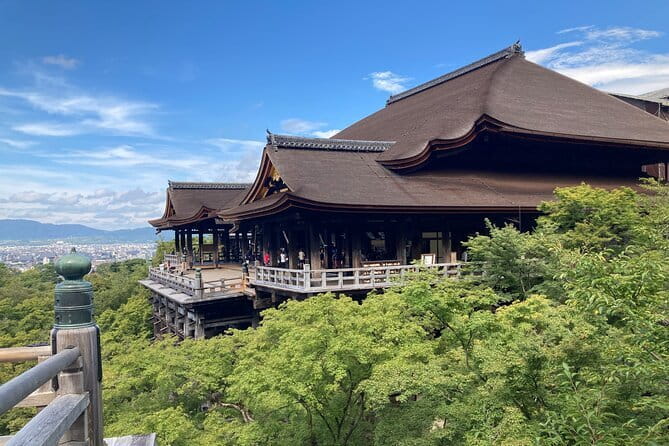
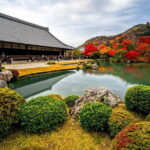
Tenryu-ji is the stop that usually decides whether an Arashiyama day feels like sightseeing or actual travel. This is listed as a UNESCO World Heritage site, and it’s known for its Zen gardens and historical significance. You’ll get about 30 minutes here, and the admission is included, which is a small but real value boost.
Thirty minutes at a major temple can be either great or frustrating, depending on how you approach it. With a guide, you can focus on the most meaningful parts instead of wandering in circles. You’ll also learn what to pay attention to in the gardens, which often means you notice details you’d otherwise miss.
Tenryu-ji also makes a good emotional shift in the itinerary. After the bamboo, the temple feels grounded and intentional. You’re not just seeing nature as scenery, you’re seeing how people shaped nature into a space for contemplation.
If you’re someone who enjoys gardens, this is your anchor stop. If you’re not, you’ll still leave with a better appreciation of why Tenryu-ji is on people’s Kyoto must lists.


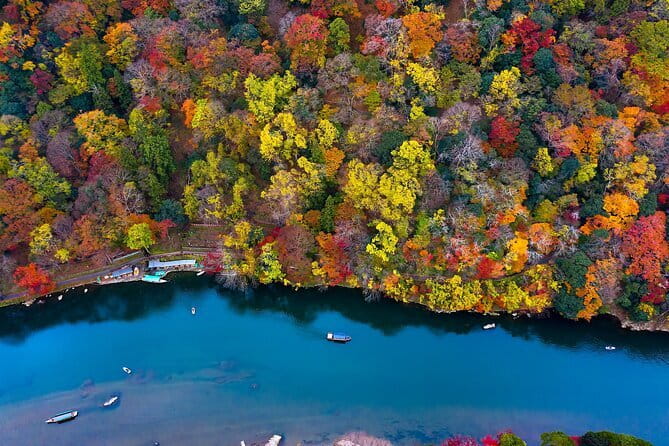
Togetsukyo Bridge for photos and a breather
Togetsukyo Bridge is where Arashiyama turns scenic and postcard-simple. You’ll spend about 30 minutes here, and admission is free. This is your chance to capture the broad views and let your legs reset before the final stretch.
I like this part because it’s flexible. If you’re a photographer, you can work different angles and take your time. If you’re more about just enjoying the view, you can stand, breathe, and watch how the day moves around you without needing to rush.
Also, the tour puts this bridge stop after Tenryu-ji, which works. You get the calm of the gardens, then you get the open-air panorama. That pacing keeps the day from getting mentally heavy.
Arashiyama Park and the Kameyama area wind-down
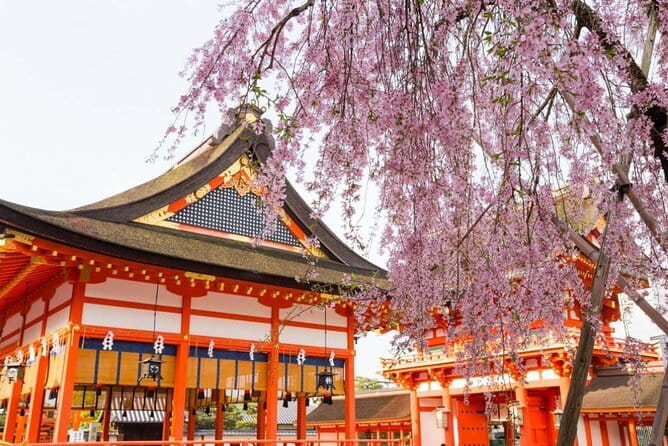
The final leg is Arashiyama Park in the Kameyama area, about 30 minutes. This is where you stop “doing” and start relaxing. Admission is free, and it’s a good choice to keep the day from feeling like constant standing in lines.
Why this finish works: many Kyoto half-days end with one last big sight that leaves you tired and drained. This itinerary ends with a more open, slower-feeling space. You can use the time to regroup, take a few final photos, and make your next plan easy.
If you’re pairing this with dinner or another neighborhood activity, the ending matters. You’ll be closer to your next steps at the right time, instead of dragging yourself out of Arashiyama while still mentally stuck in a temple.
The guides make or break a day like this

This tour has a strong track record for guide quality, and you’ll feel it most in the small moments. Reviews highlight guides like Maru-san and Yuko for being helpful beyond just the scripted stops. Maru-san, for example, shared restaurant recommendations and sightseeing tips when the group mentioned they were heading to Osaka afterward. That’s the kind of practical local help that makes the day feel connected, not isolated.
Yuko is praised for answering questions and keeping the information clear, which is exactly what you want when you’re bouncing between shrine, bamboo, gardens, and viewpoints. Another guide named Kats is mentioned for being insightful and helping visitors see many sites in a short amount of time, with focus on enjoying the fall colors.
In other words: you’re not just paying for transportation between stops. You’re paying for a smoother experience, where you get context fast and you spend more of your time looking, not wondering.
Price, value, and what you should budget for
The tour price is listed at $115.00 per person, and it’s about a 4-hour experience. For many people, the biggest value question is what’s included and what’s optional.
Included:
- English-speaking tour guide
- Entrance fees to Tenryu Temple
Not included:
- Meals and drinks
- Personal expenses
- Sagano Romantic Train ride unless you select the train option
This setup is pretty fair for the type of route you’re getting. You have multiple major stops, and one of them, Tenryu-ji, has admission included. That helps offset the overall cost compared to a pure walking tour where you pay everything yourself at the gate.
The optional train is where your real budget decision lives. If you choose the train, your day costs more, but you gain a distinct experience with maple-season scenery. If you skip it, you’re still getting a highly concentrated Arashiyama day anchored by bamboo, Tenryu-ji, and Togetsukyo Bridge.
Also, the tour offers group discounts and a mobile ticket. Those details don’t sound glamorous, but they can reduce friction when you’re managing a busy day in Kyoto.
Logistics that matter: meeting point, timing, and pace
You meet at Arashiyama Station and end at the same location. That’s a big convenience win, especially if you plan to continue elsewhere after your tour. There’s also no hotel pickup, so you’ll want to get yourself to the station on your own.
The tour is near public transportation and is described as suitable for most travelers. It’s a private tour for your group, which usually makes the pacing feel less chaotic.
Timing-wise, the itinerary is built around short, focused visits:
- Train stop with about 50 minutes allocated total, including the 25-minute ride
- Mikami Shrine for about 20 minutes
- Bamboo Forest for about 45 minutes
- Tenry-ji for about 30 minutes
- Togetsukyo Bridge for about 30 minutes
- Arashiyama Park for about 30 minutes
With weather in play, this kind of schedule is efficient. If conditions are good, you get a clean, satisfying half-day. If conditions are rough, you’ll want to be flexible since the experience requires good weather.
Who this Arashiyama tour fits best
This tour fits best if you want a concentrated Arashiyama day without spending hours figuring out your route. I’d point it toward you if:
- you have only half a day and want the key sights handled
- you enjoy temple gardens as much as photo stops
- you like the idea of adding a scenic train ride during fall color season
- you prefer having context from an English-speaking guide, not just signs
It may be less ideal if:
- you need hotel pickup or want a fully car-based day
- you’re traveling with a very inflexible schedule and the weather forecast is questionable
- you don’t like organized group timing, even if it’s private
The good news is that Arashiyama is built for this kind of walking. The stops are compact enough that you can feel like you actually experienced the place, not just passed through it.
Should you book this Arashiyama tour?
I’d book it if you want the essentials done well, with Tenryu-ji included, solid guide help, and a schedule that makes sense for a 4-hour window. The optional Sagano Romantic Train is a smart choice when you’re traveling during maple season, and even outside fall it’s still a fun break from walking.
If your priority is maximum spontaneity, you might prefer to build Arashiyama on your own. But if you want less stress, clearer context, and a tighter day plan, this tour is a strong value at $115 per person. Just remember to budget for meals and decide early whether you want the train add-on, since that’s the only major variable.
More Tours in Kyoto Prefecture
More Tour Reviews in Kyoto Prefecture
Not for you? Here's more nearby things to do in Kyoto Prefecture we have reviewed




Arashiyama & Bamboo Grove Tours, compared.
 ★ 4.8Fushimi Inari, Kinkakuji, Bamboo Grove 1 Day Bus TourFrom $1224,316 reviews
 ★ 4.1Osaka/Kyoto:Kinkakuji,Arashiyama,FushimiInariShrine,NaraParkFrom $661,596 reviews
 ★ 4.7Kyoto/Osaka: Nara, Fushimi Inari Taisha, Arashiyama Bus TourFrom $521,275 reviews
 ★ 5.0Kyoto Arashiyama Walking Tour: Bamboo, Monkeys, Gardens & SecretsFrom $651,216 reviews
 ★ 4.8Arashiyama Bamboo, Temple, Monkeys, or Secret Sake BreweryFrom $87886 reviews
 ★ 5.0Arashiyama Bamboo Forest, Monkeys, Matcha & Temple TourFrom $53759 reviews
 ★ 4.4Osaka/Kyoto: Arashiyama, Nara & Fushimi Inari Shrine w/LunchFrom $61754 reviews
 ★ 5.0Nijo, Kinkaku-ji, Arashiyama, Kiyomizu & Fushimi InariFrom $51699 reviews
Browse the lists this tour appears in