
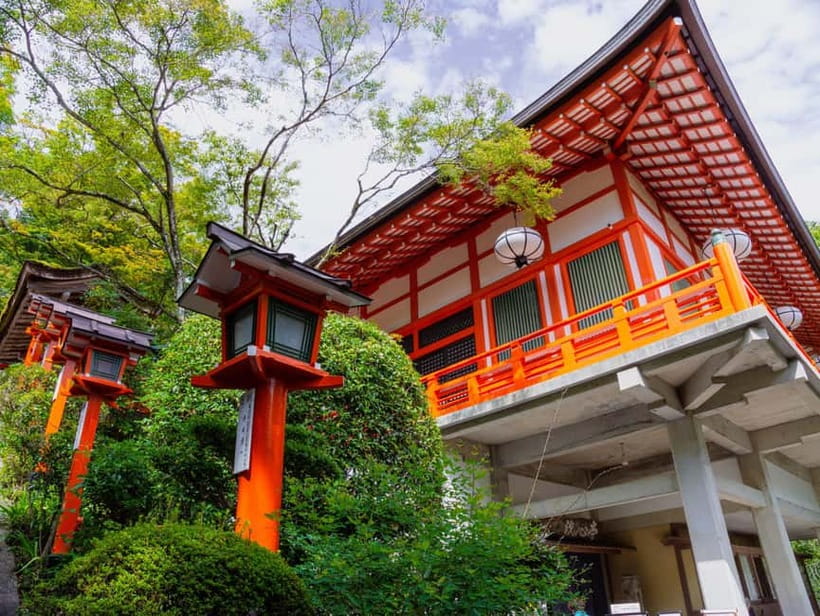
Reviewed · KURAMA, KIBUNE & KYOTO COUNTRYSIDE
Kyoto: Hike and Hot Springs in Kurama
Kyoto gets quiet on this mountain hike. I love the rustic train ride through the gorge and the Kurama Temple views from the top, but you should expect real steps and a moderate climb. It is energizing, then calming, especially when the village air feels a world away from downtown crowds.
I also like how this tour keeps things human and flexible. Guides such as Philippe, Chris, and Salome are repeatedly praised for sharing history and legends, and for adjusting the pace when your group is moving slower or wants more time at Kurama.
One practical note: the hot spring is the best finish, but it is not included in your $80 price, and lunch is up to you in Kurama. If you want the full reset, budget extra for that soak and plan your timing around it.
Key Highlights You Will Actually Feel
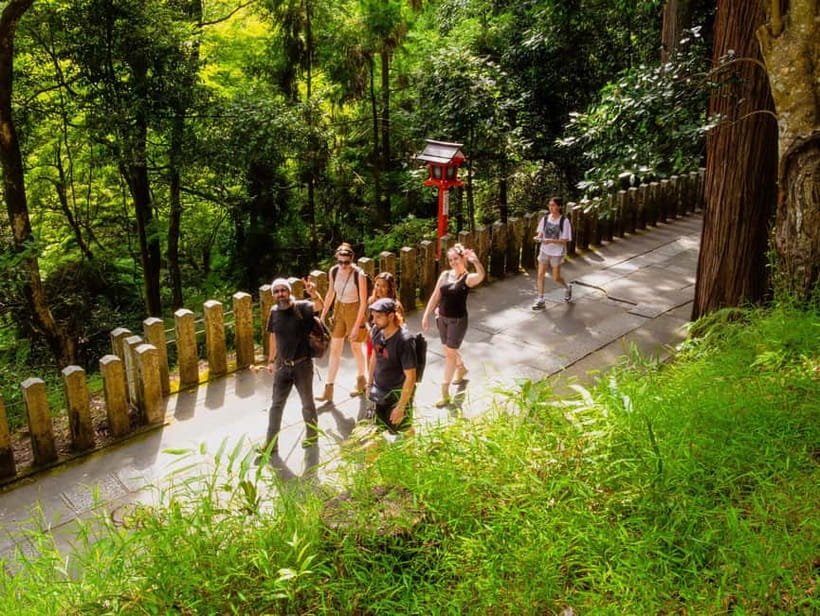
- A mountain train ride that drops you into a more rural Kyoto mood fast
- Ancient forest hiking with plenty of stops for viewpoints and trail moments
- Kurama Temple on a mountaintop “power spot” where the valley views land hard
- Kibune shrine and a relationship prayer that adds meaning beyond sightseeing
- Kurama village downtime for lunch, strolling, or just slowing down
- Hot spring option at the end that makes the climb feel worth it
Kyoto’s Mystic North: Kurama and Kibune in Half a Day
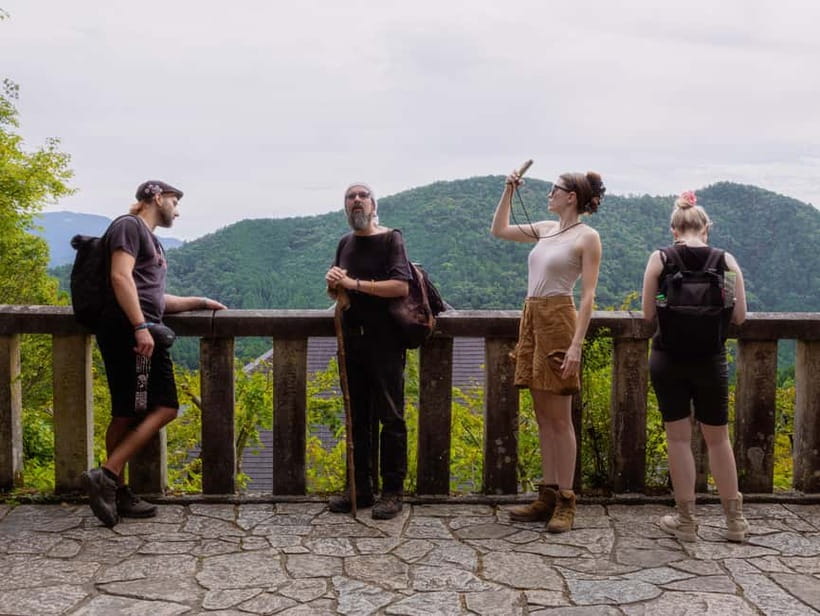
This is not a “run around temples” half-day. It feels more like you’re stepping into the quieter, myth-heavy spine of Kyoto’s north, where shrines, cedar forests, and river gorges set the tone. You start with sacred places, you earn your views with a climb, then you cool down in Kurama’s hot spring.
The best part is the rhythm: up to the temple for a focused, spiritual stop, then down into the village for breathing room. You’ll also get that classic Kyoto contrast, mountain air and ancient wood right next to the city you came from.
If you want a tour that changes your pace, this one does. It is short enough to fit in a busy Kyoto schedule, but it feels like an actual break, not a quick photo stop.
You can also read our reviews of more tours and experiences in Kyoto Prefecture.
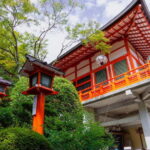

From Demachiyanangi Station to the Mountains: the Ride That Sets the Mood
Your tour begins at Demachiyanangi Station exit 7, in front of the Eizan railway. From there, you take a pleasant train ride out toward the mountains and the scenic gorge area. This matters because it stops the day from feeling like you’re just teleporting from one spot to the next. The ride gives you time to shift gears, out of city noise and into the slow tempo of rural Kyoto.
Once you’re dropped into the natural setting, the hike becomes part of the story, not just a workout. Reviews repeatedly call out the gorge train atmosphere, and a couple of people even mention surprise weather like light snow on a bright day. So yes, bring a flexible mindset: crisp air, changing conditions, and a trail that feels alive.
It is also a practical win for timing. Your total duration is 4 hours, and you’re not spending half the day stuck in transfers.
The Forest Approach: Steps, Shrines, and Why the Trail Feels Sacred
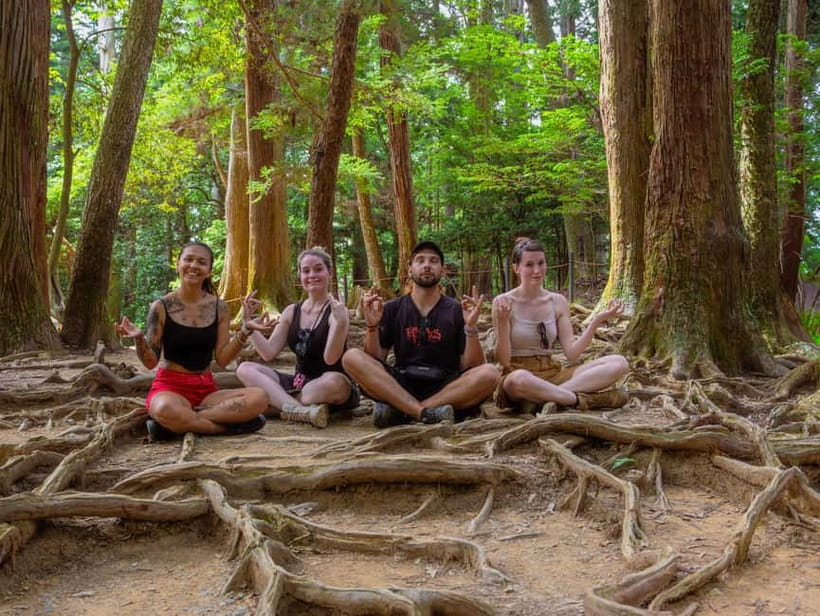
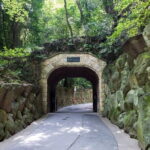
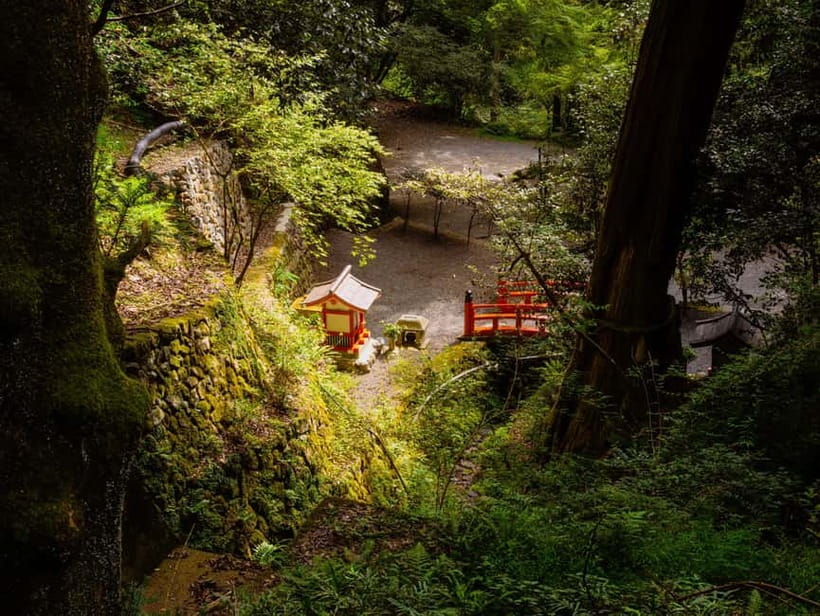
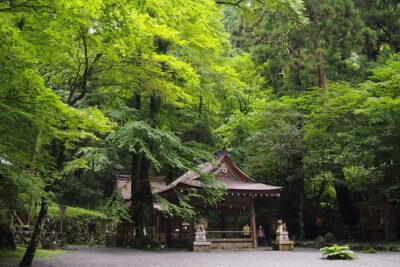
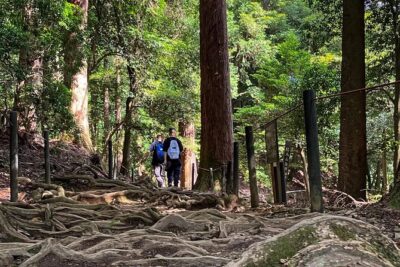
You begin the hike at a sacred shrine, then follow a scenic trail that climbs through an ancient forest with towering cedars. The setting is along a legendary river area, which is a nice detail because it explains why this route feels tied to Kyoto’s spiritual geography, not just scenery.
The climb to the peak is described as moderate, and the peak can be reached within 30 to 40 minutes. That is a key point for planning. You do not need to be a marathon hiker, but you should be comfortable with sustained uphill steps and taking breaks when the guide suggests them.
The forest trail also rewards patience. Expect multiple stops for views and features unique to the route. In real-world terms, that means your pace is unlikely to feel punishing if you’re following the group and taking short pauses. One review even mentions deer on the way up, which is a reminder that this path can feel more like a nature walk than a chore.
Tip from the tour guidance: wear long pants if you want to avoid bug bites. Pack water, and bring comfortable shoes. This is the kind of tour where foot comfort makes or breaks the enjoyment.
Kurama and Kibune: Two Sacred Stops, Two Different Moods
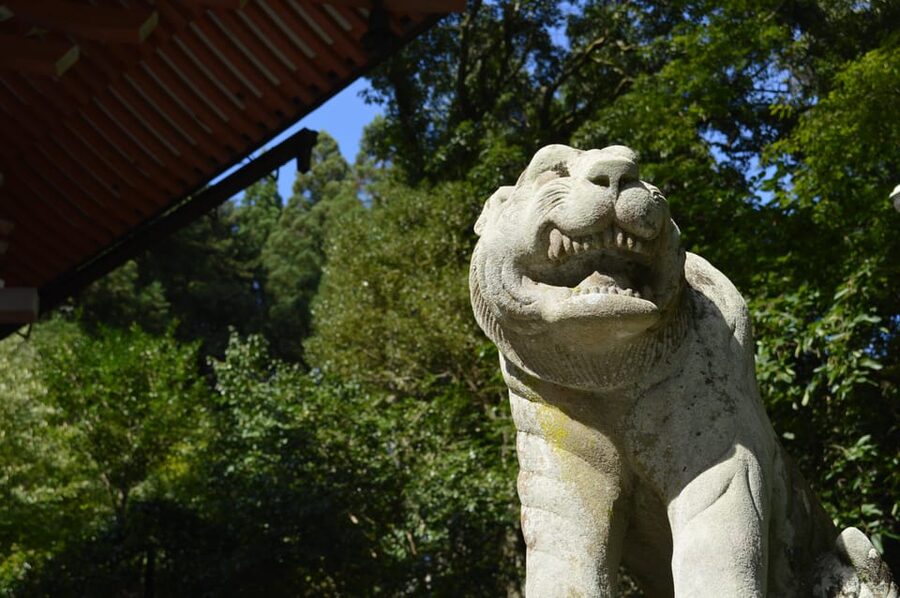
This tour blends both Kurama and Kibune, and they give you two distinct “why it matters” moments.
Kibune shrine is where you make a prayer for good relationships. That can sound like a simple ritual, but the value is in the intention. You’re not just checking a box. You’re participating in a cultural practice tied to how people want their relationships to go. In my book, that’s the kind of thing that turns a hike into a meaningful day.
Then you continue toward Kurama, where the nature and legends become the main character. Reviews emphasize that guides like Philippe and Kevin add cultural and historical context, and that lesser-known spots can appear along the way. That’s often the difference between a tour that feels generic and one that feels like you got the local version of the trail.
One word of caution: there can be maintenance issues at the temple area. One review mentioned scaffolding at Kurama Temple that limited visibility, even though they still got time inside and rang a large bell above the temple. So if you’re coming specifically for dramatic exterior views, keep expectations flexible.
Reaching Kurama Temple: The “Power Spot” Experience with Real Views
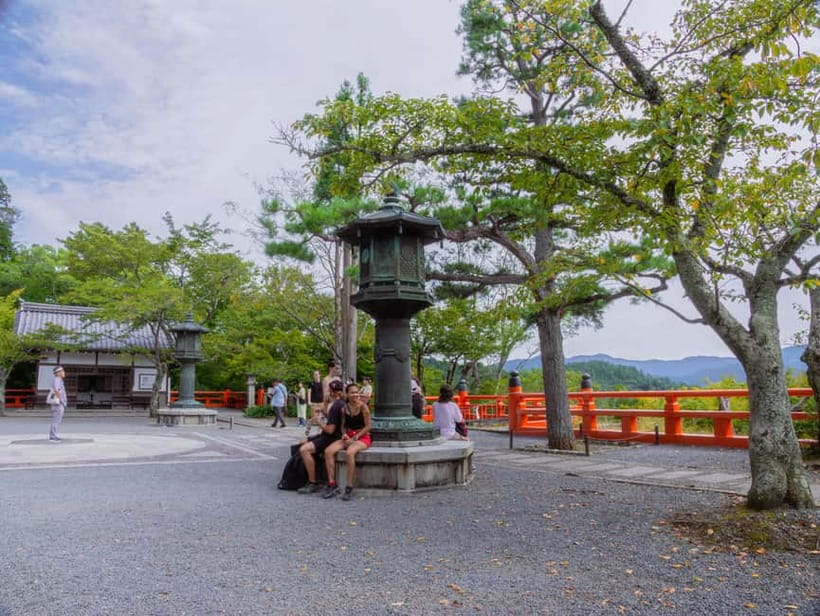
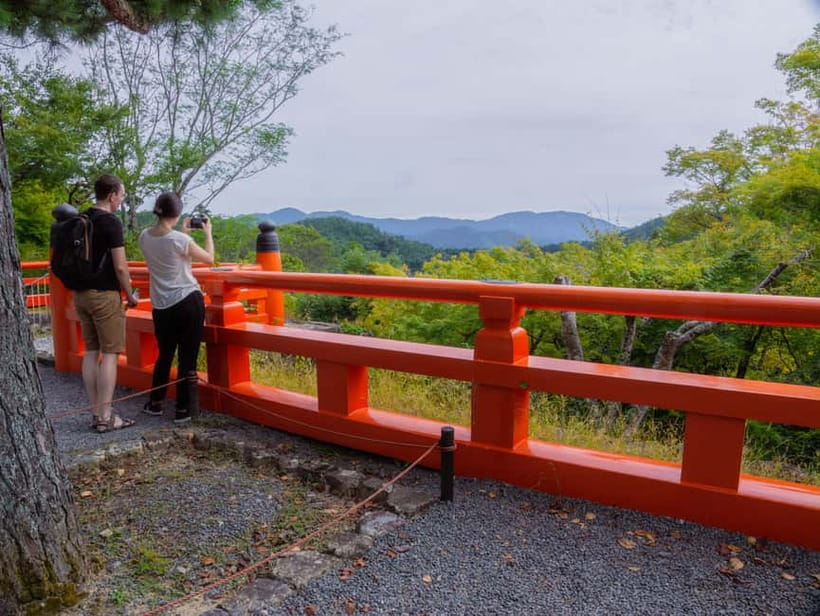
At the top, you visit Kurama Temple, described as a special setting and a “power spot” by locals. This is where the day turns from moving to reflecting. The trail effort makes the mountaintop stop feel earned, not rushed.
From the temple area, you get amazing views of the valley below. That view is the payoff, but the experience is also about atmosphere. The air tends to feel cooler and fresher, and the climb slows your mind down enough to notice details.
You’ll also hear stories. Multiple reviews credit guides for explaining temple deities and local legends in a way that makes the place feel layered. One review specifically mentions seeing the crypt and maze underneath the temple, so you may have a chance to go beyond the main highlight areas if the timing and access allow it.
Also, take your time here. The temple stop is not just for a quick photo. If you want the “spirit check” feeling, you need a few minutes of standing still, reading the vibe, and letting the views settle in.


Descending Back to Kurama Village: Lunch and Slow Wandering Time
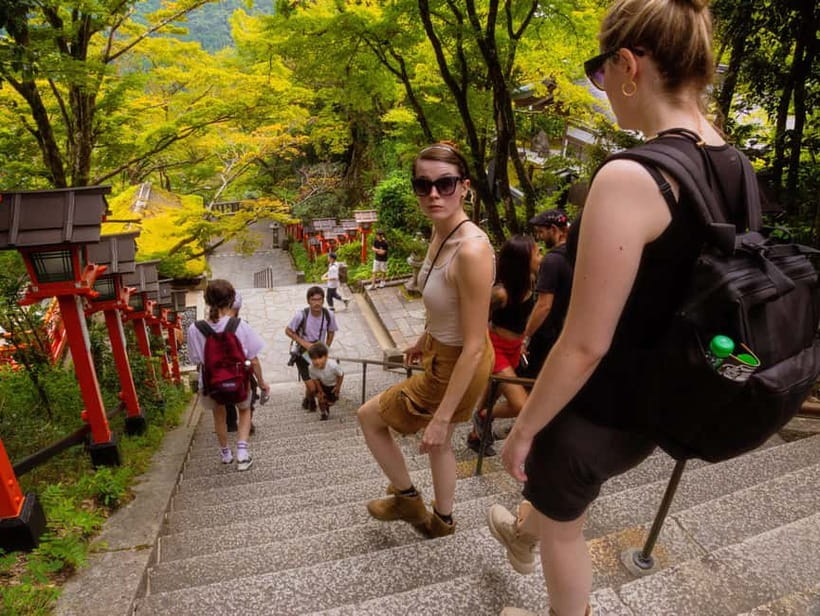
Once you finish the mountaintop visit, you descend back down the steps toward the village of Kurama. This is a big deal because it shifts your day from physical effort to everyday comfort. The village is where you can decompress.
At the end of the tour, you have options: lunch, strolling around Kurama, and potentially heading to the hot spring. The tour description also notes that guidance is provided on your options at the end, which is useful if you’re trying to choose between eating first or soaking first.
One practical detail: the tour does not include lunch. That means you get flexibility, but you also need to decide what you want and how hungry you are after the hike. If you know you get hungry fast after steps, plan to eat soon after your descent.
If you’re the kind of traveler who loves small streets and river-adjacent towns, Kurama is a nice reward stage. You get to see the softer side of Kyoto’s north, without needing to pack in a second big attraction.
Kurama Hot Springs Onsen: Why the Soak Is Part of the Point
The hot spring is the natural finish to a hiking day. The tour takes you to Kurama Hot Spring for a rejuvenating bath with outdoor views. And yes, it sounds like a cliché, but it works because your body is asking for it right after the climb.
The hot spring fee is not included, but the tour can offer a discounted ticket for the bath. So you’re not totally on your own financially. Still, budget some yen for admission, plus whatever you need for towels or amenities at the facility.
This is the part people really recommend. Reviews call the onsen glorious and say it is the must-do finish after hiking. One person also framed it as de rigueur, after getting out of the mountain air and into that warm-water reset.
If you want the best experience, go with a slow mindset. After the soak, you’ll feel less “tour mode” and more like you actually escaped Kyoto for a while.
Fitness, Weather, and What to Wear When It Matters
This is a moderate hike with a climb to the peak in about 30 to 40 minutes. It is not for kids under 11, and it is not suitable for people with mobility impairments or wheelchair users. If you’re dealing with any knee or balance limitations, be realistic about the steps.
Fitness wise, you should have a decent level of fitness. One review notes that in hot weather the hike feels harder, which is common sense but worth taking seriously. Even if you’re fine with stairs, the sun plus humidity can slow you down.
For gear, stick to what the tour asks for:
- Comfortable shoes with decent grip
- Water
- Long pants to help avoid bug bites
Weather can change fast in the mountains. One review mentions light snow on a sunny day, so it is worth dressing in layers even if Kyoto looks mild when you start.
And if you’re the type who loves quiet nature time, the forest sections and temple viewpoints deliver that feeling fast.
Price and Value: Is $80 Worth It for a 4-Hour Mountain Day?
At about $80 per person for roughly 4 hours, you’re paying for more than “a guide with a microphone.” Your included items are guide fee, temple admission, and transportation. That’s important because it removes the headache of figuring out which train passes, shrine fees, and logistics match the route.
What is not included is transportation back to the meeting point, lunch, and the hot spring fee. That is also normal for day tours, but it means you should budget extra for food and your onsen choice.
For value, I look at three things: meaningful access, time saved, and the quality of interpretation. This tour scores well because you get temple admission and a guided explanation of legends and cultural context, plus a route that feels less touristy than you’d likely piece together on your own. Also, reviews repeatedly praise guides for being attentive and patient, which can be the difference between a “tough but fun” hike and a miserable one.
If you want the shrine-and-temple context and the hot spring payoff without turning the day into a DIY puzzle, $80 starts to feel reasonable.
Guides and Group Energy: What the Best Reviews Point Toward
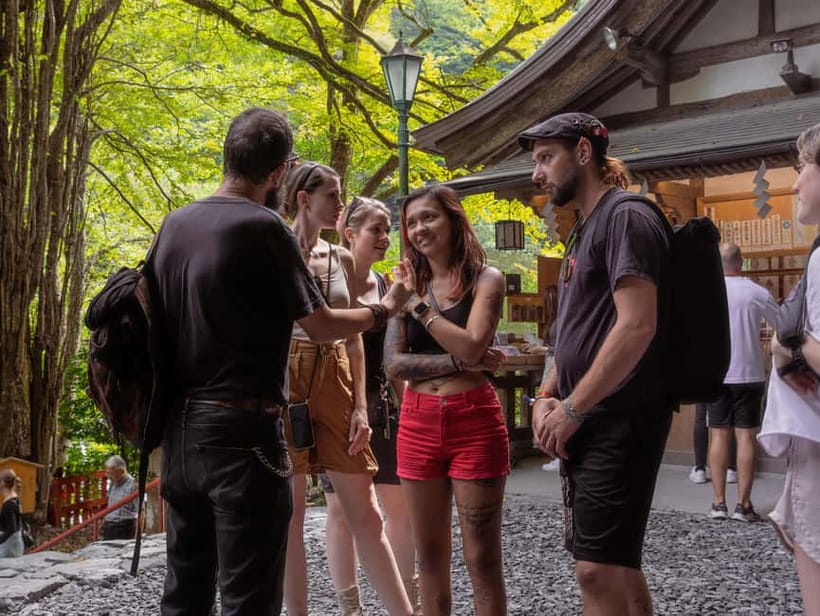
Across reviews, a pattern shows up. People like the guides because they connect the dots between shrines, temples, and Kyoto’s broader traditions. Guides like Philippe, Chris, Salome, and Kevin are repeatedly named, and the feedback often mentions history and legend storytelling, patience on the climb, and a friendly approach.
A standout theme is hidden or lesser-known stops. One review mentions hidden spots, and another says the guide took them to lesser known places on the mountain. That’s where small-group touring can pay off, because the day becomes more than just a fixed checklist.
You might also find the group size flexible. The tour offers private or small groups, and one review notes they ended up being the only folks on the tour, with the guide customizing time in Kurama. That kind of flexibility helps you enjoy the temple stop without feeling herded.
Should You Book This Kurama Hike and Hot Springs Tour?
Book it if you want a half-day that feels like a real mountain escape. You’re getting train time through the gorge, an ancient cedar forest hike, a mountaintop temple stop with valley views, and an onsen option that turns the finish into something you remember.
Skip it if you want zero walking, or if stairs and moderate climbing are not realistic for you. Also, if you care only about dramatic exterior temple photos, there is a chance of maintenance coverage. The tour can still include time inside and other temple moments, but the view angle might not be perfect.
One final check before you go: plan for the end stage. Lunch is on you, and the hot spring fee is on you too. If you’re ready for that, you’ll enjoy a day that’s part nature break, part spiritual pause, part warm-water recovery.
If you want, tell me when you’re traveling (month is enough) and your hiking comfort level, and I’ll suggest what to prioritize in your Kyoto schedule around this tour.
More Tour Reviews in Kyoto Prefecture
Not for you? Here's more nearby things to do in Kyoto Prefecture we have reviewed


Kurama, Kibune & Kyoto Countryside, compared.
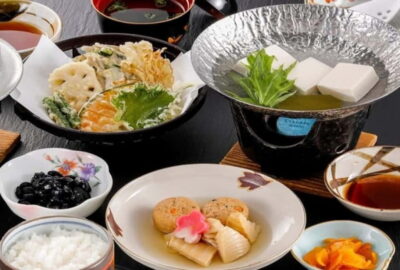 ★ 4.6Osaka/Kyoto: Amanohashidate & Miyama Tour with Boat & LunchFrom $71207 reviews
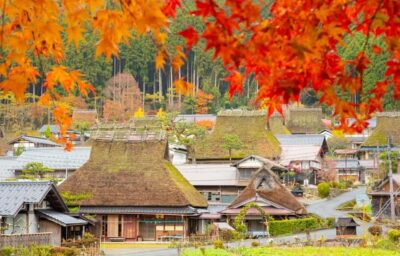 ★ 4.6Miyama Village, Amanohashidate & Ine Bay Day TripFrom $6398 reviews
 ★ 5.0Kyoto Hiking Tour: The Nature and Legends of Kurama and KibuneFrom $19175 reviews
 ★ 4.5Amanohashidate & Miyama 1-Day Bus Tour: From Osaka/Kyoto w/ LunchFrom $9718 reviews
 ★ 5.0All-Inclusive Kyoto Day Tour: Amanohashidate, Miyama or OharaFrom $5204 reviews
 ★ 5.0Hike and explore the Kurama and Kibune ancient PathsFrom $1653 reviews
Browse the lists this tour appears in