
Reviewed · ARASHIYAMA & BAMBOO GROVE TOURS
Bamboo LED Lantern Making Experience in Kyoto Arashiyama
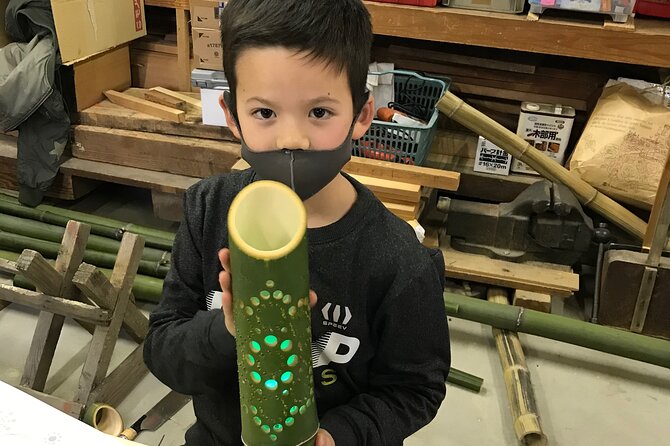
Bamboo here comes with a hands-on lesson. In Arashiyama, I like that the experience combines a calm walk through the bamboo forest with a real workshop run by Noriko, where you create your own bamboo LED lantern (or another bamboo item you choose).
I also love that it stays intimate, with a small group size capped at 6, so you get hands-on help instead of watching from the back. One thing to keep in mind is a reported issue with mold on bamboo when freshly cut bamboo was wrapped a certain way, so you’ll want to follow the workshop’s storage advice for the best results.
You’ll meet at Saga-Arashiyama Station and spend about 3 hours total, including time for the forest walk and the making session, then you end back near where you started.
Key highlights you should know
- Small-group format (max 6) for real instruction, not a crowd shuffle
- Arashiyama bamboo forest walk first, then you craft in Noriko’s studio
- Pick your souvenir from options like an LED lantern or a sake cup
- Tools and materials provided, plus safety guidance for using machines
- Tea and snack breaks during the crafting process, even in the middle of drilling and cutting
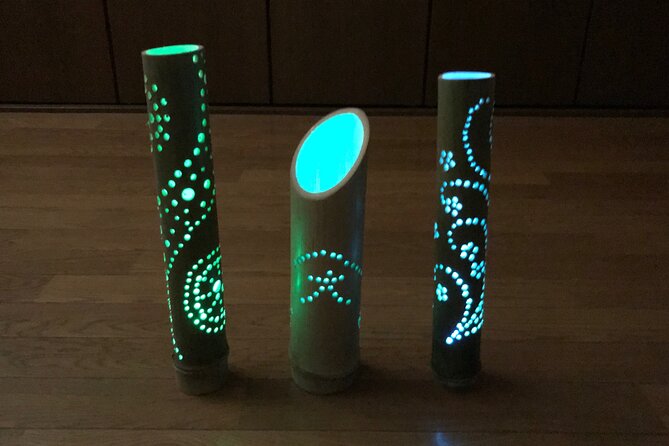
- Quality takeaway souvenir, designed to become a real keepsake with mood-light potential
Why this Arashiyama bamboo workshop feels different
Arashiyama’s bamboo forest is gorgeous, but it can also feel like a photo line with green walls. This workshop uses that same famous setting as the start, then quickly pivots you into something more satisfying: making a bamboo piece with your own hands.
The key is how the day is paced. You’re not just walking through bamboo, you’re learning how bamboo behaves and how it can be turned into a practical, decorative object. Noriko’s style comes through in the details: the walkthrough tends to include bamboo-focused explanations and cultural context, and the workshop itself is set up for you to actually work, not just observe.
And yes, the best souvenir part is simple. You take home what you made, not a generic gift shop trinket. If you like the idea of having something from Japan that still feels personal months later, this hits that target.
You can also read our reviews of more tours and experiences in Kyoto.

Meeting at Saga-Arashiyama Station and the 2:00 pm flow
The experience meets at Saga-Arashiyama Station, at the address listed near 11-1 Sagatenryūji Kurumamichichō in Ukyo Ward. The start time shown is 2:00 pm, and the activity ends back at the meeting point.
That ending matters more than you’d think. Arashiyama afternoons can get confusing fast, especially when you’re trying to connect to trains or build a route through temples and river viewpoints. Getting dropped back near the station helps you keep your day calm.
Also, the setup is designed to be easy to find. It’s described as being near public transportation, and a mobile ticket is used. If you’re traveling with luggage or keeping a tight schedule, that matters.
Duration is listed as about 3 hours. In that window, you’ll do two distinct things: a bamboo forest trail walk and a workshop making session.
Stop in the bamboo forest, then a quieter neighborhood walk
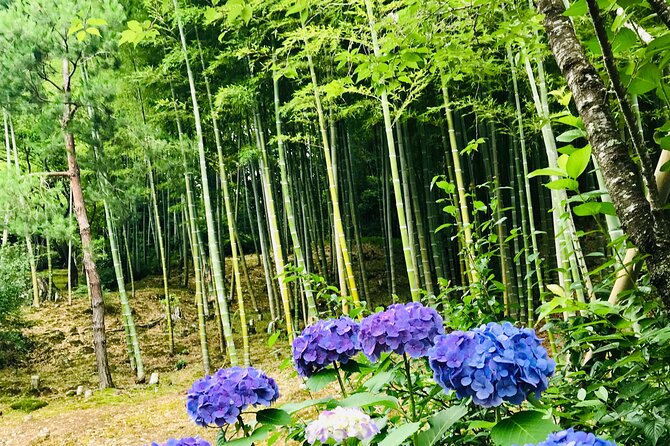
You start with a walk on the bamboo forest trail in Arashiyama. The point of this segment is not to rush you to a single iconic view. It’s more like a gentle introduction to bamboo and the local area, then a route onward to the workshop space.
In practice, the walk often includes time beyond just the bamboo corridor. People describe going partway through the famous bamboo forest, then heading into nearby streets and seeing landmarks like a shrine along the way. That mix does two things for you. First, it helps you break up the crowd energy that often builds inside the bamboo area. Second, it gives you more of the everyday Arashiyama feel, not only the postcard lane.
Expect Noriko to talk as you go. The strongest feedback highlights her ability to explain what bamboo is, how it grows, and why bamboo matters locally. Even if your Japanese is limited, the workshop is set up for English-speaking guests, and many comments specifically call out how clear her English is.
Noriko’s workshop: choosing your bamboo lantern design
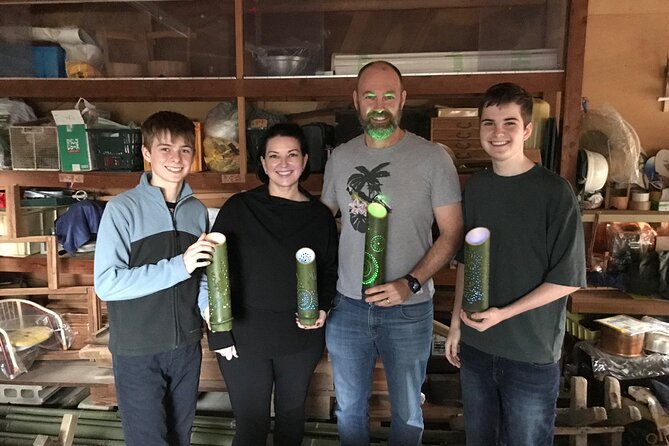
Once you reach the workshop, you get into the good part: selecting your lantern setup and making decisions that actually affect the final look.
You’ll generally:
- Choose a bamboo piece
- Select a design pattern for the lantern (and you can sometimes modify or choose from pre-prepared options)
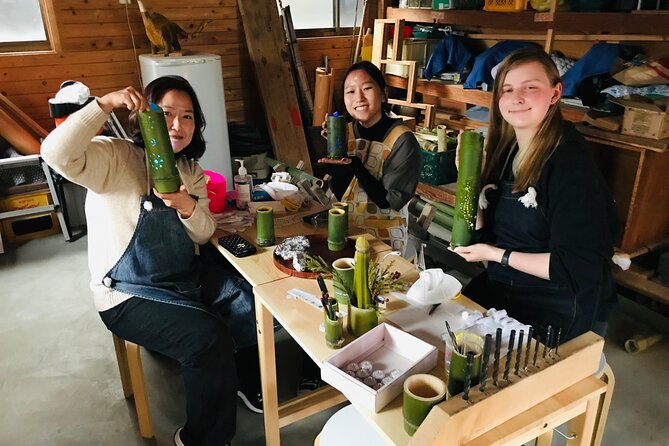
- Learn how to mark, cut, and drill the bamboo for your pattern
A lot of guests love this stage because it feels hands-on right away. One person noted the patterns are provided on paper, but you can still be creative with what you pick. Another family mentioned they could design or choose from ready patterns, then get the process explained step by step.
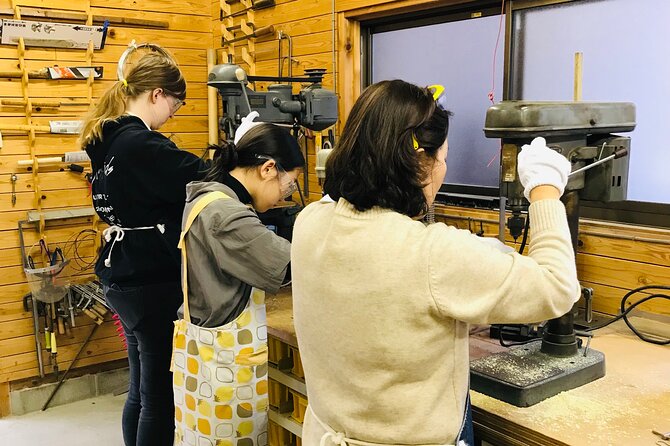
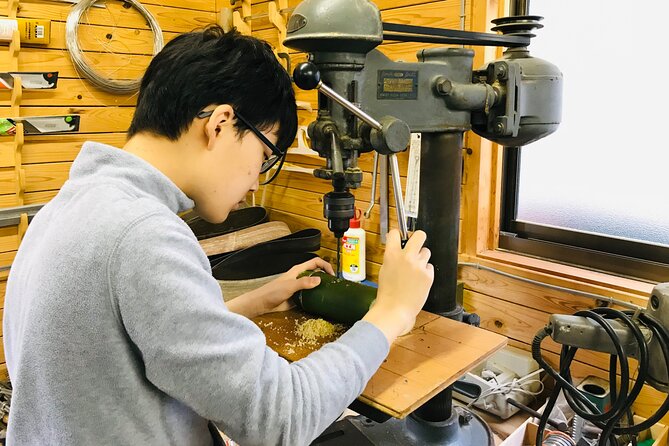
The workshop space is described as clean and bright, and the instruction is tied to safety. Several comments praise the way Noriko and her husband manage drill press use and keep a close eye on participants while working. If you’re with kids, this is where you should pay attention, because you want the process to feel safe while still feeling real.
Also, the experience is built for flexible making. Depending on what you choose, you might make an LED lantern, a sake cup, a teacup, or something like a smartphone holder. The listing calls out these options as flexible choices, and reviews emphasize the lantern-making is a major focus.
Tools and machines: what you’ll do with your hands
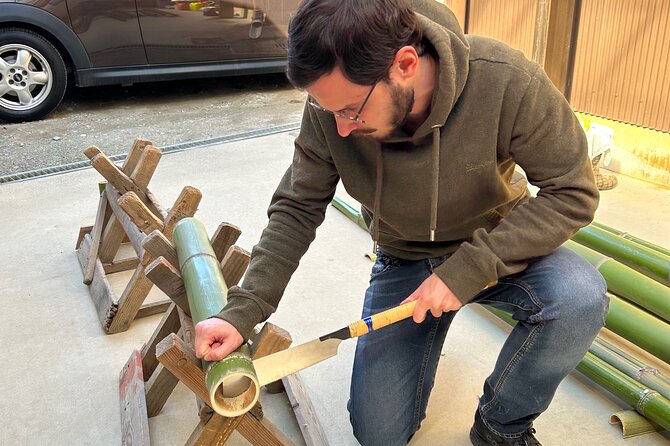
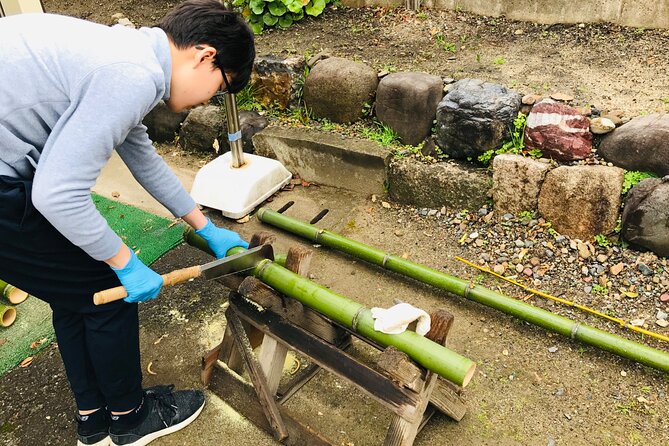
This is not a “watch someone else craft and then pretend to try a tool” class. Tools and machines are included, and you’ll get guided use of them.
Here’s what the workshop typically looks like from a participant’s point of view:
- You start with explanation and demonstration.
- You get taught how to drill holes safely in the bamboo according to your selected pattern.
- You work on your own piece with guidance close by.
- You may get extra practice with machines before you start on your final bamboo piece (this is specifically mentioned in one family’s experience).
One detail I think is especially useful is that the workshop seems comfortable with different ages and experience levels. A 13-year-old reportedly was able to operate machines after a short instruction period. Another comment says the person doing a lantern with an 11-year-old twin boys appreciated how patient Noriko was while answering lots of questions.
If you’re an adult who wants a hands-on souvenir, this works because you’re not stuck doing only the easy parts. If you’re traveling with a child, it still works because safety supervision is part of the process, not an afterthought.



LED lantern results: a souvenir that actually lights up
The most practical win here is that the lantern you make can become more than just a “look at it on a shelf” memory.
Guests describe using the finished bamboo lamps for mood lighting at home. That’s the big difference between a bamboo craft that’s mostly decorative and a bamboo piece designed to support light.
You also get the satisfaction of something personal. The final pattern choice and the bamboo piece you select create a genuine one-off item. If you’re someone who hates buying duplicates of the same tourist magnet, this is a smarter purchase. It’s also a great souvenir because it’s tied to a specific afternoon story: the bamboo walk, the workshop conversation, the time spent drilling and shaping, and the feeling of taking something home you made yourself.
Packaging is included by the workshop, often described as wrapping the lamp for protection. That packaging step is meant to help with travel, but keep reading for the one quality note that matters.
The one drawback to plan around: bamboo moisture and mold
A single review shared a problem with mold developing after the lamp was wrapped in bubble wrap while the bamboo was still moist. The host response is important because it shows this is taken seriously: the workshop said they use fresh green bamboo and planned to improve how they wrap it going forward, plus introduce a more stable heated dry bamboo option.
So what should you do with this info?
- Treat the finished item gently when it arrives home. Don’t store it in a sealed, damp-feeling container right away if the bamboo still feels fresh.
- Follow any storage or care advice you’re given at the workshop.
- If mold is a major concern for you, ask the workshop what bamboo type they’re using for your session, and how they recommend drying or storage before long-term wrapping.
This isn’t a reason to avoid the workshop outright. It’s a heads-up to manage expectations and storage, because bamboo can behave like bamboo: it’s alive, it’s natural, and it’s best when you give it the right conditions.
Price and value: what you’re paying for in real terms
At $79.26 per person, this workshop sits in a zone where you’re paying for more than a souvenir. You’re paying for:
- A guided bamboo forest walk
- Instruction in bamboo craft techniques
- Access to tools and machines
- Materials provided
- A small-group format (max 6), which typically increases the amount of direct help you receive
You also get time that feels different from a typical Kyoto schedule. Instead of rushing between sites, you slow down for a craft class that creates a tangible product.
Notably, lunch is not included. That’s normal for a 3-hour workshop, but it changes your planning. I’d suggest eating before you arrive, so you’re comfortable through the making process.
If you value authenticity and hands-on work over “just seeing” Arashiyama, the price feels fair. If you only want a quick photo and don’t enjoy making anything, you may find it harder to justify.
Who this is best for, and who might not love it
This experience is a strong match if you:
- Want a Kyoto souvenir that’s genuinely personal
- Like crafts and don’t mind using tools like drills with supervision
- Prefer small groups so you can ask questions and actually get help
- Are traveling as a family, because safety guidance is part of the teaching style
It also tends to work well for people who want a change of pace after walking Arashiyama. Reviews describe it as relaxing and enjoyable, especially after a long day outdoors.
You might consider skipping or adjusting expectations if:
- You only want passive sightseeing and dislike hands-on workshops
- You have limited time and need something shorter than about 3 hours
- You’re sensitive to natural-material quirks like bamboo moisture, even though the workshop has taken steps to address this
Pairing it with your Arashiyama afternoon
Because it starts at 2:00 pm and ends back at Saga-Arashiyama Station, you can build the rest of your day around it.
A practical way to do it:
- Eat a real meal before you head in. Lunch isn’t included.
- Use the workshop time as a reset after the busiest bamboo moments.
- After it ends, take advantage of being back near your transit point. You can then decide if you want to continue temple-hopping, go for riverside views, or simply head out.
If you’re the type who likes a plan but still wants flexibility, this afternoon structure is easy to work with.
Should you book this bamboo LED lantern workshop in Arashiyama?
Book it if you want a hands-on Kyoto memory, not just photos. The combination of an Arashiyama bamboo forest walk and a small-group workshop led by Noriko is exactly the kind of activity that turns a crowded destination into something calmer and more personal. The best part is the takeaway: a lantern that can light up your home and remind you of a very specific afternoon.
I’d only think twice if you hate the idea of caring for natural materials after crafting, or if you’re hoping to buy a souvenir without doing any making. If you can handle one potential quality consideration, and you like crafts, this is a great fit.
FAQ
What is the meeting point for the bamboo lantern making experience?
You meet at Saga-Arashiyama Station, listed at 11-1 Sagatenryūji Kurumamichichō, Ukyo Ward, Kyoto, 616-8373, Japan.
What time does the experience start?
The start time shown is 2:00 pm.
How long does the workshop last?
The duration is listed as about 3 hours.
Is lunch included?
No. Lunch is not included.
What can I make during the class?
You can pick what you make, with options described such as an LED lantern, a sake cup, a teacup, or a smartphone holder.
Is the group small?
Yes. The activity is described as a maximum of 6 travelers.
Are tools and materials provided?
Yes. Materials and the use of tools and machines are provided.
Is it easy to get there without a car?
It’s described as near public transportation, and it meets at a train station area.
Is there free cancellation?
Free cancellation is offered. You can cancel up to 24 hours in advance for a full refund.
Is the activity suitable for most people?
Most travelers can participate, and service animals are allowed.
More Tour Reviews in Kyoto
Not for you? Here's more nearby things to do in Kyoto we have reviewed



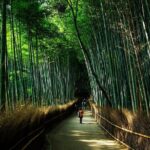






Arashiyama & Bamboo Grove Tours, compared.
 ★ 4.8Fushimi Inari, Kinkakuji, Bamboo Grove 1 Day Bus TourFrom $1224,316 reviews
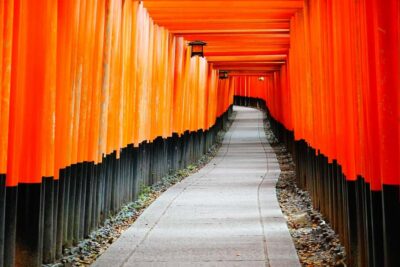 ★ 4.1Osaka/Kyoto:Kinkakuji,Arashiyama,FushimiInariShrine,NaraParkFrom $661,596 reviews
 ★ 4.7Kyoto/Osaka: Nara, Fushimi Inari Taisha, Arashiyama Bus TourFrom $521,275 reviews
 ★ 5.0Kyoto Arashiyama Walking Tour: Bamboo, Monkeys, Gardens & SecretsFrom $651,216 reviews
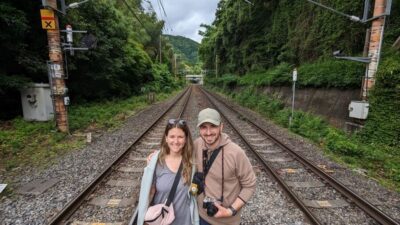 ★ 4.8Arashiyama Bamboo, Temple, Monkeys, or Secret Sake BreweryFrom $87886 reviews
 ★ 5.0Arashiyama Bamboo Forest, Monkeys, Matcha & Temple TourFrom $53759 reviews
 ★ 4.4Osaka/Kyoto: Arashiyama, Nara & Fushimi Inari Shrine w/LunchFrom $61754 reviews
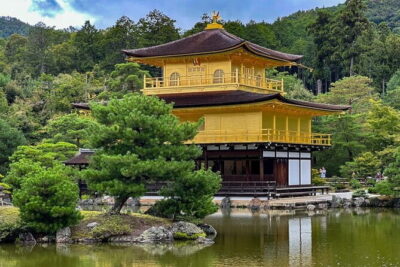 ★ 5.0Nijo, Kinkaku-ji, Arashiyama, Kiyomizu & Fushimi InariFrom $51699 reviews
Browse the lists this tour appears in