
Reviewed · KYOTO BIKE & E-BIKE TOURS
Early Bird E-biking through East Kyoto
Kyoto changes fast before 9. I love how this early e-bike start lets you hit top sights with less crowd pressure. You also get a small group cap, so the day feels organized instead of chaotic.
Two things I like a lot: the route knits together famous temples and calmer backstreets, and the guide keeps you moving at a human pace while still covering a lot. You’ll be on an e-bike most of the time, not doing a full walking day.
The practical perks matter. You do not hunt for rentals, because an e-bike and helmet are included, and the schedule builds in time to explore on foot. I also appreciate the included lunch (plus a cafe stop later), which removes one of the hardest parts of doing Kyoto temples well.
One consideration: this is a bike day. You need moderate fitness, and you should be comfortable riding through mixed traffic and busy intersections for short stretches.
Key highlights I’d plan around
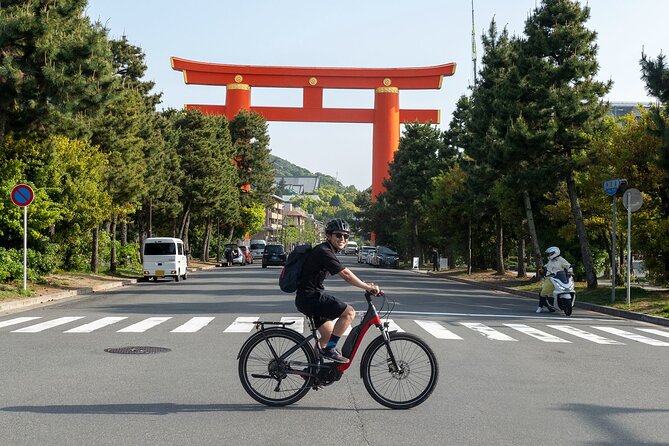
- Early start at 8:00 am to make Kyoto temples feel more manageable
- Max 8 people, which keeps the route flexible and safer than big groups
- E-bike and helmet provided, so you can focus on the ride instead of logistics
- Lunch included, with a planned restaurant stop during the day
- Famous stops plus backstreet riding, including Gion and the Philosopher’s Path area
Why the 8:00 am start makes East Kyoto easier
If you only do Kyoto at peak hours, you’ll spend more energy dodging crowds than enjoying the place. This tour is designed around an early departure, starting at 8:00 am from Cycle Kyoto7 in Minami Ward. That timing is a big deal for two reasons.
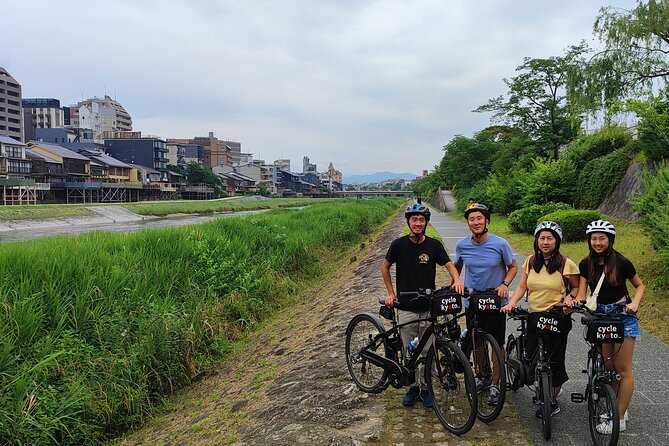
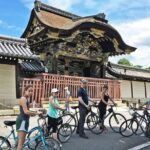
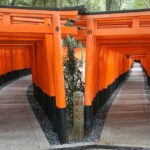
First, you’re arriving earlier for major landmarks like Fushimi Inari-taisha Shrine. The day starts with a short ride along the river, then you get time to explore on foot. Early hours mean you can actually take in the atmosphere instead of just snapping photos while surrounded.
Second, the route keeps you cycling through the city’s southern and eastern sides while foot traffic is still ramping up. It’s not that East Kyoto is empty at 8:00 am, but the crowds are usually thinner, and the pacing feels more relaxed.
You can also read our reviews of more cycling tours in Kyoto

How the e-bike keeps a big day realistic
This is not a leisurely stroll tour. It is a 6 to 7 hour bike-and-temple day. The good news is that the e-bike changes what’s possible. You’re not “powering through” Kyoto hills with your legs only, and you don’t need to bring or rent equipment.
Here’s what you should expect as a rider:
- You’ll spend most of the time cycling between stops, with walking time built in for temples and shrines.
- There are short transfers where you’ll be in busier sections, so you need to stay alert and keep up with the group.
- There are a few uphill moments, and some paths can be uneven or crowded.
The reviews that stood out to me consistently praised the smooth, well-led experience. Guides were mentioned as being careful with safety and pacing, and riders also noted that English communication made it easy to follow along. In particular, guides such as Indra, Jay, Paul, Juan, Julian, Jaime, Carl, Sean, Shaune, and Mayco came up in feedback for mixing practical guidance with stories and humor.
The route: from Fushimi Inari to Gion on two wheels
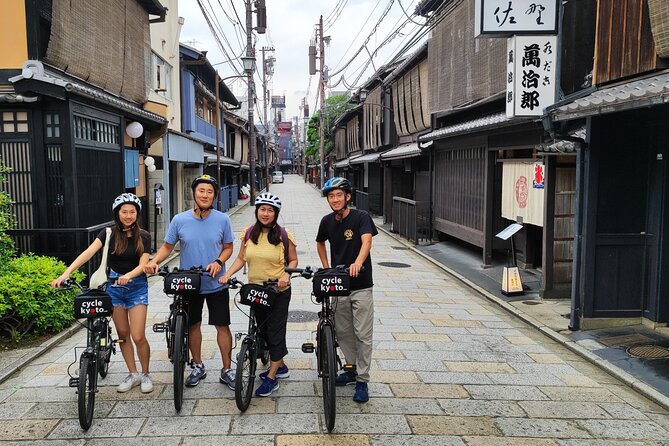
What makes this day work is that it’s not only “temples and done.” It’s a sequence that alternates between iconic Kyoto, river calm, and neighborhood texture. You also get both riding and short walks, which helps you pace your energy.
Stop 1: Fushimi Inari-taisha Shrine
You start with about 25 minutes of cycling along the river, then you switch to a 30-minute walk to explore Fushimi Inari-taisha Shrine. Entry here is free, and the time is set so you can do a meaningful walk without feeling rushed.
What I like about starting here is the flow. The ride along the river gets you into “Kyoto mode” before you hit the shrine approach. Once you’re on foot, you can focus on the details: the torii gates, the layered pathways, and the way people move through the space.
Practical thought: if you want photos, go slow at the beginning and decide early how far you’ll walk. You only have so much time on foot, and this is one place where it’s easy to wander longer than planned.
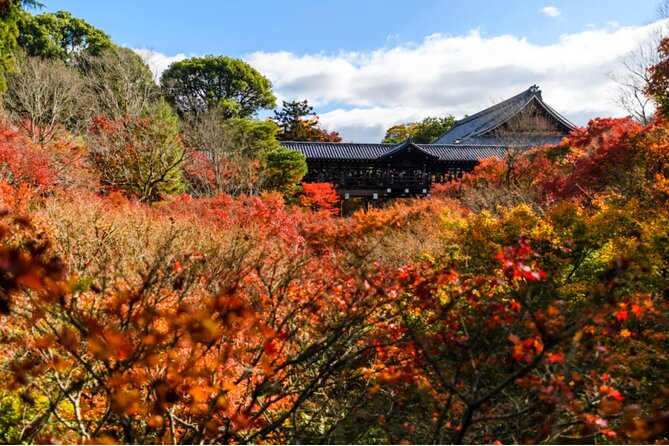
Stop 2: Tofuku-ji Temple and the bridge stop
From Fushimi Inari, you reach Tofuku-ji in about 15 minutes. There’s also a brief stop at a picturesque bridge, then about 30 minutes for this segment overall.
This is a good change of pace. Fushimi Inari is famous for spectacle, while Tofuku-ji can feel more contemplative. The bridge stop gives you a quick, photogenic break before you settle into temple grounds.
If you tend to get “templed-out” after the first big stop, this is a nice buffer. It’s still meaningful Kyoto, but it doesn’t demand the same level of endurance as a long shrine trek.
More Kyoto temple visits, food tours, tea experiences, and day trips to compare

Stop 3: Kamogawa River ride
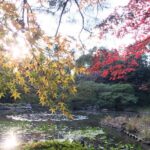
Then it’s off the clockwork of shrines, and into motion along Kamogawa River. You’ll spend about 30 minutes riding the riverside.
For me, this is one of the smarter parts of the itinerary. A river ride resets your senses. You get wide views and fewer “everything is a viewpoint” moments, which makes the rest of the day feel more enjoyable.
Also, it’s a natural break after the on-foot exploration. You regain your rhythm on the bike before heading back into dense sightseeing.
Stop 4: Ginkakuji (Silver Pavilion) plus lunch
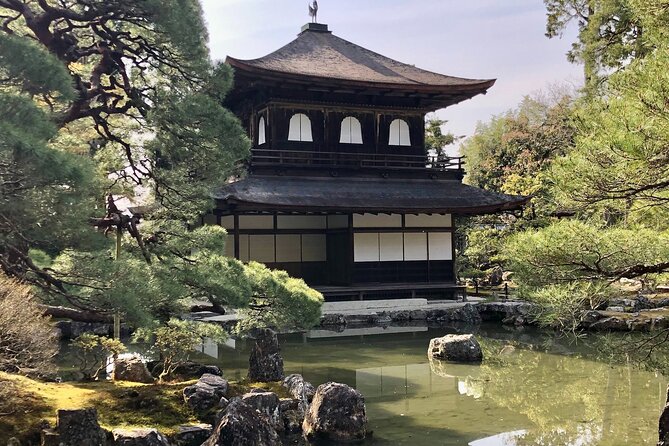
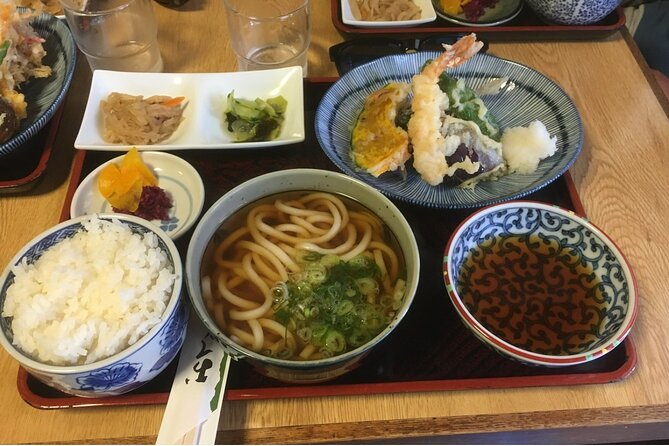
Next up: Ginkakuji, the Silver Pavilion. You get about 45 minutes here, and this time includes your lunch stop nearby. Entry is listed as included for this segment.
Ginkakuji is a crowd magnet, so the timing and pacing matter. The tour builds in enough time to walk the grounds and still eat without feeling like lunch is an afterthought.
One thing to keep in mind: while the lunch is included, the exact spot can be busy depending on the day and season. Some people love being close to the action; others wish it were more tucked away. My advice is to go into this expecting a planned restaurant stop, not a private culinary secret.
Stop 5: Philosopher’s Path (Tetsugaku no Michi)
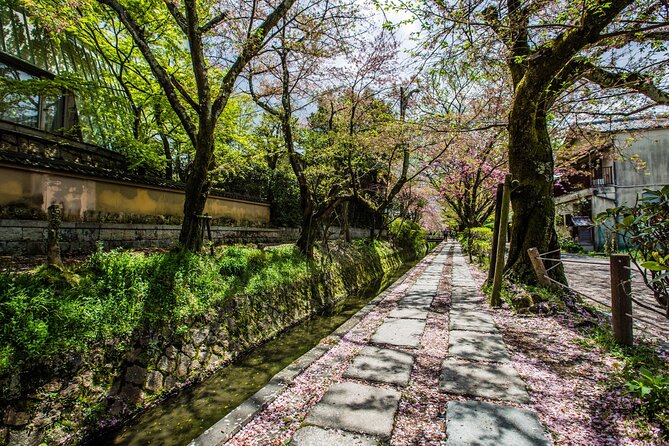
Then you cycle along the Philosopher’s Path for about 45 minutes. Entry is free for this segment.
This stretch is famous for slow, scenic walking. On an e-bike, you get a different experience. You’re moving through the corridor while still seeing the waterway and the atmosphere that makes the path special.
Season note (important): during cherry blossom time, this area can become photo-stop heavy. If you’re someone who hates waiting, you’ll want to stay flexible. If you love blossoms and photos, this is one of the best places on the route to enjoy the moment.
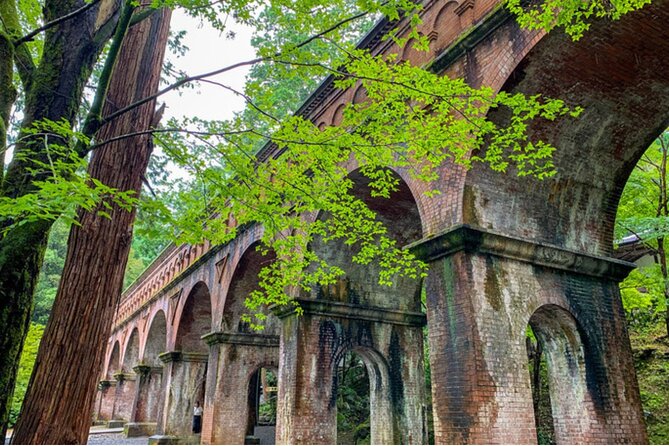
Stop 6: Nanzen-ji Temple walk
After the path, you arrive at Nanzen-ji, where you walk the grounds for about 45 minutes. Entry is free.
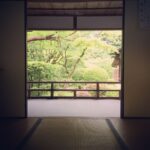
Nanzen-ji often feels like a step into a different tempo. The grounds and structures invite slower viewing, and the walk time is long enough to actually pay attention instead of just checking boxes.
This is a strong “recharge stop” mid-tour. By now you’ve been cycling and walking for hours, so you’ll appreciate that this part is more about strolling the temple than managing the bike for a tricky transfer.
Stop 7: Heian Shrine courtyard stroll
Next is Heian Shrine. You get a courtyard stroll of about 35 minutes. Entry is free.
This stop helps round out the day with a classic shrine feel and open space. It’s also a nice contrast to the denser temple areas you’ve already visited.
I like how this segment balances the day. You’re still sightseeing, but it’s not another gate after another gate. The time feels right for a breather.
Stop 8: Gion backstreets by bike
Now for the neighborhood part. You cycle through Gion, Kyoto’s entertainment district, for about 45 minutes. This segment is listed as free, and you may catch glimpses of maiko or geiko along the way.
What I like here is the “how it feels to ride through Kyoto” experience. Even without chasing famous people, Gion’s backstreets give you texture: small streets, storefront energy, and the sense that Kyoto isn’t just monuments, it’s daily life.
Practical note: when you ride through busy districts, keep your eyes on the road first, and let the beautiful stuff be a bonus you spot along the way.
Stop 9: Higashi Hongan-ji and a cafe stop
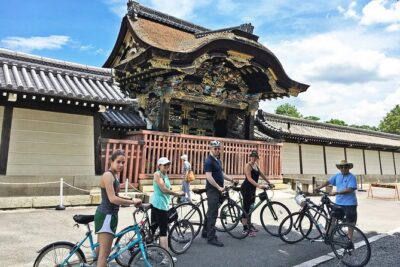
Your last segment is Higashi Hongan-ji, with about 15 minutes for a stroll through the wooden prayer halls. This time also includes a stop at the guide’s favorite cafe.
This final stretch is shorter on purpose, and it’s a smart way to end. You cool down, sit for a bit, and process everything you’ve seen without being forced into another long walk.
If you have dietary needs, let the provider know ahead of time. The tour info says they need dietary requirements in advance, which is exactly what you want when lunch is already part of the plan.
Lunch and cafe breaks: what you gain beyond food
Kyoto can be tricky for day tours. Popular sights are easy. Eating well while timing everything is the hard part. This tour takes that burden off your plate.
Lunch is included around the Ginkakuji stop, and you also get a cafe break later during the Higashi Hongan-ji segment. Reviews praised the food pauses and how guides handled seating and timing, sometimes getting people seated quickly at places they might struggle with on their own.
There’s also a bigger value here: the breaks create natural “story windows.” That’s when guides can talk about what you just saw and what you’re going to see next, in plain language. One review even highlighted a guide who was great at steering people toward good eats like udon, which is the kind of practical advice you can carry into the rest of your Kyoto days.
Guides matter: English, pacing, and insider context
I’ve learned the hard way that a great itinerary is only half the story. The other half is the human factor: how the guide explains what you’re seeing, how safely they manage the group, and how well they answer questions.
This tour’s standout theme is that guides were repeatedly praised for being:
- Friendly and funny, not robotic
- Helpful with navigation so you do not get turned around
- Clear about safety and pacing
- Willing to tailor the day when the group has specific interests
Names that popped up in feedback include Indra, Jay, Paul, Juan, Julian, Jaime, Carl, Sean, Shaune, and Mayco. Riders also mentioned that communication in English made everything feel smooth, and that guides offered insider tips, including where to find good local food.
A small caution, based on one lower-rated experience: if you are on the taller or shorter end, bike sizing matters. If you book, make sure your height details are correct so you get a bike that fits. One review described a situation where the bike sizes did not match teenage riders and required insistence to change. That’s rare, but it’s a good reminder to double-check your bike assignment early.
Price and value: what you’re really paying for
At $138.74 per person, this tour costs more than doing a self-guided day on transit. But you’re not paying only for sightseeing. You’re paying for time savings, equipment, and guidance.
Here’s the value breakdown that matters:
- E-bike and helmet included, so you avoid rental hassle
- Temple time built in, with a route that reduces backtracking
- Lunch included, which is a real Kyoto planning win
- Many stops list admission as free, and Ginkakuji’s admission is included for the segment that also covers lunch
Also, this is a small group capped at eight. That usually means fewer riders per guide, which often translates into better pacing and more attention to safety and comfort.
This tour is also popular, with an “early bird” pattern suggested by how far ahead people book. If you want your best chance of fitting the day into your Kyoto schedule, booking earlier tends to help.
Who should book this, and who should skip it
This is a great match if:
- You’re visiting Kyoto for the first time and want a structured taste of East Kyoto
- You want a bike day but still want meaningful temple walking time
- You like the idea of a guide handling navigation and timing
- You can handle cycling through busier streets occasionally
Skip it if:
- You do not feel comfortable riding for hours, including short uphill sections
- You want a fully quiet, off-the-beaten-track lunch every time, with no crowds anywhere
- Weather is a big risk for your trip dates. The tour requires good weather.
If you’re traveling with a teen, also keep in mind the minimum age and size rules: the tour lists minimum age 13 and minimum height 145 cm.
Should you book this early-bird e-bike tour of East Kyoto?
I’d book it if you want a smart, high-value way to see East Kyoto without getting stuck on logistics. The early start plus the small group setup makes it feel efficient, and the mix of Fushimi Inari, river riding, Ginkakuji lunch time, Philosopher’s Path, Nanzen-ji, Heian Shrine, and Gion backstreets gives you variety in a single day.
Be ready for a bike-first experience. This is not a “sit and look” tour. If you’re comfortable with cycling and you want someone to steer you through Kyoto’s highlights, this will likely be one of the best days of your trip.
Before you go, do one simple thing: confirm your riding comfort and your correct bike fit details. If that’s all good, you’ll end the day feeling like you actually learned how Kyoto moves, not just what famous places look like.
FAQ
What time does the tour start?
The tour starts at 8:00 am.
How long is the e-bike tour?
It runs for about 6 to 7 hours.
Is the e-bike and helmet provided?
Yes. An e-bike and helmet are included, so you do not need to source equipment.
Where does the tour meet?
The meeting point is Cycle Kyoto7, Higashikujō Nishisannōchō, Minami Ward, Kyoto (601-8003), Japan. The tour ends back at the same meeting point.
What physical condition do I need?
The tour is listed for people with moderate physical fitness. It includes cycling with occasional uphills, plus short temple walks.
Is lunch included, and can you handle dietary needs?
Yes. Lunch is included during the tour, and you need to share dietary requirements ahead of time.
More E-Bikes in Kyoto
More Cycling Tours in Kyoto
More Tour Reviews in Kyoto
Not for you? Here's more nearby things to do in Kyoto we have reviewed

Kyoto Bike & E-Bike Tours, compared.
 ★ 5.0Hidden Kyoto E-Biking tourFrom $1161,843 reviews
 ★ 5.0Bike Tour Exploring North Kyoto plus LunchFrom $1061,087 reviews
 ★ 5.0Arashiyama Bamboo Forest & Hidden Gems Bike Tour (Early Bird)From $106613 reviews
 ★ 5.05 Top Highlights of Kyoto Full Day Bike Tour (E-bike option)From $172511 reviews
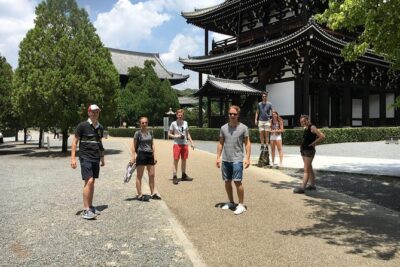 ★ 5.0Full Day Biking Tour Exploring the Best of KyotoFrom $119498 reviews
 ★ 5.0E-Bike Tours of the highlights of Kyoto!!!From $109291 reviews
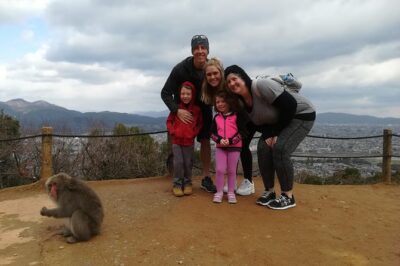 ★ 5.0Afternoon Kyoto Bike Tour: Bamboo Forest, Monkeys & Hidden SpotsFrom $106283 reviews
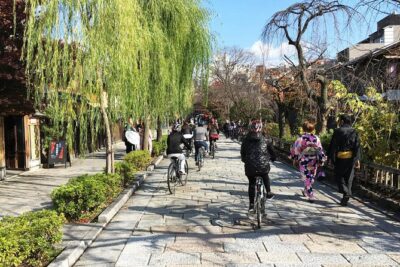 ★ 5.0South Kyoto in a Nutshell: Gentle Backstreet Bike Tour!From $79225 reviews
Browse the lists this tour appears in