
Reviewed · KYOTO NIGHT TOURS
Experience Japan’s Traditional Culture Night Tour in Kyoto
Gion gets even better after sunset. This Kyoto Traditional Culture Night Tour packs Gion Corner performing arts, a lantern-lit stroll through preserved streets, and a candlelit tea ceremony into one tightly timed evening. I love how the schedule gives you a front-row style introduction to Japanese arts, and I also love the quiet shift from theater to tea, then to a Zen vegetarian dinner at a traditional ryokan.
One thing to keep in mind is timing. The tour runs about 4 hours total, and part of that is travel and waiting for the Gion Corner show, so you are on a plan, not floating at your own pace.
Key things I think you should notice
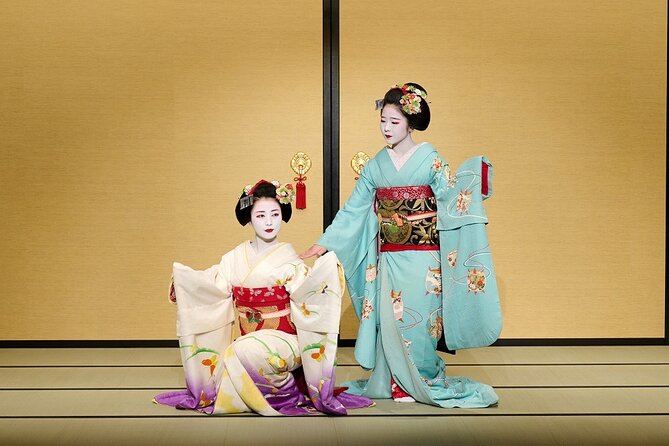
- Gion Corner is the anchor, with a full program of traditional arts and (depending on season) bunraku or noh.
- You walk a classic Gion route, from Hanamikoji toward the Gion Shimbashi preservation district.
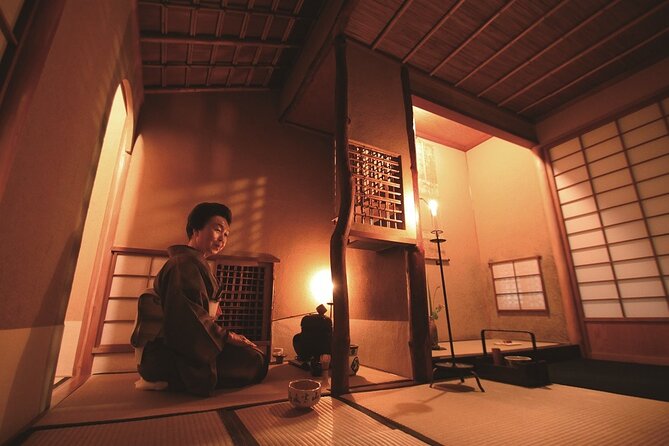
- Tea ceremony is candlelit and private at Ryokan Yoshi Ima, in the Kurenaitei room.
- Dinner follows Zen-style Buddhist vegetarian traditions, with a simple, well-balanced meal structure.
- Group size stays small, up to 24 people, which helps keep the evening feeling personal.
- Drinks aren’t included with dinner, so plan for a little extra spending if you want something.
Entering Gion at 5:05 pm: a practical start in the right neighborhood
This tour starts at 5:05 pm at Good Nature Hotel Kyoto. From there you head toward Gion for the first big stop, Gion Corner, where the evening’s cultural program is scheduled. If you like your sightseeing organized, this setup is a win. If you prefer to wander with zero structure, you will still get some walking time, but the show portions run on their own clock.
One practical tip: central Kyoto evenings can mean slowdowns around peak traffic and pedestrian areas. The good news is that the operator has adjusted how you get from the meeting area to Gion Corner, moving toward a walking approach starting December 2024. So if you book for later in the year, you should be less stuck with a long taxi moment.
The tour ends after dinner at Ryokan Yoshi Ima in central Gion (229 Nishinochō, Higashiyama Ward). That matters because you are not sent back to a far hotel. You can keep strolling right there, when the streets are still lit and the mood is best.
You can also read our reviews of more evening experiences in Kyoto

Gion Corner: where multiple traditional arts happen in one focused sitting
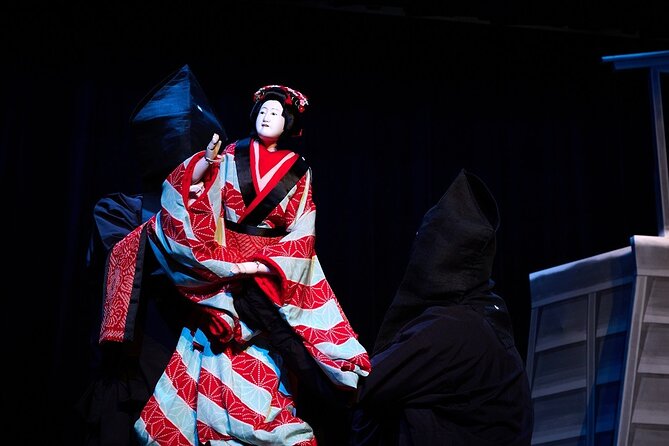
The heart of this night is Gion Corner, where you spend about 50 minutes and your admission ticket is included. Think of it as a curated sampler, but not the modern kind. This is traditional Japanese performance culture presented in one place, with a set program you can actually follow without guessing what happens next.
What you’ll see depends on the season
The show is different depending on when you go:
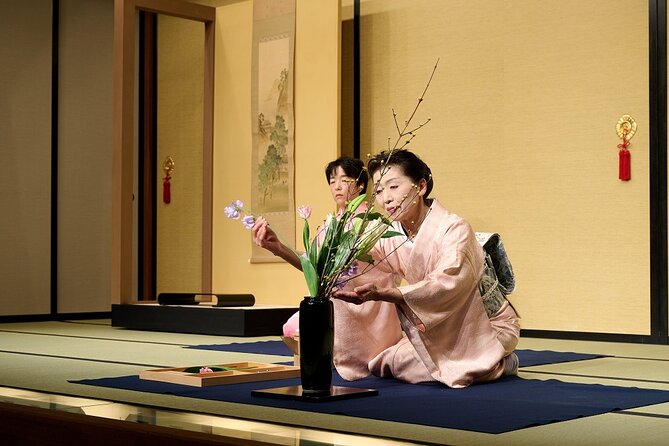
- Mar 15 to Nov 30 (Regular Performance): you can see a Kyoto dance, a tea ceremony segment, flower arrangement, koto music, bugaku (court dance and music), kyogen (traditional comic theater), plus bunraku or noh depending on the season.
- Dec 1 to Mar 14 (Winter Performance): the program includes Kyoto dance, tea ceremony, flower arrangement, koto music, bugaku, and kyogen. In this season, you can also take a commemorative photo with a maiko.
Content can change, but you are not going in blind. You know you will get a mix of dance, music, theater, and art forms, and the guide helps connect the dots while you watch.
Why this stop feels valuable
When you are in Kyoto, it is easy to overload on temples by day. Gion Corner gives you a different angle. It also helps you understand what you are seeing in the moment. Even if you have never studied Japanese performing arts, you get the cultural context in plain language, so the experience is not just watching costumes move across a stage.
A fair drawback
You are seated through a scheduled set. That is great for clarity, but it also means you cannot pause for quick photos or step out whenever you want. If you need constant freedom of movement, you may find this part more structured than you like.
The Hanamikoji and Gion Shimbashi walk: paper lantern atmosphere without the guesswork
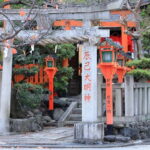
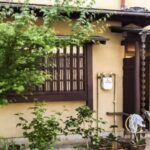
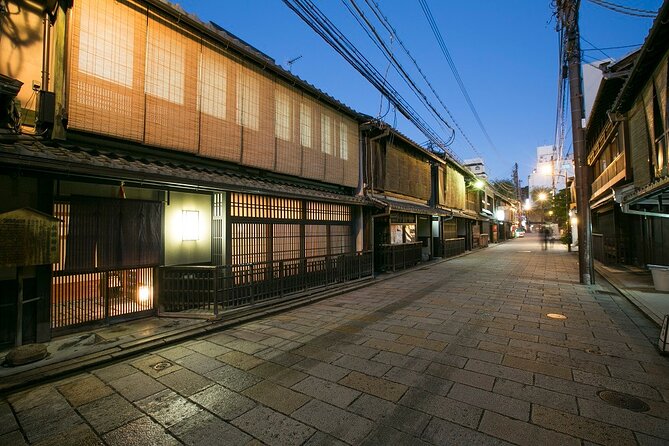
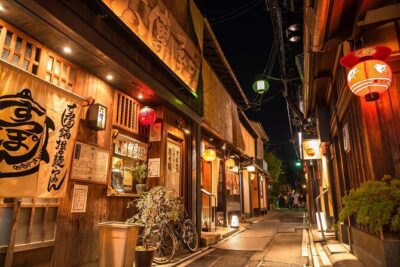
After Gion Corner, you head out for a 30-minute walk along Hanamikoji-dori, where you pass historic teahouses and restaurants. Your route continues toward Gion Shimbashi, an Important Preservation District for Groups of Traditional Buildings.
This part is all about feel. Even if you have been to Kyoto before, Gion at night gives you a different frame. The streets can feel more cinematic than daytime photos, especially with the lighting and the preserved architecture doing most of the work.
Why the guide matters on this walking segment
On your own, it is easy to walk past details and miss what makes them significant. With a guide, you are more likely to notice the preservation district angle and understand why these buildings are protected as a group, not just because they are old.
What you should expect
This is not a long hike and it is not a backroads adventure. It is a comfortable evening stroll that keeps you moving toward the next stop without draining your energy.
Ryokan Yoshi Ima: candlelit tea ceremony in Kurenaitei
Next comes the most calming shift in the itinerary. You spend about 1 hour 30 minutes at Ryokan Yoshi Ima, where the tour includes an exclusive private evening tea ceremony held in the Kurenaitei tea ceremony room.
What makes this tea ceremony special
The big detail here is that it is candlelit. That changes the mood instantly. Tea ceremony is already deliberate, but candlelight adds a softer pace, and it encourages you to slow down instead of treating it like a quick cultural photo moment.
It is also described as private for the tour group. That matters because it makes the experience feel more focused. You are not just one person among a constant stream of visitors. You get time to understand what is happening and why it matters, with your guide helping translate cultural meaning.
Dinner follows, so you are not rushed out
After the ceremony, dinner is served in a Zen style. The tour includes the meal itself, and the setting at a ryokan adds a sense of traditional atmosphere that a regular restaurant might not match.
Zen-style vegetarian dinner: careful, kind, and still very specific
Dinner at Ryokan Yoshi Ima is a Japanese-style dinner described as Zen-style and Buddhist vegetarian cuisine. This is where you need to read the details carefully, because the tour is vegetarian-friendly but not fully vegan-friendly.
What is vegetarian, and what has exceptions
You are told that Buddhist vegetarian cuisine is served, and vegetarian participants are welcomed. But there is an important note: bonito stock is used in the tempura dipping sauce.
There is an option to use salt instead of the tempura dipping sauce, which is a helpful workaround. The tempura ingredients are listed as tofu, namafu wheat gluten, yuba tofu skin, and seasonal vegetables like eggplants, lotusroot, ginger, and shiitake mushrooms. You also get miso soup and rice.
Religious and allergy requests
The tour data also says that requests for Muslim-friendly meals, Indian thali meals, and allergy-friendly meals are not accepted. If you have strict dietary needs, this is a key consideration before you book. For vegetarian diets, it sounds thoughtfully designed, but if you avoid bonito or need allergy guarantees, you will want to plan carefully.
Drinks are extra
Dinner time drinks charges are not included. So if you want tea, beer, or anything along those lines during the meal, budget for it.
Timing and group size: why this feels short but not rushed
This tour is described as 4 hours (approx.) total, even though the listed time across activities is 2 hours and 50 minutes. The difference is travel time and waiting for the Gion Corner performance.
You should expect a schedule like this:
- You arrive before the performance window.
- You sit for the Gion Corner show.
- You walk to the ryokan.
- You do tea ceremony, then dinner.
The maximum group size is 24 travelers. In a place like Gion Corner, that size helps keep things organized, and it can prevent the long, chaotic shuffles you sometimes get in larger groups.
Also, you get a mobile ticket, which is a small but real convenience on a phone-based travel day.
Price and value: $175.60 for a complete evening package
At $175.60 per person, this tour is not a bargain-basement activity. But for central Kyoto in the evening, it can be reasonable because several costs are bundled:
- Gion Corner admission
- Tea ceremony admission
- Japanese-style dinner
- A National Government Licensed English guide interpreter fee
If you were booking those things separately, you would likely spend time comparing schedules, finding venues, and paying for individual tickets and translations. Here, the value is that you get a set evening plan with cultural context, not just one entry ticket.
Another reason the price makes sense: you are paying for access to a structured cultural experience, plus a candlelit tea ceremony in a specific ryokan setting. That is hard to replicate on your own without extra planning and local contacts.
One note on demand: the tour is typically booked around 42 days in advance on average, so if you are traveling during peak seasons, I would not wait until the last week to lock in your preferred date.
Is this the right fit for you?
This works best if you want:
- A single evening plan that covers multiple traditional arts.
- A guided explanation so you know what you are seeing during performances.
- A calm, seated experience, followed by a meal that follows a specific cultural tradition.
It may not be ideal if:
- You strongly prefer independent touring with minimal schedule constraints.
- You have strict dietary restrictions beyond the stated vegetarian setup, since allergy-friendly and some dietary accommodations are not accepted.
- You want dinner drinks included, since you will pay extra if you order.
Should you book this tour?
I think you should book if you want a structured, high-value Kyoto evening in Gion that includes real performing arts, a candlelit tea ceremony, and a Zen-style vegetarian dinner all in one evening. It is especially attractive if you would rather spend your time watching and learning than researching venues.
If your priority is maximum freedom, or if your diet needs allergy-level certainty or avoids bonito entirely, then you will need to think twice. In that case, the meal details are the dealbreaker topic.
FAQ
How long is the tour?
The total tour duration is about 4 hours (approx.). The itinerary lists 2 hours and 50 minutes for activities, with the remaining time used for travel and waiting for the Gion Corner performance.
Where does the tour start and what time does it begin?
The tour starts at Good Nature Hotel Kyoto in Kyoto at 5:05 pm.
What is included in the price?
Admission fees are included, along with the Japanese-style dinner and the National Government Licensed English guide interpreter fee. Dinner time drink charges are not included.
What do I do after the tour ends?
After dinner, the tour ends at Ryokan Yoshi Ima, which is in central Gion. You can continue with an evening stroll from that location.
Is the dinner vegetarian?
Dinner is described as Buddhist vegetarian cuisine, and vegetarian participants are welcome. However, bonito stock is used in the tempura dipping sauce, and requests for Muslim-friendly meals, Indian thali meals, and allergy-friendly meals are not accepted. You can use salt instead of the tempura dipping sauce.
What performance will I see at Gion Corner?
Gion Corner varies by season. From Mar 15 to Nov 30, the program can include bunraku or noh. From Dec 1 to Mar 14, bunraku or noh is not listed, and you will instead see Kyoto dance, tea ceremony, flower arrangement, koto music, bugaku, and kyogen. The content can change.
More Evening Experiences in Kyoto

More Tours in Kyoto
More Tour Reviews in Kyoto
Not for you? Here's more nearby things to do in Kyoto we have reviewed

Kyoto Night Tours, compared.
 ★ 4.9Gion Magical Night Walking Tour with Geisha TriviaFrom $242,393 reviews
 ★ 4.5Night Walk in Gion: Kyoto’s Geisha DistrictFrom $212,003 reviews
 ★ 5.0Kyoto Gion Night Walk & Geisha District Guided TourFrom $18786 reviews
 ★ 5.0Kyoto Ghost Tour: Dark Tales, Urban Legends, Bamboo Forest NightFrom $43625 reviews
 ★ 5.0Kyoto Bar Hopping Night TourFrom $105613 reviews
 ★ 5.0Kyoto Foodie Night TourFrom $102376 reviews
 ★ 5.0Kyoto Fushimi-Inari Night Walking TourFrom $43320 reviews
 ★ 5.0Kyoto 5-Star Geisha Night Walk: Small-Group Authentic ExperienceFrom $98162 reviews
Browse the lists this tour appears in