
Kyoto feels big until you shrink it into one day. This full-day tour strings together Arashiyama, Kinkakuji, and Fushimi Inari with an expert guide and all the key entry costs handled. You get a real sense of how Kyoto’s famous sights connect, without spending your whole day figuring out trains and timing.
What I like most is the small, capped group size (up to 11), plus a private, air-conditioned vehicle that makes the Osaka to Kyoto transfers feel low-stress. I also like that the day isn’t just sightseeing, it is guided context, with stops timed so you can actually look, not just pose for photos.
One thing to consider: this is a walking-heavy day. You should expect stairs and hills at multiple stops, and the schedule can shift with weather and traffic, so it is not the right pick if long walks wear you out.
Key things to know before you go
- Small group, private vehicle: max 11 people, plus an air-conditioned ride with WiFi and bottled water
- Bamboo Forest, not just a photo stop: you get about 50 minutes for the Arashiyama bamboo trail
- Kinkakuji ticket included: admission is covered for Golden Pavilion (Kinkakuji Temple)
- Fushimi Inari with route time, not a slow stroll: about 2 hours, which can feel fast if you love exploring
- Long day from Osaka: plan for 8 to 9 hours, with travel time between Kyoto highlights
Osaka to Kyoto in one smooth move
This tour runs as a day trip from Osaka, starting at 9:45 am. You meet your conductor at Shinsaibashi or Umeda DT Tower, then board a comfortable private vehicle for the ride up to Kyoto.
That transfer is one of the quiet advantages here. Instead of juggling transit, you sit back while the driver handles the roads and your guide handles the story. You also have WiFi on board and bottled water, which sounds small until you are walking around with a charged phone and a cool drink.
The tour runs roughly 8 to 9 hours end to end. It also ends back at the meeting point area, with an option to disembark at Shinsaibashi Rimowa or Umeda DT Tower.
More Kyoto temple visits, food tours, tea experiences, and day trips to compare
Arashiyama begins at Togetsukyo Bridge
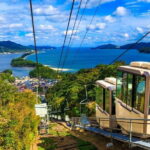
Your Kyoto day kicks off in the Arashiyama area after about 1.2 hours of travel from Osaka. The first Kyoto stop is Togetsukyo Bridge, with about 50 minutes to take in the view.
This is not the kind of stop where you just cross and move on. You have time to pause and get oriented, looking out over the surrounding mountains and river valley. Then you cross the bridge and walk through the town of Arashiyama, which helps you shake off the long ride and get into “Kyoto mode” fast.
A practical note: this is the stage where you want comfy shoes. Even if you feel fine, you are about to do stairs and hills later, and Arashiyama already includes plenty of uneven walking.
Walking the bamboo forest trail (1000 years in your footsteps)
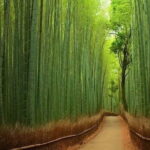
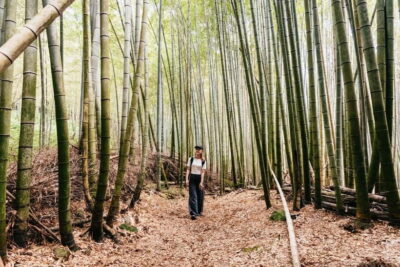
From the bridge area, you head to the Bamboo Forest Trail for about 50 minutes. This spot matters because it has been culturally significant for over 1000 years, and the bamboo cultivated by the nobles of the Heian era still remains.
Translation: you are not just walking through a movie set. You are seeing a place that has shaped Kyoto’s identity for centuries, and the guide’s context helps you read what you see instead of treating it like scenery you pass through.
Also, the timing works. In the middle of a full-day schedule, 50 minutes is long enough to slow down, look up, and enjoy the quiet tunnel effect people associate with bamboo groves. It is short enough that the day keeps momentum toward the temples.
One trade-off: bamboo time is a big chunk of the early day. If you are the type who could spend hours in forests, you might wish you had more room here. If you want the whole Kyoto hit list, this allocation makes sense.
Arashiyama town time for lunch and souvenirs
Next you get a break in Arashiyama itself for about 1 hour. This is your lunch window, and it is also when you can snack, shop, or just take a breather from temples and photo angles.
Lunch is not included, so you will want to treat this as your “choose-your-own” meal. You can look for a local place near where the group is walking, or grab something simpler from food stalls in the area if you prefer to eat and move.
Souvenir hunting also fits here. Kyoto days can blur together, so using this hour to pick up small gifts while you still remember the vibe of the area can be smart.
Kinkakuji Golden Pavilion with admission handled
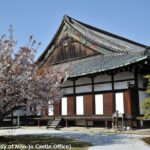
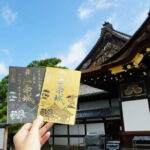
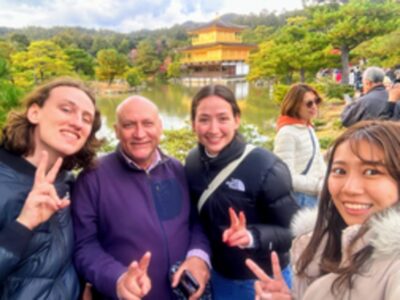
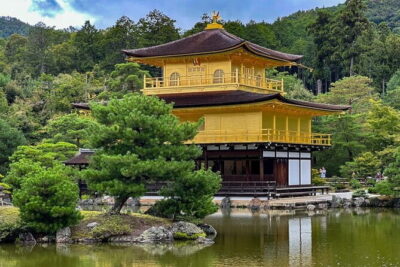
After Arashiyama, the tour drives about 25 minutes to Kinkakuji Temple, also known as the Golden Pavilion. You get about 1 hour 30 minutes at this stop, and importantly, the admission ticket is included.
This is a good length for most people. You have enough time to see the pavilion area and the surrounding garden without feeling like you must sprint. And with a guide explaining the significance, you get a clearer picture of why this temple became an icon.
Another reason the timing helps: the schedule moves from bamboo to a major temple site, which keeps the day’s emotional rhythm. Bamboo is calm and vertical. Kinkakuji is structured and monumental. Switching gears like this early makes the day feel less like a long checklist.


Fushimi Inari Taisha and the red gates pace
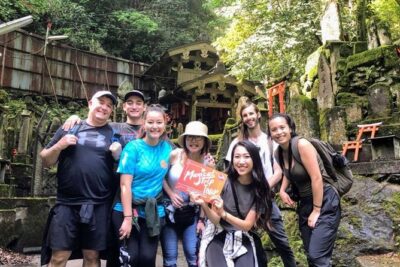
Then it is on to Fushimi Inari Taisha Shrine. The drive from Kinkakuji area is about 50 minutes, and you get about 2 hours on site.
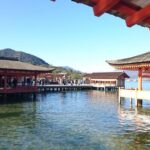
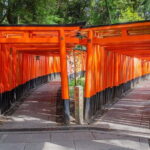
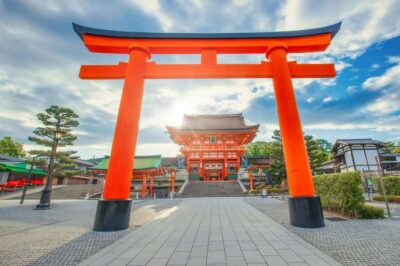
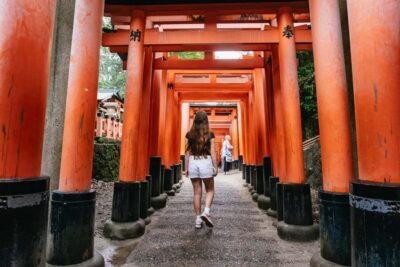
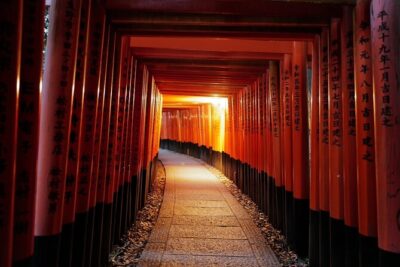
This shrine is famous for its red gates, and the tour focuses on the experience of climbing through them. The site was founded over 1300 years ago, dedicated to Inari Okami, who is connected with the peaks of Mt. Inari.
Two hours is plenty if your goal is to see the gates route, take photos, and understand what you are looking at. But it may feel short if you want to wander slowly and explore side paths without a group tempo.
One more practical detail: Fushimi Inari involves effort. The gates and the shrine areas sit on changing terrain, so you will feel the walking and likely some stairs. If you are deciding between this tour and something lighter, this is where you should pay attention to your stamina.
How the guiding makes the day worth it
A big part of why this tour earns such strong marks is the guide experience. Names that come up in the tour feedback include Taka and Tom, and also Woody and Toru, with Jin described as giving detailed information.
What you can reasonably expect from a day like this is not just facts, but help interpreting what you see fast. Kyoto can be crowded and confusing when you arrive on your own, especially around popular temple and shrine areas. A good guide helps you navigate without losing your place, and you also get cultural context while you are moving.
The tone seems to be friendly and engaging, with guides using their knowledge to keep the day from feeling like a lecture. When the group size stays small, that also helps you feel comfortable asking questions on the spot.
Value check: what $105.71 buys you
The price is $105.71 per person, which is not cheap, but it is easier to justify when you look at what is included.
You get:
- Round-trip transfer time between Osaka and Kyoto in a private vehicle
- Air-conditioned comfort
- English-speaking conductor and Mandarin-speaking conductor listed as part of the service
- WiFi on board and bottled water
- All fees and taxes
- Kinkakuji Temple admission included
Other stops are listed as free admission, so your money is mainly going to the guided structure and transportation, not random add-ons. You still pay for lunch separately, since lunch is not included, but you are not hit with surprise ticket expenses for every stop.
If you were planning this alone, you would spend time coordinating transit, and you would likely still end up paying admissions at temples and dealing with timing around crowds. This tour buys you a managed route and a clear plan for seeing three major sites in one day.
Who this Kyoto day trip suits best
This is a great fit if you want to see the headline Kyoto sights without a planning headache. It is also a strong choice if you like a guided pace that moves the day forward, so you do not lose hours just getting from one area to another.
It is especially suitable for people who:
- want Arashiyama, Kinkakuji, and Fushimi Inari in one organized day
- prefer a small group and a private vehicle over big-bus chaos
- enjoy learning the meaning behind sites, not just taking pictures
It might not be the best choice if:
- you cannot do long walking sessions, since the tour notes stairs and hills in multiple places
- you get unhappy when schedules shift, because weather and traffic can change the timeline
- you want a totally custom route, because the tour is not customizable
What to watch for on timing and pacing
The day is clearly designed to hit three big icons, and that impacts pacing.
The bamboo and Arashiyama blocks are substantial, and that can be perfect if bamboo forest time is your priority. If you prefer temples and shrine exploring over forest strolling, you might find yourself wishing you had more time later.
Then Fushimi Inari comes next, with about two hours. For some people, that feels like a quick walk through the red gates. For others, it feels like the right amount, especially when you have already done Arashiyama and Kinkakuji earlier in the day.
Also, keep in mind the route is weather sensitive. The schedule “might change” due to weather and traffic conditions, so the best mindset is flexible. Bring a little patience, and you will enjoy the day more.
Should you book this full day Kyoto tour from Osaka?
If your goal is to see three of Kyoto’s most famous sights with minimal logistical stress, I think this is a smart booking. You get a guided day, small group size up to 11, and the key temple admission at Kinkakuji is included. The structure also helps you move between areas efficiently, which matters because Kyoto is popular and timing can get messy.
I would book it if you can handle walking with stairs and hills, and you are okay with the idea that the day is tightly planned. If you want a slow, deep exploration where you linger wherever you please, you might end the day feeling slightly rushed at one site or another.
Overall, this is a value-focused option for a first Kyoto day from Osaka, especially if you want the highlights with guide-led context and a comfortable vehicle ride.
FAQ
How long is the full day Kyoto tour?
The tour runs about 8 to 9 hours.
Where do I meet, and what time does the tour start?
You meet at Shinsaibashi or Umeda DT Tower, with a start time of 9:45 am.
What is included in the price?
The price includes an English-speaking conductor, a Mandarin-speaking conductor, an air-conditioned vehicle, WiFi on board, all fees and taxes, and bottled water. Kinkakuji Temple admission is included as well.
Is lunch included?
No. Lunch is not included.
How much walking is involved?
The tour includes walking, and it notes stairs and hills at the places you visit. It is not recommended if you cannot walk long distances.
Can I customize the stops or route?
No. The tour is not customizable.
What is the cancellation policy?
You can cancel for a full refund if you cancel at least 24 hours before the experience’s start time. It also notes the experience requires good weather, and if canceled due to poor weather you will be offered a different date or a full refund.
More Full-Day in Osaka
More Tours in Osaka
More Tour Reviews in Osaka
Not for you? Here's more nearby things to do in Osaka we have reviewed




Fushimi Inari Shrine Tours, compared.
 ★ 4.8Fushimi Inari, Kinkakuji, Bamboo Grove 1 Day Bus TourFrom $1224,316 reviews
 ★ 5.0Fushimi Inari Hidden Hiking Tour (Private Option Available)From $631,750 reviews
 ★ 4.7Kyoto/Osaka: Nara, Fushimi Inari Taisha, Arashiyama Bus TourFrom $521,275 reviews
 ★ 4.4Osaka/Kyoto: Arashiyama, Nara & Fushimi Inari Shrine w/LunchFrom $61754 reviews
 ★ 4.7Nijo Castle, Kiyomizu & Fushimi Inari Guided TourFrom $54700 reviews
 ★ 5.0Nijo, Kinkaku-ji, Arashiyama, Kiyomizu & Fushimi InariFrom $51699 reviews
 ★ 5.0Kyoto Fushimi-Inari Night Walking TourFrom $43320 reviews
 ★ 4.93-Hour Fushimi Inari Shrine Hidden Hiking TourFrom $72270 reviews
Browse the lists this tour appears in