
Reviewed · KYOTO BUS & SIGHTSEEING TOURS
Kyoto and Nara UNESCO Highlights Full-day Tour From Osaka
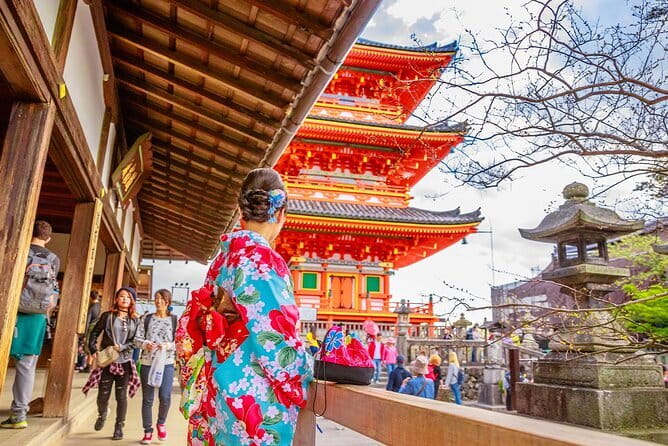
Kyoto and Nara in one day. What makes this tour fun is the mix of famous UNESCO sites and smaller streets you can actually walk and feel, from Kiyomizu-dera’s hillside views to Fushimi Inari’s thousand torii and deer time in Nara Park. I like the structured route that saves you from juggling trains, and I like the multilingual guide support so you are not guessing what to do next. One thing to consider: it is a long day with real walking and a tight schedule, so you will want comfy shoes and a heat plan.
The day flows in a way that works well if you only have one shot at Kyoto and Nara. Kiyomizu-dera and the nearby old streets give you that classic Kyoto atmosphere, while Fushimi Inari and Todaiji are the big wow stops that make the UNESCO label feel earned, not just stamped on a brochure. The possible drawback is weather and traffic can cause shorter sightseeing times, and the bus ride can feel crowded during peak periods.
Key Highlights I’d Prioritize
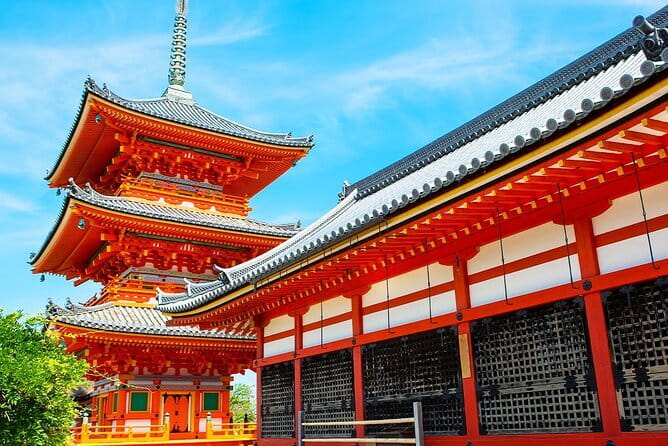
- Kiyomizu-dera in the morning for the best chance at easier pacing on the hillside area
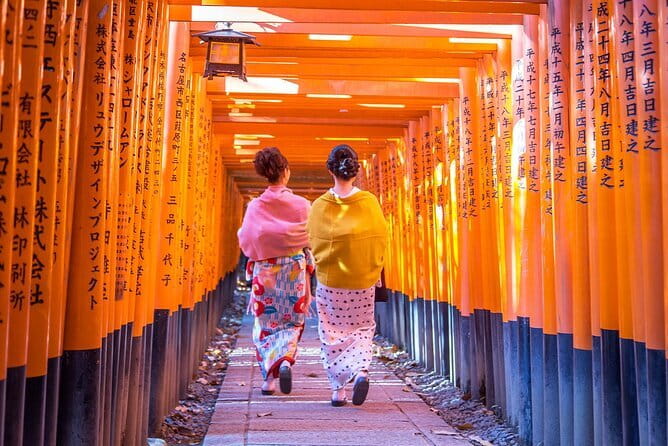
- Fushimi Inari free time (about 70 minutes) to choose your own walking level on the torii path
- Nara Park deer encounter paired with a visit to Todaiji Temple
- Multilingual guide help on the spot, with clear timing for when to be back at the bus
- Small shared group size (up to 40), which usually means less chaos than the biggest group buses
A One-Day Kyoto and Nara UNESCO Route That Actually Feels Walkable
This is the kind of day trip that fits real life: you start in Osaka, you get driven to Kyoto and Nara, and you hit the major sights without spending your whole vacation on transit logistics. The itinerary is built around short bursts of high-impact sightseeing with breathing room for photos and wandering.
The UNESCO highlights are spread out in a smart sequence. Kiyomizu-dera is your big spiritual start, then Fushimi Inari gives you the dramatic visual of senbon torii. After that, Nara shifts the mood with an easygoing park setting and deer encounters, followed by Todaiji Temple, where the main bronze Buddha is the kind of scale that snaps your brain into focus.
What you should expect is not a slow, romantic stroll from one postcard to the next. It is more like a well-run circuit. You will do plenty of walking, and some parts are uphill, especially around temple approaches. Still, the route makes sense if you want maximum payoff from limited time.
More Kyoto temple visits, food tours, tea experiences, and day trips to compare
Starting at Nipponbashi: The Meeting Point System That Keeps You Moving
Your day starts with a clear, two-stage pick-up setup. If you are joining from Osaka, the meeting point is at Nipponbashi Exit 2, with pickup listed at 8:40am. If you are joining from Kyoto, pickup is at Kyoto-Hachijoguchi Bus Loading Area at 9:50am. The tour ends back in Osaka at the same Nipponbashi address.
The guide uses a yellow flag with the Gogoday logo. Arrive about 15 minutes early. That buffer matters because you do not want to be the person sprinting at the last second while everyone else is boarding.
A small practical note: this tour is a shared group, up to 40 people, so you are not alone, but you also are not in a massive crowd. The guide offers explanations in English, Mandarin, and Japanese, depending on the group. In past experiences with this kind of tour, guides with names like Lu, Leo, Jason, Yujun, or Zhao have been mentioned for being punctual and giving clear timing, including bilingual explanations. You cannot count on a specific guide name, but you can count on a guide who is used to keeping different language groups together.
Ride Comfort, Timing, and the Heat Reality on Bus Tours
You travel by an air-conditioned bus, and that is a big deal for a day that runs about 9 hours 20 minutes. Still, here is the honest planning mindset: even the best bus comfort can feel less impressive when the bus is stopped and the weather is hot.
One review specifically called out that during extreme heat, the bus was not always keeping air conditioning power while parked. I would treat that as a warning sign. Bring water, and do not assume you will get a perfectly cold ride the entire time. If it is a hot day, plan to cool down during breaks, and keep a light layer for temple interiors or shaded corridors.
Also remember the note about itinerary changes. Traffic, weather, or unforeseen circumstances can lead to shorter sightseeing times or the possibility of canceled attractions. That is not rare in Japan, especially with Kyoto traffic. The practical takeaway: do not schedule a second big plan right after your tour ends. You want a clean runway home.
Kiyomizu-dera and the Old Streets: Where Kyoto Starts to Feel Real
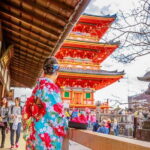
Kiyomizu-dera Temple is the morning anchor, and it is famous for a few reasons. First, it is a UNESCO site, second, it is visually dramatic with its hillside setting, and third, the approach and surrounding streets bring in that Kyoto feeling that most people came for.
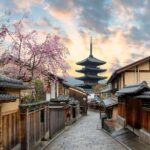
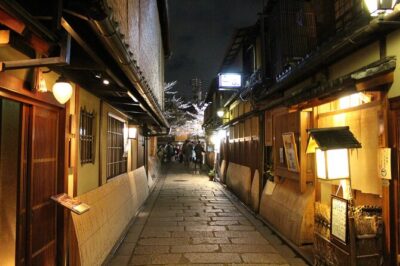
From the tour timing, you get about 2 hours 30 minutes in the Kyoto area for this whole first stretch. During that time, you are not only going to the main temple. You are also built to wander the historic lanes nearby, including areas like Ninenzaka and Sannenzaka, plus the quieter Ishibe Alley. The route also mentions strolling through Gion and Hanamikoji Street, which is a key contrast to the temple hill walk. Gion tends to feel more refined and lantern-lit in the right lighting.
Here is what to watch for, so you enjoy it instead of just surviving it:
- Expect uphill walking and uneven steps near temple areas. Good shoes matter.
- Some stretches are crowded. If you want better photos, walk a bit slower and step aside when groups cluster.
- Temple interiors and approaches can have specific flow rules, so follow the guide’s pacing.
The admission fee for Kiyomizu-dera is listed as $5.00 per person, not included in the base price. If you want to minimize friction, keep some cash ready just in case card payment is not available at the entrance.
Why I like this stop: Kiyomizu-dera is big on atmosphere, not only architecture. Even if you have seen pictures, being there in person is different. It also sets a tone for the rest of the day, because the walking gradually transitions you from “Kyoto icons” into smaller street-level views.
Fushimi Inari’s Senbon Torii: Your Free Time to Choose the Walk
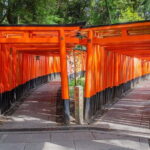
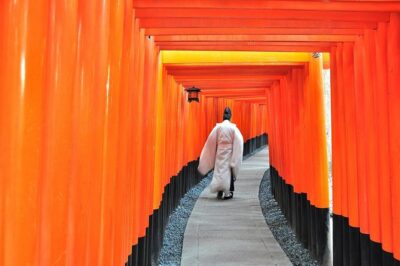
Fushimi Inari Taisha is the signature photo target, and the headline feature is those senbon torii, the endless rows of red gates. The tour schedules a stop of about 70 minutes with free time, and the admission is listed as free.
That free time is important. Not everyone wants the same walking intensity. In this area, you can turn your level of effort into the experience. If you want quick, dramatic views, you stay closer to the entrance. If you want the longer route and a calmer feel as you go deeper, you keep walking and accept that it takes time and effort.
Practical advice for this stop:
- Go at your own pace and be mindful of bottlenecks at the busiest points.
- Bring a small bag you can keep close, since you will be threading through crowds and narrow paths.
- If it is sunny, you will want water. Shade can be limited depending on where you are on the route.
This is also one of the better places for a “photos but also slow down” mindset. The gates create repetition, so small changes in angle matter. If you rush, you end up with the same picture everyone else got. Give yourself time to look up, then look sideways, then stop for a moment and let the scale hit you.


Nara Park Deer Time and Todaiji’s Giant Bronze Buddha
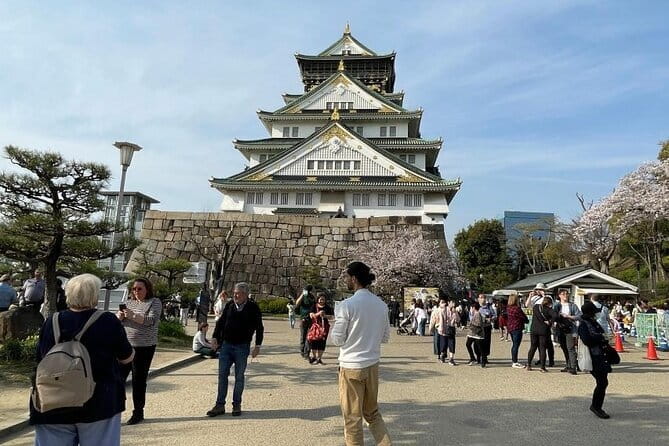
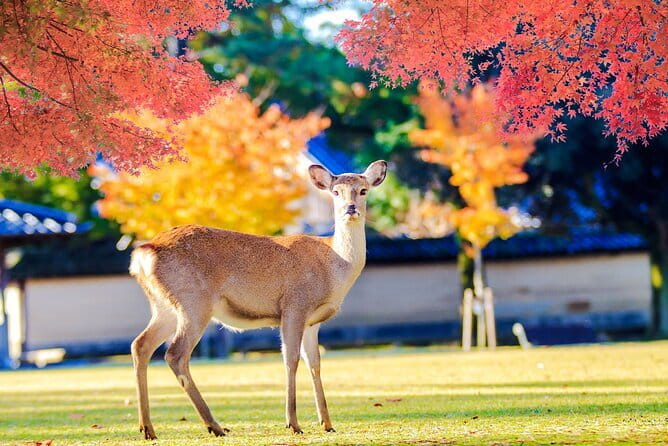
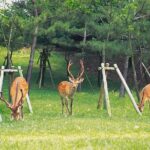
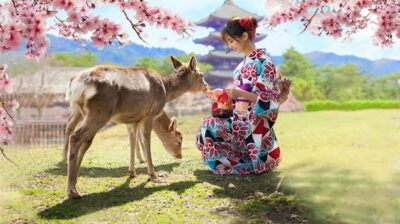
Nara Park is your mid to late afternoon shift, scheduled for about 1.5 hours with free time. The big scene here is the deer in the park. The tour positions this as a friendly encounter, and it is one of those moments that feels both silly and surprisingly memorable.
The key thing is to treat it as a shared environment, not a zoo moment. The deer are part of the park culture. Keep your posture calm, and do what the flow suggests rather than trying to force a perfect moment.
Within the same overall window, you also visit Todaiji Temple, which is where the tour highlights the world’s largest bronze Buddha. Todaiji’s admission is listed at $7.00 per person, not included. So plan a bit of spending ahead and carry the right payment method. The tour also notes that you should bring some cash because some locations may not accept credit cards.
Why Todaiji is worth the extra ticket: the scale is the whole point. Even if you have read about it before, seeing it in person is the part that makes it land. The temple spaces also tend to create that “quietly stunned” feeling, even when other people are around.
The time can feel a little tight. One caution from day-trip logic: as the day goes on, daylight changes fast. If you are the type who likes slow temple time, you will want to prioritize specific zones and not wander endlessly just because you can.
Walking, Shoes, and How to Pack for a Tight But Good Day
This is a tour that rewards good planning. You are moving from Osaka to Kyoto to Nara and back, and the scenic stops involve real walking. The tour also notes the bus parking lot can be a bit far from the scenic spot, so you will walk a short distance before you arrive at the main areas.
My packing advice is simple and practical:
- Wear comfortable walking shoes with traction. Steps and slopes add up.
- Bring a small water bottle. You do not want to be searching while the group is forming again.
- Bring cash for the temple fees and any places that do not take cards.
- If it is warm, consider a hat and light layer for shade. If it is cool, keep a layer for morning.
Timing strategy: use the free time windows for what matters most to you. Fushimi Inari gives you 70 minutes, so decide in advance how far you want to go. For Nara Park and Todaiji, you only have about an hour and a half total, so pick whether you want more park time with deer or more time inside Todaiji.
Also, be ready to regroup quickly. This kind of shared group tour works best when you return on time and stay within sight lines. The guide will tell you when to get back on the bus, and missing that moment throws off the whole rhythm.
Price and Value: Does $62.75 Really Cover Your Day?
At $62.75 per person, the tour price is low enough to feel like a deal, especially because it includes:
- pick-up and drop-off from designated areas
- air-conditioned bus transportation
- a multilingual guide (English, Mandarin, Japanese)
The base price does not include lunch or temple admission fees for Kiyomizu-dera ($5.00) and Todaiji Temple ($7.00). Fushimi Inari is free, which helps balance the spending.
So, what does that mean in real terms? Budget roughly:
- about $12 total for the two ticketed temples (before any other purchases)
- plus lunch (not included)
- plus snacks, drinks, and any small shopping along the streets
For many people, the big value is not just money. It is stress. Getting from Osaka to these specific Kyoto and Nara sites in one day with minimal transfers is the main service you are paying for. If you have ever tried to do this route on your own, you already know it can become a puzzle of train timing, station exits, and crowd navigation.
This is also a good value if you want someone to keep the day moving. The guides mentioned in feedback, including Lu, Leo, Jason, Yujun, and Zhao, have been praised for clear explanations and responsiveness, like giving route pointers and helping with group coordination. Your exact experience will vary by guide and group, but the structure is there.
Who Should Book This Tour, and Who Might Want a Different Plan
I’d point you toward this tour if:
- you are doing a first or second trip to Japan and want a classic Kyoto plus Nara mix
- you only have one full day to spare from Osaka
- you prefer guided pacing with free time built into the day
- you want UNESCO highlights without the stress of DIY transit
I would consider a different plan if:
- you hate walking uphill or hate crowded streets
- you want long, slow museum-style time at one temple
- you are sensitive to heat and prefer guaranteed, strong air conditioning at every stop
- you want to stack more plans immediately after the tour ends, since the schedule can shift
For families, this can work if kids can handle walking and you keep breaks practical. For solo travelers, it is also easier than doing the whole circuit alone. For couples, it is a good way to check the big sights off without feeling like you spent the day in transit.
Should You Book This Kyoto and Nara UNESCO Highlights Tour?
If you want a high-yield day that hits Kiyomizu-dera, Fushimi Inari, and Todaiji, with Nara deer time in the middle, this tour is a strong choice. The price is reasonable for guided transport and interpretation, and the free time windows let you shape the day instead of following a rigid script.
I’d book it if you can handle a long day and you show up prepared for walking and possible schedule changes. If that sounds like you, you will likely come away with that rare combination of big UNESCO moments and real street-level Kyoto vibes in one smooth, guided flow.
FAQ
What time does pickup happen in Osaka?
Pickup in Osaka is listed for 8:40am at Nipponbashi Exit 2.
Is pickup also available in Kyoto?
Yes. There is a Kyoto pickup at 9:50am at the Kyoto-Hachijoguchi Bus Loading Area.
Where does the tour end?
The only drop-off location listed is back in Osaka, at 1-chōme-3-6 Nipponbashi, Chuo Ward, Osaka, 542-0073, Japan.
How long is the tour?
The duration is about 9 hours 20 minutes.
What’s included in the price?
The tour includes pick-up and drop-off from designated areas, air-conditioned bus transportation, and a multilingual tour guide (English, Mandarin, Japanese).
Which entrance fees should I budget for?
Kiyomizu-dera costs $5.00 per person and Todaiji Temple costs $7.00 per person. Fushimi Inari is listed as free.
Is lunch included?
No, lunch is not included.
Do I need cash during the day?
Bring some cash, since some locations may not accept credit cards.
What does the guide use to help you find them?
The guide holds a yellow flag with the Gogoday logo at the meeting point.
Can I cancel for a full refund?
Yes. You can cancel up to 24 hours in advance for a full refund. If you cancel less than 24 hours before the start time, you will not get a refund.
More Full-Day in Osaka
More Tours in Osaka
More Tour Reviews in Osaka
Not for you? Here's more nearby things to do in Osaka we have reviewed


Kyoto Bus & Sightseeing Tours, compared.
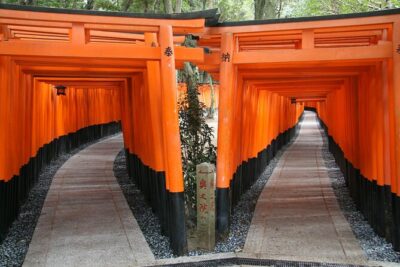 ★ 5.0PERFECT KYOTO 1-Day Bus TourFrom $12913,518 reviews
 ★ 4.8Fushimi Inari, Kinkakuji, Bamboo Grove 1 Day Bus TourFrom $1224,316 reviews
 ★ 4.9Best of Kyoto: Gion, Geisha, Pagodas & CobblestonesFrom $242,058 reviews
 ★ 3.9Hop-on Hop-off Sightseeing Bus TicketFrom $272,034 reviews
 ★ 5.0Private Kyoto Tour with a Local, Highlights & Hidden Gems, PersonalisedFrom $1021,543 reviews
 ★ 4.7Kyoto/Osaka: Nara, Fushimi Inari Taisha, Arashiyama Bus TourFrom $521,275 reviews
 ★ 5.010 Must-see Spots in Kyoto One Day Private Tour (up to 7 people)From $1791,108 reviews
 ★ 4.5One-Day Tour of Kyoto’s Highlights from Osaka/KyotoFrom $661,092 reviews
Browse the lists this tour appears in