
Reviewed · NARA DAY TRIPS FROM KYOTO
Kyoto & Nara Private customized tour with English speaking Guide
Kyoto and Nara without the logistics headache. This private day trip bundles iconic sights like Fushimi Inari and Kinkakuji with a flexible plan, plus an English-speaking guide to smooth out the day. You start from the Osaka Station area and spend about 8 to 10 hours getting around by car.
I especially like the way your itinerary can fit your group. You are not stuck sprinting through stops that do not interest you, and you can pace things based on energy level. I also like the practical touches: an air-conditioned vehicle and WiFi on board, which makes longer travel days feel way more human.
One thing to consider is that not every temple ticket is included, and crowd levels can spike at the big-name photo spots. Nara deer time can also get intense with kids, depending on when you go. Plan for some extra spending and some crowd breathing room.
Key things to know before you go
- A private group up to 6 means you can keep the plan tight without splitting up
- 8 to 10 hours gives you enough time to hit major icons without turning it into a blur
- WiFi and air-conditioning help you stay sane during transit between Nara and Kyoto
- Not all admissions are included (some temples cost extra, while others are free)
- English guidance quality matters and has ranged from very active commentary to lighter guidance
- Nara deer safety is real, especially for families with small children
Why this Kyoto and Nara private day feels easier
This tour works because it removes the two biggest travel stressors in Japan: figuring out transit and translating every little sign. You get a car and an English-speaking guide, so you spend your energy on seeing, not on solving.
It is also built for flexibility. The tour is not just a fixed route where you arrive, stand in line, and move on no matter what. Your guide can adjust timing and priorities, and that is huge when you have mixed ages, different interests, or just want more time at one place.
And yes, the big icons are here, but the real value is how you reach them. Instead of bouncing between stations all day, you are in one vehicle, and your guide helps manage the order and pacing.
You can also read our reviews of more guided tours in Osaka

Price and value: what you are really paying for
At $549 per group (up to 6), the math is simple. If you fill all seats, you are effectively around $91.50 per person for the day. Even if you do not fill it completely, it can still make sense compared with booking separate taxis or trying to DIY with lots of back-and-forth.
Where the value shows up is not just in the vehicle. You are paying for:
- Door-to-sight coordination, including pickup options from Osaka, Kyoto, or Nara
- Language support, so you can ask questions and understand what you are seeing
- Less time wasted, because driving between sites is handled efficiently
Also, admissions are mixed. Some stops are free, and at least one big-ticket attraction has a ticket included. That means your total day cost is easier to predict than with some tours that include everything and still charge you later.
Pickup, meeting point, and how the day typically runs
This experience starts in the Osaka area, with the meeting point listed as Osaka Station 3-chōme-1-1 Umeda (Kita Ward), Osaka. The tour also offers pickup, and the day is designed so you do not have to travel yourself from city to city.
The time window is about 8 to 10 hours, running roughly 8:00 AM to 6:00 PM based on the operating hours shown for the period. That matters because Kyoto and Nara sites can be very crowded at the same popular times. A well-timed schedule helps you avoid the worst congestion and keeps walking manageable.
A practical tip: before you set off, get clear on the basic flow of your day with your guide. One downside that showed up for some people was unclear communication about expectations. If you start your morning with the priorities you care about most, you are far more likely to end up happy with the pace.
Nara Park with deer time and Todai-ji Temple context
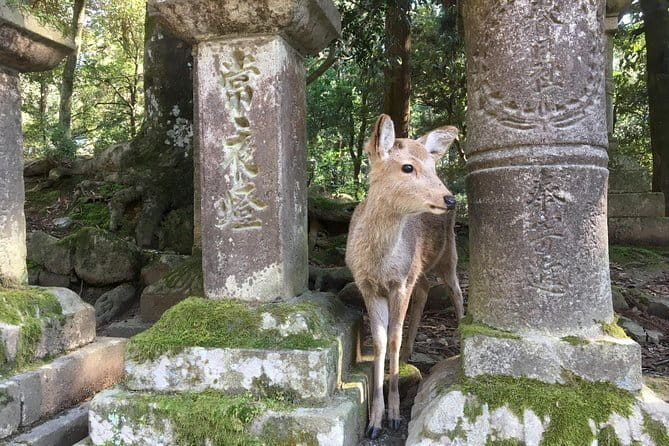
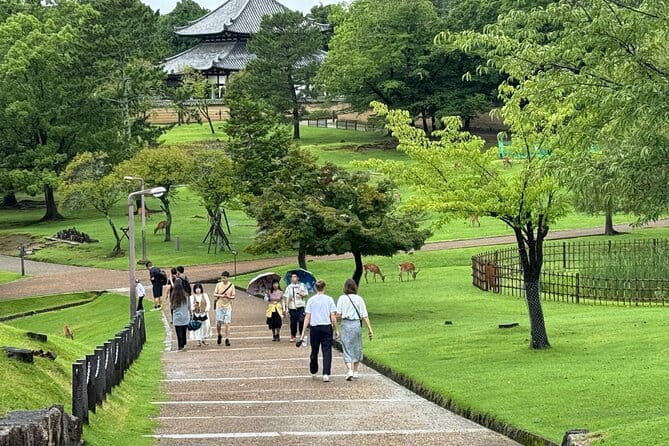
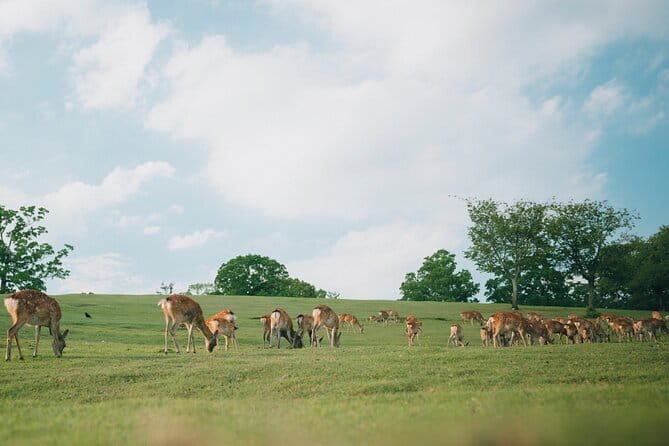
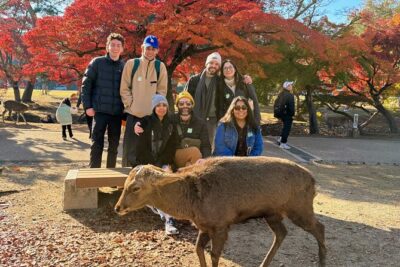
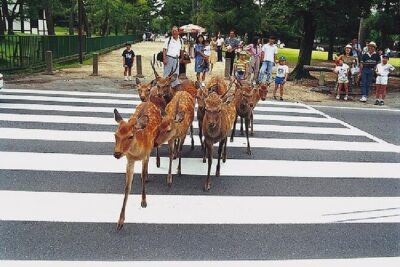
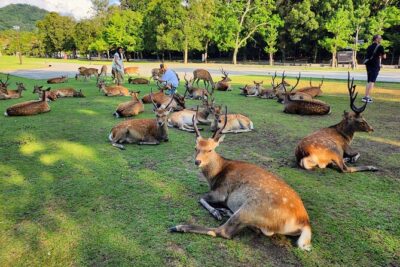
The day starts in Nara, with Nara Park first. The highlight here is the deer: roughly 1,200 wild deer roam freely in the park. That makes it fun in a very specific way, especially if you are traveling with kids or you like animal encounters.
Here is the thing I would plan around. Deer can be calm, but they can also be bold. One family-focused highlight mentioned that the male deer can be aggressive, so if you have little ones, keep a close grip and do not assume the deer will be polite.
You get about 1 hour at Nara Park, and it is listed with free admission. That is good timing because you get enough minutes to see the deer, then transition into the big temple stop without feeling rushed.
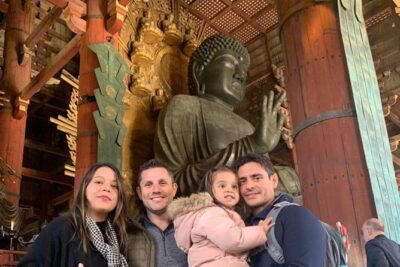
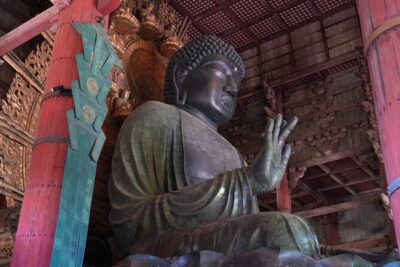
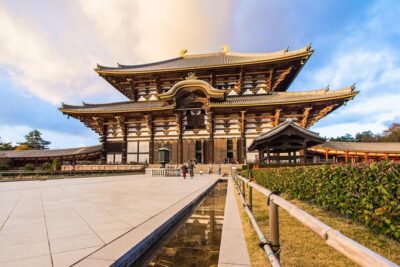
Next is Todai-ji Temple (about 1 hour). It is a Buddhist temple founded in the early 8th century during the Nara period, and it is a UNESCO World Heritage site. The big practical detail: admission is not included, so budget for temple entry fees on top of the base price.
If you like your sightseeing with a bit of meaning, Todai-ji tends to deliver. Even if you are not a deep temple person, this one is famous for a reason, and it sets the tone for why Nara matters.
Arashiyama Bamboo Grove vibes and Tenryu-ji Zen atmosphere
From Nara, you head to Kyoto’s Arashiyama area. The planned stop includes about 1 hour in Arashiyama, with free admission.
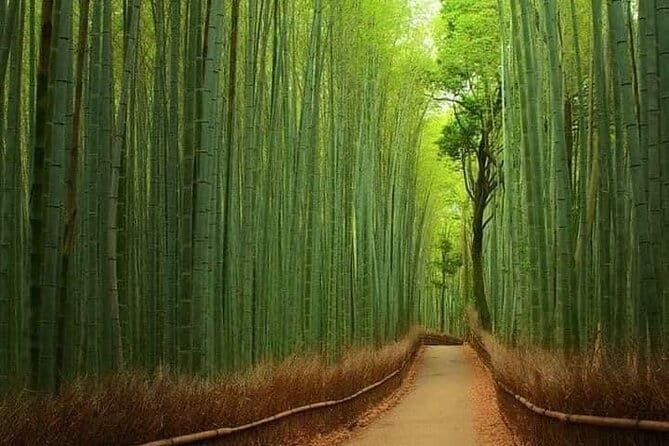
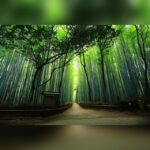
The headline is the bamboo grove, described as tall green stalks creating a serene, otherworldly mood. Even people who are not architecture buffs usually enjoy bamboo time because it is a visual experience that does not require you to know a single historical detail.
Then you add Tenryu-ji Temple (about 30 minutes), also in the Arashiyama area, and also UNESCO World Heritage. It dates to the 14th century according to the info provided, and it is presented as a Zen temple stop.
Tenryu-ji admission is not included, so this is another place where your day budget can grow. The short time window is also worth noting. If you want slow temple wandering, you might feel a little time pressure here. But if you prefer a quick hit of a major temple and move on, the schedule is efficient.
You can also read our reviews of more private tours in Osaka


Golden Pavilion (Kinkaku-ji) and the Kyoto photo magnet moment
One of the most famous stops on the route is Kinkaku-ji Temple, also known as the Golden Pavilion. You get about 40 minutes, and the ticket is noted as included.
This is a very practical inclusion. When you arrive at Kinkaku-ji, you do not want to spend your limited touring time hunting for tickets or trying to interpret the cost. Having the ticket included removes one friction point, and it is a big reason this itinerary works for first-timers.
The temple is described as having a dazzling golden exterior and serene gardens, and it is another UNESCO World Heritage site. If you like photographing iconic architecture and reflections, this stop is usually the one that people talk about after the trip.
As for timing, just keep expectations realistic. A Golden Pavilion visit can feel like a photo parade, and your experience will depend on crowd levels that day. The private car and guided pacing help, but the place is famous for a reason.
Fushimi Inari-taisha at red-torii walking time
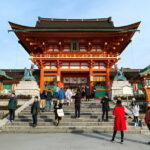
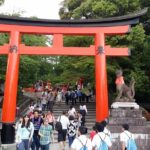
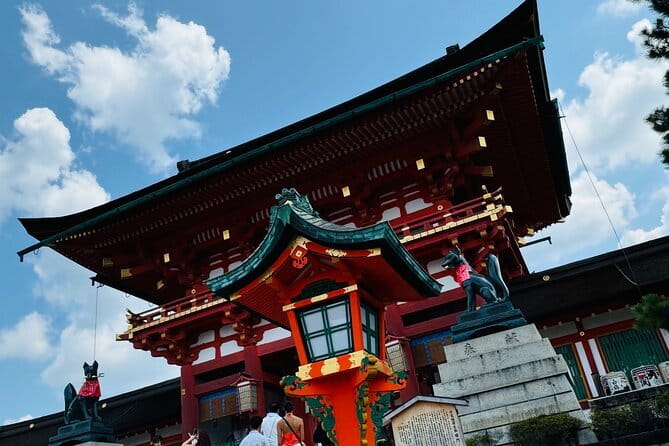
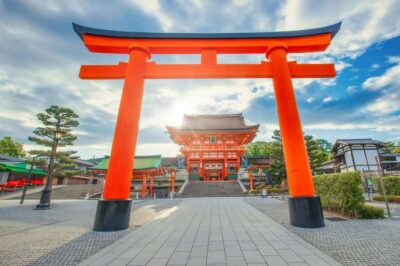
The final stop is Fushimi Inari-taisha Shrine, with about 1 hour on the plan and free admission.
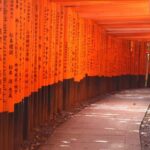
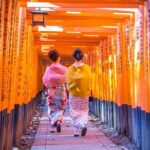
The signature detail is the thousands of vibrant red torii gates that create a tunnel-like walking experience. This is one of those sights where the walking path is the attraction, not just the building at the end.
With one hour, you have enough time to enjoy the gate tunnel and still get the photos you want. Still, it is a high-demand site. If you are sensitive to crowds, let your guide know at the start of the day, and ask for a plan that matches your comfort level.
Also, this stop is on the free list for admission, which is great for budget control. You will still be spending time and energy, but you are not adding another ticket line item.
Ticket math, what is included, and where extra costs can appear
Here is the clean breakdown based on what is listed:
- Included in the tour package: air-conditioned vehicle, WiFi on board, and the Kinkaku-ji ticket
- Not included: lunch, and admission for some temples like Todai-ji and Tenryu-ji, plus any other fees and taxes
Other stops are marked free:
- Nara Park (free admission)
- Arashiyama (free admission)
- Fushimi Inari-taisha (free admission)
So your likely extra costs are mainly temple admissions that are explicitly not included, plus whatever you choose to spend on lunch and drinks.
A budgeting tip that saves headaches: even if you are a careful planner, carry a bit of extra cash or card buffer. Temple entry fees can add up, and you will probably want water snacks during the day.
Guide quality: the difference between a good day and a great day
The guide is the difference maker on this kind of tour. The reviews for guides like Hamzah, Ali, Nomi, and Sha highlight English communication and a friendly, careful attitude. Several people also emphasized smooth driving, safety, and being flexible with requests.
At its best, the guide does four things:
- explains what you are seeing in clear English
- helps you move through crowded spots without wasting time
- adjusts pacing to your group
- offers helpful suggestions for meals when you are hungry and deciding fast
Still, the one clear warning sign from the downside feedback: one person felt commentary was limited, the guide spoke quietly, and expectations were not communicated clearly. Another complaint described poor communication on pickup and driving distractions. That does not mean this is typical, but it does mean you should start the day with a simple checklist:
- confirm pickup time and location details
- share your top priorities for the day
- ask how the guide plans to handle crowds and timing
If you do that, you dramatically improve your odds of a great experience.
Who this tour suits best, and who might want a different plan
This is a strong match for:
- Families, especially those who want fewer logistics headaches and more direct transport
- First-time Kyoto visitors, because you are hitting multiple icons in one day
- Small groups up to 6 who want flexibility, not a rigid group schedule
- Travelers who value English-speaking help when navigating unfamiliar places
It may be less ideal if:
- you want a very deep, slow-temple experience at each stop. The itinerary is set up for coverage, not lingering.
- you dislike driving days. You are traveling between Nara and Kyoto, and some people noted the amount of driving can be more than expected.
If you have a half-day energy limit, the customization should help. But go in knowing this is an all-day sightseeing route with multiple major stops.
A practical game plan for your best day
If you want your day to land right, do this:
- Pick your personal top 2 stops. Tell your guide those first.
- Decide your walking comfort level for Fushimi Inari, since it is the walking-through-gates experience.
- For Nara deer time, keep kids close and avoid sudden moves near deer.
- Plan your lunch break strategy. Lunch is not included, so you will be choosing something along the way.
One more small trick: use the car time. WiFi on board makes it easy to check opening hours, map your next move, or just relax. When you do that, the day feels less like constant transitions.
Should you book this Kyoto and Nara private tour?
Yes, if you want a stress-light day connecting Kyoto and Nara’s biggest names, with a guide who can help in English and a private vehicle that keeps you moving without the transit puzzle. The price can feel fair for the value when you book for up to 6, especially with Kinkaku-ji admission included, plus WiFi and air-conditioning.
I would book with confidence if:
- your group wants flexibility rather than a fixed script
- you appreciate having someone manage timing and navigation
- you are comfortable adding a bit of budget for non-included temple tickets
I would think twice if:
- you expect a super detailed lecture at every stop, regardless of guide style
- you are extremely price sensitive about admissions, since Todai-ji and Tenryu-ji are not included
If you communicate your priorities early, this tour is a smart way to see Kyoto and Nara in one organized day.
FAQ
How long is the Kyoto and Nara private tour?
It runs about 8 to 10 hours, roughly within the operating window of 8:00 AM to 6:00 PM.
How many people are in a group?
It is a private tour for your group, up to 6 people.
Where does the tour start?
The meeting point listed is Osaka Station 3-chōme-1-1 Umeda, Kita Ward, Osaka, 530-0001, Japan. Pickup is also offered from Kyoto, Osaka, or Nara.
Is an English-speaking guide included?
Yes, the tour is described as a Kyoto & Nara private customized tour with an English speaking guide.
What is included, and what is not?
Included items are an air-conditioned vehicle and WiFi on board. Lunch is not included, and not all fees and taxes are included. Kinkaku-ji ticket is noted as included, while Todai-ji and Tenryu-ji admissions are not included.
Is free cancellation available?
Yes. Free cancellation is available up to 24 hours in advance for a full refund.
More Guided Tours in Osaka

More Tours in Osaka

More Tour Reviews in Osaka
Not for you? Here's more nearby things to do in Osaka we have reviewed

Nara Day Trips from Kyoto, compared.
 ★ 5.0World Heritage Kyoto & Nara Uji Authentic Matcha ExperienceFrom $1291,573 reviews
 ★ 4.7Kyoto/Osaka: Nara, Fushimi Inari Taisha, Arashiyama Bus TourFrom $521,275 reviews
 ★ 5.0Nara Half Day Trip Walking Tour (Private Option Available)From $105937 reviews
 ★ 4.4Osaka/Kyoto: Arashiyama, Nara & Fushimi Inari Shrine w/LunchFrom $61754 reviews
 ★ 5.0Nara Early Morning Tour (Kyoto or Osaka Departure Available)From $61676 reviews
 ★ 4.5Kyoto and Nara Day Trip from KyotoFrom $194445 reviews
 ★ 5.0Full Day Guided Tour to Kyoto and Nara from Osaka by VanFrom $106420 reviews
 ★ 4.5Nara Afternoon Tour from Kyoto or OsakaFrom $102390 reviews
Browse the lists this tour appears in