
Reviewed · KYOTO SAKE TASTING TOURS
Japanese Sake Breweries Tour in Kyoto Fushimi
Fushimi turns a simple drink into a full walk. I like the mix of brewery stops plus guided tastings, and I also like how the route connects sake to Kyoto’s Edo to Bakumatsu era setting. One drawback: the experience depends heavily on your guide, so if you want lots of tasting-note talk, you’ll want to ask questions early.
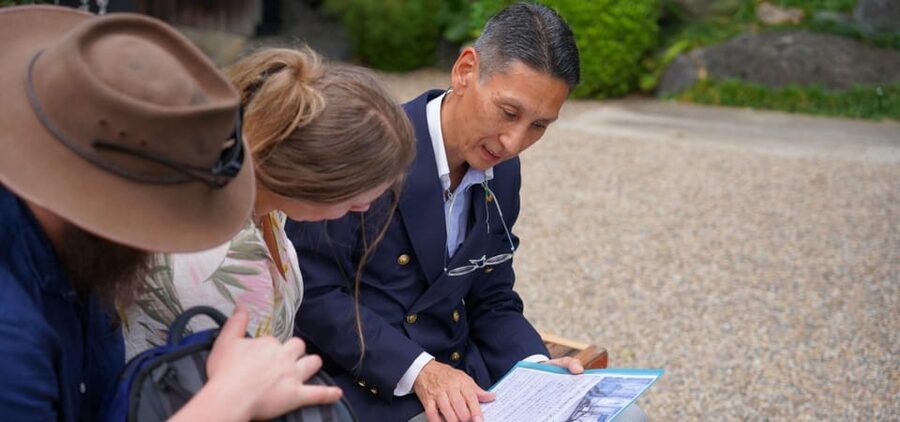
On a good day, you get a guide like Musaki (Bob), the type who can explain how brewing works and move you through the district with confidence. Even with rain, the structure keeps things fun, and you still get real sampling time rather than just speed-walking. If your group is small, you may get more back-and-forth, but if it feels like a straight shuffle between stops, you might feel the tour is pricier than it should be.
What Makes Fushimi Sake Culture Special in 3 Hours
Fushimi is one of Japan’s best-known sake areas, and the tour uses that clout in a smart way. You spend your time on foot, moving through the Fushimi sake district where historic breweries, old buildings, and alley vibes help you understand why this region mattered for centuries.
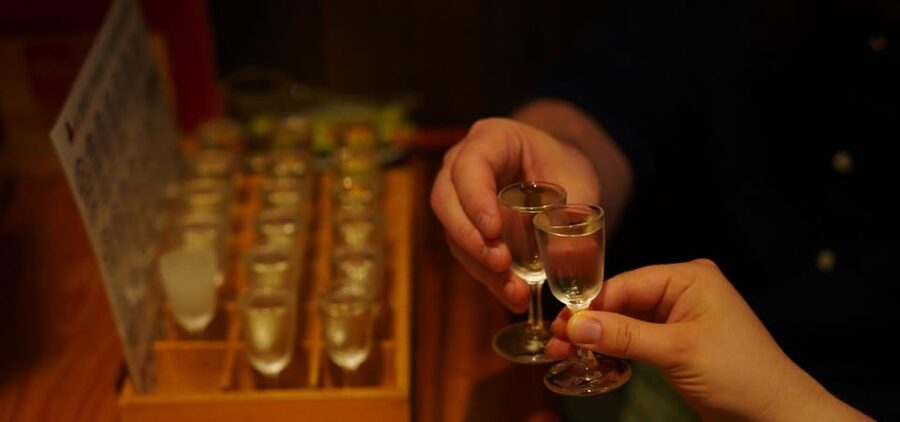
The pacing is also realistic. It’s not a lecture tour that forgets you have a tongue. You get repeated chances to taste, compare, and ask what you’re picking up. The tastings are part of how the guide teaches you to read sake, not just a reward at the end.
The other big plus is variety. You’re not only at one brand. You’re set up to visit multiple breweries and related stops, so you see how different makers think about flavor, aroma, and style.
Finding the Tour: Nakakamodoguchi Station and the Sign 888
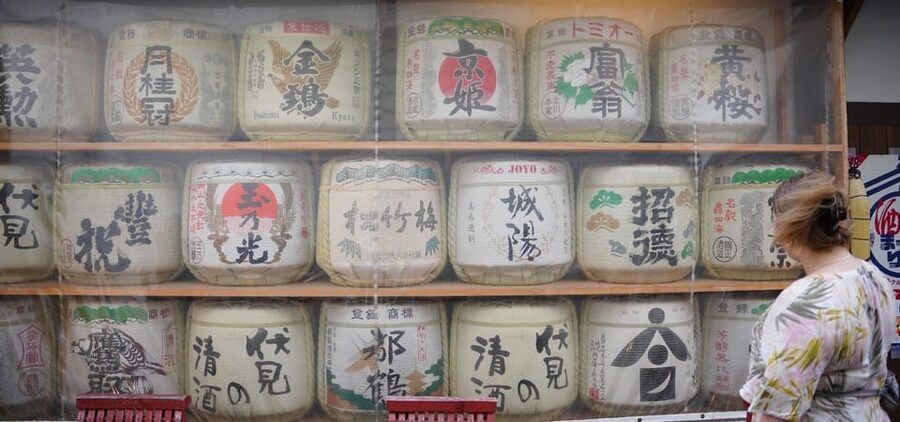
Start at 中書島駅 (Nakakamodoguchi Station). Meet just outside the north exit ticket gate at the sake barrel object. Your guide should be holding a sign with the number 888, and you’ll want to confirm that you’re in the right spot.
One practical note from real-world experience: there can be confusion with a similarly named nearby station area (JR Sumiyoshi Station has a similar name). I’d use the sake barrel as your anchor, then find the guide’s sign.
Arriving a few minutes early is worth it. There’s at least one reported case of a guide not showing up, and early arrival gives you time to straighten out any mix-up before the walk begins.
You can also read our reviews of more food & drink experiences in Kyoto
The Gekkeikan Ōkura Sake Museum Stop: Where Brewing Stories Feel Tangible
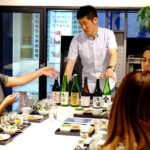
Your first guided stop is the Gekkeikan Ōkura Sake Museum with about 35 minutes inside. This is a strong opener because museums help you set a mental framework fast. You get context for how sake fits into Japanese daily life, and you see how a big name explains its craft.
You also get included items tied to Gekkeikan. There’s a commemorative sake cup, and later tastings connect the museum context to what you’re drinking.
What I like about starting here is that it makes the later comparisons easier. If you know a little about process and goals, you can taste with intent instead of just thinking, This is good. The guide’s job is to connect the dots between what you learn in the museum and what you’re about to sample.
Kizakura Kappa Country: A Quick Stop With Big Local Meaning
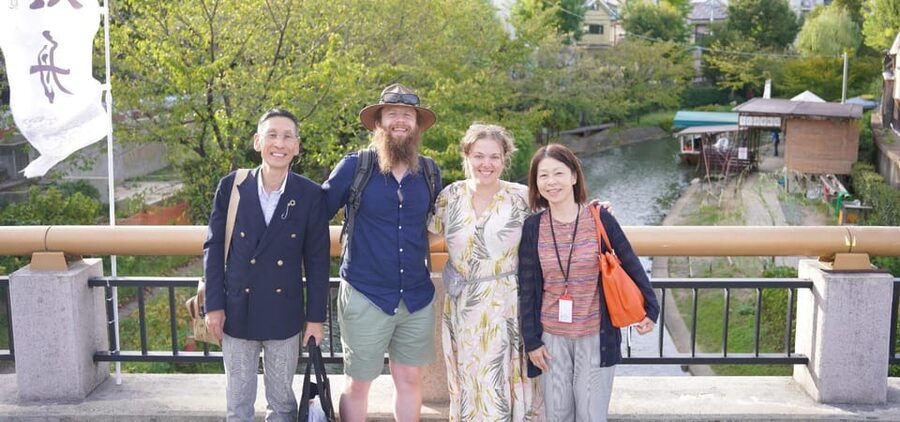
Next comes Kizakura Kappa Country, a short guided visit of about 5 minutes. This stop is designed to give you a specific local connection rather than a long history lesson.
You’ll also get one included drink here: a glass of Kyoto beer. It’s a fun change of pace if you’ve been sticking only to sake tasting. It also keeps the walk from feeling like one long alcohol-only track.
Kizakura is tied to the story of beer in the area, with the tour framing it as the place where Kizakura made the first local beer. Even if you’re mainly there for sake, that brewery cross-story helps you see how beverage culture grew side by side.
Fushimi Saka Gura Kouji: The Brewery Alley Feel That Makes It Real
After the quick Kizakura stop, you walk around for about 5 minutes before reaching Fushimi Saka Gura Kouji for about 25 minutes. This portion leans into the setting, the alley vibe, and the sense that sake is part of the district’s identity.
A useful detail here: the tour points out that the Fushimi Sake Brewery Alley was created with support from breweries in the Fushimi Sake Brewers Association, described as involving 17 breweries. That matters because it explains why this area feels like a team effort and not just a single-brand corridor.
This is also where I think the guided component matters most. It’s easy to walk these streets and miss why the buildings and locations matter. When the guide points out what you’re seeing, the district becomes more than a photo stop.
Fushimi Yume Hyakushu Cafe: Sake Ice Cream and the Taisho-Era Ship Story
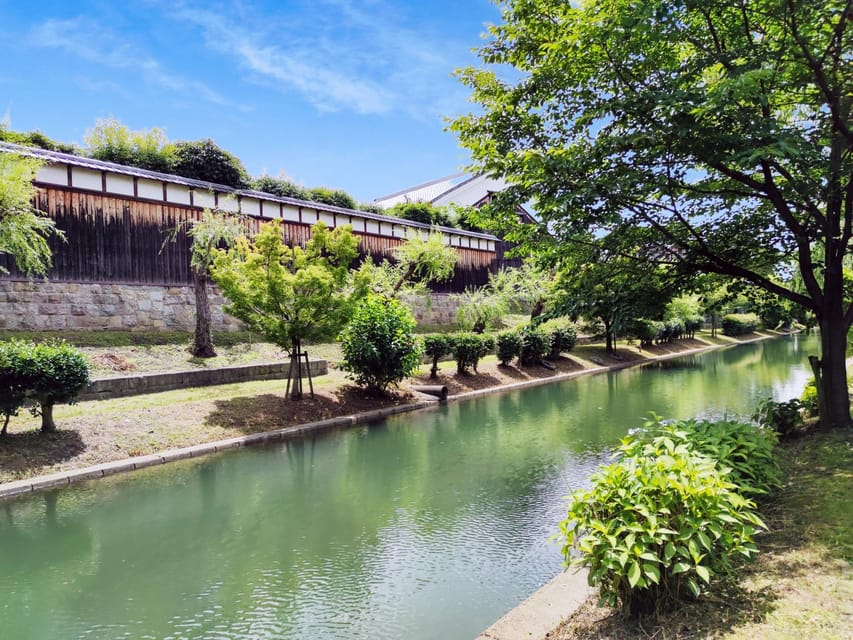
You’ll then continue on foot for about 5 minutes to Fushimi Yume Hyakushu Cafe, with a guided stop around 35 minutes. This is where the tour slows just enough to feel like a break, not a marathon.
Included here is snacks sake ice cream, which is a clever way to keep the tasting vibe going while shifting from liquid alcohol to something playful. It’s also a good option if you want a flavor connection without always chasing alcohol heat.
The tour also frames a very specific historical angle tied to a ship. It references the former head office of Gekkeikan, built in the Taisho period, and explains that from the Edo period to the end of the Meiji era the vessel was used as a logistics hub connecting Fushimi and Osaka, transporting people, sake, rice, and more.
That storyline is the kind of detail you remember because it explains how sake moved. You’re not just learning that people made sake. You’re seeing how the economy and transport helped it spread.
There is also a boat component referenced elsewhere on the tour as the Jukkokubune boarding option, but the boarding fee is not included. If your day includes the ride, you’ll pay 1500 yen at the dock. If it doesn’t happen, you won’t be paying for something you never get, but it’s smart to confirm in plain terms with your guide.
You can also read our reviews of more drinking tours in Kyoto



Ginjo Shubo Aburacho: The Tasting Portion That Teaches You to Compare
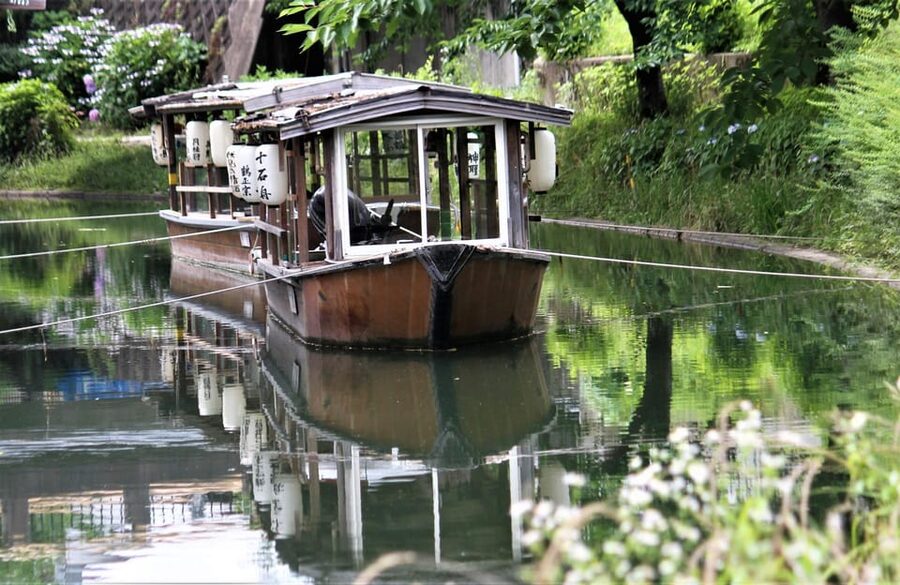
The final tasting stop is Ginjo Shubo Aburacho, with about 40 minutes guided. This is a key part of the value because tastings are where you turn curiosity into real skill.
You get an included tasting set of three types of Japanese sake here. That gives you a simple comparison structure. With three samples, the guide can usually walk you through differences in aroma, sweetness, dryness, and how the finish feels.
You also get a tasting set elsewhere in the day tied to Gekkeikan, described as another three-type set. So across the tour, you’re set up for multiple comparisons rather than one isolated pour.
One caution from real experience: the amount of explanation during tastings can vary by guide. If you want to leave with usable flavor language, don’t assume the pour will come with full detail. Ask your guide what to notice, for example aroma first, then taste, then finish. Even a small nudge helps you get more out of the three-sample format.
Price and Value: Is $80 for 3 Hours Fair?
At $80 per person for about 3 hours, this tour sits in the “worth it if you use it well” category.
Here’s what is included:
- Admission to the Gekkeikan Ōkura Sake Museum
- A commemorative sake cup (Gekkeikan)
- One glass of Kyoto beer (Kizakura)
- Sake ice cream (Yume Hyakushu Cafe)
- Two tasting sets of three sake types each (Aburacho and Gekkeikan)
And one big not-included item:
- Jukkokubune boarding fee, 1500 yen, paid at the dock
Also, eating and drinking expenses at other stops are not included, so you should plan a budget buffer if you get hungry during the walk.
So is $80 fair? If you’re new to sake, the included tastings and museum entry can make the cost feel less abstract. You’re paying for guidance, organization, and comparison time, not just for the drinks.
If you already know how to read sake styles and you mainly want to taste freely, this might feel expensive. The difference comes down to whether you get real explanation, not just movement between points.
Weather, Comfort, and Practical Tips for a Walking Day
This tour is a walking experience through Fushimi. That’s great for atmosphere and for getting those small street-level sights. It’s also something to plan around in weather.
One positive note: even in rain, it can still work as a full afternoon. Still, I’d bring a compact umbrella or a light rain layer, and wear shoes with grip. You’ll want to stay comfortable, because the goal is to enjoy the walking plus the tasting.
Also, keep your energy steady. Tastings can sneak up on you, even when they’re just small pours. Pace yourself, take sips slowly, and use the non-alcoholic options if offered, especially if you’re with anyone who can’t drink.
Who Should Book This Tour, and Who Might Want to Skip
This experience is a good fit if:
- You want a guided introduction to sake with multiple stops and tastings.
- You like history tied to actual places, not just dates.
- You want a structured “taste and compare” afternoon in Fushimi.
It might not be the best choice if:
- You’re expecting extremely deep technical brewing talk at every tasting moment. The level of detail can vary.
- You hate walking or get tired quickly, since the day is built around short foot segments between stops.
There is also a clear note on suitability: people over 80 years are not listed as suitable for this tour.
If you’re traveling with teens or younger adults, participants under 20 can join, but alcohol is illegal for them in Japan. The tour notes that non-alcoholic options and juices are available, so you won’t be stuck only with alcoholic pours.
My Booking Recommendation: When This Is a Smart Choice
I’d book this tour if you want your Kyoto sake time to feel guided and organized, with tastings that help you build taste memory in a short window. The combination of Gekkeikan museum context plus multiple tasting stops is the strongest reason to choose it over a random self-guided stroll.
Before you go, set yourself up to get the most value:
- Arrive early and locate the meeting spot using the sake barrel and the sign 888.
- During tastings, ask what you should notice. If the guide’s style is more quiet, your questions will do the heavy lifting.
- If the Jukkokubune boat portion is important to you, ask directly whether it’s planned for your departure, and remember the 1500 yen fee is paid at the dock.
If you crave a very animated, showy guide or you want guaranteed lecture-style depth at each stop, there’s some risk because explanation quality can vary by guide.
FAQ
How long is the Japanese Sake Breweries Tour in Kyoto Fushimi?
The tour lasts about 3 hours.
Where do I meet the guide for the tour?
Meet just outside the north exit ticket gate of 中書島駅 at the sake barrel object. The guide will be waiting with a sign that says 888.
What is included in the tour price?
Admission to the Gekkeikan Ōkura Sake Museum, a commemorative sake cup (Gekkeikan), one glass of Kyoto Beer (Kizakura), sake ice cream (Yume Hyakushu Cafe), and tasting sets of three types of Japanese sake at ABURACYO and at Gekkeikan.
Is the Jukkokubune boat ride included?
No. The Jukkokubune boarding fee is not included, and you pay 1500 yen on the day at the boat dock.
Can people under 20 join the tour?
Yes. People under 20 can join, but drinking alcohol is illegal under Japanese law. The tour notes non-alcoholic options and juices are available.
What languages are offered for the live guide?
The tour offers a live guide in English, Chinese, and Japanese.
More Food & Drink Experiences in Kyoto
More Tours in Kyoto
More Tour Reviews in Kyoto
Not for you? Here's more nearby things to do in Kyoto we have reviewed
Kyoto Sake Tasting Tours, compared.
 ★ 5.0Kyoto Night Foodie Tour in Gion (9+ dishes + 6 Sake tastings)From $1631,762 reviews
 ★ 5.03-Hour Kyoto Insider Sake Brewery Tour with Tastings & PairingsFrom $84917 reviews
 ★ 4.8Arashiyama Bamboo, Temple, Monkeys, or Secret Sake BreweryFrom $87886 reviews
 ★ 5.0Insider Sake Brewery Tour with Sake and Food PairingFrom $87704 reviews
 ★ 5.0Kyoto Sake Brewery & Tasting Walking TourFrom $98623 reviews
 ★ 5.01.5-Hour Kyoto Insider Sake Experience with 7 Tastings & PairingsFrom $68297 reviews
 ★ 5.0Insider Sake Experience with 7 Tastings and SnacksFrom $66266 reviews
 ★ 5.0Private Tea Ceremony and Sake Tasting in Kyoto Samurai HouseFrom $99163 reviews
Browse the lists this tour appears in