
Reviewed · KINKAKU-JI & GOLDEN PAVILION TOURS
Kyoto and Nara 2-Day Tour: Golden Pavilion, Todaiji, Deer Park
Golden light, then quiet bamboo. This Kyoto and Nara two-day tour is built around Japan’s former capitals, with a guide to keep your day organized and your questions answered. You also get a private group setup, plus public transit and admissions handled for you.
I really like two things here. First, the route hits high-impact sights with the right mix of photo time and calmer walking, like Kinkakuji’s gold reflections and Fushimi Inari’s torii tunnel. Second, the guides are the star, with names like Naoko, Nick, Ryusuke, and Tomoko praised for being organized, patient, and good at explaining what you’re actually looking at.
One possible drawback is simple: it is a packed plan. Even with stops timed out, you will be on your feet for multiple attractions, including a long bamboo stretch, so if you want a slow day, plan accordingly and bring comfy shoes, with moderate fitness in mind.
Key Highlights You’ll Feel on the Ground
- Private-group experience: only your group participates, so the pace and questions can stay comfortable
- Admission and transport bundled: guide fare, public transportation fare, and admission fees are included
- Kyoto classics in one loop: Kinkakuji, bamboo street, Nijo Castle, and Gion all fit into Day 1
- Fushimi Inari torii tunnel to Todai-ji scale: Day 2 pairs a vermilion shrine walkway with the huge Buddha Hall
- Nara moments that match the title: the plan is centered on Todai-ji and Deer Park, plus Kasuga Grand Shrine
- Mobile ticket convenience: a mobile ticket is provided, which makes entry feel smoother
A Two-Day Hit List for Kyoto and Nara’s Greatest Classics
Kyoto and Nara can feel like you’re constantly choosing between “the must-see” and “the one you’ll actually enjoy.” This two-day Kyoto and Nara tour is designed to solve that problem by stacking big-name sights with a guide who helps you move efficiently. You start at Kyoto Station Building at 9:30 am and return to the same meeting point at the end.
The big value is that you are not just walking from place to place. You are guided through the meaning behind what you see, which matters a lot in temple and shrine spaces where details change the whole experience.
You also get a “former capital” sweep that makes the trip feel cohesive. Kyoto gives you samurai-era and traditional district atmosphere, then Nara shifts to massive Buddhist architecture and the shrine lantern vibe.
More Kyoto temple visits, food tours, tea experiences, and day trips to compare
Price Check: What the $321.93 Covers (And Why It Can Be Worth It)
At $321.93 per person for about 2 days, this is not a low-cost stroll. But it is priced like a true guided day, not a self-guided checklist.
Here’s what’s included:
- Guide fare
- Public transportation fare
- Admission fees
What is not included:
- Food and drinks
- Accommodation
So the real question for you is whether you would otherwise pay for a guide plus transit plus admissions separately. If you want to avoid ticket lines, route confusion, and the mental load of planning between Kyoto sites and then into Nara, bundling usually feels like a win.
It also helps that the experience uses a mobile ticket. That small piece can save time and reduce hassle when you are bouncing between multiple entrances.
One more practical note: the tour is commonly booked about 54 days in advance on average. If you are traveling in peak seasons, earlier booking can make the plan feel more secure.
Day 1 in Kyoto: Kinkakuji, Bamboo, and Nijo Castle’s Shogun Story
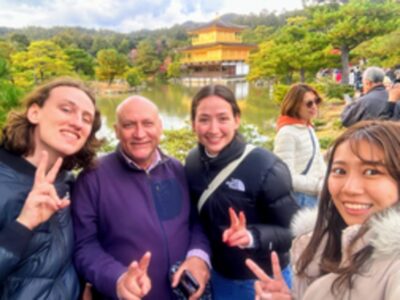
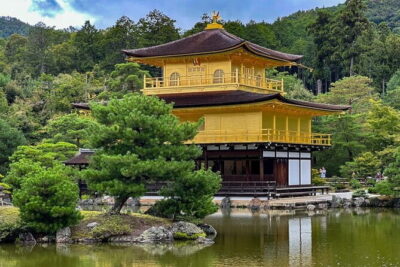
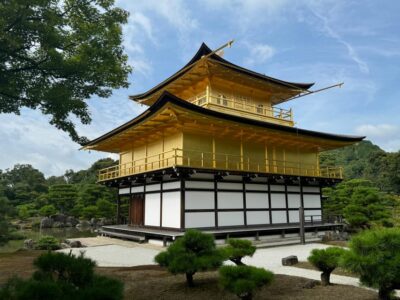
Day 1 starts with Kinkakuji Temple (the Golden Pavilion). This is the moment most people recognize right away: a Zen temple built by a shogun, known as an icon of samurai culture. You spend about 45 minutes, and admission is included.
What I like about putting Kinkakuji early is that it gives your eyes a clear “anchor.” The gold-leaf hall and its reflection on the pond are the kind of visuals that set the tone for everything else you’ll see today. Even if you have photos of it already, seeing the reflection in person changes the scale.
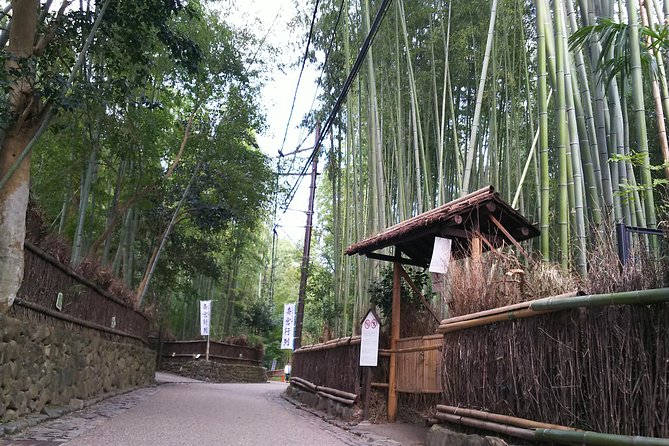
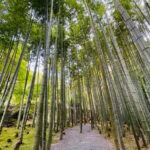
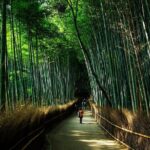
Next comes the Bamboo Forest Street for about 1 hour 30 minutes with admission free. This part is less about history facts and more about atmosphere. The guidance here leans into sensory experience, like closing your eyes and listening to the sound of bamboo trunks and leaves moving.
Practically, that long bamboo slot is exactly why this tour works for many people. You get breathing room, not just a quick pass-through. The tradeoff is physical effort, since you’ll likely do more walking than you expect from a “short stop.”
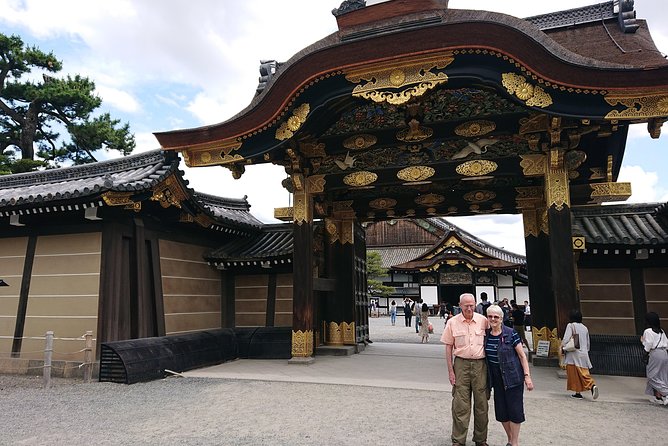
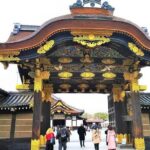
Then you move to Nijo Castle for about 50 minutes, admission included. The background matters: in 1603, the shogun moved the power center to Edo (today’s Tokyo), and Nijo Castle served as the place where the shogun stayed when visiting Kyoto. Inside, there are many striking interior features that help explain how power and security were expressed through architecture.
If you like your sightseeing with context, this stop tends to land well. It is also a strong contrast to Kinkakuji’s calm pond setting, because Nijo feels more like a designed system: rooms, corridors, and intentional structure meant for a ruler’s life.
Gion on Foot: Geisha Districts and Old-Style Streets
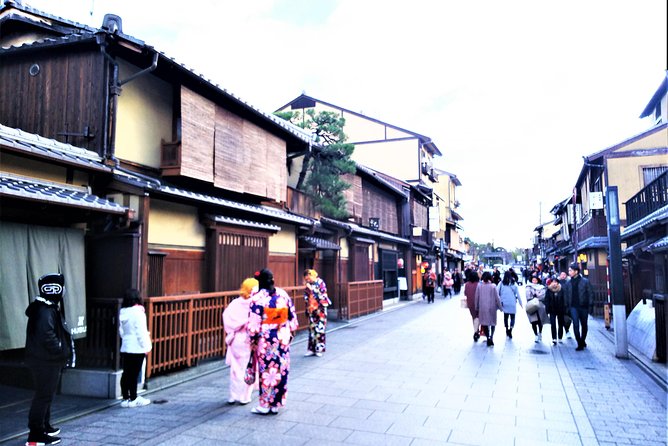
After Nijo, the tour shifts into Gion for about 40 minutes, admission free. Gion is described as the biggest of Kyoto’s geisha districts, and geisha culture is framed as an important part of traditional Japanese life.
What you should expect here is a street-level walk. You are not treated to a “show” by default in the tour description, but you do get the chance to see the old-style houses and the feel of the district.
This is a smart placement in the day. By the time you reach Gion, you’ve already seen temple grandeur and bamboo quiet. The walk through Gion gives you a human scale after those big, iconic spaces.
Tip for you: keep your pace easy. If you slow down for a few side streets, Gion becomes more than a landmark name. You start noticing the details that make the district feel lived-in.
Day 2: Fushimi Inari’s Torii Tunnel to Todai-ji’s Massive Buddha Hall
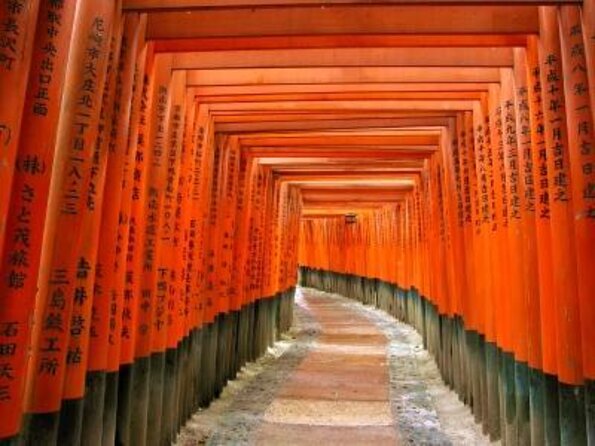
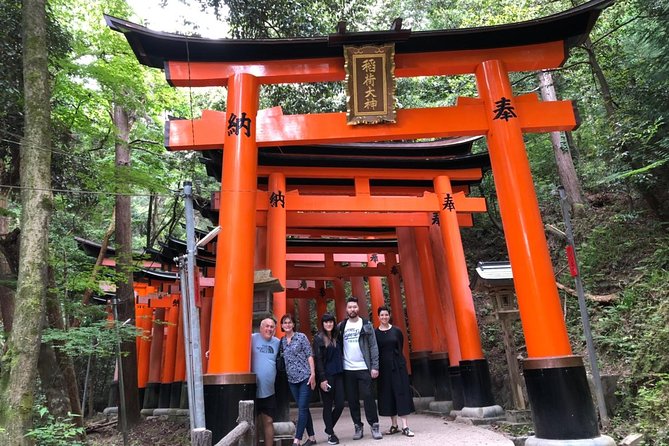
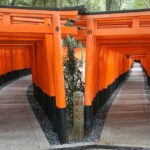
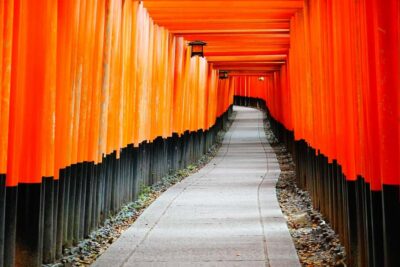
Day 2 begins with Fushimi Inari-taisha Shrine for about 45 minutes, admission free. The headline is the famous tunnel of thousands of vermilion torii gates. The tour framing also notes the gates were donated by worshippers as thanks for good fortune received from the deity.
This stop is visually intense. Even if you have seen images, the tunnel effect hits differently in person because you experience the perspective in motion. The guide context helps too, because torii gates can look like scenery until you understand what they represent in shrine practice.
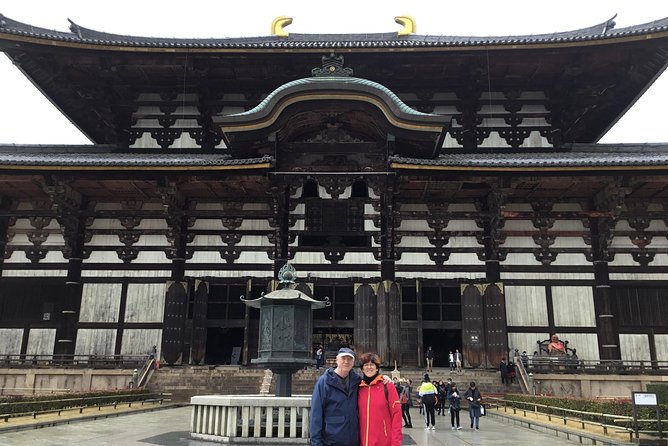
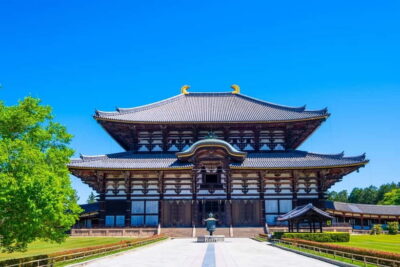
Then you head to Todai-ji Temple for about 50 minutes, admission included. This is where the trip goes from “beautiful” to “whoa” for many people. The highlight is the Buddha Hall, described as one of the largest wooden buildings in the world, and you are guided through the approach, including a purifying routine at the entrance, like cleansing hands and mouth.
The corridor approach matters. It is one of those moments where your brain adjusts to scale while you’re walking forward. The hall’s size is the point, but the pacing makes it easier to take in without feeling rushed.

Kasuga Grand Shrine and the Lantern Atmosphere
After Todai-ji, the tour includes Kasuga Grand Shrine for about 40 minutes, admission free. This shrine is described as being about 1,300 years old, with around 1,000 branch shrines across Japan. The standout detail is the lanterns: there are more than 3,000 lanterns in the precincts, said to be among the largest collections in Japan.
Kasuga is the kind of stop that rewards attention. If you like small details, you’ll enjoy the way the shrine’s visual elements create a strong sense of place. If you don’t normally stop for shrine architecture, the guided explanations here can make it more meaningful than just looking at structures.
This is also a good “finish note” for Day 2. You end with something distinct from the torii gates and the Buddha Hall, which keeps the overall tour from feeling repetitive.
Deer Park in Nara: How to Make the Most of the Title Experience
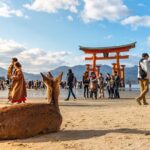
This tour is explicitly packaged around Nara’s Deer Park alongside Todai-ji. Even though your exact time in the park is not broken out in the stop list here, you should plan for deer-focused moments as part of your Day 2 Nara experience.
Here’s how to approach it so you feel comfortable:
- Keep a little distance at the start. You want to get a feel for how close the deer move toward you.
- Watch your footing. Deer areas often mean uneven ground and sudden stops.
- Keep your attention on the people flow. The best photos usually happen when you are positioned safely, not when you chase the deer.
The benefit of including Deer Park is that it gives you a lighter, more playful contrast to the heavier temple scale. It also helps the Nara portion feel complete, not just architectural.
How the Guide Quality Shows Up in Real Life
The strongest theme across the tour’s guide descriptions is that the guidance is not just reciting dates. It’s about helping you connect what you see to the culture and the people who built these places.
Guides such as Naoko, Nick, Ryusuke, and Tomoko are described as:
- organized, so the day feels efficient
- patient, so questions do not feel like a burden
- flexible, so the schedule can adjust when you need it
- strong at sharing history background, so your photos come with meaning, not just location
That kind of guiding makes a difference in Kyoto and Nara because so many of the details are easy to miss if you only have a guidebook. A good explanation can turn Kinkakuji reflections, torii symbolism, and shrine lanterns into something you can actually remember later.
And yes, humor shows up in a positive way. When a guide is relaxed and human, you tend to walk more comfortably through crowded areas and long days.
Practical Logistics: Meeting Point, Transit, and What to Expect
This experience is designed for easy start and finish. You meet at Kyoto Station Building, 901 Higashishiokōjichō, Shimogyo Ward, Kyoto, 600-8216 at 9:30 am. At the end, the tour returns to the same meeting point.
Public transportation is part of the plan, and the public transportation fare is included. That matters because Kyoto and Nara involve a lot of hopping. When transit is handled, you spend less energy figuring out routes and more energy enjoying the day.
Fitness level is listed as moderate. Based on the stop times, you should assume some longer walking stretches, especially with the 1 hour 30 minutes bamboo period and the shrine stairs and approach paths you typically find in these areas.
What to pack is the usual practical list:
- comfortable walking shoes
- water (food and drinks are not included)
- a layer for weather changes, because temple areas can feel cooler even when the city is warm
Also, weather matters. This tour requires good weather, and if it is canceled due to poor weather you will be offered another date or a full refund.
Who Should Book This Tour, and Who Might Prefer a Different Style
This is a strong fit if:
- you want a guided plan that covers big Kyoto and Nara highlights in two days
- you like structure, because admissions and transit are already included
- you appreciate context, since the tour style focuses on explanations and cultural understanding
It might be less ideal if:
- you want totally flexible free time with no fixed sequence
- you dislike a packed schedule and prefer a slower, neighborhood-based approach
Also consider that food and drinks are not included. If you like sitting down for long meals, you’ll want to budget time for lunch breaks on your own.
If you are the type who enjoys seeing famous sights, but also wants to understand why they matter, this tour hits a good balance.
Should You Book This Kyoto and Nara 2-Day Tour?
I’d book it if you want the highest value from two days and you like the idea of having guides handle timing, admissions, and transit. With stops like Kinkakuji, Fushimi Inari, and Todai-ji plus the Nara Deer Park theme, it’s the kind of itinerary that helps you avoid decision fatigue.
I’d skip it, or choose a different format, if your dream Kyoto and Nara trip is mostly about wandering slowly and building your day around spontaneous neighborhoods. The schedule is set, and you will be moving.
For most people, though, the bundle makes sense: guide plus transit plus admissions for a fixed two-day arc, starting and ending at Kyoto Station. Add the guide names that show up again and again, and you get a solid recipe for a trip that feels well organized and easier to enjoy.
FAQ
What is the meeting point and start time?
You meet at Kyoto Station Building (901 Higashishiokōjichō, Shimogyo Ward, Kyoto) at 9:30 am.
Where does the tour end?
The activity ends back at the meeting point.
How long is the tour?
The duration is listed as approximately 2 days.
Is this a private tour?
Yes. It is a private tour or activity, and only your group will participate.
What is included in the price?
The tour includes the guide fare, public transportation fare, and admission fees. Food and drinks and accommodation are not included.
Which attractions are included across the two days?
Day 1 includes Kinkakuji Temple, Bamboo Forest Street, Nijo Castle, and Gion. Day 2 includes Fushimi Inari-taisha Shrine, Todai-ji Temple, and Kasuga Grand Shrine. The experience title also includes Deer Park in Nara.
Is there a ticket method?
The tour offers a mobile ticket.
What if the weather is bad?
The experience requires good weather. If it is canceled due to poor weather, you will be offered a different date or a full refund.
How does cancellation work?
You can cancel for free up to 24 hours in advance for a full refund. If you cancel less than 24 hours before the start time, the amount paid is not refunded.
More 2-Day Experiences in Kyoto
More Tours in Kyoto

More Tour Reviews in Kyoto
Not for you? Here's more nearby things to do in Kyoto we have reviewed


Kinkaku-ji & Golden Pavilion Tours, compared.
 ★ 4.8Fushimi Inari, Kinkakuji, Bamboo Grove 1 Day Bus TourFrom $1224,316 reviews
 ★ 4.1Osaka/Kyoto:Kinkakuji,Arashiyama,FushimiInariShrine,NaraParkFrom $661,596 reviews
 ★ 5.0Nijo, Kinkaku-ji, Arashiyama, Kiyomizu & Fushimi InariFrom $51699 reviews
 ★ 4.4Kyoto/Osaka: Kinkakuji, Bamboo Forest, and Nara Deer ParkFrom $69265 reviews
 ★ 4.9Best of Kyoto: Ginkakuji & Path of Philosophy E-Bike TourFrom $6979 reviews
 ★ 4.7Kinkakuji, Golden Pavilion Guided TourFrom $6471 reviews
 ★ 5.0Kyoto top must-see Golden pavilion and Bamboo forest half-day Private tourFrom $12252 reviews
 ★ 5.0Kyoto Bamboo Forest & Golden Pavilion E-Bike TourFrom $9950 reviews
Browse the lists this tour appears in