
Reviewed · FUSHIMI INARI SHRINE TOURS
Kyoto: Early Morning Fushimi Inari Shrine – Beat the Crowds
Early Inari makes the torii feel personal. I love the early timing that keeps the famous shrine calm, and I love how the guide helps you notice the shrine in a smarter order. One catch: you do real walking on uneven hillside paths, so it is not a good fit if you have mobility or back issues.
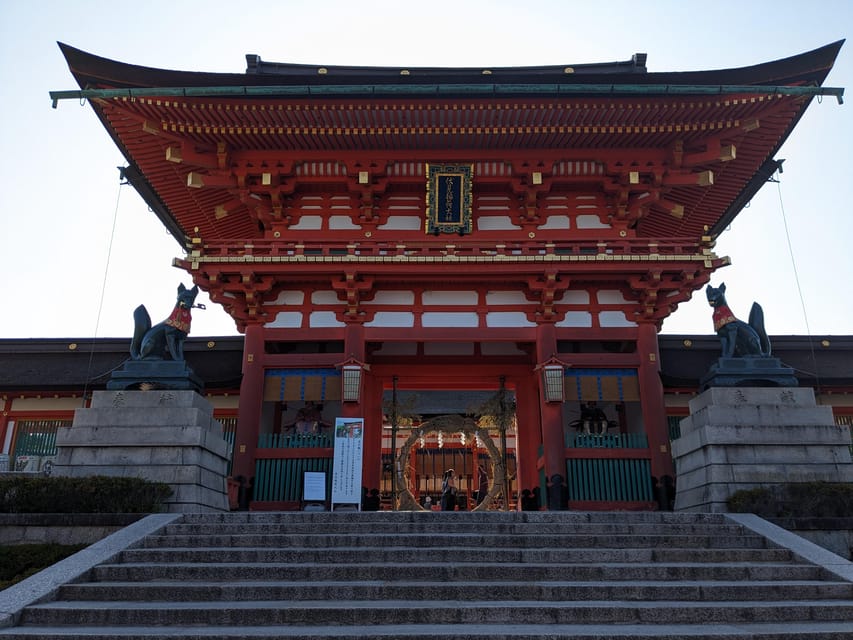
This is a 150-minute Kyoto experience that starts right at Inari Station, then moves through Fushimi Inari Taisha with an English-speaking local expert guide. You get a guided walk, a dedicated photo-friendly viewpoint break, and time at another quieter spot on the route.
If you want the orange torii tunnels in photos without editing out a wall of people, this is built for you. You’ll also take home a special souvenir unique to Inari, not something you’ll find everywhere.
Key Things I’d Watch For
- Beat the worst crowd window with an early start, so the torii tunnels feel walkable
- Photo-friendly route planning so you can frame iconic shots without crowd clutter
- A step-by-step shrine experience that explains what you’re seeing and how locals show respect
- Viewpoint time built in for a slower pause, not just a fast line-walk
- A quieter legends-based stop with an extra layer beyond the main torii corridor
Why Early Morning Fushimi Inari Changes Everything
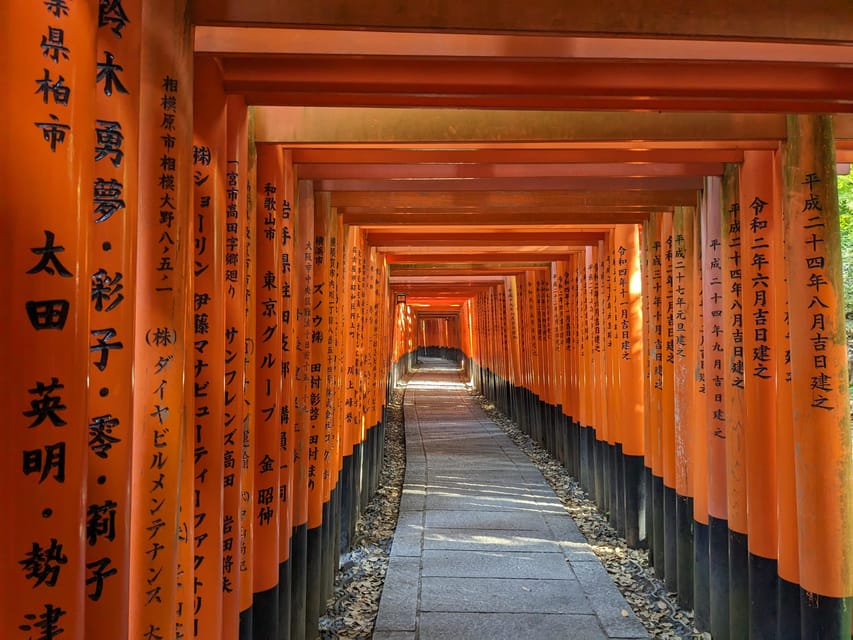
Fushimi Inari Taisha is one of those places that looks good in any season and at any hour, but it only feels special when you’re not stuck in traffic-thick crowds. The orange torii gates are famous for a reason. They create a tunnel-like rhythm as you walk, and that visual repetition is hard to appreciate when you’re squeezed, stopping, starting, and trying to guess where the camera can see between heads.
That’s why the early timing matters. When the flow is lighter, you can actually follow the route and let the shrine unfold in order. I also like that the experience is structured around stopping, not just marching. You get the guided parts, then you get breathing room to look, absorb, and take photos without turning the trip into a stressful photo scavenger hunt.
There’s another practical win: the tour is short enough to stay focused. At 150 minutes, it does not swallow your whole morning, but it still includes enough stops to make you feel like you did more than just walk past torii.
More Kyoto temple visits, food tours, tea experiences, and day trips to compare


Starting at Inari Station, Then Going Straight to the Sacred Focus
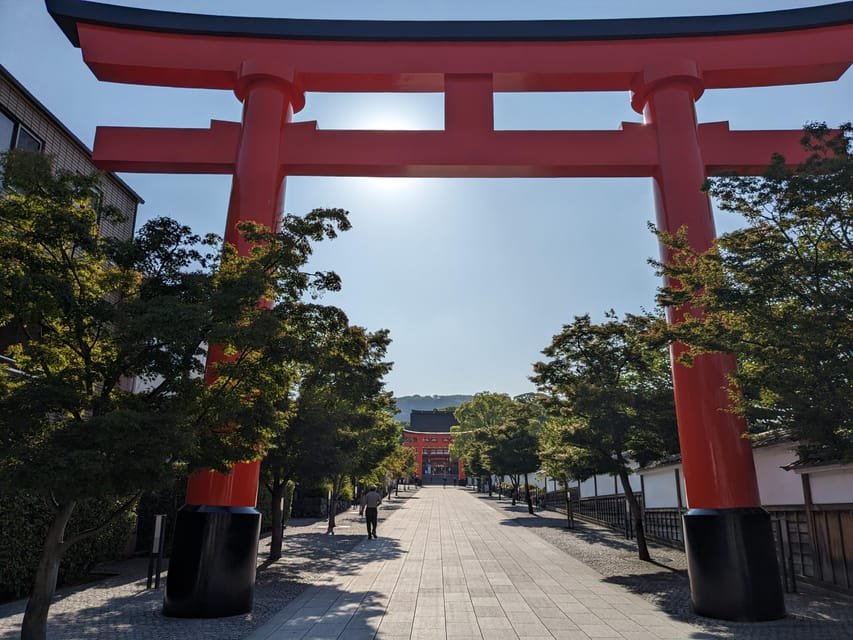
You begin at JR Inari Station, with your guide waiting outside across the main entrance and holding a bright yellow DeepExperience signboard. It’s a good setup for first-timers because you are not hunting for a meeting place deep in the neighborhood.
Once you meet, the tour keeps you oriented. Inari can feel like a maze of gates, side shrines, and little stairways. A guide helps you understand what you’re looking at and why it matters. In the experience you’re not just walking between photo stops. You’re also learning how the shrine works in everyday life, which changes the tone from sightseeing to something more respectful.
The tour runs in English, and the guide style tends to be interactive. People in past groups have specifically praised guides for clearly explaining what to do before key torii and for taking time to answer questions. That matters, because Inari has a lot going on and it can be easy to miss the meaning while you’re busy counting gates.
The 1.5-Hour Guided Walk Through Fushimi Inari Taisha
The heart of this experience is a guided tour through Fushimi Inari Taisha for about 1.5 hours. This is where you get the most value for your time, because you’re not just seeing the shrine, you’re understanding the logic of it.
A big part of the appeal is the way the guide slows you down at the key moments. Guides have been praised for guiding people step by step, including teaching how to pay respect before main torii. That’s not a small detail. When you know what you’re doing, the shrine stops feeling like a backdrop and starts feeling like a living place.
You also hear about the shrine’s importance to locals and how it connects to local beliefs. Names like Teppei, Akino, Masa, Hiro, Maru, and Yoshi have shown up in groups, and a common theme is clear, friendly explanations. People also mentioned learning about deities and torii, and in at least a few cases, fox-linked symbolism and kitsune shrines came up as part of the story. That kind of context makes it easier to enjoy the sights even when you are not fluent in Japanese.
One more thing I appreciate: you’re not expected to trek blindly through woods on your own. The tour is designed to keep the route enjoyable and efficient, which helps if your goal is culture plus iconic photos, not an unplanned hike.
The Iconic Torii Tunnel Photos, Without Crowd Editing
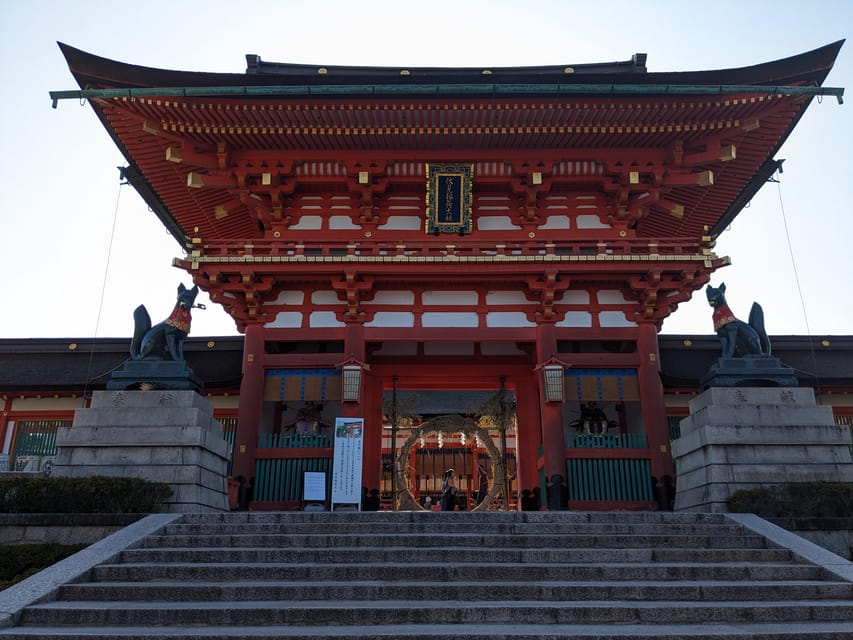
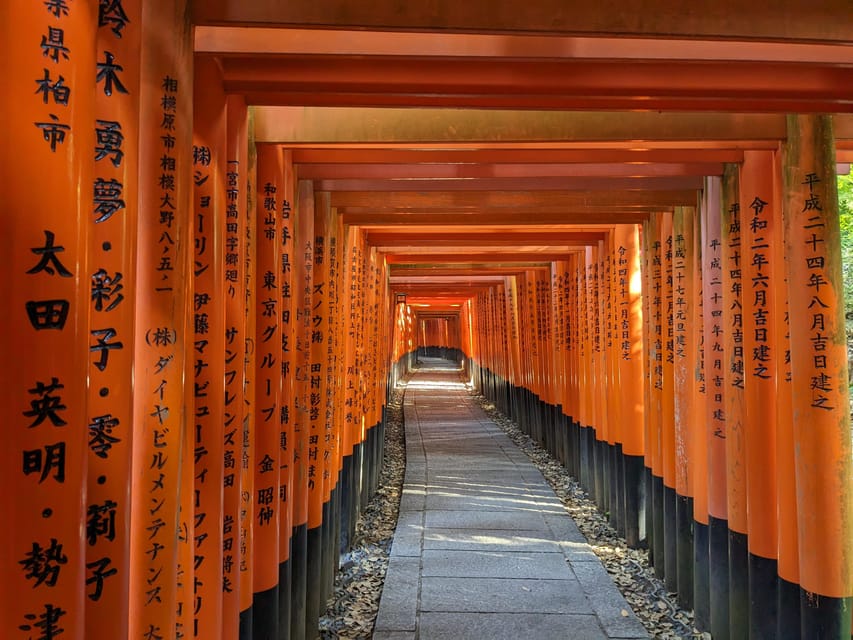
The orange torii gates at Fushimi Inari are the main character. Everyone wants that shot: the tunnel-like perspective where the gates recede and the color does the work.
This tour is built around photo time that doesn’t require digital wizardry. With an early start and a guided route, you’re more likely to get clean lines through the gates, even if you’re using a smartphone camera. You’re also not stuck waiting for a crowd to move before you can even raise your camera.
This is one of the most praised parts of the experience: getting the perfect snapshot at the iconic tunnels without editing the crowds out of the frame. I think that’s a real value point, because it means you can spend less energy fighting for angles and more energy enjoying the actual place.
Just know the walking does not stop for photography. You will be moving along a shrine route, so comfortable shoes are not optional.
Viewpoint Stop: Slow Down for the Best Perspective
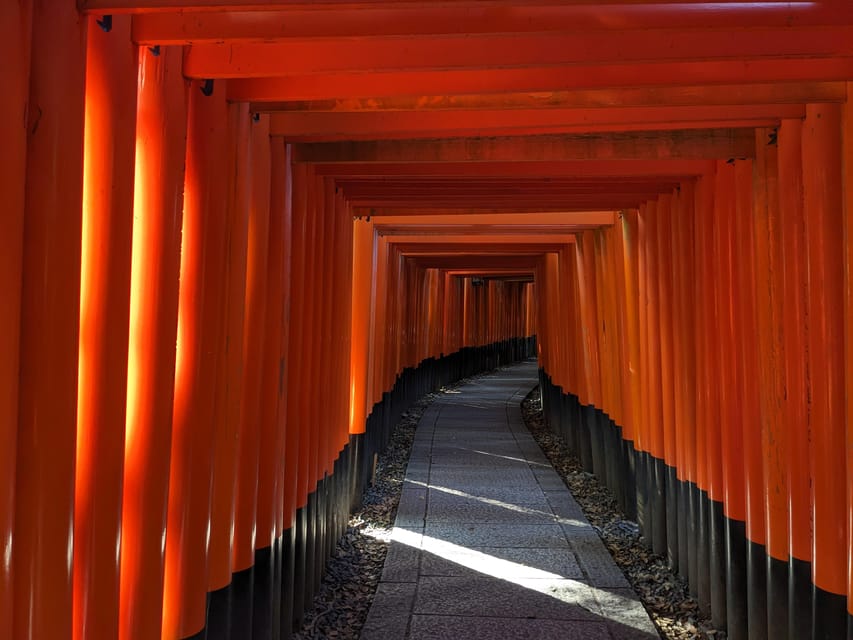
About 30 minutes are set aside for a viewpoint stop. This matters more than it sounds, because most tours turn photography into a two-minute sprint. Here, you get time to look around, settle into the scene, and take in the view you came for.
At Inari, viewpoints are especially helpful because the shrine’s structure is hard to understand when you’re only experiencing it at close range. From a higher or more open spot, you can start to see the rhythm of the gates and the way the pathways guide your eye.
I also like that this break gives you a chance to regroup. After the guided portion, you’re not forced to keep up a constant pace. You can breathe, check your bearings, and make sure you’re seeing what matters before you head toward the next stop.


A Quieter Inari Spot With a Legend and a Little Fountain
After the viewpoint, you get another guided segment for about 30 minutes at a quieter area on the route. The tour frames this as a chance to see a hidden or less crowded part of Inari, and past participants have especially enjoyed a small spot connected to a legend involving a fountain said to cure illness.
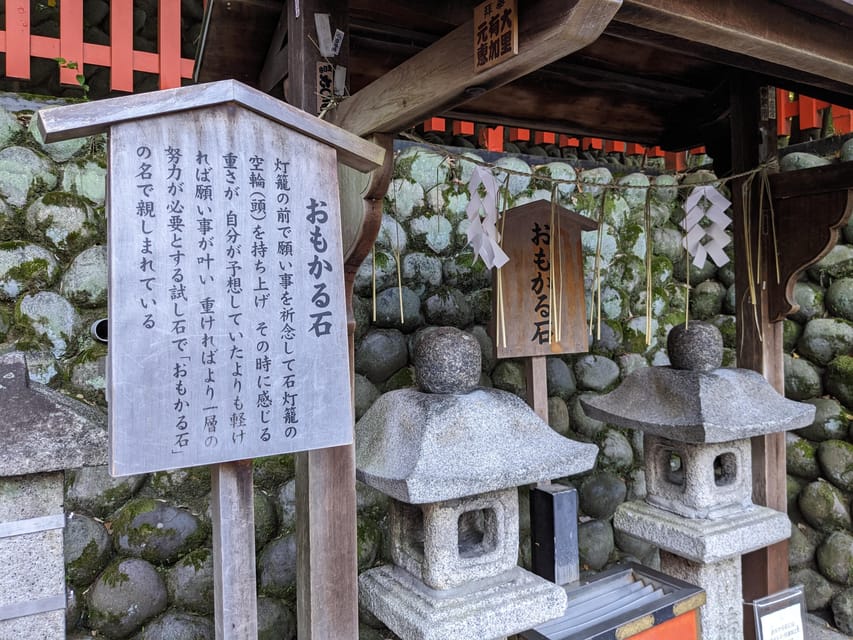
Even if you are not chasing spiritual meaning, these smaller moments are what make the shrine feel more personal. The main torii corridor is the headline, but the side shrines, smaller structures, and legend-based spots are where the story gets richer in a human scale.
This is also where a guide earns their fee. A local expert can point out details you would likely miss if you were moving on your own, like what the smaller elements signify and why locals care about them. When you understand what you’re looking at, you stop feeling like you’re just collecting landmarks and start feeling like you actually met a place.
The Inari Souvenir You Can Actually Tie to This Site
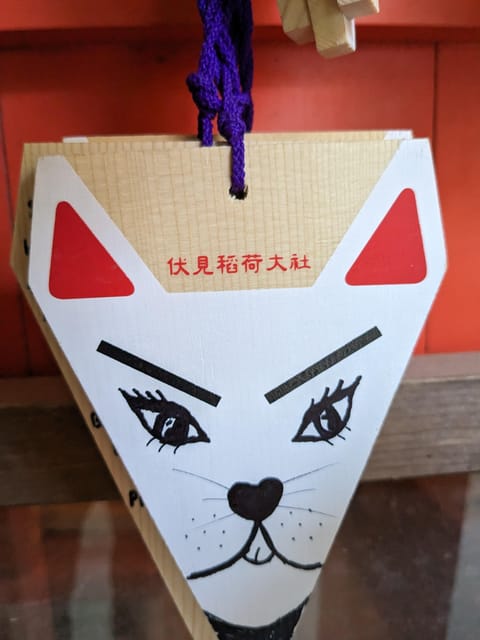
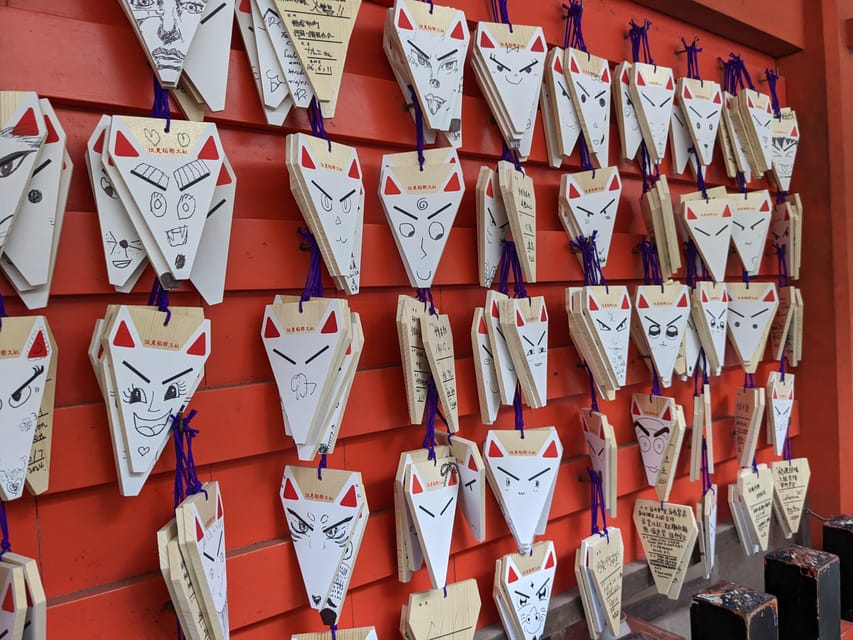
One of the listed highlights is a souvenir unique to Inari, not available anywhere else. That’s a small promise, but it’s also practical.
A shrine trip can feel like you spent hours taking photos and then bought a generic postcard. This souvenir is meant to give you something with an actual connection to the route you followed. It’s also a nice way to end the experience, because it marks a clear before-and-after moment at the shrine.
If souvenirs are not your thing, you can still treat it as a cultural takeaway rather than a purchase goal. But if you do like bringing home something specific, this is the kind of included add-on that feels more intentional than random.
Who This Tour Fits Best (And Who Should Skip It)
This is a good fit if you want Kyoto’s most famous shrine experience with less stress and more meaning. It’s especially suitable if:
- You care about avoiding crowds while you enjoy the torii tunnels
- You want a guided explanation instead of wandering
- You want time for photos that look like Kyoto, not a crowd management problem
It is not suitable if you fall into the restrictions listed for health and mobility. The experience is not recommended for children under 10, people with back problems, mobility impairments, heart problems, wheelchair users, respiratory issues, altitude sickness, low fitness, and people over 70 years. It also does not allow baby strollers, luggage or large bags, intoxication, or baby carriages.
The walking and the uneven shrine terrain are the real “silent” factor behind many of those rules. If you’re uncertain, be honest about your ability to walk uphill and stand comfortably at shrine areas for short periods.
Price and Value for 150 Minutes in Kyoto
The price is $70 per person for about 150 minutes. On paper, that can sound steep for what is basically a guided walk. But here is the value logic I see:
- You are paying for a guide who helps you enjoy the shrine in a smarter order, including how to show respect at key moments.
- You are paying for early timing that can dramatically improve your photos and your comfort level.
- You are paying for built-in stops, including a dedicated viewpoint time and a quieter guided segment.
- You also get a special Inari souvenir included.
So the “what you get” is more than gate-walking. It’s a focused morning experience that turns the most famous torii site in Japan into something less chaotic and more understandable.
If you were planning to self-tour, you might save money. But you would also give up the crowd-beating timing and the guided context that helps you spot details fast. For many people, that trade-off is not worth it on a first visit.
The Guide Can Make or Break It
One reason this tour scores a 4.9 rating from 48 reviews is the guide factor. Names like Teppei, Akino, Hiro, Masa, Maru, and Yoshi come up repeatedly, and participants praised them for being friendly, kind, and clear with explanations.
The standout theme is care. People noted guides taking their time, answering questions, and helping with practical moments like making sure everyone got back safely. Another small but meaningful detail: at least one group mentioned a guide handled late arrival with kindness and professionalism, which suggests the tour team stays calm and organized even when train schedules get messy.
You cannot guarantee which guide you will get, but you can expect a consistent style: friendly communication, clear instruction, and time built into the route so you do not feel rushed.
Should You Book This Early Morning Fushimi Inari Tour?
Book it if you want the orange torii gates with less crowd stress, a guided route that teaches you what you’re seeing, and photo time that is actually usable. The included souvenir is also a nice bonus that makes your visit feel complete.
Skip it if you know you cannot handle uphill walking and uneven paths, or if you are bringing someone under 10. If your priority is maximum self-exploration with zero structure, you might be happier with a do-it-yourself plan.
My practical advice: if this is your first time at Fushimi Inari and you want Kyoto’s iconic shrine moment to feel peaceful and photogenic, this early-format guided walk is one of the most sensible ways to do it.
FAQ
How long is the Kyoto early morning Fushimi Inari experience?
It lasts 150 minutes.
Where does the tour meet?
Your guide waits outside across the main entrance to JR Inari Station, holding a bright yellow DeepExperience signboard.
What is the tour language?
The tour is offered in English.
Is it a private tour or a group tour?
Private or small groups are available.
What should I wear or bring?
Wear comfortable shoes and comfortable clothes.
What items are not allowed during the tour?
Baby strollers, luggage or large bags, intoxication, and baby carriages are not allowed.
Who is this tour not suitable for?
It is not suitable for children under 10, people with back problems, people with mobility impairments, wheelchair users, people with heart problems, people with respiratory issues, people with altitude sickness, people with low level of fitness, and people over 70 years.
Can I cancel for a refund?
Yes, you can cancel up to 24 hours in advance for a full refund.
Is there a reserve now, pay later option?
Yes. You can reserve now and pay nothing today.
Do I get any souvenir included?
Yes. The tour includes a special souvenir unique to Inari.
More Morning in Kyoto


More Tour Reviews in Kyoto

Not for you? Here's more nearby things to do in Kyoto we have reviewed









Fushimi Inari Shrine Tours, compared.
 ★ 4.8Fushimi Inari, Kinkakuji, Bamboo Grove 1 Day Bus TourFrom $1224,316 reviews
 ★ 5.0Fushimi Inari Hidden Hiking Tour (Private Option Available)From $631,750 reviews
 ★ 4.7Kyoto/Osaka: Nara, Fushimi Inari Taisha, Arashiyama Bus TourFrom $521,275 reviews
 ★ 4.4Osaka/Kyoto: Arashiyama, Nara & Fushimi Inari Shrine w/LunchFrom $61754 reviews
 ★ 4.7Nijo Castle, Kiyomizu & Fushimi Inari Guided TourFrom $54700 reviews
 ★ 5.0Nijo, Kinkaku-ji, Arashiyama, Kiyomizu & Fushimi InariFrom $51699 reviews
 ★ 5.0Kyoto Fushimi-Inari Night Walking TourFrom $43320 reviews
 ★ 4.93-Hour Fushimi Inari Shrine Hidden Hiking TourFrom $72270 reviews
Browse the lists this tour appears in