
Reviewed · KYOTO TEA CEREMONIES
Kyoto Fushimiinari:Wagashi Making & Small Group Tea Ceremony
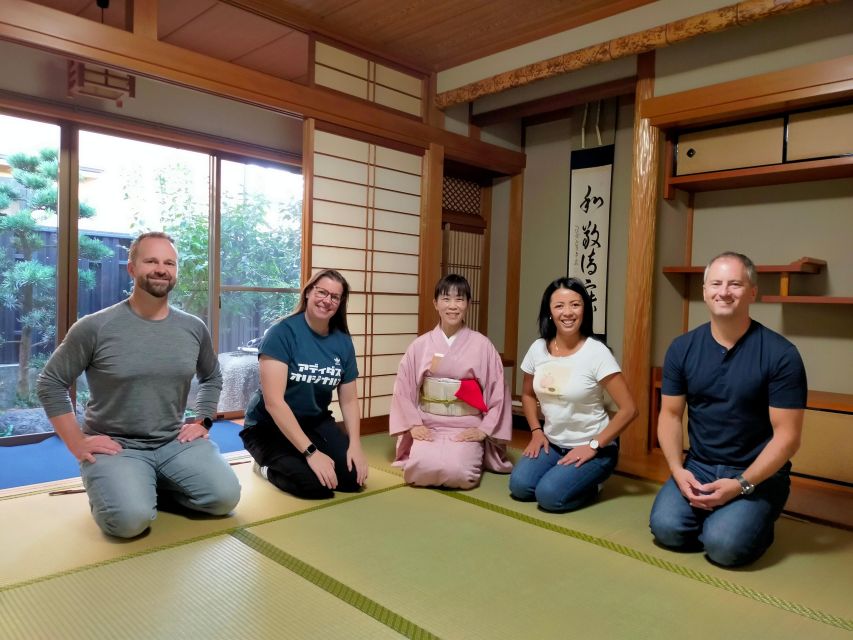
Quiet Kyoto, lived up close. This small-group class at iroHa cooking studio is a great way to slow down in Kyoto Fushimiinari and learn by doing, not just watching. I really liked the hands-on wagashi making in a home with a calm garden view, and I liked that you learn matcha steps you can actually repeat. The main consideration is simple: you’ll likely sit on tatami and you must wear socks, so it may feel limiting if you strongly prefer normal chairs.
The rhythm is what makes it work. You start in the kitchen, make one type of Japanese sweet, then move into a traditional room for tea ceremony manners and the meaning behind what you see. It feels orderly, but not rigid.
With an English-speaking host and licensed guide interpreters, the experience is clear even if you’re new to tea culture. Still, it is short at 75 minutes, so you’ll want to ask your questions early rather than saving them for the end.
Key Things You’ll Love in This Kyoto Matcha and Wagashi Class
- Hands-on wagashi lesson in a local Japanese home, not a one-and-done demo
- Two matcha bowls included, with one prepared by you using a bamboo whisk
- Tea ceremony explained in plain English, including room manners and what the hanging scroll represents
- A tiny garden walk before you sit down, weather permitting
- Very small group size (max 6) for real interaction and space to follow along
A Quiet Kyoto House, Where the Day Starts in the Kitchen
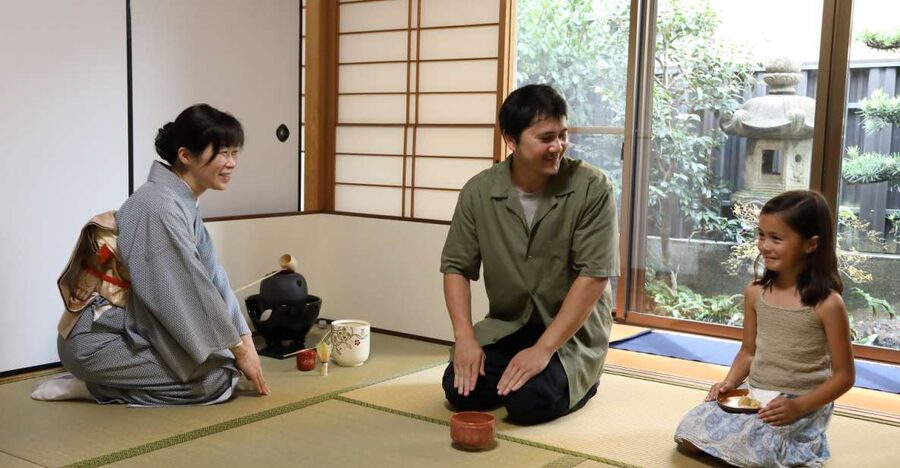
This experience begins inside a local house with Japanese-style rooms and a garden view. That first change of pace matters. Kyoto can feel loud and fast, especially around famous sights, but here the focus is on slow, careful movements. When you step into the home, the atmosphere is calmer right away, and you can feel that the tea ceremony is about attention, not performance.
After you arrive, your English-speaking host guides you to the kitchen area. That host part is important because you’re not just being told what to do. You learn how to make one type of wagashi yourself, hands-on, step by step. The class isn’t presented like a cooking show. It’s more like learning a craft, where small motions and timing matter.
One practical note: socks are required, and bare feet are not allowed. If you’re coming from temple steps and city sidewalks, you’ll want to plan for that. Also note that Japanese sweets can vary by season, so what you see in photos might not match what you make in your session. That isn’t a drawback. It’s part of why wagashi feels tied to the calendar.
You can also read our reviews of more tours and experiences in Kyoto.

Wagashi Making: Learn the Steps, Not Just the Outcome
The wagashi workshop is the first hands-on segment, and it’s designed so you leave with a skill, not only a tasty souvenir. Your host shows you what to do, then you do it. You’ll learn the process for making one traditional confectionary, and then you get to taste sweets you made during the ceremony portion.
Depending on the class that day, your wagashi might be something like mochi-style sweets. In similar sessions connected to this studio, people have made mochi variations with different fillings, including combinations like red bean paste and white bean paste. Even if your exact wagashi is different, the takeaway is consistent: you’ll understand the logic of the ingredients, how the texture should feel, and how to handle the sweet without rushing.
This is also where the “small group” element becomes useful. With a maximum of 6 participants, you’re not competing for attention. If you’re unsure about a step, you’re more likely to get a quick clarification. And since the instructors are licensed guide interpreters, explanations land clearly in English.
If you have any food restrictions or allergies, tell the team in advance. That’s not just courtesy. It helps avoid awkward mismatches once you’re in the room.
The Garden Walk and Tatami Room Transition
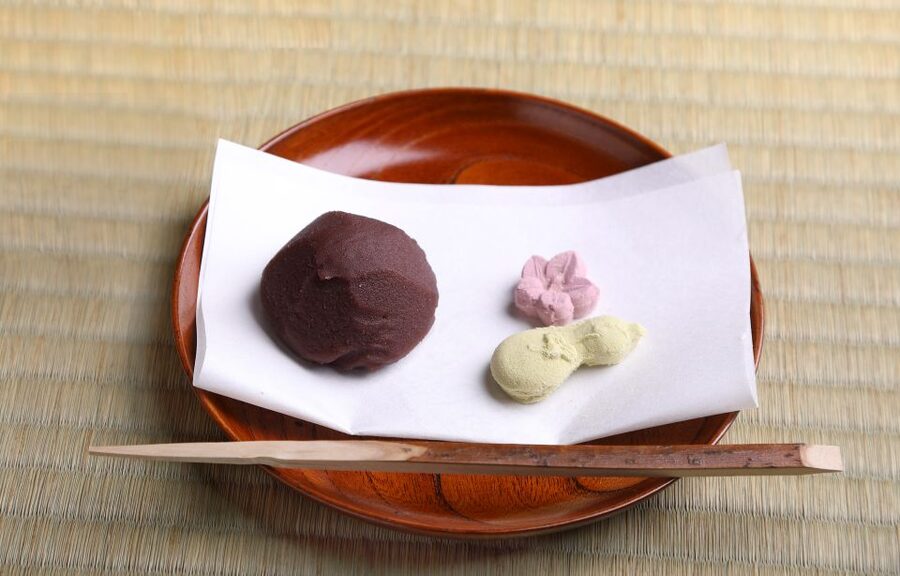
After the wagashi portion, the schedule shifts from kitchen energy to ceremony energy. You’ll be guided outdoors for a brief walk through a tiny garden, and then you’ll enter an authentic Japanese-style room. This happens when it is not raining, so the weather can affect that short scenic step.
Then you sit on tatami flooring. If floor sitting sounds like a dealbreaker, there are chairs and tables available. You just need to let them know in advance. That makes a big difference. Tea ceremony is sometimes imagined as strict and difficult, but this format is set up so you can participate comfortably when you communicate your needs ahead of time.
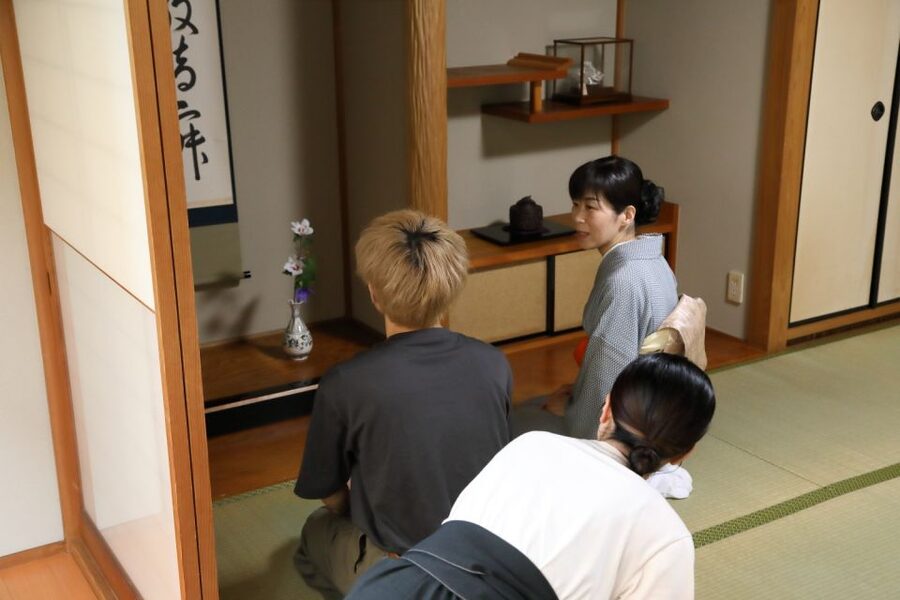
Once you’re seated, the instructor takes over and explains what you are about to experience. I like this part because it frames the ceremony as culture and communication, not a weird guessing game. You learn how to attend and how to behave in the Japanese room. You also get context for what you see, including the hanging scroll in the alcove, and what it represents.
Tea Ceremony 101: Manners, Meaning, and Matcha Etiquette
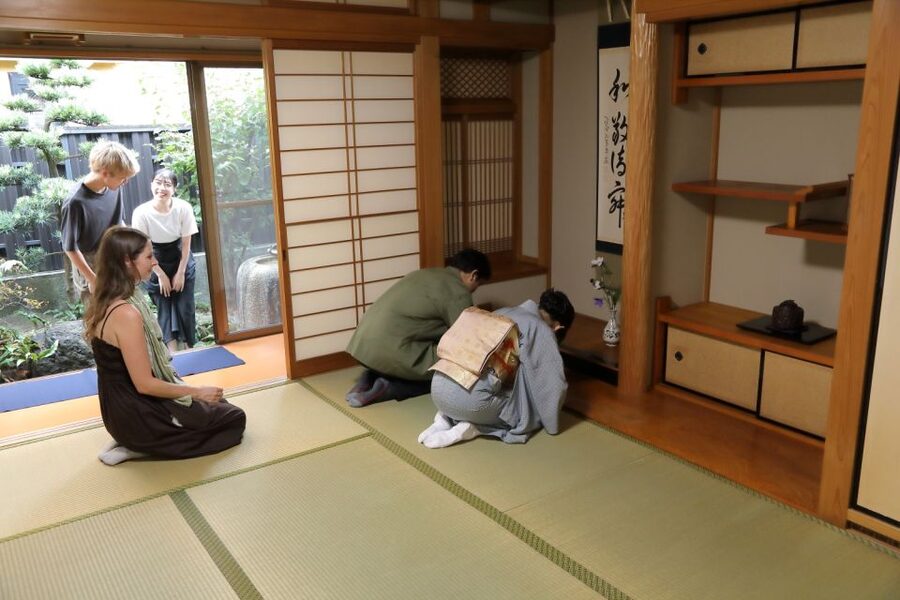
The tea ceremony portion has a thoughtful sequence. First, your host explains the manners so you know where to place your hands, when to watch, and when to respond. This reduces the most common fear people have: messing up. You’re not expected to be perfect. You’re expected to pay attention, follow the steps, and enjoy the moment.
Next, the instructor explains the history of tea and the meaning of the hanging scroll. This is one of those details you often miss when you only look at the visuals. In this session, the scroll is treated like part of the conversation, not decoration. It helps you understand why the room feels intentional.
Then comes the sweet and tea pairing rhythm. You’ll savor the Japanese sweets you made, while the instructor demonstrates how to drink a bowl of matcha. The pace here is key. Matcha can be intense if you’re expecting something like sweet iced tea. In a good tea ceremony, you learn how to approach the flavor, how to sip, and how to treat the bowl as something special.
If you like asking questions, you’ll likely enjoy this part. In classes linked to this studio, the tea instructor has been described as friendly and happy to answer cultural questions. That matters because tea ceremony is full of small customs, and explanations help you understand what you’re doing while you’re doing it.
The Matcha Moment: One Bowl You Make, One Bowl You Taste
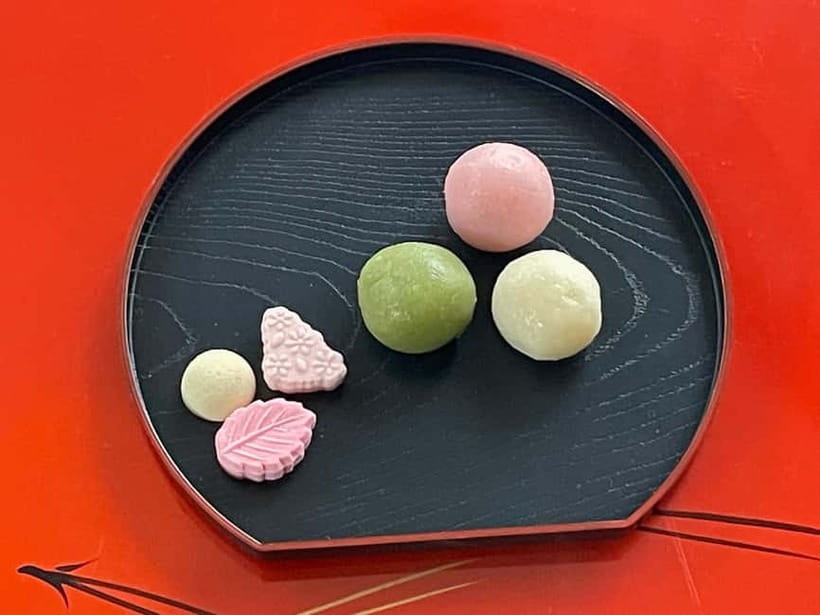
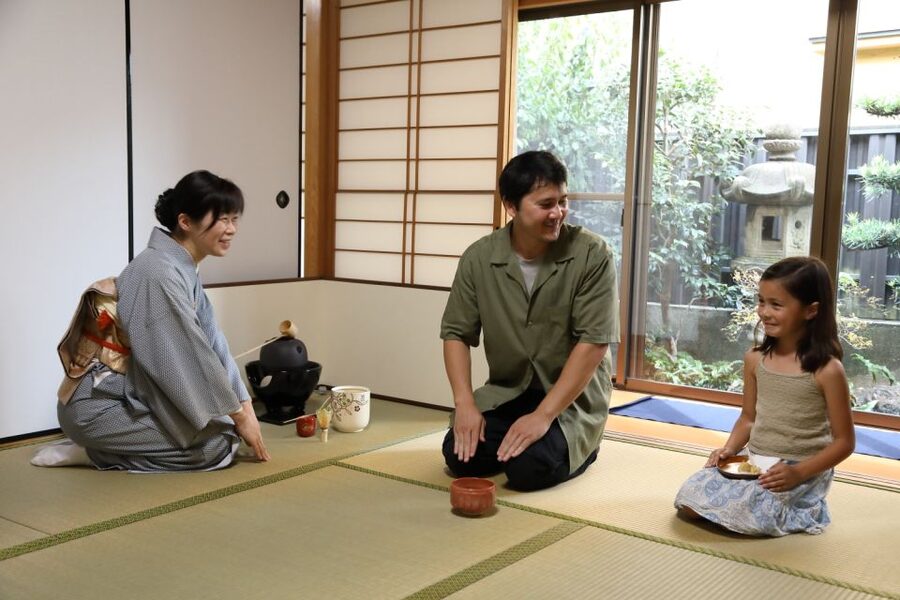
You get two matcha bowls included. One bowl will be prepared and served as part of the ceremony flow, and the other bowl is the one you prepare yourself. That second bowl is the real value. Anyone can watch matcha being whisked. Much fewer people learn the motions and the technique well enough to make their own.
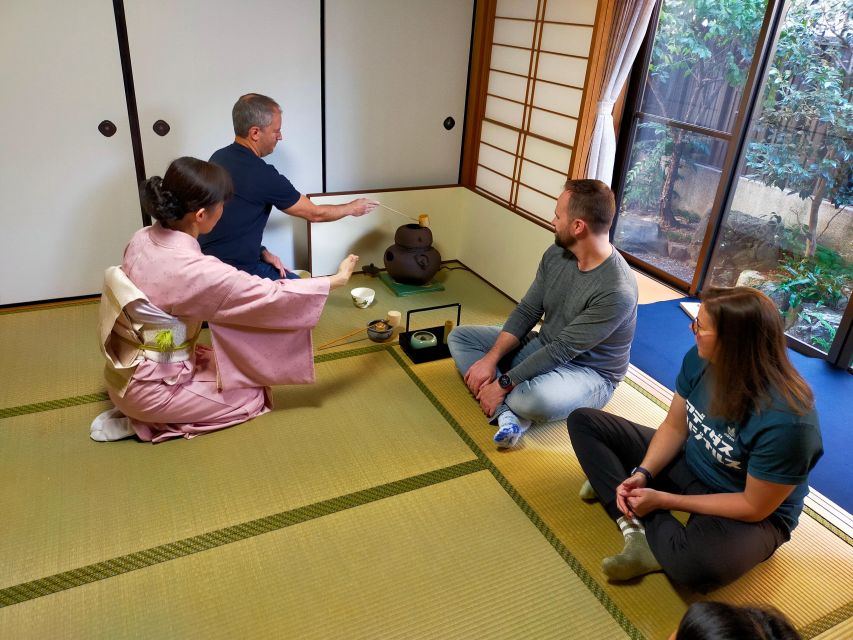
Before you make your own bowl, the host demonstrates the ceremonial preparation of matcha. This is where the experience becomes practical. You see the steps once, then you learn how each part works. Even if you only remember half of it, you’ll notice the pattern. Matcha is about texture, not just taste.
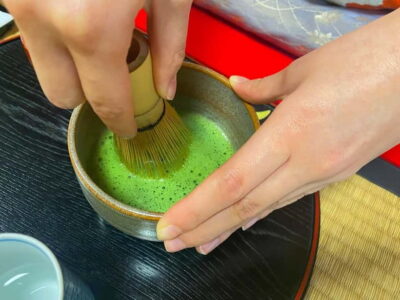
Then you get your chance to whisk and prepare your own bowl using a bamboo tea whisk. This is the moment that turns a cultural lesson into a take-home skill. You can later serve family or friends and explain what you learned, and you’ll be able to do it in a way that feels respectful, not random.
Also, you’re not just drinking. You’re learning how to pour and present matcha properly. That’s the kind of cultural detail that makes this more than a snack break.
Price and Value: Why $55 Can Actually Make Sense
At $55 per person for 75 minutes, this class isn’t trying to be the cheapest way to drink matcha in Kyoto. But it does justify the price with three things you normally don’t get together:
- You get a hands-on wagashi class where you make one kind of sweet yourself.
- You get two matcha bowls, and one is made by you, not only served to you.
- You get English instruction with licensed guide interpreters, plus explanations of tea, room manners, and symbolic details like the hanging scroll.
If you’re doing Kyoto on a budget, it helps to compare it to the cost of just desserts or a basic tea tasting. Those are fine, but they don’t teach you the technique. Here, the “cost per skill” is where it’s strong. You’re paying for practice time, guidance, and a small-group setting.
For most people, the best value comes from the matcha you can repeat at home. For others, it’s the wagashi you get to say you made with your own hands. Either way, the class earns its spot in your schedule.
Practical Details That Will Save You Stress
Here’s what you need to know so the day feels smooth.
Socks are required. Bare feet are not allowed. Flash photography is not allowed, and video recording is not allowed. Also, there may be moments when the host asks you not to take photos so everyone can experience the session without distractions. That is normal for this kind of indoor ceremony, and it usually makes the atmosphere better.
Seating is mostly tatami. If you find floor sitting difficult, chairs and tables are available, but you have to request that in advance. Wheelchair users are not suitable for this experience, so if accessibility is a priority, you’ll want to choose a different kind of class.
Age matters too. Children under 8 are not suitable. This is because the session involves room etiquette, careful movements, and a limited time window.
If you’re traveling with food allergies or restrictions, tell the team before you go. Don’t wait until you arrive. Traditional sweets can include ingredients that you might need to avoid.
Who This Kyoto Matcha and Wagashi Class Fits Best
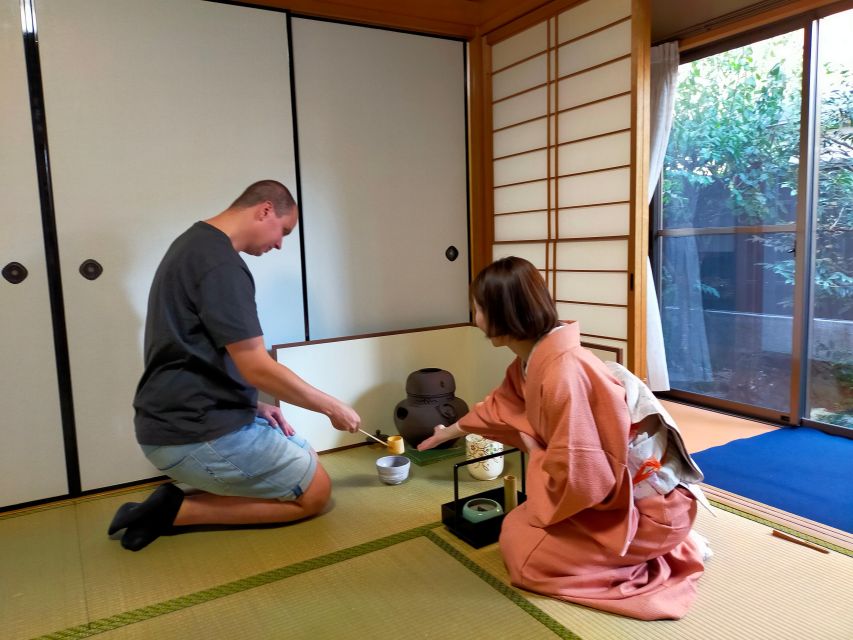
This is a great pick if you want a hands-on cultural experience that isn’t rushed or overly formal. It’s also a smart choice if you’d like a calmer alternative to temple crowds.
You’ll probably love it if:
- You enjoy cooking and want to learn a craft, not only watch.
- You want matcha knowledge that’s usable, including whisking and serving manners.
- You want a small group setting where questions feel welcome.
- You prefer cultural context, like tea history and the meaning of room elements.
You might skip it if:
- You strongly dislike sitting on the floor.
- You need wheelchair access.
- You’re bringing very young kids.
Should You Book This Kyoto Fushimiinari Experience?
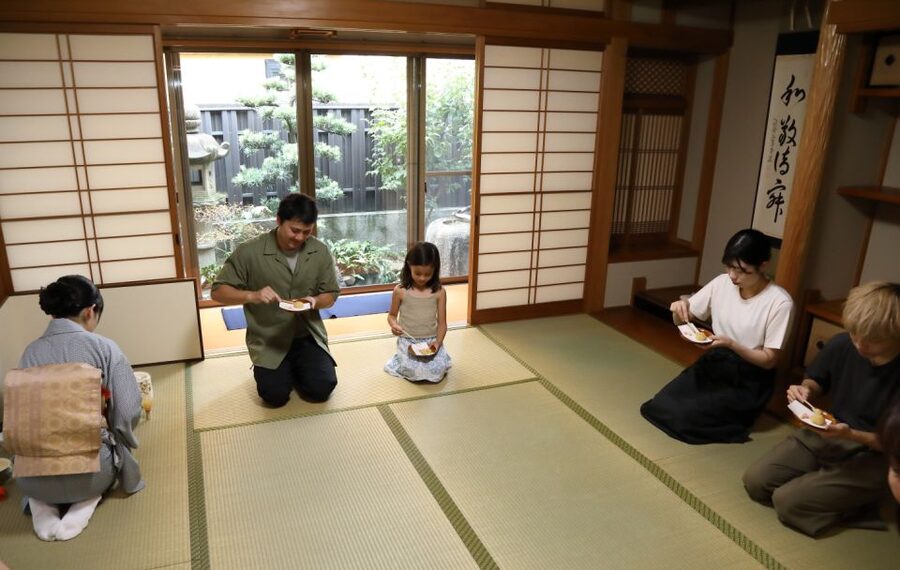
Yes, if you want a genuine cultural activity with a real skill at the end. It’s one of those experiences that sounds simple on paper, then feels meaningful once you’re inside the room, making the sweet, and whisking matcha for yourself. The small group size makes it easier to connect with the host and get clear guidance.
No, if you’re only looking for a quick photo stop or a casual dessert. This class is structured. It asks for attention and basic room etiquette. If that fits your travel style, it’s a strong use of 75 minutes in Kyoto.
FAQ
How long is the Kyoto Fushimiinari Wagashi and Tea Ceremony experience?
The experience lasts about 75 minutes.
Is this a private tour?
No. It is a small group experience limited to 6 participants.
What is included in the price?
You get an English-speaking instructor, 2 bowls of matcha (one prepared by you), hands-on wagashi making (one type), guidance on how to make tea and how to eat the sweets, and all fees and taxes.
Do I get to make matcha myself?
Yes. After a demonstration, you will have the chance to prepare one bowl of matcha using a bamboo tea whisk.
What should I bring?
Bring socks. Bare feet are not allowed.
Are photos or video allowed?
Flash photography is not allowed, and video recording is not allowed. You may also be asked not to take photos during parts of the session.
Can you accommodate guests who struggle to sit on the floor?
Yes. Chairs and tables are available for guests who find it difficult to sit on the floor. You should let them know in advance.
Is it suitable for children?
No. It is not suitable for children under 8 years.
What if I have allergies or food restrictions?
You should let them know in advance if you have any food restrictions or allergies.
More Tour Reviews in Kyoto
Not for you? Here's more nearby things to do in Kyoto we have reviewed



Kyoto Tea Ceremonies, compared.
 ★ 4.9Tea Ceremony in a Traditional Tea House in KiyomizuFrom $493,519 reviews
 ★ 4.9Tea Ceremony Ju-An at Jotokuji TempleFrom $293,207 reviews
 ★ 4.345-Minute Tea Ceremony Lesson ExperienceFrom $222,378 reviews
 ★ 5.0World Heritage Kyoto & Nara Uji Authentic Matcha ExperienceFrom $1291,573 reviews
 ★ 4.9Table-Style Tea Ceremony at a Kyo-MachiyaFrom $451,211 reviews
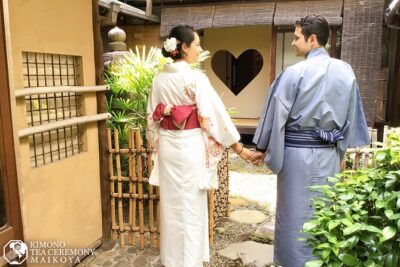 ★ 5.0Kimono Tea Ceremony at Kyoto Maikoya, NISHIKIFrom $65911 reviews
 ★ 5.0Arashiyama Bamboo Forest, Monkeys, Matcha & Temple TourFrom $53759 reviews
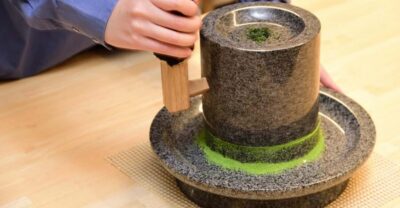 ★ 4.9Tea Museum Tickets and Matcha Grinding ExperienceFrom $23739 reviews
Browse the lists this tour appears in