
Reviewed · KYOTO TEA CEREMONIES
Kyoto Japanese Tea Ceremony Experience in Ankoan
Matcha tastes better when you make it. In Kyoto at Ankoan, I loved the warm welcome-tea conversation with Yuka and the hands-on matcha practice you do yourself, but this experience is not recommended if knee pain is an issue for you. The tone is relaxed, yet the process feels genuinely traditional.
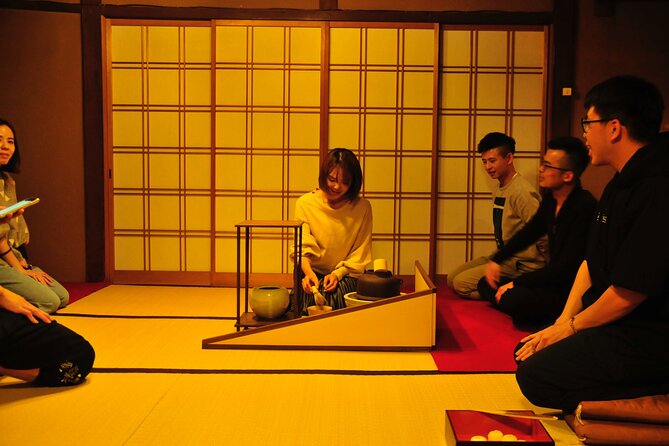
You start by cooling down after your travel, with a cup of welcome tea and time to chat. Then the host explains key parts of tea-ceremony manners, before showing how the tea master builds a cup of matcha.
Plan on about 90 minutes to around 2 hours, depending on how the session flows, and you will be in a group of up to 8. Good news: you can take photos indoors freely, so you can actually remember the details instead of just rushing through them.
Key Highlights You Should Know Before You Go
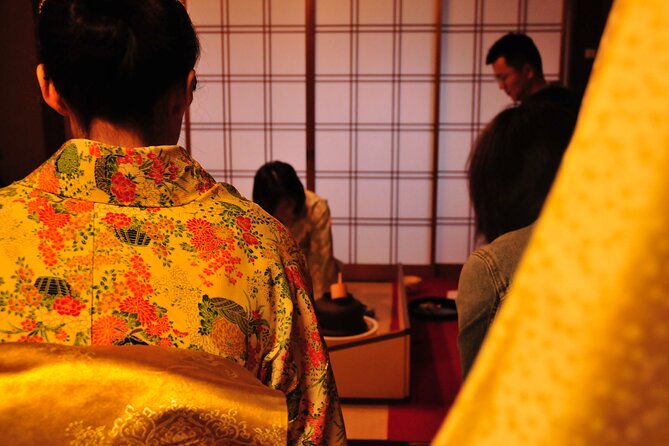
- Small group size (up to 8) so you get personal attention while you learn
- Welcome tea with Yuka, plus casual conversation before the ceremony starts
- Step-by-step matcha making, including hands-on practice for the essential routine
- Wagashi tasting alongside the matcha, adding a sweet counterpoint
- Indoor photos are allowed, so you can capture the room and the moment
- Calm, formal-to-informal balance, with both ceremony and discussion
Ankoan in Kyoto, a tea room that slows your day
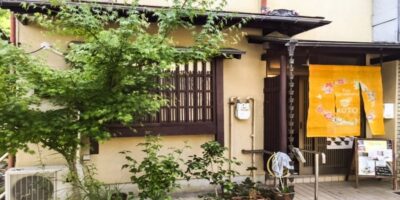
This Kyoto Japanese tea ceremony takes place at 暗香庵 (Ankoan), in Kita Ward at Murasakino Monzenchō. The address is part of the charm because it feels like a real neighborhood studio, not a big tourist factory. It is also near public transportation, which matters because you do not want your day to turn into a transit puzzle before tea.
What I like about Ankoan is the atmosphere. The experience is designed as a quick reset. You are offered a moment to relax first, then brought into the ceremony at a calm pace. Several people in the feedback emphasized how comfortable and at-ease the room feels, which is exactly what you want when your schedule has already been packed with temples and walking.
Also, this is a short commitment. Even though tea rituals can sound long on paper, you are looking at roughly the length of an enjoyable museum visit, not a half-day event. That makes it a great way to place something “quiet and cultural” into an active Kyoto itinerary.
You can also read our reviews of more tours and experiences in Kyoto.
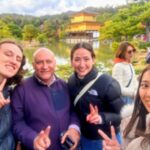
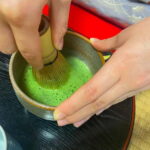
Welcome tea with Yuka, plus manners explained in real language
Before you touch any equipment, you get something gentle to start: welcome tea made by Yuka. That little first sip does two things. It settles your body after travel, and it gives you a natural opening to talk.
The host does not just recite rules. You get an explanation of tea ceremony parts and manners, in English or Chinese, depending on what you need. That matters because tea culture has a lot of small behaviors that can feel mysterious if nobody translates them clearly. Here, you are given a framework for what you are doing and why.
And the conversation piece is not tacked on like a bonus. You are encouraged to talk about tea and also broader questions like how Japanese people live and how Japanese culture came into being. If you like learning culture through small, human details, this is the part that will stick with you.
Watching the tea master, then copying the motions yourself
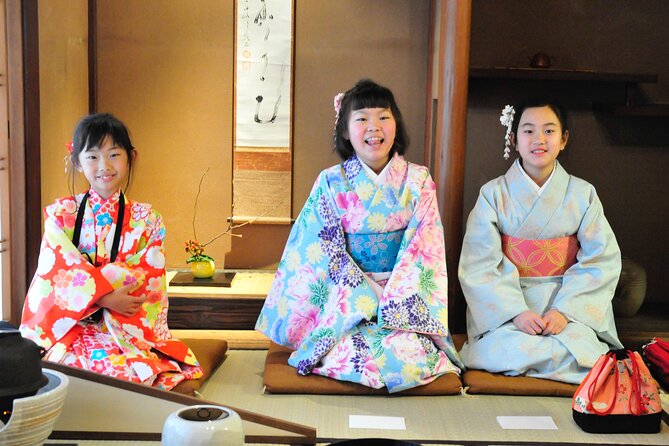
A big reason people rate this experience so highly is the way it teaches. The session includes the tea master demonstration, then you shift from watching to doing. You learn the essential procedure of preparing matcha, and you practice it yourself.
The host stays close while you work, so you are not left guessing. People often describe it as watch one, teach one, which is the right teaching rhythm for something as hands-on as matcha. That step-by-step guidance turns the ceremony from a performance into a skill you can actually do, even if you are not an expert.
A detail worth knowing: the experience is interactive enough that you can participate in the full flow, not just observe. That means you are expected to internalize the key concepts through practice, not only through explanations.
If you are the type of traveler who likes hands-on classes, this will feel like the best kind of cultural workshop: structured, calm, and surprisingly practical.
Matcha making at Ankoan, where the essential steps matter
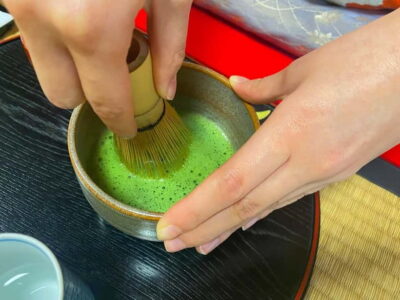
Now the centerpiece: matcha. You prepare the tea yourself after the demonstration, and the host guides you through the process. This is not only about drinking matcha. It is about learning the sequence, the care in handling tools, and the mindset behind the ritual.
You also get the chance to taste the matcha you made. That is important for value. Many “tea experiences” let you watch and then move you along. Here, you do the work, then you taste the results. It helps you notice differences in texture and flavor that you would never catch by observation alone.
One more cultural note from the experience description and feedback: there is a tradition-related element where you may prepare tea to offer to another participant. That turns the ceremony into something shared, not just a solo class where everyone makes their own cup in isolation.
Wagashi tasting and the calm space that makes it all click
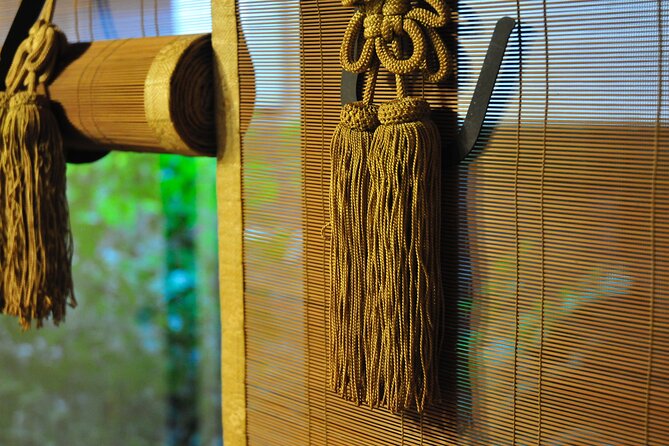
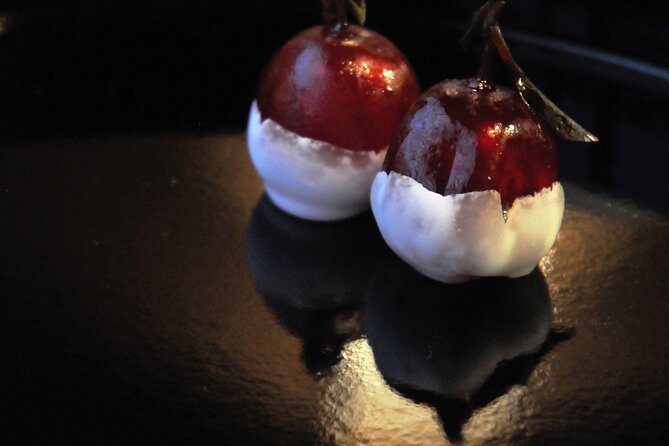
Tea ceremony is as much about what surrounds the cup as it is about the cup itself. At Ankoan, you get to taste matcha alongside wagashi, the Japanese sweet that pairs with tea. That pairing matters because it changes the whole experience. The sweetness and texture of wagashi can highlight matcha’s bitterness and bring balance to each sip.
The room is set up to feel like a harmonious tea space. People mention the atmosphere as serene and comfortable, and that shows up in how the session is paced. You do not feel rushed. You are given time to learn the gestures, make the tea, and then actually enjoy what you made.
And yes, you can take pictures indoors freely. So if you want a few photos of the tools, the room, or your finished cup, you can do it without feeling like you are breaking the mood.
Price and timing: is $32.84 good value?
Let’s talk value plainly. The price is $32.84 per person, and the experience runs about 1 hour approx., with the service described as about 90 minutes, and some sessions running closer to around two hours depending on pacing. In other words, it is short enough to fit into a day, but long enough to include demonstration, your hands-on matcha practice, and tastings.
What you get is not just a drink. You get:
- A welcome tea moment to slow down
- Explanations about manners and key parts of the ceremony
- A guided matcha-making session you do yourself
- Tastings that include wagashi
- A chance to chat and ask questions in English or Chinese
The group size is also limited to a maximum of 8 travelers, which can make a noticeable difference in how well you learn. With fewer people, the host can correct your technique and answer questions while you are working.
Also, the experience includes coffee and/or tea. In practice, the tea part is clearly central, and you are not paying extra just to be able to sit and enjoy the room.
As for timing, the experience is commonly booked about 12 days in advance. If you have a tight Kyoto schedule, booking ahead helps, especially because this is a weather-dependent experience.
Getting there, language, and who this fits best
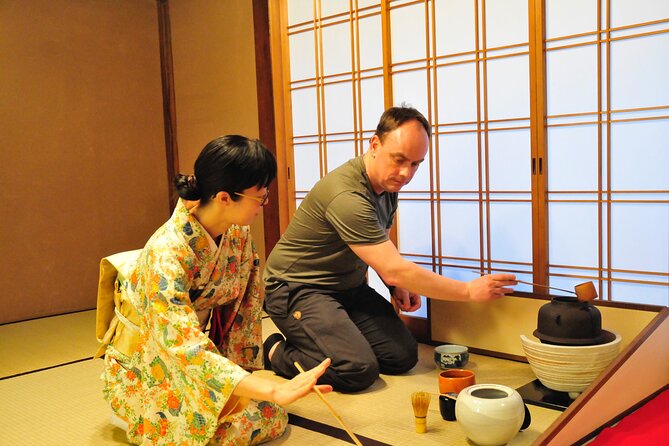
You meet at 暗香庵 (Ankoan) in Kyoto, Kita Ward, Murasakino Monzenchō, address listed as 63 暗香庵. The activity ends back at the meeting point, so you can plan your next stop without a long transport puzzle.
Private transportation is not included, but it is near public transportation. So if you are already using buses or trains in Kyoto, you can keep your day simple.
Language support is also straightforward: the provider indicates Chinese/English OK. The feedback highlights strong English skills, which is a big deal for this kind of cultural activity. You will understand the meaning behind gestures, not just memorize steps.
Who should go:
- You want a calm break from fast-paced sightseeing
- You like hands-on learning, especially food culture
- You want conversation, not just a scripted talk
- You are traveling as a couple or solo and want a small-group format
Who should think twice:
- If you have knee pain, this is not recommended. The session involves a seated setup that may not work for everyone.
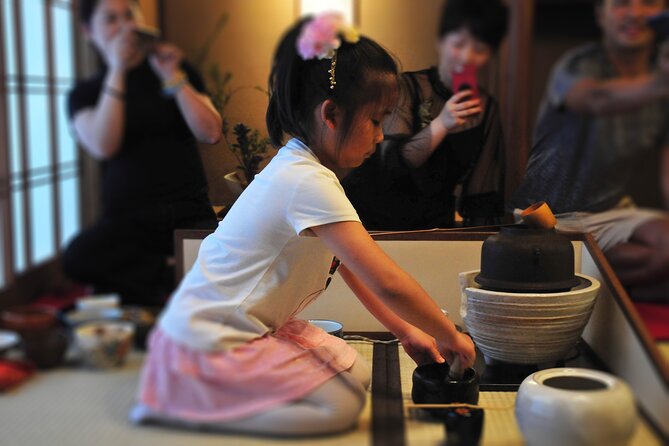
And families? The feedback includes a case where an 8-year-old participated and small kids enjoyed joining in. This is a good sign if your kids like trying things and listening. Still, keep in mind that tea ceremony is structured, so choose this if your group is patient and curious.
Should you book the Kyoto tea ceremony at Ankoan?
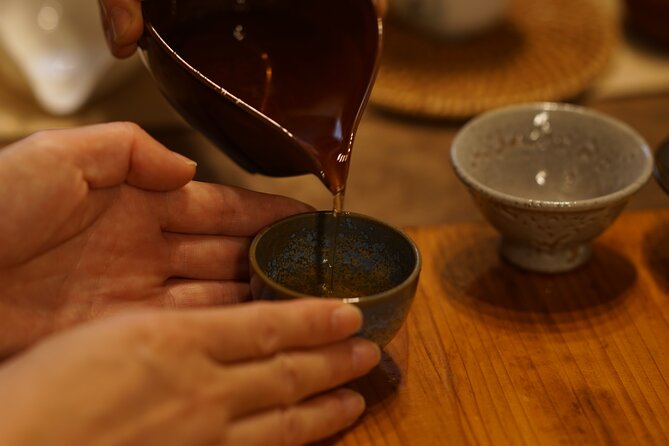
If your goal is a genuine Kyoto cultural moment that is calm, guided, and hands-on, I think you should book it. The standout strength is the blend of welcome-tea conversation, clear explanations, and matcha making where you actually participate. At about $33, you are paying for guided practice plus tastings in a small group, not just a quick photo op.
But I would hold off if you have knee limitations. Also, since the experience requires good weather, be prepared to shift plans if conditions are poor.
If you want a relaxing reset after temples, and you would like to leave with both a cup of matcha and a better understanding of the ceremony’s rhythm, Ankoan is a smart choice.
FAQ
How long is the Kyoto Japanese tea ceremony experience at Ankoan?
The duration is listed as about 1 hour. The experience description also refers to a 90-minute service.
What is included in the $32.84 price?
The listing says coffee and/or tea is included. The experience itself includes tea tastings, matcha preparation and tasting, and wagashi tasting as part of the session.
Is private transportation included?
No. Private transportation is not included.
Where is the meeting point?
You meet at 暗香庵 (Ankoan), Tea ceremony Japan, 603-8216 Kyoto, Kita Ward, Murasakino Monzenchō, 63 暗香庵. The experience ends back at the meeting point.
How big is the group?
There is a maximum of 8 travelers.
What languages are supported?
The provider indicates Chinese/English OK.
Can I take photos during the experience?
Yes. You can take pictures indoors freely.
Is this experience recommended if I have knee pain?
No. It is not recommended for those with knee pain.
What is the cancellation policy?
You can cancel for free up to 24 hours before the experience’s start time for a full refund. If the cancellation is within 24 hours, it will not be refunded. The experience requires good weather, and if it is canceled due to poor weather, you will be offered a different date or a full refund.
More Tour Reviews in Kyoto
Not for you? Here's more nearby things to do in Kyoto we have reviewed

Kyoto Tea Ceremonies, compared.
 ★ 4.9Tea Ceremony in a Traditional Tea House in KiyomizuFrom $493,519 reviews
 ★ 4.9Tea Ceremony Ju-An at Jotokuji TempleFrom $293,207 reviews
 ★ 4.345-Minute Tea Ceremony Lesson ExperienceFrom $222,378 reviews
 ★ 5.0World Heritage Kyoto & Nara Uji Authentic Matcha ExperienceFrom $1291,573 reviews
 ★ 4.9Table-Style Tea Ceremony at a Kyo-MachiyaFrom $451,211 reviews
 ★ 5.0Kimono Tea Ceremony at Kyoto Maikoya, NISHIKIFrom $65911 reviews
 ★ 5.0Arashiyama Bamboo Forest, Monkeys, Matcha & Temple TourFrom $53759 reviews
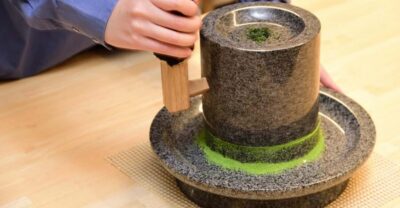 ★ 4.9Tea Museum Tickets and Matcha Grinding ExperienceFrom $23739 reviews
Browse the lists this tour appears in