
Reviewed · KYOTO TEA CEREMONIES
Kyoto: Kimono Tea Ceremony with Matcha and Sweet
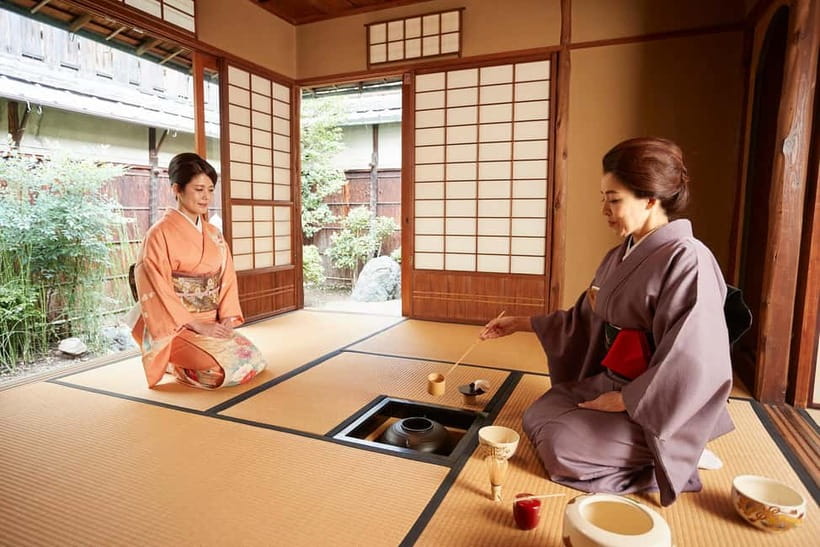
Kimono and matcha, with real Zen in the room. This Kyoto experience turns a classic tea ceremony into something hands-on: you choose and wear a kimono, learn the ritual from a tea master, then make your own bowl of matcha with guidance in English.
I love how the ceremony explains the meaning behind each step, not just the steps themselves. You also get full kimono dressing, so the whole thing feels like you stepped into a different Kyoto for an hour and a half.
What I like most is the mix of culture and practice. You watch how the tools are used, then you actually prepare matcha yourself using premium powder, and the tea master guides the etiquette so you know what you are doing.
Second, the seasonal wagashi makes the tasting feel special, not like an afterthought.
One drawback to keep in mind is that the session moves along at a steady pace. Some guests felt the kimono dressing part was fast, and if you like taking time for makeup, plan to do it before you arrive, or keep expectations simple.
Key things to know before you go
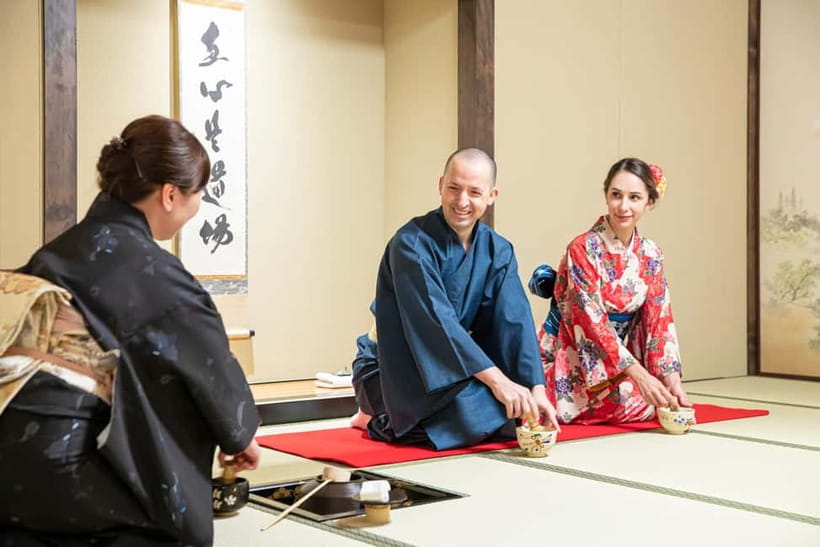
- Kimono first, ceremony second: dressing comes at the start, then you move into the tea room for the full ritual.
- Hands-on matcha: you learn the process, then make your own bowl with high-quality matcha.
- Seasonal wagashi: sweets change with the time of year, with flavor, color, and design shifting by season.
- Small group feel: typically about 12 to 14 participants, so you are not swallowed by a crowd.
- Tatami is optional: you can request wooden or bamboo chairs in advance if you prefer not to sit on tatami mats.
Why a Kyoto Kimono Tea Ceremony Feels Different From a Typical Class
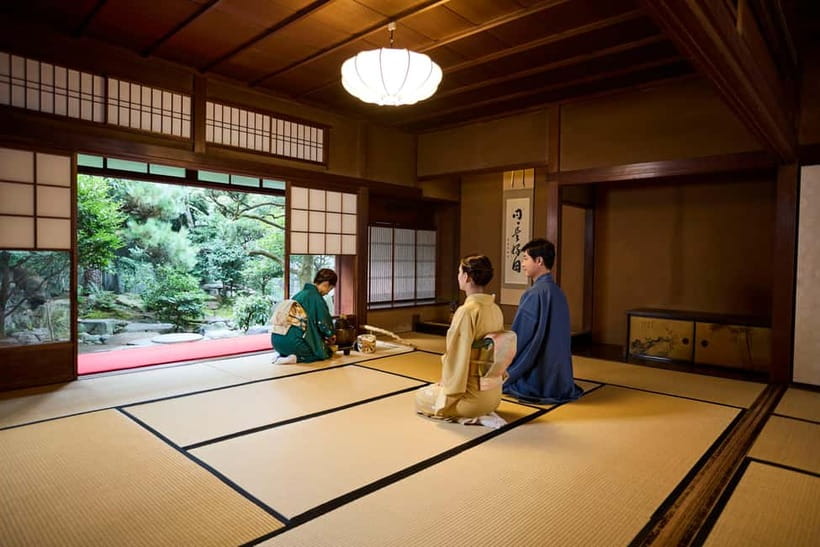
A tea ceremony is not about getting a photo and moving on. It is about attention, posture, and respect, the tiny details that make the whole ritual calm. In this Kyoto setting, you get that slower mindset wrapped inside an experience that also feels fun and visual, because you are wearing a kimono.
The strongest value is that the ceremony is explained in full English. That matters in Japan, where “cultural experiences” can sometimes become vague performances. Here, you learn the history, the tools, and the etiquette, so you leave understanding what you just practiced and why it matters.
You also get the Zen ideas that shape the ritual. Expect the themes of Wa (harmony), Kei (respect), Sei (purity), and Jaku (tranquility). Even if you are not chasing spirituality, those words give the movements a purpose, like you are reading the meaning behind the choreography.
You can also read our reviews of more tours and experiences in Kyoto.

Kimono Dressing in Kyoto, From Choice to Hair Styling
The experience begins with kimono time, and that is not filler. You start by choosing a beautiful kimono, and staff help you get dressed properly so it looks right and feels comfortable. If you are coming for a “dress like a Kyoto local” moment, this hits the mark, because you are not just putting on fabric, you are getting dressed for the ceremony.
For women with long hair, hair styling is included. Men and women should check your hair length expectations ahead of time, since styling is described as long hair only. Either way, the dressing team is patient, and several guests highlight how carefully they helped them get ready.
Photo lovers will be happy here. Multiple reviews mention picture time in kimono before and after the ceremony, plus the fact that there are photo-friendly moments built into the flow. If you care about how the kimono looks in photos, show up with enough time to settle in during dressing, then use the photo window when you are fully dressed.
A practical drawback to plan around
Some guests felt the dressing portion felt rushed, like you are getting moved along quickly. If you wear makeup or want extra time for touchups, do the prep before you arrive so you are not fighting a ticking clock.
The Tea Room Ritual: Tools, Etiquette, and the Meaning Behind Each Step
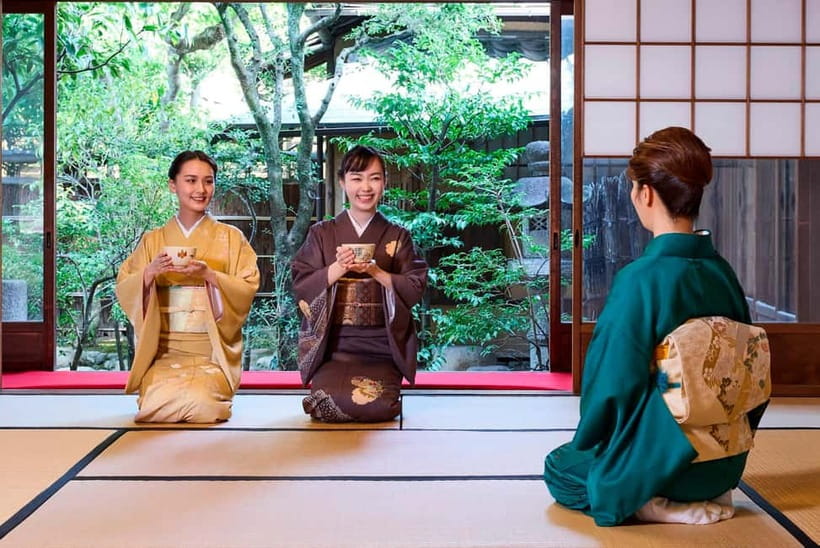
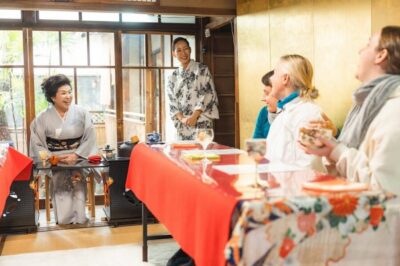
Once you are dressed, you enter the traditional tea room where the utensils are arranged for the ritual. The atmosphere is the point. You sit on tatami mats when that is the setup, but you can request seating support if your body prefers something else.
From there, a tea master leads you through what is happening and why. You observe the detailed steps, then the host explains the background: the tools, the etiquette, and how the ritual connects to Zen principles. Reviews frequently call out how friendly and patient the hosts are, and that the guidance is clear even for people who are new to tea.
You should expect a true etiquette lesson, not just a demonstration. The host typically teaches how to move, how to handle the bowl, and what the ceremony is trying to communicate. This turns the experience into something you can repeat later, at least in spirit, even if you never host a full ceremony at home.
Seating comfort is not a small detail here
Tatami looks charming, but it is also firm. This experience gives you options, which is a big deal. Bamboo chairs are available upon advance request, and wooden chairs are also offered if you prefer not to sit on tatami.
If you have knee or ankle issues, request chair seating early. Do not wait until you arrive, because advance request is mentioned as the way to get bamboo chairs.

Making Matcha Your Own Way, With Premium Powder and Real Guidance
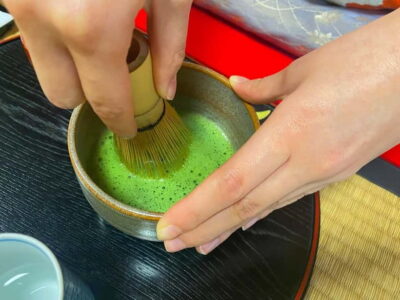
The hands-on part is where this experience earns its name. You learn how to prepare matcha and then make your own bowl using high-quality matcha powder. This is not “watch and taste.” You get to do the motions and understand the purpose behind them.
The host’s job is to help you get the technique right enough to enjoy it. In reviews, guests mention getting taught the steps clearly and making the froth, like you are aiming for a creamy top layer rather than thin green bitterness. If you love matcha but usually drink it from a cup with zero ceremony, this is your chance to understand what changes the texture and flavor.
For first-timers, the biggest learning curve is usually handling the pace and the focus. Tea ceremonies slow you down on purpose. You will likely find your breathing and posture changing as you follow the guidance.
What you should pay attention to while making it
Watch how the host describes the tools and the movements. That is where the etiquette lives. If you want to take this home with you, mentally note the rhythm, because that is what turns a matcha cup from a drink into a moment.
Seasonal Wagashi: The Sweets That Tell You What Season You Are In
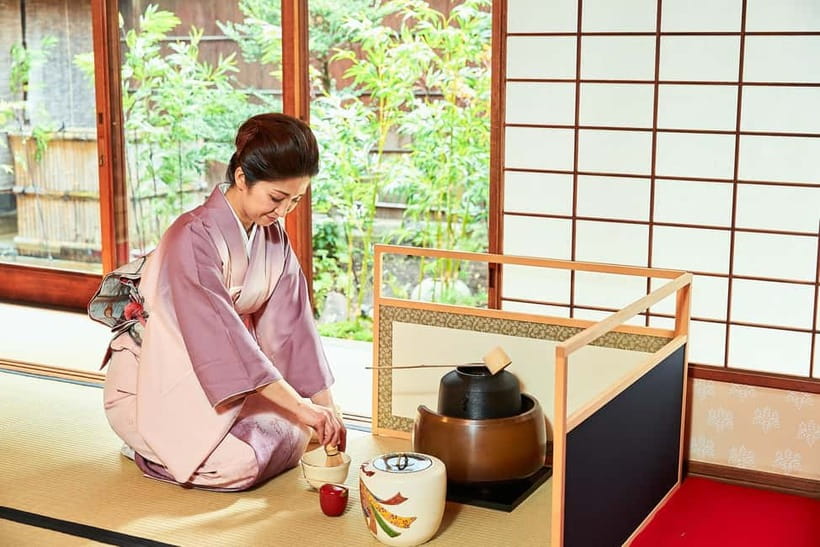
Tea and sweets belong together in this ritual, and the sweets are not standardized. You are served traditional Japanese sweets called wagashi, and they change by season. That means flavor, color, and design can shift depending on when you attend.
This is a smart choice by the organizers, because it makes the ceremony feel time-bound and place-bound. Kyoto in winter tastes different than Kyoto in spring, and wagashi is one of the easiest ways to taste that without needing to plan a full food crawl.
You should also expect that the host connects the sweets to the ceremony atmosphere. Even if you just want to enjoy the taste, it is worth slowing down for the first bite. These sweets are often designed to pair with the tea’s bitterness and help you transition into a calmer headspace.
Timing, Group Size, and Seating Options That Actually Matter
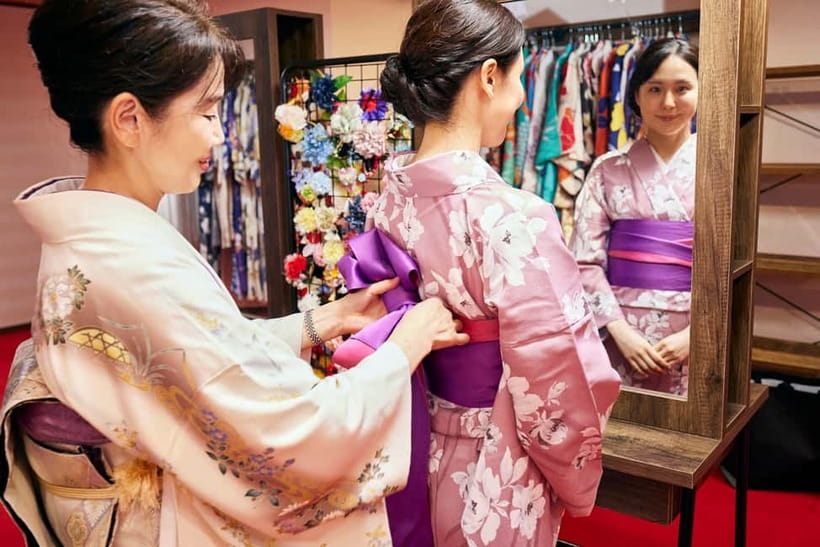
The booking says 90 minutes, and you may see the ceremony described as lasting about 90 to 120 minutes. The kimono dressing comes first, then you move into the tea room, and the matcha preparation and wagashi tasting round out the experience.
That order matters. Dressing first helps you settle into the right mindset before anyone asks you to focus on posture and etiquette. It also means you are not rushing through the ceremonial part while you are still adjusting sleeves and obi.
Group size is small enough to feel personal. Expect about 12 to 14 participants, and that smaller group scale shows up in the reviews as more relaxed, comfortable guidance. You are not likely to feel like you are stuck watching from the edge.
Seating options, again, because comfort affects the vibe
- Tatami is customary.
- Wooden chairs are available upon request.
- Bamboo chairs are available with advance request for those who want an alternative to tatami.
If you know your limits, choose your seating before you arrive. A tea ceremony works best when you are comfortable enough to stay focused.
English Guidance That Keeps the Ceremony From Feeling Mystical
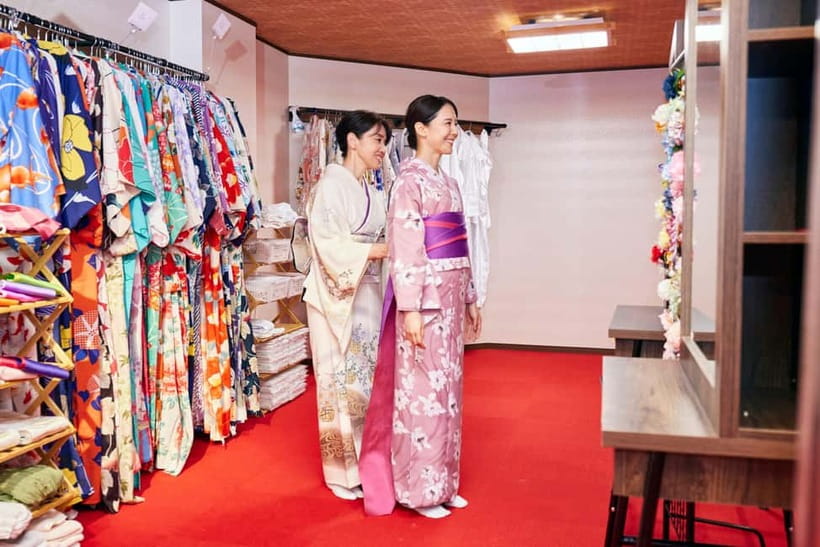
A big part of the appeal is English instruction throughout. The ceremony is traditional, but your understanding does not have to be. That means you are not left guessing what each step symbolizes or why certain movements are required.
Several reviews call out that hosts speak clearly and patiently, including people noting that the guidance helps you participate comfortably. If you worry about language barriers in Japan, this is one of the better ways to handle it, because you are given context while you learn the ritual.
It also helps that the staff provides bilingual assistance. That is useful during kimono dressing, where you want things adjusted correctly, and during etiquette instruction, where small details matter.
Value for $66: What You Get, and Why It Adds Up
At about $66 per person, you are paying for more than a quick tea tasting. Your included items are where the value is:
- Kimono dressing
- Tea ceremony led by a tea master
- Hands-on matcha preparation
- Japanese sweets (wagashi)
- Bilingual staff assistance
- Hair styling for women with long hair
If you have ever paid for a kimono rental alone, you know it can add up quickly. Here, the kimono experience is paired directly with the ceremony, and you get instruction while you wear it. That combination is the key value point: you are not choosing between photos and meaning, you get both.
Price also makes sense for the time investment. This is roughly 90 to 120 minutes, and the host is actively working with you and your group.
Who the value is best for
This feels especially worth it if:
- You want a calm cultural activity instead of another walking tour
- You are interested in matcha beyond just drinking it
- You want the kimono experience to come with real cultural context
Who Should Book This Kyoto Tea and Kimono Session
This is a great fit if you want a respectful, structured cultural experience. You get real teaching about history, tools, and etiquette, and you practice making matcha instead of only watching.
It is also a strong choice for couples. Reviews include recommendations for surprises, like someone arranging kimono time for a partner. The small group size and shared ritual make it feel like a shared moment, not a classroom.
Consider skipping if
- You want a casual, drop-in experience. This is guided and deliberate, with etiquette.
- You need very flexible seating on short notice. Chair options exist, but bamboo chairs require advance request.
- You are traveling with young children. Children under 7 are not allowed.
Final Verdict: Should You Book?
I think you should book this Kyoto kimono tea ceremony if you want something that feels authentic and calming, with hands-on matcha and seasonal wagashi. The best parts are the teaching, especially the way the host connects steps to Zen principles, and the fact that you actually make matcha yourself.
If you are short on time, or you dislike sitting on tatami unless you have chair seating arranged, then plan carefully. Otherwise, this is one of those experiences that makes Kyoto feel personal, quiet, and meaningful in a way you do not get from rushing from temple to temple.
FAQ
How long is the Kyoto kimono tea ceremony experience?
The session is listed as 90 minutes, and the tea ceremony itself is described as lasting approximately 90 to 120 minutes.
What is included in the price?
The package includes kimono dressing, a tea ceremony led by a tea master, hands-on matcha preparation, Japanese sweets (wagashi), bilingual staff assistance, and hair styling for women with long hair.
Do I get a choice of seating if I do not want to sit on tatami?
Yes. Tatami mats are customary, but wooden chairs are available upon request. Bamboo chairs are available upon advance request if you prefer not to sit on tatami.
Is the experience only for adults?
Children under 7 are not allowed.
Is there English guidance?
Yes, the instructor and staff assistance are in English.
Is transportation included?
No. Transportation to and from the venue is not included.
Can I cancel and keep my money?
Free cancellation is offered up to 24 hours in advance for a full refund.
More Tour Reviews in Kyoto
Not for you? Here's more nearby things to do in Kyoto we have reviewed






Kyoto Tea Ceremonies, compared.
 ★ 4.9Tea Ceremony in a Traditional Tea House in KiyomizuFrom $493,519 reviews
 ★ 4.9Tea Ceremony Ju-An at Jotokuji TempleFrom $293,207 reviews
 ★ 4.345-Minute Tea Ceremony Lesson ExperienceFrom $222,378 reviews
 ★ 5.0World Heritage Kyoto & Nara Uji Authentic Matcha ExperienceFrom $1291,573 reviews
 ★ 4.9Table-Style Tea Ceremony at a Kyo-MachiyaFrom $451,211 reviews
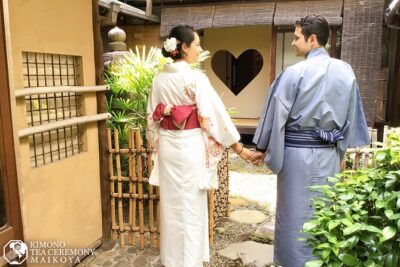 ★ 5.0Kimono Tea Ceremony at Kyoto Maikoya, NISHIKIFrom $65911 reviews
 ★ 5.0Arashiyama Bamboo Forest, Monkeys, Matcha & Temple TourFrom $53759 reviews
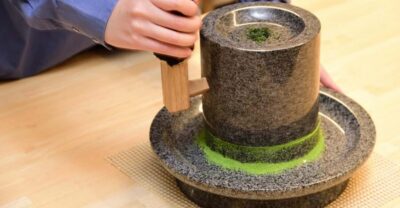 ★ 4.9Tea Museum Tickets and Matcha Grinding ExperienceFrom $23739 reviews
Browse the lists this tour appears in