
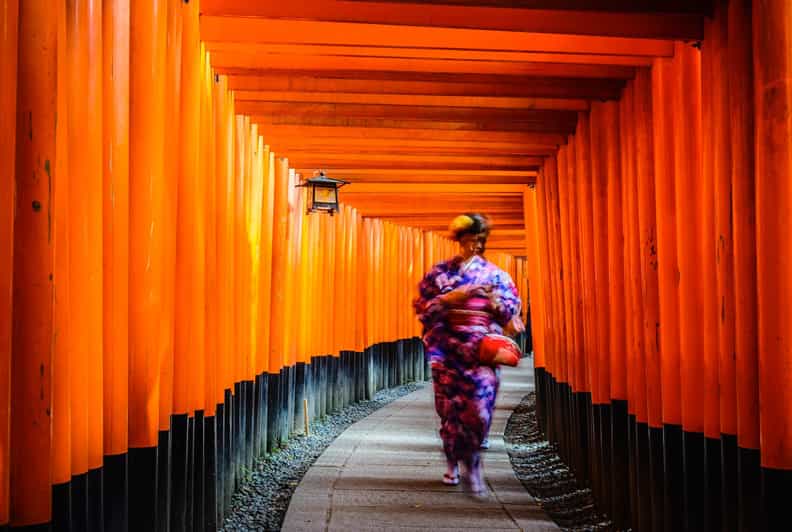
Reviewed · FUSHIMI INARI SHRINE TOURS
Kyoto: Kiyomizu-dera, Fushimi Inari & Gion Geisha District
Kyoto does goosebumps fast. This half-day route strings together Kiyomizu-dera blessings, Fushimi Inari Shinto meaning, and a calm walk through old streets into Gion. I liked how Roberto explains the point of each place, not just what to look at. I also loved that he gives you lots of photo time and even takes pictures for you. One watch-out, you do real walking, so comfortable shoes matter.
Roberto is a Kyoto City Certified Tourist Guide, and you feel the difference in how the stops connect. You start at JR Kyoto Station, hop between sites by train and city bus, and get short, clear context at each turn. The iPad visuals help when you want to understand what you are actually seeing, especially around shrine and temple traditions.
The tour ends in Gion, which is convenient if you want to keep exploring on your own afterward. If you have mobility limits or low stamina, this itinerary may feel like a workout instead of a stroll, so read the suitability notes carefully before you book.
Key highlights you should care about
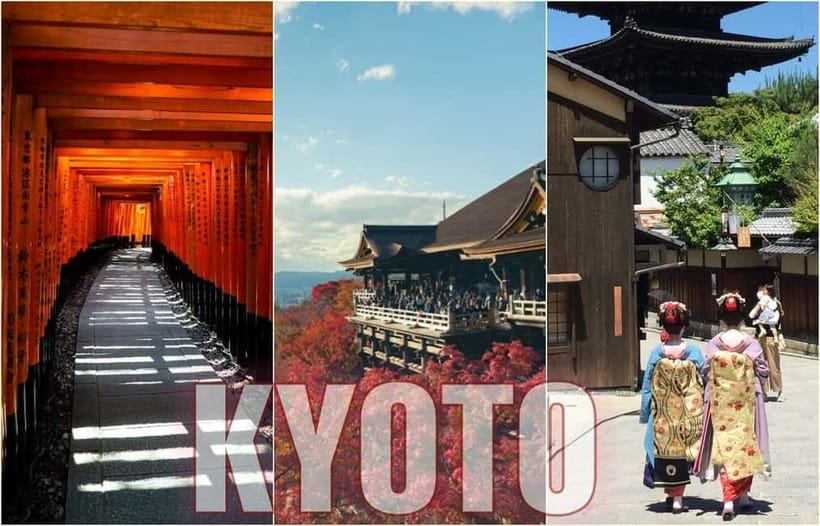
- Power spots at Kiyomizu-dera with practical meaning behind love, longevity, and academic success
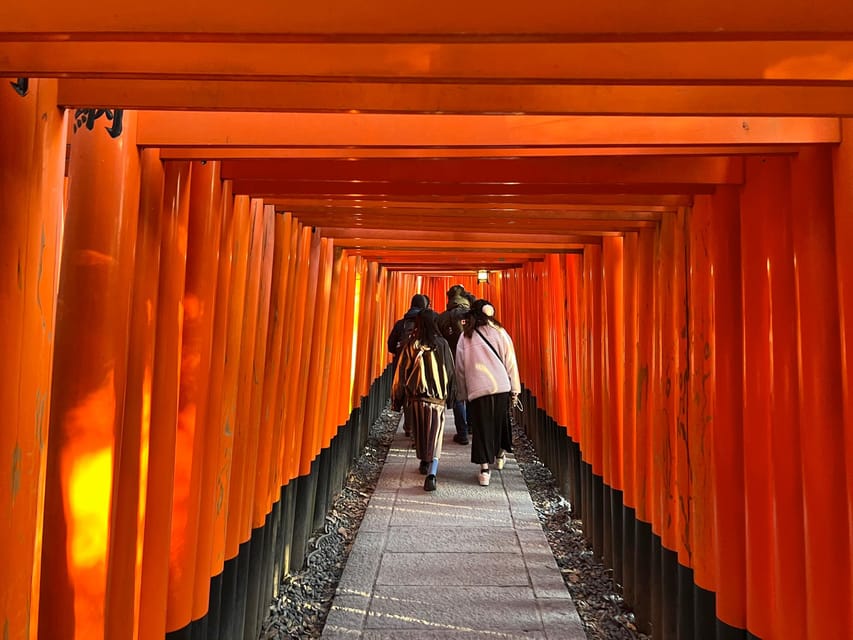
- Fushimi Inari’s torii trail explained in plain Shinto terms, not just a photo line
- Ninen-zaka and Sannenzaka old-street walk that slows your pace down for Kyoto atmosphere
- Geisha and maiko facts to help you understand what you are seeing around Gion
- Roberto’s photo support plus iPad explanations so you don’t miss the “why”
Start at JR Kyoto Station, then let the day flow
The meeting point is in front of the door of 7-Eleven Heart-In, JR Kyoto Station Building 1F, using the Kyoto Tower side exit. You will spot Roberto holding an iPad and a red card that says RBRT.
This is a smart start because Kyoto’s train hub is easy to reach and you avoid the stress of hunting for a guide in a maze. You also immediately begin using Kyoto’s public transit system, so the day feels like how locals actually move around the city.
One more practical note: this is a private group, but it is still built around public transportation and walking segments. If you prefer zero stairs and minimal steps, this tour may not fit. Bring water and plan for a steady, not leisurely, pace.
You can also read our reviews of more tours and experiences in Kyoto.

Fushimi Inari Taisha and the 1,000 torii trail (with Shinto context)
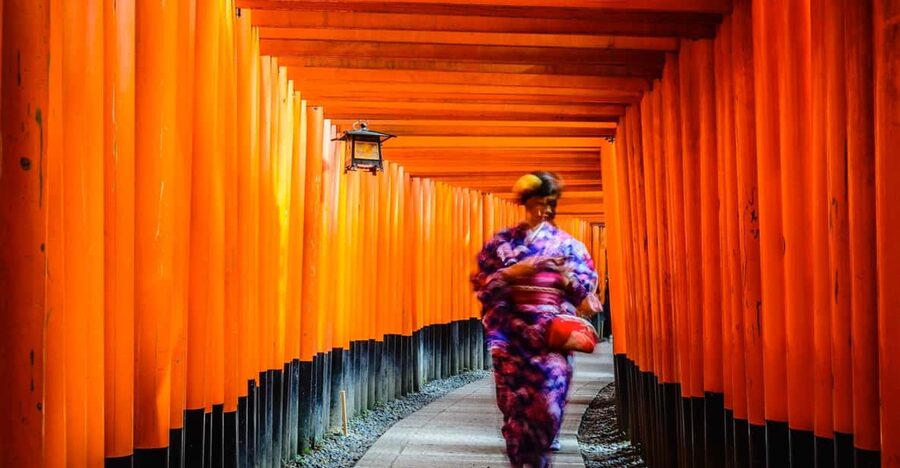
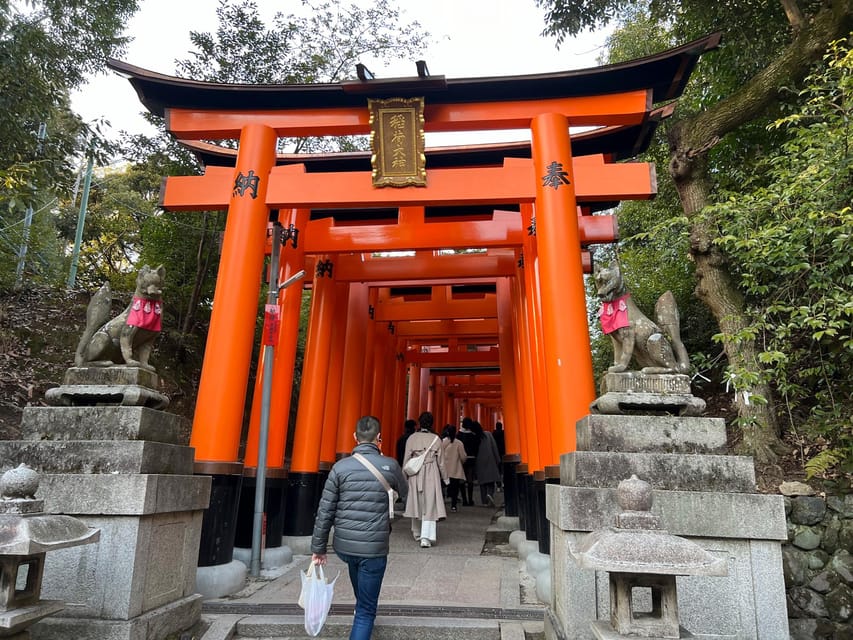
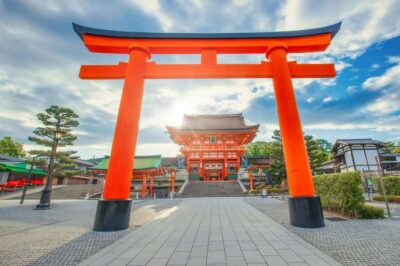
Fushimi Inari Taisha is the headline in many Kyoto itineraries, but what makes it memorable here is the guided framing. Roberto helps you understand the shrine’s ancient origins and the Shinto logic behind what you are seeing as you walk.
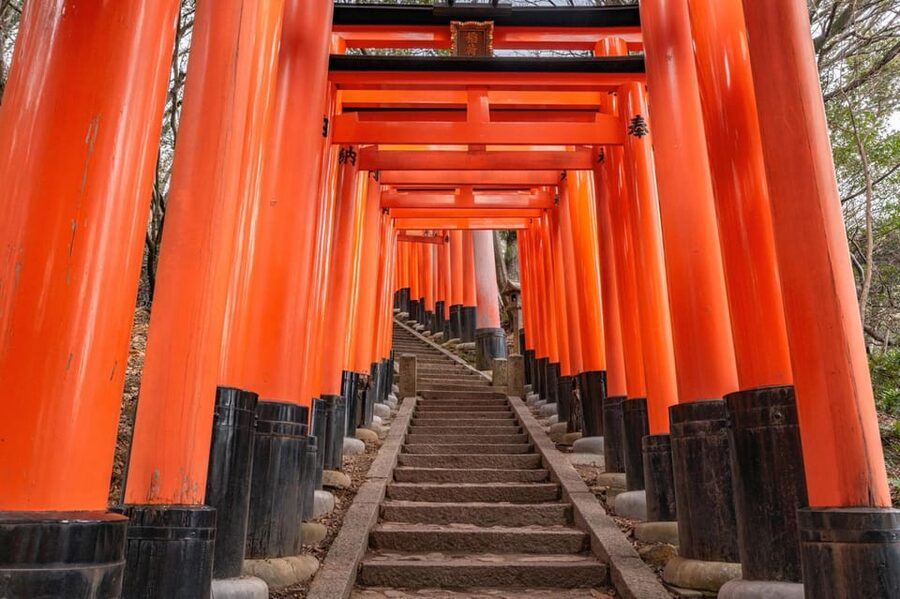
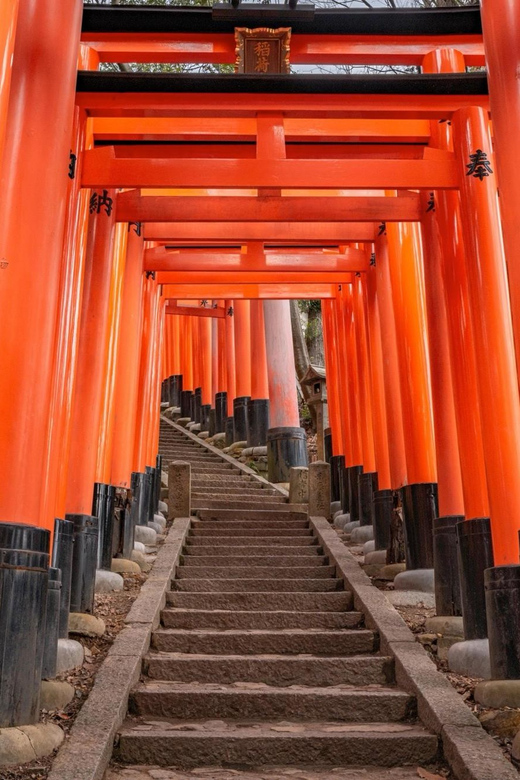
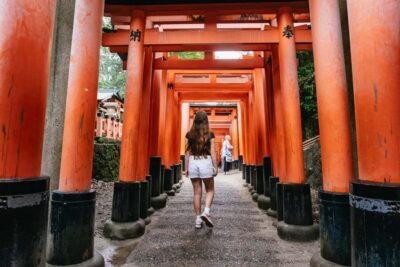
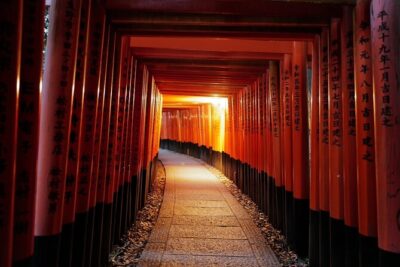
Then you get the part people come for: the trail of vermilion torii gates. The gates create a tunnel effect that makes it feel like you’re walking through a message, not just passing monuments. Your job becomes simple: keep moving, notice how the path pulls you forward, and let the spacing of the gates guide your attention.
What I like about this stop on a guided format is that you are not stuck trying to Google meaning on the fly. Roberto’s explanations help you connect the visuals to tradition, so the torii tunnel feels purposeful. If you care about culture, that makes a big difference.
A small consideration: the torii trail involves a lot of steps. Even if you do not go all the way up the mountain paths (the itinerary is timed), you should still expect plenty of walking on uneven ground in places.
Train hop to Kiyomizu-dera, then the temple’s blessing logic
After Fushimi Inari, you take the train for about 30 minutes to the Kiyomizu-dera area. That transit break is useful because it keeps the day from feeling like nonstop motion.
Kiyomizu-dera is one of Kyoto’s most famous temples, and the guide approach here is about helping you make sense of why people come back again and again. Roberto focuses on the “power spots” you visit, tied to deities associated with love, longevity, and academic success.
Here’s the practical value of this kind of explanation: if you only look at the architecture and scenic views, you miss the lived experience. The blessings are part of what pilgrims do, and understanding the theme makes your visit feel more like participation than tourism.
Also, Kiyomizudera has an entrance fee of 500 yen (about US$3.10), which is not included. Even if the tour guide fees and transport for the group are handled, you still need cash for the temple entry. Plan for that so you are not stuck searching for an ATM in the middle of the visit.
Kiyomizu-dera visit basics: what to notice and how to pace
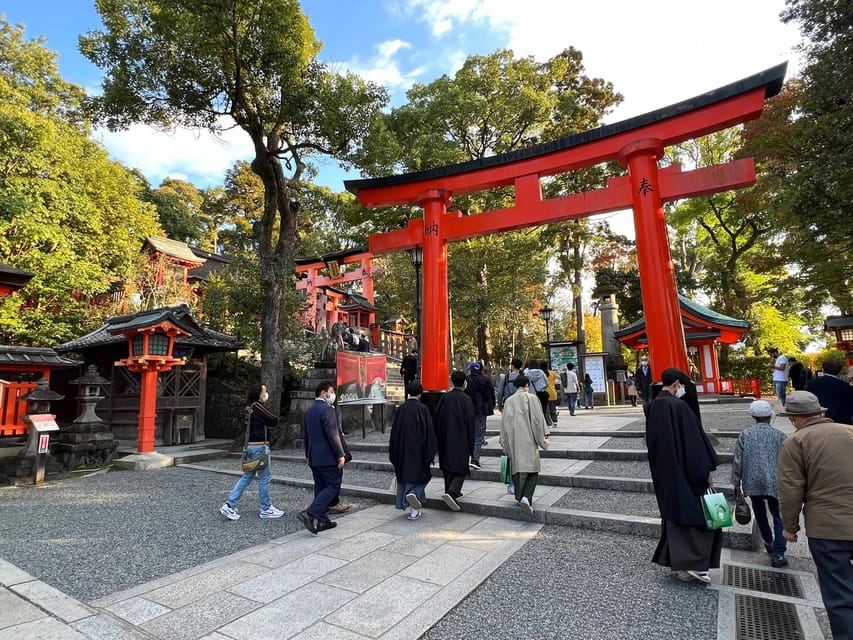
Roberto’s guided time at Kiyomizu-dera is about 80 minutes, which is enough to cover the key power-spot areas without rushing. You also get iPad explanations, which help you orient yourself quickly when the layout feels complex.
What to focus on during your time there:
- Look for where people stop and what they do at the power spots, because that reveals the theme of the visit.
- Notice how the scenery and temple buildings frame your viewpoint, since Kiyomizu-dera is famous for being photogenic from multiple angles.
- Keep your pace comfortable. This is not a sprint kind of stop.
A common mistake at places like this is to spend too much time photographing one angle and then run out of time for the meaningful parts. Roberto’s photo offer helps with this, because you can hand over some of the “get the shot” pressure and still keep moving.
Ninen-zaka and Sannenzaka: old-street Kyoto in a short walk
After Kiyomizu-dera, you shift into the walk segment through Sannenzaka and Ninenzaka. The itinerary allots about 10 minutes each for these street walks, plus a short link on foot afterward.
These lanes are where Kyoto can feel old in a very physical way. You will see wooden buildings and traditional merchant shop fronts, and the street layout encourages slower steps. This is not the place to power through with museum-speed energy. Instead, you’re meant to take a breath, look at details, and let the streets do their job.
Because the time is limited, I suggest you choose a few targets:
- Pick one side street moment to linger for a photo.
- If you want snacks or small souvenirs, decide early so you do not lose time later.
- Keep your water handy. Walking plus stairs can sneak up on you.
This segment is also a nice break between major religious sites. After Inari and Kiyomizu-dera, the old streets help you reset your brain.
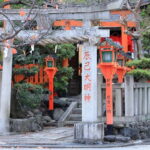
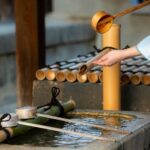
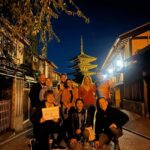
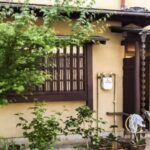

Gion district walk: geisha and maiko facts that make sense
The final leg is a 12-minute walk on foot into Gion, then about 15 minutes walking through the district before the tour ends. You finish in Gion so you can catch a city bus or taxi to your hotel.
Gion is Kyoto’s best-known geisha district, and you will see traditional machiya merchant houses and plenty of shops and restaurants. The key value here is that Roberto explains the facts around geiko and maiko culture, so what you see becomes clearer instead of mysterious.
This matters because Gion can turn into a “spot the costumes” place if you do not understand what you are looking at. Roberto’s approach helps you connect the teahouse culture and entertainment setting (ochaya) to how geisha and maiko fit into Kyoto’s traditions.
You should also treat the district like a living neighborhood. Keep your voice down, respect privacy, and remember that these streets are not a stage built only for visitors.
Photo time with Roberto and why the iPad helps
A big theme in the experience is support during the visit. Roberto can take as many pictures as you want, and the tour includes explanation with images on an iPad for better comprehension.
This is genuinely useful. Kyoto is visual, but it is also layered in meaning. When you are staring at structures and symbols, you can easily miss what a guide wants you to notice. The iPad visuals make the explanations easier to follow on the move, especially when language nuance matters.
And if you care about photos, the “we will take the pictures” part reduces the awkwardness of asking strangers. You get time for your shots while still keeping the tour flow.
Price and value: $90 for a 4-hour private culture walk
At $90 per person for a 4-hour private tour, the value comes from more than just seeing three famous places. You’re paying for:
- A Kyoto City Certified Tourist Guide (Roberto)
- Context that connects Fushimi Inari, Kiyomizu-dera, and Gion into one coherent cultural story
- iPad-based visuals so you understand what you’re looking at
- Photo help, plus time allocation that avoids the usual “run to the next stop” feeling
Your main extra cost is the Kiyomizudera entrance fee of 500 yen, which is not included. Transportation fees are also not included, although you do use public transport during the tour. The guide makes the route easy, but you still need to cover your own transit costs.
If you are traveling with a friend or partner and you want a guided culture upgrade without committing to a full day, this half-day format is a strong way to get big names plus real meaning.
Who should book, and who should consider alternatives
This tour is best for you if you want a guided, culture-focused walk through Kyoto’s top highlights in a 4-hour window. It fits particularly well if you:
- Enjoy explanations and want context for Shinto and temple traditions
- Like photos and want help getting good ones
- Prefer a private group format over crowded group tours
- Are comfortable with public transportation and steady walking
It is less suitable if you have back problems, mobility impairments, wheelchair needs, or low fitness. It is also not listed as suitable for people over 75 and people who are visually impaired. If you fall into any of those categories, you should look for a more accessible Kyoto option.
Practical tips so the day feels smooth
To keep things comfortable, I’d plan around the basics the tour asks for:
- Wear comfortable shoes. The streets and temple areas involve plenty of walking.
- Bring water. You will be moving for a total of about four hours with multiple segments.
- Bring cash for the Kiyomizudera entrance fee.
- Keep clothes comfortable for walking and weather changes.
- Avoid luggage or large bags, and do not smoke during the tour.
Also, because the tour ends in Gion, think about your next step. If you have a dinner reservation, keep it flexible by about an hour, so you are not sprinting out of the district.
Should you book this Kyoto Kiyomizu-Fushimi-Gion tour?
Book it if you want a guided half-day that gives you meaning, not just landmarks, and you like the idea of finishing in Gion with momentum for more exploring. The combination of Fushimi Inari torii trail, Kiyomizu-dera power-spot themes, old-street Kyoto, and a geisha and maiko explainer makes the day feel connected.
Skip or switch to another option if you cannot handle stairs and walking, or if you strongly prefer to avoid extra cash expenses like the Kiyomizudera entrance fee. If you meet the mobility and fitness requirements, this is a great way to taste Kyoto’s spiritual and traditional side without spending all day on the move.
FAQ
Where do I meet the guide?
Meet in front of the door of the 7-Eleven Heart-In at JR Kyoto Station Building 1F. Use the Kyoto Tower side exit.
What is the tour duration?
The tour lasts about 4 hours.
How much does it cost?
The price is $90 per person.
Is the Kiyomizudera entrance fee included?
No. Kiyomizudera has an entrance fee of 500 yen (approximately US$3.10), and it is not included.
Is transportation included in the price?
The tour uses public transportation, but transportation fees are not included.
What does the tour include?
You get a Kyoto City official certified guide, iPad explanations with images, and the guide can take as many pictures of you as you want.
What languages are available?
The live tour guide is available in English and Spanish.
Is there free cancellation?
Yes. You can cancel up to 24 hours in advance for a full refund.
More Tour Reviews in Kyoto
Not for you? Here's more nearby things to do in Kyoto we have reviewed



Fushimi Inari Shrine Tours, compared.
 ★ 4.8Fushimi Inari, Kinkakuji, Bamboo Grove 1 Day Bus TourFrom $1224,316 reviews
 ★ 5.0Fushimi Inari Hidden Hiking Tour (Private Option Available)From $631,750 reviews
 ★ 4.7Kyoto/Osaka: Nara, Fushimi Inari Taisha, Arashiyama Bus TourFrom $521,275 reviews
 ★ 4.4Osaka/Kyoto: Arashiyama, Nara & Fushimi Inari Shrine w/LunchFrom $61754 reviews
 ★ 4.7Nijo Castle, Kiyomizu & Fushimi Inari Guided TourFrom $54700 reviews
 ★ 5.0Nijo, Kinkaku-ji, Arashiyama, Kiyomizu & Fushimi InariFrom $51699 reviews
 ★ 5.0Kyoto Fushimi-Inari Night Walking TourFrom $43320 reviews
 ★ 4.93-Hour Fushimi Inari Shrine Hidden Hiking TourFrom $72270 reviews
Browse the lists this tour appears in