
Reviewed · KIYOMIZU-DERA & HIGASHIYAMA TOURS
Kyoto: Kiyomizudera, Higashiyama and Yasaka Discovery Tour
Kyoto can feel like a maze. This 3-hour small-group walk strings together UNESCO Kiyomizudera and the quieter spiritual stops that most people rush past, including Kannon and the sacred blue dragon. I especially like the balance of big sights and human-scale streets, plus the way guides often keep the pace steady while still leaving room for quick photo moments or a short detour for snacks. One thing to consider: you will do a fair bit of walking on uneven temple approaches, so it is not a good fit if mobility, breathing, or heart conditions are an issue.
I also like how the tour is tight, not slow. You get guided time at Kiyomizudera, then quick guided stretches through Sannenzaka and Ninenzaka, followed by Kodaiji and Yasaka Shrine, and the tour ends near Gion so you can keep exploring right away. The possible drawback is simple, you are not in a car for this one, so plan for comfortable shoes and a bit of uphill effort depending on the day.
Quick hits
- Start at Kiyomizudera and hit UNESCO-level views right away, before crowds set the tempo.
- Kannon and the seiryuu connection gives you a reason to look up, not just take pictures.
- Sannenzaka, Ninenzaka, and Nene no Michi show you classic Kyoto street texture, shop-front style, and alley rhythm.
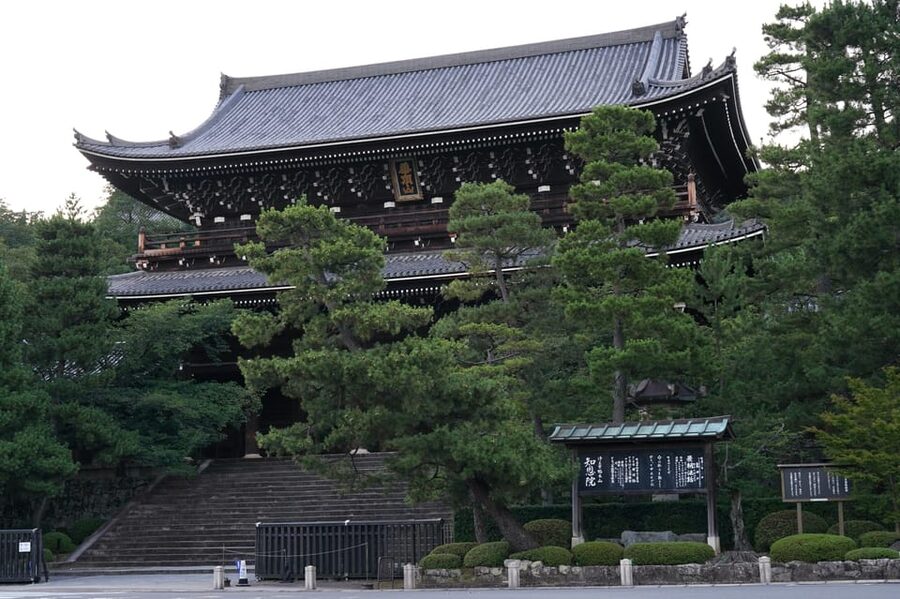
- Kōdaiji Temple in memory of Toyotomi Hideyoshi’s wife turns history into a quiet garden pause.
- Yasaka Shrine to Maruyama Park adds Shinto stories and a familiar resting spot for cherry blossom season.
- Small group capped at 9 means your guide can answer questions without shouting over the crowd.
Kiyomizudera first, and why that matters
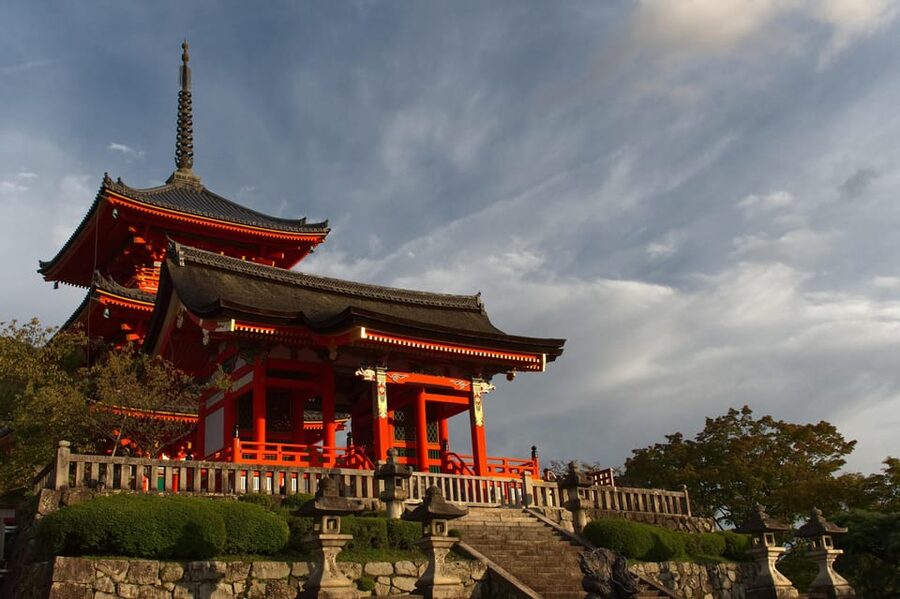
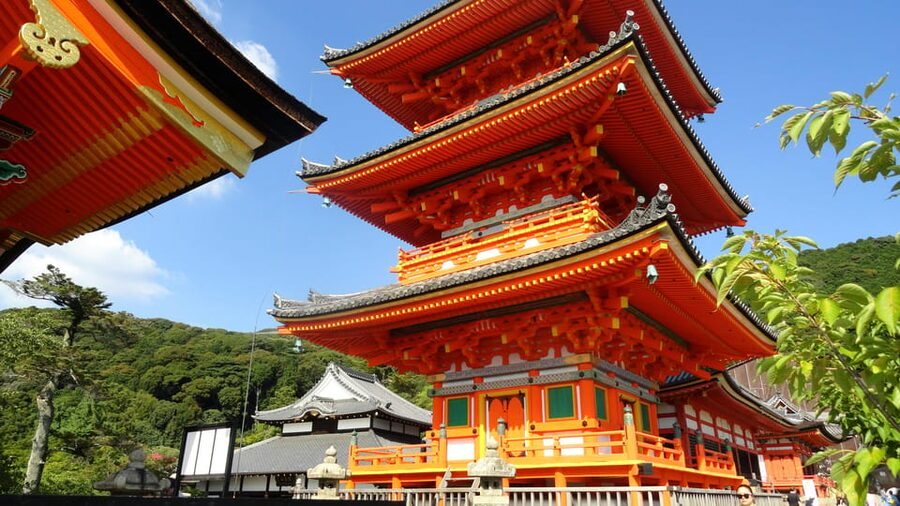
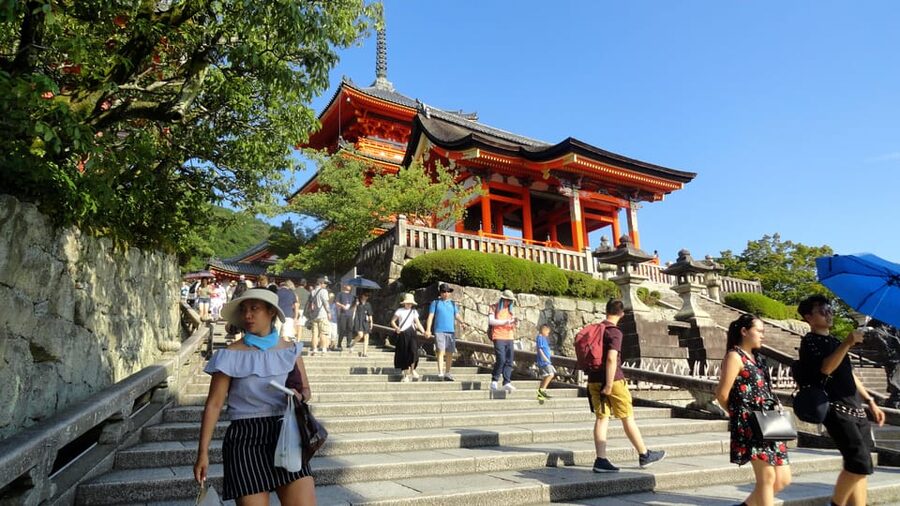
You begin at 112 Tatsumichō, meeting your guide at a 7-Eleven. From there, the tour jumps straight into Kiyomizu-dera, a UNESCO World Heritage Site and one of Kyoto’s most recognizable temple complexes. Starting here is smart because Kiyomizudera sets the visual grammar of Higashiyama. After that, the smaller streets and side temples feel easier to read, like you finally learned the alphabet.
The guided time is about an hour, and it is enough to get the big orientation pieces without turning the visit into a sprint. You will spend time on the main temple area and take in panoramic viewpoints from the slopes. Even if you have visited Kyoto before, this kind of first stop often changes how you see the rest of the day, since you learn what to look for beyond the iconic silhouette.
You can also read our reviews of more tours and experiences in Kyoto.

Kannon, the seiryuu, and the story you can actually use
One of the most memorable parts of the experience is the explanation around the deity of peace and mercy, Kannon, and the sacred blue dragon (seiryuu). It is not just a name-drop. The guide helps you understand why these figures matter in how people approach, pray, and interpret the space.
On a practical level, this kind of storytelling improves your time on-site. Instead of walking through corridors and courtyards like a tourist with a camera, you are following cues, like where to pause and how the temple’s layout connects to the spiritual focus. You start to notice details that you might otherwise miss, especially when you realize the views are not accidental scenery.
Also, the guides on this tour are consistently praised for being fun and easy to follow. Names you may hear in the mix include CC, Miyake, Jasmine, Alex, Yuko, Rafael, Katz, and Nobumasa Miyake. That variety matters because different guides bring different pacing and humor, but the core goal stays the same, make the sites understandable in real time.
Sannenzaka, Ninenzaka, and Nene no Michi, the streets that slow you down
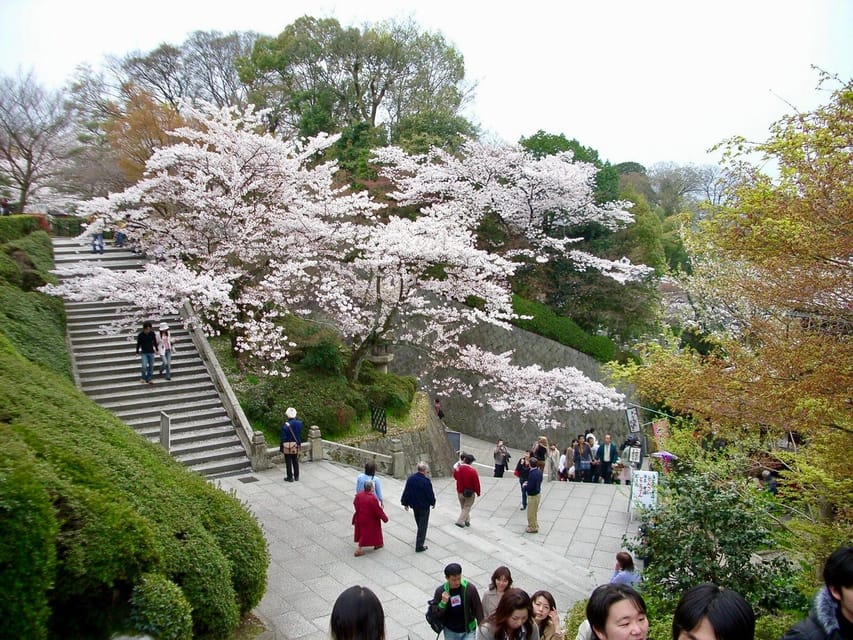
After Kiyomizudera, you shift from temple grounds to street Kyoto. The tour moves through Sannenzaka and Ninenzaka, plus Nene no Michi, in guided chunks. This is where you feel the everyday Kyoto layer that sits underneath the headline attractions.
You typically get about 30 minutes of guided walking here. That sounds short, but the point is to get your bearings, not to wander without structure. You will see traditional shophouses and the layered street feel that makes Higashiyama distinctive. The guide helps you notice patterns, like how the lanes funnel you toward certain temple approaches, and how shopfronts line up with the pedestrian flow.
A useful bonus is the way guides can flex for small breaks. Some guides are known for adjusting the route slightly for quick matcha or shopping moments, while keeping the overall schedule intact. If you want a short pause to buy a snack, take a breather, or get a photo without feeling you are derailing the group, this tour style is a good match.
Kōdaiji Temple, gardens and the Toyotomi connection
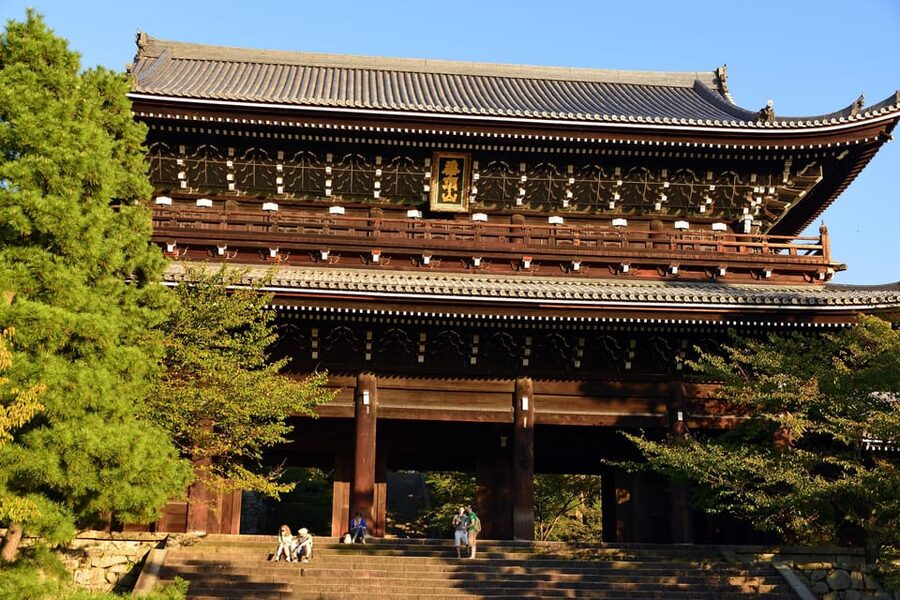
Next up is Kōdaiji Temple, with about 30 minutes of guided time. What makes this stop special is the “why” behind the place. Kōdaiji was built in memory of Toyotomi Hideyoshi’s wife, and the tour frames the temple as more than a pretty background. You get historical context, then you get time to see the gardens and interior features at a human pace.
The drawback with any major Kyoto temple is that you can get rushed if the schedule is too packed. Here, the timing is short but focused, and the guide’s job is to help you prioritize. You will likely spend time on the garden components and the most important interior highlights, so you leave with a sense of what Kōdaiji is known for, not just a few quick snaps.
If you like a change of mood, this is the best kind of counterweight to Kiyomizudera’s big views. Kōdaiji can feel calmer and more reflective, and that shift is part of why this tour works as a whole.
Yasaka Shrine and Maruyama Park, Shinto stories plus a breather
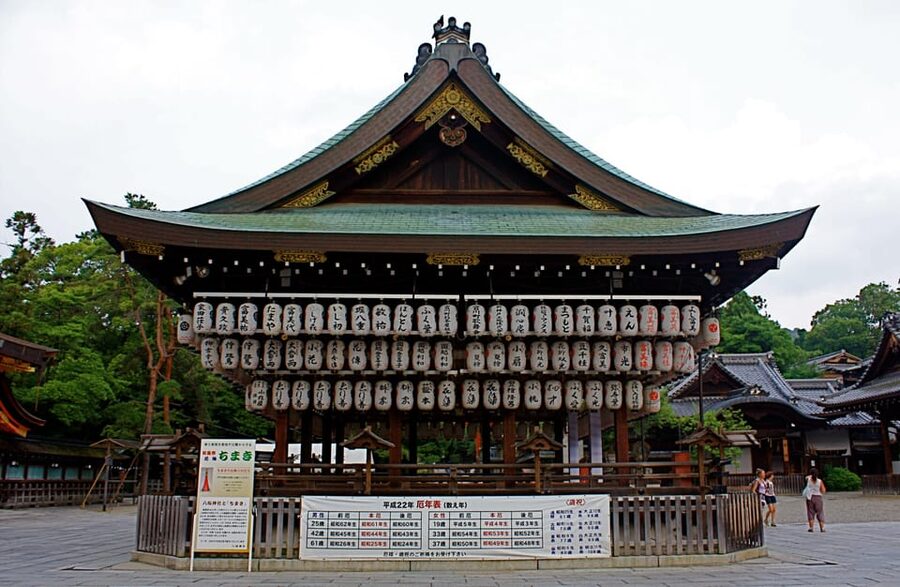
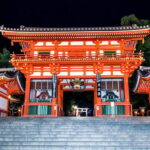
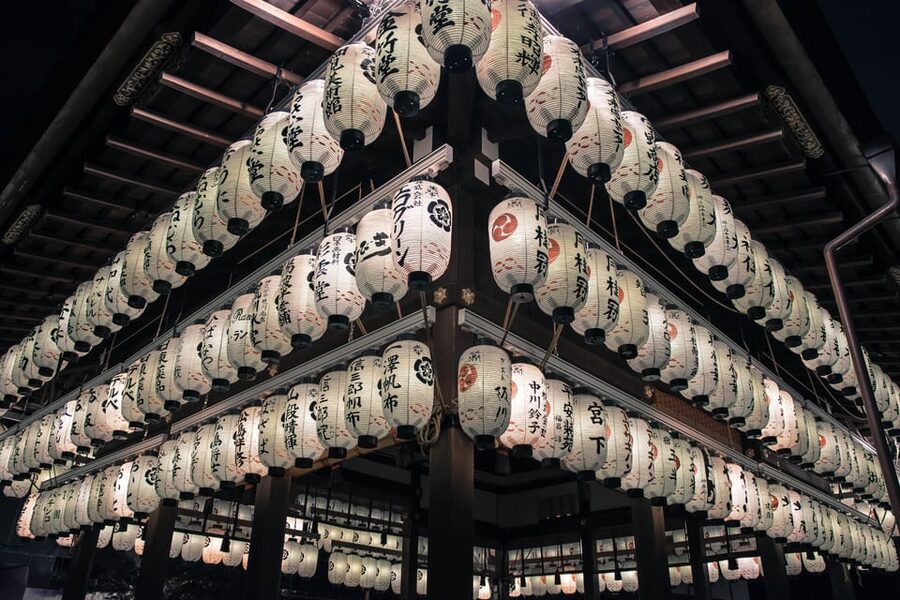
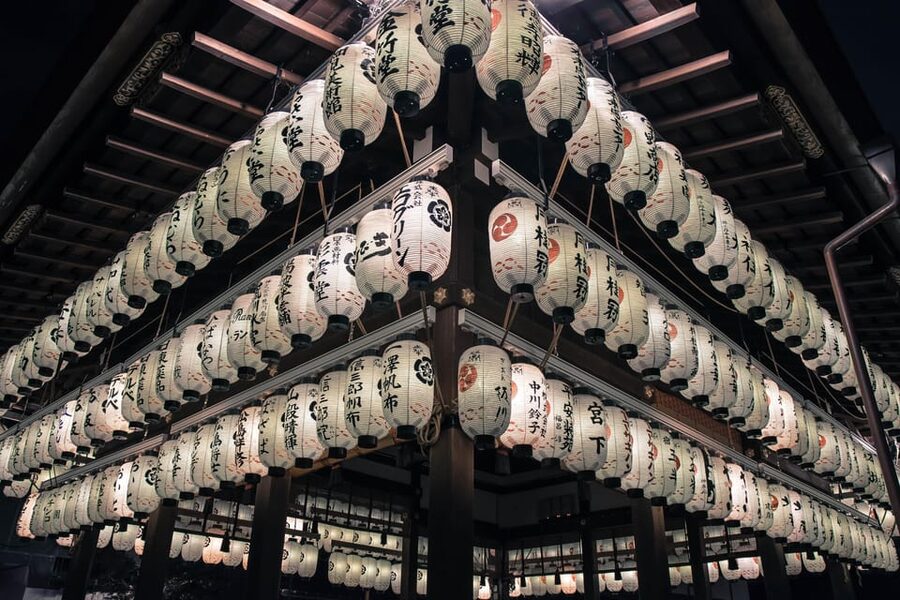
The tour ends at Yasaka Shrine, also with guided time of about 30 minutes. Yasaka Shrine is a major Shinto site in Gion’s orbit, and the guide typically explains Shinto history, culture, and everyday practices in a way that makes it feel less abstract.
This is the segment where your understanding of Kyoto broadens. After Buddhist temple explanations earlier, you now get Shinto perspective, which helps you see how religion and ritual shape daily life. It also helps with etiquette, like how people behave at shrines, where attention tends to go, and how to interpret what you see without overthinking it.
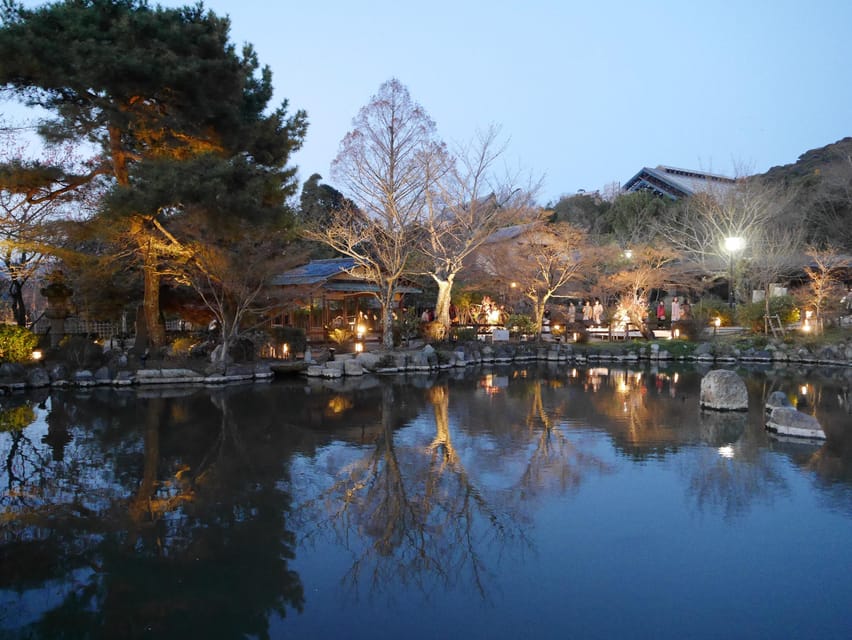
From Yasaka Shrine, you continue into Maruyama Park, a favorite haunt during cherry blossom season. Even when blossoms are not out, this stretch is a good way to reset your legs before you head off on your own. The tour finishes at Gion-Shijo Station, which is convenient if you want to keep exploring the Gion area afterward without needing a separate plan.
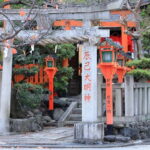
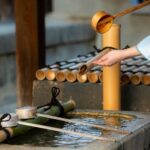
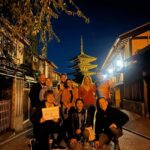
Small group size and the pacing you can handle
This is a small group tour, capped at 9 participants. That cap is not just a comfort detail. It changes the experience. You can ask questions, get help with what to look for, and generally move as a unit instead of being stuck behind people who do their own thing.
The entire tour runs about 3 hours, and it stays efficient without feeling like a checklist. You have guided time at each major stop, but the structure also gives you enough freedom to look around on your own briefly. That matters in Kyoto, because the best moments are often the small ones, a courtyard angle, a shop doorway, or a quiet pause where you realize you are standing somewhere people have visited for centuries.
Still, plan for the physical reality. You should expect stairs, temple paths, and uneven surfaces. The tour is not suitable for people who are pregnant, have mobility impairments, or have heart problems or respiratory issues. If any of that applies to you, skipping this tour is the safe call.
Price and value: what $54 really covers
At about $54 per person for a 3-hour tour, the value comes from what is included. You get an English-speaking guide, entrance fees for Kiyomizudera and Kōdaiji Temple, and snacks. Meals and other drinks are not included, so you will still want to budget for water and whatever you buy on the street.
Why that matters is simple. Entrance fees and a guide take the cost-pressure off your decision-making. If you tried to replicate this by yourself, you would be paying for tickets anyway and spending extra time figuring out routes and what to prioritize. Here, the guide handles the story and the order, so you are paying mainly for clarity and time efficiency.
Snacks being included is a small touch, but it helps on a day when you are walking. Kyoto temple visits can easily stretch longer than you planned if you get hungry. This tour builds in a little fuel so you do not lose momentum.
Practicalities that make or break your day
Meeting point is straightforward: you meet at a 7-Eleven, and you look for a guide wearing a TripGuru shirt or holding a TripGuru sign. The starting address is 112 Tatsumichō. You end at Gion-Shijo Station, which is useful because you can transition directly into exploring nearby lanes.
Bring comfortable shoes. You will want a camera if you love temple silhouettes and street scenes. Cash is also recommended, which matters because small purchases along the streets can happen faster than you expect. If you prefer cashless, double-check what you can pay with before you arrive, since the tour instructions specifically mention cash.
No hotel pickup or drop-off is included, so you should plan your own way to the meeting point. If you are staying near Gion or central Higashiyama, the logistics tend to be easy. If you are farther out, you may want to use a transit route that gets you to the Tatsumichō area without too many transfers.
Who this tour is best for
I think this tour fits best if you want a guided hit list, but not a rushed cram session. It is great for first-timers to Kyoto who feel overwhelmed by the options, and it also works for repeat visitors because the guide’s story around Kannon and the seiryuu can add a new layer to a familiar temple.
It is also a good choice if you like small-group dynamics. With a group of 9, your guide can answer questions and keep the flow smooth, and you are less likely to feel like a spectator being marched from one gate to the next.
On the other hand, if you need step-free routes, long sitting breaks, or you have health limitations that make walking hard, this is not the right match. The tour is built around walking between clustered sights.
Should you book this Kiyomizudera, Higashiyama and Yasaka tour?
I would book it if your goal is simple: see the main UNESCO-level highlight first, learn the meaning behind what you are looking at, then finish in Gion with energy to keep exploring. The price is reasonable for what you get, especially since entrance fees for key temples and snacks are included.
I would skip it if you want a slow, unstructured day with lots of free time to wander, or if walking could be a problem for you. Also, if you already know all the temple legends and you just want photo time, you might feel guided narration is more than you need.
If you are somewhere in the middle, this is a very solid way to spend a half-day in Kyoto without feeling lost.
FAQ
How long is the Kyoto Kiyomizudera, Higashiyama and Yasaka Discovery Tour?
It is a 3-hour tour.
What is the meeting point for the tour?
You meet at a 7-Eleven (112 Tatsumichō). Look for a guide wearing a TripGuru shirt or holding a TripGuru sign.
What places are included in the tour?
The tour covers Kiyomizudera Temple, Sannenzaka, Kōdaiji Temple, and Yasaka Shrine, with a final stop near Maruyama Park. It finishes at Gion-Shijo Station.
Is the tour guide English-speaking?
Yes, the tour is guided in English.
What is included in the price?
The price includes an English-speaking guide, entrance fees for Kiyomizudera and Kōdaiji Temple, and snacks.
What is not included?
Hotel pickup and drop-off, meals and other drinks, and personal expenses are not included.
What should I bring?
Bring comfortable shoes, a camera, and cash.
Is free cancellation available?
Yes, you can cancel up to 24 hours in advance for a full refund.
More Tours in Kyoto
More Tour Reviews in Kyoto
Not for you? Here's more nearby things to do in Kyoto we have reviewed


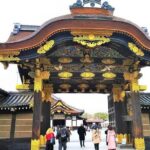
Kiyomizu-dera & Higashiyama Tours, compared.
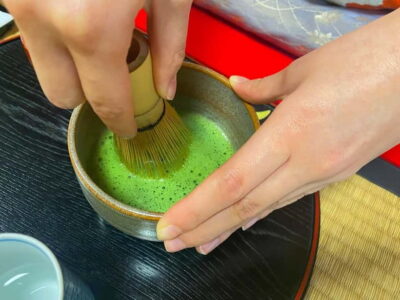 ★ 4.9Tea Ceremony in a Traditional Tea House in KiyomizuFrom $493,519 reviews
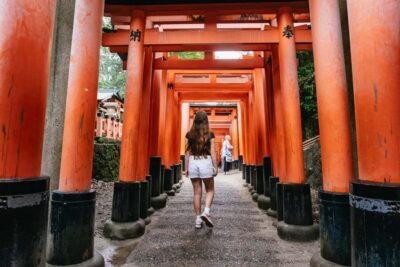 ★ 4.7Nijo Castle, Kiyomizu & Fushimi Inari Guided TourFrom $54700 reviews
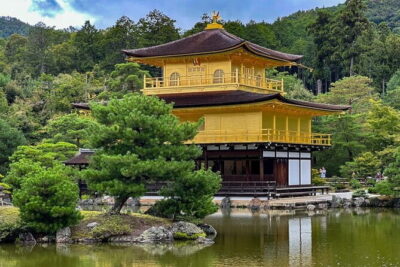 ★ 5.0Nijo, Kinkaku-ji, Arashiyama, Kiyomizu & Fushimi InariFrom $51699 reviews
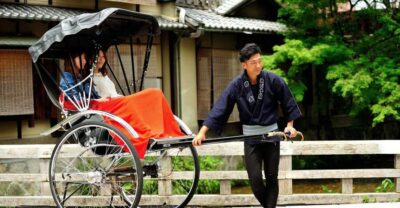 ★ 5.0Private Rickshaw Tour of Gion and Higashiyama AreaFrom $51144 reviews
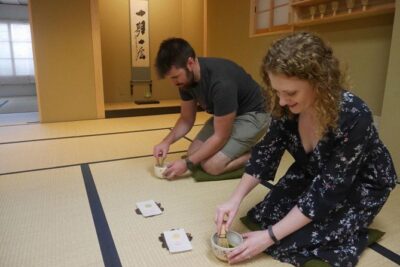 ★ 5.0Kyoto Tea Ceremony & Kiyomizu-dera Temple Walking TourFrom $109115 reviews
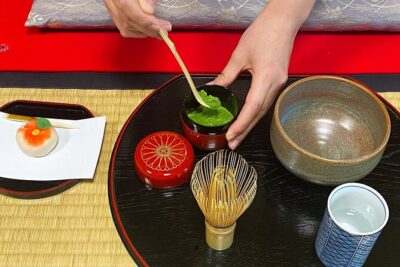 ★ 5.0Kyoto Kiyomizu Tea Ceremony with Scenic Garden ViewsFrom $50101 reviews
 ★ 4.7Kimono/Yukata Rental 5 Minute from Kiyomizu-deraFrom $1989 reviews
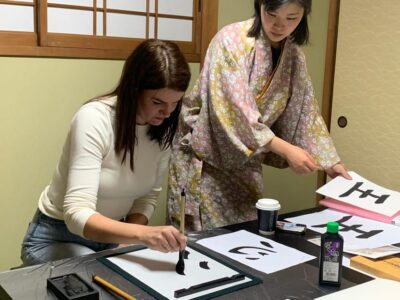 ★ 5.0Kyoto Ninenzaka : Japanese Calligraphy Class in TownhouseFrom $4959 reviews
Browse the lists this tour appears in