
Reviewed · KYOTO TEA CEREMONIES
Kyoto: Mindful Tea Ceremony in 100-Year-Old Teahouse
Kyoto can be loud, until this slows you down. In Oboro’s 100-year-old teahouse, candlelight turns the room quiet, and the host guides you through matcha with a gentle rhythm that makes you notice details. I love the candlelit atmosphere and how it encourages real pauses, not performance speed. I also like that you watch the matcha process up close without feeling like you’re being graded.
The main catch is simple: the session is quiet, shoes come off, and you need to arrive on time. If you have mobility or back concerns, or if you’re traveling with young kids, this experience may be a poor fit.
Key highlights worth your attention
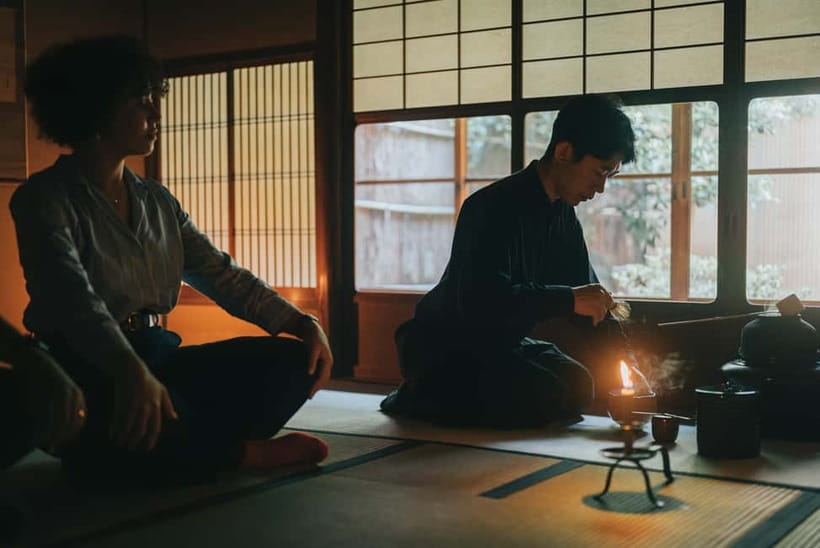
- Candlelit calm in a traditional 100-year-old setting that softens the whole experience.
- Small group size (up to 8) for questions and a steady, unhurried pace.
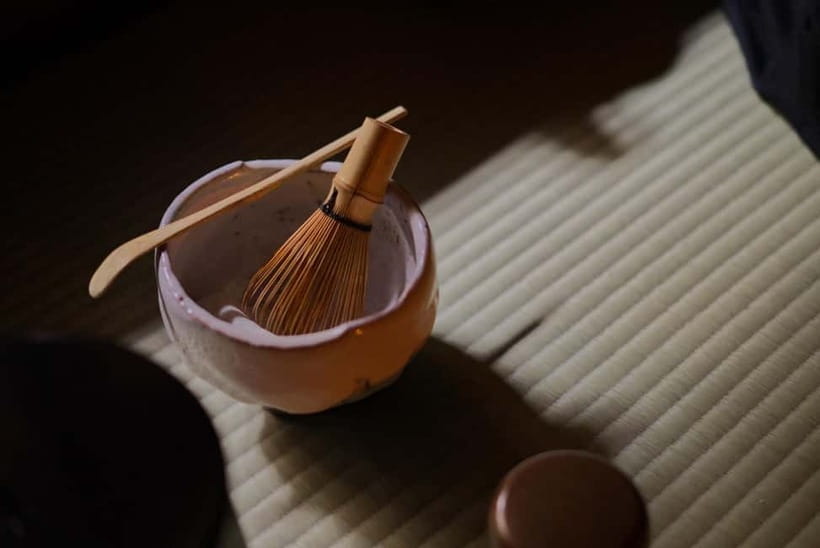
- Watch matcha being made with utensil purifying and a careful whisking process.
- No strict “exam rules”, so newcomers can settle in naturally.
- A handmade candle to keep the mood going after Kyoto traffic returns.
Step inside a calmer Kyoto, candlelight first

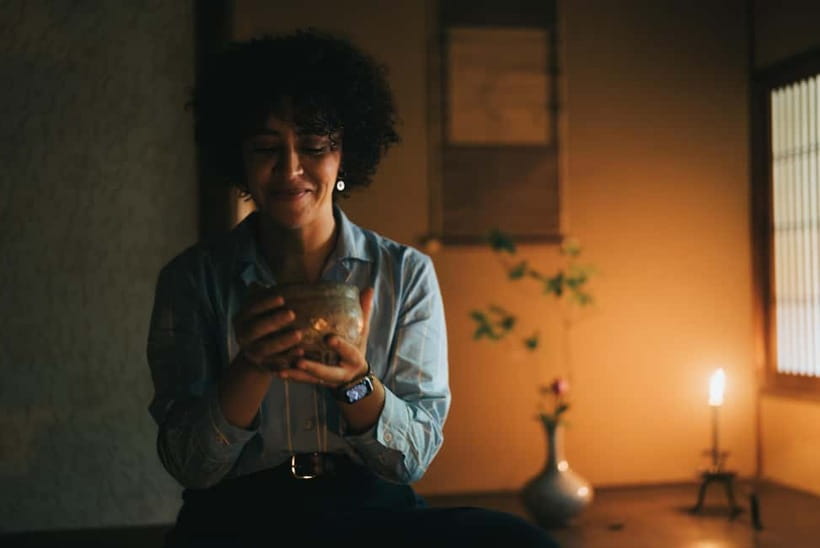
The first thing you feel is lighting. Overhead lamps stay low or out of the picture, and soft candlelight does the work of turning attention inward. It’s the kind of start that tells you this is not a sprint-through activity.
The teahouse itself matters. You’re entering an older, traditional space where minimal décor keeps the senses focused on what’s in front of you. Through the window, you’ll likely catch a garden view, which helps the room feel peaceful instead of closed in.
And yes, it smells different than street-level Kyoto. As you settle, you’ll notice the faint aroma of fresh matcha and the soothing background sounds, like water simmering. That mix is part of the point. You’re meant to slow your pace so your senses can actually catch up.
You can also read our reviews of more tours and experiences in Kyoto.
The 45-minute flow, from welcome tea to final pause
This experience lasts about 45 minutes, and the pacing is designed to avoid that “what do we do next” stress. You’ll start with a greeting from the host, then a quick run-through of how the ceremony will move. If you need to store belongings, the host can help you with that, so you can sit down and stop juggling your bag.
Next comes a welcome tea with seasonal sweets. It’s not just a snack. The warm flavors help reset your mood after travel noise, and it gives you a gentle entry point before the main matcha bowl.
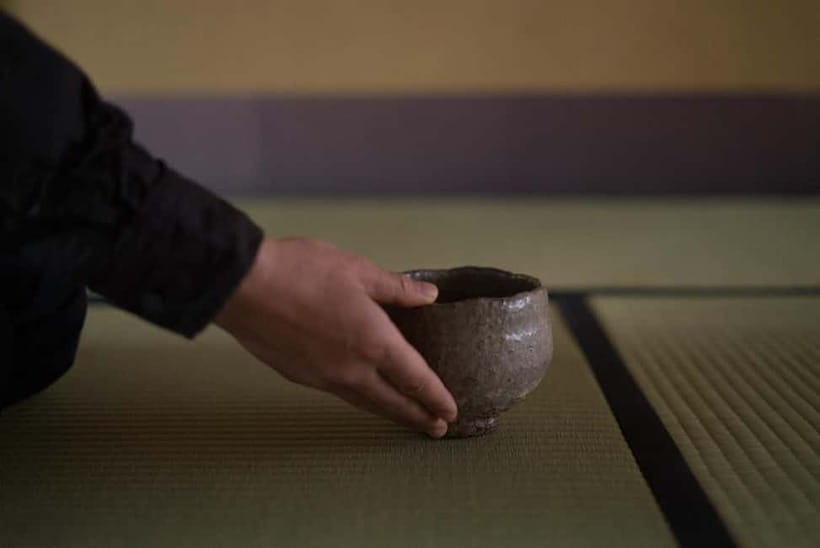
Then you move into the main tearoom. This space is designed to minimize distractions, so you can focus on small sensory moments. You might hear water simmering, smell matcha, and see each step of preparation, one careful action at a time.
The ceremony itself ends with a quiet reflection moment and a parting gift. You’ll receive a small handmade candle to take home. That’s a nice practical touch. It helps you remember the feeling, not only the steps.
You watch the matcha making, then you taste with care
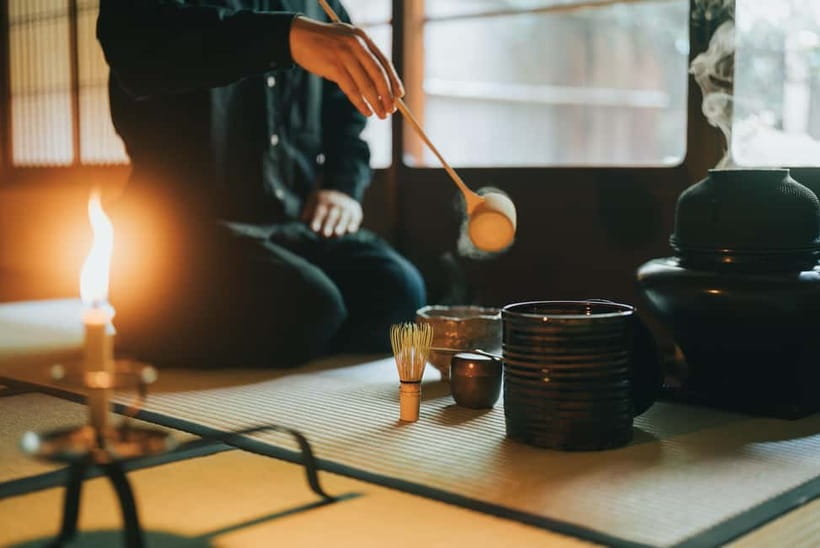
One of the best parts is that you’re not just watching from across the room. You get to observe the host’s hands as they prepare each bowl. That includes purifying utensils, whisking the matcha, and presenting it with a graceful bow.
The host offers English instruction, and the guidance style is meant to feel supportive. From what I’ve seen in how people describe the experience, there are no harsh rules that make newcomers nervous. You can observe quietly, and if something feels unclear, you can ask questions.
Then you get your bowl. You lift it gently, and you’re encouraged to savor the nuanced taste, not gulp it like a vending-machine drink. Warmth is part of the experience too. That comforting temperature can do a surprising job of making your body cooperate with the calm.
If you’re the type who likes learning, you’ll appreciate the structure. If you’re the type who just wants to breathe, the structure also works, because the pace is steady and the room keeps asking for attention.
Silence, timing, and the little rules that shape the mood
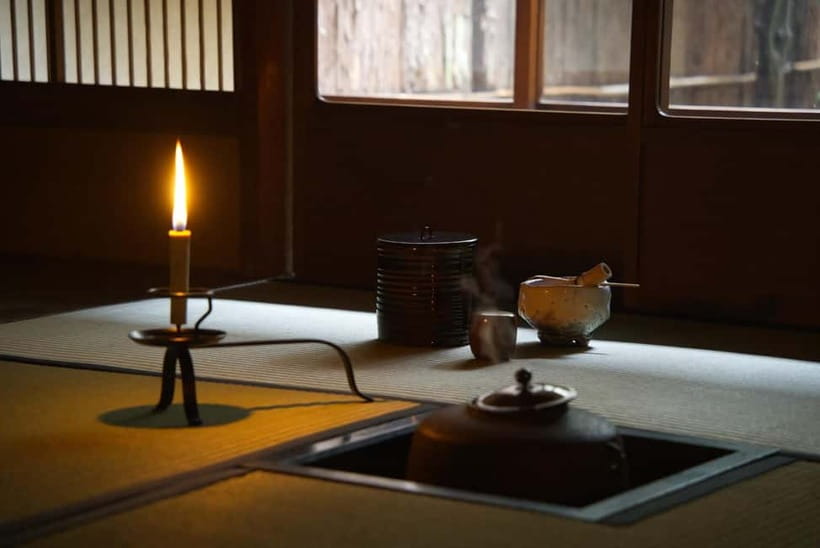
Oboro keeps the environment quiet on purpose. This isn’t the place to multitask, talk loudly, or treat it like a casual photo stop. If you enjoy mindful experiences, you’ll probably feel right at home.
Practical rules matter here because they protect that calm:
- Arrive 10 minutes early so you can settle before the ceremony begins.
- Socks only, shoes off. You’ll wear socks as shoes must be removed.
- No smoking, and no flash photography.
- You can take photos without flash, but the room is still a quiet zone.
There’s also a firm timing rule: if you’re more than 10 minutes late, you won’t be allowed to enter the session. That’s common for experiences that rely on a clean, quiet flow, and it’s worth respecting.
In summer, the ceremony adapts. You’ll perform the session using chilled water and ice. So if you’re visiting during the hotter months, don’t expect the same warm-only feel. The ceremony keeps its mindfulness, but it changes the sensory setup.
Price and value: $45 for 45 minutes that actually feels worth it
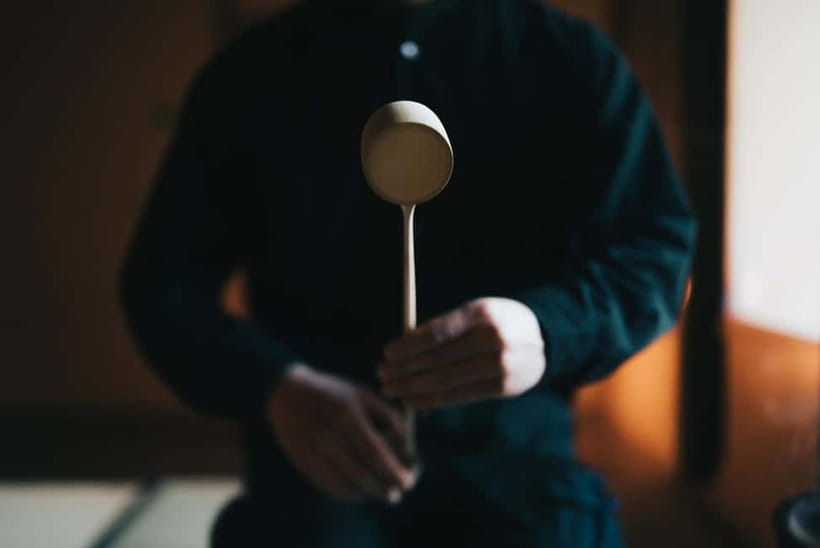
$45 per person for about 45 minutes can sound either like a deal or a splurge, depending on what you compare it to in Kyoto. Here’s how I think about the value.
First, you’re not only paying for matcha. You’re paying for guided pacing, English instruction, and the careful structure that slows you down. Many tea experiences in cities are either quick tastings or cultural shows. This one is a hands-on viewing and sipping ceremony, with emphasis on attention.
Second, the small group limit (up to 8 participants) changes the experience. Small groups mean the host can set the tone, answer questions, and keep noise down. That’s part of why people rate it so highly. If you’ve ever been in a crowded cultural activity where you can’t hear anything, you’ll understand the value of a quieter setup.
Third, the included items have real weight. You get all necessary tea ceremony equipment, seasonal sweets, and the handmade candle to take home. The candle isn’t a massive cash value thing, but it is a mood value thing. It helps you remember what calm felt like after a day of temples and trains.
If you’re trying to build a well-rounded Kyoto day, this is a good “reset block.” It’s short enough to fit between sightseeing, and it gives you a different kind of memory than another photo spot.
Who should book this, and who might not love it
This experience is a great fit if you want something slower, quieter, and sensory. I especially think it works for you if:
- You like cultural activities that include explanation, not just performance.
- You’re curious about how matcha is prepared, including purifying utensils and whisking.
- You want a calm break that doesn’t require hiking or long walking.
Based on the rules, it is not suitable for children under 6, and it is not suitable for wheelchair users. It also isn’t suitable for people with back problems. Since socks and sitting comfortably are part of the setup, your comfort matters more than you might expect.
If you’re sensitive to silence, this might feel strict. If you’re excited about a quiet, mindful hour, you’ll probably find it soothing rather than limiting.
Also, keep your expectations realistic. This is not a two-hour deep immersion in every tea school detail. It’s a focused, mindful ceremony with just enough teaching to make the experience meaningful.
How this ceremony changes your attention, not just your camera roll
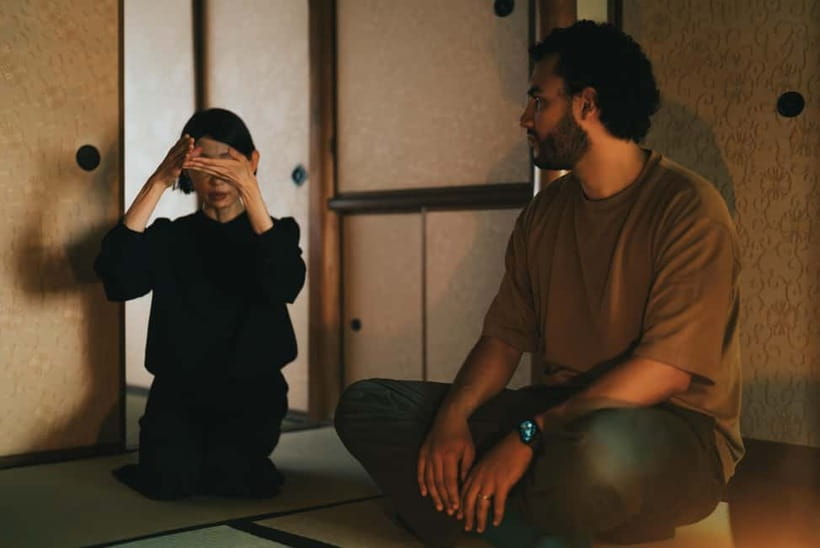
What people tend to love most is the atmosphere, but the deeper benefit is what the atmosphere does. Candlelight, minimal décor, and a quiet room train your attention to slow down. You notice the water sound, the matcha aroma, and the warmth of the bowl in your hands.
The ceremony also teaches a practical idea you can use after Kyoto: pausing is a skill. The host’s gentle guidance helps you break the default travel mode of hurry, take, repeat. When you’re done, you’re not only tasting tea. You’re practicing a calmer pace.
Even the welcoming sweets play a role. They give your mind something comfortable to focus on before the main matcha. That reduces the pressure of being “ready” for tradition on arrival day.
And the fact that the host’s approach feels easing, not strict, matters for real-life travelers. You do not need a perfect posture or a perfect background story. You just show up and pay attention.
Final decision: should you book Oboro in Kyoto?
Book it if you want a calm, guided cultural pause in Kyoto, and you’ll enjoy a quiet room. The candlelit 100-year-old setting, the small group size, and the fact that you get to observe matcha preparation closely make the experience feel special for the time.
Skip it if you know you cannot sit comfortably on the floor or you have back issues. Also skip if you’re traveling with small kids under 6, or if you need wheelchair accessibility.
If you’re on the fence, use this rule of thumb: if your day is heavy with crowds and fast movement, this is a smart counterbalance. If your day is already quiet and slow, this might feel like a bonus, not a necessity. Either way, it’s one of the few Kyoto activities where you leave with a calmer mind, not only photos.
FAQ
How long is the Kyoto tea ceremony with Oboro?
The experience lasts 45 minutes.
What is the price per person?
It costs $45 per person.
Is instruction available in English?
Yes. The instructor provides English instruction.
How big is the group?
It’s a small group limited to 8 participants.
What should I wear or bring?
Wear comfortable clothes and bring socks. Shoes must be removed, so socks are required.
What are the photography rules?
You can take photos without flash. Flash photography is not allowed.
Is smoking allowed during the ceremony?
No. Smoking is not allowed.
Are there any seasonal differences in how the ceremony is done?
Yes. In summer, the ceremony uses chilled water and ice.
Who should not book?
The experience is not suitable for children under 6, people with back problems, or wheelchair users.
Where is the meeting point?
If you have trouble finding it, search for Oboro: Mindful Tea Ceremony on Google Maps.
More Tour Reviews in Kyoto
Not for you? Here's more nearby things to do in Kyoto we have reviewed

Kyoto Tea Ceremonies, compared.
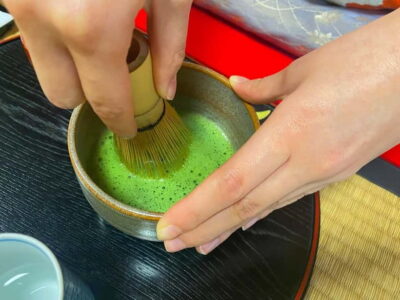 ★ 4.9Tea Ceremony in a Traditional Tea House in KiyomizuFrom $493,519 reviews
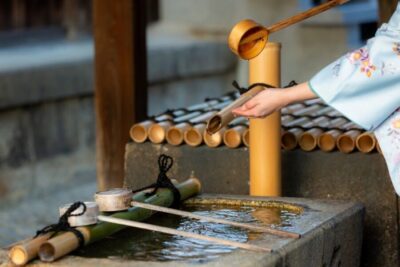 ★ 4.9Tea Ceremony Ju-An at Jotokuji TempleFrom $293,207 reviews
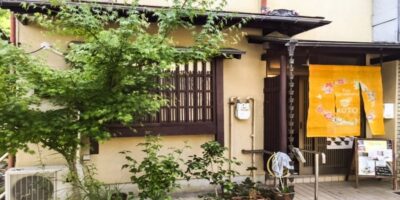 ★ 4.345-Minute Tea Ceremony Lesson ExperienceFrom $222,378 reviews
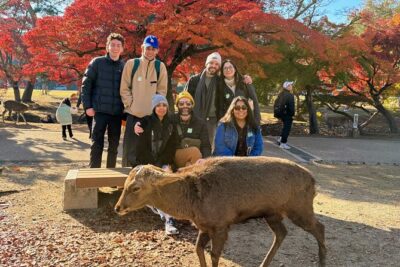 ★ 5.0World Heritage Kyoto & Nara Uji Authentic Matcha ExperienceFrom $1291,573 reviews
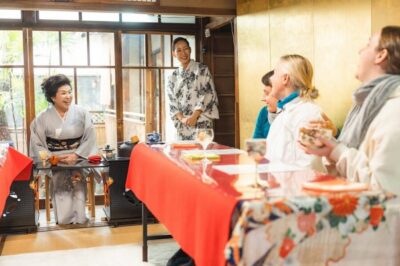 ★ 4.9Table-Style Tea Ceremony at a Kyo-MachiyaFrom $451,211 reviews
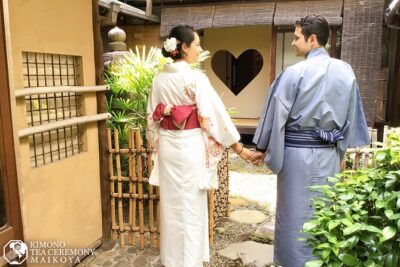 ★ 5.0Kimono Tea Ceremony at Kyoto Maikoya, NISHIKIFrom $65911 reviews
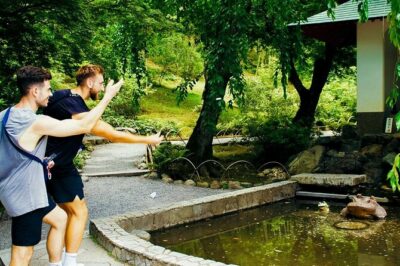 ★ 5.0Arashiyama Bamboo Forest, Monkeys, Matcha & Temple TourFrom $53759 reviews
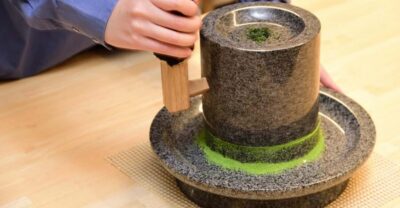 ★ 4.9Tea Museum Tickets and Matcha Grinding ExperienceFrom $23739 reviews
Browse the lists this tour appears in