
Reviewed · KYOTO TEA CEREMONIES
Kyoto near Fushimiinari Wagashi making&Small Group Tea Ceremony
Matcha tastes better when you make it. In Fushimi, I love the authentic Japanese home setting and the hands-on wagashi making that leads right into the tea ceremony. One thing to plan for, matcha has caffeine, so it may not be ideal if you avoid it.
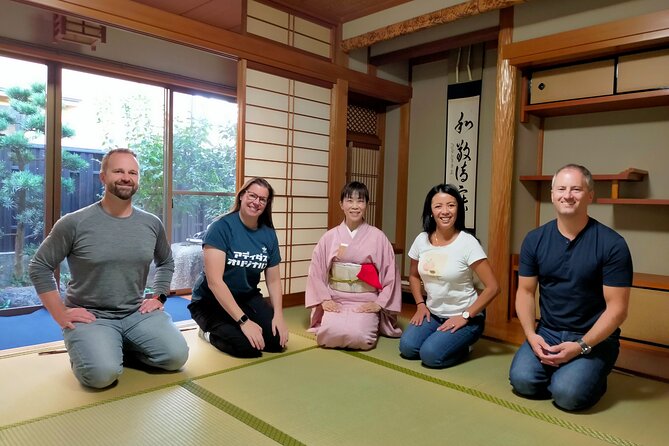
You get a small group, max 8, with an English-speaking host and licensed guide interpreter. After meeting in the Fushimi Ward neighborhood, you walk through a tiny garden and step onto tatami, with chair seating available if you prefer.
Key Things You’ll Notice Right Away
- Max 8 people, so you actually get personal guidance and time to practice
- Wagashi is hands-on, not just a demo, and you’ll eat what you make
- Tatami tea room experience, with the option of chair seating
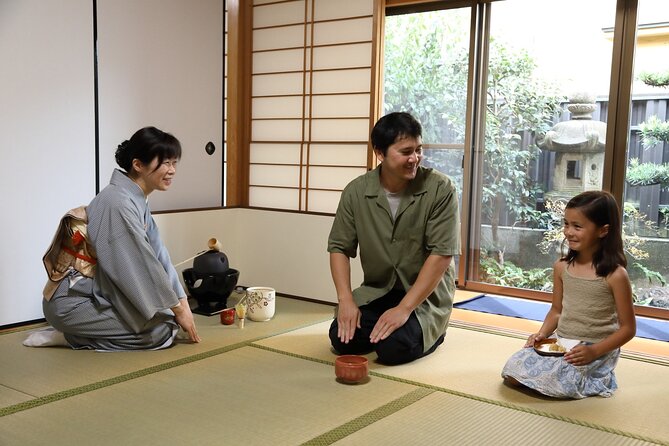
- Matcha preparation is taught twice, first as a model, then for you to do yourself
- English support is strong, since instructors are licensed guide interpreters
- Near Fushimi-Inari area, easy to pair with shrine time before or after
Why This Fushimi Tea Ceremony Feels More Like Visiting Than Watching
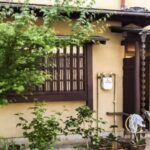
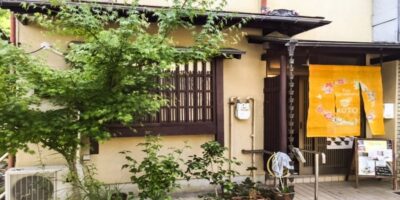
This Kyoto session is held in a real residential house, not a show room built for foot traffic. That matters. You get the calmer pace of a home setting, plus the feeling of being welcomed for tea rather than rushed through a script.
The flow also makes sense. You start with wagashi making, then move into the tea ceremony, so the sweets and matcha feel connected instead of like two separate activities. And because the group stays small, the explanations land, even when details get formal.
You can also read our reviews of more tours and experiences in Kyoto.

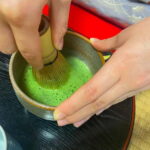
Meeting the House in Fushimi Ward, Start Time, and Getting There
The class starts at 9:45 am at 38-4 Fukakusa Watamorichō, Fushimi Ward, Kyoto, 612-0022. It ends back at the same meeting point, so you do not need to solve a second transport puzzle afterward.
You will want to show up ready to walk into a private home setting. The operator notes it is near public transportation, and the venue is a short walk from the Fushimi-Inari-Taisha area, roughly 10 minutes by foot. That makes it a smart add-on if you want shrine time without turning the whole day into a queue marathon.
Entering the Kitchen: Wagashi Making in a Real Local Style
When you arrive, your English-speaking host guides you to the kitchen. This is a hands-on wagashi class where you learn to make one kind of Japanese sweet yourself, not just watch someone else do it.
Here is what to expect in practice. You will follow steps with help from your instructor, then you get to eat what you made. One review note also hinted that the process can feel a bit messy, especially with sticky textures, so think of it like baking, not like polishing a souvenir. Wear something you can relax in.
This part is more useful than it sounds. Wagashi techniques teach you how Japanese sweets are shaped and presented, not only how they taste. If you want a take-home skill, this is the portion that gives you a real “I can do this again” memory.
Tea Ceremony in an Authentic Room, Scrolls, and How to Attend
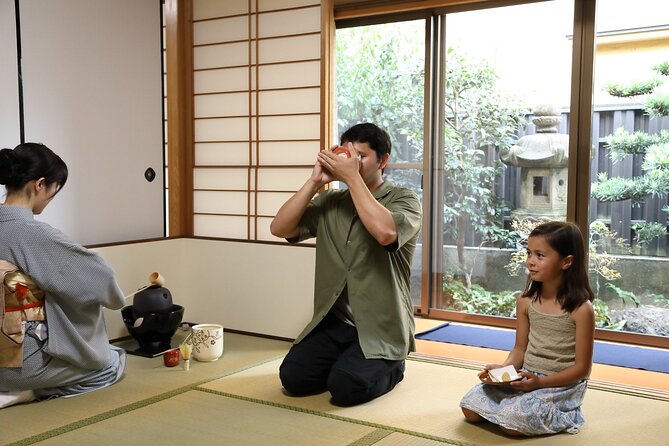
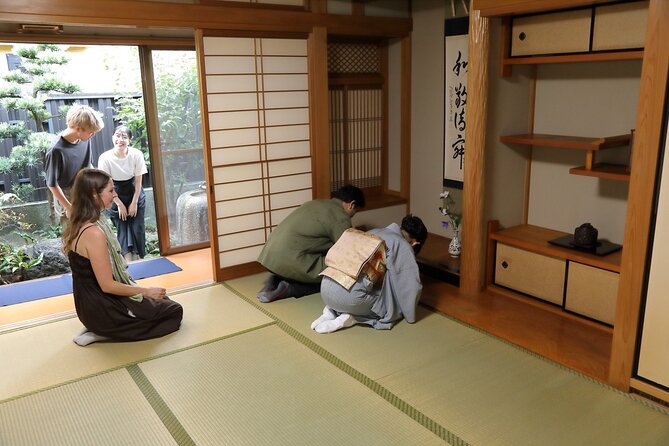
After the wagashi class, you join the tea ceremony portion. First, the host explains how to attend tea ceremony, so you know what to do with your body and your timing. Then, you step outside for a short walk through a tiny garden before entering an authentic Japanese-style room when weather allows.
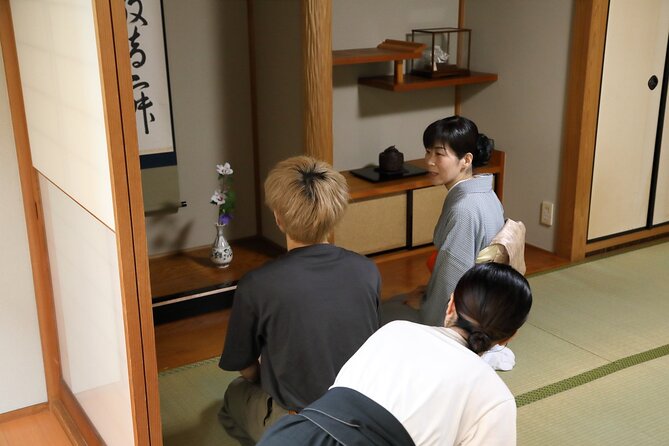
Inside, you sit on tatami floor. The instructor explains the history of tea ceremony and also the meaning of the hanging scroll on the wall. That scroll detail is one of those small things that changes the whole mood: it signals the theme of the moment and gives the ritual a context beyond just matcha.
If you do not want to sit on the tatami floor, there is an option for chairs. The guidance is simple: let them know how many chairs you want when you reserve. I like this flexibility, because it keeps the experience intact without forcing anyone into uncomfortable positions.
Sweets, Matcha, and the Rhythm of Drinking a Bowl
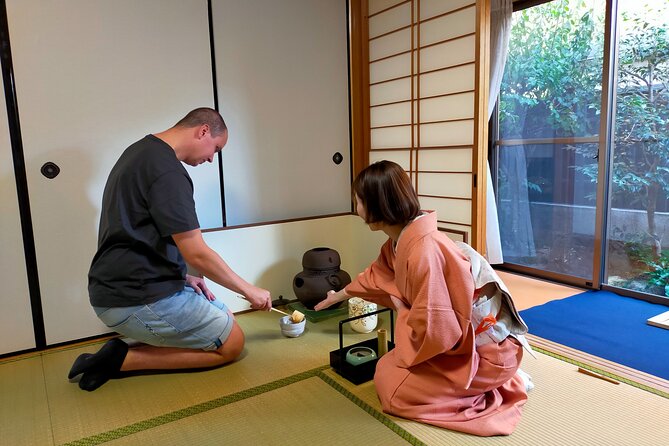
Right after the scroll and history talk, you savor Japanese sweets that you made. This is not a random snack break. The sweets are part of the tea ceremony rhythm, giving your palate something gentle before the matcha.
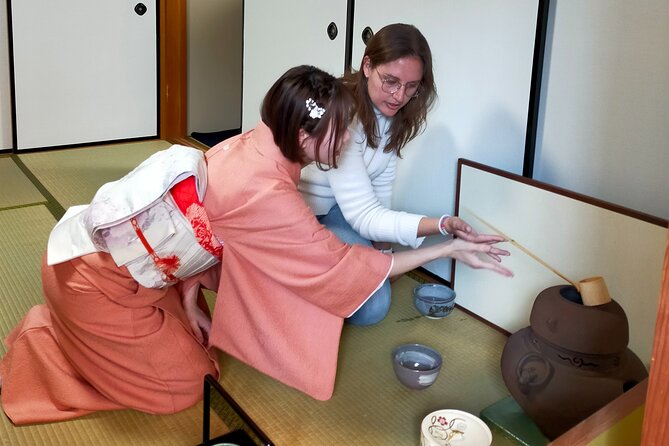
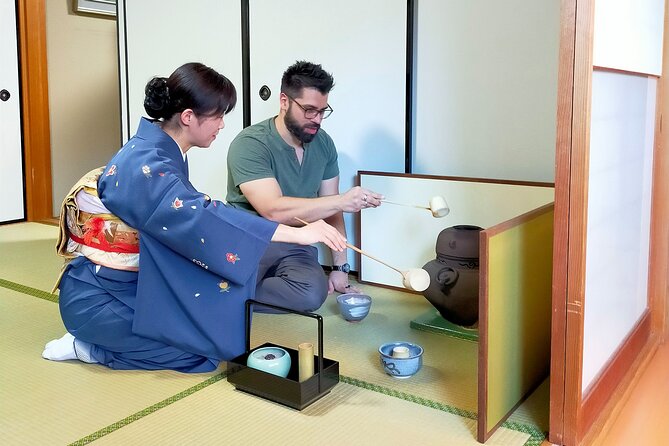
Then your instructor demonstrates how to drink a bowl of matcha. You learn the style and sequence, which is the key point for anyone who has only seen tea ceremonies in movies. It is easy to misread the ritual if you only watch once, and the demonstration plus explanation helps you avoid that.
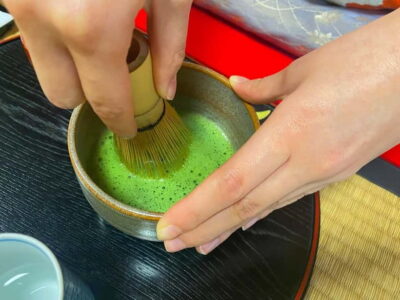
Finally, your host demonstrates the ceremonial preparation of matcha, then you get the chance to prepare it yourself. The format is practical: model first, then hands-on. You end up with a clear mental checklist you can replay later when you try this at home.
What’s Included, and Why the Two Matcha Bowls Matter for Value
The price is $52.26 per person for about 1 hour 15 minutes. For a Kyoto experience, that can be a reasonable deal when you consider what is built in, not just the activity label.
Included basics are: an English-speaking instructor, all fees and taxes, coffee and/or tea, two bowls of matcha, and Japanese traditional confectionaries. On top of that, you get both skills, wagashi making and matcha preparation, with guidance throughout.
The two bowls detail matters because you are not only tasting. You watch preparation, then you make and drink. That creates a fuller learning loop than an experience that gives you one taste and sends you on your way.
What is not included: gratuity, and hotel pick-up and drop-off. So you’ll handle your own transport to the meeting point, which is fine here since it is near public transportation and close to Fushimi-Inari-Taisha.
Price and Logistics: When $52.26 Feels Like a Bargain
I judge value on time, group size, and how much you do yourself. Here, time is tight at 1 hour 15 minutes, but you are active the whole way: wagashi class, tea ceremony guidance, sweets eating, matcha demonstration, and then matcha preparation.
The group limit of 8 also pushes the value up. Smaller groups mean more attention during hands-on steps, especially when your hands are sticky and you want to get the next move right.
Also, the “mobile ticket” format is convenient. It reduces the hassle of printing or searching for paper proof when you are already coordinating shrine stops and transit.
Who This Is Best For, and Who Might Want to Skip It
This works well if you want a Kyoto experience that is calm, not crowded, and not focused only on photos. The home setting helps, and the max 8 size keeps the tone personal.
It is also a great fit for people who like to learn practical culture. You will leave knowing how to make one kind of wagashi and how to serve matcha in a more ceremonial style, which makes your souvenir feel usable instead of decorative.
Things to consider before you book:
- If you do not take caffeine, this is not recommended.
- If you hate sitting on tatami, choose the chair option when reserving.
- For kids, the guidance is specific: ages 8 to 12 can participate with at least one adult. Ages 7 and under cannot participate.
If you want a low-effort activity that is mostly watching, this is not the right match. The class is hands-on and expects you to join in.
Practical Tips So the Ceremony Feels Easy, Not Awkward
The biggest practical point is footwear and socks. Bare feet are not allowed in the room, and they ask you to bring or wear a pair of socks. Plan your clothing around that, and you’ll avoid the frantic last-minute scramble.
Also, wear easy shoes that slip on and off. You will be moving between outdoor space and the indoor tatami room, and homes in Japan often involve more shoe changes than big public venues.
Finally, remember this experience requires good weather. The garden walk and room flow depend on it, so if weather turns, expect a change in plans rather than a smooth continuation.
Quick Reality Check on Weather and What Happens If It’s Canceled
This activity requires good weather. If it gets canceled due to poor weather, you will be offered a different date or a full refund. Free cancellation is allowed up to 24 hours before the experience starts, so you can book with reasonable flexibility if you are watching the forecast.
Should You Book This Kyoto Wagashi and Matcha Class?
Book it if you want a small-group Kyoto cultural experience where you do the work yourself. The combination is the draw: you make wagashi, you learn matcha etiquette, and you practice matcha preparation, all with English support from a licensed guide interpreter.
Skip it if caffeine is off-limits for you, or if you are not comfortable in a formal setting where socks and floor seating rules matter. Also, if you want a purely passive activity, this one will feel more like a workshop than a performance.
Overall, I’d place it in the category of experiences that become part of your routine at home afterward. You leave with more than a photo, you leave with the ability to recreate a meaningful moment.
FAQ
How long is the Kyoto near Fushimi Inari wagashi and tea ceremony?
It runs about 1 hour 15 minutes (approximately).
How big is the group?
The experience has a maximum of 8 travelers.
Where does the experience start, and what time does it begin?
It starts at 38-4 Fukakusa Watamorichō, Fushimi Ward, Kyoto, 612-0022, Japan, with a start time of 9:45 am.
What should I wear or bring?
Bring or wear a pair of socks, since bare feet are not allowed in the room. They also recommend easy shoes that are simple to take on and off.
Can I sit in a chair instead of on tatami?
Yes. It is possible to prepare a chair instead of sitting on the tatami floor. Let them know how many chairs you want when you make the reservation.
What if the weather is bad?
This experience requires good weather. If it is canceled due to poor weather, you will be offered a different date or a full refund.
More Tour Reviews in Kyoto
Not for you? Here's more nearby things to do in Kyoto we have reviewed



Kyoto Tea Ceremonies, compared.
 ★ 4.9Tea Ceremony in a Traditional Tea House in KiyomizuFrom $493,519 reviews
 ★ 4.9Tea Ceremony Ju-An at Jotokuji TempleFrom $293,207 reviews
 ★ 4.345-Minute Tea Ceremony Lesson ExperienceFrom $222,378 reviews
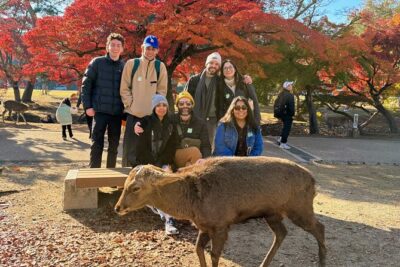 ★ 5.0World Heritage Kyoto & Nara Uji Authentic Matcha ExperienceFrom $1291,573 reviews
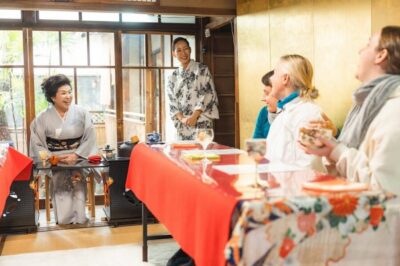 ★ 4.9Table-Style Tea Ceremony at a Kyo-MachiyaFrom $451,211 reviews
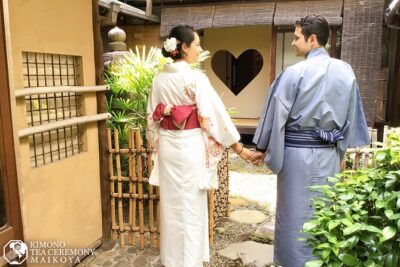 ★ 5.0Kimono Tea Ceremony at Kyoto Maikoya, NISHIKIFrom $65911 reviews
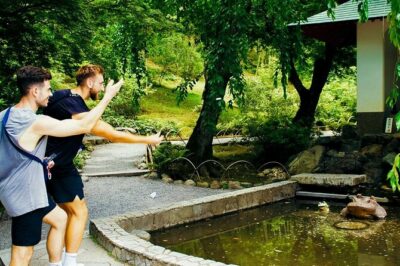 ★ 5.0Arashiyama Bamboo Forest, Monkeys, Matcha & Temple TourFrom $53759 reviews
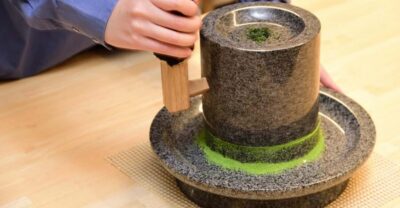 ★ 4.9Tea Museum Tickets and Matcha Grinding ExperienceFrom $23739 reviews
Browse the lists this tour appears in