
Reviewed · KYOTO TEA CEREMONIES
Kyoto Newly Opened Tea Ceremony – Sanjo Chasuian
Matcha gets personal in Kyoto. This newly opened session at Sanjo Chasuian is small-group and hands-on, with a real focus on how the ritual feels, not just how it looks. You sit inside a quiet tea room, then learn the practical steps behind matcha, from utensil to whisk stroke.
What I really like here is that you get two bowls of matcha. First you taste what the host makes perfectly, then you whisk your own cup with guidance. I also love the experience framing through Nijiriguchi, the crawl-in entrance that nudges you to slow down the moment you arrive, before anyone teaches you a single step.
One thing to consider is the etiquette setup. You’ll need to follow socks required rules, and the door locks once the session starts, so arriving late can mean you cannot join.
Key things to know before you go
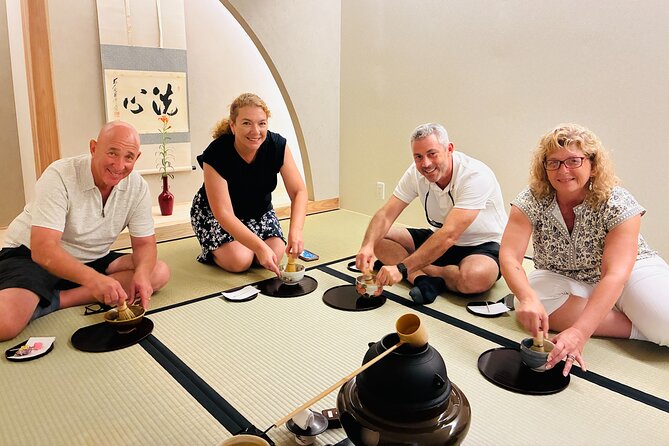
- Two matcha servings, one hosted and one you whisk for a true learning loop
- Nijiriguchi entry to shift you out of street life and into tea-room mode
- Step-by-step coaching so you understand the why, not just the how
- Seasonal Japanese sweets included from a Kyoto sweet shop with 100+ years of history
- Max 10 people for an intimate, question-friendly class
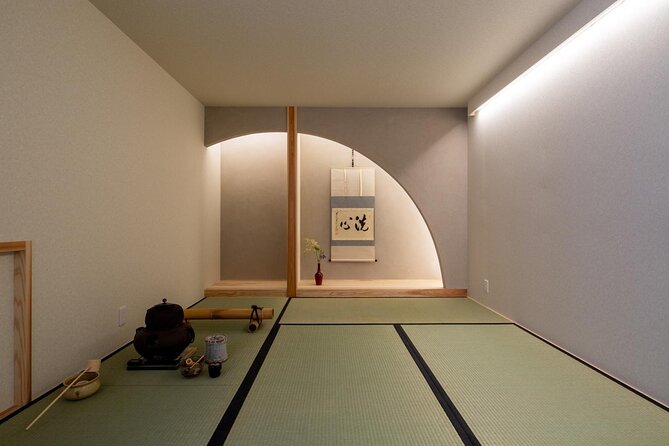
- A newer, very clean tea room that feels calm right away
Sanjo Chasuian, Kyoto, and what makes this tea room feel special
Kyoto can feel like a sprint. This tea ceremony is built for the opposite pace, and Sanjo Chasuian’s newness matters. A clean, freshly set tea room helps you focus, because nothing feels cluttered, rushed, or chaotic. The vibe is quiet and serene, the kind of place where you can actually hear the host explain each movement.
Location is another win. You meet at Tea Ceremony & Sake Tasting Kyoto, Sanjo Chasuian, 324-2 Sanjōchō, Nakagyo Ward. It is near public transportation, and the Sanjo area is useful when you are already doing castle and temple days around central Kyoto.
Also, this is not a big show. The group size max is 10, and that matters because tea ceremony teaching is tactile. If you are standing back with a camera, you miss the fine points. With a smaller group, you get more time for questions and more chances to correct your whisking posture and technique.
You can also read our reviews of more tours and experiences in Kyoto.
Nijiriguchi entry and the first moments of the ceremony
The ceremony starts with a moment that feels intentionally staged, in the best way: Nijiriguchi. This is a crawl-in entrance that invites you to leave the outside world behind, like you are stepping into a different rhythm of time. Even before matcha appears, you notice the shift. It is practical too. The entrance gently forces a break in your usual walking, phone-scrolling, and general tourist energy.
Chairs are available, but do not assume it is a standard chair-based class. Many tea ceremonies involve floor sitting, and the instructions here ask you to wear or bring socks. If you get cold feet easily, plan for it, even if chairs are offered. The socks rule also keeps things neat and comfortable on the tatami-style floor.
Once the session begins, the door is locked. You can enter from 5 minutes before the start time, so treat this like a punctual museum timed entry. If you arrive late, you cannot join and there is no refund, so build in extra walking time.
Two cups of matcha, one you watch and one you make
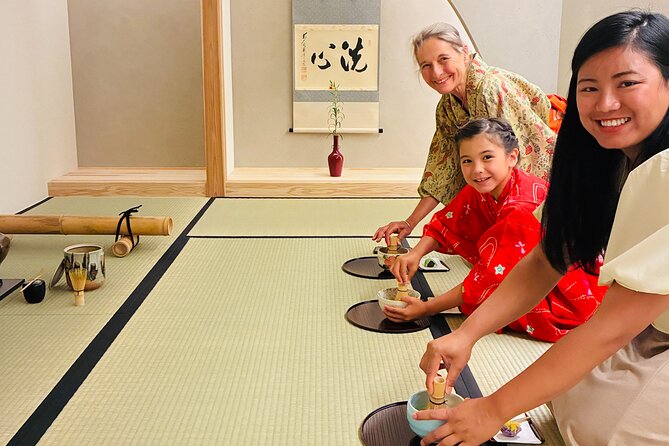
This is a short, focused 1-hour experience, and it is designed around learning by doing. You get two bowls of matcha, and that turns the ceremony from a passive viewing experience into real skill-building.
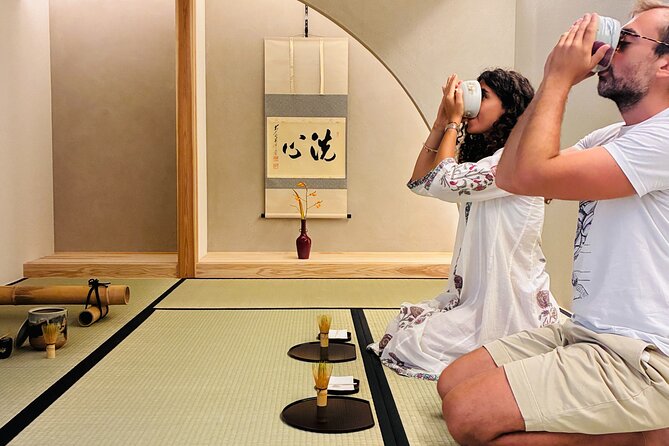
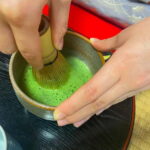
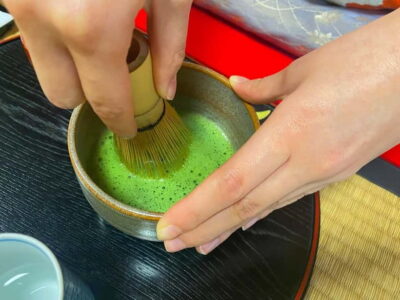
First, the host prepares matcha for you. This part matters because you can watch the full flow as a unit, how the utensils are handled, how the tea bowl is positioned, and how the whisking motion creates the foam you want. Then you take your turn.
You’ll choose a tea bowl and whisk your matcha. You will not be left alone with a bamboo whisk and hope. The tea master gives step-by-step explanations, so you understand what each action is for. That is the difference between drinking matcha and actually knowing how to make it.
In many Kyoto experiences, you taste once and move on. Here, the second serving is your chance to connect what you saw to what you do. You end up with a deeper sense of control, and that is why this feels more satisfying than the typical quick demo.
The host’s teaching style, and why it helps you recreate it at home
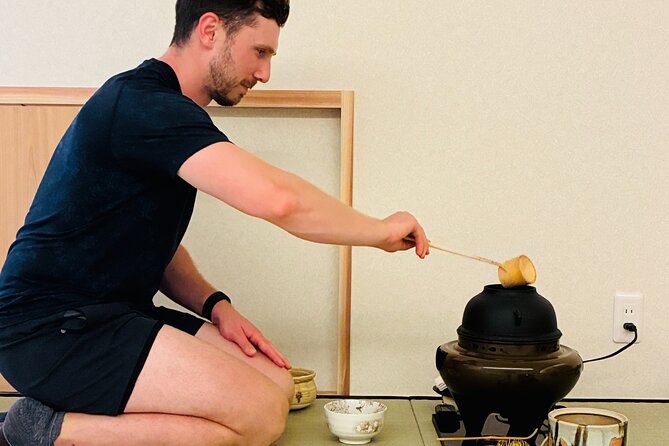
The host is the heart of this session. The tea master explains not only the steps, but the meaning behind them. You’ll hear the history and customs angle alongside the technique, and that helps you stop thinking of tea ceremony as a fixed performance. Instead, it becomes a set of choices and a mindset.
In English, the presentation is designed to be understandable, with time for Q&A. In the classes here, the host also responds warmly and patiently, which is especially helpful if it is your first matcha experience. If your Japanese is limited, that is fine. You are not expected to follow commands word-for-word. The structure of the ceremony and the step-by-step guidance do the heavy lifting.
A useful part for you at home is that you will learn practical skills you can reuse. You’ll see the meaning behind utensil handling, and you’ll practice whisking rather than only observing. If you want to bring matcha into your everyday routine, that hands-on practice is what makes this worth doing while you are in Kyoto.
One extra detail that some people really enjoy is the chance to dress up. There is an option to wear an uchikake, a formal-style garment. Even if you skip it, the fact that the experience offers this kind of optional formality tells you the team is paying attention to atmosphere, not just tea basics.
Kyoto sweets included, and how they fit the pacing
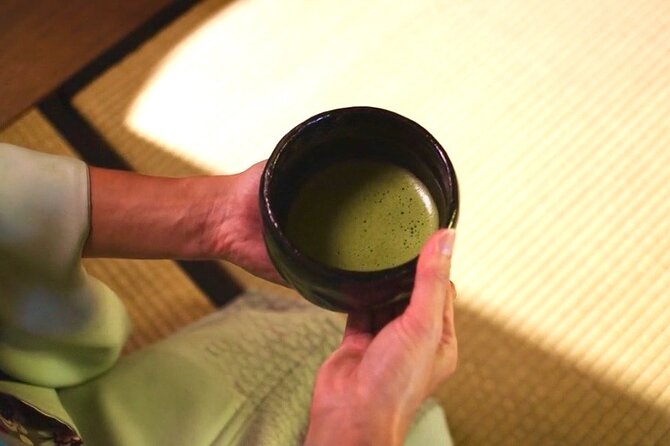
Tea ceremony sweets are not an afterthought here. Traditional seasonal Japanese confectionary is included, and it comes from a Kyoto sweet shop with over 100 years of history. That combination matters because wagashi often sets the emotional tempo of the ceremony. It is sweet, yes, but it is also visual and seasonal, and that helps you stay present.
Expect mochi and other beautifully presented treats, aligned with the season. The timing is important too. Sweets typically act like a bridge, letting you taste something gentle before the bitterness and earthy character of matcha takes focus.
Practically, you are getting more than a drink. You are getting a full little Kyoto moment, with taste and ritual working together for about an hour.
If you are a chocoholic type, you might find the sweets are subtle rather than loud. But if you like flavors that change with season and texture, you will likely appreciate the balance.
Timing, group size, and the small rules that protect the calm
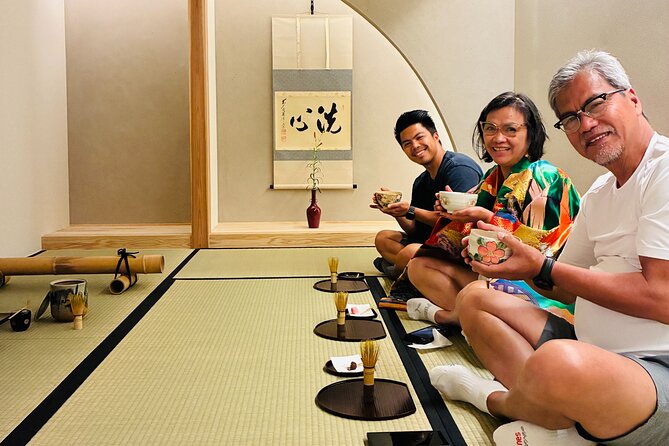
This experience runs about 1 hour, and the flow stays tightly controlled. That is good because tea ceremony skill relies on sequence. Nobody wants to rush through whisking, and nobody wants to listen to instructions while the room is trying to recover from latecomers.
Plan around the start time. Entry is allowed from 5 minutes before the session begins. After the door locks, you cannot join, even by a minute. That policy is strict, but it also protects the room’s quiet focus.
Group size max is 10 travelers. That keeps the instruction personal and makes it easier to ask questions. You’re also less likely to feel like you are in someone else’s way while trying your whisking technique.
The sock requirement is one of the biggest practical details. Bring socks or wear them before you arrive. Chairs are available, but the ceremony environment can involve sitting on the floor. If you have knee issues or you know you get uncomfortable on tatami-style seating, choose the chair if offered and go in ready to adjust.
Price and value: what $32.77 buys you in Kyoto
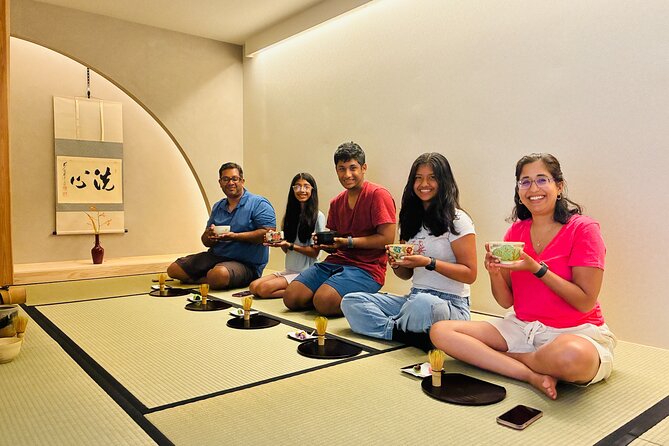
At $32.77 per person, you are paying for more than a drink. In a short 1-hour window, you get:
- A step-by-step lesson from the tea master
- A professional demonstration
- Two servings of matcha, including one you whisk yourself
- Traditional seasonal Japanese confectionary included
- A small-group setting capped at 10 people
If you compare this to cheaper, one-time tastings, the real value is the “you do it” part. Matcha prep is tactile. Watching once is interesting. Practicing with guidance is where the lesson sticks. That turns the session into something you can actually use later, when you try to make matcha at home.
It also feels like good value because the team is focused on details: a clean, new-feeling facility, a quiet setting, and an instructor who explains the why behind the ceremony. You are not paying for volume, you are paying for attention.
One more value point is the optional add-on of a sake tasting nearby. Some people even stay after and do an impromptu sake tasting, so if you are planning a day around Sanjo, this can work as a calm anchor.
Practical arrival tip: finding the place without stress
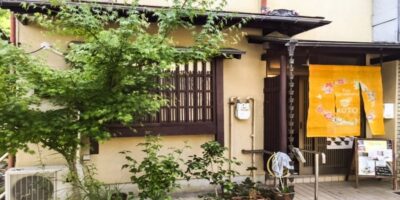
Google Maps can sometimes route you to a smaller side street. Use this simple hack: when you get close, look for a green matcha ice cream cone in front of the storefront area. Staying on the main street helps too. This matters because tea room timing is strict, and you do not want to be searching with 2 minutes left.
Once you are there, expect a short walk through to the tea room area. The facility is clean, and the space is set up for comfort and quiet, so you can shift into ceremony mode quickly.
Who should book this tea ceremony and who might skip it
You should book this if:
- You want a real skill, not just a quick photo stop
- You are curious about matcha beyond taste
- You like small, quiet experiences with time for questions
- You enjoy ritual, mindfulness, and learning cultural context
You might skip it if:
- You dislike seated floor experiences, even if chairs are available
- You are prone to running late and cannot reliably arrive 5 minutes before the session
- You prefer long, open-ended tours rather than a tight 1-hour format
This also fits well with an itinerary that is already heavy on Kyoto highlights. Think of it as a reset button in the middle of temple days.
Should you book Kyoto Newly Opened Tea Ceremony – Sanjo Chasuian?
My take: yes, it is a strong choice if you want matcha instruction that actually translates into your own hands.
The deal is simple and convincing. You get two bowls of matcha, one guided and one you whisk yourself. The host, Yuko, teaches step-by-step and also explains the meaning behind the customs, with a warm, patient approach that makes first-timers comfortable. Add in seasonal sweets and a calm tea-room setup with Nijiriguchi, and you have a Kyoto experience that feels both authentic and practical.
If you can show up on time, follow the socks rule, and you are open to a quiet, structured 1-hour session, this is the kind of booking you will feel good about long after you leave Kyoto.
FAQ
What is included in the Kyoto tea ceremony?
You get two cups of matcha from Kyoto, one made by the host and one you make yourself. Traditional seasonal Japanese confectionary is also included.
How long is the experience?
It lasts about 1 hour.
How many people are in the group?
The maximum group size is 10 travelers, which keeps it intimate.
Do I have to wear socks?
Yes. You are asked to bring or wear socks during the experience.
Is Nijiriguchi part of the experience?
Yes. The tea room includes Nijiriguchi, the crawl-in entrance used to invite guests to leave the outside world behind.
What happens if I arrive late?
Entry is allowed from 5 minutes before the start time. Once the session begins, the door is locked, and even 1 minute late means you cannot join and no refund is given.
Where do I meet the group?
The meeting point is Tea Ceremony & Sake Tasting Kyoto, Sanjo Chasuian, 324-2 Sanjōchō, Nakagyo Ward, Kyoto, 604-8205, Japan. The activity ends back at the meeting point.
More Tour Reviews in Kyoto
Not for you? Here's more nearby things to do in Kyoto we have reviewed

Kyoto Tea Ceremonies, compared.
 ★ 4.9Tea Ceremony in a Traditional Tea House in KiyomizuFrom $493,519 reviews
 ★ 4.9Tea Ceremony Ju-An at Jotokuji TempleFrom $293,207 reviews
 ★ 4.345-Minute Tea Ceremony Lesson ExperienceFrom $222,378 reviews
 ★ 5.0World Heritage Kyoto & Nara Uji Authentic Matcha ExperienceFrom $1291,573 reviews
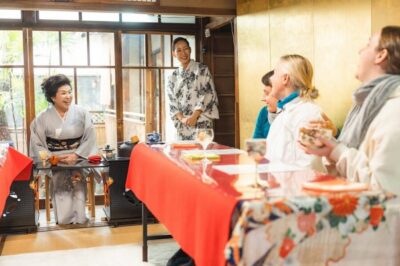 ★ 4.9Table-Style Tea Ceremony at a Kyo-MachiyaFrom $451,211 reviews
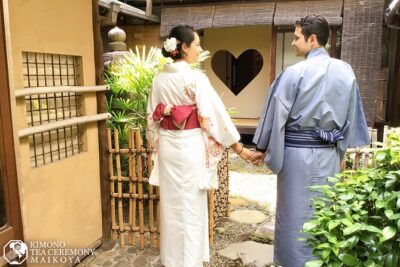 ★ 5.0Kimono Tea Ceremony at Kyoto Maikoya, NISHIKIFrom $65911 reviews
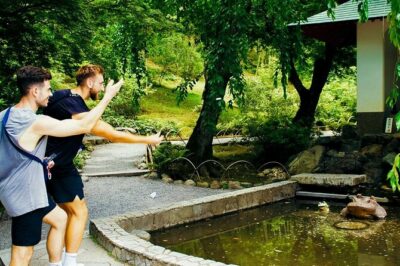 ★ 5.0Arashiyama Bamboo Forest, Monkeys, Matcha & Temple TourFrom $53759 reviews
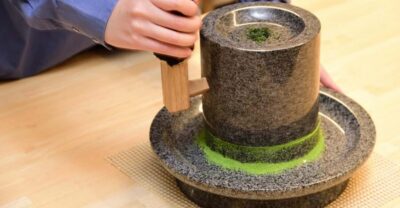 ★ 4.9Tea Museum Tickets and Matcha Grinding ExperienceFrom $23739 reviews
Browse the lists this tour appears in