
Reviewed · KYOTO TEA CEREMONIES
Kyoto: Newly Opened Tea Ceremony – Sanjo Chasuian
A crawl-in door sets the tone fast. At Sanjo Chasuian, a newly opened tea room near Karasuma Oike, you get a tea ceremony that feels like turning the volume down. The Nijiriguchi entrance is part of the ritual, not a gimmick.
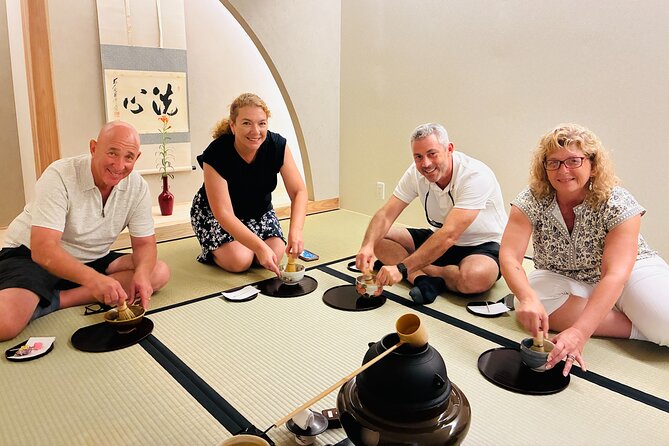
I really like the hands-on format. You drink what the host makes, then whisk your own matcha, with clear English guidance from hosts such as Yuko and Reina. One possible drawback is timing, because the door locks once the session begins, so being even a minute late can mean you cannot join.
Key points you should know before you go
- Five-minute walk from Karasuma Oike Station, which makes it easy to pair with dinner plans.
- Two bowls of matcha in one session: one prepared by the host, one whisked by you (or with a companion).
- Seasonal Kyoto wagashi included, from a confectioner with over 100 years of history.
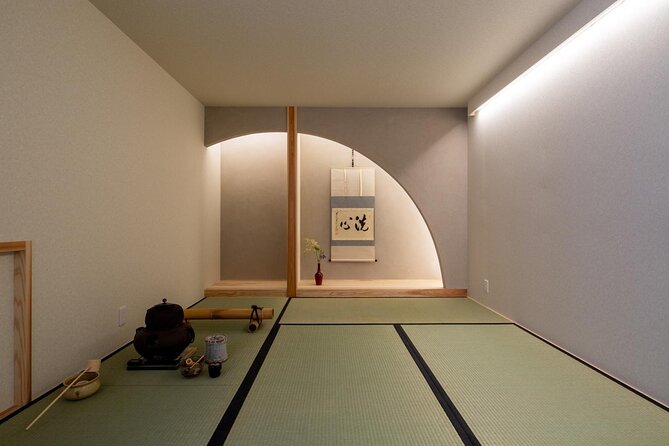
- Nijiriguchi crawl-in entrance creates an instant shift into quiet focus.
- Small group, up to 10, with English instruction from your host.
- Socks required, and chairs are available if you prefer not to sit on the floor.
Kyoto tea ceremony at Sanjo Chasuian, and why the location matters
Kyoto can feel like one long “next stop, next stop.” This experience gives you a proper reset. Sanjo Chasuian is only about a 5-minute walk from subway Karasuma Oike station, so you do not need a big transit plan or a taxi gamble to fit it in.
That practical location matters because tea ceremonies go at a set pace. You arrive, you settle in, and you follow the flow without sprinting. One review vibe that shows up again and again is how relaxing the whole hour feels, and it is hard to do that when you are stressed about getting there.
This is also a newly opened facility. If you happen to be booking while the grand opening discount is still running (it was listed as valid until September 15), you may get a better deal for the same core experience.
You can also read our reviews of more tours and experiences in Kyoto.
Entering through Nijiriguchi: the moment you switch modes
The Nijiriguchi is the door you crawl through. It is small on purpose, and that physical change does something psychological too. You slow down immediately, because your body is part of the ritual. It is also a clean way to set boundaries between outside noise and inside calm.
Once you are seated, the room runs like a proper ceremony. The guidance is in English, so you do not need to guess what is happening or when to clap, bow, or sip. Hosts like Yuko and Reina are praised for pacing explanations well, then switching to the quiet mode where the steps matter more than talking.
Two practical notes keep your visit smooth:
- Entry is allowed from 5 minutes before the start time.
- Once the session begins, the door is locked, and being late by even 1 minute means you cannot join and there are no refunds.
If you are the type who shows up early anyway, you will love this. If you tend to cut it close, plan to arrive earlier than you think you need.
What you learn first: matcha basics and ceremony meaning, in English
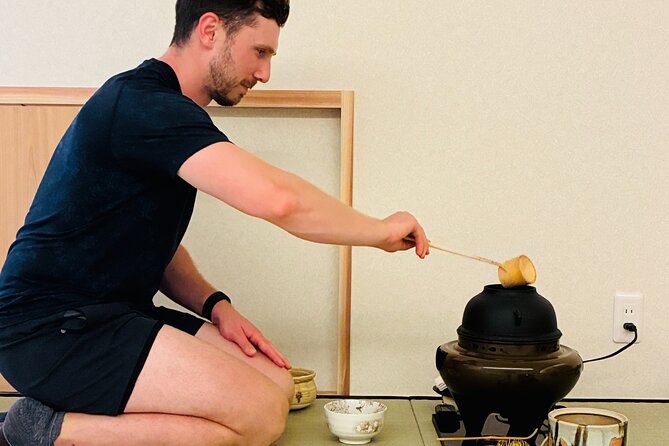
The ceremony starts with history and meaning. You get an explanation of what matcha is, why the process looks the way it does, and why the tea space is designed for respect and focus.
I like this teaching approach because it helps you enjoy what you are doing instead of treating it like a performance. When you understand what each movement is communicating, the whisking and pouring feel purposeful, not just choreographed.
Also, this is guided in English, which is a huge deal for a calm experience. You should not feel lost while everyone else is following tradition. In the feedback, the common thread is that the hosts explain the process clearly and answer questions when it is allowed.
Hands-on matcha making: choosing a bowl and whisking like you mean it
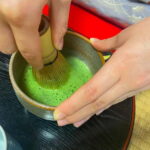
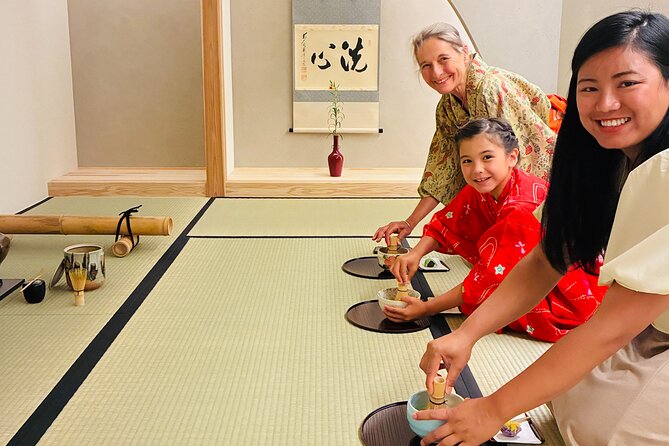
The main event is hands-on. You select a tea bowl, you get instruction on whisking, and you perform the steps yourself.
This is the part you will actually remember when you get back home. The ceremony becomes practical because you feel the difference between just holding utensils and using them with intention. Several write-ups mention that the host walks you through what to do before the moment happens, so you are not just dropped into a procedure you cannot interpret.
You will make matcha twice in different ways:
- First, you see and enjoy the host’s bowl.
- Then you make your own bowl (or make it with a companion, depending on how the session runs).
There is also mention that the staff may take photos or video while you are making the matcha. If that matters to you, show up with a relaxed mindset. The point is still the ceremony, but getting a record of your bowl can be a nice souvenir.
The two bowls of matcha: host-made vs your bowl
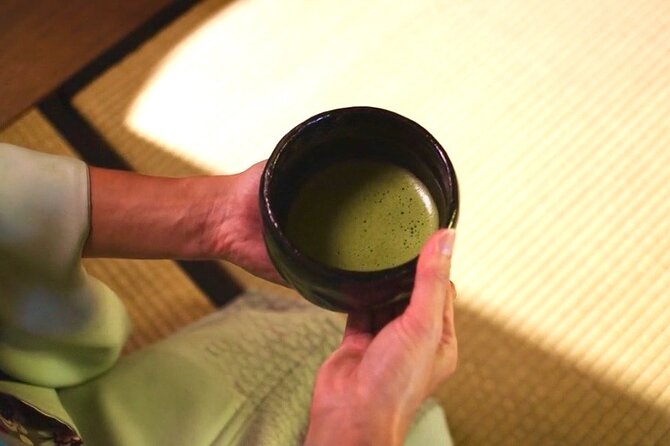
Most tea ceremonies you see in Kyoto are either watch-heavy or short on actual participation. This one is built around participation, and that shows in the structure.
You get two bowls of matcha:
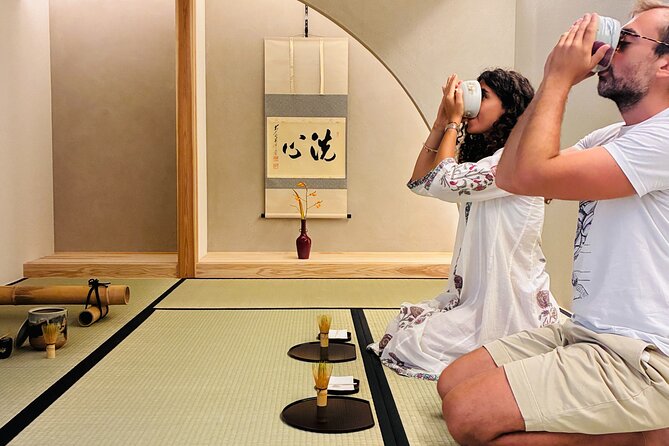
- A bowl made by the host
- A bowl you whisk yourself (or with a companion)
That difference is not just about quantity. It is a lesson. You compare the flavor and texture after watching the host’s technique, then you feel what changes when you control the whisking yourself.
Several guests also mention that the matcha tastes genuinely good, not just ceremonial. And when you are tasting and whisking back to back, you get a better sense of what matcha means beyond the word itself.
If you are a first-timer, this is a smart way to do it. You learn the why, you see it happen, then you do it.
Wagashi and the seasonal sweet break that makes the matcha better
You also get seasonal Japanese confectionary (wagashi) from a Kyoto shop with over 100 years of history. This matters because wagashi is not just dessert. It is part of balancing flavors and pacing your tasting.
The sweet is served as part of the ceremony experience, so it supports the calm atmosphere instead of derailing it with a food-shopping moment. People specifically mention enjoying the wagashi included with the session, and the overall rhythm being peaceful and well organized.
If you love small, thoughtful food moments during travel, this is a plus. If you only care about tea and not sweets, the wagashi is still worth it because it is part of how you experience matcha in a Japanese setting.
Group size, chairs, and the calm atmosphere rules
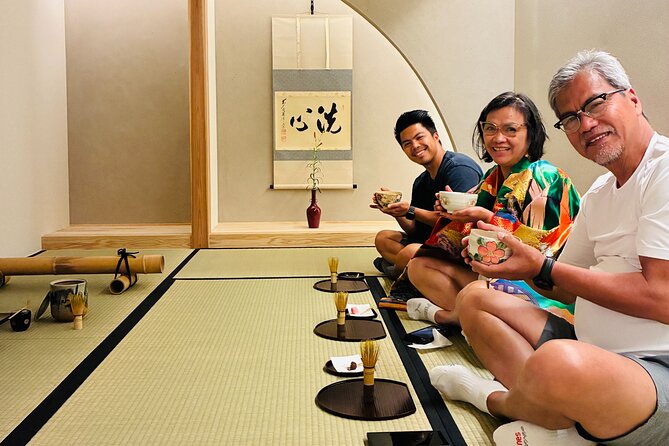
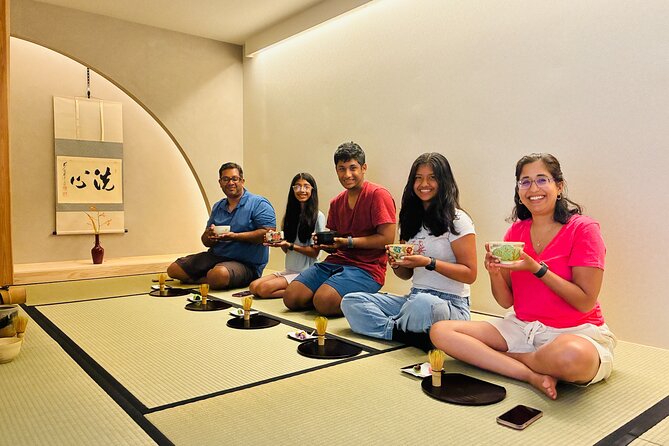
This is a shared plan group session with a maximum of 10 participants. That is the sweet spot where you get guidance, but it still feels intimate.
Chairs are available if you prefer not to sit on the floor. That helps make the experience work for more people without turning it into a formal lecture. Just remember socks are required or you must wear socks for the ceremony.
Calm rules are real here. Besides the locked door policy, the session is designed to keep sound low so everyone can focus. Some guests appreciated how the host guided them first, then reduced extra conversation during key steps. That is why the hour feels like a reset.
Optional kimono style: uchikake if you want the extra layer
You do not get standard kimono rental as a default. But there is an optional uchikake experience listed at ¥1,500 (tax included).
A few details make it important to plan correctly:
- It is offered on the day, and advance reservations are not accepted.
- Quantities are limited.
If you care about photos or want to lean into the traditional vibe, this can be a nice add-on. If you do not want extra friction, skip it and just focus on the tea.
Sake tasting is nearby, but this session stays on matcha
The facility is described as offering tea ceremony experiences and sake tasting. In the details for this activity, the included items are matcha and wagashi.
So for your decision-making, treat this as a matcha-first experience. If you want sake too, you might find other options at the facility, but do not count on it being part of your 1-hour session unless it is specifically included in what you booked.
Price and value: what you get for $31 in Kyoto
At $31 per person for about 1 hour, you are paying for more than “watching tea.” You get:
- English instruction
- All matcha materials
- Two servings of matcha (host-made and yours)
- Seasonal Kyoto wagashi
- A small-group setting that keeps the teaching focused
The value is in participation. You are not just observing, you are doing the steps and drinking your result. For many people, that is the real reason a tea ceremony is worth it. You leave with understanding, not just photos.
If you add the optional uchikake, budget an extra ¥1,500. Also, there are items you can purchase, including matcha and tea ceremony goods, and at least one guest bought matcha after the experience.
Who should book, and who should skip
This tea ceremony is a great fit if you want:
- A quiet, structured cultural experience during a busy Kyoto trip
- A first-time matcha activity where you actually whisk the tea
- English guidance that does not feel like you need to know Japanese to participate
It may not be the best fit if:
- You are a wheelchair user, since wheelchair accessibility is not suitable for this activity.
- You are traveling with kids who are too young. The data says children under 6 years are not suitable, and it also notes children under 5 require the private plan to keep the atmosphere calm.
If your group includes someone who has trouble with timed entry, remember the door locks once the session starts. Show up early enough to remove that stress.
Should you book Sanjo Chasuian’s tea ceremony in Kyoto?
If your goal is one hour of calm, hands-on tea making, and a gentle introduction to Japanese tea practice, I think yes, book it. The standout strengths are consistent: kind hosts, clear English teaching, two bowls of matcha, and wagashi that belongs to the experience rather than feeling tacked on.
Book especially if you appreciate structure. This is not random tourism. It has rules, a ritual flow, and you will be guided through it so you can focus instead of guessing.
If you hate timed entry pressure, plan for extra buffer. Arrive early, wear socks, and treat the crawl-in door as your reminder to slow down.
FAQ
How long is the Kyoto tea ceremony at Sanjo Chasuian?
The experience lasts 1 hour.
What do I get included in the price?
The session includes two cups of matcha (one made by the host and one made by you or with a companion) plus traditional seasonal Japanese confectionary.
Is the tea ceremony taught in English?
Yes. The instructor provides guidance in English.
Do I need to bring anything?
You should bring or wear socks for the experience.
Is kimono rental included?
No. Standard kimono rental and dressing services are not offered, but an optional uchikake coat-style kimono experience is available for ¥1,500 on the day (limited quantity, no advance reservation).
Are chairs available?
Yes, chairs are available if you prefer them.
Is this wheelchair accessible?
No. Wheelchair users are listed as not suitable for this activity.
Can I still join if I arrive late?
Entry is allowed from 5 minutes before the start time. Once the session begins, the door is locked, and if you arrive late (even 1 minute), you cannot join and no refunds will be given.
Is there a refund if I cancel?
Yes. Free cancellation is available up to 24 hours in advance for a full refund.
More Tour Reviews in Kyoto
Not for you? Here's more nearby things to do in Kyoto we have reviewed

Kyoto Tea Ceremonies, compared.
 ★ 4.9Tea Ceremony in a Traditional Tea House in KiyomizuFrom $493,519 reviews
 ★ 4.9Tea Ceremony Ju-An at Jotokuji TempleFrom $293,207 reviews
 ★ 4.345-Minute Tea Ceremony Lesson ExperienceFrom $222,378 reviews
 ★ 5.0World Heritage Kyoto & Nara Uji Authentic Matcha ExperienceFrom $1291,573 reviews
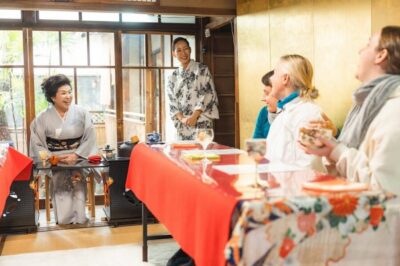 ★ 4.9Table-Style Tea Ceremony at a Kyo-MachiyaFrom $451,211 reviews
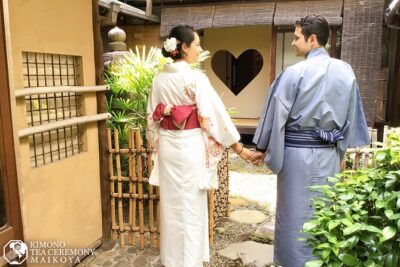 ★ 5.0Kimono Tea Ceremony at Kyoto Maikoya, NISHIKIFrom $65911 reviews
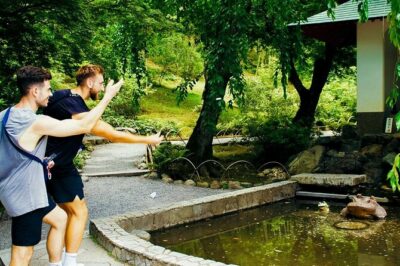 ★ 5.0Arashiyama Bamboo Forest, Monkeys, Matcha & Temple TourFrom $53759 reviews
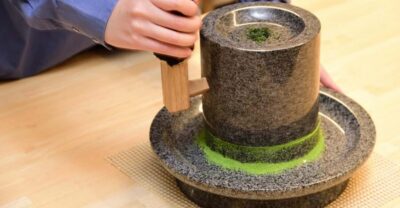 ★ 4.9Tea Museum Tickets and Matcha Grinding ExperienceFrom $23739 reviews
Browse the lists this tour appears in