
Reviewed · KYOTO TEA CEREMONIES
Kyoto: Quiet and Graceful Tea Ceremony
Kyoto slows you down with matcha. This quiet tea ceremony at Omotenashi Tea Ceremony 南茶道教室 is built around a tea master’s precise ritual, plus the calm, careful hospitality that Kyoto does so well. You’ll learn the steps behind premium matcha in a small setting, then taste it with traditional sweets.
I love two things right away: the small group size (max 8) and the fact that tea and snacks are included, so you can focus on the experience instead of planning anything. The ceremony also includes learning proper etiquette, not just watching from the back.
One possible drawback: the room can feel cold in colder months and, if people arrive early, it can interrupt the hush a little. Also, a few guests note the pacing can feel slightly rushed, so go in with a calm mindset and no need for slow, lingering photo stops.
Key highlights to look for
- Tea master-led matcha ritual with clear guidance on the process
- Hands-on portion, so you can try preparing your own tea
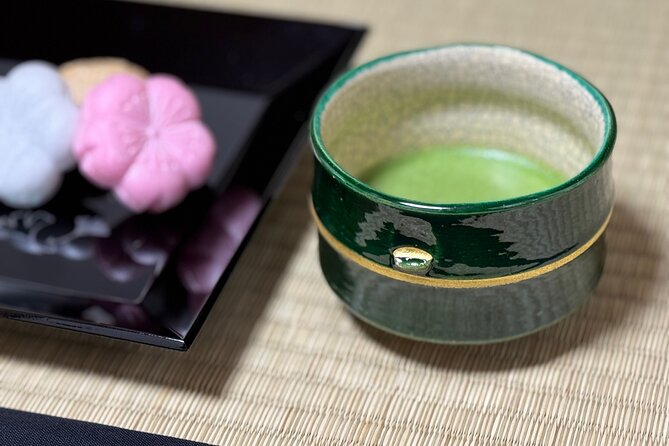
- Seasonal Japanese sweets to accompany the matcha
- Maximum 8 travelers, keeping the experience intimate and quiet
- Photo rules inside the ceremony area, plus no kimono rental
- English support noted in multiple reviews, with room for questions
Kyoto Tea Calm: What a 45-Minute Ceremony Really Feels Like
This is the kind of Kyoto experience that doesn’t compete for your attention. In about 45 minutes, you move through the essentials of a Japanese tea ceremony: entering properly, watching the tea master perform key steps, then trying the whisking yourself.
You’re not bouncing around town. You’re slowing down in one place, following a set rhythm that is designed to be calming. And because the group stays small, you’re less likely to feel like a spectator to a show.
If you’re the type who loves details, you’ll appreciate how deliberate everything is, from utensil handling to how the tea is served. Several reviews highlight how the host’s movements feel choreographed and graceful, which matters because tea ceremony is as much about attention and restraint as it is about flavor.
You can also read our reviews of more tours and experiences in Kyoto.

Finding Omotenashi Tea Ceremony at the Nakagyo Meeting Point
The activity meets at 南総合会計事務所450-1 Sanbongichō, Nakagyo Ward, Kyoto, 604-0871, Japan. From there, the ceremony ends back at the same meeting point, so you’re not left trying to figure out where you are supposed to go next.
You’ll use a mobile ticket, and confirmation comes at booking. The location is listed as near public transportation, which is handy in Kyoto where walking is great but not always fun when it’s rainy or cold.
Practical tip: arrive a few minutes early. One review mentions that people arriving too early can interrupt the quiet, and tea ceremony etiquette is picky for a reason. If the atmosphere matters to you, give yourself a buffer.
Inside the Tatami-Style Tea Setting: Etiquette Before Matcha
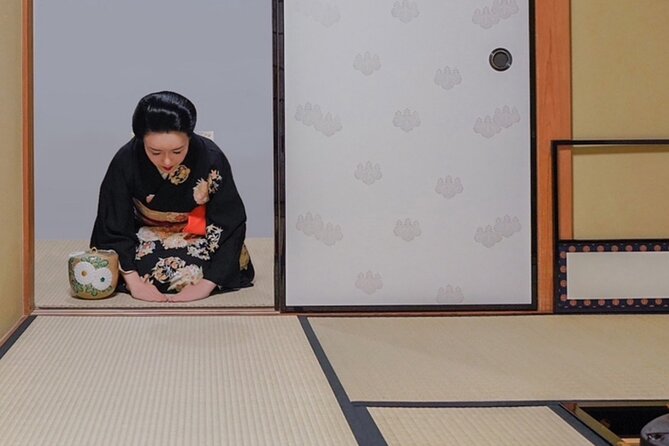
This experience takes place in the tea master’s private setting. Reviews describe it as a tatami room and, in at least one case, more like being in someone’s home than a fancy showroom. That’s not a bug. It’s part of why the experience can feel authentic and personal.
You’ll get guidance on how to enter and sit, plus basic etiquette for being a respectful guest. That’s valuable because the tea ceremony isn’t only about the drink. It’s about how you occupy space quietly, how you receive something thoughtfully, and how you behave while others perform a tradition.
There’s also a note on no photos inside the ceremony area. You can still take photos before and after, but during the actual tea performance, they ask you to refrain. If you’re filming everything, this might not feel like it’s matching your usual travel style.
Matcha Steps With a Tea Master: The Part You Don’t Get in Restaurants
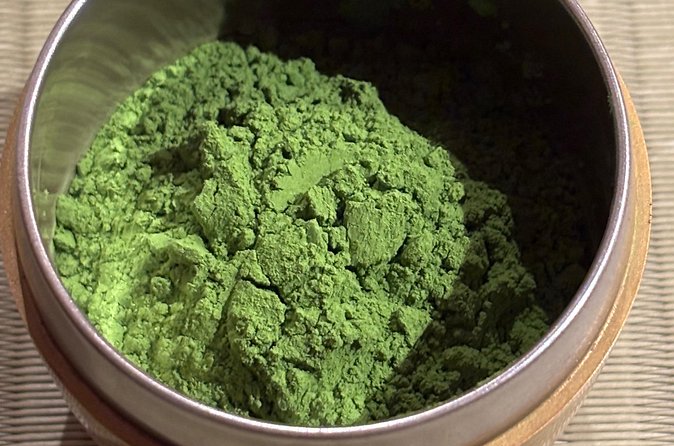
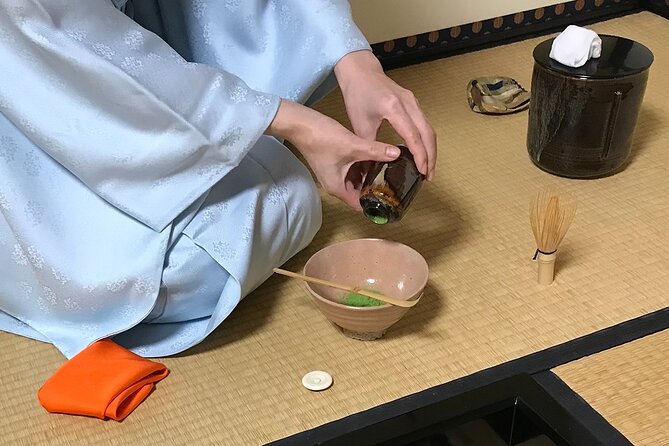
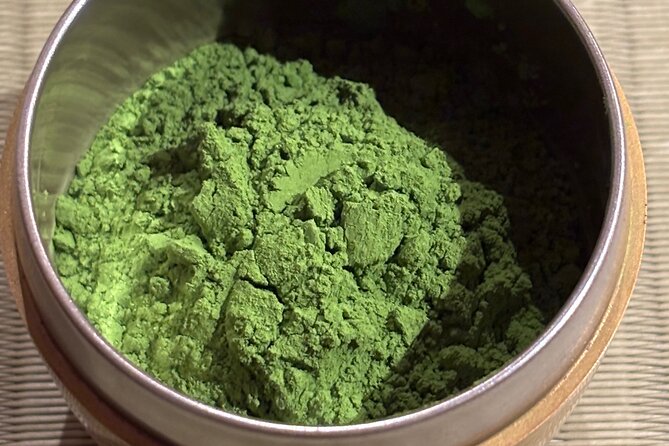
What makes this ceremony worth doing in Kyoto is that you learn the work behind the tea. In a restaurant, matcha can be just something you drink. Here, a tea master walks you through the precise ritual steps for preparing premium matcha.
Expect a mix of watching and participating. Multiple reviews say you can learn and then prepare your own tea, which is where the experience clicks. You don’t just see the motion, you feel how the whisking changes the texture.
One review calls out a host named Mai and praises her detailed, patient instruction. Another review notes an English-speaking host who explained things clearly. That’s important if you’re new to tea ceremony because the vocabulary can otherwise feel like a blur.
If you want the “how” more than the “wow,” you’ll like the structure. Guests mention a Q and A portion as well, which helps you connect the ritual to the culture rather than treating it like a performance.
Seasonal Sweets and How They Pair With Matcha
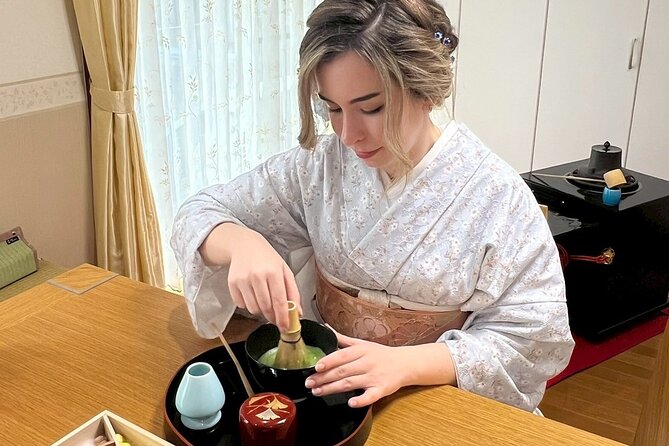
Tea ceremonies in Japan aren’t only about matcha. You’ll also get traditional Japanese seasonal sweets served alongside the tea. Reviews describe the sweets as part of what makes the moment feel balanced, not like you’re rushing through a single taste.
The sweets also change the way you experience the matcha. Sweetness sets you up for the bitterness, and the tea master’s presentation helps you slow your palate down. That’s one of the underrated benefits of a short ceremony: it trains your attention in a way a quick café stop never does.
One family mentioned that when their kids didn’t like the sweets, the host brought Oreos. That’s not something you should count on, but it does suggest the host tries to keep everyone comfortable and included.
Group Size, Pacing, and the Quiet Risk
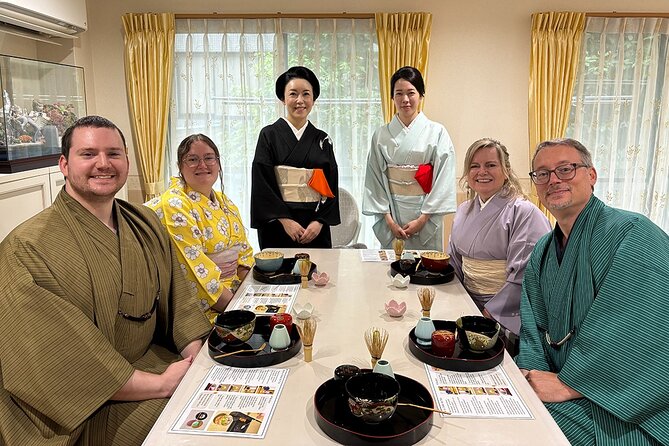
This is capped at a maximum of 8 travelers, which helps keep the room calm. In reviews, that intimacy shows up as a peaceful atmosphere and a sense that the host can actually connect with you.
Still, there are two small realism points to consider. First, the room can run cold in November, so bring something warm and practical. Second, while the experience is designed to be relaxed, one review mentions it can feel a bit rushed, and a cold room can add to that sense.
If you’re coming straight from sightseeing, do yourself a favor: arrive with a little patience. Tea ceremony isn’t a race, even if the whole thing fits into under an hour.
Price and Value: Is $56.49 Worth It?
At $56.49 per person, this isn’t the cheapest thing to do in Kyoto. The value comes from what’s included and how personal the teaching is. You’re paying for a tea master’s time, a small group setting, premium matcha preparation, and seasonal sweets, all in a quiet space.
Also, there’s no added shopping pressure built into it. One review explicitly notes the approach is authentic and not “touristy,” with no kimono rental included. That can matter for your expectations: if you’re chasing a full costume experience, this may feel simpler than you hoped. If you care more about the tea itself, that simplicity is the point.
So I’d frame the cost like this: you’re buying attention and instruction, not just a drink. If you’ve already done a basic tea tasting and want the ritual and etiquette, this is a reasonable step up.
Who Should Book, and Who Might Skip This Style
This suits you best if you want a calmer activity in Kyoto that feels like you’re stepping into a tradition, not lining up for a photo. It’s also well matched for couples and small groups because the group cap keeps it conversational and respectful.
It can work for families too. One review mentions kids enjoyed it, and the host handled preferences with kindness. If your group includes kids, go in with the idea that tea ceremony teaches patience, so plan for that energy level.
You might want to choose something else if you really need kimono dressing as part of the “main event,” or if you hate environments with strict quiet rules and limited photos during the ceremony performance.
Should You Book This Kyoto Tea Ceremony?
Book it if you want a quiet, structured, tea-master-led experience where you can actually try making matcha yourself. The small group size, the included sweets, and the etiquette instruction make it feel like more than a quick tasting.
Skip it or set expectations carefully if you’re sensitive to cold rooms, if you expect lots of photo opportunities inside the ceremony space, or if you want a fully costumed, highly staged production. One review even flags that it can feel like being in someone’s house, so this is for you if that sounds comforting, not cramped.
If you’re in Kyoto anyway and you’d like one activity that slows your day and teaches you something real, this is a strong choice.
FAQ
How long is the Kyoto tea ceremony?
It lasts about 45 minutes.
What does the price include?
The experience includes tea and snacks, including traditional Japanese seasonal sweets, along with matcha preparation.
How big is the group?
The activity has a maximum of 8 travelers.
Is kimono rental included?
No. Kimono rental is not included in this tea ceremony experience.
Are photos allowed?
Guests can take photos before and after the ceremony. During the tea performance where the ceremony takes place, photos are not allowed.
How do I get tickets?
You’ll use a mobile ticket, and you receive confirmation at booking.
What is the cancellation window?
You can cancel for a full refund up to 24 hours before the experience start time, and free cancellation is available.
More Tour Reviews in Kyoto
Not for you? Here's more nearby things to do in Kyoto we have reviewed


Kyoto Tea Ceremonies, compared.
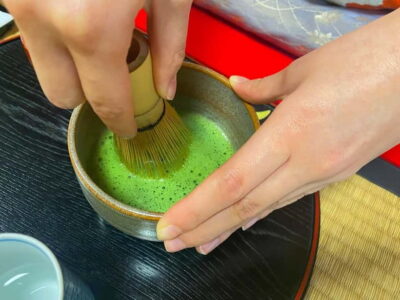 ★ 4.9Tea Ceremony in a Traditional Tea House in KiyomizuFrom $493,519 reviews
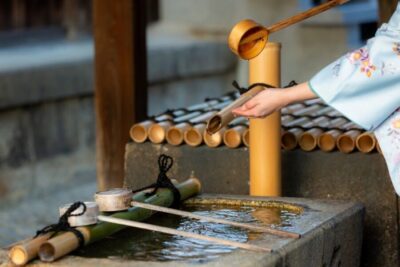 ★ 4.9Tea Ceremony Ju-An at Jotokuji TempleFrom $293,207 reviews
 ★ 4.345-Minute Tea Ceremony Lesson ExperienceFrom $222,378 reviews
 ★ 5.0World Heritage Kyoto & Nara Uji Authentic Matcha ExperienceFrom $1291,573 reviews
 ★ 4.9Table-Style Tea Ceremony at a Kyo-MachiyaFrom $451,211 reviews
 ★ 5.0Kimono Tea Ceremony at Kyoto Maikoya, NISHIKIFrom $65911 reviews
 ★ 5.0Arashiyama Bamboo Forest, Monkeys, Matcha & Temple TourFrom $53759 reviews
 ★ 4.9Tea Museum Tickets and Matcha Grinding ExperienceFrom $23739 reviews
Browse the lists this tour appears in