
Reviewed · FOOD & DRINK
Kyoto: Replica food making experience
Kyoto has a fun reason to slow down. In this 1-hour replica food making workshop, you learn how Japanese restaurants create lifelike “food samples” using melted wax and batter so the menu looks perfect from the street. I love the hands-on method, because you actually shape the pieces and see textures form before your eyes, and I also love the payoff: you leave with your own take-home food sample, packed like a real supermarket item. One thing to consider is that these replicas are for display only, so it is a great souvenir, not dinner.
This is also a nice break from the nonstop walking in central Kyoto. The class is small, capped at 4 participants, and the instruction runs in English and Japanese. If you are traveling with kids, note that the activity is not suitable for children under 6, and the team may ask for parental help.
Key things to know before you go
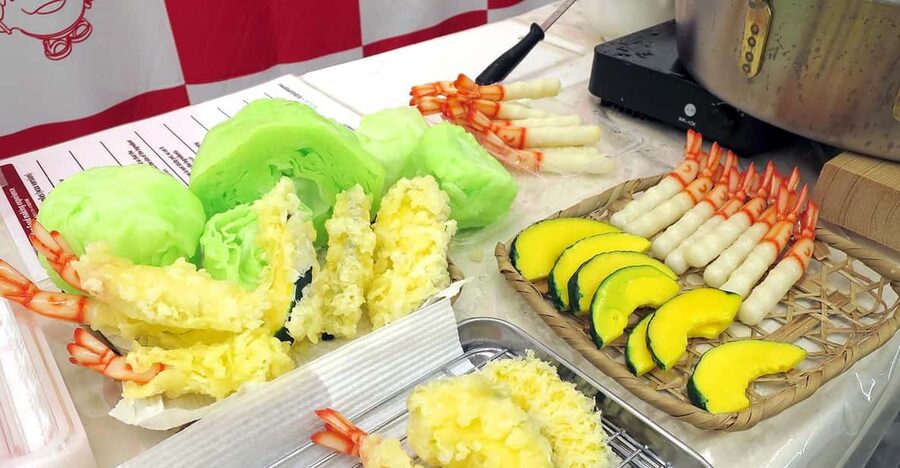
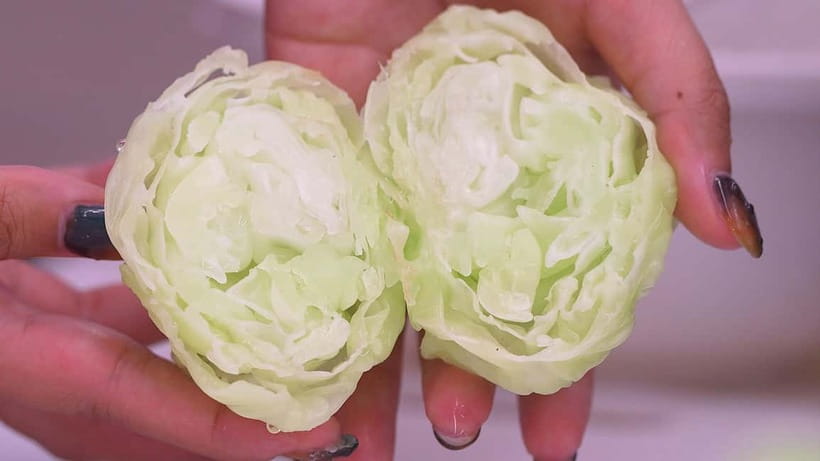
- You’ll make tempura replicas: shrimp and pumpkin are the core project, with lettuce as an option.
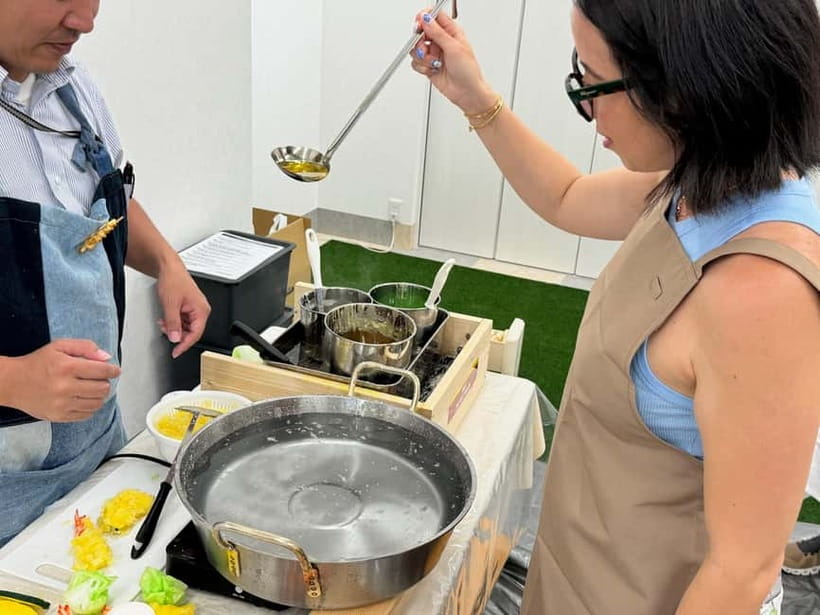
- It’s a wax workshop, not a craft fair: wax is melted, poured into hot water, shaped, then wrapped in realistic batter.
- Small group, up to 4: more time to ask questions and get corrections.
- Take-home souvenir packaging: your replica comes packaged like real items you might see in stores.
- Look-alike rule applies: do not eat it, even if it looks good enough to fool your friends.
Replica Food in Kyoto: Why Wax Tempura Is Such a Clever Souvenir
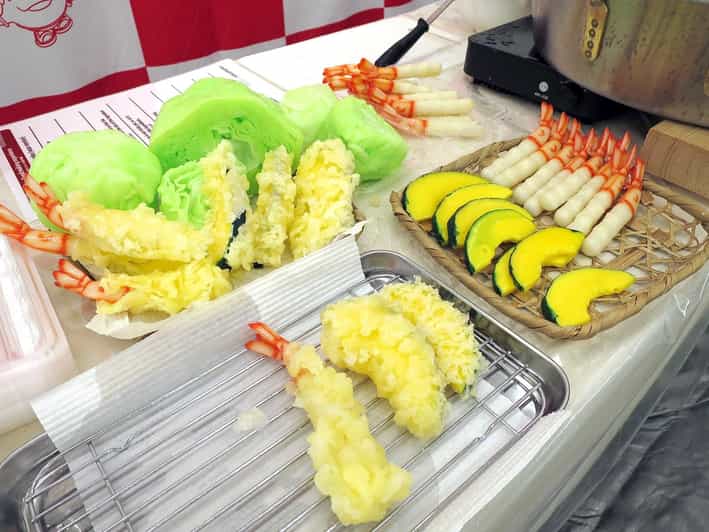
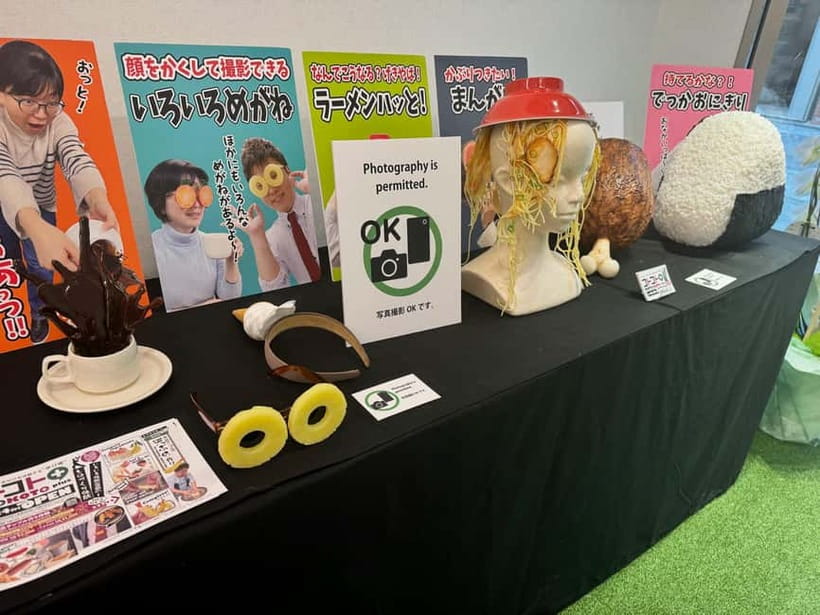
Japan has a charming habit of putting perfectly presented food in the window. Those glossy, realistic dishes are usually made as restaurant displays, so passersby can quickly understand what a place serves. This workshop takes that idea and lets you make one yourself, which turns the souvenir from “cute photo” into a small story you can explain later.
What makes this experience smart is that it teaches the method behind the look. You do not just decorate something. You follow a real process that is designed to create convincing color, texture, and shape, especially for foods like tempura where the coating texture matters.
You also get a result that feels different from most Kyoto souvenirs. A folded crane is nice, but you cannot explain the magic of the materials behind it. With replica food, you can tell people about wax, batter, shaping height, and how the final sample is meant to be seen from outside a shop.
You can also read our reviews of more food & drink experiences in Kyoto

What You Make in the 1-Hour Workshop (Tempura Bowls and Optional Lettuce)
The standard project centers on shrimp and pumpkin tempura. You will work through the steps needed to create those lifelike pieces, then combine them into a bowl-style look that matches what you see in display sets.
There is also an optional lettuce replica. If you want a bit more variety in your final package, this is an easy way to add a fresh green element to balance out the tempura colors.
The time you should plan for is 1 hour. Some classes run a little faster depending on the group, but arriving ready to start on time helps you get the full instruction flow.
If you are the type who likes choosing your own keepsake, this format works well. You get a focused outcome, rather than a long multi-item session where you end up rushing at the end.
Step-by-Step: From Hot Wax to Real-Looking Batter
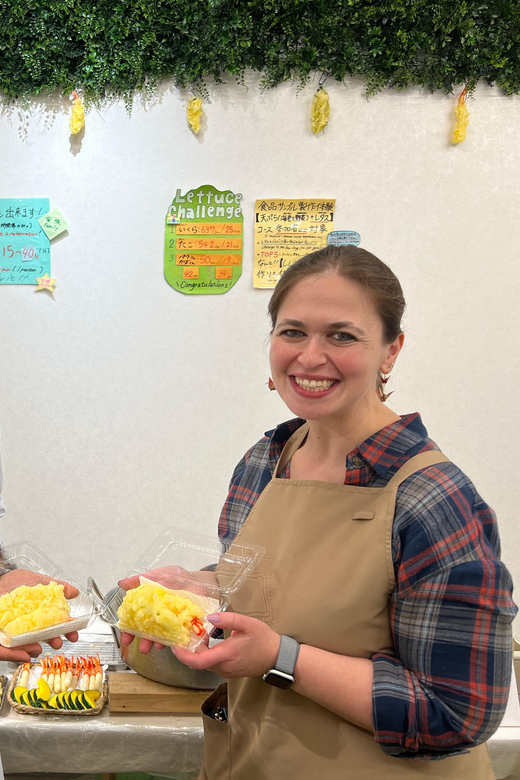
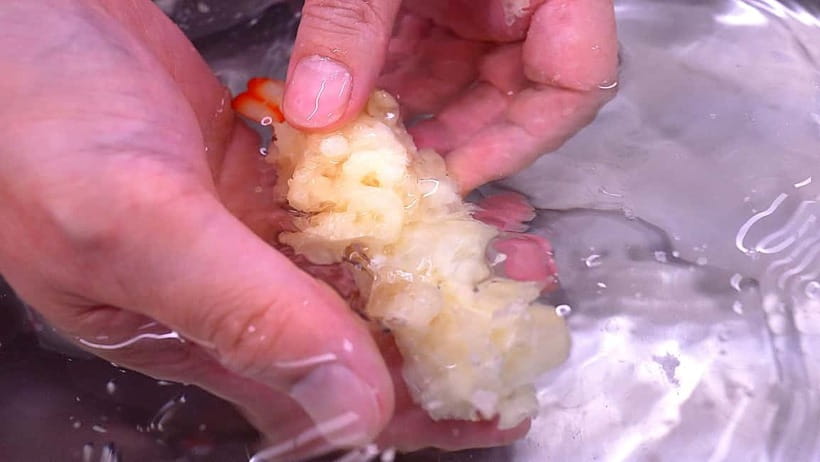
The technique is the headline here. You begin with wax, melted and then poured into hot water so you can shape it before it hardens. That is the part that feels weird at first, then oddly satisfying as you see how the material behaves.
Once you form the wax base pieces, the next step is wrapping them in a batter-like layer. The goal is realistic coating, which is why the tempura choice is so satisfying. Tempura has distinct texture, and the whole “replica food” tradition depends on getting that look right.
Expect a bit of challenge. The process sounds simple, but the real work is in timing and shaping. You will likely do a test try and then apply what you learn in your final piece, because details matter for the final look.
One key mindset shift: you are not aiming for food you would want to eat. You are aiming for food that looks perfect as a display item. That is a subtle difference, but it is also why the result looks so convincing at arm’s length.
And yes, the end product is meant to be mistaken for real food, which is exactly why the rules matter. The workshop is clear that the replicas are for display only, so keep it as a keepsake and not a snack.
Your Guide and the Small-Group Pace (Up to 4 Participants)
This is a small group workshop, limited to 4 participants. That matters more than you might think, because replica food work benefits from watchful guidance. When you are shaping pieces by hand, quick corrections help a lot.
Instruction is available in English and Japanese. Even if you only know a few phrases, you should be fine, because the steps are practical and visual. The team’s vibe seems to be calm and encouraging, and the pace feels designed for learning rather than rushing.
I also like that the setup supports questions. The process is hands-on enough that you will naturally wonder why something is shaped a certain way. When the guide explains the logic, your result improves and the workshop feels less like a mystery craft.
A funny bonus from the experience design is that you get photos along the way. The activity encourages you to document what you are making because the transformation is genuinely interesting.
Where to Meet Near Kani Douraku and Sanjo Meiten-gai
Meeting point is diagonally across from Kani Douraku, the shop with a large crab signboard. This is helpful if you are using casual wandering rather than strict route planning.
In practice, it also puts you in an area that is easy to explore after class. One of the big advantages of this location is that it is near food options and shopping streets, so you can turn the workshop into a short break and then continue your Kyoto day without backtracking.
If you like planning around “one neighborhood at a time,” this is a good stop. You finish with a boxed souvenir and can immediately walk to your next meal and activity.
More Kyoto temple visits, food tours, tea experiences, and day trips to compare

Price and Value: Is $22 Worth It for Replica Food?
At about $22 per person for 1 hour, this is not a bargain craft. It also is not overpriced. It lands in the category of experiences where the value is in materials, instruction, and the fact that you take something home that looks legitimately impressive.
The value is stronger than it seems at first glance, because you are getting:
- A fully guided workshop (wax handling and shaping are the hard part)
- All materials needed for your replica
- A finished replica sample packaged for display
Most food-themed experiences in Kyoto focus on tasting. This one flips the script. You are paying for a craft that creates a souvenir with real visual impact, and you learn a cultural detail you can connect to Japanese restaurant display culture.
If you are the type who collects small stories, this is a winner. And if you are traveling with a partner, it is also a simple shared activity where you both contribute, then compare your results afterward.
Practical Tips: What to Wear, What to Remember, and the Photos
You should arrive at your reserved time so the team can explain how to make everything at once. The instruction is tied to timing, especially in a wax-based process where the steps build in order.
For what to wear, plan for the possibility of wax mess. The workshop is designed to teach this method safely, but wax still exists. If you own something you do not mind getting a little stained or scuffed, wear that.
Also, expect photos. The process is visual and your hands will go through distinct stages, so you will want to capture it. Bring your phone charger mindset if you like longer photo sessions, since you may keep snapping after you finish.
And one important reminder: even if it looks like real food, do not eat it. Treat it like a display collectible. It also means you can comfortably bring it home without worrying about refrigeration or food safety.
Best Timing in Your Kyoto Day (And How to Pair It With Food)
This works best as a mid-day or early afternoon activity. You get a break from heavy sightseeing walking, but you still finish with enough time to enjoy your evening plans.
Pair it with a nearby tempura meal if that is your style. The whole point of this workshop is tempura visuals, so it is fun to then go eat the real thing afterward. The contrast makes the workshop feel even more memorable.
If you want a low-stress schedule, place it after you have already done some walking. That way you are ready to sit, focus, and learn something hands-on, then return to exploring once you are done.
Who Should Book This Workshop, and Who Might Skip It
Book it if you want:
- A unique Kyoto activity that is not another temple photo stop
- A hands-on cultural craft with a tangible souvenir
- A small-group class where questions are welcome
It is especially fun for couples and families who like creative projects. People also seem to enjoy it as a playful way to learn about Japanese restaurant display culture, because the training explains why these replicas exist and how they are made.
Families should note the age rule: it is not suitable for children under 6. When children participate, the workshop may ask for parental assistance, which is reasonable given hot wax steps.
If you hate anything hands-on, or you dislike mess risk at all, this might not be your thing. But if you are even mildly curious, the experience is set up to be beginner-friendly in an active way.
Should You Book the Kyoto Replica Food Making Experience?
Yes, if you want a memorable Kyoto souvenir that you actually make with your own hands. For the price, the value comes from the method, the small-group teaching, and the fact that you walk out with a packaged replica that looks seriously convincing.
Skip it only if you strongly prefer passive activities, or if you need something kid-friendly under age 6. Otherwise, this is one of those rare experiences where you leave with both a story and a take-home object that sparks conversation.
FAQ
How long does the Kyoto replica food making experience take?
The workshop lasts about 1 hour. You should arrive at your reserved time so the instructors can explain the dish all at once.
What food replicas can I make?
The workshop focuses on shrimp and pumpkin tempura using melted wax and batter. A lettuce replica option is available as well.
Is instruction available in English?
Yes. The instructor speaks English and Japanese.
Is it a small group?
Yes. The experience is limited to 4 participants.
Can children join the workshop?
Children under 6 years are not suitable for this activity. The team may ask for parental assistance for children.
Do I get to take my replica food home?
Yes. You take home the sample food you made as a souvenir, packaged like real items.
Is the replica food meant to be eaten?
No. These replicas are for display only, so do not serve or eat them by mistake.
What is the meeting point?
Meet diagonally across from Kani Douraku. Look for the large crab signboard.
More Food Experiences in Kyoto
More Food & Drink Experiences in Kyoto
More Tour Reviews in Kyoto

Not for you? Here's more nearby things to do in Kyoto we have reviewed



Food & Drink, compared.
 ★ 5.0Kyoto Night Foodie Tour in Gion (9+ dishes + 6 Sake tastings)From $1631,762 reviews
 ★ 5.03-Hour Kyoto Insider Sake Brewery Tour with Tastings & PairingsFrom $84917 reviews
 ★ 4.8Arashiyama Bamboo, Temple, Monkeys, or Secret Sake BreweryFrom $87886 reviews
 ★ 5.0Insider Sake Brewery Tour with Sake and Food PairingFrom $87704 reviews
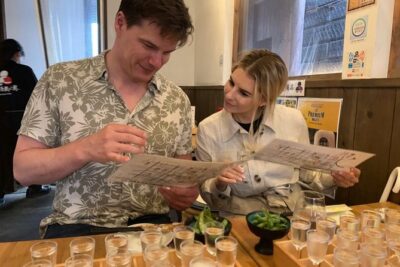 ★ 5.0Kyoto Sake Brewery & Tasting Walking TourFrom $98623 reviews
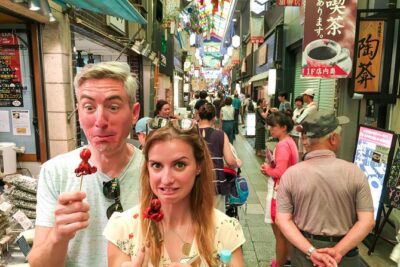 ★ 5.0Kyoto Nishiki Market Food and Culture Walking TourFrom $80412 reviews
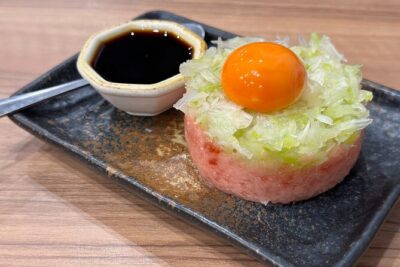 ★ 5.0Gion Food Tour 13 Dishes at 4 EateriesFrom $72408 reviews
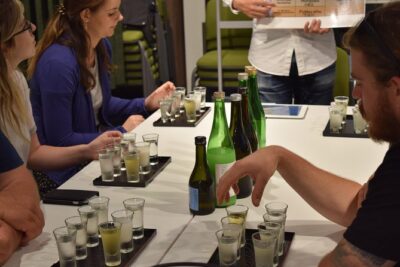 ★ 5.01.5-Hour Kyoto Insider Sake Experience with 7 Tastings & PairingsFrom $68297 reviews
Browse the lists this tour appears in