
Reviewed · GION & GEISHA DISTRICT TOURS
Kyoto: Gion & Pontocho Food Tour with 13 Dishes
Gion at night is pure appetite, and this small-group Kyoto food tour threads Gion backstreets into Pontocho lantern-lit alleys while serving up to 13 tastings with an English local guide. I like that it is not just food, it is food with context. I also like the calm pace, so you can actually enjoy the walk and the meals. One thing to consider up front: with 3 hours, up to 13 dishes, and two included drinks, this is a full-on evening, so come hungry and wear shoes you trust.
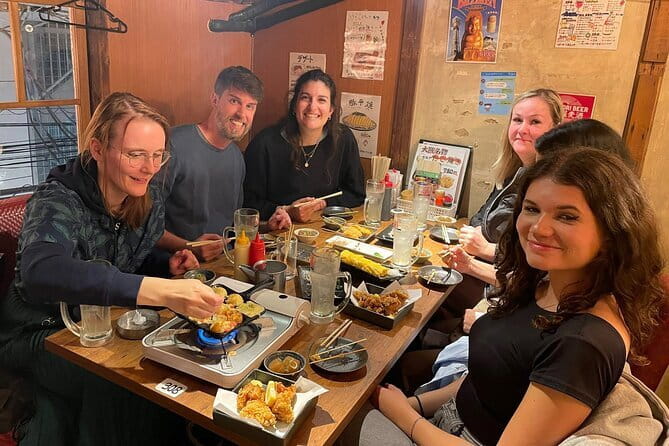
You start near FamilyMart in Gion and head out after dark, including a stop at Yasaka Shrine when it is lit up. The tour is limited to 8 people, so it feels friendly, not chaotic, and guides such as Tomoko, Takuma, and Mia are known for mixing food, history, and geisha culture stories in a way that feels easy to follow.
Key things you will notice right away
- Small-group size (up to 8) means more questions and better conversation
- Up to 13 dishes across a Gion izakaya and a second dining spot in Pontocho
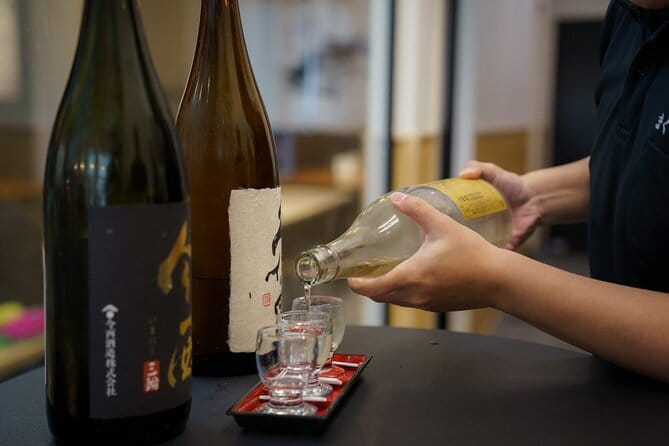
- Sake included, with guides often going beyond one pour to explain differences
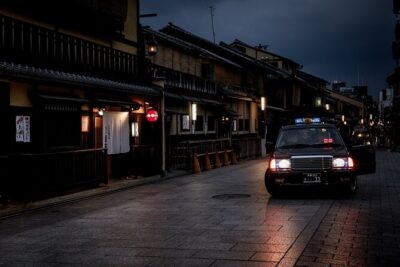
- After-dark Gion walking route that hits Yasaka Shrine and Shirakawa Lane
- Geisha culture focus through guided stories and practical dining etiquette tips
- Guides matter, with many standout experiences tied to English-speaking hosts like Tomoko and Takuma
Meeting at FamilyMart Gion: How the night begins
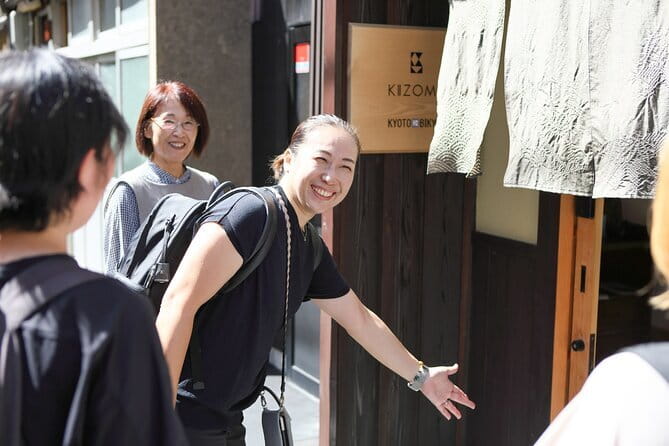
The meeting point is simple and easy to find: in front of the main entrance of FamilyMart Kyoto Gion, facing the main street. That matters because night tours can get messy if you do not know where to line up. Here, you show up at one clear spot, and the guide leads the group from there.
From there, your tour turns into a classic “Kyoto after dark” path. You are not bouncing around by bus. You are walking through the layers of Gion, starting with a shrine visit and then moving toward the lanes where locals eat.
If you care about comfort, I appreciate that the tour is wheelchair accessible, and it runs for 3 hours. Still, you should plan like this is a walking-focused evening. You will be on your feet for multiple segments, including guided strolls and time spent at two food stops. If you are the type who snacks lightly and calls it a night, you may find this schedule pushes you to eat more than expected.
Also, the tour language is English with a live guide. You get real back-and-forth instead of reading off a screen, and the small-group size makes it easier to ask about what you are tasting and seeing.
You can also read our reviews of more food & drink experiences in Kyoto


Yasaka Shrine after dark: Why it sets up the whole meal
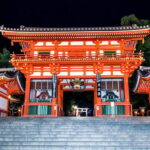
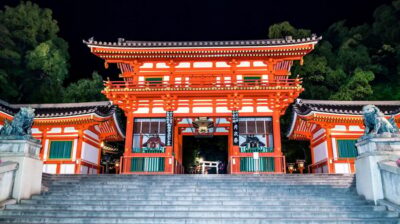
The tour’s timing starts with atmosphere. You begin near FamilyMart and then work your way toward Yasaka Shrine, which is beautifully illuminated at night. This is not just a pretty photo stop. It is a cultural warm-up, and the guide shares stories about the site’s history and cultural significance.
Why it helps your experience: if you go to Gion only for food, it can feel like scenery plus snacks. Starting with Yasaka Shrine gives you a frame for what you are looking at and why the area carries so much meaning. You also learn how to read the streets respectfully, especially when the evening includes shrine visits.
One practical tip: keep your voice low around sacred spaces, and follow the group pace. You are walking through the kind of places where people notice attention. The guide will likely explain how to behave, because geisha culture stories work best when you understand the social rhythm around shrines and dining rooms.
The shrine stop also sets the tone for the rest of the tour. After dark, Gion feels quieter, and the lanes start to make sense. Your food choices later, like tempura, sashimi, and karaage, land better because you are not just eating random dishes. You are eating within a cultural context the guide keeps referring back to.
Shirakawa Lane and a geisha-frequented shrine stop
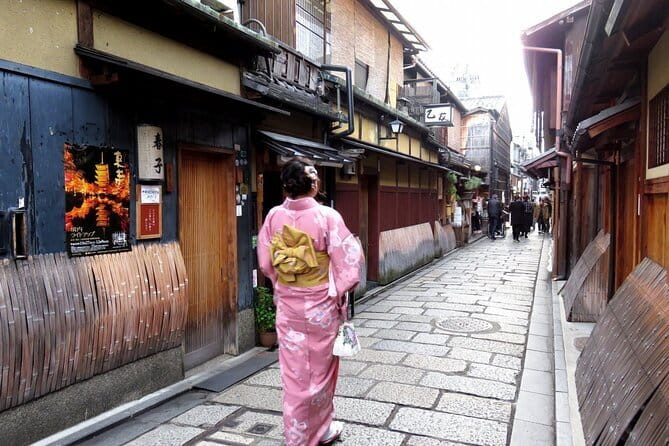
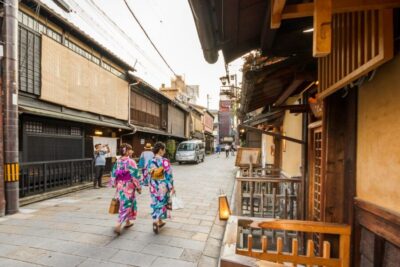
Next up is Shirakawa Lane, a guided segment around 30 minutes. This is where Gion’s narrow, old-street feel really clicks. The guide points out what to notice in the street layout and explains cultural details as you walk.
There is also a shrine stop that the tour describes as one frequented by geishas. That is a big part of why this tour stands out for people who want more than a standard food crawl. You are not trying to chase performers. Instead, you are learning how the geiko and geisha world connects to everyday places, including the spaces people visit and the roles tradition plays.
The best part of this stop is how it breaks the “eat, repeat” rhythm. Your stomach gets a breather, your eyes get something to focus on, and you get another layer of context before you reach the first heavy meal.
A possible drawback: if you are very rain- or cold-sensitive, this is an evening tour with walking time between points. The tour handles weather variability better than some, but you should still dress for Kyoto’s nights. Bring a light layer and plan for damp streets if conditions are wet.
Gion street food plus an izakaya meal with up to 13 dishes
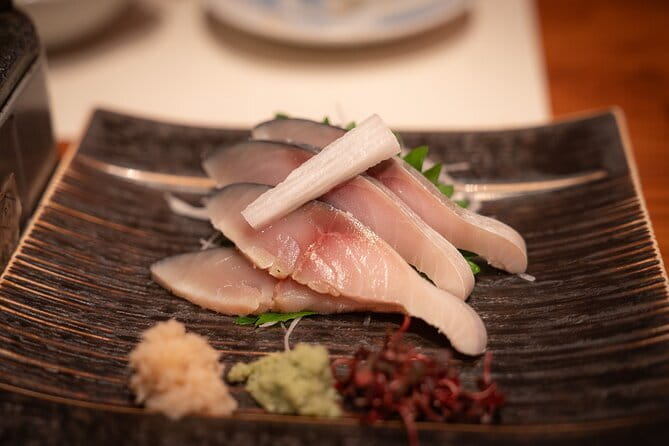
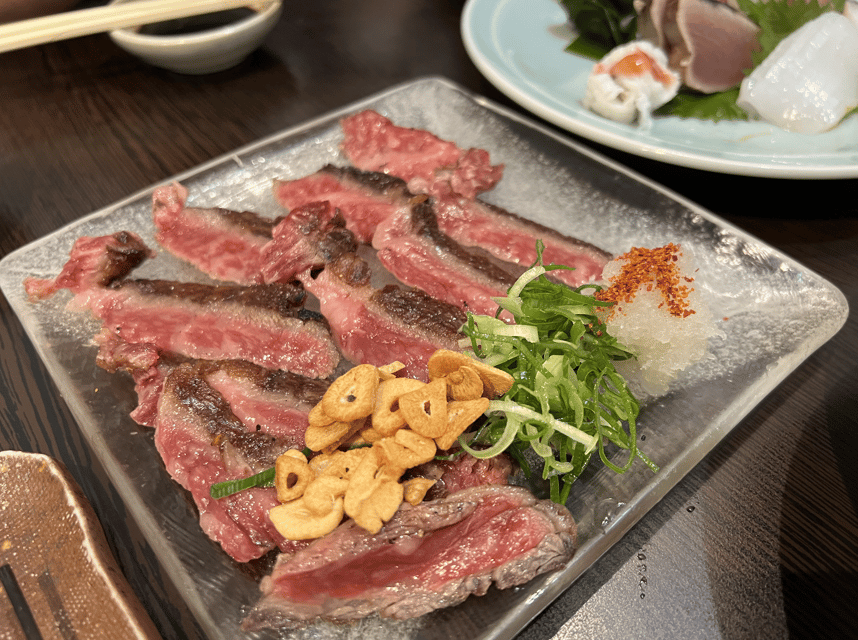
In Gion, you get both street food time and a full izakaya experience. The itinerary includes a Gion street food segment (about 15 minutes), then an izakaya stop where you can sample dishes like karaage, tempura, and sashimi. The description also calls out sake pairing, which is a major reason this tour is popular.
What you will taste
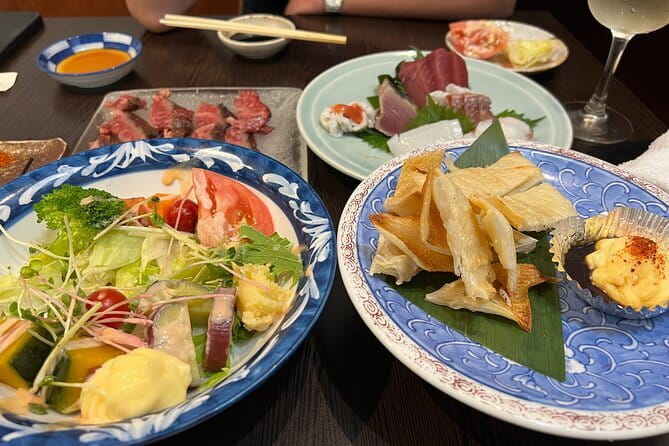
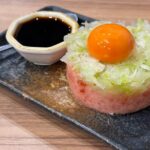
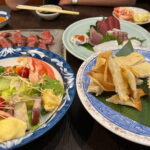
You can expect a range of classic Japanese flavors, with the tour offering up to 13 dishes total across the evening. Based on the dish types that come up repeatedly, plan for combinations that include:
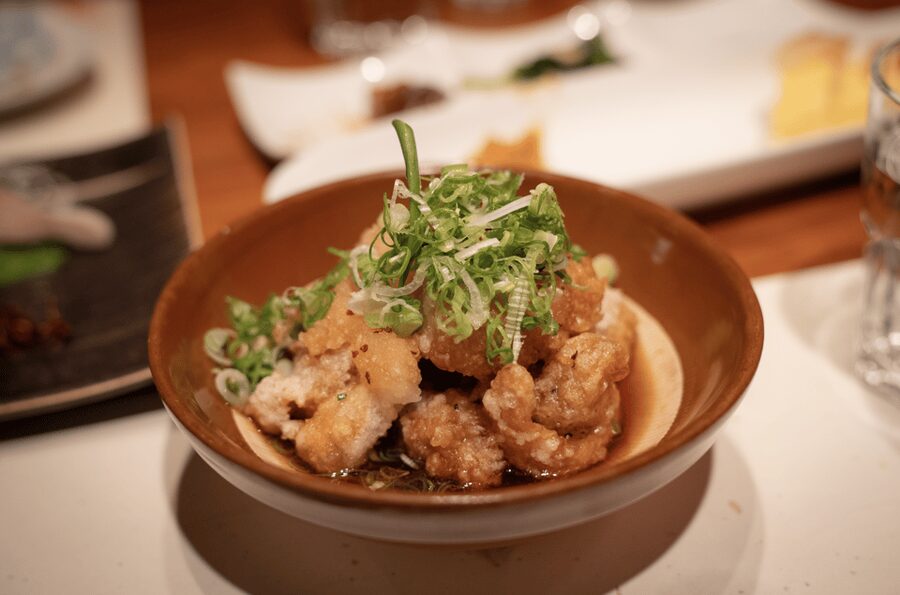
- fried and crisp items like karaage and tempura
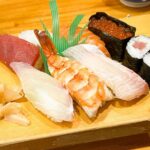
- raw fish options like sashimi
- other hot and plated dishes your guide can explain as you order or sample
Some groups have also mentioned additional variety that goes beyond the headline dishes, including things like tonkatsu, sting ray, and tofu skin. You should think of this tour as variety-heavy. You will not just eat one style of food.
Why the izakaya format works
An izakaya is where Japanese dining etiquette becomes real. The guide’s job is not to lecture you. It is to help you eat in a way that feels comfortable, understand what you are being served, and connect flavors to local culture. Many guests also highlight that guides explain dining etiquette and food etiquette in a way that makes you feel less like you are guessing.
Sake and drink pairing
Two drinks are included during the tour. Sake is part of the izakaya experience, and some nights include a more structured tasting approach. Either way, the tour gives you enough context to tell the difference between what you are drinking, not just what it tastes like.
Pacing and group energy
One of the most praised aspects is that the tour does not feel rushed. That is important when you have many dishes. If a host speeds through too fast, you end up counting bites instead of enjoying them. Here, multiple guests mention that the pace feels relaxed and that there is time to ask questions.
If you have food allergies, bring them up early if the tour allows that kind of coordination. One guest specifically noted that the guide was careful about allergies, but your best move is to communicate your needs clearly before you start eating.
Pontocho: The vibe shift to beer, cocktail, and a different kind of table
After Gion comes Pontocho. The tour includes a short guided walk in Pontocho (around 15 minutes) and then a longer dining segment, about an hour, at a hidden dining spot. The description notes that this place has a different vibe from the first meal.
This is the section where you notice the change in atmosphere. Pontocho is known for its night energy, but the tour keeps it human-sized. You are still with your guide and group, not wandering on your own.
Drinks and your second round of tastings
At the Pontocho stop, the itinerary lists beer and cocktail options along with dinner and food tasting. That is a nice break if you do not want your entire evening tied to only sake flavors. Since two drinks are included overall, the tour builds drink variety into the experience rather than forcing one style of alcohol.
What makes this ending strong
The second meal is where the tour usually proves whether it is a true food experience or just a sightseeing checklist. When it is done well, you end up with:
- a wider set of flavors to compare
- a better sense of how Kyoto night dining feels
- stories that connect to what you are actually eating
This tour leans into that. Guides are often praised for being fun and for keeping the conversation going, especially in the small group setting.
A nice bonus, if it happens
Some groups have even mentioned spotting a geisha while waiting at the second restaurant. That is not something you can count on, but it is the kind of moment that reinforces why people book a geisha-culture-focused route instead of a generic food itinerary.
More Kyoto temple visits, food tours, tea experiences, and day trips to compare


Price and portion value: Is $82 a fair deal for this much food?
At $82 per person for about 3 hours, the value depends on one question: do you actually want a guided multi-stop tasting evening?
Here is what you are paying for, in practical terms:
- Up to 13 dishes served across two food locations plus short street tastings
- Two drinks included
- An English live guide who connects what you eat to what you see, including geisha culture stories
- A route through Gion and Pontocho that you would be unlikely to piece together well on your own, especially after dark
If you were to self-plan, you would still need to solve for reservations, dish selection, and translation. You might end up with decent food, but you would lose the story layer and the pacing that keeps the evening from turning into random restaurant roulette.
The only real drawback on the value side is that this is not a light sampler. It is not made for picky eaters who only want one safe dish. If you love trying food and you are comfortable with a lot of walking, the price starts to look reasonable fast.
Who should book this Kyoto Gion and Pontocho food tour
This is a strong fit if:
- you want a Kyoto food tour with geisha culture context, not just food
- you like small groups and conversation during the walk
- you are excited about sake and want help understanding what you are tasting
- you want your evening to feel structured, starting with Yasaka Shrine and moving through Gion to Pontocho
It might not be your best match if:
- you get tired easily from an evening of walking
- you prefer choosing every dish yourself with no guidance
- you want fewer dishes and more time sightseeing without eating
- you drink heavily and plan to add lots of extra orders, since extra drinks are not included
Based on guide feedback patterns, you will likely enjoy this most when you engage with the host. People consistently rave about guides like Tomoko, Takuma, Mia, and Ruko for mixing facts with a friendly tone. When you ask questions and follow the pacing, the tour feels like a real night out with a local.
Should you book this tour?
I think you should book it if you want an efficient, flavorful Kyoto night that mixes Gion lanes, Pontocho dining, and geisha culture stories into one evening. The combination of up to 13 dishes plus two included drinks is the big selling point, and the small-group size makes the guide portion feel personal rather than rushed.
Skip it if you are looking for a minimalist meal or a short, casual stroll. This tour is designed for people who want to eat, learn a bit, and walk through the Kyoto night with a plan.
If you book, do yourself a favor: come with an appetite, dress for the weather, and be ready to ask questions. The best part of the experience is not just the food. It is the way the guide connects the meal to the streets around you.
FAQ
How long is the Kyoto Gion and Pontocho Food Tour?
The tour lasts about 3 hours.
How many people are in the small group?
The group is limited to 8 participants.
What does the price include?
Food at 1 restaurant and 1 izakaya (up to 13 dishes), plus two drinks (alcoholic or non-alcoholic), and a walking tour with a local guide.
Are drinks included, and do I need to pay for extras?
Two drinks are included. Extra drinks are not included, so you may need to pay for more if you want them.
Where is the meeting point?
You meet in front of the main entrance of FamilyMart Kyoto Gion, facing the main street.
Is the tour guided in English?
Yes, the live tour guide speaks English.
Is the tour wheelchair accessible?
Yes, the tour is listed as wheelchair accessible.
What is the cancellation policy?
Free cancellation is available up to 24 hours in advance for a full refund.
More Food & Drink Experiences in Kyoto
More Tours in Kyoto

More Tour Reviews in Kyoto
Not for you? Here's more nearby things to do in Kyoto we have reviewed

Gion & Geisha District Tours, compared.
 ★ 4.7Kyoto Geisha Walking Tour: Gion District & Hidden GemsFrom $253,273 reviews
 ★ 4.9Gion Magical Night Walking Tour with Geisha TriviaFrom $242,393 reviews
 ★ 4.7Gion Geisha District Walking Tour – Stories of GeishaFrom $202,187 reviews
 ★ 4.9Best of Kyoto: Gion, Geisha, Pagodas & CobblestonesFrom $242,058 reviews
 ★ 4.5Night Walk in Gion: Kyoto’s Geisha DistrictFrom $212,003 reviews
 ★ 5.0Kyoto Night Foodie Tour in Gion (9+ dishes + 6 Sake tastings)From $1631,762 reviews
 ★ 5.0Kyoto Gion Geisha District Walking Tour – The Stories of GeishaFrom $251,441 reviews
 ★ 5.0Kyoto Gion: 2-Hour Geisha Culture & History Walking TourFrom $231,186 reviews
Browse the lists this tour appears in