
Reviewed · KYOTO SAMURAI & NINJA EXPERIENCES
Kyoto Samurai Experience
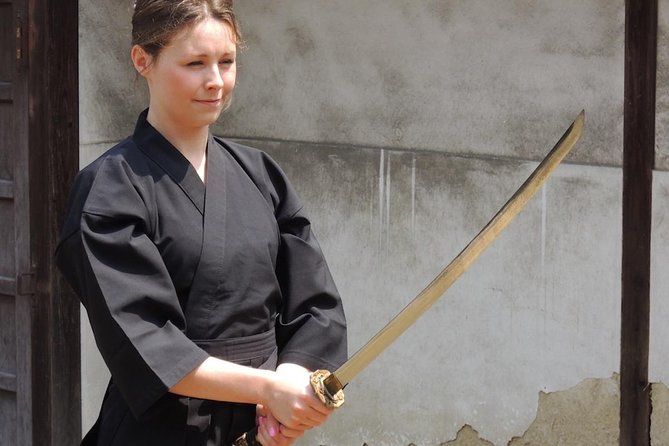
A samurai house class beats museum walking. In Kyoto, you get hands-on sword basics with a martial arts training sword, a kimono try-on, and guidance on Bushido plus Zen meditation. It is structured, focused, and small enough that you are not just watching from the sidelines.
Two things I really like: you learn in a real traditional setting (the house itself matters), and the session feels built for beginners without turning it into a show. The one thing to keep in mind is that this is a practical training experience, so expect form, drills, and calm instruction more than flashy theatrics, and the location can feel a bit out of the way compared with central tourist stops.
Quick hits to know before you go
- Small-group size (max 14): better attention, faster feedback, and more chances to practice.
- Kimono change time: you are not just taking photos, you learn how it works as part of the culture.
- Bushido talk + sword practice: values are explained alongside technique, not in a separate lecture.
- Zen meditation session: a slow landing after movement and focus drills.
- Flexible timing (morning or afternoon): easier to match your Kyoto day.
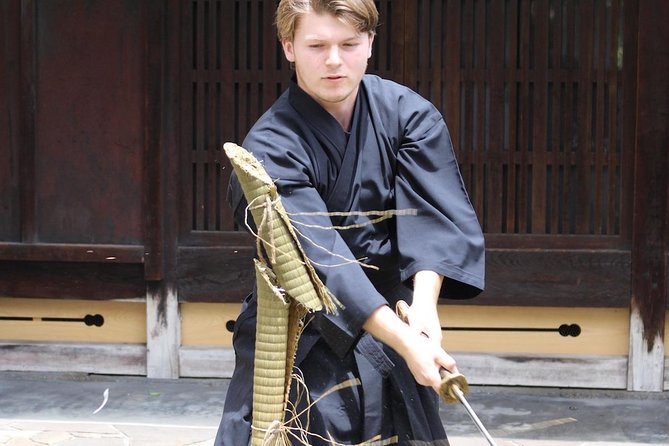
- Hands-on sword handling: you use an actual training sword, not just props.
Meeting at Waraku, then stepping into a Kyoto samurai house
Your session starts at Kyoto Samurai Experience / Waraku, at 111 Inabachō in Nakagyo Ward. The meeting point is clearly set, and the tour runs end-to-end back at the same place, so you are not left figuring out logistics mid-activity.
I like meeting at one fixed spot because Kyoto can feel like a maze once you are moving between neighborhoods. This one is near public transportation, so you can arrive without a long walk if you are staying in central areas. Also, since the session is about 1 hour 45 minutes, you can plan it like a “block” in your day instead of a vague sightseeing wander.
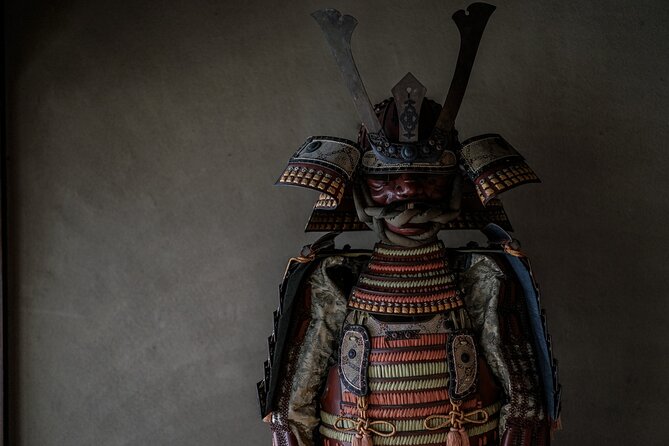
The building is a big part of the appeal. Reviews consistently mention that the samurai house setting alone is worth the visit, because it gives you a real sense of place. When you are holding a sword in a historically framed room, it changes the way you understand what you are practicing.
You can also read our reviews of more tours and experiences in Kyoto.

Kimono try-on: practical, photo-friendly, and part of the ritual
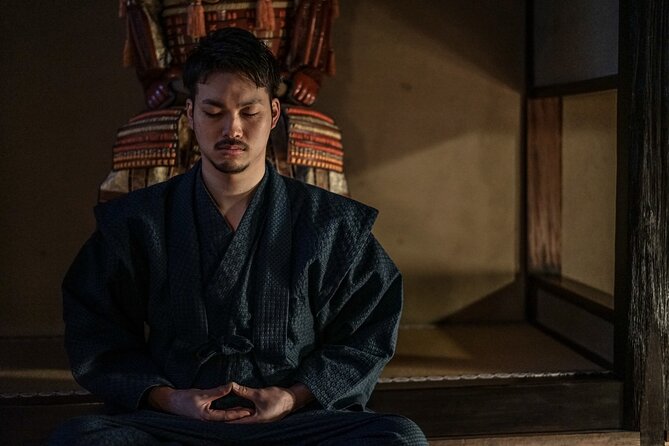
After you meet your group, you change into a traditional kimono. This is not just a quick costume moment. You get time to put it on properly and settle before the training begins.
Here is the practical angle: plan for the kimono to affect your movement. It is meant for a specific way of dressing, so you will want comfortable footwear and clothes that let you move safely once the sword drills start. The tour asks for comfortable clothes and appropriate footwear for an athletic activity, and that makes sense even if you feel like you are “just trying something fun.”
One small detail that matters: the session is guided, so you are not left guessing. People who went on cold or hot days also talk about staff support, like hot tea or things to help you cool down, which means you are more likely to stay comfortable during the outdoor parts of the session.
Bushido, explained simply, then tied to what you do with your hands
Bushido is often treated like a slogan. Here, it is presented as a set of philosophies that connect to the way a warrior trains, carries himself, and thinks. You get explanations from your instructor, then you translate those ideas into movement with the training sword.
What I like about this format is that it avoids the “big lecture, no practice” trap. You hear about the Way of the Warrior, then you handle the sword and try techniques right away. That connection helps the ideas stick.
You also learn about samurai culture and what to expect in a training environment. Reviews highlight that the instruction feels authentic, patient, and not rushed. That is important. Sword training gets frustrating fast if you feel like you are being hurried.
Swordsmanship basics with a training sword, not just posing
The heart of the experience is sword handling. You practice basics using a martial arts training sword. That detail matters for safety and for the learning curve. You are learning technique, stance, grip, and movement in a controlled way.
Also, you are not just handed a sword and told to figure it out. Your instructor guides the session and demonstrates what proper form looks like. People mention that the masters leading instruction are very skilled and patient, which you will feel when you are trying to coordinate arm angle, posture, and timing.
Here is a key mindset shift for value: you are paying for instruction and feedback, not for an hour of sword reenactment. If you come expecting a movie-style cutting stunt session, you may feel mismatched. But if you want a real feel for how training works, this is one of the more hands-on samurai experiences you can do in Kyoto.
The outdoor moments, weather support, and what to wear
Some parts of the session can include outdoor time. That is totally normal for Kyoto, but it changes your day if you booked in a shoulder season.
Reviews mention support on cold days, like hadwarmers and hot tea during an outdoor segment. On hot days, people talk about water, wet cloths, and electrolyte candies while watching others practice. That kind of care is not glamorous, but it makes a difference when you are focused and moving.
So what should you wear? The tour guidance is straightforward:
- comfortable clothes you can move in
- athletic footwear with grip
If you show up in thin sandals or heavy clothing that restricts your legs, you will feel it during drills. Keep it simple, wear layers if needed, and bring a sense of humor. You will look great in the kimono, but you are still doing an activity.



Zen meditation: the calm reset after physical focus
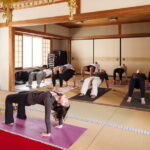
After sword basics, you slow down with a Zen meditation session. This is more than a checkbox. Several reviews call it the perfect wind-down after the training, and that tracks with how the experience is structured.
Think of it like this: sword practice asks for controlled attention and steady posture. Meditation asks for the same kind of focus, but with less motion. The result is that you leave feeling mentally reset, not just tired in a fun way.
I also like that it is included in the same session. A lot of cultural activities separate “learning” from “quiet time.” Here, they try to connect the two, so you get a fuller sense of samurai discipline, not only the weapon part.
How long is long enough: timing morning or afternoon
You get either a morning or afternoon departure time. The total duration is about 1 hour 45 minutes, so you are not tying up most of your day.
That matters in Kyoto, where travel time and meal timing can quietly eat your schedule. If you want a calmer morning, choose the morning slot and pair it with a slower area afterward. If your energy runs better later, the afternoon slot can work nicely before dinner.
Also, the shorter length is a value point. You get a full flow, kimono, sword training, and meditation, without turning your itinerary into a half-day commitment.
Price and value: what $119.38 buys in Kyoto
At $119.38 per person, this is not a budget activity. So the real question is value per hour and value per learning moment.
You are paying for:
- a small group (max 14)
- guided kimono change
- sword instruction with a real training sword
- Bushido teaching
- Zen meditation
- time in a real samurai house setting
If you have ever done “hands-on” workshops that end up being mostly photo stops, this tends to feel different. The session is built around practice. People specifically mention hands-on training, thoughtful pacing, and staff who explain the structure clearly. That reduces the chance you feel like you paid for a generic experience.
The main value warning is expectation. One negative review complains it felt expensive and less like the videos and photos they expected. That is a good reminder to treat this as a training class. You should come to learn and participate, not to recreate viral sword moments.
Who should book: families, beginners, and anyone who wants real contact
This is a good match if:
- you are a beginner who wants step-by-step guidance
- you want a cultural experience that includes movement, not only watching
- you like learning through doing
- you travel with a partner or family and want a shared activity
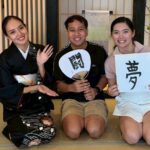
Reviews repeatedly mention couples and families, including a father and son who loved the quality time. That says something about the tone. It is interactive without feeling chaotic.
The tour notes that travelers should have a moderate physical fitness level. You do not need to be an athlete, but you should be able to stand, move, and practice basic drills. If you have mobility issues, ask the provider in advance, since the tour says to message them with questions about accessibility.
Minors must be accompanied by an adult. So treat it like a shared family class, not a drop-off activity.
Photos and little touches that add up
People mention that staff take photos during the experience and share them quickly. That is a nice touch because kimono looks great in a samurai house setting, and you do not want to spend the whole time juggling your phone.
Some reviews also mention extra cultural moments, like short musical performances with traditional instruments or drumming. The exact program can vary, so do not bank your expectations on it. Still, it supports the feeling that the session is designed as a complete cultural experience rather than only sword mechanics.
Should you book the Kyoto Samurai Experience?
If you want a Kyoto experience that mixes hands-on sword training, kimono dressing, Bushido philosophy, and Zen meditation in a small group, I think this is an easy yes. The time is well used for a short day block, and the setting adds weight to what you learn.
Skip it only if your top priority is movie-style sword action or you want a purely sightseeing stop with zero physical work. This tour is about practice and focus. If that sounds fun to you, book it, show up in comfortable clothes and athletic shoes, and plan on leaving with both better understanding and better stories than another photo-only activity.
FAQ
How long is the Kyoto Samurai Experience?
It runs about 1 hour 45 minutes (approximately).
Where is the meeting point?
Meet at Kyoto Samurai Experience / Waraku, 111 Inabachō, Nakagyo Ward, Kyoto, 604-8803, Japan. The activity ends back at the meeting point.
Do I get to choose morning or afternoon?
Yes. You can choose either a morning or afternoon departure time.
What should I wear?
Wear comfortable clothes and appropriate footwear for an athletic activity.
What group size should I expect?
The tour has a maximum of 14 travelers.
Is there any refund if I cancel?
Free cancellation is available up to 24 hours in advance of the experience’s start time for a full refund. Rescheduling may be possible depending on availability, but is not allowed within 24 hours of your scheduled session.
More Tour Reviews in Kyoto
Not for you? Here's more nearby things to do in Kyoto we have reviewed








Kyoto Samurai & Ninja Experiences, compared.
 ★ 4.9Kendo and Samurai Experience with Uniform and GearFrom $103815 reviews
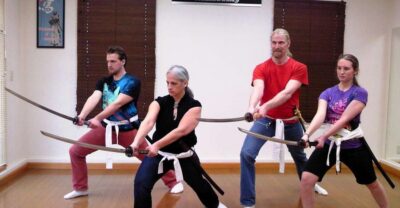 ★ 4.9Samurai Sword Class by Experts in Traditional ArtsFrom $64657 reviews
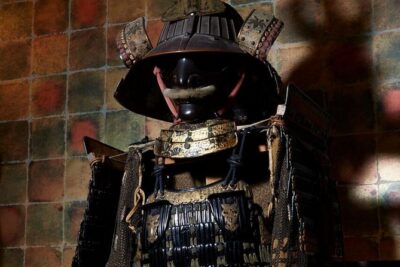 ★ 4.5Skip the lines Basic Ticket at SAMURAI NINJA MUSEUM KYOTOFrom $28632 reviews
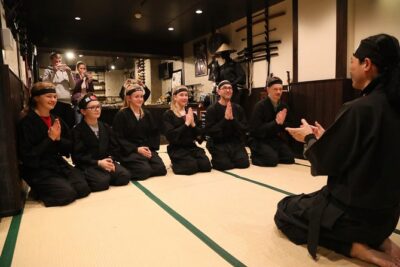 ★ 5.0Ninja 1-hour Hands-on Lesson by Japanese master in Kyoto -EntryFrom $80489 reviews
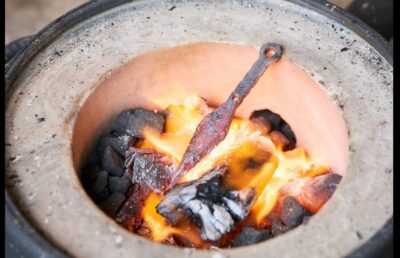 ★ 4.8Ninja Weapon Forging ExperienceFrom $148478 reviews
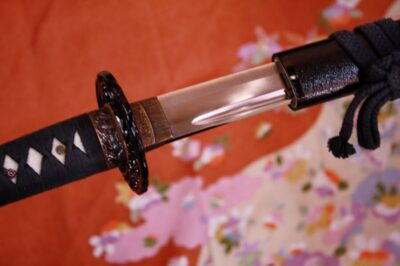 ★ 4.5Samurai Kenbu Traditional Sword Dancing ShowFrom $32426 reviews
 ★ 5.0Samurai Training with Modern day Musashi in KyotoFrom $132256 reviews
 ★ 5.0Ninja 2-hour Hands-on Lesson by Japanese master in Kyoto -MediumFrom $95218 reviews
Browse the lists this tour appears in