
Reviewed · KYOTO TEA CEREMONIES
Kyoto: Tea Ceremony Experience in a Small Tea Room
One hour, one bowl, total calm. A Kyoto tea ceremony in a small tea room near the Kamogawa Delta turns a busy day into something quiet, hands-on, and deeply explained by a teacher with 30 years of experience.
I especially like the hands-on matcha preparation you can do yourself, not just watch. And I like the small group size of 6, which makes it easy to ask questions and follow the steps without feeling rushed.
One thing to consider: it is a focused 1-hour session, so you will learn the essentials, but it is not a long course if you want deep, repeated practice.
Key things you will notice right away
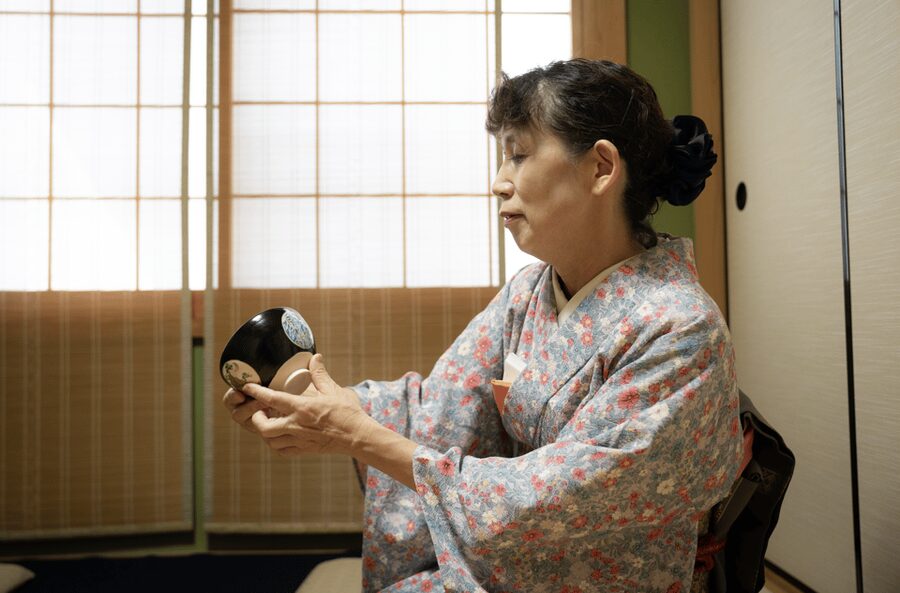
- English guidance from a 30-year tea master, with clear step-by-step instruction
- Hands-on matcha whisking, with optional make-your-own tea time
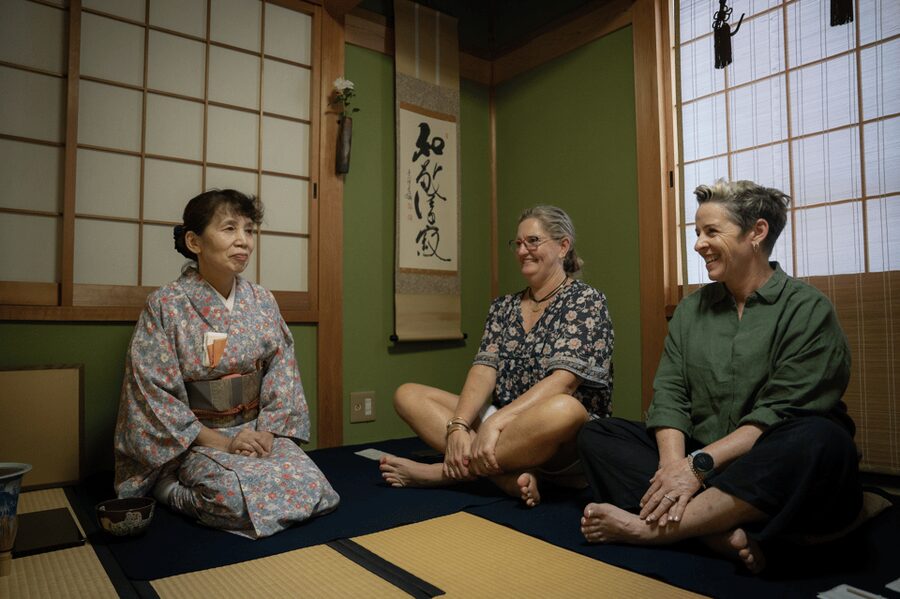
- Small group of up to 6, which keeps the room calm and personal
- Serene setting near the Kamogawa Delta, ideal for a quieter Kyoto moment
- Traditional dried sweets served during the ceremony
Finding the Tisato tea room near the Kamogawa Delta
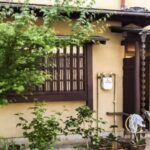
This experience is based around a small Japanese house, close to the riverside mood Kyoto is known for. You meet at the Japanese house with a sign that says Tisato, then you step inside and the pace changes immediately. It is the kind of start that helps you stop thinking like a tourist and start paying attention to what you are doing.
The location is also practical. The meeting spot is about a 15-minute walk from the Kamogawa Delta, a scenic area where locals and visitors enjoy the view along the river. If you want your tea ceremony to feel like a natural pause in your day, this walk connection matters. You can arrive slightly early, slow down, and arrive in the right headspace.
It is also about a 15-minute walk from Demachiyanagi Station, which is useful because you can combine this with other plans. Demachiyanagi is a convenient starting point for exploring places like Kibune Shrine and Rurikou Temple, so your tea ceremony can slot in cleanly without turning your day into a logistics puzzle.
You can also read our reviews of more tours and experiences in Kyoto.
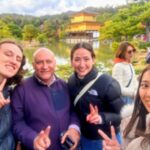
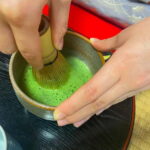
The flow of the ceremony in a small tea room
The whole session lasts 1 hour, led in English by an instructor with deep experience in the art of tea. That hour is designed to be welcoming. You do not need prior knowledge, and the teacher’s goal is to keep the barrier low while still making the experience feel real.
Expect a guided walk-through of what is happening and why. Instead of treating the ceremony as a performance for you to quietly observe, the instructor explains the purpose behind the movements and the overall mindset. That is important, because it helps you understand what you are seeing and tasting, even if this is your first time.
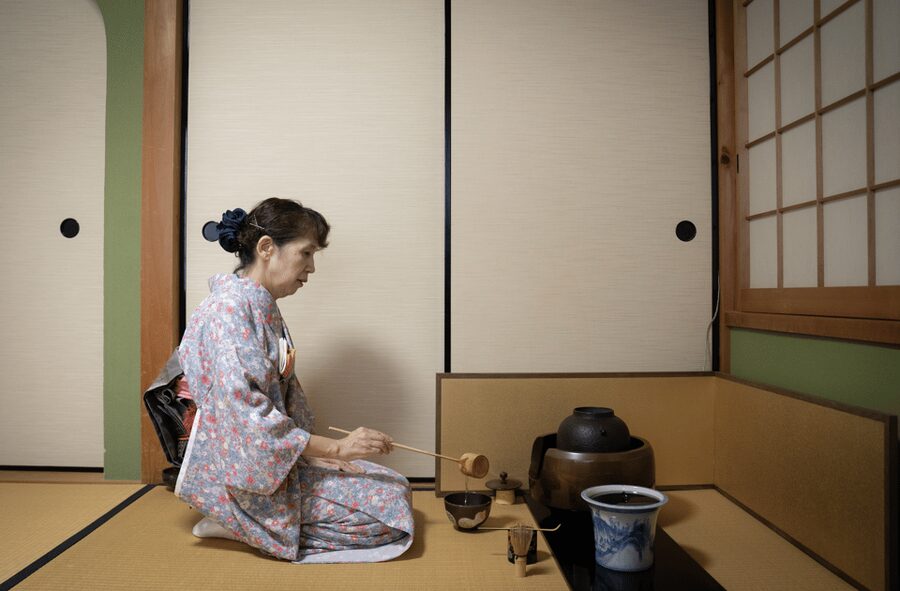
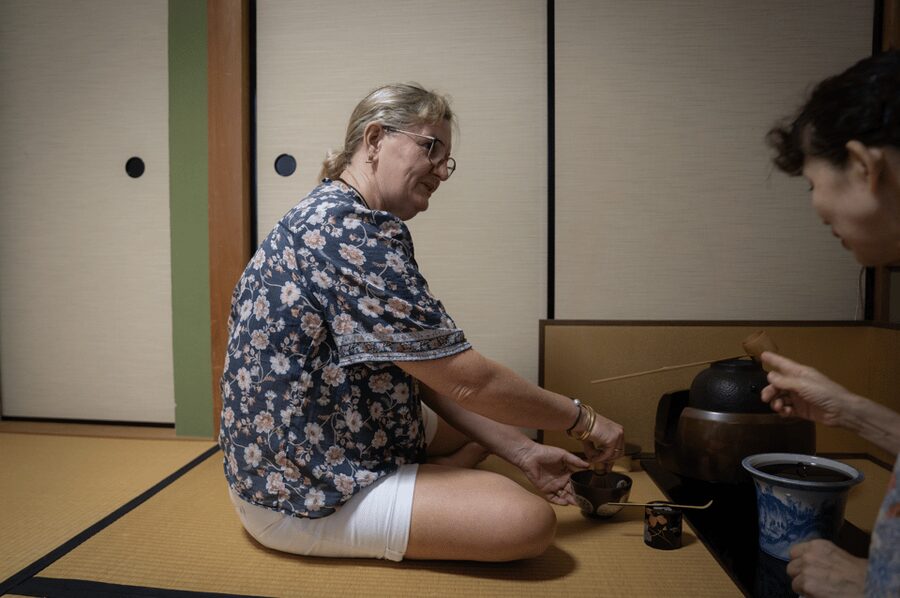
A key part of the experience is the chance to participate, if you want. You can make your own tea under guidance. You will also learn the matcha process step-by-step, including the focus on whisking the powdered tea and doing it with controlled, precise movements.
In practice, this makes the session feel useful. You leave knowing what you just did, not just what you watched.
Hands-on matcha whisking, taught in clear steps
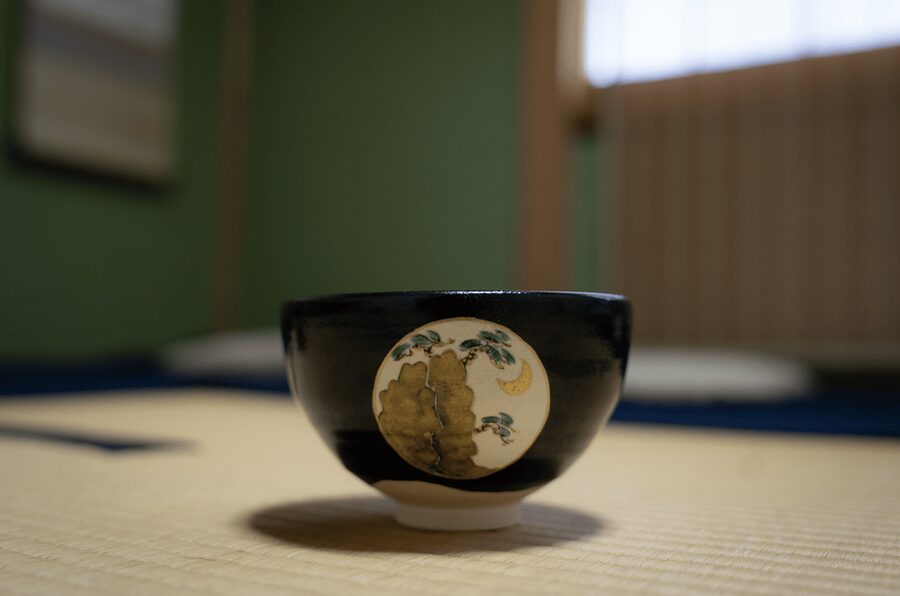
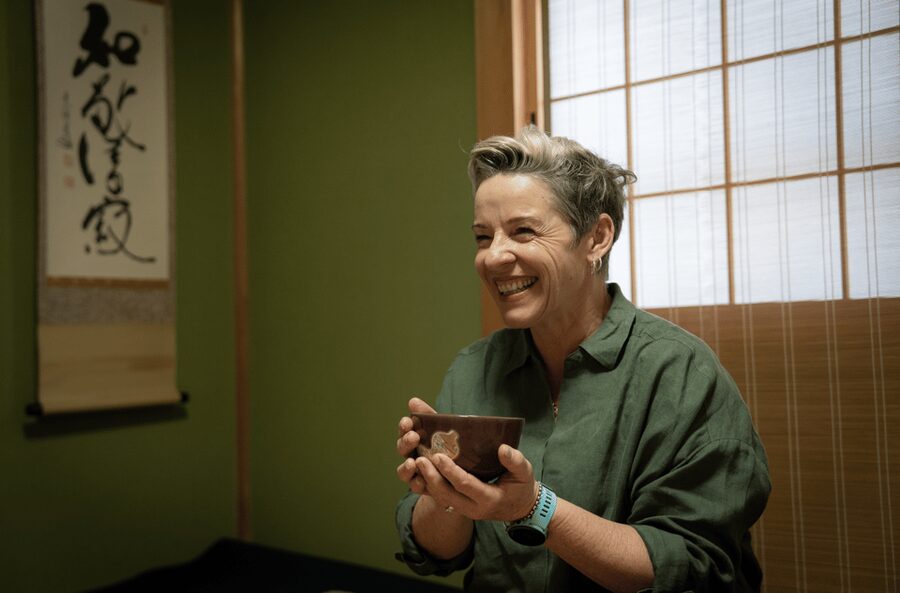
Matcha is the star here, and the instruction is built around hands-on learning. If you enjoy interactive experiences, this is one of those rare cases where participation does not feel forced. You can choose to make the tea if you wish, and the teacher guides you through the process.
The specific focus is on the mechanics and the mindset. You learn how to whisk the powdered tea, but you also learn that the movements are supposed to reflect harmony and mindfulness. That means you are not just learning a recipe, you are learning a way to slow your body down and stay present while you work.
Why this matters for you:
- You get a real skill you can connect to later, like when you see matcha served on your trip.
- You stop feeling awkward because the teacher is explaining what you are doing and why, not leaving you to guess.
- The small group size helps because you can follow along comfortably while still getting attention.
The result is that you finish the hour with a better sense of what makes Japanese tea tradition feel different from everyday tea. It is not about speed or spectacle. It is about attention.
Tea tasting with traditional dried sweets
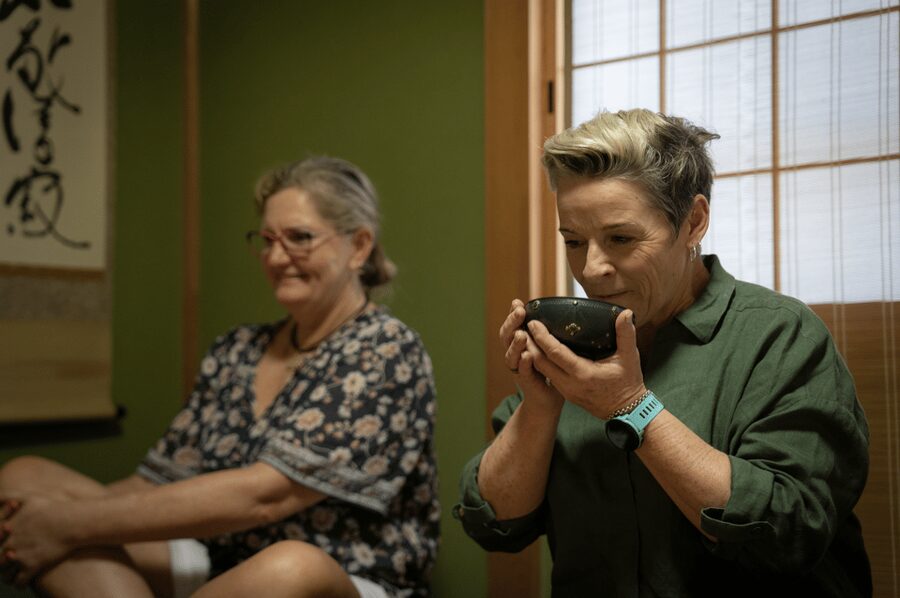
Along with the ceremony, you get traditional dried sweets. They are part of how the experience balances flavors and pace, and they add a very Kyoto-feeling moment to the hour.
Even if you are not a big sweets person, do not skip this part. The sweets help break up the experience and give you something simple to notice while you focus on the tea itself. Also, they make the session feel complete, like you are actually participating in a small cultural ritual rather than just performing a cooking step.
When you taste, pay attention to the overall rhythm the instructor is shaping. The ceremony is quiet by design, and the teacher’s emphasis on mindfulness is not just a theme. It affects how you experience the tea.
And yes, you will probably want a few extra seconds to enjoy the calm after the whisking and serving. That is normal. This is exactly the kind of activity that turns “one more thing” into a memory you keep.
Nearby Kyoto plans, Demachiyanagi to Kibune and Rurikou
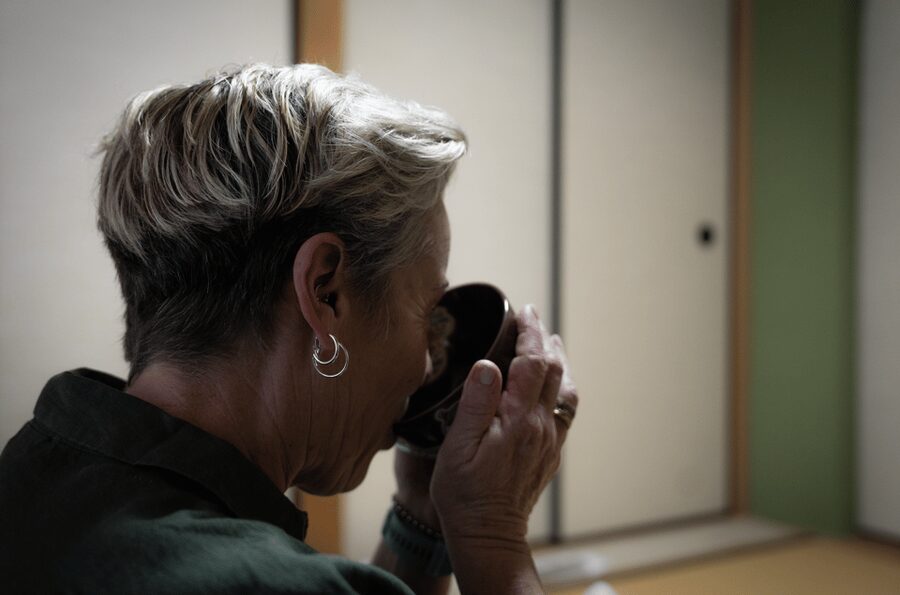
This is not just a standalone activity. The location is set up to help you build a full Kyoto day without extra transfers.
From Demachiyanagi Station, it is about a 15-minute walk to the tea room. Demachiyanagi also works well as a base if you want to spend time around Kibune Shrine and Rurikou Temple. If your itinerary already has those areas on your list, the tea ceremony becomes an easy, low-effort add-on.
From the Kamogawa Delta side, the 15-minute walk gives you a more scenic route in and out. That matters on days when you feel like you are constantly moving. You get an outdoor buffer before and after, and it helps the ceremony feel even more restful.
Practical tip: if you plan to do both temples and the tea ceremony, time the ceremony for a moment when you want calm. It makes the cultural contrast feel intentional, not accidental.
Price and value for a $38 one-hour session
At $38 per person for 1 hour, this can look like a lot if you are comparing it to casual tea spots. But the value comes from what you are actually buying: personalized instruction from an experienced teacher, a small-group setting (up to 6 participants), and hands-on matcha preparation plus tea and traditional dried sweets.
You are not paying for a quick drink. You are paying for guidance that helps you understand what you are doing, especially if it is your first ceremony. That is where the experienced instructor really earns the price. Clear explanation and patience make the difference between a confusing activity and a meaningful one.
The small group matters for value too. More people usually means less attention and a more formal, watch-only experience. Here, the size keeps it manageable.
If you are deciding between a tea experience that is mostly observational versus one where you make matcha, this one tilts toward learning and participation, which makes it feel more worth it.
Who should book this Kyoto tea ceremony experience
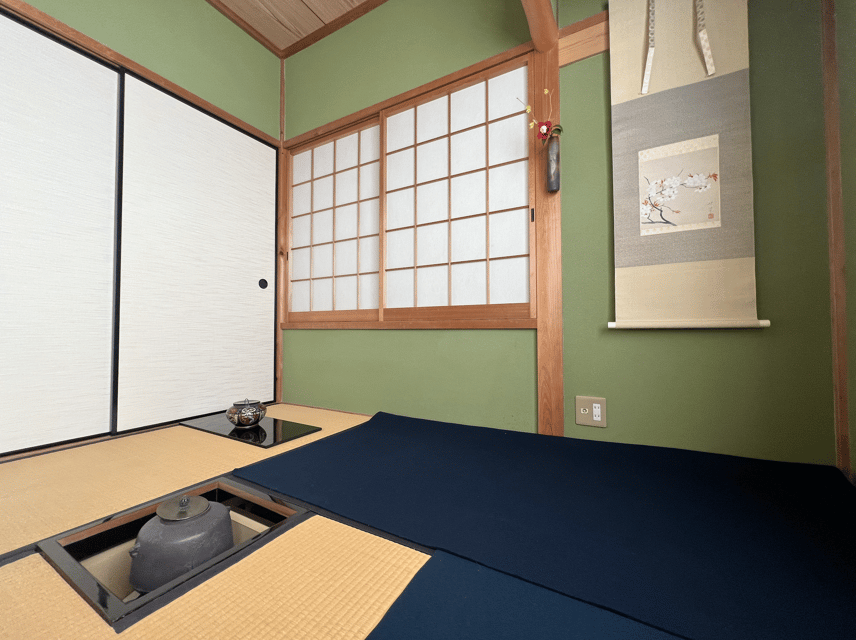
This suits you best if:
- You want a Kyoto cultural activity that is quiet and structured, not crowded and noisy
- You like hands-on learning and want to make matcha yourself
- You want English instruction and a teacher who keeps things welcoming
- You are building a day around riverside scenery and nearby temple areas
It is also a strong choice if you feel intimidated by traditions that can seem formal. The whole point here is lowering barriers. You are guided from the basics, so you are not expected to already know the “right way.”
If you are traveling with limited time, the 1-hour duration is helpful. It is long enough to learn and taste, short enough to fit into a busy Kyoto itinerary without derailing your plans.
Should you book the Tisato tea ceremony in Kyoto?
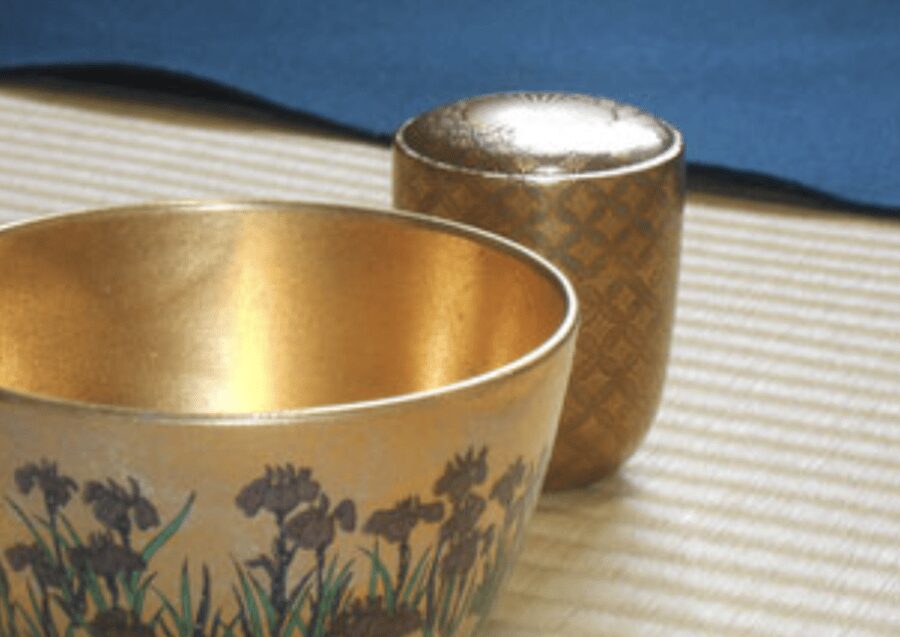
Yes, book it if you want a calm, well-explained introduction to Kyoto tea tradition with real participation. The combination of English-led instruction, a 30-year tea master, a small group, and the option to make your own matcha is the winning formula.
Skip it only if you specifically want a long, multi-hour program or a deep training course style experience. This is designed to be accessible and welcoming, and that makes it perfect for most first-timers.
FAQ
How long is the tea ceremony experience?
The session lasts 1 hour.
How much does it cost?
The price is $38 per person.
Where is the meeting point?
Look for a Japanese house with a sign that says Tisato so you can enter.
Is the tea ceremony explained in English?
Yes. The instructor provides instruction in English.
Is it a small group?
Yes. The group is limited to 6 participants.
Will I get to make my own matcha?
You can make your own tea if you wish, with guidance from the instructor.
What is included in the price?
Included are the tea ceremony, instructions by the instructor, matcha tea, and traditional dried sweets.
How far is it from the Kamogawa Delta?
It is about a 15-minute walk from the Kamogawa Delta.
How far is it from Demachiyanagi Station?
It is about a 15-minute walk from Demachiyanagi Station.
Is free cancellation available?
Yes. You can cancel up to 24 hours in advance for a full refund.
More Tour Reviews in Kyoto
Not for you? Here's more nearby things to do in Kyoto we have reviewed

Kyoto Tea Ceremonies, compared.
 ★ 4.9Tea Ceremony in a Traditional Tea House in KiyomizuFrom $493,519 reviews
 ★ 4.9Tea Ceremony Ju-An at Jotokuji TempleFrom $293,207 reviews
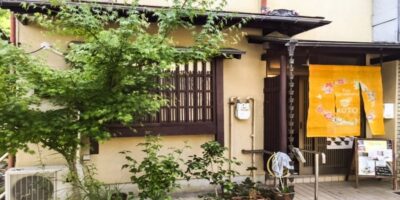 ★ 4.345-Minute Tea Ceremony Lesson ExperienceFrom $222,378 reviews
 ★ 5.0World Heritage Kyoto & Nara Uji Authentic Matcha ExperienceFrom $1291,573 reviews
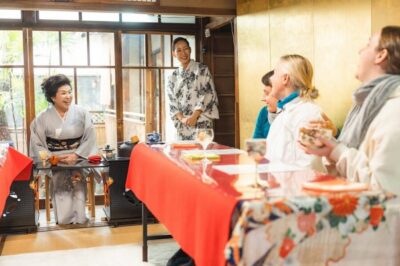 ★ 4.9Table-Style Tea Ceremony at a Kyo-MachiyaFrom $451,211 reviews
 ★ 5.0Kimono Tea Ceremony at Kyoto Maikoya, NISHIKIFrom $65911 reviews
 ★ 5.0Arashiyama Bamboo Forest, Monkeys, Matcha & Temple TourFrom $53759 reviews
 ★ 4.9Tea Museum Tickets and Matcha Grinding ExperienceFrom $23739 reviews
Browse the lists this tour appears in