
Reviewed · KYOTO GARDENS & ZEN RETREATS
Kyoto: Tea Ceremony Meditation – Make Matcha with Tea Master
A 45-minute pause in Kyoto is rare. Inside a 100-year-old townhouse, you learn matcha in the Omotesenke tradition with English guidance and a calm, question-friendly flow.
The other thing I really like is that this is hands-on. You make your own bowl of matcha with authentic, handcrafted utensils, then drink it right away, not after a performance from the sidelines.
One thing to plan for: it is not set up as a full costume day. Kimono rental and hair setting are not included, and you also have rules about food in the venue, so come ready for a tea-focused experience.
Key highlights to know before you go
- Omotesenke-style matcha instruction in English led by a host trained in one of Japan’s most respected tea traditions
- Small group size (10 or fewer) so you can ask questions and get coaching, not just watch
- Make and drink your own matcha using authentic, handcrafted utensils made by skilled artisans
- Tatami-and-quiet townhouse setting in central Kyoto with a slower pace than most sightseeing stops
- One cup of matcha plus a traditional sweet included, with time to browse Japanese crafts afterward
Matcha in the Omotesenke tradition, not a rushed show
Kyoto is full of tea options, but this one aims at the core of the ritual. You are taught in the Omotesenke tradition, which matters because the ceremony is about more than taste. It is about timing, posture, etiquette, and attention.
What I like here is that the format gives you a bridge between old-school tradition and real-life questions. The English-speaking tea masters encourage conversation, so you can ask about tea culture, the meaning behind steps, and what people actually do at home versus in formal settings.
You also get the practical side. By the end, you know what your movements are supposed to do, and why the tools and gestures matter. That is the difference between sipping matcha and learning to make matcha with respect for the craft.
You can also read our reviews of more tours and experiences in Kyoto.

Entering a 100-year-old Kyoto townhouse (and why that sets the mood)
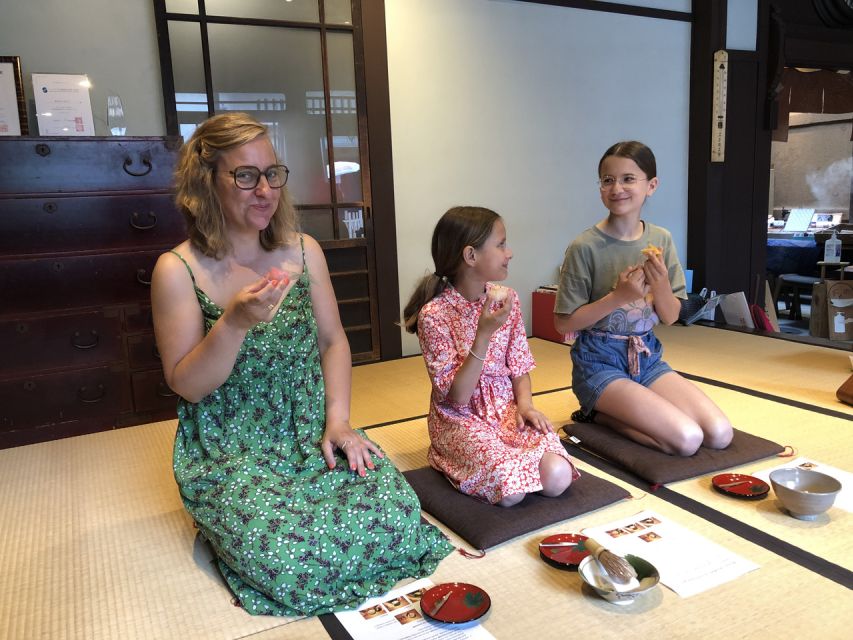
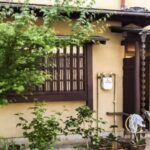
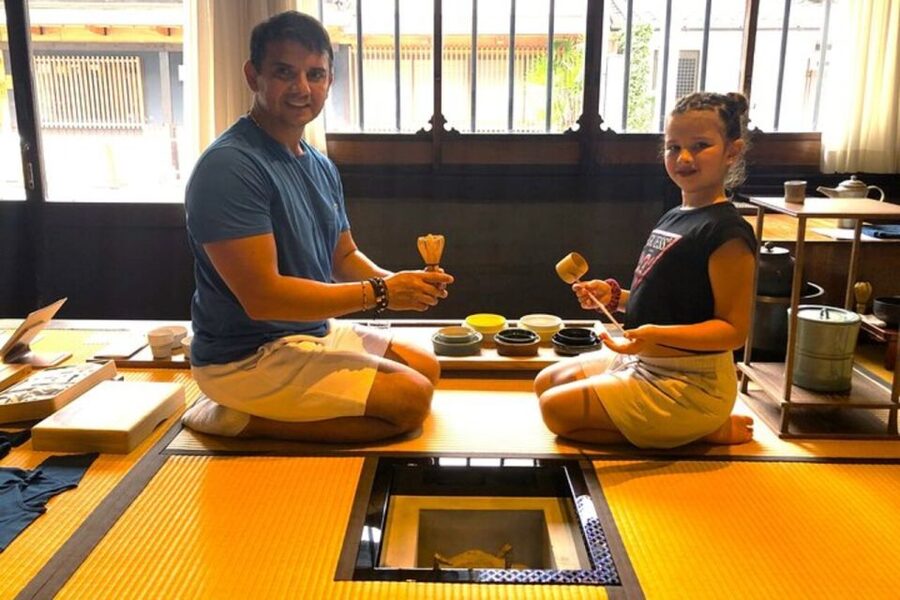
The experience starts the moment you step inside. You are in a traditional Kyoto townhouse with tatami flooring and a quiet atmosphere that naturally lowers your volume and your pace. It is the kind of setting that makes the ceremony feel real, not like a classroom demo in a busy room.
Expect a slow rhythm. You will be introduced to the mindful preparation of matcha, then guided through the steps so you can practice yourself. The whole session is 45 minutes, so you get structure without feeling dragged.
Do note the house rules that protect the calm. You are asked not to wear perfumes or colognes so the matcha aroma stays clear. And the venue is limited, so arrive no earlier than 10 minutes before your scheduled time.
How the tea master guides you, with names like Miki-san and Aki-san
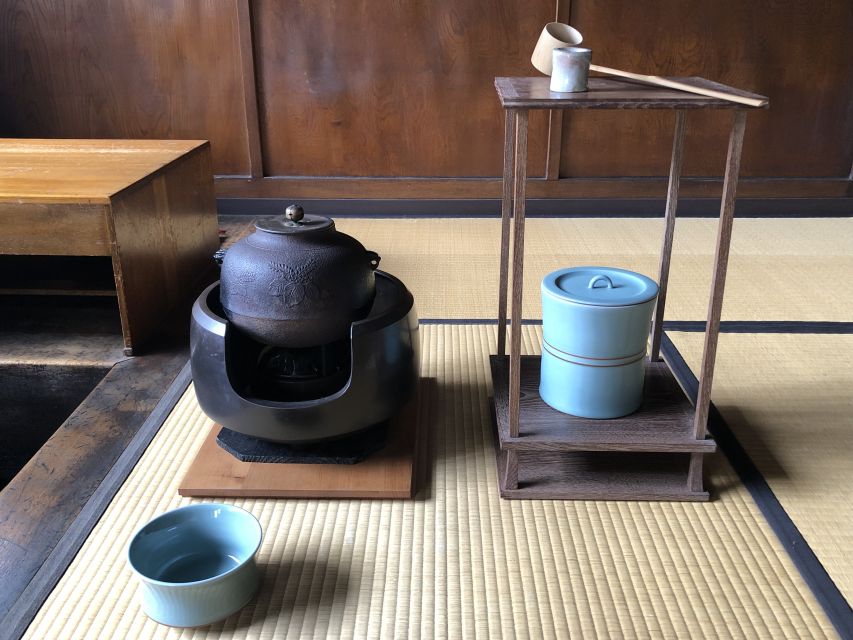
A big part of the value is the teaching. This program uses English instruction, and the host is trained in the Omotesenke tradition. That background shows up in how they explain steps, the etiquette, and how they handle questions without turning the class into a lecture.
Based on the host names people share in their feedback, you may meet teachers like Miki-san, Aki, Kiyoka, Joko, or Yoko. Even if your host’s name changes, the pattern stays the same: clear guidance, lots of patience, and room to ask questions.
That matters for first-timers. If you have never done a tea ceremony, you might wonder what you are looking at. An English-speaking guide helps you understand the logic behind each move, so you are not just copying motions. You also get a chance to connect tea with broader Japanese culture through conversation.
Your hands make the matcha, with handcrafted tools you can respect
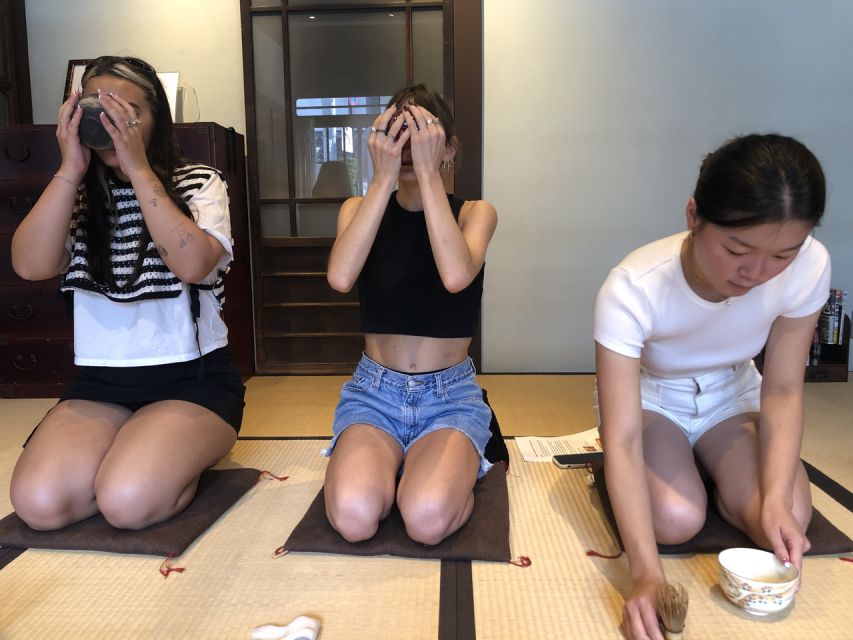
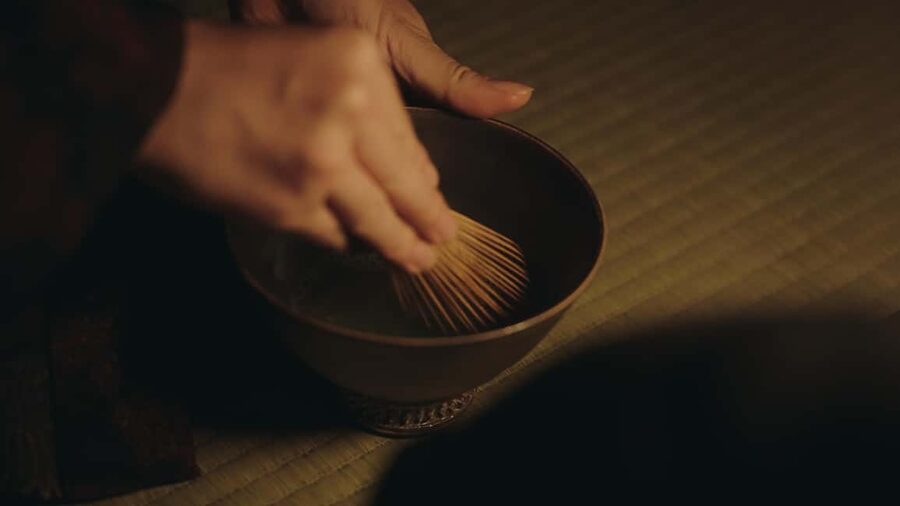
This is a workshop, and it stays one. The core moment is when you make your own bowl of matcha using authentic, handcrafted utensils made by skilled artisans. When a class includes the making part, the whole experience gets more memorable because your body learns the process, not just your eyes.
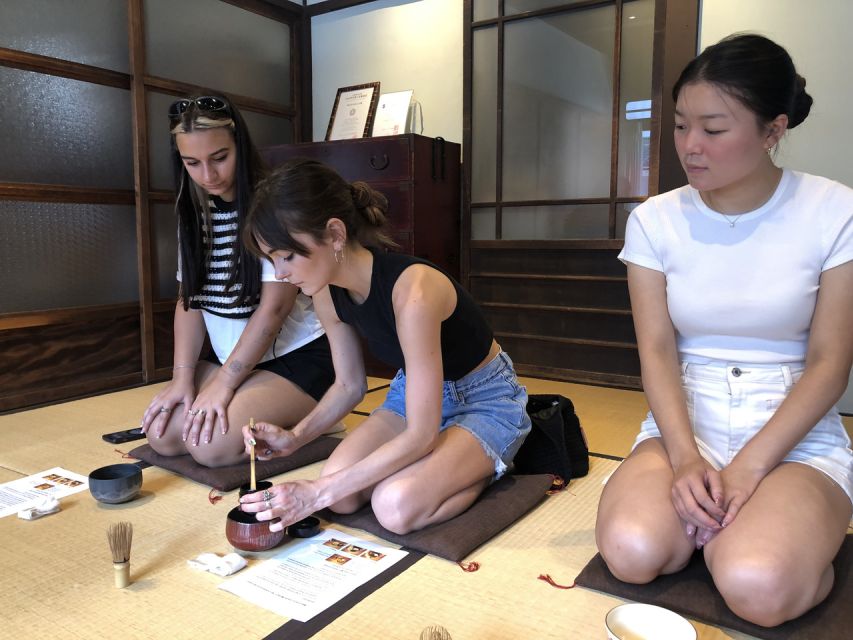
During the lesson, you will learn traditional techniques and etiquette. That includes how to prepare and handle the tools properly and how to whisk matcha so you get the right texture. It may sound technical, but the guidance is gentle and entertaining, so it stays approachable.
Then comes the best part: you enjoy your freshly prepared matcha with a traditional sweet. That tasting is not an afterthought. It is where the training turns into a sensory experience, and where you can notice what changes when your technique improves.
What you drink and snack on: matcha plus a traditional sweet
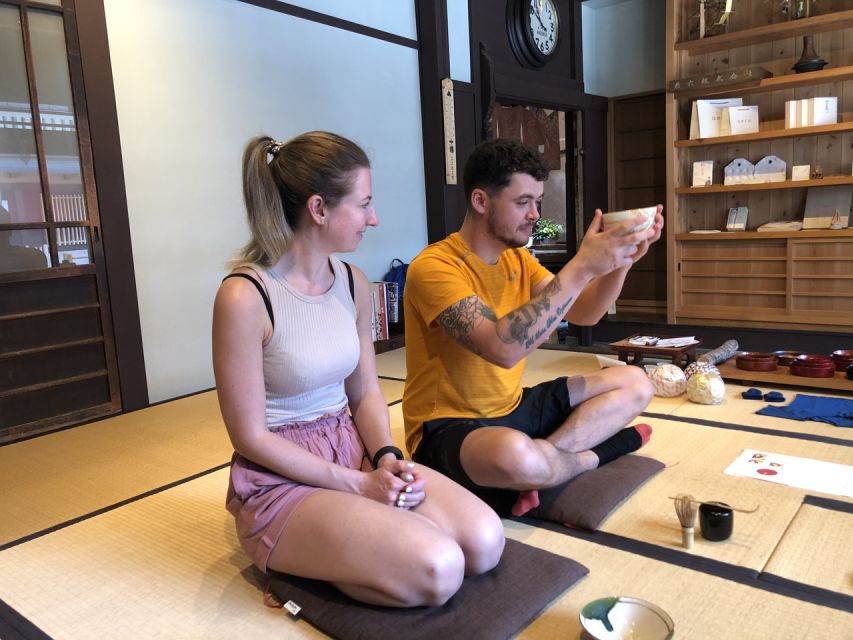
Included in the price is one cup of matcha tea and Japanese traditional sweets. The sweet is a classic pairing in many tea moments because it balances the bitterness and helps you appreciate the matcha more fully.
One practical note for your expectations: the venue is not suitable for eating beyond what is included, and food and drinks are not allowed. So do not plan to treat this like a break where you hang out with snacks. Treat it like a short ceremony class where the tea and sweet are part of the flow.
After you drink, there is a relaxed chance to talk. Many people comment on the soothing feeling of the pace, plus the clarity of the explanation, including the idea behind the ceremony, not just the step-by-step actions.
Souvenirs and Japanese crafts: what you can take home
This experience also includes time to explore Japanese crafts. The highlights mention curated items and meaningful souvenirs you can take home, and feedback suggests there are items available for purchase at the end.
I like this approach because it turns the tea class into a small, grounded memory. If you want something practical, tea tools and related items make more sense than generic postcards. And if you just want to browse, the shopping time gives you an extra 5 to 10 minutes to absorb what you learned before you head back out into Kyoto streets.
Just keep it realistic. This is still a 45-minute experience, so the craft browsing is likely to be short. Go in to learn first, buy second.
Price and value: $45 for 45 minutes of small-group craft
At $45 per person for 45 minutes, the price looks fair when you break down what is included. You are paying for:
- a real tea ceremony session led in the Omotesenke tradition
- English instruction and Q and A
- handcrafted utensils used during your hands-on making
- one cup of matcha plus a traditional sweet
You are also getting the small-group setup, limited to 10 participants. That usually costs more than big-group tours because staff time per person is higher. But it is also what makes the class feel personal, especially if you want to ask questions about culture or technique.
The value is strongest if you are new to tea ceremonies. If you already know matcha basics, you may still appreciate the etiquette details and the tasting, but the biggest payoff tends to come from first-timers who want the full meaning behind the ritual.
Finding the place near Gojo (and getting there without stress)
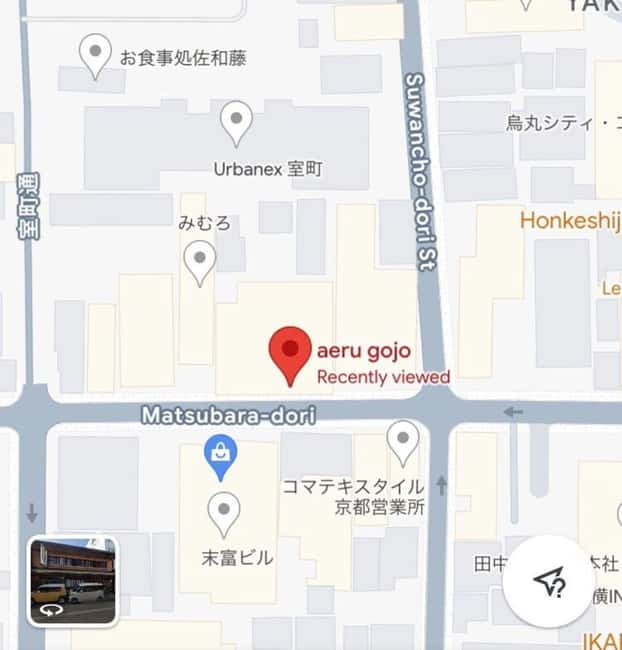
Location-wise, you are in Kyoto Honshu, and the meeting point is easy to navigate if you use the landmark directions. If you are coming from Karasuma-dori Street, turn at the corner with the Family Mart convenience store, then go straight for just one block. You should see the sign for aeru gojo next to Only Corporation, across from Zen Kyoto.
No parking lot is available. If you are arriving by rental bicycle, use public parking spaces. The closest option listed is here: https://maps.app.goo.gl/8vsWCE9rC1dUtW2c8
Plan your day so you can arrive on time. The venue is limited, and you are asked to arrive no earlier than 10 minutes before your scheduled start.
Rules that protect the experience (and how to prepare)
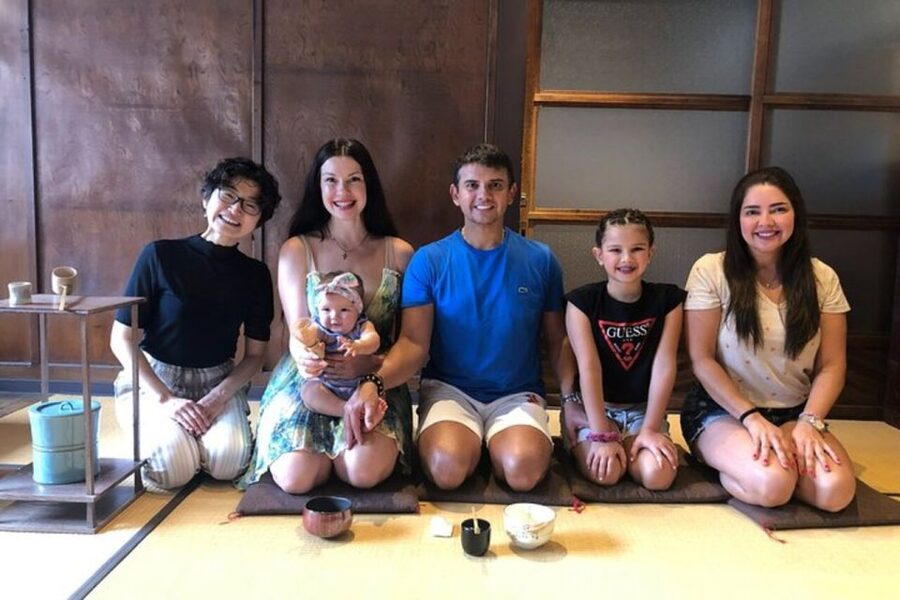
This class runs smoothly because the rules keep the room calm and the aroma clean.
- No food and drinks in the venue, so only expect what is included in the ceremony.
- No bikes inside or around the space.
- Avoid perfumes and colognes, so matcha aroma can come through clearly.
- Arrive no earlier than 10 minutes before your time slot, since the space is limited.
- Kimono rental and hair setting are not included, so plan those photos elsewhere if that is your goal.
If you are traveling with kids, the ceremony can still work, but it is a quiet, mindful setting. Some feedback includes families and younger children, yet it is still smart to assume kids will need gentle guidance and patience from you.
Who this Kyoto matcha class is best for
This is a strong choice if you want Kyoto culture in a hands-on format. You will learn the etiquette and meaning behind matcha, not just how to whisk powder.
It also fits solo travelers well. A small group makes it easier to connect with fellow students through questions, and the tea master’s English guidance helps you feel comfortable.
First-time matcha drinkers benefit most. You get a clear introduction to what makes matcha different, plus an immediate chance to taste your own bowl. And if you already like Japanese crafts, the optional browsing time at the end gives you a natural souvenir tie-in.
If you are expecting a full activity day with photos, snacks, and costume add-ons, you may feel limited. This workshop is focused, short, and tea-centered by design.
Should you book this Kyoto Tea Ceremony and Matcha-Making workshop?
Book it if you want a respectful, guided Kyoto tea ceremony that is actually hands-on. The small group size, Omotesenke-style instruction, and the fact that you make and drink your own matcha are the big reasons this feels worth your time.
Skip it or reconsider if you want a kimono experience. Kimono rental and hair setting are not included, and the venue rules keep it strictly about the ceremony flow rather than eating or lingering with extra snacks.
If your travel rhythm needs a calm reset in the middle of sightseeing, this is a smart pick. You get an authentic Japanese craft moment, with English support and enough structure to make the lesson click.
FAQ
Where is the meeting point for the Kyoto matcha ceremony?
If you are coming from Karasuma-dori Street, turn at the corner with the Family Mart convenience store and go straight for one block. Look for the sign for aeru gojo next to Only Corporation and across from Zen Kyoto.
How long is the tea ceremony experience?
The experience lasts 45 minutes.
Is the instructor teaching in English?
Yes, the instruction is in English.
Are kimono rental and hair setting included?
No, kimono rental and hair setting are not included.
How many people are in the group?
It is a small group, limited to 10 participants.
Do I need to avoid anything before the ceremony?
Yes. Please refrain from wearing perfumes or colognes so you can enjoy the matcha aroma and keep the experience pleasant for everyone.
Can I cancel and get a full refund?
Yes. You can cancel up to 24 hours in advance for a full refund.
More Tour Reviews in Kyoto
Not for you? Here's more nearby things to do in Kyoto we have reviewed



Kyoto Gardens & Zen Retreats, compared.
 ★ 5.0Kyoto Arashiyama Walking Tour: Bamboo, Monkeys, Gardens & SecretsFrom $651,216 reviews
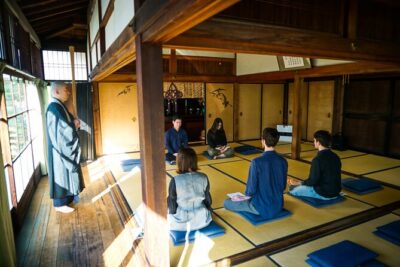 ★ 5.0Kyoto Zen Meditation & Garden Tour at a Zen Temple with LunchFrom $110441 reviews
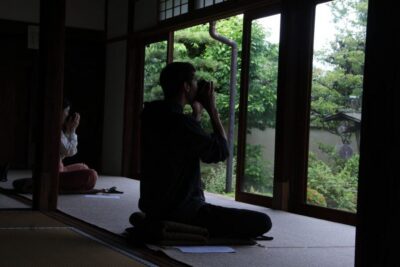 ★ 5.0Zen Experience in a Hidden TempleFrom $109437 reviews
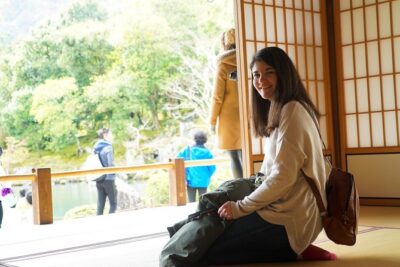 ★ 5.0Kyoto Arashiyama Bamboo forest & Garden Half-Day Walking TourFrom $129413 reviews
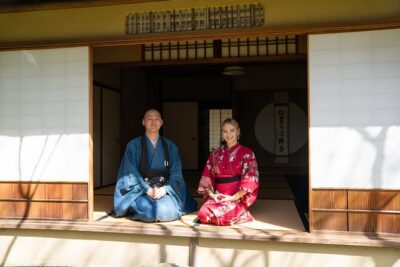 ★ 5.0Zen Meditation at a Private Temple with a MonkFrom $91202 reviews
 ★ 5.0Zen Garden, Zen Mind (Private)From $380126 reviews
 ★ 5.04.5-Hour Kyoto Bike Tour with Lunch and UNESCO Zen TemplesFrom $99122 reviews
 ★ 5.0Kyoto Kiyomizu Tea Ceremony with Scenic Garden ViewsFrom $50101 reviews
Browse the lists this tour appears in