
Reviewed · TOURS
KYOTO: Tour guidato tra i tesori della città (in italiano)
Kyoto in half a day, but not rushed. This Italian-speaking tour strings together major sights with a native Kyoto guide who explains how people lived, not just what to look at. I especially liked the walk in the Sagano Bamboo Forest and the stop at Kinkaku-ji. One thing to consider: the pace is steady, and you will spend time moving between areas.
I also like how the guide turns each place into a story, connecting the old capital life of aristocrats, literati, and even samurai-era culture to what you see on the ground. The tour ends in Pontocho, and you can choose to leave early if you want to change your rhythm.
Key points to know before you go
- Italian guide who answers questions: you can ask about history, culture, and daily life in Kyoto.
- Sagano Bamboo Forest walk: a guided stroll in the Sagano area, paired with context for what you’re seeing.
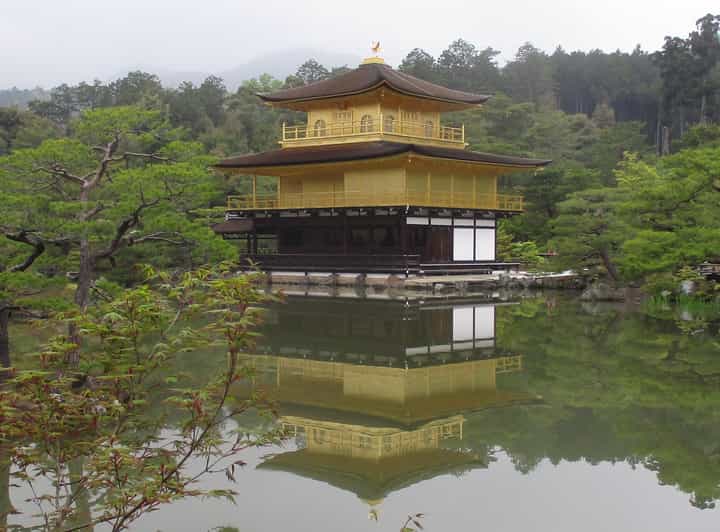
- Kinkaku-ji Golden Pagoda visit: time set aside for guided sightseeing, not just a quick photo stop.
- Kiyomizu-dera and old-street lanes: Sannenzaka and Ninenzaka fit naturally after the temple.
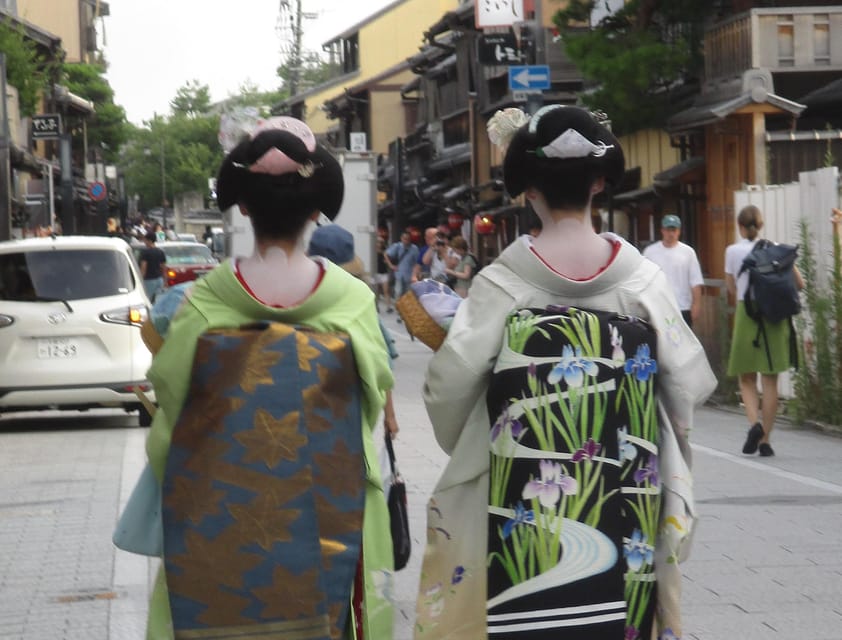
- Gion-kobu area focus: you’ll learn about Maiko and Geiko, professional performers tied to this neighborhood.
- Finish at Pontocho: you end in a lively pocket of Kyoto, with flexibility if you want to stop sooner.
Kyoto Station meet point and how the half-day plan moves
You start at Kyoto Station, North Entrance (Karasuma-guchi), but the key is the exact meeting spot. Meet in the space between the two escalators in front of the taxi terminal. It is east just outside the central entrance to the north of Kyoto Station, and you should be able to see Kyoto Tower up in the distance, upper left from where you stand. The operator emails detailed confirmation for the meeting point the day before, so rely on that message when you arrive.
This tour is scheduled as a 1-day activity, but the sightseeing itself feels like a half-day route. You hop between areas using train, bus or coach, and subway segments, with short guided walks at the top sights. If you prefer slow travel, you will need to treat this like a “see and learn” sprint, then slow down on your own afterward.
Logistically, this format is useful because you are not trying to stitch together transit plus entrance tickets by yourself. Everything related to transportation and monument entrance fees is included during the itinerary. And yes, it is wheelchair accessible, which matters if you want a guided day without doing guesswork on step-heavy routes.
You can also read our reviews of more tours and experiences in Kyoto.

Sagano Bamboo Forest: a guided walk with real meaning
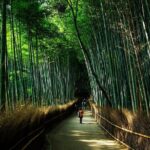
The first major stop is in the Sagano area, with a guided visit and walk through the Bamboo Forest. This is the part many people come for because it is instantly photogenic, but the value here is that the guide frames it in Kyoto’s broader cultural setting. You get more than a green tunnel vibe. You learn what the preserved environment around Kyoto means, and how the landscape ties into how the city developed over time.
You will have about an hour on site for the bamboo walk. That is long enough to slow down, notice the rhythm of the path, and get your bearings before the group moves on. The guided portion also helps if you worry about getting turned around. Even if you know the “bamboo forest” idea, you still benefit from someone local explaining why this area is treated with such care.
A practical note: bamboo paths can feel crowded at peak hours. Your best move is to keep a light pace inside the group and use the guided stops to pause, rather than trying to break away for photos. If you like solitude, you might find yourself wanting a quieter second pass later, but for a half-day tour this is a solid start.
Kinkaku-ji Golden Pagoda: seeing Kyoto through a single icon
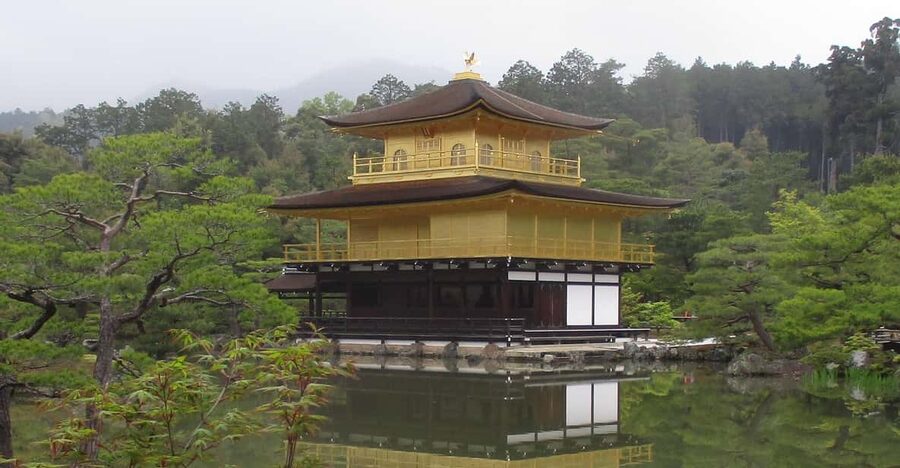
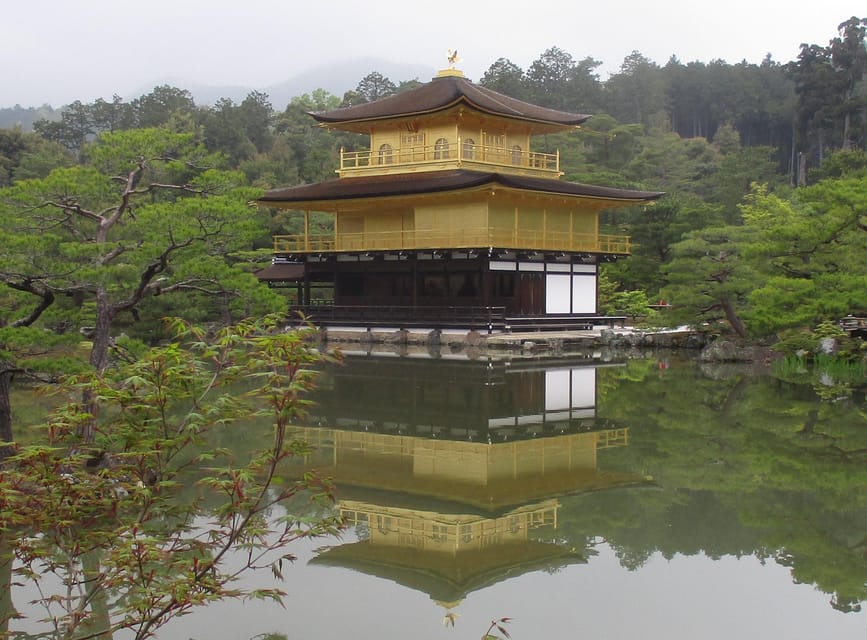
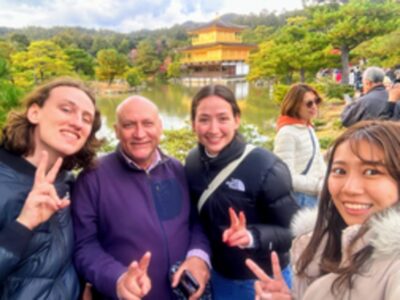
Next comes Kinkaku-ji, the Golden Pagoda. You get around an hour here, with guided sightseeing and time to take in the views. The pavilion is famous for obvious reasons, but what I like about this style of visit is that the guide helps you connect the sight to the people who shaped Kyoto’s prestige.
The guide’s angle is not just architectural. You hear about the historical capital, and you get context about the vacationing and retired lives of people connected to the imperial house, aristocrats, and literati. It is an important lens because Kinkaku-ji feels like a place where status, culture, and nature meet. When you understand that, the sightseeing time becomes more satisfying.
A balanced consideration: Kinkaku-ji is a magnet for visitors, so the area can feel busy. This matters for photography and for how much time you can spend lingering. Still, having a guide who can point out what to focus on makes your time more efficient, especially if you do not want to spend your entire day chasing the “best angle.”
Back to Kyoto Station: the useful reset you should plan for
After the morning sights, the tour brings you back to Kyoto Station for a break time of about 1 hour. This is not a throwaway stop. It is one of the smartest parts of the schedule because it gives you a breather and a transit reset before the afternoon climbs and walking.
Use this hour to do the basics: water, a snack, and a quick restroom stop. If you plan to keep exploring after the tour, use it to orient yourself inside the station and decide where you want your next steps. Kyoto Station is huge, so it can be surprisingly calming to have a guaranteed anchor point where the group regroups.
If you want the most value from the afternoon, keep your energy steady. The second half includes temple steps and traditional neighborhood lanes. If you eat too late, or if you go heavy on caffeine without water, you can feel it later. The station break is your chance to manage that.
One more detail I appreciate: you are not forced to stick to a rigid plan the whole time. Since the tour ultimately ends in Pontocho, you can also adjust your day if you want to stop earlier than the full route. That flexibility is handy if you spot an area you like and want extra time there.
Kiyomizu-dera and the lanes of Sannenzaka and Ninenzaka
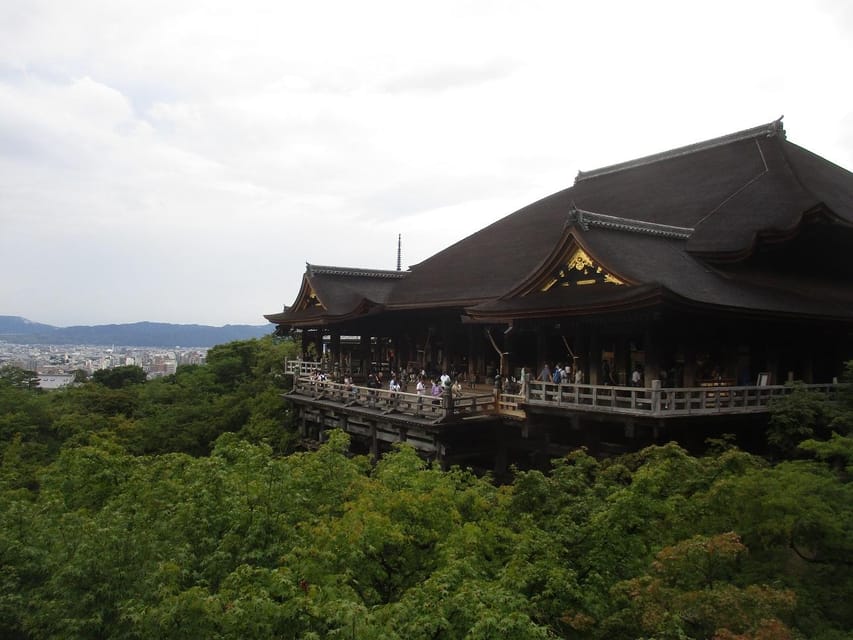
The afternoon begins with Kiyomizu-dera, with about an hour for visit and guided sightseeing. This temple is the kind of place where you can easily spend too little time if you are rushing, or spend too long if you are distracted by views. Here, the guide helps you balance seeing the main points while also understanding what makes the temple area feel connected to Kyoto’s old atmosphere.
From Kiyomizu-dera, you transition on foot into the preserved street lanes. You pass through Sannenzaka and then continue toward Ninenzaka. You get guided time for sightseeing and walking through these areas, with short segments that add up. These lanes matter because they are not just scenic. They show how the city’s history feels at street level, not only at landmark rooftops.
Why this part of the tour is valuable: it connects the spiritual site with the everyday human scale around it. Temples look dramatic from afar, but the lanes tell you how people actually moved through the area. The group walking format helps because you get continuity. You are not bouncing between disconnected spots with no context.
A practical consideration: the Ninenzaka and Sannenzaka areas often involve uneven pavement and lots of steps. Wear shoes you trust. If it is rainy, bring something for your feet and keep your hands free. You will have an easier time enjoying the scenery if you are not constantly adjusting your footing.
Gion-kobu, Maiko and Geiko, and a finish in Pontocho
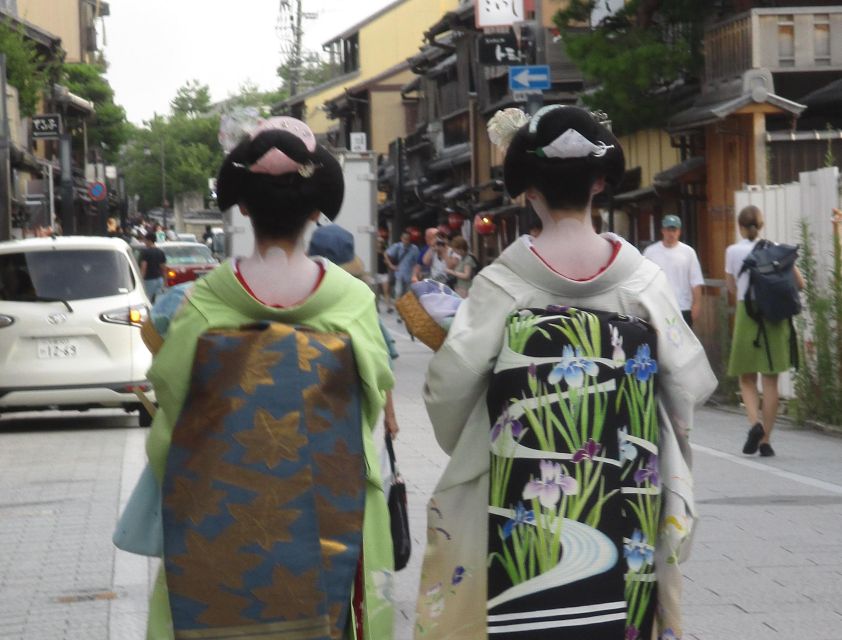
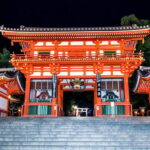
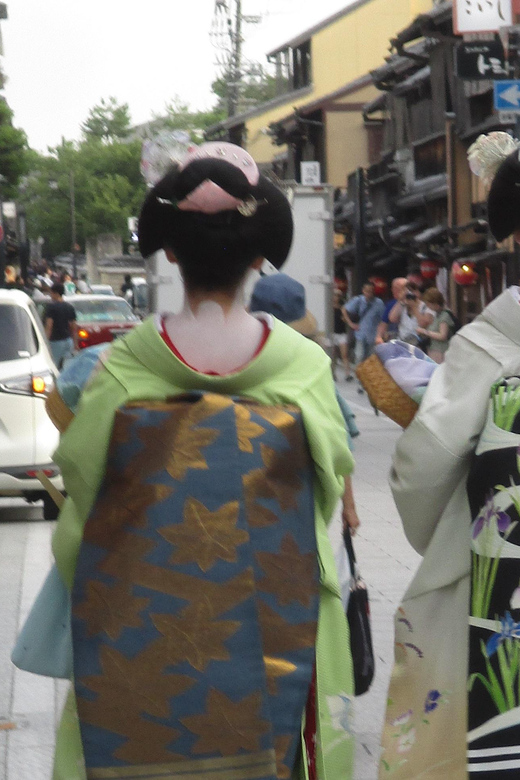
After the old-lane stroll, the tour turns toward Gion and the wider Gion-kobu area. You get guided time here plus a bit of walking. This is where the tour’s local context really pays off. You learn about Maiko and Geiko, professional performers associated with this district, and why people often call them Geisya.
Even with guide explanations, keep expectations practical. This is a neighborhood, not a museum. You are there to understand the cultural role of the area and see how it looks day to day. Having an Italian-speaking guide helps because you get straight answers about what you are seeing, instead of guessing.
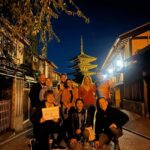
The route also includes a brief stop by Kyōto Minami-za, which adds a cultural layer before you head toward your final evening location. Then the tour ends at Pontocho, where you can continue on your own.
Finishing in Pontocho is a clever choice for many people. It is a classic Kyoto setting where the atmosphere changes after the daytime crowds. If you want to keep the day going, you can linger there. If you want to call it a win and head back, you have a clear end point that is easy to reach from other areas.
Price and value: what $153 buys in real time
At $153 per person for a half-day-feeling guided route, the price makes sense only if you value guidance and convenience. You are not paying just for someone to point at temples. You are paying for an Italian-speaking native Kyoto guide, plus transportation and entrance fees during the itinerary.
Let’s translate that into plain terms. Without this tour, you would likely pay for transit between multiple neighborhoods, buy tickets for major sites, and still need to figure out where to meet, when to move, and how long to spend at each place. This experience bundles those moving parts into one plan. The result is that you spend more of your time actually sightseeing and asking questions, and less time managing logistics.
The other “value” piece is the question-and-answer style. The guide doesn’t just narrate. You can ask about history, culture, and daily life in the historical capital, including how the story connects nobles, literati, and samurai-era culture to the places you visit. That kind of explanation is hard to price, but it is often what turns a checklist day into a meaningful day.
Who should book this Kyoto treasures tour
This is a good fit if you want to get oriented fast. You get a strong spread of Kyoto themes in one morning plus afternoon: landscape (Sagano), landmark heritage (Kinkaku-ji), major temple culture (Kiyomizu-dera), historic streets (Sannenzaka and Ninenzaka), and neighborhood tradition (Gion-kobu), ending in Pontocho.
It is also ideal if your Japanese is limited. The Italian guide and the tight structure mean you are not standing around trying to interpret signs or decide where to go next. Based on the guide feedback, the Italian language is delivered clearly and the guide is very responsive, including detailed explanations about each place.
You might want to skip or adjust if you hate walking or you want long unstructured time at one site. The pace is steady, and you have time blocks like the station break and the guided segments. If your goal is total slow travel, you may prefer visiting fewer stops on your own.
Should you book this Kyoto treasures tour?
I would book it if you want an efficient Kyoto day with strong context. The best part is the pairing of major sights with a local guide who explains history and daily life in a way that helps you understand why each stop matters, not only what it looks like.
If you have limited time and want to hit the headline places, this is a practical choice. If you already planned to spend your afternoon wandering at your own pace, you can still use the tour as a fast orientation, then peel off and continue from Pontocho in the direction you like.
More Tours in Kyoto
More Tour Reviews in Kyoto
Not for you? Here's more nearby things to do in Kyoto we have reviewed


Tours, compared.
 ★ 5.0PERFECT KYOTO 1-Day Bus TourFrom $12913,518 reviews
 ★ 4.8Fushimi Inari, Kinkakuji, Bamboo Grove 1 Day Bus TourFrom $1224,316 reviews
 ★ 4.7Kyoto Geisha Walking Tour: Gion District & Hidden GemsFrom $253,273 reviews
 ★ 4.9Gion Magical Night Walking Tour with Geisha TriviaFrom $242,393 reviews
 ★ 4.7Gion Geisha District Walking Tour – Stories of GeishaFrom $202,187 reviews
 ★ 5.0Hidden Kyoto E-Biking tourFrom $1161,843 reviews
 ★ 5.0Kyoto Night Foodie Tour in Gion (9+ dishes + 6 Sake tastings)From $1631,762 reviews
 ★ 5.0Fushimi Inari Hidden Hiking Tour (Private Option Available)From $631,750 reviews