
Reviewed · KYOTO COOKING CLASSES
Private Japanese Home Cooking Class in Kyoto with Michiyo
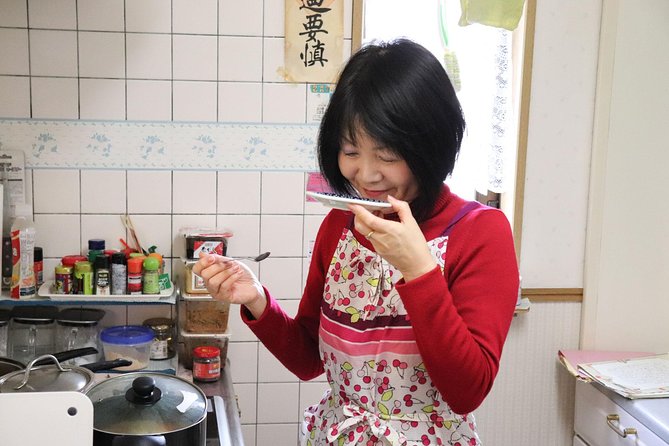
Cooking with Michiyo feels like borrowing a local secret. You get a station pickup, then learn dashi and chirashi sushi in a Kyoto-area home, followed by the meal you made and drinks with it. The only catch is there is no hotel pickup, so you’ll need to reach Otsukyo Station (JR Kosei line) first.
What I really like is the private setup. You’re not squeezed into a big class where questions get lost, and you can move at the pace of the kitchen. Expect seasonal ingredients, clear English explanations, and a relaxed dinner-table conversation afterward, plus a friendly dachshund named El.
Key things to know before you go
- A short pickup and drive to the home from Otsukyo Station, then right into the kitchen
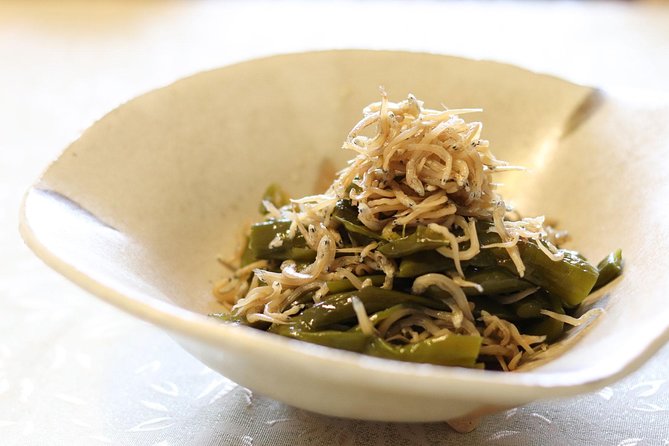
- Dashi is taught step by step since it’s the core flavor of so many Japanese dishes
- Chirashi sushi rice and assembly in a traditional wooden bowl
- Drinks are paired with your meal with 1 to 2 local glasses included, alcoholic or non-alcoholic
- Seasonal, locally sourced vegetables shape what you cook that day
- 1.5 hours cooking, then you eat together, so it’s class plus dinner, not just a demo
Arriving in Otsu for a true home-kitchen start
Even though this is a Kyoto experience, the meeting point is in Otsu, on the JR Kosei line at Otsukyo Station. That detail matters because you’ll want an easy way to get there. If you’re staying in central Kyoto, plan your route ahead of time so you’re not rushing when dinner time is approaching.
Then comes the simple win: Michiyo picks you up at Otsukyo Station and drives you about three minutes to her home. This small transfer lowers stress. You don’t have to navigate a neighborhood while carrying groceries, and you arrive feeling like you’re being taken care of.
At the house, you and Michiyo’s husband will settle into the kitchen routine. One fun, real-life touch is that their well-behaved dachshund, El, shares the home. It’s not a performance. It’s just the normal texture of a Japanese household, which is exactly what makes this feel different from a restaurant class.
You can also read our reviews of more tours and experiences in Otsu.

The kitchen lesson: how dashi becomes real (not just a concept)
Dashi is the backbone of Japanese cooking, and the class treats it like the foundation it is. You’ll learn how to make this fish broth, with guidance that focuses on technique and timing. Instead of being handed vague tips, you get a practical method you can actually repeat later.
Why that matters for you: once you know dashi, you can make sense of a lot of Japanese food. It’s the flavor builder behind soups, simmered dishes, and many sauces. A lot of people can follow a recipe once. Fewer people understand the logic. In this lesson, you’re taught the part that makes the rest taste right.
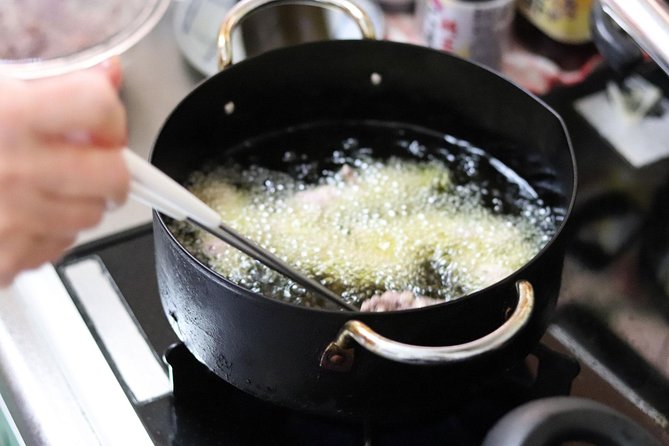
The class also uses fresh, seasonal ingredients, which changes the experience day to day. That’s not just culinary romance. It means you’re learning what cooks actually do in Japan, not what a fixed menu might look like year-round.
Cooking time is about 1.5 hours, which feels like the right length. Long enough to get your hands working, short enough that you’re not exhausted before you eat. You’ll be ready to sit down for the meal as the energy shifts from cooking to sharing.
Chirashi sushi: sushi rice technique and the wooden-bowl look
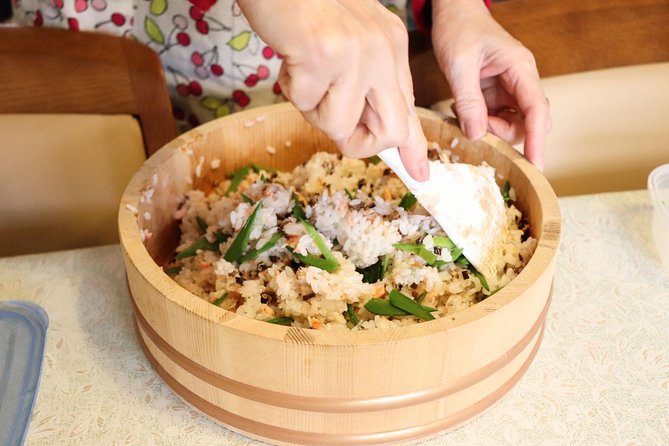
After the dashi lesson, you move into chirashi sushi. The focus is twofold: preparing sushi rice properly, then assembling your chirashi using that rice as the base.
You’ll garnish your chirashi in a traditional wooden bowl. That’s more than decoration. Wooden bowls change how the rice behaves while you work, and they also make the whole process feel grounded in Japanese dining culture. The rice goes from ingredient to something that looks like a meal on purpose, not just a lunch project.
One practical benefit of learning chirashi here is that it’s built for learning. It’s structured but not fussy like some types of sushi rolling. If you’re new to Japanese cooking, chirashi is a good gateway because you can see the cause and effect quickly: rice quality, seasoning balance, and topping placement all show up in the final dish.
The seasonal menu part means your toppings may vary. That’s a consideration. If you have a strong expectation for a specific ingredient, you may not get it every day. But if you’re flexible, the variation is a plus because you learn how seasonal shopping and cooking affect flavor.
The meal with paired drinks: what to expect at the table
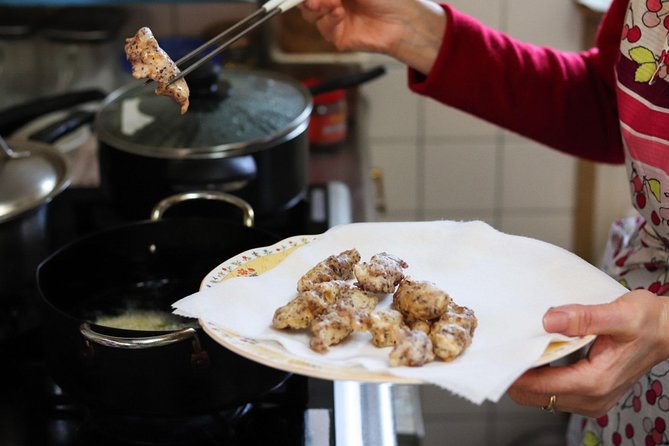
This experience doesn’t end with cleaning up. You sit down together and enjoy the authentic Japanese meal you helped prepare. That’s one of the biggest reasons this is memorable: cooking and eating happen in the same flow.
Along with your food, you can enjoy drinks, either alcoholic or non-alcoholic, paired with your meal. The class includes 1 to 2 glasses of local alcohol. In practice, that pairing can do two things. First, it makes the meal feel more celebratory, like a real evening out. Second, it helps you notice how taste changes with food and drink together.
One more human detail that matters: conversation. Michiyo and her husband share their home through food and discussion, so the time at the table is part of the experience, not a waiting period. If you like learning through back-and-forth questions, you’ll likely enjoy this part as much as the cooking.
A quick realism note. You’re in someone’s home, so the vibe is calm. This isn’t a loud, rushed restaurant meal. Go with that mindset and you’ll feel the difference.
Lunch or dinner options, and why timing makes the class easier
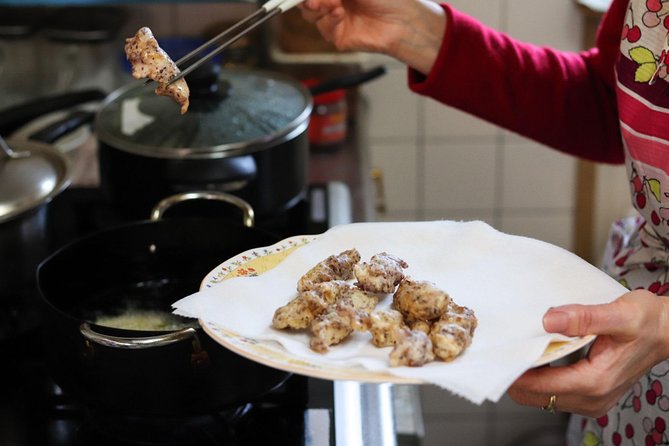
You can choose lunch or dinner when you book. That matters more than it sounds. If you’re traveling with a tight schedule, having the option helps you avoid stacking another long activity right afterward.
The total duration is about 3 hours. In a typical day plan, that’s workable whether you’re sight-seeing in Kyoto earlier or doing a quieter evening afterward. If you’re the type who likes to start the day early, lunch can feel efficient. If you prefer slower mornings and a full evening plan, dinner can turn this into the main event.
Also, the kitchen lesson is about 1.5 hours. That’s a natural midpoint. You cook, then the pace changes into meal time. So even though it’s hands-on, it doesn’t feel like a half-day grind.
Price and value: $86 per person for home cooking plus a meal
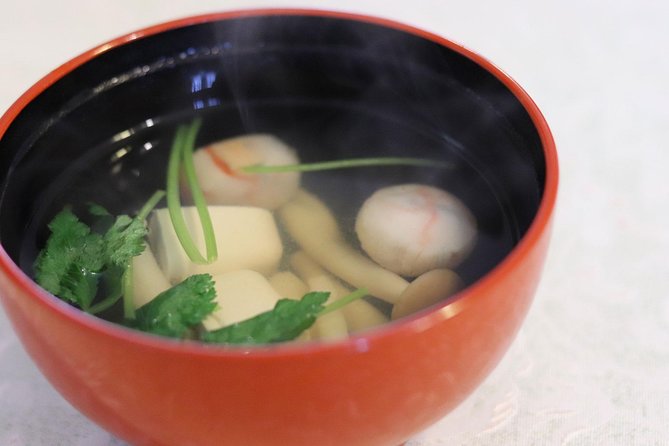
At $86.00 per person, you’re paying for more than instructions. You’re getting:
- a private cooking class in a home kitchen
- the meal you helped prepare
- drink pairing with 1 to 2 glasses
- pickup from Otsukyo Station on the JR Kosei line
That combination is the value story. Many cooking classes teach technique but don’t fully package the meal experience with drinks. Here, you finish by eating what you made, with pairing included, and it stays private to your group.
Group discounts are offered too, which can help if you come with friends or family. And because the experience is private, you’re not sharing attention with strangers. That usually improves the learning payoff, especially if you want to understand why something works, not just how to copy it.
One planning tip: it’s commonly booked about 67 days in advance on average. If you have travel dates in mind, don’t wait until the last minute. Home-based experiences can fill, and you’ll want the schedule you want.
Who this fits best (and who should think twice)
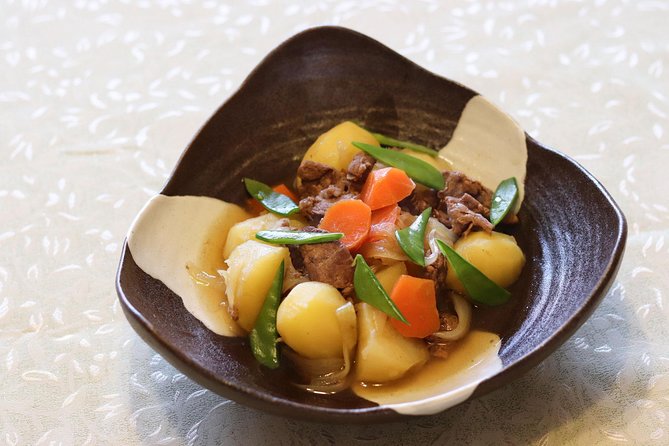
This class is a great fit if you want:
- a private, personalized cooking lesson
- authentic Japanese food taught in a home setting
- to learn fundamentals like dashi and sushi rice, not just one finished dish
- a relaxed meal with drinks and conversation
It’s also especially good if you like seasonal cooking. The ingredients change with the menu of the day, so you learn what people cook based on what’s fresh and local.
Who might need to think twice:
- If you strongly depend on hotel pickup for every activity, you’ll need to arrange getting to Otsukyo Station yourself since hotel pickup and drop-off aren’t included.
- If you have dietary restrictions, you can advise them at booking, but since the menu can vary by season, you may want to be clear and early about what you can and cannot eat.
- If dogs are a concern for you personally, note that Michiyo and her husband share their home with El, a dachshund.
Practical tips to get the most out of the class
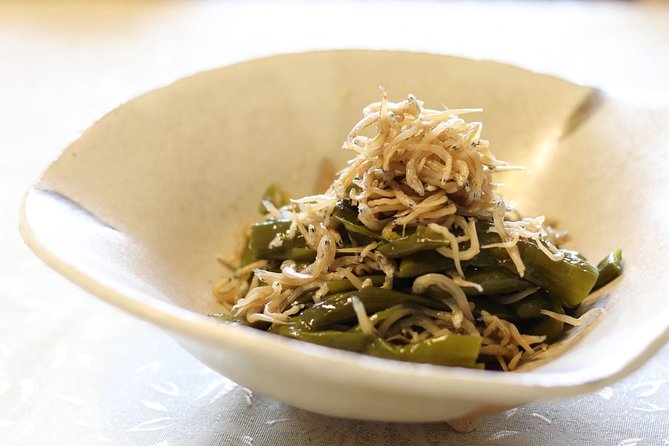
You’ll have the best experience if you treat this like an evening at a kind neighbor’s house, not a rushed classroom.
Here are a few ways to set yourself up:
- Plan your arrival to Otsukyo Station with buffer time. Pickup is part of the experience, so don’t sprint the whole route.
- Come hungry, but not stuffed. You’ll cook for about an hour and a half, then eat the full meal you prepared.
- Ask follow-up questions once you see how dashi and sushi rice fit together. The private setup is your advantage.
- Be flexible about the menu. Seasonal cooking is part of the point, even if that means toppings change.
Also, keep in mind the experience uses a mobile ticket. Have your ticket ready on your phone so the handoff at the start is smooth.
Should you book Michiyo’s Kyoto home cooking class?
Yes, if your idea of a great Kyoto meal includes hands-on cooking and you want the real domestic side of Japanese food. The biggest selling points for me are the combination of dashi + chirashi sushi, the fact that you sit down and eat what you make, and the drink pairing that turns it into a full dinner experience.
I’d skip it only if getting to Otsukyo Station without hotel pickup would be a deal-breaker for you, or if you need a very predictable fixed menu. But if you want to learn core Japanese flavors in a home kitchen, this is the kind of experience that sticks with you, because you don’t just taste Japan. You make it, then share it.
FAQ
Where is the meeting point?
You start at Otsukyo Station on the JR Kosei line.
Is pickup included?
Pickup from Otsukyo Station is included. Hotel pickup and drop-off are not included.
How long is the cooking class?
The experience runs about 3 hours (approx.), including cooking and the meal.
Is this a private experience?
Yes. It is private, and only your group participates.
What will I cook?
You will learn how to make dashi stock and how to prepare sushi rice for chirashi sushi, then garnish the chirashi in a traditional wooden bowl.
Are drinks included?
Yes. You can choose alcoholic or non-alcoholic drinks, and 1 to 2 glasses of local alcohol are included.
Can I cancel and get a full refund?
Yes. You can cancel up to 24 hours in advance for a full refund. If you cancel less than 24 hours before the start time, the amount paid is not refunded.
More Tour Reviews in Otsu
Not for you? Here's more nearby things to do in Otsu we have reviewed
Kyoto Cooking Classes, compared.
 ★ 5.0Ramen Cooking Class at Ramen Factory in KyotoFrom $1311,937 reviews
 ★ 5.0Sushi Making in Kyoto! Same-day bookings welcome!From $53713 reviews
 ★ 4.9Ramen Cooking Class at a Ramen Factory with SouvenirFrom $127532 reviews
 ★ 5.0Ramen, Gyoza, and Onigiri Cooking ClassFrom $90445 reviews
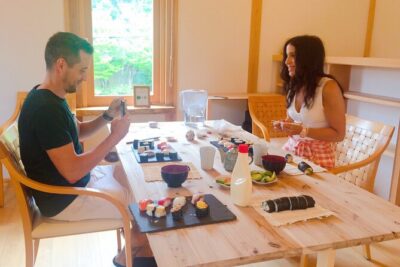 ★ 5.0The Original Small-Group Sushi Making Class in KyotoFrom $69436 reviews
 ★ 5.0Japanese Washoku Bento Small Group Cooking ClassFrom $58380 reviews
 ★ 5.0Kyoto Ramen and Gyoza Cooking Class with Professional ChefsFrom $86282 reviews
 ★ 4.9Afternoon Japanese Izakaya Cooking ClassFrom $67241 reviews
Browse the lists this tour appears in